Best popper for topwater smallmouth
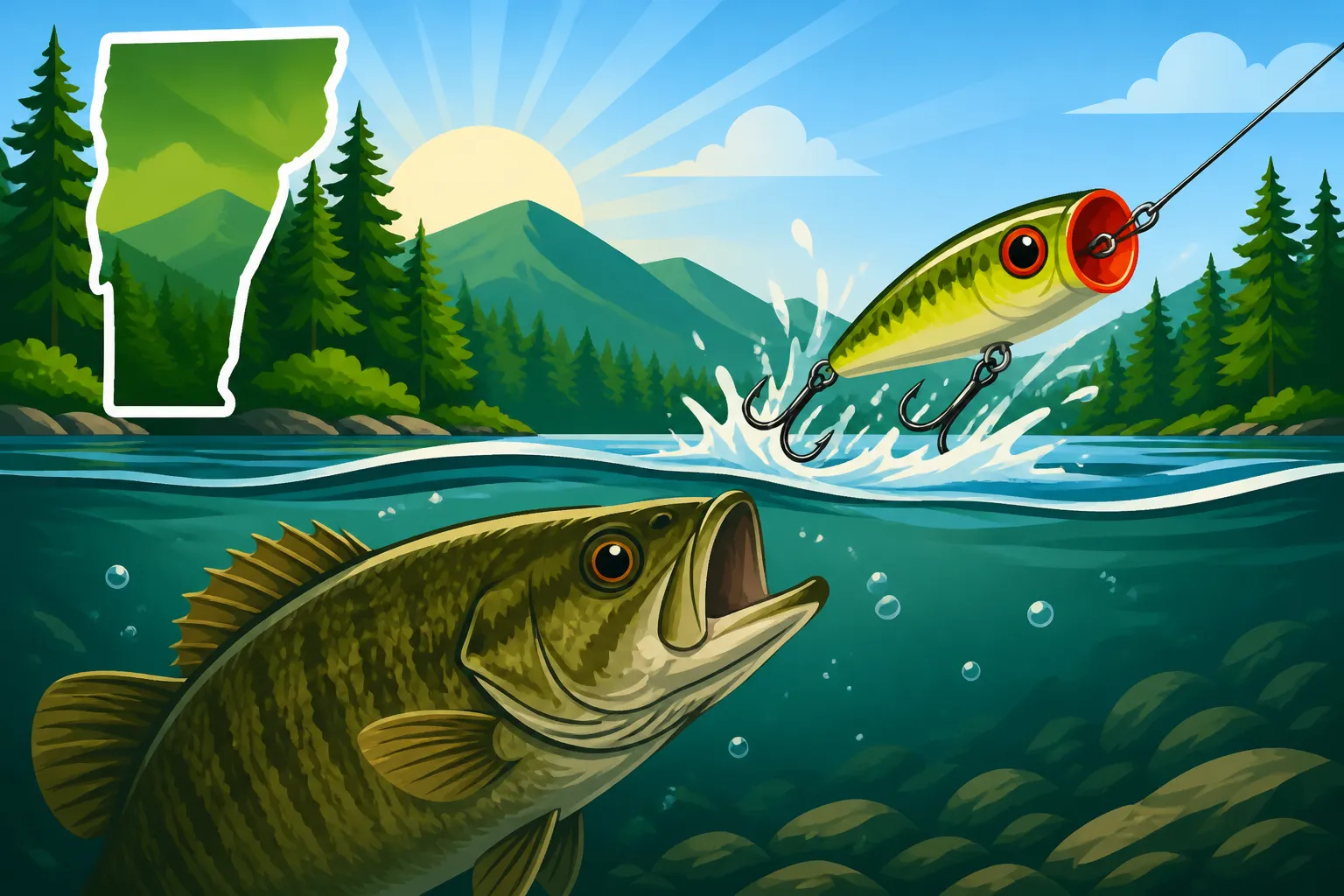
There's nothing quite like the heart-stopping thrill of a smallmouth bass exploding on a topwater lure. It's an experience that gets etched into your memory, making your palms sweat in anticipation. If you've spent any time chasing these feisty bronze beauties in Vermont's diverse waters, you know the satisfaction of that surface strike. This guide will dive deep into why poppers are such a phenomenal choice for tempting Vermont's smallmouth and help you choose the best ones to fill your tackle box, ensuring you're ready for those unforgettable surface explosions.
Why Poppers Reign Supreme for Vermont Smallmouth
Smallmouth bass are opportunistic predators, always on the lookout for an easy meal. While they'll certainly hit baits subsurface, there's a primal instinct that draws them to the surface, especially when something looks vulnerable. Poppers tap directly into this instinct, making them an indispensable tool for any serious smallmouth angler in Vermont.
The Irresistible Surface Commotion
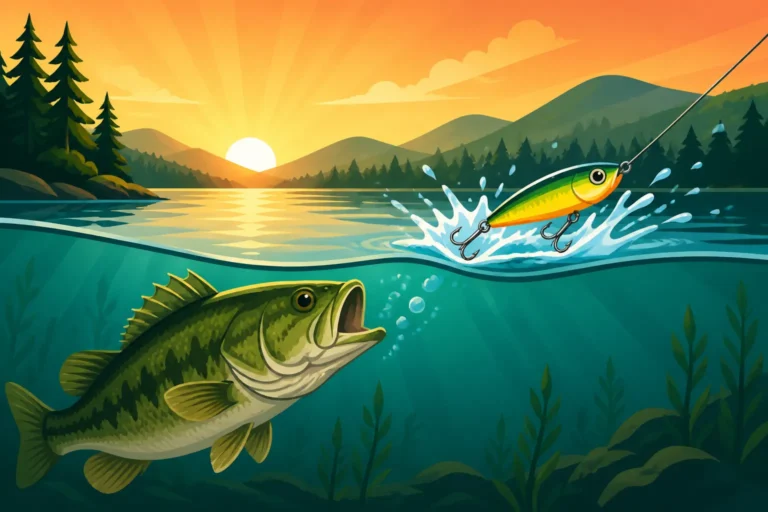
A well-presented popper isn't just a piece of plastic or wood floating aimlessly. It's a master of disguise, mimicking a variety of natural prey that smallmouth can't resist. Think about it: an injured baitfish struggling on the surface, a frog frantically trying to escape a predator, or a large insect that's unfortunately fallen into the water. Each "pop," "chug," or "spit" created by these lures sends out vibrations and creates a visual disturbance that screams "easy meal" to a hungry smallmouth lurking below. That sudden splash and gurgle is often all it takes to trigger an aggressive, territorial strike, especially in the clear waters of many Vermont lakes and rivers. This isn't just a subtle twitch; it's a dramatic call to action that can pull fish from surprising depths or dense cover.
Reading the Water for Popper Success
Knowing when and where to throw a popper is half the battle, and Vermont offers a wealth of diverse environments perfect for topwater action. Smallmouth often patrol shallow flats, particularly around rocky points, submerged rock piles, and patches of sparse weeds. Look for areas where baitfish might congregate or where insects might be active. Low light conditions – dawn, dusk, or heavily overcast days – are prime times for topwater, as the fish feel more secure hunting in shallower water. Even in the middle of a bright day, if you find areas with shade, like under overhanging trees or near docks, a popper can still draw a strike. In rivers like the Lamoille or the Otter Creek, focus your casts around current breaks, eddies, and behind large boulders where smallmouth ambush prey. Understanding these patterns will significantly increase your chances of witnessing that explosive surface hit. You might also want to check out How to Catch Smallmouth Bass in Vermont Lakes for more context on smallmouth behavior.
The Sheer Adrenaline Rush
Let's be honest, beyond the effectiveness, there's just something incredibly exciting about topwater fishing. The anticipation as your popper sits motionless, the sudden bulge in the water, the explosive splash, and the immediate tug of a fighting smallmouth – it's pure adrenaline. Unlike subsurface bites where you often just feel a slight tap, a topwater strike is a visual spectacle. You see the fish commit, you see the water erupt, and that visual confirmation makes every hook set feel incredibly earned. For many anglers, this visual thrill is what makes topwater fishing their absolute favorite method, and smallmouth bass, with their aggressive nature, are perfectly suited for it.
Key Characteristics of an Excellent Smallmouth Popper
Not all poppers are created equal, and what works wonders on one day or in one body of water might be ignored on another. Understanding the different characteristics of poppers will help you select the right tool for the job, increasing your chances of success across Vermont's varied fishing landscape.
Size and Profile Considerations
The size and profile of your popper should generally mimic the prey smallmouth are feeding on. If you're fishing a lake like Lake Champlain where smallmouth frequently chase schools of smelt or perch, a longer, more streamlined popper might be effective. However, if you're targeting smallmouth in a pond or river where frogs or larger insects are prevalent, a shorter, chunkier popper with a wider face might be more appropriate. For general smallmouth fishing in Vermont, poppers in the 2-inch to 4-inch range are usually a good starting point. A blockier profile tends to displace more water, creating a louder "pop," while a more tapered profile might offer a subtler "chug" and a better "walk-the-dog" action. Consider what baitfish are active in the area; sometimes, matching the hatch, even on the surface, can be key.
Color Choices for Vermont Waters
Color can be surprisingly important, though sometimes less so than action. For the typically clear waters of many Vermont lakes and rivers, natural patterns tend to excel. Think greens and browns to imitate frogs, silvers and whites for shad or other baitfish, or even perch-like patterns with bars and yellow bellies. When the water is a bit stained from recent rains, or during low light conditions, brighter, more contrasting colors like chartreuse, orange, or even a bold black can be more visible to the fish. A classic white or bone color is also a perennial favorite, offering good visibility in most conditions and mimicking a wide range of distressed bait. It's always a good idea to have a variety of colors in your tackle box. You can often find a great selection of these versatile lures at local fishing shops or online retailers like Bass Pro Shops.
Sound and Splash Factor
The specific sound and splash a popper creates is perhaps its most defining characteristic. Some poppers are designed with a deeply cupped face that creates a loud, aggressive "pop" and a significant splash, perfect for drawing fish from heavy cover or in choppy water. These are often called "loud" poppers. Others have a shallower cup or a flatter face, resulting in a more subtle "chug" or "spit," which can be ideal for calm, clear water or when fish are less aggressive. Then there are poppers that combine a popping action with a subtle "walk-the-dog" retrieve, creating a unique side-to-side glide in addition to the surface disturbance. Experimentation is key here; on some days, an aggressive, noisy presentation will trigger strikes, while on others, a more understated approach is needed to coax a bite.
Durability and Hook Quality
Smallmouth bass are fierce fighters. They jump, they head-shake, and they often hit a topwater lure with incredible force. Because of this, the durability of your popper and the quality of its hooks are paramount. Look for poppers made from tough plastics or durable wood that can withstand repeated abuse. The hooks should be sharp, strong, and corrosion-resistant. Many anglers will even upgrade the treble hooks on their favorite poppers to ensure they can handle the fight and maintain a good hook-up ratio. Losing a trophy smallmouth because of a bent or broken hook is a frustrating experience you want to avoid at all costs. Checking hook points before each outing, especially after a few fish, is a simple but effective habit.
Top Popper Styles to Consider for Vermont Smallmouth
With so many poppers on the market, it can feel overwhelming to choose. Let's break down some of the most effective styles you should consider adding to your Vermont smallmouth arsenal. Each has its own strengths and ideal situations.
The Classic Cup-Faced Popper
This is likely what most people envision when they hear "popper." Its defining feature is a concave, or "cupped," face that displaces a significant amount of water when twitched. This creates that iconic "pop" and splash that drives smallmouth wild. Classic cup-faced poppers are excellent for drawing fish from a distance, or when you need to make a lot of commotion to get their attention, perhaps in stained water or on a breezy day with some chop on the lake. They're also fantastic for fishing around heavy cover like lily pads or submerged timber, where you need to create a disturbance to call fish out of their hiding spots. They're incredibly versatile and a must-have for any smallmouth angler. These types of poppers are widely available, and you can easily browse options on sites like Amazon.
The Subtle Chugger
While the classic popper is all about bold statements, the subtle chugger is more about nuanced invitations. These poppers typically have a less aggressively cupped face, sometimes almost flat, or a more elongated body. Their action is more of a "chug," "spit," or "gurgle" rather than a loud "pop." This gentler presentation is often devastatingly effective in calm, clear water, or when fishing pressure has made smallmouth a bit warier. If you're on a glassy morning on a smaller Vermont lake or a slow-moving river section, a subtle chugger can often entice bites from finicky fish that would spook at a louder presentation. They still create enough disturbance to be noticed but do so in a way that feels more natural and less threatening.
Walk-the-Dog Poppers (or "Spook-Style" Poppers)
These hybrid lures combine the surface disturbance of a popper with the side-to-side gliding action of a traditional "walk-the-dog" style bait, like a Zara Spook. They often have a slightly cupped mouth for spitting water, but their elongated body allows them to be worked in a rhythmic, zig-zag pattern across the surface. This action perfectly imitates a frantic baitfish trying to escape, or a small mammal struggling to swim. Walk-the-dog poppers are fantastic for covering a lot of water quickly, as their erratic movement draws attention from a wide area. They can be particularly effective when smallmouth are actively chasing baitfish in open water or along extensive weed lines. Mastering the retrieve takes a bit of practice, but the results are often spectacular.
Frog Imitation Poppers
When smallmouth are relating to heavy cover, especially lily pads, emergent weeds, or even grassy banks, a frog imitation popper can be the ultimate weapon. These lures are designed to look and move like a struggling frog, complete with realistic colors and often rubber legs that twitch and undulate with every movement. They're typically retrieved with short, sharp twitches followed by pauses, allowing the frog to sit temptingly on the surface. Smallmouth have an intense predatory instinct for frogs, and seeing one struggling on the surface near their cover is an invitation they rarely refuse. These can be particularly effective during the warmer summer months when frogs are most active.
Techniques for Presenting Your Popper to Vermont Smallmouth
Having the right popper is just the first step; knowing how to present it effectively is where the magic happens. A thoughtful retrieve can turn a slow day into an unforgettable topwater bonanza.
The Pop-Pause Retrieve
This is the bread and butter technique for most poppers and is surprisingly simple yet incredibly effective. Cast your popper to your desired target. Let it sit motionless on the surface until the ripples completely dissipate – this brief "kill time" often triggers strikes from curious fish. Then, give your rod tip a sharp, downward twitch, causing the popper to "pop" or "chug" and displace water. Immediately slacken your line slightly, allowing the popper to sit motionless again for several seconds. The key is to vary the length of your pauses and the intensity of your pops. Sometimes, smallmouth want an aggressive, rapid-fire retrieve, while other times, a single, soft pop followed by a long pause is what it takes to get them to commit. Be patient during those pauses; many strikes occur when the lure is completely still.
Working Structure and Cover
Vermont's lakes and rivers are rich with structure that smallmouth love. When fishing your popper, aim for accuracy. Cast right up against rocky shorelines, next to submerged logs, over the tops of weed beds, or along the edges of docks. These are prime ambush points. Remember, smallmouth often prefer to hold near cover rather than directly in it. So, landing your popper within a foot or two of an obstruction and working it away can be incredibly effective. In river environments, focus on current seams, eddies behind large rocks, or the slack water created by fallen trees. Position your boat or yourself (if shore fishing) to cast beyond the target and retrieve the popper through the strike zone, ensuring you cover all potential hiding spots. Don't forget to explore Best Fishing Lakes in Vermont and Best Fishing Rivers in Vermont to find ideal spots for these techniques.
Rod, Reel, and Line Setup for Poppers
For optimal popper presentation and hook-set power, a balanced rod and reel setup is crucial. A medium-heavy to heavy power spinning or baitcasting rod, usually 6'6" to 7'6" in length, with a fast action tip, is generally ideal. The stiff backbone helps you impart that sharp popping action and drive hooks home, while the fast tip allows for accurate casting and quick line pick-up.
When it comes to line, many anglers prefer braided line (like 20-30 lb test) for its sensitivity, zero stretch, and strength, especially when fishing around cover. Tie a 2-3 foot leader of fluorocarbon (10-15 lb test) to the braid. The fluorocarbon leader is less visible in clear water and offers some abrasion resistance, while the braid gives you excellent casting distance and immediate feedback on strikes. You can often find a good selection of braided and fluorocarbon lines at a Bass Pro Shops. The no-stretch nature of braid ensures that every twitch of your rod tip is transferred directly to the popper, creating the most responsive action possible.
Fine-Tuning Your Presentation
Smallmouth bass can be finicky, so don't be afraid to experiment. If the standard pop-pause isn't working, try a faster, more aggressive retrieve with multiple pops in a row. Or, conversely, slow down significantly, with longer pauses between softer "chugs." Change your retrieve angle relative to the structure. On some days, the fish might prefer a popper worked parallel to a weed line; on others, they might want it pulled directly away from a dock. Pay attention to how the fish react (or don't react). A subtle boil near your lure that doesn't result in a strike might indicate you need to slow down or use a more subtle popper. No two days are the same, and the angler who adapts their presentation will consistently catch more fish.
| Popper Style | Primary Action | Ideal Conditions | Fish Mood / Behavior | Best For |
|---|---|---|---|---|
| Classic Cup-Faced | Loud "Pop," big splash | Choppy water, stained water, breeze | Aggressive, curious, deep cover fish | Drawing fish from distance, heavy cover |
| Subtle Chugger | Soft "Chug," gentle ripple | Calm, clear water, post-frontal | Finicky, wary, less active | Subtle approach, calm mornings, clear lakes |
| Walk-the-Dog Popper | Pop + Erratic side-to-side glide | Covering water, open flats | Actively chasing bait, schooling fish | Locating active fish, mimicking fleeing bait |
| Frog Imitation | Realistic frog twitch & sit | Heavy cover (pads, weeds), shallow | Ambush predators, relating to frogs | Targeting specific cover, summer fishing |
This article is for general informational purposes only and does not constitute professional advice. Laws, prices and regulations vary by location and change over time. Consult a qualified professional for guidance on your specific situation.