Vermont resident license class details
It can feel a bit overwhelming trying to figure out all the ins and outs of fishing regulations, especially when it comes to getting the right license. Vermont, with its stunning lakes and pristine rivers, has specific requirements, and if you’re a resident, knowing your options is key to enjoying those tranquil moments on the water. This guide is here to untangle the details of Vermont resident fishing license classes, helping you understand exactly what you need so you can focus on casting your line, not worrying about paperwork.
Understanding Vermont Residency for Fishing Licenses
Before you can even think about which license class is right for you, we need to clarify what it truly means to be a "resident" in the eyes of the Vermont Fish and Wildlife Department. This isn't just a casual term; it has specific legal definitions that determine your eligibility and, let's be honest, the price you'll pay for your license. Many folks assume that simply owning property or spending summers here is enough, but Vermont has stricter criteria to ensure only genuine residents benefit from resident rates. Getting this part wrong can lead to headaches, or worse, fishing without a valid license.
What Truly Makes You a Vermont Resident?
The criteria for establishing Vermont residency for hunting and fishing licenses are quite clear-cut, designed to ensure that those who call the Green Mountain State home year-round receive the benefits. To qualify, you generally need to have resided in Vermont for at least six consecutive months immediately prior to applying for your license. It's not just about physical presence, though; it’s about demonstrating your intent to make Vermont your permanent home.
This demonstration often comes through several official channels. For example, having a valid Vermont driver's license or a Vermont non-driver identification card is a strong indicator. Registering your vehicle in Vermont, voting in state elections, and even filing your income taxes as a Vermont resident all contribute to establishing your residency status. If you're coming from another state, you’ll typically need to surrender your out-of-state driver's license and voter registration to truly solidify your Vermont residency. These steps prove you've genuinely committed to the state, not just visiting for a season.
Common Misconceptions About Residency
It's easy to get residency mixed up, and believe me, many people do. One of the biggest misconceptions revolves around property ownership. Just because you own a beautiful vacation home on Lake Champlain or a cabin nestled in the Northeast Kingdom doesn't automatically grant you resident status for a fishing license. You still need to meet that six-month physical presence requirement and show intent to reside here permanently. Many seasonal visitors, while contributing greatly to Vermont's economy, will still need to purchase a Vermont nonresident fishing license cost 2026.
Another common point of confusion arises with college students. While attending a Vermont college or university, even for multiple years, might feel like residency, most out-of-state students do not qualify for a resident fishing license. Their permanent domicile is typically still considered their home state. Active military personnel stationed in Vermont often have specific rules, allowing them to qualify for resident rates even if their permanent home state is elsewhere, provided they present proper military identification and orders. Always double-check with the Vermont Fish and Wildlife Department if your situation is unique, because they can offer the definitive answers.
The Core Vermont Resident Fishing License Options
Once you've confirmed your residency, you'll find that Vermont offers a straightforward selection of fishing license classes tailored to residents. These options are designed to cover various needs, from the casual angler who only goes out a few times a year to the dedicated enthusiast who spends every possible moment on the water. Choosing the right license isn't just about legality; it's about maximizing your enjoyment and making sure you’re covered for all your planned angling adventures throughout the beautiful state of Vermont.
Annual Fishing License: The Standard Choice
For the vast majority of resident anglers, the annual fishing license is the bread and butter. This is your standard, all-encompassing fishing permit that allows you to fish in Vermont's waters for an entire calendar year. The validity period for these licenses typically runs from January 1st through December 31st, regardless of when you purchase it during the year. So, if you buy it in July, it still expires on December 31st of that same year.
This license covers most recreational fishing activities for all legal species within the state's general regulations. It's the most popular choice because it offers the most flexibility for folks who plan to hit the lakes and streams multiple times, across different seasons, whether it's for spring trout, summer bass, or even early winter ice fishing. You can purchase your Vermont resident fishing license cost 2026 easily online, through authorized vendors, or at the Fish and Wildlife Department offices.
Combination Licenses: Fishing, Hunting, and Beyond
Vermont understands that many outdoor enthusiasts enjoy more than just fishing; they might also participate in hunting, archery, or trapping. That's where the combination licenses come in, offering a convenient and often more economical solution. Instead of purchasing separate licenses for each activity, you can bundle them together. For instance, a basic combination license will typically include both fishing and hunting privileges for the year.
Beyond the basic fishing and hunting combo, you might find options that add archery or trapping to the mix. These licenses are a fantastic value for those who pursue multiple outdoor sports throughout the year, saving them both money and the hassle of managing multiple permits. It's wise to consider your full year's outdoor plans before buying, because a Vermont Combination Hunting and Fishing License Options could be just the ticket, allowing you to seamlessly transition from fishing for smallmouth bass on Lake Champlain to deer hunting in the Green Mountains.
Specialty and Lifetime Resident Licenses
Vermont also provides specialized license options for certain resident groups and the truly dedicated angler looking for a long-term solution. These programs acknowledge contributions, provide assistance, or simply offer ultimate convenience. For instance, there's a valuable Vermont Senior Fishing License Discount for residents who meet a specific age requirement, typically making fishing more accessible and affordable for our seasoned anglers. It's a small way to give back to those who have contributed to the state for years.
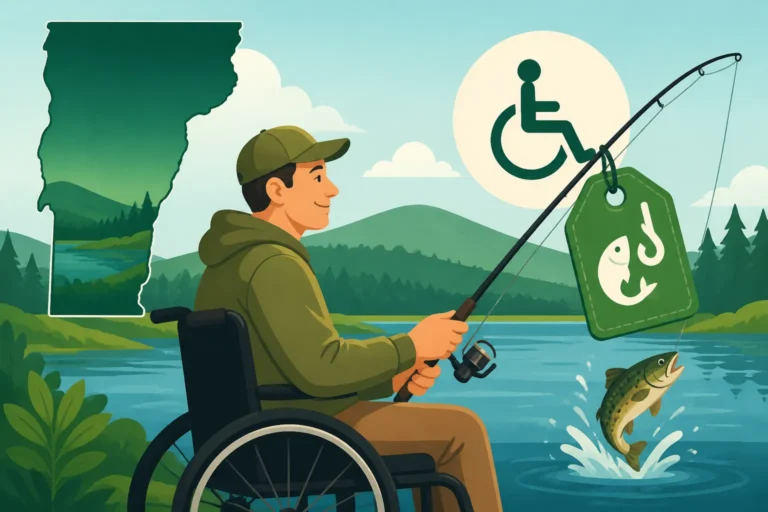
Similarly, there are provisions for individuals with disabilities, offering a Vermont fishing license for disabled residents at a reduced rate or even for free, depending on the nature and extent of the disability. This ensures that everyone has the opportunity to enjoy Vermont's incredible natural resources. And then, for those who truly love the water and plan to fish in Vermont for the rest of their lives, there's the lifetime fishing license. While the Vermont lifetime fishing license cost is a significant upfront investment, it means you'll never have to worry about renewing your license again, and you're immune to future price increases. It's a wonderful legacy to secure your fishing privileges for decades to come, and many residents see it as a wise investment.
Important Considerations for Your Resident License
Getting the right resident license is a crucial first step, but there are a few other important details you'll want to keep in mind to ensure your fishing adventures in Vermont are always smooth sailing. From understanding who needs a license to knowing how to handle a lost permit, being informed about these practical aspects can save you from unexpected frustrations and ensure compliance with state regulations. After all, the goal is to enjoy the peace and quiet of fishing, not stress about the rules!
Age Requirements and Exemptions
One of the most frequent questions anglers have, especially families, revolves around who actually needs a license. It’s important to understand the Vermont Fishing License Age Requirements. Generally, residents under a certain age are exempt from needing a fishing license altogether. Currently, children under 15 years old can fish without a license in Vermont, which is fantastic for getting youngsters introduced to the sport early. This means if you have a child who just turned 14, they can still enjoy fishing freely.
However, once they hit that 15-year mark, the rules change. Residents aged 15 to 17 will need to purchase a youth fishing license, which is offered at a reduced rate compared to an adult license. It’s a great stepping stone before they transition to a full adult license. Knowing What age can you fish without a license in Vermont can make a big difference for family outings, ensuring everyone is legally covered without unnecessary purchases. Always verify the current age exemptions, as these can occasionally be updated by the state.
Renewals, Replacements, and Proof of License
Once you've got your resident license, remember it's typically valid for a calendar year, expiring on December 31st. You’ll need to renew it before heading out the following year. Renewals are straightforward and can often be done online through the Vermont Fish and Wildlife Department website or at any authorized license vendor. It’s a good idea to mark your calendar so you don't miss the renewal date, especially if you plan on participating in Vermont Trout Opening Day Traditions.
Life happens, and sometimes licenses get lost or damaged. Don't panic if this occurs! Replacing a lost Vermont fishing license is usually a simple process. You can often get a replacement online or by visiting a license agent, typically for a small fee. Furthermore, in today's digital age, carrying your license isn't just about a paper copy anymore. Vermont allows anglers the flexibility of Printing or Carrying a Digital Fishing License in Vermont. This means you can have a digital copy on your smartphone, making it incredibly convenient. Just make sure your phone is charged and readable if a game warden asks to see it.
The Consequences of Fishing Without the Right License
While it might seem like a minor oversight, fishing without a valid Vermont license, or with the wrong class of license, can lead to some pretty significant legal ramifications. Game wardens take their job seriously, and for good reason – license fees fund critical conservation efforts, fish stocking programs, and habitat restoration across the state. They're not just trying to spoil your fun; they're protecting the very resources we all enjoy.
The Vermont fishing without a license penalty can include substantial fines, and in some cases, even the confiscation of your fishing gear. It’s simply not worth the risk for the cost of a license. Imagine getting busted on a prime fishing day on the Battenkill River, facing a hefty fine, and having your cherished fly rod temporarily seized. It's a scenario no angler wants to encounter. Always double-check that you and anyone fishing with you (who isn't exempt by age) have the appropriate, current Vermont fishing license. It’s a small price to pay for peace of mind and contributing to the future of Vermont fishing. For general information on licenses, always refer to the comprehensive Vermont Fishing License Guide for 2026.
Here's a quick overview of Vermont Resident Fishing License classes:
| License Type | Eligibility | Validity Period | Key Benefit |
|---|---|---|---|
| Annual Fishing License | VT Resident (6+ months physical presence) | January 1 – December 31 | Covers all general fishing for a full year |
| Youth Fishing License | VT Resident, Ages 15-17 | January 1 – December 31 | Reduced cost for young anglers |
| Combination License | VT Resident (e.g., Fishing & Hunting) | January 1 – December 31 | Cost-effective for multiple outdoor sports |
| Senior Fishing License | VT Resident, Age-specific (e.g., 65+) | January 1 – December 31 | Discounted rate for qualifying seniors |
| Disabled Resident License | VT Resident, Documented disability | Varies (often annual/free) | Accessible fishing for disabled individuals |
| Lifetime Fishing License | VT Resident (one-time purchase) | Valid for life | One-time payment, never expires, immune to price hikes |
Disclaimer
The information provided in this guide is for general informational purposes only and does not constitute legal advice. Fishing regulations and license requirements in Vermont are subject to change. Always consult the official Vermont Fish and Wildlife Department website or their most current regulations handbook for the most accurate and up-to-date information before engaging in any fishing activities.