Best fishing spots in Gifford Woods State Park
There's nothing quite like planning a fishing trip to a new spot, only to find sparse, generic information that leaves you wondering if it's even worth the drive. Many anglers dream of those serene, productive waters nestled within Vermont's beautiful state parks, but figuring out which ones actually deliver can be a real headache. This comprehensive guide is here to shed some light on one such gem: Gifford Woods State Park, detailing its fishing opportunities, target species, and the best ways to enjoy its waters.
Gifford Woods State Park's Unique Appeal for Anglers
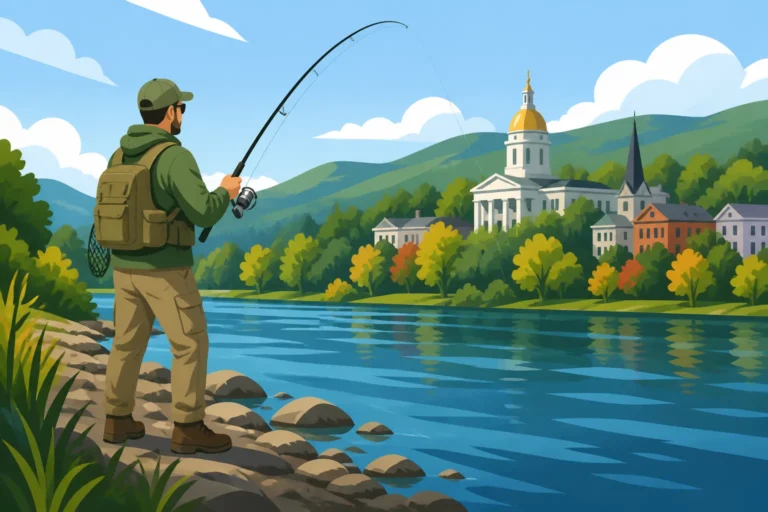
Tucked away near Killington, Gifford Woods State Park offers a refreshing escape from the hustle and bustle, providing a tranquil setting that often gets overlooked by those chasing bigger, more famous waters. This park isn't about massive lakes or trophy-sized fish around every bend, but rather a peaceful, intimate fishing experience, perfect for families, beginners, or anyone looking to unwind with a line in the water. It’s a place where the sounds of nature often outweigh the sounds of human activity, creating a truly restorative angling environment.
The Tranquil Waters of Kent Lake
At the heart of Gifford Woods State Park lies Kent Lake, a small, picturesque waterbody that provides the park's primary fishing draw. Don't let its size fool you; this little lake is regularly stocked and holds a surprising variety of fish, making it an excellent spot for consistent action, especially for trout. The shoreline is generally accessible, offering plenty of spots for bank anglers to cast a line without feeling crowded, even on busier weekends. It’s the kind of place where you can easily keep an eye on the kids while they try their hand at catching their first fish.
The lake bottom varies from soft, mucky areas to rocky patches, providing diverse habitats for different species. The water clarity is usually good, which can make for some exciting sight-fishing opportunities on calm days, particularly for panfish cruising the shallows. While motorboats are generally not permitted on Kent Lake, kayaks, canoes, and stand-up paddleboards are welcome, offering a quiet way to explore different coves and submerged structures that are out of reach from the shore. This non-motorized approach enhances the peaceful atmosphere and allows anglers to get up close and personal with the lake's natural beauty without the disturbance of engines.
Beyond Kent Lake: Stream Fishing Opportunities
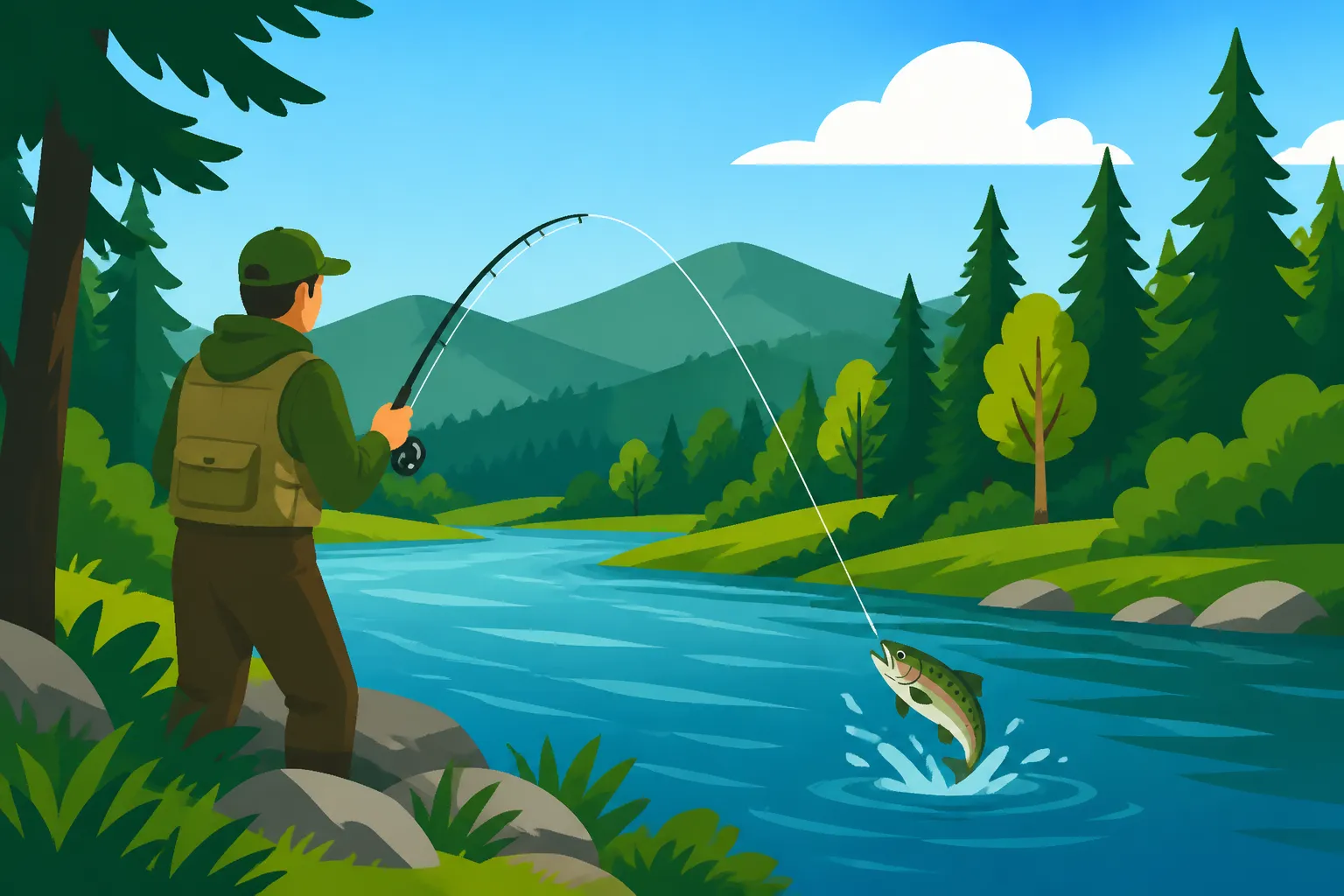
While Kent Lake is the main attraction, the vicinity of Gifford Woods State Park also offers some delightful stream fishing, particularly if you're keen on pursuing wilder trout. Small feeder streams flow into and out of Kent Lake, and while they might not be prominently marked for fishing, they often hold populations of native brook trout or provide pathways for stocked fish to move. These smaller waters are more challenging to navigate, often requiring a bit of bushwhacking and careful wading, but the reward of a wild Vermont brook trout can be incredibly satisfying. You'll want to review the latest guidance on Vermont Trout Season and Stocking Rules to ensure you're fishing legally.
Anglers venturing into these smaller streams will find themselves immersed in dense forest, feeling a real sense of wilderness even just a stone's throw from the park's main facilities. The tight quarters and overhanging branches demand a more precise casting style, often favoring lighter tackle or fly rods designed for small stream work. These streams are a testament to Vermont's abundant natural beauty, and while they might not produce high numbers of fish, the quality of the experience and the beauty of the surroundings are unparalleled. Finding these hidden pockets of fish often involves a bit of detective work, looking for deeper pools, undercut banks, and swift riffles where trout love to hold.
Target Species and Proven Techniques in Gifford Woods
Fishing at Gifford Woods State Park is primarily about enjoyable, consistent action rather than chasing massive trophies. The ecosystem of Kent Lake and its surrounding streams supports a healthy population of several species, making it a versatile spot for different angling preferences. Understanding what fish are present and how they behave is key to a successful outing. Many anglers, especially those just starting out, appreciate the reliability of the fishing here compared to more temperamental, larger bodies of water.
Pursuing Trout and Panfish
Kent Lake is a well-known stocking point for the Vermont Fish & Wildlife Department, receiving regular deliveries of rainbow trout and often brown trout. This means that during the spring and fall, especially right after a stocking event, the trout fishing can be exceptionally good. Anglers often find success using simple methods: power bait, corn, or small worms fished on the bottom with a minimal weight, or suspended under a bobber. For those who prefer artificials, small inline spinners like a classic Mepps or Panther Martin, or tiny spoons in silver or gold, can be very effective when retrieved slowly. These lures mimic the small baitfish or insects that trout feed on.
Beyond trout, Kent Lake also boasts a robust population of panfish, including yellow perch and various sunfish species like bluegill and pumpkinseed. These fish are incredibly fun to catch, especially for kids, and provide constant entertainment. They readily strike small worms, bits of hot dog, or tiny artificial jigs tipped with a grub. Look for them around any submerged structure, lily pads, or along the edges of weed beds, particularly in shallower water during warmer months. During the winter, if the ice is safe, Kent Lake can even offer some decent ice fishing for these panfish, with anglers Jigging for Perch Through the Ice being a popular pastime. The sheer number of these eager biters ensures that even on a slow trout day, you’re likely to bring something to hand.
Exploring for Bass and Other Game Fish
While not primarily known as a bass haven, Kent Lake does hold populations of both largemouth and smallmouth bass. These fish tend to be a bit more elusive than the regularly stocked trout, but they offer a thrilling challenge for dedicated bass anglers. Largemouth bass will often be found lurking in the denser cover – around submerged logs, weed beds, or along shaded banks, waiting to ambush unsuspecting prey. For these, soft plastic worms, creature baits, or even topwater frogs fished early in the morning or late in the evening can be deadly. If you’re unsure what to use, checking out advice on Best Baits for Smallmouth Bass on Lake Champlain can offer adaptable insights, even if it's a different body of water.
Smallmouth bass, on the other hand, typically prefer rockier areas, drop-offs, and cleaner bottoms. They are often more aggressive and will readily hit crankbaits, jerkbaits, or tubes fished near structure. The key to finding bass in Kent Lake is often persistence and exploration. Since larger boats are restricted, a kayak or canoe gives you an excellent advantage, allowing you to quietly access prime bass habitat that might be difficult to reach from the shore. Beyond bass, you might occasionally hook into a chain pickerel, a toothy predator that loves to hide in weed beds. They offer a feisty fight and are often caught on spoons or spinnerbaits.
Practical Tips for a Successful Gifford Woods Fishing Trip
A successful fishing trip isn't just about catching fish; it's also about being prepared and understanding the local nuances. Gifford Woods State Park, like any other managed area, has its own set of rules and environmental considerations that anglers should be aware of to ensure a smooth, enjoyable, and responsible outing. Taking a little time for preparation can make all the difference, transforming a potentially frustrating day into a memorable one.
Navigating Park Regulations and Amenities
Before you even think about casting a line, ensure you have a valid Vermont fishing license. This is non-negotiable for anyone aged 15 and over. You can easily purchase one online through the Vermont Fish & Wildlife Department website, or at many local vendors. It’s always a good idea to refresh yourself on the Vermont Fishing License Guide for 2026 or the broader Vermont Fishing Regulations Explained to avoid any unintentional infractions. Beyond the license, remember that Gifford Woods is a state park, so general park rules apply: respect quiet hours, pack out what you pack in, and dispose of all trash properly. There are restroom facilities and picnic areas available, making it a comfortable spot for a full day of family fun.
While Kent Lake generally prohibits motorboats, always double-check current park signage or the Vermont State Parks website for any updates. Non-motorized craft like kayaks and canoes are perfect for navigating this lake, allowing for peaceful exploration. Parking is available within the park, typically near the lake access points, though it can fill up quickly on peak summer weekends. Planning an early arrival, especially if you're bringing a boat, is always a wise move. If you're looking to broaden your options or consider hiring a local expert to guide you on larger waters, platforms like FishingBooker can be an excellent resource for finding experienced charter captains across Vermont's diverse fisheries.
Essential Gear and Local Insights
For fishing Kent Lake, a versatile medium-light spinning rod and reel combo, spooled with 6-8 pound monofilament or fluorocarbon line, will serve you well. This setup is sensitive enough for panfish but has enough backbone for a feisty trout or bass. For bait, keep it simple: nightcrawlers, power bait (especially for recently stocked trout), or corn kernels are usually effective. If you prefer lures, a small assortment of inline spinners (sizes 0-2) in silver, gold, and fire tiger patterns, along with a few small spoons, will cover most situations. Remember to bring a pair of pliers for hook removal, especially with toothy pickerel, and a small cooler with ice for any fish you plan to keep within legal limits.
For those venturing into the smaller streams, a lighter action rod, even an ultralight setup, is ideal for casting in tight spaces. A small fly rod (3-4 weight) with a short leader can also be incredibly effective for targeting brook trout with dry flies or small nymphs. Local bait and tackle shops near Killington or Rutland are invaluable resources for current conditions, recent stocking information, and local hotspots. They can often provide insights on what baits and lures are currently working best, or direct you to other hidden gems, whether you're looking for Best Fishing Rods for Vermont Lakes or just a fresh batch of worms. The Vermont Fish Stocking Search Tool, Explained is another fantastic digital resource to see precisely when and where trout have been released.
Making the Most of Your Visit: Nearby Fishing Adventures
While Gifford Woods State Park offers a fantastic, focused fishing experience, Vermont's central region is a treasure trove of diverse angling opportunities. If you're planning a multi-day trip or simply want to explore beyond Kent Lake, there are numerous other waters within a reasonable drive that offer different challenges and rewards. Venturing out can enrich your overall Vermont fishing adventure, allowing you to target different species or experience varied fishing environments. Many anglers use resources like FishingBooker to plan more extensive trips or find guides for specific techniques or target species in areas surrounding Gifford Woods, like Lake Champlain or the larger rivers.
Expanding Your Horizon Beyond Gifford Woods
Just a short drive from Gifford Woods, you'll find larger lakes that cater to a different kind of angler. For instance, Lake Bomoseen, Vermont's third-largest lake, is known for its excellent bass fishing, including both smallmouth and largemouth, as well as northern pike, perch, and even occasional walleye. This lake offers extensive structure, from rocky points to lily pad fields, providing endless possibilities for exploration. Similarly, Lake Dunmore further north is another popular destination, celebrated for its trout and salmon fishing, alongside a healthy population of bass. These lakes provide opportunities for trolling, jigging, and covering much more water than Kent Lake allows. You might even find specific advice on Lake Bomoseen Fishing Guide or Lake Dunmore Fishing Guide that could tailor your experience.
If river fishing is more your style, the Otter Creek and its tributaries are not far off. Otter Creek is Vermont’s longest river and offers fantastic smallmouth bass fishing, especially during the summer months. Its varied flow, from slow, deep pools to swift riffles, provides habitat for a variety of species. You can apply many of the same techniques you might use in Kent Lake’s streams, but on a grander scale. These nearby options allow you to tailor your trip to your preferences, whether you're seeking the quiet solitude of a small park lake, the challenge of a larger river, or the excitement of a big lake.
| Target Species | Best Location in Gifford Woods | Recommended Bait/Lure | Key Technique | Best Time of Year |
|---|---|---|---|---|
| Rainbow Trout | Kent Lake | Power Bait, Worms, Small Spinners | Bottom/Suspended, Slow Retrieve | Spring, Fall (post-stocking) |
| Brown Trout | Kent Lake | Worms, Spoons | Bottom/Trolling (kayak) | Spring, Fall |
| Yellow Perch | Kent Lake (weed edges, docks) | Small Worms, Micro Jigs | Bobber, Light Jigging | All Season, Ice Fishing |
| Sunfish (Bluegill, Pumpkinseed) | Kent Lake (shallows, lily pads) | Small Worms, Corn | Bobber, Light Jigging | Summer |
| Largemouth Bass | Kent Lake (dense cover, lily pads) | Soft Plastics, Topwater Frogs | Pitching, Topwater | Summer (early morning/late evening) |
| Smallmouth Bass | Kent Lake (rocky areas, drop-offs) | Crankbaits, Tubes, Jerkbaits | Retrieve near structure | Summer |
| Brook Trout | Feeder Streams (park vicinity) | Small Worms, Dry Flies, Nymphs | Wading, Finesse Casting | Spring, Early Summer |
| Chain Pickerel | Kent Lake (weed beds) | Spoons, Spinnerbaits | Cast & Retrieve | All Season |
Disclaimer
The information provided in this guide is for general informational purposes only and is subject to change. Fishing regulations, stocking schedules, and park rules can vary and be updated frequently. Always consult the official Vermont Fish & Wildlife Department website and Gifford Woods State Park's official resources for the most current and accurate information before planning your trip. Adherence to all local, state, and federal laws and regulations is the sole responsibility of the angler. Fish populations and fishing success are influenced by numerous environmental factors and cannot be guaranteed.