Best technique for docks and laydowns
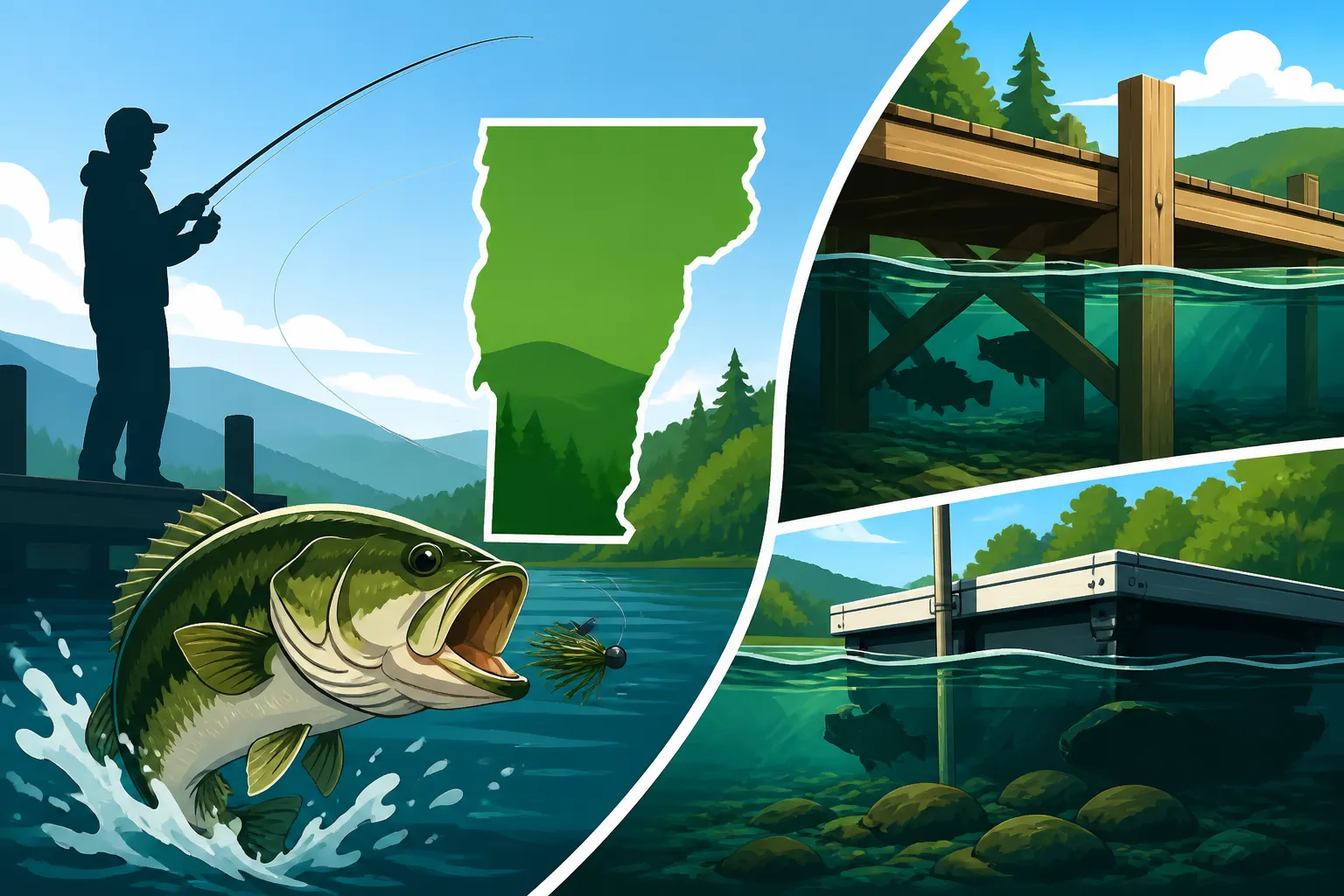
There are few things more frustrating than seeing prime fish habitat – docks, fallen trees, tangled brush – knowing big bass and other species are lurking within, but feeling completely stumped on how to get your lure in there effectively without instantly getting snagged. It's a common angler's dilemma, leaving many to simply cast around the edges, missing out on the best opportunities. This guide is here to unravel the mystery of fishing docks and laydowns in Vermont, giving you the techniques and confidence to pull those hidden lunkers out of the cover.
Why Docks and Laydowns are Fish Magnets
Think of docks and laydowns (fallen trees and brush piles) as five-star hotels for fish. They offer everything a fish could want: shelter, shade, and an excellent ambush point for unsuspecting prey. Understanding why fish gravitate to these spots is the first step in effectively targeting them.
The Allure of Shade and Shelter
In Vermont's lakes and rivers, especially during warmer months, fish are constantly seeking relief from direct sunlight. Just like us, they don't want to bake all day. Docks provide a consistent overhead canopy, creating cool, dark pockets where fish can comfortably hold. The deeper the dock, or the more extensive its footprint, the more attractive it becomes. Imagine a hot summer day on Lake Champlain; a largemouth bass isn't going to be idling in the open sun. It's going to be tucked under the shadiest part of a dock, waiting for a meal to swim by.
Laydowns, on the other hand, offer a different kind of shelter. The intricate branches and submerged logs create a tangled maze that predators can use to hide from larger threats, or simply rest in a secure environment. This dense cover also provides refuge from strong currents in rivers like the Otter Creek, giving fish a break from expending energy. The gnarlier the laydown, the more fish it tends to hold, simply because it offers more nooks and crannies to call home.
Ambush Points and Forage Opportunities
Beyond comfort, docks and laydowns are prime hunting grounds. They act as natural ambush points, allowing predatory fish to hide in plain sight and dart out quickly to capture prey. Baitfish, insects, and crawfish all congregate around these structures, either seeking shelter themselves or feeding on algae and microorganisms. This creates a natural food chain, drawing in larger game fish.
For instance, a smallmouth bass might sit on the edge of a rock pile next to a submerged log, perfectly camouflaged, waiting for a school of perch or minnows to swim by. Similarly, a chain pickerel might tuck itself deep within a brush pile, invisible to anything passing above. Docks often have boat lifts, ropes, and ladders, which also attract algae and small invertebrates, bringing in baitfish, which then bring in the bigger predators. It's a self-sustaining ecosystem right there.
Different Types of Structure: Distinguishing Docks from Laydowns
While both are excellent cover, docks and laydowns present slightly different challenges and opportunities.
Docks: These are man-made structures, typically found on developed shorelines. They can be floating, fixed, or crib docks (older, rock-filled structures).
- Fixed Docks: Usually anchored to the shore and supported by pilings. They offer consistent shade and often have crossbeams and underwater bracing that fish love.
- Floating Docks: Rise and fall with water levels. The shade line moves, but they often have chains or cables anchoring them, creating additional underwater structure.
- Crib Docks: Stone or timber-filled structures, very common on older Vermont lakes. These offer incredible habitat with plenty of crevices and a stable base, often holding the biggest fish.
- Boathouses: Essentially large docks with roofs, providing even more extensive shade and enclosed spaces.
Laydowns (Fallen Trees & Brush Piles): These are natural structures, often found in less developed areas, river bends, or after storms.
- Full Trees: Can extend far into the water, with branches offering cover from the surface to the bottom. These are goldmines.
- Brush Piles: Often formed by smaller branches or debris, sometimes natural, sometimes intentionally placed by anglers (check local regulations before creating your own!). They offer dense, intricate cover.
- Stumps and Root Balls: The remnants of old trees, often submerged or partially submerged. These are harder targets but can hold solitary, big fish.
Understanding these distinctions helps you anticipate where fish might be holding and how best to approach them. For example, a shallow, floating dock might hold panfish and smaller bass, while a deep crib dock could be home to a trophy largemouth or even a walleye on some larger lakes. Best Largemouth Bass Fishing in Vermont and How to Catch Smallmouth Bass in Vermont Lakes are excellent resources to learn more about these species and where they might be hiding.
Essential Gear for Attacking Cover
You can't go into a gunfight with a butter knife, and you can't tackle docks and laydowns with flimsy gear. This is heavy cover fishing, and it demands specialized tackle to get your lure in, get the fish out, and minimize break-offs.
Rods, Reels, and Line: The Right Tools for the Job
When fishing around dense cover, power and durability are paramount.
- Rods: Look for heavy or medium-heavy power casting rods, typically 7 to 7.5 feet long. A fast or extra-fast action tip is ideal, as it provides sensitivity for detecting subtle bites but transitions quickly into a powerful backbone for muscling fish out of cover. A rod that's too light will simply let the fish bury itself in the submerged branches. For example, if you're targeting big smallmouth, a robust rod is key, as discussed in Best rod length for Champlain smallmouth bass.
- Reels: A baitcasting reel is almost non-negotiable for this type of fishing. Look for a model with a high gear ratio (7.1:1 or higher) to quickly take up slack line and get a fish moving away from cover. Smooth drag is crucial for fighting strong fish without breaking your line. Many reputable brands offer excellent baitcasting reels that you can find readily available on platforms like Amazon.
- Line: This is perhaps the most critical component. Forget light monofilament. You need something tough.
- Braided Line (30-65 lb test): This is your primary workhorse. Braid has no stretch, incredible strength-to-diameter ratio, and excellent abrasion resistance against wood and dock pilings. Its zero-stretch quality allows for solid hooksets even with a lot of line out.
- Fluorocarbon Leader (15-25 lb test): While braid is strong, it's visible. Tying a short (12-24 inch) fluorocarbon leader to your braided mainline offers invisibility in clear Vermont waters without sacrificing too much strength or abrasion resistance. Fluorocarbon also sinks, which can be beneficial for keeping your bait down in the strike zone. Consider line options mentioned in Best line color for clear lake water.
Lures and Baits: Specific Recommendations for Pitching, Flipping, and Skipping
The lures you choose need to be weedless or snag-resistant, durable, and effective at imitating the forage hiding in these areas.
- Jigs (Flipping and Pitching Jigs): These are perhaps the most versatile and effective lures for cover. A jig with a weed guard, paired with a soft plastic trailer (like a crawfish or creature bait imitation), can be worked through dense cover with minimal snagging. Weights typically range from 3/8 to 3/4 oz, depending on the depth and density of the cover.
- Soft Plastic Baits (Texas Rigged or Carolina Rigged):
- Creature Baits & Craws: Mimic crawfish and other bottom dwellers. Texas rigging them with a bullet weight and an Extra Wide Gap (EWG) hook makes them highly weedless.
- Stick Worms (Wacky or Neko Rigged): While not inherently weedless, these can be skipped effectively under docks. A weedless hook version or a light weight can help. Their subtle action is irresistible.
- Soft Plastic Jerkbaits: Can be rigged weightless or with a small belly weight and skipped under docks, darting erratically.
- Spinnerbaits: While not ideal for dense laydowns, a compact spinnerbait can be effective around the edges of docks and lighter brush, especially in stained water. The thumping blades can draw fish out.
- Topwater Baits (Frogs & Toads): Excellent for skipping over lily pads or dense mats of vegetation leading up to or around laydowns and docks. The explosive strikes are addicting! Best Topwater Fishing for Smallmouth Bass in Vermont provides more insight into this exciting technique.
- Crankbaits (Squarebills): Can be effective for bumping off dock pilings or the trunks of laydowns, especially if you know the water is clear enough not to snag immediately. The erratic deflection often triggers a strike. Look for squarebills among the Best Crankbaits for Vermont Smallmouth Bass.
Terminal Tackle Considerations: Hooks, Weights, and Snags
Your terminal tackle needs to be as robust as your main line.
- Hooks: For jigs and Texas rigs, use heavy-gauge, sharp hooks (3/0 to 5/0 EWG hooks for soft plastics, sturdy jig hooks for skirted jigs). Weak hooks will bend out on heavy fish or thick cover.
- Weights: Tungsten weights are superior to lead for cover fishing. They are denser, allowing for a smaller profile for the same weight, which means fewer snags. They also provide better sensitivity, letting you feel every bump and branch. Peg your bullet weights to your line using a tooth-pick or rubber bobber stopper to keep the weight and bait in contact as it falls through cover.
- Snagging Prevention: Always assume you might snag. Rigging weedless is paramount. Learning how to "feel" your way through cover, rather than just pulling, can reduce snags. If you do snag, try to approach the snag from a different angle to free your lure, or give a sharp "pop" on a slack line.
Mastering the Techniques: Pitching, Flipping, and Skipping
These three techniques are your bread and butter for effectively presenting a lure into and around tight cover. Each has its specific application and nuances, but all share the goal of a quiet, accurate entry.
Pitching to Perfection: Accuracy and Quiet Entry
Pitching is a controlled, pendulum-like cast that allows for quiet and accurate presentations to targets just out of arm's reach. It's fantastic for working along dock edges, into pockets within laydowns, or targeting specific gaps.
How to Pitch:
- Hold the Rod: Hold your rod with the tip pointing towards your target.
- Strip Line: Pull out about 2-3 feet of line from your reel, letting the lure hang down.
- Grab the Lure: Hold the lure in your off-hand.
- Load the Rod: Use your wrist to "load" the rod tip, bending it back towards you.
- Release and Swing: Release the lure and simultaneously swing the rod forward in a smooth, underhand motion, guiding the lure towards the target. Keep your thumb on the spool to control the line and feather the lure down for a quiet entry.
- Maintain Contact: As soon as the lure hits the water, engage your reel and maintain slight tension to feel for the bite on the fall.
When to Use It: Best for targets 10-30 feet away that require a quiet entry. Think working down the side of a dock or placing a jig into a small opening in a brush pile.
Flipping for Close-Quarters Combat: Control and Precision
Flipping is an even more precise, short-range presentation, ideal for extremely tight cover where accuracy and stealth are paramount. It's often used when you're literally right next to the cover.
How to Flip:
- Strip Line: Pull out about 10-15 feet of line from your reel.
- Hold the Line: Grab the line with your off-hand, creating a loop.
- Pendulum Swing: With the rod tip low, use your dominant hand (holding the rod) to gently swing the lure in a pendulum motion towards your target.
- Release and Control: As the lure swings forward, release the line in your off-hand to extend the cast, controlling the trajectory with your rod and the remaining line in your hand.
- Soft Entry: Aim for a soft, quiet entry right into the heart of the cover.
When to Use It: Perfect for targets within 5-10 feet, such as dropping a bait vertically into a small opening in a dense laydown, or directly under a dock piling. This technique offers unparalleled control. Best Baitcaster for pitching jigs to laydowns will undoubtedly mention the kind of precise equipment that makes flipping and pitching a joy.
Skipping Under Overhangs: Getting to those Hard-to-Reach Spots
Skipping is a highly specialized technique that allows you to get lures into places most anglers can't reach – under low-hanging docks, boat lifts, and overhanging trees. It requires practice but can be incredibly effective.
How to Skip:
- Choose the Right Lure: Flat-bottomed soft plastics (like senkos, soft plastic frogs, or small jigs with flat trailers) are best for skipping as they glide across the water's surface.
- Low Trajectory: Use a sidearm or backhand cast with a very low trajectory, almost parallel to the water.
- Aim at the Water: Aim your lure to hit the water surface about 1-2 feet in front of your target. The lure should then "skip" or bounce across the surface like a stone.
- Thumb Control: Keep your thumb on the spool (if using a baitcaster) to feather the line and prevent backlash as the lure skips.
When to Use It: When fish are holding deep under a dock or tight against a bank with overhanging brush that a traditional cast can't reach. It's a game-changer for those untouched spots.
Retrieval Strategies: Working the Bait Through the Cover
Getting the lure into the cover is only half the battle; knowing how to work it effectively is crucial.
- Slow and Deliberate: Most often, a slow, methodical retrieve is best. Let the lure fall, then gently lift and drop it, crawling it over branches or nudging it against dock pilings. Many bites occur on the initial fall or when the bait is paused.
- Shake and Pop: If your lure gets hung up on a branch, don't just yank. Try gently shaking the rod tip to free it. If that doesn't work, give a sharp, upward "pop" while maintaining a slightly slack line – this can often dislodge it.
- "Feeling" the Cover: Pay attention to what your lure is doing. Is it bumping wood? Sliding over a rock? This tactile feedback helps you visualize the underwater structure and adjust your retrieve accordingly.
Navigating Challenges and Maximizing Success
Fishing in heavy cover can be frustrating, but with the right mindset and a few tricks up your sleeve, you can overcome common obstacles and significantly increase your catch rate.
Dealing with Snags and Break-offs: Tips for Recovery and Prevention
Snags are inevitable when fishing docks and laydowns. It's not if you'll snag, but when.
- Prevention is Key:
- Weedless Rigs: Always use Texas rigs, weedless jigs, or topwater frogs designed for heavy cover.
- Controlled Descent: Feather your lure down with your thumb on the spool to maintain control and feel for snags before they happen.
- Strong Line: As discussed, braided line with a fluorocarbon leader is your best friend. It minimizes line breakage.
- Recovery Techniques:
- The "Slack Line" Method: If you feel a snag, immediately give slack line. Sometimes, the lure will simply fall off or reorient itself.
- Approach from the Other Side: If possible, maneuver your boat or kayak (refer to Best Kayaks for Vermont Fishing for great options) to the opposite side of the snag. This often changes the angle enough to pull the lure free.
- Rod Tip to the Water: Point your rod tip directly at the snag and pull straight back with steady pressure. This maximizes your line's strength and reduces the leverage on the rod.
- Line-Snapper Tool: Consider carrying a simple lure retriever. These devices slide down your line and hook onto your lure, often allowing you to pull it free. You can find many effective and affordable options on Amazon.
Reading the Conditions: When and Where to Focus Your Efforts
Not all docks and laydowns are created equal, and conditions play a huge role in their effectiveness.
- Time of Day: Early morning and late evening often find fish more active and willing to venture from the deepest cover. However, during bright, sunny midday hours, fish will be tucked deep into the shade of docks or within the densest part of laydowns. These are prime times for pitching and flipping directly into the shadows.
- Water Clarity:
- Clear Water: Fish can be very spooky. Make longer pitches and focus on quiet entries. Fluorocarbon leaders are essential.
- Stained/Muddy Water: Fish are less wary and rely more on vibration and scent. You can often get away with slightly more aggressive presentations and brighter colored lures.
- Water Temperature: In colder water, fish might be lethargic and buried deep in the heaviest cover, requiring slow, precise presentations. In warmer water, they might be more active and willing to chase, even venturing to the edges of the cover.
- Wind and Current: Wind blowing into a dock or laydown can stack baitfish, making it an excellent feeding ground. Current in rivers will often push fish directly behind larger pieces of structure for ambush points or current breaks.
Targeting Specific Species: Bass, Pickerel, and Panfish in These Areas
While this guide often defaults to bass, docks and laydowns are magnets for a variety of Vermont species.
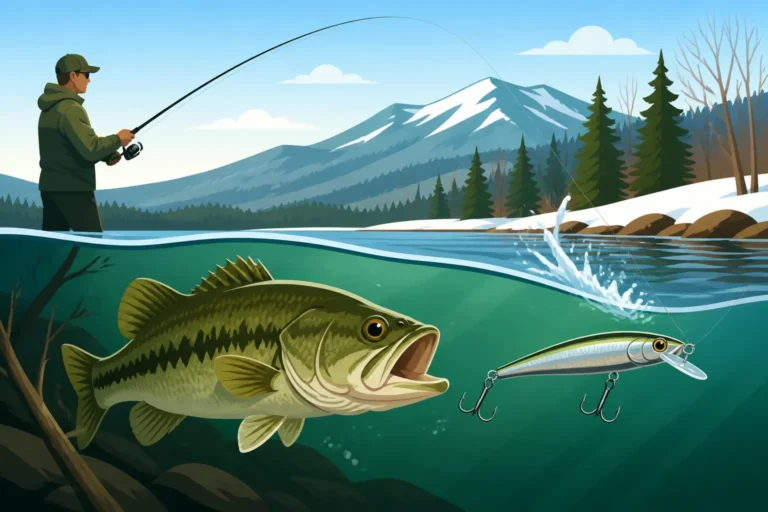
- Largemouth Bass: These are the kings of heavy cover. They love shade, dense brush, and docks. They'll readily strike jigs, creature baits, and topwater frogs. For more on this, check out How to Catch Largemouth Bass in Vermont.
- Smallmouth Bass: While known for rocky main lake points, smallmouth will absolutely use docks and laydowns in areas where rock and wood converge. They are often found on the outer edges or deeper sections of dock pilings and submerged logs. They respond well to jigs, tubes, and soft plastic crawfish imitations.
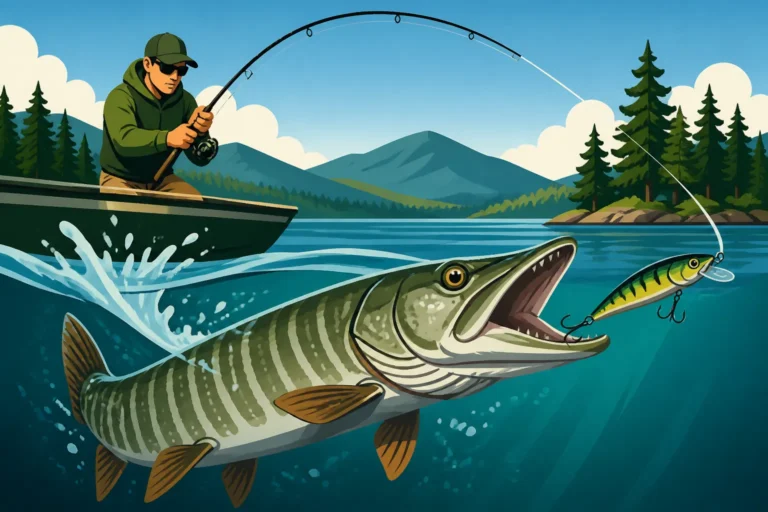
- Chain Pickerel: These aggressive predators absolutely thrive in dense, weedy laydowns and around older, overgrown docks. They'll ambush anything that comes by. Spinnerbaits, chatterbaits, and even large weedless spoons can be incredibly effective for pickerel, as highlighted in Best Techniques for Chain Pickerel. Just be sure to use a wire leader to prevent bite-offs from their razor-sharp teeth!
- Panfish (Perch, Bluegill, Crappie): Docks are notorious for holding schools of panfish. They hide from predators and feed on algae and small insects. Crappie often suspend under docks in deeper water, while bluegill and perch will be tighter to the pilings. Tiny jigs, grub tails, or live worms under a bobber are deadly for panfish. Consult Yellow Perch in Vermont Lakes and Best Tackle for Panfish for more specific tactics.
No matter the species you're after, docks and laydowns offer some of the most consistent and exciting fishing opportunities in Vermont. With a bit of practice and the right approach, you'll soon be confidently pulling fish from these challenging, yet rewarding, hideouts.
Lure Selection Guide for Docks & Laydowns
To help summarize, here’s a quick guide to some top lure choices and their primary applications around docks and laydowns.
| Lure Type | Best for Cover Type | Primary Technique | Target Species (Common) | Key Feature | Notes |
|---|---|---|---|---|---|
| Jigs (Flipping/Pitching) | Dense brush, dock pilings, submerged wood | Flipping, Pitching, Dragging | Largemouth Bass, Smallmouth Bass | Weed guard, heavy hook, subtle presentation | Mimics crawfish/prey, excellent penetration through cover. |
| Texas-Rigged Soft Plastics | Any heavy cover, especially laydowns | Flipping, Pitching | Largemouth Bass, Smallmouth Bass | Highly weedless, versatile profiles (creature, craw) | Can imitate many forage types, great for feeling structure. |
| Soft Plastic Frogs/Toads | Mats of vegetation, lily pads near cover | Skipping, Topwater | Largemouth Bass, Pickerel | Weedless design, surface disturbance | Exciting topwater strikes, covers large areas quickly. |
| Weightless Stick Worms | Under docks, open pockets in brush | Skipping, Pitching | Largemouth Bass, Smallmouth Bass | Slow, seductive fall, subtle action | Incredibly versatile, often triggers finicky fish. |
| Squarebill Crankbaits | Edges of docks, shallow laydown trunks | Casting, Deflecting | Largemouth Bass, Smallmouth Bass | Deflects off cover, erratic action | Good for aggressive fish, can be prone to snagging in dense stuff. |
| Spinnerbaits | Open areas around docks, sparse brush | Casting, Retrieve | Bass, Pickerel | Flash & vibration, compact design | Attracts fish in stained water, less snag-resistant in heavy cover. |
Disclaimer
This article is for general informational purposes only and does not constitute professional advice. Laws, prices and regulations vary by location and change over time. Consult a qualified professional for guidance on your specific situation.