Best Techniques for Chain Pickerel
If you've spent any time fishing Vermont's beautiful lakes and ponds, you've likely encountered the chain pickerel. These aggressive, toothy predators can be a blast to catch, offering relentless action when other species are shy. However, their sharp teeth and penchant for weedy hideouts can make them a challenging fish to land and handle if you're not prepared. This comprehensive guide will equip you with all the knowledge, gear, and techniques you need to successfully target and enjoy fishing for chain pickerel across Vermont's diverse waters, turning frustrating bite-offs into memorable catches.
Understanding the Chain Pickerel's Nature and Habitat
Before you can catch a chain pickerel, it helps to understand what makes them tick. These fish are true ambush predators, perfectly designed to lurk in cover and explode on unsuspecting prey. Knowing their preferences and typical behaviors will give you a significant advantage on the water.
Pickerel's Preferred Environments in Vermont
Chain pickerel absolutely thrive in specific types of environments, and Vermont has an abundance of them. Think shallow, warm waters with plenty of vegetation – that's a pickerel's paradise. They love dense weed beds, lily pad fields, submerged timber, and any kind of thick cover where they can hide and spring out at prey. You'll find them in many of Vermont's smaller, warmer lakes and ponds, often sharing habitat with largemouth bass and various panfish.
Consider waters like Lake Bomoseen or Lake St. Catherine, which are renowned for their healthy populations of both pickerel and bass. Even countless smaller, lesser-known ponds across the state provide ideal homes for these feisty fish. They rarely venture into deep, cold, open water unless driven by extreme heat or specific baitfish movements. Instead, they patrol the shallow margins, often in water as little as two or three feet deep, waiting patiently. This affinity for cover also means they are perfectly at home in many of the best kayak fishing spots in Vermont, making them a prime target for paddlers. Understanding their preferred real estate is the first step to finding them reliably.
Seasonal Behavior and Activity Levels
Chain pickerel are generally active year-round, which is one of their most appealing characteristics for anglers. Their aggression doesn't wane much with the seasons, though their precise locations and feeding patterns might shift slightly.
In the spring, right after ice-out, pickerel are often found in very shallow bays and flats, soaking up the sun and becoming incredibly active as they prepare to spawn. This is a fantastic time for fast action. As summer progresses and water temperatures rise, they might tuck deeper into dense weed beds or seek slightly cooler water near springs or submerged channels within their shallow habitats. They remain opportunistic feeders throughout the summer, hitting anything that looks like an easy meal. Many anglers find success targeting them in the mornings and evenings when the sun isn't as intense.
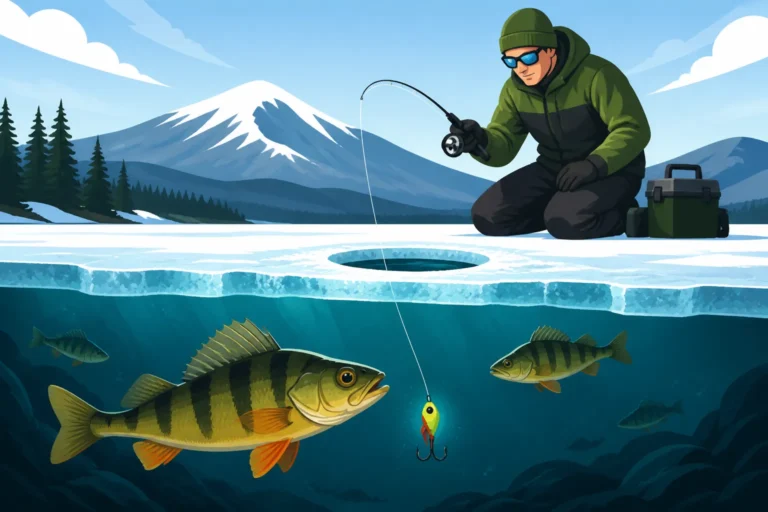
Come fall, as the water cools, pickerel often become even more aggressive, feeding heavily in preparation for winter. They might spread out a bit more from the densest cover but still cling to weed lines and submerged structure. And of course, they are a primary target for ice fishing in Vermont. Their willingness to bite through the hardwater season makes them a popular catch, providing excitement when other species are harder to entice. Knowing these seasonal nuances helps you adjust your approach, whether you're casting from shore in July or jigging through the ice in January.
Essential Gear for Targeting Chain Pickerel
Chain pickerel are not usually known for their drag-screaming runs, but their sharp, needle-like teeth can be devastating to unprepared tackle. Using the right gear is paramount to successfully landing these fish and avoiding constant re-tying.
Rod, Reel, and Line Selection
When it comes to your rod and reel setup for chain pickerel, you don't need anything overly heavy, but durability is key. A medium-light to medium action spinning rod, typically in the 6'6" to 7' range, is perfect. This provides enough backbone to cast lures effectively and fight a feisty pickerel out of cover, while still offering enough sensitivity to feel those subtle strikes. For reels, a 2500 or 3000 series spinning reel is a good all-around choice, providing smooth drag and ample line capacity. If you prefer baitcasting gear, a medium-action rod with a high-speed baitcasting reel will also work wonderfully, especially when pitching lures into tight cover.
For line, a braided main line is a fantastic choice due to its strength, sensitivity, and resistance to abrasion. Opt for 10-20 lb test braid. The zero stretch of braid helps you feel subtle bites and set the hook effectively, even at a distance. However, because pickerel have such sharp teeth, a direct braid-to-lure connection is an invitation for a bite-off. This leads us directly to the next crucial component of your setup: the leader. A good quality braided line like PowerPro or a similar brand found on Amazon will serve you well.
The Crucial Role of Leaders
This cannot be stressed enough: when targeting chain pickerel, a leader is not optional; it's absolutely mandatory. Without a proper leader, you'll be constantly losing lures and frustratingly re-tying after every hook-up (or even after a missed strike). Pickerel teeth are like tiny surgical scalpels, designed to slice through flesh and fishing line with ease.
Your best options for leaders are either steel wire leaders or heavy fluorocarbon leaders. Steel leaders, typically 6-12 inches long, offer maximum bite protection. They come in various styles, from single-strand wire to multi-strand braided wire, and are often pre-tied with swivels and snaps, making lure changes quick and easy. Many anglers prefer steel leaders for pickerel due to their reliability.
Alternatively, a heavy fluorocarbon leader can also work, particularly if you find that steel leaders might deter bites in very clear water. You'll want to use 30-50 lb test fluorocarbon, as its abrasion resistance is superior to monofilament, and it's much harder for pickerel teeth to cut through than lighter lines. You can tie this directly to your braided mainline with a strong knot like an Albright or an FG knot, and then tie your lure directly to the fluorocarbon. Just be aware that even heavy fluorocarbon can eventually be compromised by a determined pickerel, so check your leader regularly for nicks and abrasions. For a more detailed look at the general rules, check out our guide on Vermont Fishing Regulations Explained.
Top Baits and Lures for Aggressive Pickerel
Pickerel are not typically picky eaters, but certain baits and lures consistently outperform others. Their aggressive nature means they often react to flash, vibration, and erratic movement, making them a blast to fish for.
Spinnerbaits and Inline Spinners
These are absolute pickerel magnets, especially when fishing through and around weeds. The flash and vibration they create are irresistible to a lurking pickerel.
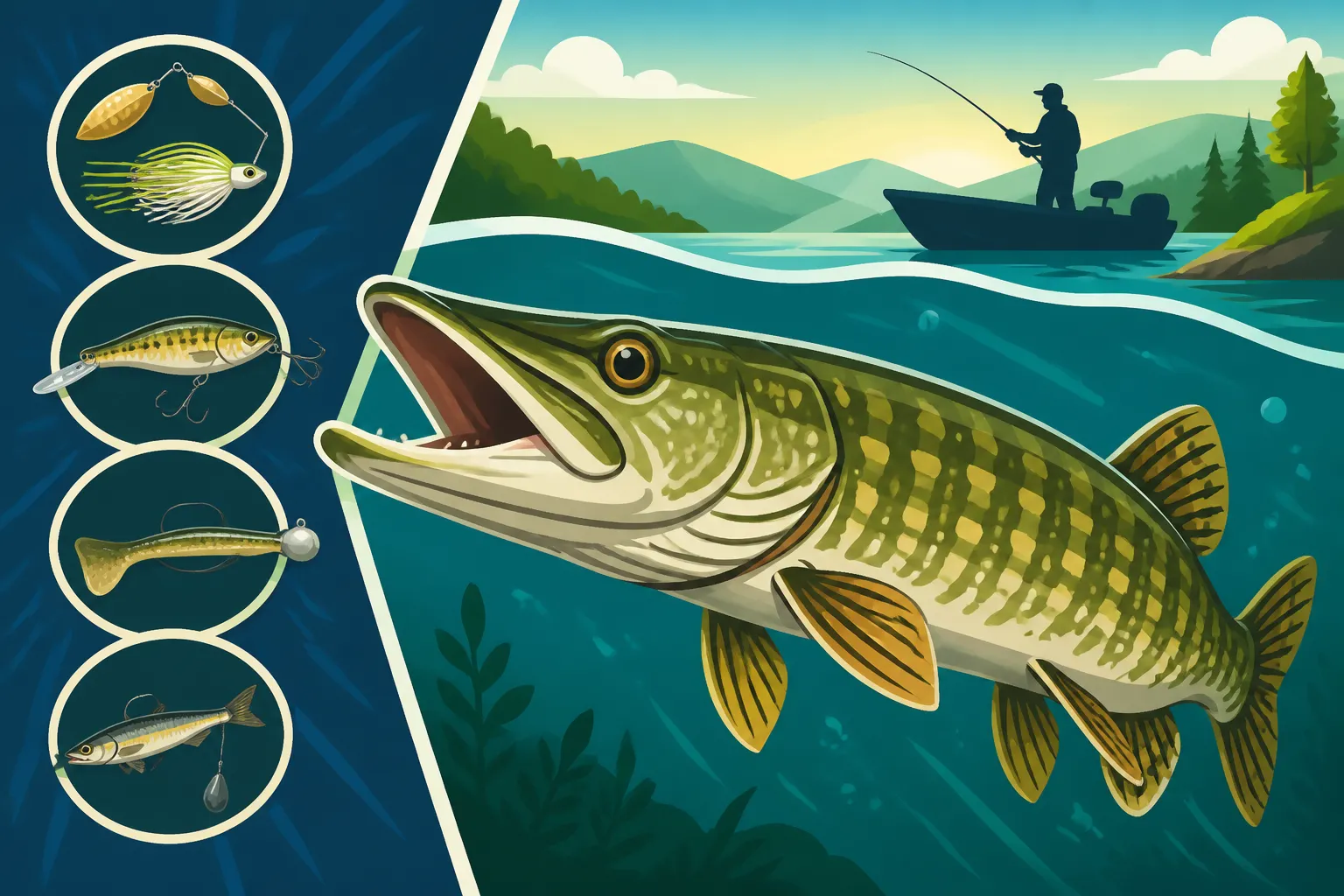
- Spinnerbaits: These lures feature one or more blades (Colorado, Indiana, or willowleaf) that spin around a wire arm, with a skirted jig head below. The blades create a lot of flash and thumping vibration, mimicking a fleeing baitfish. Pickerel often strike spinnerbaits with incredible force.
- Colors & Sizes: Chartreuse, white, and brightly colored skirts are often top producers. In stained or murky water, brighter colors like fluorescent orange or yellow can also be very effective. For blade colors, silver or gold are generally good starting points. Sizes typically range from 1/4 oz to 1/2 oz, depending on the depth and cover you're fishing.
- Retrieve Techniques: The beauty of spinnerbaits is their versatility. You can slow-roll them just above weed tops, yo-yo them through open pockets, or burn them back to generate a reaction strike. Experiment with retrieve speed until you find what triggers bites. A steady retrieve is often all it takes. Many reliable spinnerbait brands are readily available on Amazon, making it easy to stock up.
- Inline Spinners: Classic inline spinners like Mepps or Panther Martins are also deadly for pickerel. These have a blade that spins directly around a central shaft, often adorned with a dressed treble hook.
- Colors & Sizes: Silver, gold, and copper blades are popular, often paired with colorful dressings like bucktail or synthetic fibers in red, yellow, or chartreuse. Sizes from #2 to #4 are usually ideal for pickerel.
- Retrieve Techniques: A simple, steady retrieve that keeps the blade spinning is usually all that's required. They cast well and are excellent for covering water, especially along weed edges or shorelines.
Spoons and Jigging Raps
Spoons and jigging raps offer different presentations that can be incredibly effective for pickerel, particularly when they're a bit deeper or during ice fishing season.
- Spoons: The classic spoon, with its wobbling, flashing action, is a time-tested pickerel slayer. They imitate injured or dying baitfish, which is an easy meal for an opportunistic pickerel.
- Types & Colors: Casting spoons like Dardevles, Little Cleos, or Johnson Silver Minnows are excellent. Colors like red and white, silver, or gold are always good bets. Weedless spoons, often featuring a single hook with a weed guard, are fantastic for working through the dense vegetation pickerel call home.
- Retrieve Techniques: For casting spoons, a stop-and-go retrieve, allowing the spoon to flutter on the fall, is highly effective. You can also vary your retrieve speed from a slow wobble to a fast flash. When ice fishing, vertical jigging a spoon can draw strikes from pickerel lurking below. Lift the rod tip sharply, then let the spoon flutter back down on a semi-slack line.
- Jigging Raps: While often associated with walleye, jigging raps (or similar lipless crankbaits designed for vertical jigging) can be surprisingly effective for pickerel, especially during colder months or when ice fishing. Their erratic, darting action often triggers aggressive strikes.
- Sizes & Colors: Sizes from 2-3 inches are usually appropriate. Natural baitfish patterns, perch, or bright colors like firetiger can all be productive.
- Retrieve Techniques: Work jigging raps with sharp lifts and drops, allowing them to dart out and then settle back. This erratic movement often provokes a reaction strike from a curious pickerel. They are a staple in many an ice fishing kit.
Soft Plastics and Jerkbaits
For a more nuanced approach, or when pickerel are being a bit more subtle (which isn't often, but it happens!), soft plastics and jerkbaits can be excellent choices.
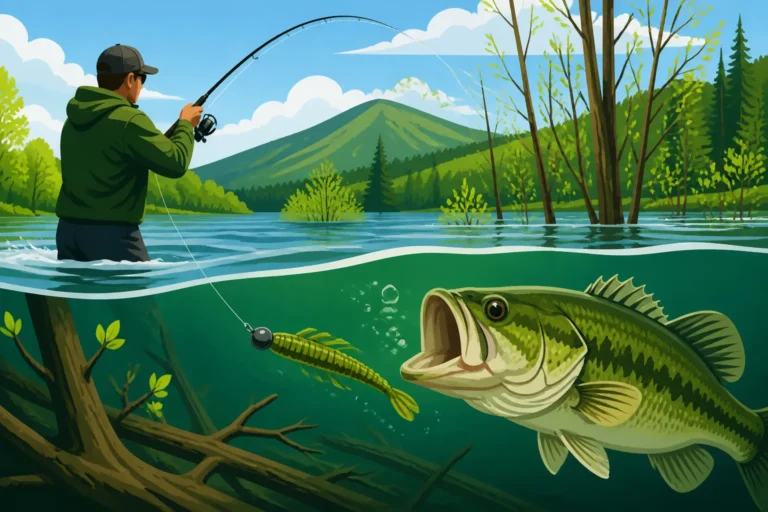
- Soft Plastics: Swimbaits, flukes, and senko-style worms rigged weedless can tempt pickerel hiding in the thickest cover.
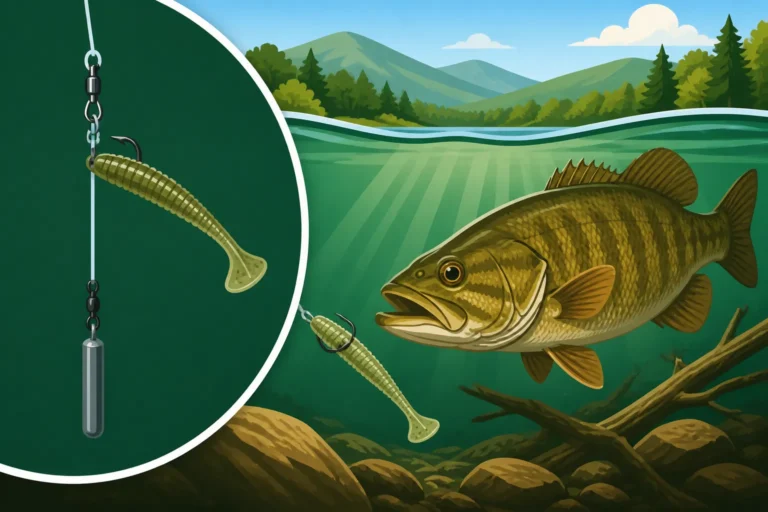
- Rigging: Texas rigging or weightless wacky rigging soft plastics are great options, allowing them to glide through weeds without snagging. Adding a small, sharp jig head to a swimbait creates a natural profile and action.
- Retrieve Techniques: For swimbaits, a steady retrieve mimicking a cruising baitfish is effective. For flukes, a twitch-twitch-pause retrieve makes them dart erratically. These are often excellent choices when you're targeting Chain Pickerel Habits in Vermont Ponds.
- Jerkbaits: Suspending jerkbaits are fantastic for pickerel, especially in slightly clearer water or when you want to keep the lure in the strike zone for longer.
- Types & Colors: Look for jerkbaits that suspend or slowly rise. Natural baitfish colors like silver and blue, or flashy patterns like firetiger, are good choices. Brands like Rapala or Lucky Craft offer excellent options that are also available on Amazon.
- Retrieve Techniques: The key to jerkbait fishing for pickerel is the "twitch, twitch, pause" retrieve. The pause is critical, allowing the lure to hang enticingly in the water, often when the pickerel will commit to a strike. Vary the length of your pauses and the aggressiveness of your twitches to see what the fish prefer on any given day.
Effective Techniques for Different Seasons and Conditions
Pickerel are often active, but fine-tuning your approach based on the time of year and specific water conditions can significantly increase your success.
Spring and Summer Strategies
When the water warms up in spring and throughout the summer, pickerel are typically found shallow, right in the thick of things.
- Targeting Shallow Cover: This is where pickerel live and hunt. Cast your lures directly into and along the edges of weed beds, lily pad fields, emergent grass, and around submerged brush piles. Think about any place a predator could hide. A weedless spoon or a Texas-rigged swimbait allows you to fish these areas effectively without constantly snagging. In spring, especially right after ice-out, look for them in shallow, sun-drenched bays where baitfish are congregating.
- Topwater Action: Don't overlook topwater lures, especially during low-light conditions in summer (early morning, late evening, or overcast days). Topwater poppers, walk-the-dog baits, or even hollow-bodied frogs (for the densest cover) can provoke explosive strikes from pickerel. The visual thrill of a pickerel erupting on a topwater lure is unmatched!
- Fishing Weed Lines and Pockets: Instead of just casting blindly, pay attention to defined weed lines and openings within dense vegetation. Pickerel will often patrol these "lanes," waiting to ambush. Fan-cast these areas thoroughly, working your lure from different angles to trigger a bite. If you're using a boat or kayak, slowly motor or paddle along these edges, making precise casts into any irregularities. For more general guidance on when to fish, check out Vermont Fishing Seasons by Month.
Fall and Winter Ice Fishing Tactics
As the air gets crisp and the water cools, pickerel continue to provide excellent fishing opportunities, transitioning from their summer haunts to deeper, though still cover-rich, areas.
- Fall Transition: In the fall, pickerel will often pull away from the absolute shallowest, densest weeds of summer, moving to slightly deeper weed edges, submerged humps, or rock piles that still offer cover but are in cooler water. They are typically very aggressive this time of year, bulking up for winter. Larger spinnerbaits, spoons, and jerkbaits retrieved with a bit more speed can be very effective as they actively chase baitfish. Look for areas where the remaining green weeds meet deeper water.
- Ice Fishing with Tip-ups: Chain pickerel are a favorite target for ice anglers in Vermont. Tip-ups are incredibly effective for them. Rig your tip-up with a steel or heavy fluorocarbon leader and a lively minnow (like a shiner or smelt) hooked lightly through the back. Set your bait at various depths, typically just above the weed line or a few feet off the bottom in pickerel-rich areas. When the flag flies, it's often a solid pickerel! Many ice anglers will set up several tip-ups, covering different areas and depths, especially on lakes known for their pickerel populations, like those mentioned in our guide to the Best Ice Fishing Lakes in Vermont.
- Jigging Through the Ice: While tip-ups are passive, actively jigging can also catch pickerel. Vertical spoons, jigging raps, or even a simple jig tipped with a minnow or a piece of cut bait can draw strikes. Work these lures with aggressive lifts and drops, creating plenty of flash and movement. When jigging for pickerel, use a medium-action ice rod and check out some of the Best Ice Fishing Gear for Vermont to ensure you're well-equipped. Don't forget an ice auger! For getting through the ice safely, understanding How thick ice needs to be for Vermont anglers to walk on it is crucial.
Landing, Handling, and Releasing Pickerel Safely
So, you've hooked a pickerel – fantastic! Now comes the critical part: landing it safely for both you and the fish, especially considering those razor-sharp teeth. Proper handling techniques are essential.
The Art of Unhooking a Toothy Fish
This is where many anglers get into trouble. A flopping pickerel with hooks and teeth can be dangerous. Always have the right tools on hand:
- Long-Nose Pliers: These are non-negotiable. Extra-long, robust pliers (8-11 inches) allow you to reach deep into the pickerel's mouth to remove hooks without putting your fingers at risk. You can find excellent options for fishing pliers on Amazon.
- Jaw Spreaders: While not always necessary, jaw spreaders can be incredibly helpful for larger pickerel that have swallowed a hook or are particularly feisty. They safely hold the mouth open, giving you clear access to the hooks.
- Fish Grips or Gloves: A lip gripper can be useful for controlling the fish without touching its body directly, especially if you're not planning to keep it. Heavy-duty gloves can also offer some protection if you need to handle the fish by hand.
- Methodical Approach: Once you've landed the pickerel, try to quickly subdue it by laying it flat on a wet surface or gently holding it by the back of the head. Avoid letting it flop around excessively. Use your pliers to firmly grasp the hook shank and twist it out. If the hook is deeply embedded or the fish is very agitated, it's better to cut the leader as close to the hook as possible than to cause excessive damage to the fish by trying to force it out.
Conservation and Ethical Angling Practices
While pickerel populations are generally robust in Vermont, practicing catch and release, especially for larger specimens, helps maintain healthy fisheries for everyone.
- Minimize Handling Time: The less time a fish spends out of the water, the better its chances of survival. Have your camera and measuring tape ready if you plan to document your catch, but do so quickly.
- Wet Hands: Always wet your hands before touching a fish. Dry hands can remove the protective slime layer from a fish, making it more susceptible to disease.
- Support the Fish: If you need to hold the fish for a photo, support its weight horizontally, especially for larger fish. Avoid holding a pickerel vertically by its jaw, as this can damage its spine and internal organs.
- Quick Release: Once the hook is removed, gently place the fish back into the water, head first. If it seems stunned, hold it upright in the water and gently move it back and forth to force water over its gills until it swims away under its own power.
- Respect the Resource: Even if you choose to keep a pickerel for the frying pan (they are quite tasty!), adhere strictly to Vermont Bag and Possession Limits by Species. By being a responsible angler, you help ensure that Vermont's waters remain teeming with these exciting fish for years to come.
Here's a quick comparison of some effective pickerel baits and lures:
| Lure/Bait Type | Best Conditions | Pros | Cons |
|---|---|---|---|
| Spinnerbait | Weeds, stained water, active fish | High vibration/flash, weedless, triggers aggressive strikes | Can be ignored by less active fish |
| Inline Spinner | Clear to stained water, covering water | Easy to use, great flash, good for casting long distances | Treble hooks can snag weeds, less weedless than spinnerbaits |
| Spoon | Open water, weed edges, ice fishing | Excellent flash and wobble, imitates injured baitfish, versatile | Can snag easily in dense weeds, action can be too subtle at times |
| Soft Plastic Swimbait | Through weeds, finesse presentation, imitating baitfish | Realistic profile, can be rigged weedless, varied retrieve options | Less vibration than hard baits, requires good hookset technique |
| Suspending Jerkbait | Clear water, active to neutral fish, targeting structure | Stays in strike zone, erratic darting action, provokes reaction | Can be expensive, treble hooks prone to snagging in thick cover |
| Live Minnow (Tip-up) | Ice fishing, slow bite conditions | Natural presentation, irresistible to pickerel, set it and wait | Requires live bait, less active angling, can be swallowed deep |
Disclaimer
Fishing regulations can change. Always consult the latest Vermont Fish & Wildlife Department regulations before heading out on the water. This guide is for informational purposes only and does not supersede official regulations.