How to fish rocky points for smallmouth
Fishing rocky points for smallmouth bass can be one of the most rewarding experiences in Vermont, but it's also incredibly frustrating if you don't know how to approach them effectively. These areas are natural magnets for aggressive smallmouth, yet many anglers cast aimlessly, snagging lures and missing out on the explosive strikes these bronze beauties are known for. This guide will walk you through understanding why smallmouth adore these structures, how to read the water effectively, and the techniques and tackle you need to consistently hook into impressive Vermont smallmouth.
Why Smallmouth Bass Absolutely Adore Rocky Points
Smallmouth bass are truly masters of their environment, and they show a distinct preference for structural elements in their watery world. Rocky points, whether they subtly extend from the shoreline or boldly jut into deeper water, provide everything a smallmouth needs to thrive: cover, ambush points, and a consistent, abundant food supply.
The Lure of Structure: Ambush and Safety
Imagine yourself as a smallmouth. You're an active predator, constantly seeking opportunities to feed, but you also need to protect yourself from larger threats, both above and below the surface. Rocky points offer the perfect blend of offense and defense. The intricate network of jagged edges, deep crevices, and scattered boulders creates an endless array of hiding spots. From these concealed positions, a smallmouth can launch a lightning-fast ambush on any unsuspecting baitfish, crayfish, or insect that ventures too close. It's like having a perfectly camouflaged hunting blind with a prime view of the dinner table.
These complex structures also serve as crucial sanctuaries. When a shadow passes overhead from an osprey or eagle, or a larger predator like a northern pike cruises by, a smallmouth can quickly dart into the safety of a rock pile, disappearing from sight. This inherent sense of security allows them to feel confident and remain active in these areas. It's not uncommon to find the largest, most dominant smallmouth bass claiming the most prominent rock formations on a point, holding tight and waiting for the perfect moment to strike.
Food Source Magnets: A Bass's Buffet
Beyond just providing cover, rocky points are often biological hotspots, acting like a giant, underwater buffet for smallmouth bass. Because these points typically extend from shallower shores into deeper lake basins, they create incredibly diverse habitats that attract a wide array of forage. Crayfish, a cornerstone of a smallmouth's diet, absolutely flourish in rocky environments. They find endless shelter, mating grounds, and sustenance among the stones, and when one scurries across a rock, it's an almost irresistible target for a hungry bass.
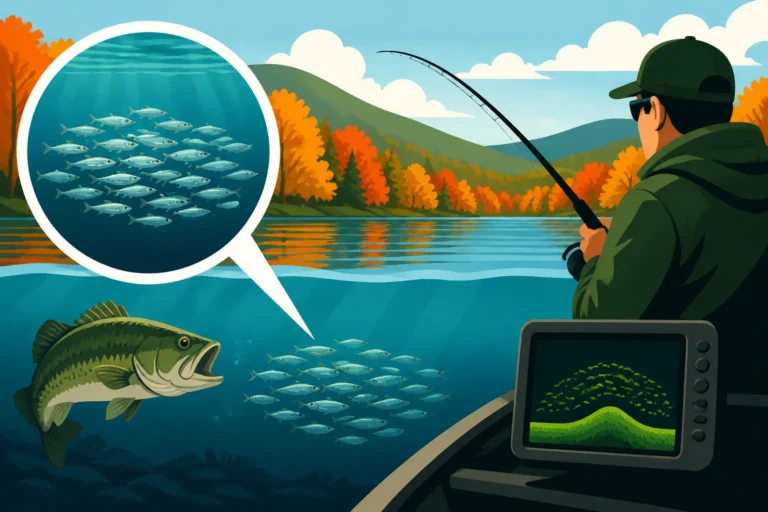
But the menu doesn't stop there. Various species of baitfish, such as alewives, shiners, or even juvenile perch, will frequently school up around points, especially where currents or natural underwater features concentrate nutrients. Insects, their larvae, and other smaller aquatic invertebrates also make their home among the rocks, providing a constant and varied source of protein. This steady, reliable supply of food means that smallmouth bass don't have to expend much energy searching for meals, making these points their preferred dining establishments. It's a convenient, all-you-can-eat spread that keeps them coming back.
Current and Oxygen: The Lifeblood of a Healthy Fishery
Many rocky points, particularly those situated in larger bodies of water like Lake Champlain Fishing Guide or the more exposed parts of other Vermont lakes, are exposed to currents. These currents can range from subtle movements caused by wind and wave action to more pronounced flows originating from connecting rivers or constricted passages. Regardless of their intensity, these currents are vital to the health and activity of smallmouth bass. They consistently oxygenate the water, which is crucial for active, energetic fish, and they act as natural conveyor belts, bringing food directly to the bass. This process concentrates baitfish and other forage items along specific current seams and breaks.
Smallmouth bass are incredibly efficient predators, and they understand how to use current to their advantage. They will often position themselves just out of the main current flow, typically in an eddy created by a large boulder or a sheltered pocket of calmer water. From this vantage point, they can wait comfortably, expending minimal energy, as the current sweeps food past their noses. This energy-efficient feeding strategy makes current-swept points even more appealing. Furthermore, during the warmer months, points that provide quick access to deeper, cooler water become essential, offering a thermal refuge while still presenting ample feeding opportunities. Grasping these intricate dynamics is absolutely essential for unlocking the full potential of these productive structures.
Reading the Water and Identifying Key Features
Successfully fishing rocky points for smallmouth isn't about blind luck; it's about being a keen observer and understanding what lies beneath the surface. You can't just cast at every rock you see and expect consistent results. Instead, you need to develop an eye for reading the water and identifying the subtle (and sometimes more obvious) features that serve as prime holding areas for these elusive fish. Think of yourself as a detective, piecing together clues from the surface and the depths.
Mapping the Submerged Landscape: Beyond What You See
While a visible rock outcropping might catch your eye, the true magic often happens entirely underwater. This is precisely where a good fish finder or sonar unit truly shines. If you have access to a boat or kayak, actively using your electronics to map the contours of the point, identify larger submerged boulders, and pinpoint sudden depth changes is an invaluable asset. Look specifically for transition zones: areas where a gradual, shallower slope abruptly drops into a steeper break, or where smaller rubble transitions into massive, fish-holding rock piles. These zones are almost always prime real estate. Many anglers find that portable fish finders, readily available on Amazon, are excellent tools for mapping these underwater structures, even from a kayak.
Even without sophisticated electronics, you can still infer a great deal about the underwater terrain. Pay close attention to how the wind and waves interact with the point. Areas with consistent wave action often indicate shallower, rockier water beneath. Watch for subtle changes in water color or surface texture, which can signal variations in depth or changes in bottom composition. In clearer Vermont waters, you might even be able to spot larger boulders, submerged logs, or distinct rock shelves directly. If you're looking to upgrade your electronics, our guide on Best Fish Finders for Vermont Lakes offers some excellent recommendations.
Current Breaks, Eddies, and Seams: Where Bass Stage
As we've discussed, current is a profoundly influential factor for smallmouth bass. On a complex rocky point, however, current rarely flows uniformly. Instead, it interacts with the structure to create specific features that fish gravitate toward:
- Current breaks are essentially calmer zones created directly behind an obstacle, such as a large rock or a prominent submerged ridge, that disrupts the main flow of water. Smallmouth bass absolutely love to sit in these quiet zones, expending minimal energy while waiting for food to be swept past them by the faster current nearby.
- Eddies are swirling pockets of water, often found on the downstream or leeward side of a point. Here, the current circles back on itself, creating a concentrated area. These are fantastic spots for bass because they effectively gather and hold baitfish, insects, and other food items within the swirling, manageable water.
- Seams are the invisible, yet highly productive, lines where faster-moving water meets slower water. These are incredibly high-percentage areas to target, as baitfish often struggle to hold their position along these seams, making them easy targets for an opportunistic smallmouth.
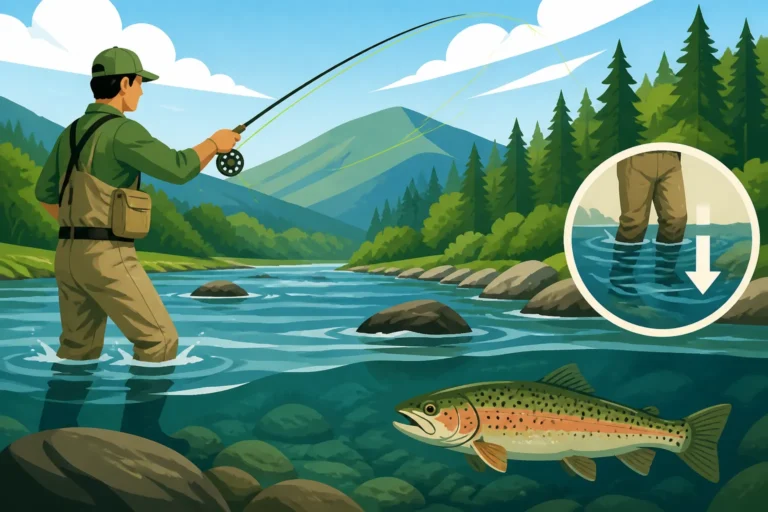
Learning to visually identify these subtle current dynamics, whether by observing how floating debris moves or simply feeling your boat drift differently, will dramatically increase your fishing success. Think about the strategic positioning of a trout in a river; smallmouth bass employ very similar tactics on these current-swept points.
Baitfish and Forage Indicators: The Dinner Bell
Another critical piece of the puzzle, and often the clearest signal of smallmouth presence, is locating their food source. If you see active signs of baitfish, you can be almost certain that smallmouth bass are nearby. Keep a sharp eye out for nervous schools of baitfish dimpling the surface, particularly during low-light conditions like dawn or dusk. Often, you'll observe small splashes, boils, or even outright explosions on the surface – these are tell-tale signs of smallmouth bass actively busting through schools of baitfish. Diving birds, such as terns or gulls, can also serve as excellent indicators, signaling concentrations of baitfish that attract larger predators.
While harder to spot directly, don't forget to keep an eye out for crayfish activity. If you're fishing in relatively shallow, clear water, you might occasionally spot them scuttling among the rocks. Even if you don't see them, if you happen to catch a smallmouth that spits up a crayfish, you've just received a direct confirmation of what they're actively feeding on. Subtle signs like insect hatches can also indirectly draw in smaller baitfish, which, in turn, attracts the smallmouth. The more actively you search for these "dinner bell" forage indicators, the better your chances of finding actively feeding bass.
Top Techniques and Lure Choices for Rocky Points
Once you've zeroed in on a promising rocky point and developed an understanding of its unique features and potential fish-holding zones, it's time to put your plan into action. There isn't a single magic lure or technique that works every time; rather, success hinges on a strategic combination of casting methods and lure selections tailored to the prevailing conditions and the behavior of the smallmouth.
Fan Casting and Grid Searching: Covering the Zone
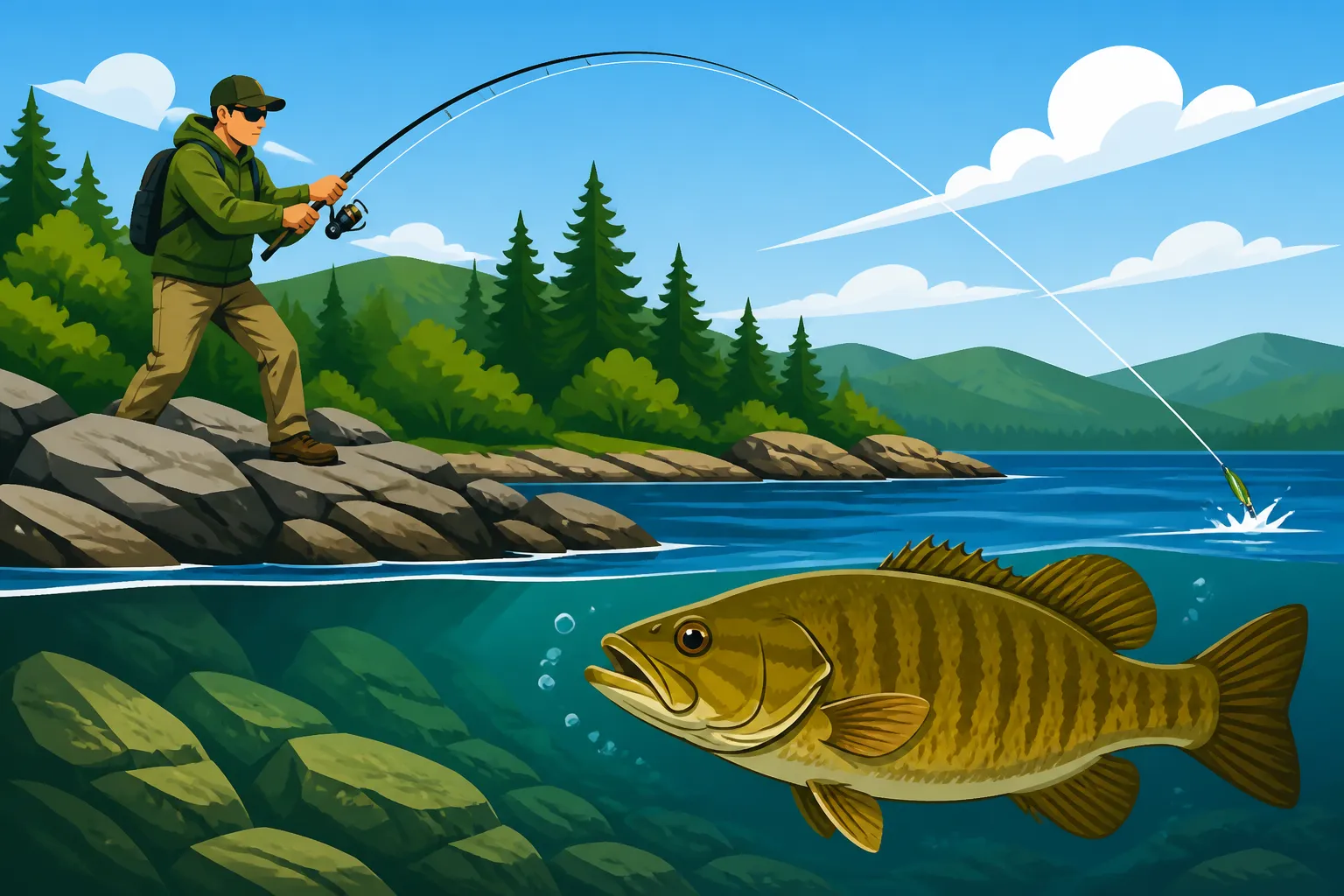
When you first approach a rocky point, resist the urge to simply cast straight out. Instead, adopt a methodical approach by "fan casting." Imagine the point as the center of a clock face. Start by making casts that cover the shallowest parts of the point, then gradually lengthen your casts and change your angle to systematically cover deeper water and every conceivable nook and cranny. You want to present your lure to every potential holding spot around the entire point. Many experienced anglers find that a Best Spinning Rods for Smallmouth Bass offers the precision and control needed for effective fan casting.
Taking this a step further, a "grid search" technique ensures even more thorough coverage. Visualize an invisible grid laid out over the point and its surrounding water. Cast to one corner of this grid, retrieve your lure, then move slightly and cast again, methodically working your way across every imaginary square. This strategy ensures you're presenting your lure to any smallmouth that might be holding tight to specific rocks, subtle changes in contour, or within small, isolated pockets of cover. Remember, smallmouth can be quite territorial, so if you hook one in a particular spot, there's a very good chance that other fish are holding nearby. Continue to thoroughly work that immediate area before moving on to the next section of the point.
Slow and Steady Retrieves: Mimicking Natural Prey
While smallmouth bass are renowned for their aggressive nature, there are many times when a slow, deliberate retrieve is exactly what it takes to trigger a strike. This is especially true in colder water, during periods of high fishing pressure, or when smallmouth are feeding selectively. Many of their primary food sources, such as crayfish or bottom-dwelling baitfish, don't move at high speeds.
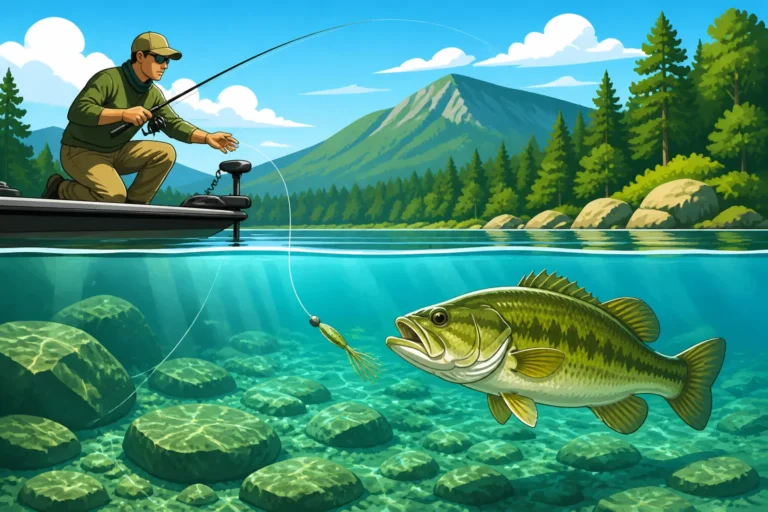
- Jigs and Tubes: These are absolutely phenomenal choices for fishing rocky points. Cast a tube jig or a football head jig, tipped with a soft plastic trailer (like a craw or grub), out past the point and allow it to sink all the way to the bottom. Then, retrieve it with a series of short hops, subtle drags, and deliberate pauses, meticulously mimicking a crayfish crawling, darting, and resting among the rocks. Pay extreme attention during the fall – a significant number of strikes occur as the bait slowly descends. You can find an excellent selection of tube jigs and soft plastics on Amazon to build your arsenal. For more specific guidance on this lure, our Best Tube Jig for Smallmouth Bass article can provide deeper insights.
- Crankbaits: Medium-diving crankbaits that are specifically designed to deflect off submerged rocks are incredibly effective here. The sudden, erratic deflection often triggers a powerful reaction strike from a curious or agitated smallmouth. Cast your crankbait out, reel it down until it makes solid contact with the bottom or a rock, then pause briefly, allowing it to float up slightly before resuming your retrieve. This "stop and go" action, mimicking an injured or disoriented baitfish, can be absolutely irresistible. To learn more about specific models and techniques, explore our Best Crankbaits for Vermont Smallmouth Bass guide.
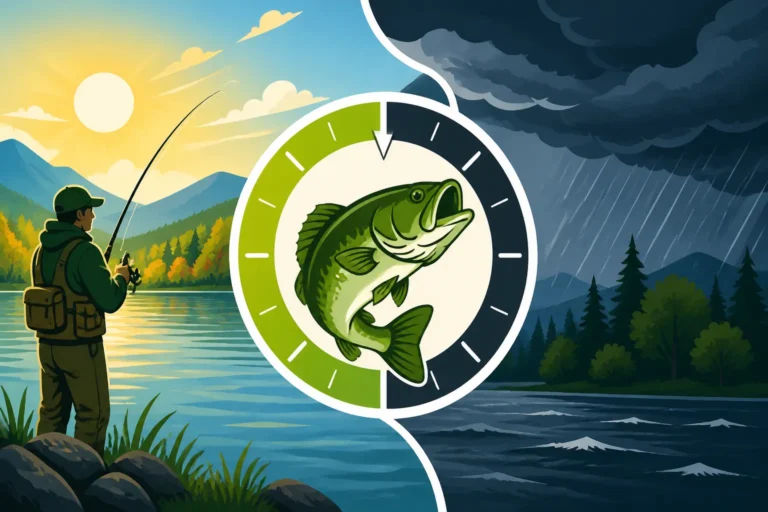
- Topwater Lures: During low-light conditions, such as early morning or late evening, or when water temperatures are warmer and fish are actively looking up, smallmouth bass will absolutely explode on topwater lures. Poppers, "walk-the-dog" style baits, and prop baits can be deadly. Cast these lures right up onto the shallowest sections of the point, or along prominent rock edges, and work them back to your boat with varying cadences and pauses. The key is to experiment with your retrieve until you discover what the fish are responding to on that particular day. Sometimes a steady retrieve is best, while at other times, long, enticing pauses are the ticket. Our comprehensive Topwater Fishing for Smallmouth Bass in Vermont guide offers even more valuable tips for thrilling surface action.
Targeting Specific Depths: Adapting to Fish Behavior
Smallmouth bass are constantly moving within the water column, adjusting their depth based on a multitude of factors, including light intensity, water temperature, and the current location of their primary baitfish. To be consistently successful, you must be able to adapt your presentation to effectively target these varying depths.
- Shallow Water (0-10 feet): The early morning, late evening, or heavily overcast days are often prime times for finding smallmouth actively feeding in shallower water. Topwater lures, shallow-diving crankbaits, or even weightless soft plastics, fished over submerged rocks and along visible rock edges, can be incredibly effective. Look for bass actively cruising the point or hiding in small pockets of cover.
- Mid-Depth (10-25 feet): This range is frequently the sweet spot for smallmouth on rocky points. Medium-diving crankbaits, jigs, tube baits, and spinnerbaits are all excellent choices for this zone. This depth often holds the largest concentrations of actively feeding fish, and it's where you'll frequently find schools of baitfish suspended, making it a crucial area to thoroughly explore.
- Deep Water (25+ feet): During bright, sunny days, or in the intense heat of summer, smallmouth may retreat to deeper, cooler water to find comfort and ambush prey. In these situations, vertical jigging with heavier jigs or spoons, drop-shotting, or deploying deep-diving crankbaits are your best options. Your fish finder will become absolutely indispensable here for identifying exactly where fish are holding on the deeper, submerged structure.
The ability to seamlessly switch between different techniques and lures to effectively cover the entire range of depths available on a rocky point is a hallmark of a truly skilled angler and is what will ultimately lead to more successful outings.
Table: Popular Lures for Rocky Point Smallmouth Bass
| Lure Type | Best Conditions | Retrieve Style | Pros | Cons |
|---|---|---|---|---|
| Tube Jig | All-around, clear to stained water | Hop, drag, pause along bottom | Mimics crayfish perfectly, highly versatile, subtle presentation | Can get snagged easily on jagged rocks, slower to cover water |
| Crankbait | Reaction bites, varying depths | Erratic deflection off rocks, stop-and-go | Triggers aggressive strikes, covers water quickly, good for searching | Can be expensive to lose, retrieve depth is lure-dependent, not very weedless |
| Topwater Lure | Low light, calm water, warm season | Popping, walking-the-dog, long pauses | Explosive and visually thrilling strikes, targets actively feeding fish | Limited to specific conditions, may spook wary fish in clear water |
| Drop Shot Rig | Deep water, pressured fish, finesse | Subtle shaking, minimal movement, suspended presentation | Excellent for suspended fish, high hook-up rate, great sensitivity | Can be slow to fish, requires finesse technique and specific rigging |
| Swimbait | Imitating baitfish, search bait | Steady retrieve, slow roll near bottom, twitch | Highly realistic presentation, often targets larger, predatory fish | Can be expensive, less weedless than jigs, may not provoke reaction strikes |
| Spinnerbait | Stained water, windy conditions | Steady retrieve, slow roll near structure | Good vibration in murky water, decent weedless characteristics | Less natural action than jigs/tubes, can be ignored in clear water |
Essential Gear for Conquering Vermont's Rocky Points
Having the right tools for the job can truly make all the difference, especially when you're battling aggressive smallmouth bass around the unforgiving, abrasive structures of rocky points. From your meticulously chosen rod and reel setup to your line and terminal tackle, being thoroughly prepared means not only more fish in your net but also significantly fewer frustrations and lost lures. For a broader overview of what every Vermont angler should have on hand, consider checking out our Best Tackle Box Setup for Vermont Anglers guide.
Rod and Reel Selection: Sensitivity Meets Power
When specifically fishing rocky points, your rod needs to offer a crucial blend of sensitivity and raw power.
- Sensitivity is paramount for detecting those incredibly subtle bites, especially when a bass just lightly "ticks" your jig or tube. Moreover, you need to distinctly feel your lure making contact with individual rocks, which not only helps you avoid frustrating snags but also provides invaluable information about the bottom composition.
- Power is equally essential for effectively pulling those incredibly hard-fighting smallmouth away from dense snags and for quickly turning their heads when they inevitably try to dive back into the protection of the rock piles.
For the vast majority of rocky point applications, a medium-heavy power spinning rod or casting rod, typically ranging between 6'6" and 7'3" in length, will serve you exceptionally well. A fast or extra-fast action tip will provide you with the necessary sensitivity to feel even the slightest tap and the robust backbone required to drive hooks home firmly.
Pair your chosen rod with a reliable spinning reel (a 2500-3000 size is generally ideal) or a high-quality baitcasting reel that boasts an incredibly smooth and consistently performing drag system. That responsive drag will become your absolute best friend when a large smallmouth decides to make a powerful, blistering run for cover. Look for fishing brands renowned for their durability and silky-smooth performance; many anglers find fantastic deals on reputable gear through Amazon. For more in-depth choices and specific recommendations, be sure to consult our comprehensive guide on Best Fishing Rods for Vermont Lakes.
Line Choices: The Unsung Hero
Your fishing line represents arguably the single most critical connection between you and the fish, and around abrasive rocky structures, it will take an immense beating. Choosing the right line can dramatically impact your success and minimize frustrating break-offs.
- Fluorocarbon Line: This is often the preferred and most effective choice for fishing rocky points, especially in the notoriously clear waters of many Vermont lakes. Fluorocarbon is prized for being nearly invisible underwater, possessing extremely low stretch for unparalleled sensitivity, and, most importantly, offering superior abrasion resistance compared to other line types. Running an entire spool of 10-15 lb fluorocarbon as your main line, or using a long fluorocarbon leader (e.g., 3-6 feet) tied to a braided mainline, is a highly effective and widely adopted strategy. You can easily find high-quality fluorocarbon options on Amazon to suit your needs. If you're fishing in exceptionally clear conditions where line visibility is a major concern, our specialized guide on Best Fluorocarbon Line for Clear Lake Water has additional, advanced tips.
- Braided Line: Many experienced anglers opt for a braided mainline (typically 15-30 lb test) due to its incredible strength-to-diameter ratio, virtually zero stretch, and exceptional casting capabilities. The primary trade-off with braid is its visibility underwater. If you choose to use braid, it is absolutely crucial to always tie on a fluorocarbon leader (again, typically 3-6 feet long) to mitigate its visibility and provide that essential abrasion resistance precisely where it matters most – near the lure and in direct contact with the rocky structure. Braided line is particularly fantastic for feeling every subtle bump, tick, and faint bite, transmitting even the smallest vibrations directly to your hand.
It's generally best to avoid using monofilament as your main line for direct contact with heavy rocky structure. Monofilament is typically less abrasion resistant and has a higher degree of stretch, which significantly reduces sensitivity and increases your chances of losing fish or lures to unseen snags.
Tackle Box Essentials: A Versatile Arsenal
Your tackle box, or specialized tackle bag, should be meticulously stocked with a diverse array of lures and terminal tackle specifically chosen for rocky point fishing. Variety is key, allowing you to adapt to changing conditions and fish preferences.
- Jigs and Trailers: Maintain a robust selection of football head jigs (ranging from 1/4 to 1/2 oz is a good start) and tungsten jigs, which are excellent for increasing sensitivity on the bottom. Pair these with a variety of plastic trailers, such as tubes, crawfish imitations, or grubs. Stocking different colors, particularly natural greens, browns, and various baitfish patterns, is an absolute must.
- Crankbaits: Ensure you have at least a few medium-diving crankbaits (designed to dive between 6-12 feet) that are known for their ability to deflect off rocks without consistently getting hung up. Colors that effectively mimic local forage like perch, crayfish, or shiners are typically the most productive.
- Topwater Lures: Include a selection of poppers, walk-the-dog style baits, and prop baits in various sizes to capitalize on those exhilarating surface strikes, especially during optimal low-light conditions.
- Soft Plastics: In addition to your tube jig trailers, carry an assortment of versatile soft plastics. This includes flukes, swimbaits, and soft plastic jerkbaits that can be rigged weightless, on an exposed jig head, or as part of a drop-shot rig. These offerings are incredibly versatile and can mimic a wide range of forage.
- Terminal Tackle: Never forget the indispensable small stuff! Stock up on extra hooks (EWG hooks are excellent for weedless rigging), various sinkers (drop shot weights in different sizes are absolutely crucial), swivels, and snap-swivels for quick and efficient lure changes without having to re-tie your entire setup.
And, of course, no angler should be without a reliable pair of fishing pliers, a sharp line cutter, and a small, basic first-aid kit for those inevitable, minor hook mishaps. Keeping all of your tackle neatly organized is paramount; a durable, well-designed tackle box or bag from Amazon can help immensely in keeping your gear accessible and protected. For even more detailed recommendations on specific smallmouth tackle, we highly recommend diving into our comprehensive article on Best Tackle for Vermont Smallmouth Bass.
Disclaimer
This article is for general informational purposes only and does not constitute professional advice. Laws, prices and regulations vary by location and change over time. Consult a qualified professional for guidance on your specific situation.