Best technique for tailwater trout below a dam
Anglers often find themselves staring at a powerful tailwater below a dam, feeling a mix of awe and frustration. The sheer force of the current can be intimidating, and knowing where trout might hold or how to present a lure effectively in such a dynamic environment feels like deciphering a secret code. This guide is here to unravel those mysteries, offering you a comprehensive look at the best techniques for targeting trout in Vermont's unique tailwater fisheries, helping you turn confusion into confidence.
Understanding Vermont Tailwater Fisheries
Vermont might be known for its quaint covered bridges and pristine mountain streams, but it also offers some fantastic tailwater fishing opportunities. These sections of rivers, located immediately downstream from dams, create a unique ecosystem that trout thrive in, presenting both challenges and incredible rewards for the observant angler.
The Unique Environment of Tailwaters
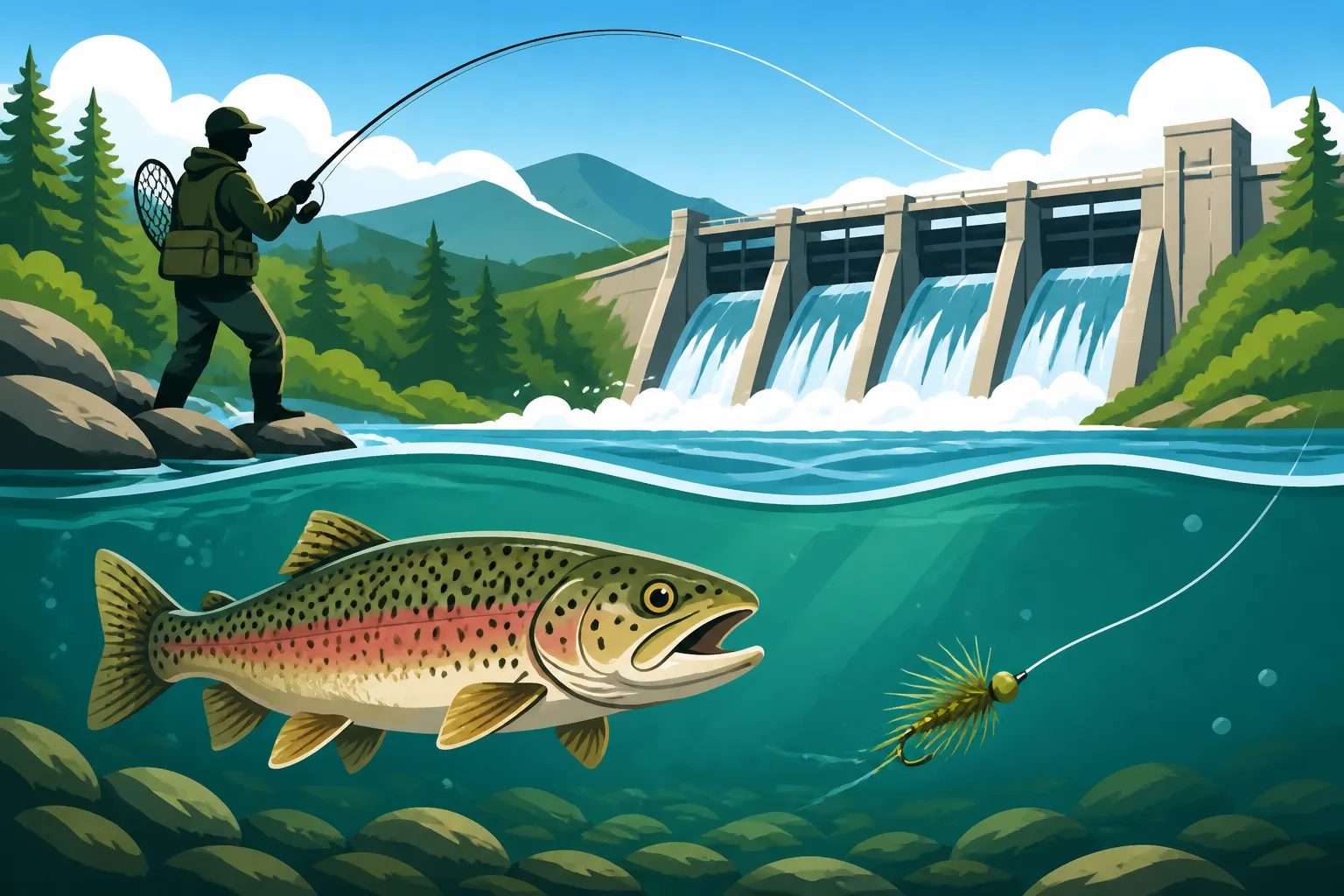
Tailwaters are distinct from your typical freestone or spring-fed streams. The very presence of a dam dictates their character. For starters, the water temperature in a tailwater is often more stable throughout the year. If the dam releases water from the bottom of a deep reservoir, that water tends to be consistently cold, even in the heat of summer. This means cold-water loving trout, like browns and rainbows, can survive and flourish in stretches where they might struggle in other free-flowing sections of the same river. This thermal stability is a huge draw for anglers, extending viable fishing seasons.
Beyond temperature, the flow itself is incredibly controlled and often powerful. Water releases can fluctuate dramatically, sometimes within hours, transforming a gentle riffle into a raging torrent or vice-versa. This constant variability shapes the riverbed, creating deep scour pools right below the dam, powerful current seams, and intricate hydraulics that are fascinating to read. Nutrient loads can also be different, with plankton and small invertebrates often passing through the dam, providing a constant food source for opportunistic trout. While not as numerous as, say, the massive tailwaters of the West, Vermont's rivers like sections of the Connecticut River Fishing Access in Vermont or even some smaller hydroelectric dam outflows on rivers like the Winooski or Lamoille, present these very specific characteristics. Understanding these unique environmental factors is your first step to success.
Trout Behavior in Tailwater Conditions
Because tailwaters are such consistent and often powerful environments, the trout that live there adapt specific behaviors. They become masters of energy conservation. Instead of fighting the main current head-on, they seek out current breaks, eddies, and subtle changes in depth where they can rest with minimal effort while still having easy access to passing food. This means you'll find them tucked behind boulders, along seam lines where fast water meets slow, in the deeper slots, or in the soft water on the inside bends of the river.
The constant flow also dictates their feeding patterns. Unlike in freestone streams where hatches might be more sporadic, tailwater trout often get used to a consistent drift of food items. This means they can be highly opportunistic, willing to eat a variety of insects, baitfish, and crustaceans that come their way. However, their primary defense mechanism against the powerful current is to stay close to the bottom, where the current is often slower and food is concentrated. Dam releases also dramatically impact their activity. When flows increase, trout might move to even more protected lies or hunker down, making them harder to target. Conversely, a consistent, moderate flow can often stimulate aggressive feeding as new food is churned up and washed downstream. Learning to predict these movements and understanding the implications of varied flows is key to consistent catches.
Essential Gear and Tackle for Tailwater Success
Tackling the unique conditions of a tailwater fishery requires a slightly different approach to your gear. The powerful currents, the need for precise presentations, and the often larger, stronger fish mean you need tackle that can stand up to the challenge.
Rods, Reels, and Line Choices
When it comes to your rod, whether you're a fly angler or prefer spinning gear, you'll want something with a bit more backbone than what you might use on a small brook trout stream. For spinning setups, a 6.5 to 7.5-foot medium-light to medium action rod is often ideal. This length gives you good casting distance and line control, while the medium action provides the sensitivity to detect subtle bites and the power to handle larger fish in strong currents. Pair this with a reliable spinning reel spooled with 6-8 pound test fluorocarbon or a good quality monofilament. Fluorocarbon is excellent for its low visibility and abrasion resistance, especially in clear tailwater conditions and around rocky bottom. You can find a fantastic selection of these setups, from rods to various line types, on platforms like Amazon, offering a huge variety for different budgets and preferences.
Fly anglers targeting Vermont's tailwater trout will generally opt for a 9 to 10-foot rod in a 5 or 6-weight. The longer length is invaluable for high-stick nymphing, mending line over complex currents, and maintaining a drag-free drift. A 5-weight is versatile for most situations, but a 6-weight offers more power for casting heavier nymph rigs or larger streamers, and for subduing bigger fish. A weight-forward floating line is standard, but you might also consider a sink-tip or full sinking line for streamer fishing or getting nymphs down quickly in powerful runs. For leaders, a 9-foot tapered leader ending in 3x or 4x fluorocarbon tippet is a good starting point, providing stealth and strength. Remember, strong currents demand durable leaders and tippets. For a comprehensive guide on specific setups, check out Best Fly Rods for Vermont Trout Streams.
Lures, Baits, and Fly Patterns
The consistent food supply and varied conditions in tailwaters mean trout can be enticed by a wide array of offerings.
For spinning anglers, versatility is your friend:
- Inline Spinners: Classic Mepps and Panther Martin spinners in sizes #1-#3 are incredibly effective. Their flash and vibration can trigger aggressive strikes. Use heavier spinners to get down in faster currents.
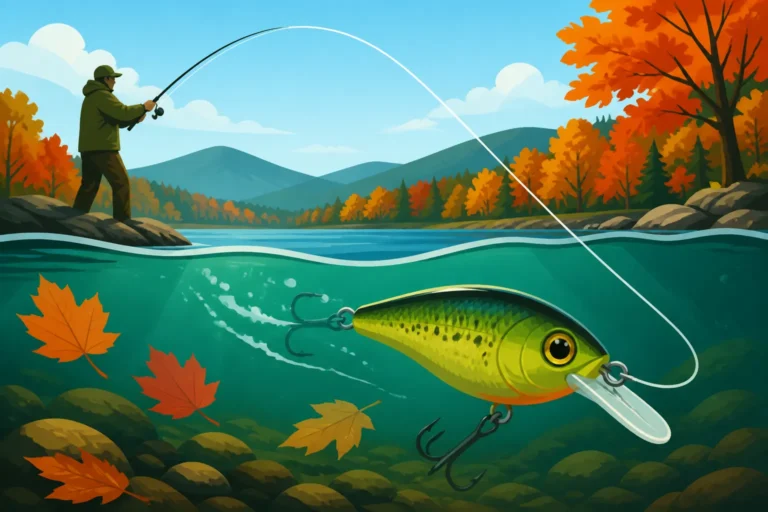
- Small Crankbaits: Minnow-imitating crankbaits (like Rapala countdowns or similar models) in natural patterns (silver, brown trout, perch) or brighter colors can be deadly when retrieved across current or twitched through deeper pools.
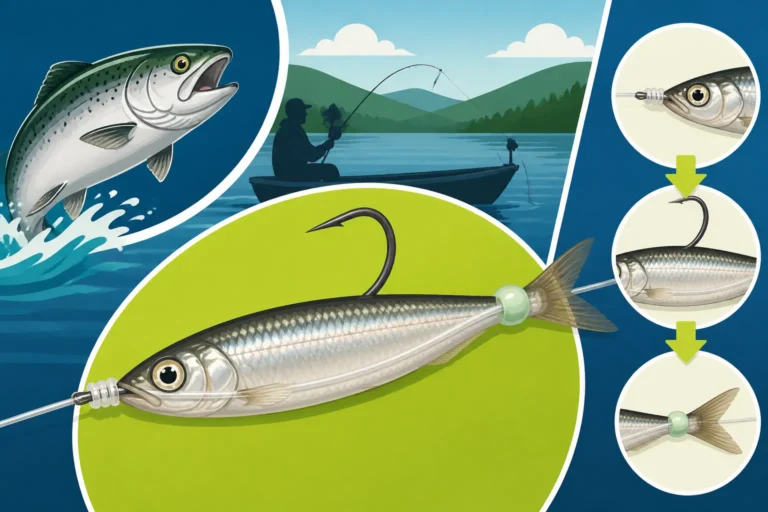
- Jigs: Small marabou jigs or soft plastic swimbaits on jig heads (1/8 to 1/4 oz) are fantastic. These can be bounced along the bottom or slowly retrieved, mimicking baitfish or large nymphs. Having a variety of weights for your jigs is crucial to adapt to varying current speeds and depths.
- Live Bait (where legal): Worms, shiners, or even local minnows, drifted naturally with minimal weight, can be irresistible. Always check Vermont Fishing Regulations Explained for bait restrictions in specific waters.
Bait fishing often involves simple presentations with nightcrawlers or PowerBait, usually rigged on a small hook with a split shot or two to get it to the bottom. The key is to allow the bait to tumble naturally downstream, mimicking something dislodged from the riverbed.
For fly anglers, tailwaters are a nymphing paradise, but streamers and even dry flies have their place:
- Nymphs: This is often the bread and butter. Patterns like Hare's Ear, Pheasant Tail, Prince Nymph, Copper John, and Caddis Larva imitations are essential. Focus on a variety of sizes (from #12 down to #18) and weights. Jig nymphs are particularly effective as they ride hook-point up, reducing snags, and can be easily weighted. Double nymph rigs or even a Euro nymphing setup (which we'll discuss more later) are common.
- Streamers: When trout are keying on baitfish, streamers like Woolly Buggers (black, olive, white), Clouser Minnows, and other baitfish patterns can be highly productive. These are often fished on heavier tippet, swung across the current, and retrieved with aggressive strips.
- Dry Flies: Don't completely discount dry flies! If conditions are right and there's a hatch (caddis, mayflies, midges), tailwater trout will absolutely rise. Have a few emerger patterns and standard dry flies in your box, especially in the slower pools or during specific times of the year.
Amazon is a great resource for acquiring everything from tungsten jig heads to specific fly patterns, offering competitive prices and quick delivery, which is especially useful when you need to restock quickly before a weekend trip.
Top Techniques for Tailwater Trout
Fishing tailwaters requires precision and an understanding of how to present your offering in challenging currents. It's less about blind casting and more about reading the water and executing specific drifts.
Mastering the Drift Nymphing & Bottom Bouncing
The most consistently effective technique for tailwater trout, especially with fly gear, is nymphing, which often involves getting your flies or bait down deep and drifting them naturally. This is where trout spend most of their time feeding, hugging the bottom to conserve energy and intercept drifting invertebrates.
Standard Nymphing with an Indicator: This involves using a strike indicator (a small bobber) to suspend your nymph rig at a predetermined depth. The goal is to set the indicator so your nymphs occasionally tick the bottom without constantly snagging. You’ll cast upstream and slightly across, then mend your line to minimize drag, allowing the indicator and flies to drift at the speed of the current. Any hesitation or unusual movement of the indicator should be met with a hookset. The powerful currents require heavier nymphs or additional split shot to get down quickly. Always be adjusting your depth and weight. For more specific advice on handling challenging currents, refer to Drift Fishing for Trout in Vermont Rivers.
Euro Nymphing (Contact Nymphing): This highly effective technique has gained immense popularity for a reason. It eliminates the traditional strike indicator, using a brightly colored sighter section of line to detect subtle takes. The key is maintaining direct contact with your nymphs (often two or three weighted flies) as they drift. You hold your rod tip high, keeping most of your fly line off the water, and follow the drift with the rod, feeling for any bumps or pulls that indicate a fish. This method allows for incredible sensitivity and precise depth control, making it ideal for the varied depths and current speeds found in tailwaters. It's a very active form of fishing, constantly requiring adjustment of rod angle and lead.
Bottom Bouncing (Spinning Gear): For spinning anglers, "bottom bouncing" with jigs or live bait can mimic nymphing. Use a fairly heavy jig head (1/8 to 1/4 oz, or even more depending on current) with a soft plastic or bait, and cast upstream. Allow the jig to sink, then retrieve just fast enough to keep it "bouncing" or tumbling along the bottom. The rod tip should be kept high to minimize line in the water and maximize feel. This can be incredibly effective in deeper runs and pools where trout are hugging the bottom.
Swinging Streamers and Retrieving Lures
While a natural drift is often key, sometimes trout in tailwaters are looking for a more aggressive meal, especially larger brown trout or rainbows that might be preying on baitfish. This is where streamers and lures come into play.
Swinging Streamers (Fly Fishing): This technique involves casting a streamer (like a Woolly Bugger or baitfish imitation) across the current and allowing it to swing downstream, sometimes with a downstream mend to slow the swing or a retrieve to add action. The idea is to imitate a baitfish struggling or fleeing. You can vary your retrieve, from slow strips to aggressive jerks, to see what triggers a strike. Often, strikes come right at the end of the swing as the fly hesitates in the current. This method is particularly effective in larger, deeper runs and around structure.
Retrieving Lures (Spinning Gear): Crankbaits, inline spinners, and even some jigs are designed to be retrieved. The trick in a tailwater is to match the retrieve speed and lure weight to the current.
- Crankbaits: Cast across or slightly upstream and retrieve them with a steady pace, letting the current impart action. You can pause and twitch them, allowing them to dive and rise, mimicking an injured baitfish.
- Inline Spinners: These are best retrieved slightly upstream or directly across the current, just fast enough to get the blade spinning. Use heavier models to ensure they get deep enough without being immediately swept downstream.
- Jigs: While often bottom-bounced, jigs can also be cast and retrieved with a lift-and-drop motion, mimicking a hopping baitfish or large invertebrate.
Varying your retrieve and presentation is crucial. If one approach isn't working, don't be afraid to switch it up!
Reading the Water for Prime Holding Lies
Perhaps the most critical skill for consistent tailwater success is learning to "read the water" – identifying where trout will hold and feed. The powerful and often turbulent nature of tailwaters makes this both challenging and rewarding.
Current Seams: These are your go-to spots. Look for lines where fast water meets slower water. Trout will often sit just inside the slower water, waiting for food to be carried past in the faster current. These seams can be found around large boulders, submerged logs, or where two different current speeds merge.
Eddies and Backwater: These are pockets of slower, often swirling water, typically found behind large obstructions or along the bank. Trout will hold here to rest, and food items can get trapped, making them prime feeding stations.
Deeper Pools and Runs: Right below the dam, you'll often find a deep scour pool. These can hold significant numbers of larger fish. Further downstream, look for deeper runs where the current is still strong but the depth offers a sanctuary.
Structure: Any form of natural or man-made structure – large rocks, submerged trees, bridge pilings – can provide a current break and a feeling of security for trout. Fish these areas thoroughly.
Dam Operations: Pay close attention to how the dam is operating. When water levels are low, fish will often concentrate in the deepest channels. During periods of heavy discharge, they'll seek out the most extreme current breaks or even move into side channels and slacker water along the banks. Checking the generation schedule (often available online for larger dams) can give you a significant advantage, allowing you to anticipate changes and adjust your approach. For a general understanding of river characteristics, consider reading Best Fishing Rivers in Vermont.
Adaptability and Safety Around Tailwaters
Fishing tailwaters is an exhilarating experience, but it comes with inherent risks due to the powerful and often unpredictable nature of the water releases. Being adaptable and prioritizing safety are paramount.
Adjusting to Dam Release Schedules
One of the biggest factors influencing fishing in a tailwater is the dam's release schedule. A river that's perfectly wadeable in the morning can become a dangerous, raging torrent by afternoon if a dam starts generating power.
Before You Go: Always check the dam's release schedule if it's available. Many larger dams that generate power have online resources or even phone numbers that provide real-time flow data or planned releases. Knowing when the water will rise or fall can dictate your entire fishing plan for the day, or even help you decide if it's safe to go at all. You can't just assume the river will stay the same.
On the Water Adjustments: Even with a schedule, conditions can change unexpectedly. Be constantly aware of your surroundings. Look for rising water levels on the banks, increased current speed, or changes in water clarity. If the water starts to rise, immediately assess your position. Can you get back to shore safely? Are your wading routes still viable? Trout often hunker down during significant flow changes, making fishing tough, so it might be a good time to head for safer ground or switch to techniques designed for high-water conditions, as discussed in Best Techniques for High Water Spring Conditions. Never underestimate the power of moving water.
Essential Safety Gear and Practices
Safety should always be your top priority, especially in the dynamic environment of a tailwater. Even experienced anglers can get into trouble quickly.
Wading Gear: Good quality waders are a must, but pair them with studded wading boots for superior grip on slippery, algae-covered rocks. A sturdy wading staff is non-negotiable. It provides a third point of contact, helps you feel for drop-offs, and can be a lifesaver if you stumble. Consider a wading belt to prevent your waders from filling completely with water if you take a spill. For more details, explore Wading Techniques for Vermont Trout Streams and Best Waders for Vermont Trout Streams.
Personal Flotation Device (PFD): For some high-flow tailwaters, or if you're fishing from a boat or kayak, wearing a PFD is strongly recommended, if not legally required. Even in seemingly calm conditions, the underlying current can be deceptively strong. Many excellent, low-profile PFDs are available on platforms like Amazon, designed with anglers in mind so they don't impede casting or movement.
Awareness and Buddy System: Always be aware of your surroundings – not just the water, but the banks, any changes in weather, and potential hazards like falling branches or slick rocks. If possible, never fish a challenging tailwater alone. Having a buddy can make all the difference in an emergency, and it's also more fun! Make sure someone knows where you are going and when you expect to return. Always check Reading the Vermont Fishing Regulations Guide to ensure you're aware of any specific local regulations or warnings.
By understanding the unique aspects of Vermont's tailwater fisheries, equipping yourself with the right gear, mastering effective techniques, and prioritizing safety, you'll be well on your way to enjoying some incredible trout fishing experiences below the dam.
Disclaimer
This article is for general informational purposes only and does not constitute professional advice. Laws, prices and regulations vary by location and change over time. Consult a qualified professional for guidance on your specific situation.