How to catch pickerel through thick weeds
There are few things more frustrating for an angler than casting into what looks like a prime fishing spot, only to have your lure instantly snagged in a dense mat of weeds. For those of us chasing chain pickerel in Vermont, this is a particularly common headache, as these toothy predators absolutely thrive in the thickest aquatic vegetation. This guide will help you understand why pickerel love these green jungles and, more importantly, how you can effectively fish through them without losing your mind—or your tackle.
Understanding Pickerel and Their Weedy Lair
When you're trying to fish in heavy vegetation, it can feel like the weeds are actively working against you. But for the chain pickerel, those dense mats and submerged forests are home, diner, and fortress all rolled into one. To successfully catch them, you first need to understand why they gravitate to these areas and the unique challenges this environment presents.
Why Pickerel Love Thick Weeds
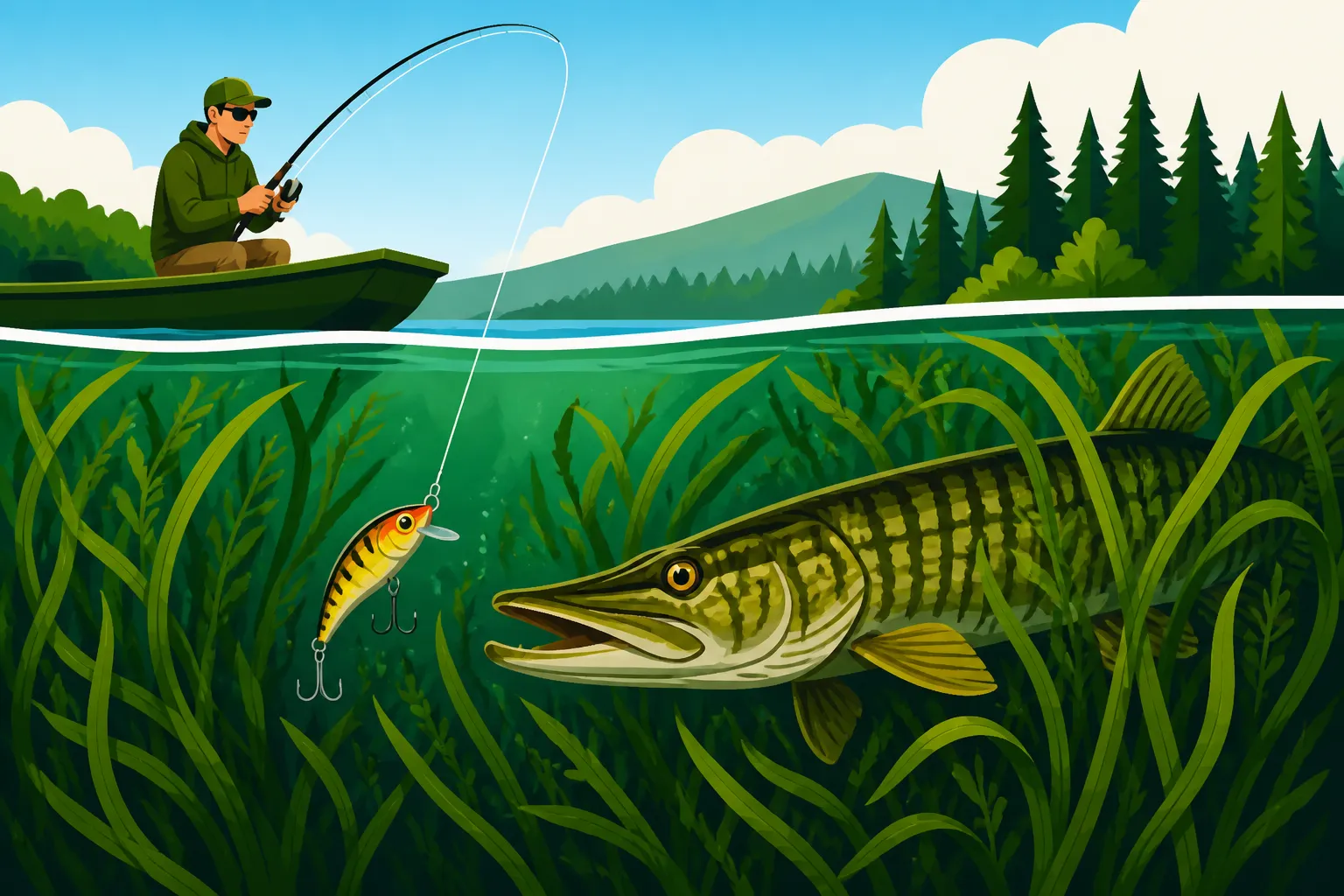
Imagine being a fish that relies on ambush to hunt. Where would you set up shop? Not in the wide-open expanse where prey can see you coming from a mile away! This is precisely why pickerel are so drawn to thick weeds. They are masters of camouflage and sudden, explosive strikes, and dense vegetation provides the perfect cover for their hunting strategy.
Firstly, these weeds offer excellent concealment. A pickerel, with its distinctive chain-like markings, blends seamlessly into the dappled light and shadows of a weed bed. They can lie perfectly still, practically invisible, waiting for an unsuspecting minnow, frog, or even a smaller fish to swim by. It’s an ideal setup for their predatory nature. Weeds also provide structure, which fish of all kinds tend to orient themselves around. It gives them a sense of security and a place to hide from their own predators, like ospreys or larger game fish. You might find a detailed look at their preferred environments in Where chain pickerel live in Vermont.
Secondly, thick weeds are usually teeming with baitfish and other small creatures that pickerel love to eat. Think of it as a thriving ecosystem within the larger lake or pond. Frogs leap between lily pads, minnows dart through submerged grass, and insects buzz around the surface. This abundant food supply means pickerel don't have to travel far to find a meal. The weeds also regulate water temperature, providing cooler, oxygen-rich pockets during hot summer days and insulating them during cooler periods. This makes them comfortable, secure, and well-fed, which is why when you find a dense weed bed, you often find pickerel.
The Challenges of Fishing Heavy Cover
While pickerel might love these weedy havens, us anglers often find them to be a royal pain. The primary challenge, of course, is getting your lure into the strike zone and then, even harder, getting it out with a fish attached. Regular treble hook lures, spinnerbaits with exposed hooks, or anything with dangling components are almost guaranteed to snag on every cast. You spend more time pulling weeds off your line than actually fishing.
Beyond the constant snagging, fighting a fish in thick weeds presents its own set of problems. Once a pickerel grabs your lure, its first instinct is often to dive back into the densest part of the vegetation, attempting to shake the hook or break the line. This can quickly turn a potential catch into a frustrating tangle of weeds, line, and a lost fish. Your line can get wrapped around submerged stems, creating friction that leads to breakage, or the fish can simply bury itself so deep you can't retrieve it. The sheer density of the environment reduces visibility, making it harder to track your lure and detect subtle bites. This combination of constant snags and difficult fights is why many anglers avoid fishing heavy cover altogether, but with the right approach, you can turn these challenges into opportunities.
Essential Gear for Weedy Water Domination
Success in weedy waters doesn't just come down to technique; it starts with having the right tools for the job. You wouldn't bring a butter knife to a chainsaw fight, and similarly, using delicate gear in a pickerel's weedy domain is a recipe for frustration. Equipping yourself with the right rod, reel, line, and, crucially, weedless lures, will make all the difference.
Rod, Reel, and Line for the Fray
When you're battling fish in thick vegetation, you need gear that can take a beating and exert some serious power. This is no place for ultralight finesse setups.
Rods: Look for a rod with a medium-heavy to heavy power rating and a fast action. The "power" refers to how much backbone the rod has—you need enough strength to rip lures free from weeds and pull a stubborn pickerel out of the thick stuff. A fast action means the rod bends mostly in the tip, giving you the sensitivity to feel light bites even through cover, but quickly transitioning to solid power for hooksets and control. Rod lengths from 6'6" to 7'6" are generally good; a longer rod can help with casting accuracy and leverage, especially when you need to steer a fish away from snags. While specific brands change, you can often find great options for a new setup or upgrading your old gear on platforms like Amazon.
Reels: Pair your robust rod with a sturdy baitcasting reel or a larger spinning reel. Baitcasters are often preferred for their superior casting control and winching power when pulling fish out of heavy cover. If you opt for a spinning reel, choose one in the 3000-4000 size range for adequate line capacity and drag strength. The key is a strong drag system that can be locked down when needed to prevent the fish from burying itself deeper into the weeds, yet still provide enough give to prevent line breakage.
Line: This is perhaps the most critical component when fishing thick weeds. Monofilament and fluorocarbon lines are generally too stretchy and have poor abrasion resistance for this environment. Your best bet is braided line. Braided lines have virtually no stretch, which gives you incredible sensitivity to feel bites and the power to drive hooks home even at a distance. More importantly, braid has excellent abrasion resistance, allowing it to cut through lighter weeds and resist damage from tougher stems. A common choice is 20-40 pound test braid. The higher breaking strength isn't just for bigger fish; it's for pulling your lure free when it inevitably gets snagged, without snapping your line. Some anglers use a short leader of 10-20 pound fluorocarbon at the end of their braid, mainly for stealth in clear water, but for thick weeds, many forgo the leader entirely to reduce potential snag points and maximize abrasion resistance.
The Right Lures for the Green Stuff
The choice of lure is paramount when fishing thick weeds. You need something that can get into the pickerel's lair without becoming permanently entombed in vegetation. The term to remember here is "weedless."
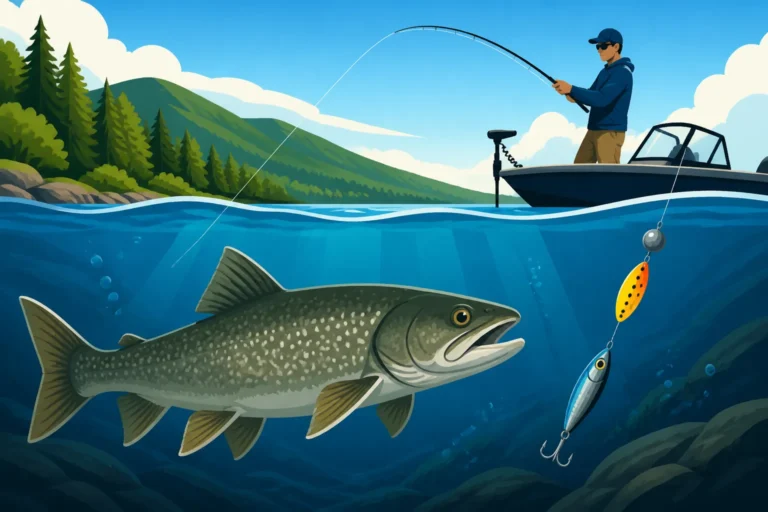
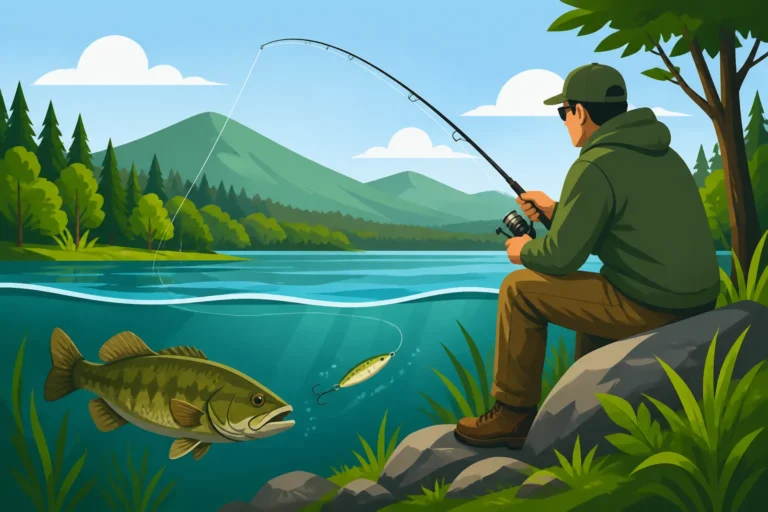
Weedless Spoons: These are absolute classics for a reason. Spoons like the Johnson Silver Minnow or similar designs often feature a single, upturned hook that's guarded by a wire weed guard. This design allows them to slide over and through lily pads, submerged grass, and emergent weeds with surprising ease. They wobble and flash, imitating an injured baitfish, which is irresistible to an ambush predator like a pickerel. You can dress them with a soft plastic trailer (like a grub or small paddle tail) for added action and bulk. This is a go-to for many anglers.
Soft Plastic Baits (Rigged Weedless): This category offers incredible versatility.
- Texas-Rigged Worms/Creature Baits: A soft plastic worm, creature bait, or even a paddle-tail swimbait rigged with a wide-gap hook (offset hook) where the hook point is skin-hooked back into the plastic is incredibly weedless. It allows the plastic to glide through thick cover. The weight used can vary from unweighted (for topwater presentations or very slow falls) to heavy bullet weights (for punching through dense mats). Many anglers prefer a pegged weight in weeds to keep the weight and bait streamlined.
- Weightless Flukes/Stickbaits: For fishing just under the surface or around the edges of weed lines, weightless soft plastic baits like flukes or stickbaits (Senkos, for example) rigged weedless can be incredibly effective. They have an enticing slow fall and erratic action that pickerel can't resist, and they rarely snag.
Jigs with Weed Guards: Flipping and pitching jigs are also great for heavy cover. These typically have a brush guard that protects the hook point, allowing them to penetrate and exit thick weeds without snagging. They can be tipped with a soft plastic trailer to bulk up the profile and add action. Look for jigs with strong, sharp hooks that can stand up to a pickerel's bony mouth.
Topwater Frogs and Rats: When pickerel are looking up, especially in areas with expansive lily pad fields or matted vegetation, topwater frogs and rat imitations are incredibly exciting. These lures are designed with soft, hollow bodies and upward-riding double hooks that make them virtually snag-proof. You can cast them directly onto the mats and twitch them across, creating disturbances that trigger aggressive surface strikes. The sheer thrill of a pickerel exploding on a topwater frog is something every angler should experience. You'll find a massive selection of these kinds of specialty lures on Amazon for all budgets.
Spinnerbaits (with caution): While traditional spinnerbaits with exposed hooks can be a nightmare in thick weeds, some anglers have success using specific weedless spinnerbait designs or by fishing them carefully along the edges of weed lines rather than directly in them. Look for models with a single upturned hook and robust wire weed guards. They create a lot of flash and vibration, which can be great for drawing pickerel out of cover.
No matter your choice, always ensure your hooks are razor-sharp. A dull hook in a pickerel's tough, bony mouth, especially through a weed guard, is a recipe for a missed fish.
Proven Techniques to Extract Pickerel from the Green Jungle
Now that you're armed with the right gear, let's talk about how to actually get your lure to the fish and, more importantly, land that feisty pickerel. Fishing thick weeds effectively requires a specific mindset, focused on precision, patience, and power.
Weedless Wonders and Strategic Presentations
The key to success in heavy cover is understanding how to present your weedless lures in a way that triggers a strike without immediately getting bogged down.
Targeting the Edges and Pockets: While pickerel live in the thickest weeds, they often patrol the edges, open lanes, and pockets within the vegetation where it's easier to ambush prey. These are your primary targets. Instead of blindly casting into the densest mat, look for subtle breaks in the weeds, channels, or small open areas. Presenting your lure along a weed line or into a pocket allows the pickerel to see it clearly and gives them room to strike. This is where a kayak or even a small jon boat can really shine, allowing you to quietly maneuver and cast into precise spots that shore anglers can't reach. For more on accessing these areas, check out Best Kayak Fishing Spots in Vermont.
Punching Through Mats: For truly dense, matted vegetation that even a weedless spoon can't easily penetrate, "punching" or "flipping" is the technique. This involves using a heavy, streamlined weight (often 3/4 oz to 1.5 oz tungsten) pegged directly to your Texas-rigged soft plastic. You essentially "punch" or "flip" this rig directly through the mat, letting it fall into the open water beneath. Pickerel often lurk in the shaded, cooler water under these mats. The fall itself can trigger a strike. Once it hits bottom, give it a few gentle twitches, let it sit, then retrieve or try another spot. The goal is to imitate something falling through the canopy into their ambush zone.
Walking the Dog (Topwater): When using topwater frogs or rats over lily pads and dense mats, the "walk the dog" retrieve is highly effective. This involves a series of short, downward twitches of your rod tip while reeling in slack, causing the lure to zig-zag across the surface. This erratic, wounded prey action is incredibly attractive to pickerel. Keep your rod tip high to avoid snagging your line on emergent weeds. The visual spectacle of a pickerel exploding on a topwater lure is unmatched!
Slow Rolling Spoons and Swimbaits: For weedless spoons and Texas-rigged swimbaits, a slow, steady retrieve is often best. Let the spoon or swimbait sink just slightly below the surface, or to the depth of the submerged weed tops, and then retrieve it slowly, allowing it to wobble and flash (spoon) or its tail to kick (swimbait). The goal is to keep it just above or skimming the top of the weeds. If you feel it tick a weed, give your rod tip a sharp twitch to rip it free. This ripping action can often trigger a reaction strike from a nearby pickerel.
Retrieval and Hookset Tactics
Successfully getting a bite in the weeds is only half the battle. Retrieving your lure and setting the hook properly are crucial for landing the fish.
The "Rip" Retrieve: As mentioned, when your weedless lure inevitably bumps into or gets lightly snagged on a weed, don't just gently pull. Give your rod tip a sharp, upward or sideways "rip" to tear it free. This sudden, aggressive movement often mimics a fleeing baitfish or a creature trying to escape, which can elicit an immediate, violent strike from an otherwise hesitant pickerel. This technique, when combined with a no-stretch braided line, can be incredibly effective.
The Power Hookset: Because you're often fishing with braided line and a stiff rod, and through potential weed resistance, your hookset needs to be assertive. When you feel a bite – which can range from a subtle "thump" to your line suddenly swimming off – reel down quickly to take up any slack, then give a strong, sweeping hookset. Don't be shy. A weak hookset might not penetrate the pickerel's bony mouth or might just pull weeds. With braid, you don't have to rear back like you're trying to set a hook on a shark; a strong sweep with the rod tip from 9 o'clock to 12 o'clock is usually sufficient. Remember, pickerel have sharp teeth, so heavy line and a quick, firm hookset are important.
Staying Connected: Once a pickerel strikes, your immediate goal is to keep constant pressure on the fish. Do not give it slack. Pickerel will often make a beeline for the thickest part of the cover the moment they feel the hook. If you give them slack, they will use the weeds to their advantage, wrapping your line and potentially escaping. Keep your rod tip high, lean into the fish, and try to steer its head out of the densest cover. This might feel like a tug-of-war, and often, it is.
Managing the Fight in the Weeds
Landing a pickerel from thick weeds is a unique challenge that tests your tackle and your patience. Once you've hooked up, the real work begins.
The "Winch" Mentality: You need to adopt a "winch" mentality. This means using your rod and reel's power to relentlessly pull the fish towards you, even if it's dragging a salad bowl of weeds with it. Don't try to finesse a pickerel out of a heavy weed mat; you'll likely lose it. Instead, lean back into your rod, keep the pressure on, and crank your reel steadily. Your heavy braided line and stiff rod are designed for this very purpose. Sometimes, you'll literally be pulling a ball of weeds that happens to have a pickerel in the middle of it. This might feel brutal, but it's often the most effective way to extract a fish from dense cover.
Clearing the Line: As you retrieve, if your line collects a significant amount of weeds that interfere with the fight, try to clear them quickly if possible, without giving the fish slack. This might involve a quick flick of the rod or momentarily pulling the line by hand (carefully, away from teeth!). However, often it’s better to just keep winching and deal with the weeds once the fish is at the boat or shore. Sometimes, the pickerel will shake off some of the weeds on its own near the surface.
Landing the Fish: Once you get the pickerel to the boat or shore, exercise caution. Pickerel have incredibly sharp teeth. Do not lip them like a bass. Use a net with a wide, rubberized mesh (which is kinder to the fish and less prone to snagging lures) or use a pair of long-nosed pliers or a fish gripper to secure them before removing the hook. Be prepared for them to make one last thrashing effort near the boat, potentially getting tangled in the net or dropping back into the weeds. Quick, decisive action here prevents last-minute losses. When using pliers, you can find a good, sturdy pair on Amazon that will protect your hands from those razor-sharp teeth.
Releasing Pickerel: If you plan to release the pickerel, do so quickly and carefully. Minimize its time out of water. Hold it horizontally, support its belly, and release it in an area where it has access to cover. Remember that Vermont Bass Catch-and-Release Season, Explained has some great tips that can apply to pickerel as well for best practices.
Advanced Strategies and Pickerel Behavior
Beyond the basic gear and techniques, understanding pickerel behavior and applying some advanced strategies can further increase your success rate in weedy environments.
Reading the Weeds and Water
Not all weeds are created equal, and not all weed beds hold pickerel equally. Learning to "read" the water and the vegetation can help you pinpoint the most productive areas.
Varieties of Weeds: Pay attention to the types of weeds present. Lily pads are iconic pickerel cover, but submerged grass, coontail, milfoil, and even brush piles intertwined with weeds are also prime habitat. Look for transitions between different types of vegetation, as these "edges" often concentrate fish. Also, consider the density. Extremely dense, solid mats might hold fish, but the less dense pockets, lanes, and openings within the mat are usually where pickerel stage for their ambushes.
Water Depth and Temperature: Pickerel are generally shallower water fish, often found in depths from 2 to 10 feet, especially in weedy areas. However, their depth preference can change with water temperature and time of day. In hot summer months, they might hug the deeper, cooler edges of weed lines or hide under thick mats to escape the sun. In cooler seasons, they might be more active throughout the entire weed bed, soaking up warmer surface temperatures. Understanding Vermont Fishing Seasons by Month can help you anticipate these changes.
Current and Structure: Even in seemingly still ponds, there can be subtle currents, especially near inlets or outlets. Pickerel will often position themselves facing into a current, waiting for food to be delivered. Look for any underwater structure that might be hidden by weeds – old stumps, rock piles, or depressions. These "hard spots" within soft vegetation are magnets for both baitfish and predators.
Varying Your Presentation and Retrieve
Pickerel aren't always in an aggressive mood, so being able to vary your presentation can be crucial.
Speed and Cadence: Don't get stuck in a single retrieve speed. Experiment. Sometimes a slow, steady retrieve is what they want, especially if the water is cold or they are sluggish. Other times, a fast, erratic retrieve with plenty of pauses and rips will trigger a reaction strike. The "stop-and-go" retrieve, where you reel for a few seconds then pause, allowing the lure to flutter or sink slightly, can be deadly. Watch your line for any twitch or movement during the pause – that's often when a pickerel will pick up the lure.
Depth Adjustments: While weedless spoons and topwater frogs are designed for shallow presentations, don't forget to experiment with deeper presentations using Texas-rigged soft plastics. Vary the weight of your bullet sinker to control the fall rate. Sometimes, the pickerel are holding tighter to the bottom within the weeds, requiring a lure that can get down to them.
Color Choices: While pickerel aren't known for being overly selective about lure color, having a few options on hand is wise. Natural colors (green pumpkin, black, brown) are good for clear water, imitating crawfish or baitfish. Brighter colors (chartreuse, white, firetiger) can be excellent in stained or muddy water, or on overcast days when fish need a little more help seeing your lure. A classic silver or gold spoon is always a reliable choice.
Safety and Conservation in Pickerel Fishing
Pickerel are voracious predators, and while often overlooked compared to trout or bass, they provide exciting action. Practicing responsible angling ensures their populations remain healthy.
Handling Pickerel: As reiterated, their teeth are no joke. Always carry long-nosed pliers or a fish gripper for safe de-hooking. Avoid putting your fingers near their mouth. If you’re planning on releasing them, try to use single, barbless hooks on your weedless lures if regulations allow. This makes de-hooking much easier and less stressful for the fish.
Line Management: Be mindful of your fishing line, especially braided line which can be nearly invisible to wildlife. Always retrieve any snags or broken line. Discarded line can be deadly to birds and other animals. Many lakes have specific disposal bins for fishing line.
Respecting Private Property: Vermont has abundant public access, but always be aware of property lines, especially when fishing from shore or launching a kayak. Many prime pickerel ponds are surrounded by private land. Always seek permission if you are unsure. Details on general regulations can be found in Vermont Fishing Regulations Explained.
By understanding the pickerel's preference for thick weeds and equipping yourself with the right gear and techniques, you can turn a frustrating situation into an incredibly rewarding fishing experience. So, don't shy away from those green jungles; embrace them, and you might just find yourself catching some of Vermont's most aggressive and exciting freshwater predators.
Pickerel Lure and Gear Quick Reference
| Gear/Lure Type | Key Characteristics | Best for… | Pros | Cons |
|---|---|---|---|---|
| Rod | Medium-Heavy to Heavy Power, Fast Action, 6'6" – 7'6" length | Powerful hooksets, pulling fish from cover | Leverage, control, strength | Less sensitive for light bites on small fish |
| Reel | Baitcaster (high gear ratio) or Large Spinning (3000-4000 size) | Winding power, strong drag | Efficient line retrieval, robust | Baitcasters have a learning curve; spinning reels can twist line |
| Line | Braided Line (20-40 lb test) | Cutting through weeds, abrasion resistance, no stretch | High strength, sensitivity, durability | Visible in clear water, requires strong knots |
| Weedless Spoons | Single upturned hook, wire weed guard, flashy | Skimming over pads, ripping through grass | Highly weedless, strong flash, easy to use | Can get bent out of shape on heavy snags |
| Texas-Rigged Plastics | Soft plastic worms/creatures, wide-gap hook, pegged bullet weight (optional) | Punching through mats, bottom presentations | Versatile, realistic, excellent penetration | Requires re-rigging after fish, can still pick up some weeds |
| Topwater Frogs/Rats | Hollow body, upward-riding double hooks | Fishing over dense mats, lily pads | Virtually snag-proof, exciting surface strikes | Only effective when fish are looking up |
| Jigs with Weed Guards | Brush guard, single hook, soft plastic trailer | Flipping into pockets, targeting denser cover | Compact, good weight for vertical drops | Trailer can snag if not rigged properly |
Disclaimer
This article is for general informational purposes only and does not constitute professional advice. Laws, prices and regulations vary by location and change over time. Consult a qualified professional for guidance on your specific situation.