Best technique for fall crankbait fishing
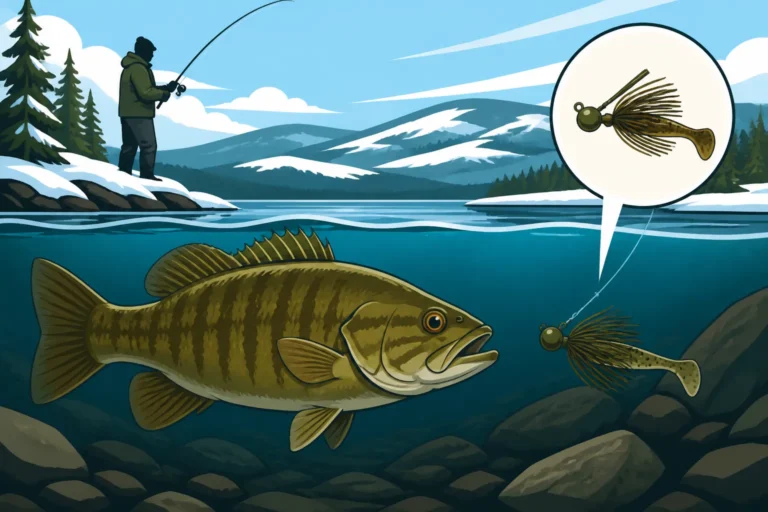
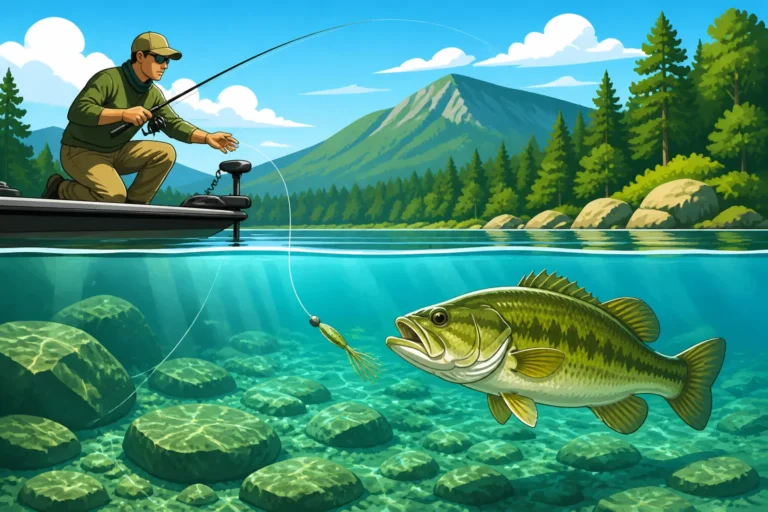
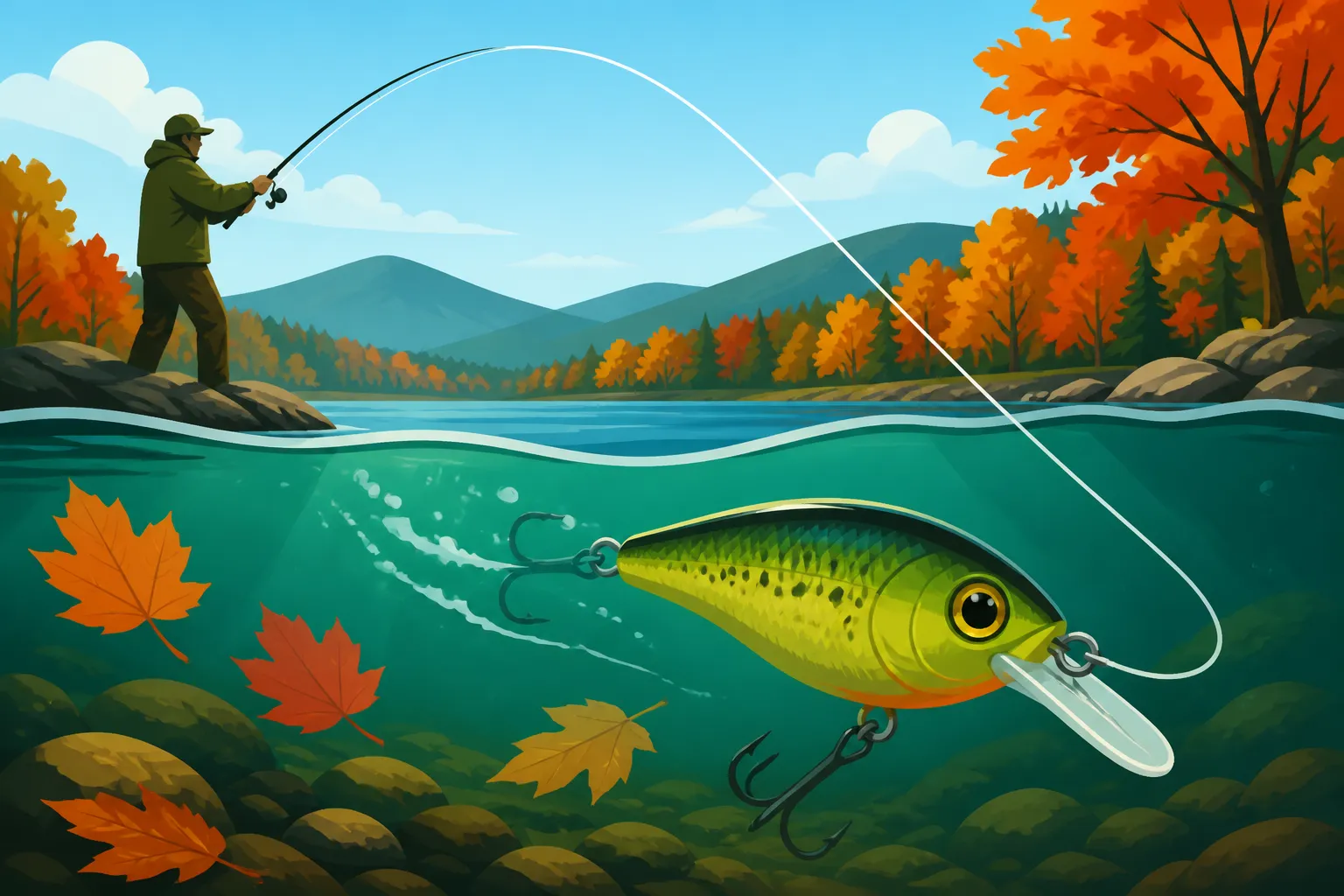
As the vibrant greens of summer give way to the fiery reds and oranges of autumn here in Vermont, many anglers start to pack away their lighter tackle, thinking the best fishing is behind them. But oh, how wrong they are! Fall can be one of the most incredible times to be on the water, especially if you're targeting bass with crankbaits. The truth is, fish behavior changes dramatically as water temperatures drop, and what worked in July often won't even get a sniff in October. This guide is all about helping you unlock the secrets of fall crankbait fishing, specifically for those feisty smallmouth and largemouth bass that are still hungry and ready to bite before winter sets in.
Why Fall Crankbait Fishing is a Game Changer
Fall fishing in Vermont presents a unique set of challenges and opportunities. On one hand, the cooling water temperatures signal to fish that winter is coming, triggering a feeding frenzy often referred to as "the fall bite." Fish are trying to pack on as much weight as possible, making them aggressive eaters. On the other hand, cooler water also means fish can be more lethargic, requiring different presentation styles. That's where crankbaits truly shine – their ability to cover water, mimic fleeing baitfish, and provoke reaction strikes makes them indispensable for autumn success.
As the days shorten and the nights grow colder, the entire aquatic ecosystem begins to shift. Baitfish, like alewives and smelt, start congregating in larger schools, often moving from shallow flats to deeper water as vegetation dies off. This migration creates prime feeding opportunities for predatory fish. If you can locate these baitfish schools, you'll likely find the bass right there with them, gorging themselves. Crankbaits are perfectly designed to imitate these forage fish, darting and diving through the water column, sending out vibrations that call hungry bass right to your line.
One of the biggest frustrations for anglers new to fall fishing is sticking with summer patterns. You might have found bass tucked under lily pads or in shallow weed beds all summer long, only to find those spots barren in October. This isn't because the fish are gone, but because they've moved and changed their habits. Understanding this fundamental shift is the first step to becoming a successful fall angler. It means abandoning those comfort zones and actively searching for new patterns, which often involves exploring deeper structures and employing different lures like crankbaits.
Understanding Fall Bass Behavior and Their Forage
Before you even tie on a crankbait, it’s crucial to grasp what the bass are doing and, more importantly, what their food sources are doing. As the water cools down, the metabolism of cold-blooded fish like bass slows somewhat, but their drive to feed actually intensifies in preparation for the lean winter months. They become opportunistic predators, keying in on large, easy meals.
The Baitfish Migration and Concentration
The biggest factor influencing fall bass location is the baitfish. In late summer, baitfish are scattered, grazing on algae and small invertebrates throughout the shallows. But as water temperatures drop and the abundant shallow vegetation starts to die off, these baitfish feel vulnerable. They begin to move out of the dying weeds and congregate in tighter, larger schools, often seeking refuge in deeper, more stable water where oxygen levels are consistent and there's still some cover, like rock piles or submerged timber.
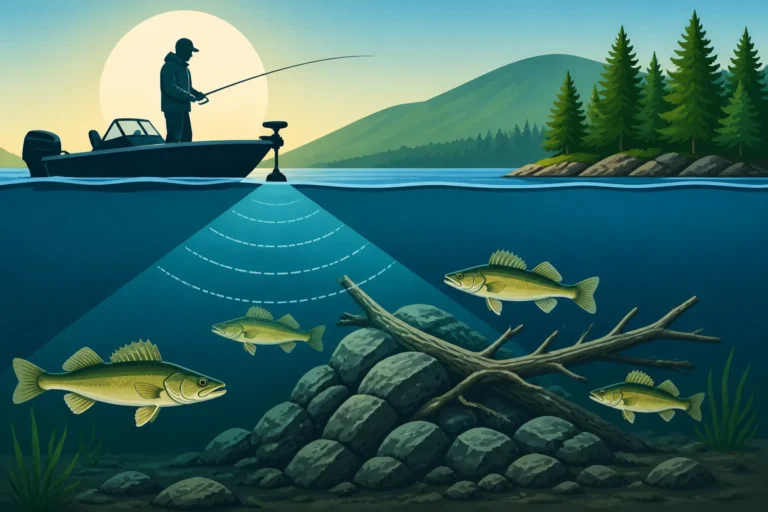
This mass migration means that instead of chasing individual bass in scattered locations, you're looking for huge schools of bait, knowing the bass won't be far behind. Think of it like a giant buffet: where the food is, the diners will be. These baitfish schools might be suspended in open water, relating to deep points, or hugging channel edges. Your job as an angler is to find these concentrations. This can be done with good electronics, or by simply observing bird activity (gulls diving often indicate baitfish) and covering water efficiently with search baits like crankbaits.
Water Temperature's Role
Water temperature dictates everything in the fall. Generally, the "sweet spot" for aggressive fall bass fishing with crankbaits is when the surface water temperatures are between 50 and 65 degrees Fahrenheit. Above 65, fish might still be relating to summer patterns, and below 50, they can become much more sluggish, requiring slower presentations. However, even in colder water, a reaction strike from a crankbait can still be incredibly effective.
As the water continues to cool into the 40s, bass will often move even deeper, or they might hold tight to vertical structure like bluff walls or deep docks. They become less inclined to chase and more likely to strike out of instinct or annoyance. This is where subtle crankbait presentations, like a slow-rolled deep diver bumping off the bottom, can entice a bite when nothing else will. Understanding the current water temperature on your local Vermont lake or pond will give you a huge advantage in predicting where the bass will be and how they’ll react to your lure. For more detailed insights into how water temperature affects fish, you might want to check out Best water temperature for smallmouth bass fishing.
Choosing the Right Crankbait for Fall
The world of crankbaits is vast, but for fall fishing in Vermont, you can narrow down your selection to a few key types that consistently produce. The goal is to imitate the prevalent baitfish in the water you're fishing and to reach the depth where the bass are holding.
Lipless Crankbaits: The Search Bait
Lipless crankbaits, like the popular Rat-L-Trap or a great alternative you can easily find on Amazon, are fantastic search baits for fall. They cast a mile, sink quickly, and produce a loud rattle and tight wobble that can call fish from a distance. These are excellent when you need to cover a lot of water to find those schooling baitfish or active bass.
- When to Use: Ideal for shallower flats (5-15 feet) where baitfish might still be lurking, or over the tops of submerged grass beds that are dying back but still provide cover. They are also excellent for burning over deep points or humps, eliciting a reaction strike from bass suspended nearby.
- Colors and Sizes: Chrome with a blue back, shad patterns, and firetiger are consistent producers. Match the size of the crankbait to the size of the baitfish you believe the bass are feeding on. If you see small baitfish dimpling the surface, use a smaller lipless crankbait. If the forage is larger, go for a heavier, bigger option.
- Retrieval: A steady, moderate retrieve works well, but don't be afraid to experiment with rip-stop actions. Rip it hard, let it fall on slack line for a few seconds (this fall can be when many strikes occur!), then rip it again. This erratic action can trigger strikes from hesitant fish.
Squarebill Crankbaits: Shallow Cover Bouncers
Squarebills are your go-to when bass are still relating to shallower cover, such as rocky banks, laydowns, or sparse dying weeds, often found in the earlier parts of fall. Their unique lip design helps them deflect off obstacles without getting snagged, making them perfect for "cranking" through cover.
- When to Use: Early fall, especially after a cold front pushes fish a bit shallower, or when fishing rivers and smallmouth are still near rocky banks. They excel in water from 2 to 8 feet deep. Look for these near rocky points and shallow pockets along the shorelines of lakes like Bomoseen or Dunmore.
- Colors and Sizes: Natural shad or crawfish patterns work best. Green pumpkin, browns, and reds for crawfish, or silver/blue for shad. Again, match the size to the local forage.
- Retrieval: A slow to medium retrieve is usually best, allowing the bait to "grind" into cover. When it hits an obstacle, pause for a split second, then give it a short rip to make it deflect. This sudden change in direction often triggers a strike.
Medium and Deep Diving Crankbaits: The Depth Seekers
As fall progresses and water temperatures continue to drop, bass will move deeper. This is when medium and deep-diving crankbaits become indispensable. These lures are designed to reach depths from 10 to 25+ feet, getting down to where the baitfish and bass are congregating.
- When to Use: Mid to late fall, when bass are holding on deep humps, channel swings, bluff walls, or rock piles. They are perfect for fishing the ledges and drop-offs that transition from shallow to deep water. Consider fishing these on lakes like Lake Champlain for their famous walleye and smallmouth.
- Colors and Sizes: Again, shad patterns (silver, blue, pearl) are universal. If the water has a slight stain, chartreuse or firetiger can be effective. Consider baits with a transparent finish for clear water. Larger sizes can imitate bigger baitfish that bass are now looking for.
- Retrieval: A slow, steady retrieve that allows the bait to reach its maximum depth and occasionally bump the bottom or structure is often the ticket. Just like with squarebills, deflecting off cover is key. You might find a good selection of these on Amazon, often at various price points. A comprehensive guide on Best Crankbaits for Vermont Smallmouth Bass can offer more specific recommendations.
| Crankbait Type | Ideal Depth (feet) | Key Feature | Best Fall Application | Common Colors |
|---|---|---|---|---|
| Lipless Crankbait | 5-15 | Fast sink, loud rattle, tight wobble | Covering water, schooling baitfish, reaction | Chrome/Blue, Shad, Firetiger |
| Squarebill Crankbait | 2-8 | Deflects off cover, wide wobble | Shallow rocky cover, dying weeds, early fall | Shad, Crawfish (green pumpkin, brown) |
| Medium Diver | 8-15 | Reaches mid-depth, tight wobble | Humps, points, channel edges | Shad, Perch, Chartreuse/Blue |
| Deep Diver | 15-25+ | Reaches deep structure, wide wobble | Deep humps, main lake points, bluff walls | Shad, Ghost patterns |
Mastering the Retrieve: Techniques for Fall Success
Having the right crankbait is only half the battle. How you present it – your retrieve technique – is equally, if not more, important, especially when bass can be a bit more finicky in cooler water.
Slow and Steady with Pauses
Unlike summer, where a fast, aggressive retrieve might trigger strikes, fall often calls for a slower, more deliberate approach. Fish metabolism is slowing down, and they might not be willing to chase a rapidly fleeing bait. A steady, slow to medium retrieve allows the crankbait to wobble enticingly and stay in the strike zone longer.
The key addition to this retrieve is the pause. After a few cranks, simply stop reeling for a second or two. Many crankbaits will slowly float up or suspend during this pause, creating a natural, vulnerable presentation. Bass often strike when the lure is suspended motionless or just as you begin to crank again. This mimics a wounded baitfish struggling to swim. This technique is particularly effective when fishing deep diving crankbaits on deep ledges.
Bumping and Deflecting Off Structure
This is perhaps the most critical technique for crankbait fishing, regardless of the season, but it becomes even more potent in the fall. Bass, especially smallmouth, are often ambush predators. They'll position themselves near structure – a rock, a log, a submerged brush pile – waiting for an easy meal to swim by. When your crankbait bumps into that structure, it often triggers a violent reaction strike.
Aim to cast your crankbait so it dives down and makes contact with the bottom or whatever structure you're targeting. When you feel it hit, don't just pull it straight over. Instead, give your rod a slight slack, let the lure "float" over the obstacle for a split second, then quickly rip it free. This erratic action perfectly imitates a baitfish darting away from danger. This can be particularly effective for How to Catch Smallmouth Bass in Vermont Lakes during the autumn months.
The "Yo-Yo" Retrieve
This technique is primarily used with lipless crankbaits, especially when fishing deeper water or over sparse, dying grass. The yo-yo retrieve involves casting out your lipless crankbait, letting it sink to the desired depth or until it hits the bottom, then sharply ripping your rod tip up to pull the bait upward, followed by letting it fall back down on a semi-slack line.
This up-and-down motion mimics a dying baitfish or one struggling to maintain its position in the water column. Many strikes will occur on the fall, so it's crucial to watch your line for any twitch or sudden movement that indicates a bite. This is a fantastic way to cover different depths quickly and is often the best technique for fall walleye as well, which can be found in similar areas.
Where to Target Fall Bass with Crankbaits
Finding the fish is paramount, and in the fall, it all revolves around structure and baitfish. Forget the lily pads and heavy weed beds of summer; the bass have moved on.
Deep Points and Humps
As aquatic vegetation dies off and water temperatures drop, baitfish often seek refuge in deeper water, frequently congregating around main lake points and humps. These structures act as highways for baitfish moving between shallow and deep water, and bass will set up ambush points along these migration routes.
Start by targeting the sides and tops of these deep points and humps, particularly those that drop off quickly into deeper water. Use your electronics to look for baitfish schools and predatory fish holding nearby. Deep diving crankbaits are ideal for methodically working these areas, bumping off rocks and stirring up the bottom to trigger strikes. The key is to find the specific depth where the baitfish are holding and match your crankbait's diving depth to that zone. Many anglers find Best Kayak Fishing Spots in Vermont offer excellent access to these types of structures in smaller lakes.
Channel Swings and Creek Beds
In larger lakes and reservoirs, old creek channels and riverbeds that now lie submerged are incredible fish magnets, especially in the fall. These channels provide distinct changes in depth and often hold more stable water temperatures, attracting both baitfish and bass. Bass will often position themselves along the edges or "swings" of these channels, waiting for bait to pass by.
Use deep diving crankbaits to trace the contours of these channels. Focus on areas where the channel makes a sharp turn, narrows, or intersects with another piece of structure like a hump or a rock pile. These are prime ambush points. In rivers, look for deeper pools or eddies where current is reduced and baitfish can rest. Working squarebill or medium-diving crankbaits through these areas can be highly effective. Understanding How to Pattern Bass on an Unfamiliar Vermont Lake often starts with identifying these submerged features.
Bluff Walls and Vertical Structure
Late fall, when water temperatures dip into the low 50s and 40s, bass can often be found relating to steep bluff walls, rocky ledges, and other vertical structures. These areas offer quick access to deep water and often hold baitfish that are seeking stable temperatures. Bass will suspend along these walls, or tuck into small crevices and ledges.
Deep diving crankbaits can be effectively fished parallel to these walls, allowing them to track along the face of the structure. The goal is to get your crankbait to "tick" or "grind" against the rock, creating a commotion that draws attention. In clearer water, these vertical presentations can be incredibly effective as bass can see the lure from a distance. Don't overlook marinas with deep docks, as the pilings and docks can provide similar vertical cover. These can be prime spots for Best Shore Fishing Spots in Vermont if accessible.
Essential Gear for Fall Crankbait Fishing
While the right crankbait and technique are vital, having the appropriate gear will significantly increase your success and enjoyment on the water.
Rod and Reel Setup
For crankbait fishing, a medium-heavy to heavy power rod with a moderate to moderate-fast action is generally preferred. The softer action helps absorb the shock of a fish strike and prevents hooks from tearing out, especially with treble hooks. A rod in the 7 to 7.5-foot range provides excellent casting distance and leverage. Graphite rods are popular, but some anglers prefer composite rods which offer a blend of sensitivity and parabolic bend. Many quality fishing rods can be found on Amazon, suitable for various budgets.
Pair your rod with a baitcasting reel with a gear ratio in the 6.1:1 to 7.1:1 range. This allows you to retrieve your crankbait at a controlled speed, whether you're slowly grinding a deep diver or burning a lipless crankbait. A smooth drag system is crucial for fighting strong fall bass.
Line Selection
When it comes to line, fluorocarbon is a top choice for crankbait fishing in the fall. Its low stretch provides excellent sensitivity, allowing you to feel subtle bites and when your bait is bumping structure. Its near invisibility underwater is also a huge advantage in the clearer fall waters. A line test of 10-15 lb fluorocarbon is generally suitable for most crankbait applications. For extremely deep cranking or heavy cover, you might go up to 17-20 lb.
Some anglers prefer monofilament for its stretch, which can act as an additional shock absorber, or even braided line with a fluorocarbon leader for maximum sensitivity and casting distance. However, for a balanced approach, fluorocarbon typically offers the best all-around performance for crankbaits. For more on line choices, consider reading Best Fluorocarbon Line for Clear Lake Water.
Other Important Accessories
- Net: A good landing net is essential, especially when fishing with crankbaits. Treble hooks can be difficult to remove, and a net allows you to safely land the fish, remove the hooks, and release it without excessive stress. For larger bass or muskellunge, a rubberized net helps protect the fish's slime coat.
- Pliers/Forceps: Long-nosed pliers or fishing forceps are crucial for safely unhooking fish, especially when dealing with multiple treble hooks. They minimize harm to the fish and protect your fingers.
- Electronics: A good fish finder or depth sounder is invaluable for locating submerged structure, identifying baitfish schools, and marking bass. In fall, when fish are often concentrated in specific depth zones, good electronics can save you countless hours of blind casting.
- Thermometer: A simple water thermometer can provide crucial information, helping you identify the most productive water temperatures and predict fish behavior.
Fall crankbait fishing in Vermont offers some of the most rewarding angling experiences of the year. By understanding the seasonal changes in bass behavior, selecting the right crankbaits for the conditions, and mastering effective retrieve techniques, you can turn a slow autumn day into an unforgettable fishing adventure. So, bundle up, hit the water, and prepare to feel that satisfying thump of a fall bass on your line!
Disclaimer
This article is for general informational purposes only and does not constitute professional advice. Laws, prices and regulations vary by location and change over time. Consult a qualified professional for guidance on your specific situation.