How to catch muskellunge on a figure-eight boatside
Oh, the muskie follow! It's one of the most exhilarating and, let's be honest, soul-crushing experiences in fishing. You've spent hours casting, retrieving, feeling nothing but the rhythmic pull of your lure, and then, out of nowhere, a giant shadow appears right behind your bait, following it all the way to the boat. Your heart pounds, your breath catches, and then… poof, it's gone. That moment of hesitation at the boat can be the difference between a story of a lifetime and another "one that got away" tale. This guide is all about turning those frustrating follows into thrilling hook-ups by mastering the figure-eight boatside technique, a critical skill for any serious muskie angler in Vermont and beyond.
Understanding the Boatside Follow and Why the Figure-Eight Works
It’s an almost universal experience for muskie anglers: you’re retrieving your lure, nearing the boat, and suddenly, there it is—a massive, toothy torpedo silently cruising inches behind your bait. Sometimes they swirl, sometimes they just stare, but often, they don't commit. This "follow" without a strike is enough to make even the most seasoned angler want to pull their hair out. But here's the secret: that follow isn't a failure; it's an opportunity.
The Frustration of the Follow
There's nothing quite like the adrenaline rush of seeing a muskie, often referred to as "the fish of 10,000 casts," materialize out of the depths. One moment you're just reeling in, maybe already thinking about your next cast or where to move the boat, and the next, a colossal shadow, all stripes and aggression, is gliding behind your lure. It's a sudden, heart-stopping moment that makes you forget everything else. You might even freeze, hoping your steady retrieve is enough to entice a strike. But all too often, as the lure reaches the boat, the muskie simply turns, descends, and vanishes, leaving you with shaking hands and a "what if" playing on repeat in your mind. This hesitation at the boat's edge is precisely where the figure-eight technique steps in.
Mimicking a Fleeing Prey
The figure-eight works because it plays directly into the muskie's predatory instincts. Think about it: most baitfish and other prey, when cornered or sensing danger, don't just stop. They make erratic, desperate movements to escape. When your lure reaches the boat, it's like the prey has hit a wall. If it just stops or is lifted out of the water, the muskie loses interest because the "chase" is over. However, by transitioning into a figure-eight, you are effectively creating the illusion that the prey is making a frantic escape in a confined space. This sudden, evasive action can trigger that final, decisive strike response from the muskie. It’s a make-or-break moment that often requires a quick decision and even quicker execution.
The Element of Surprise and Opportunity
Many muskie anglers will tell you that a significant percentage of their fish are caught right at the boat. Why? Because the muskie has followed the lure for a considerable distance, sometimes from deep water, assessing it, making up its mind. The boat itself, and the angler's presence, can add to the pressure, pushing the fish to make a decision. The figure-eight capitalizes on this. By keeping the lure in the water and moving in an erratic, enticing pattern, you're presenting one last, high-stakes chance for the muskie to commit. It's an ambush predator, and that tight, frantic motion at the side of the boat can be the perfect trigger for it to lunge. It's a moment when the muskie, previously cautious, throws caution to the wind, believing this is its final opportunity for a meal.
Mastering the Figure-Eight Technique: Step-by-Step Execution
Executing a proper figure-eight takes practice, but it's a skill that will dramatically increase your muskie catch rate. It’s not just about drawing a shape; it's about maintaining constant tension, varying your retrieve, and reacting to the fish.
Setting Up for Success
Before your lure even reaches the boat, you need to be prepared. Keep your rod tip low and pointed at the water, almost touching the surface as your lure gets within a few feet of the boat. This gives you maximum leverage and allows you to transition smoothly into the figure-eight without lifting the lure out of the water or creating slack. Make sure you have enough line out that the lure can easily dive and sweep around. Your boat position matters, too. If possible, have the boat slowly drifting or using a trolling motor to keep pace, which helps maintain the illusion of a fleeing baitfish. As you bring your lure in, scan the water. Are there any shadows? Any subtle shifts in the water? Being aware before a follow happens helps you react instantly. Remember, a muskie can appear from nowhere, so always expect a follow.
The Initial Turn: Wide and Smooth
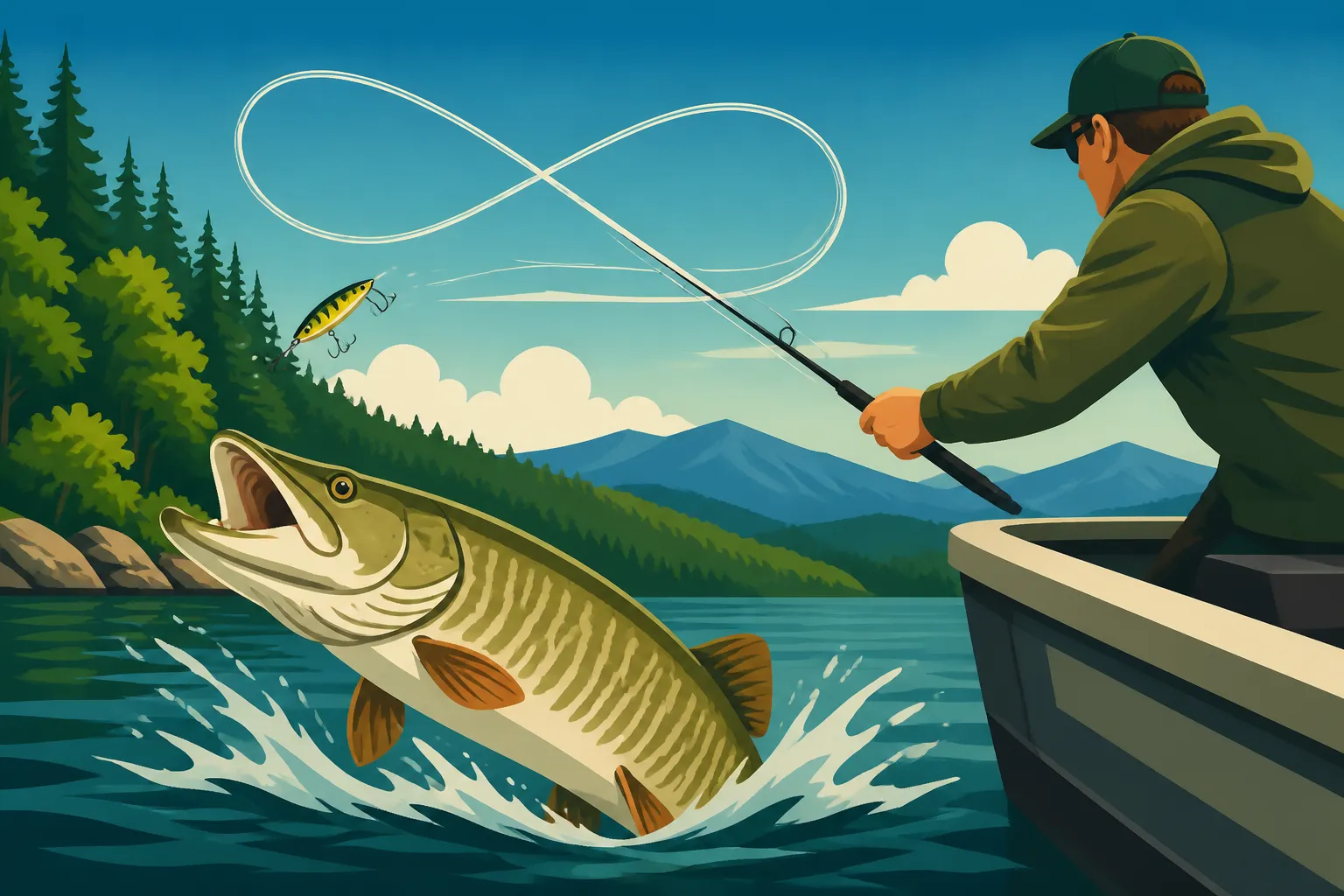
The moment your lure reaches the boat and you spot a muskie following, or even just as a precautionary measure on every retrieve, immediately plunge your rod tip into the water, just below the surface, and begin drawing a large, wide "8" pattern. The key here is smoothness and width. Don't make jerky, quick movements that might spook the fish. Imagine the widest possible turn you can make with your rod tip, keeping the lure moving fluidly. The first turn should lead the muskie away from the boat, simulating escape. Keep your eyes locked on the muskie's nose, not your lure. Its reaction will tell you everything you need to know. Some anglers find it helpful to make the first turn under the boat, especially if they are fishing from the front, to extend the "escape" path. You want that muskie to feel like it's chasing something that's truly trying to get away, not just going in circles.
The Crossover and Second Turn
After completing the first half of the "8," you’ll bring the lure across the boat, often directly underneath it, to start the second loop. This crossover point is crucial. It’s often where the muskie will gain on the lure, or where its commitment will solidify. Maintain the same speed and depth as much as possible. As you complete the crossover, smoothly transition into the second wide turn. Continue watching the fish. Is it speeding up? Getting closer? Is its mouth opening? Any of these signs are indications that a strike is imminent. A common mistake here is to shorten the turns or speed up too much. The goal is a controlled, continuous movement that keeps the muskie engaged. Think of the pattern as a seamless, flowing dance between your lure and the fish.
Varying Speed, Depth, and Shape
No two muskie follows are exactly alike, which means your figure-eight shouldn't always be the same. Sometimes, a muskie might be sluggish, just casually gliding behind the lure. For these fish, try slowing down your figure-eight, making wider, deeper turns. Other times, a muskie might be hot on the tail, almost bumping the lure. In this scenario, a slightly faster, more erratic figure-eight might be the trigger, perhaps even incorporating a sudden pause or a quick burst of speed. You can also vary the depth. Plunge your rod tip deeper to make the lure dive, or keep it closer to the surface. The goal is to experiment and find what triggers that specific fish. Some days, a shallow, tight "8" is the ticket, other days it's a wide, deep sweep. Don't be afraid to try different things! The more you vary your approach, the more you learn what works in different situations.
Essential Gear and Tips for Effective Figure-Eights
Performing a figure-eight isn't just about technique; it's also about having the right tools for the job. You wouldn't bring a butter knife to a sword fight, and you shouldn't bring ultralight gear to a muskie encounter. Having appropriate gear ensures you can execute the figure-eight properly and, more importantly, handle the powerful strike and fight that follows. When looking for reliable muskie gear, many anglers find a wide selection available on platforms like Amazon, offering a convenient way to compare options and read reviews.
Rod, Reel, and Line for Muskie Mayhem
For muskie fishing, especially when performing the figure-eight, you need heavy-duty equipment.
- Rods: A rod specifically designed for muskie or pike fishing is essential. Look for rods that are 8 to 9 feet long, with a heavy or extra-heavy power rating and a fast action. This length gives you the leverage and reach needed to make those wide figure-eight turns without straining. A longer rod also helps absorb the shock of a strike and control a powerful fish.
- Reels: A robust baitcasting reel with a strong drag system and high line capacity is crucial. Brands like Abu Garcia and Shimano make excellent muskie-specific reels. You need something that can handle the massive torque and pull of a big muskie.
- Line: Braided line is the standard for muskie fishing due to its incredible strength and zero stretch. A line rating of 80 to 100 pounds is not overkill, especially given the toothy nature of these fish and the potential for snags. You’ll also need a heavy-duty fluorocarbon or wire leader, typically 100-150 lb test, to prevent bite-offs. Without a proper leader, even the strongest braided line is no match for a muskie's teeth. If you're looking to stock up on these heavier lines, checking out retailers like Amazon can often provide competitive pricing and a good range of options. For more specific guidance on this, consider exploring resources like "Best Line Weight for Muskellunge Fishing".
Lure Selection for the Figure-Eight
While many muskie lures can technically be figure-eighted, some are far more effective than others.
- Bucktails: These are perhaps the most iconic muskie lures and are fantastic for the figure-eight. Their flash and vibration attract fish, and they maintain their action well during the tight turns. Big, double-bladed bucktails are often the go-to.
- Gliders and Jerkbaits: These lures can be highly effective during the figure-eight, as their erratic side-to-side motion naturally mimics a panicked baitfish. A controlled glide or jerk during the turns can often be the final trigger.
- Crankbaits and Swimbaits: Large crankbaits and swimbaits also work well, especially those with a wide wobbling action. Make sure they can be retrieved at varying speeds without blowing out.
No matter the lure, ensure it's equipped with strong, sharp hooks that can withstand the power of a muskie. You can find a huge variety of these specialized lures by searching online, with many anglers finding their favorites on platforms like Amazon due to the sheer selection.
Safety and Release Considerations
Muskie fishing isn't just about catching; it's also about conservation. These are incredible fish, and responsible handling is paramount for their survival after release.
- Tools are essential: You must have long-nose pliers (11-14 inches), heavy-duty hook cutters, and a large, knotless rubberized landing net specifically designed for muskie. Don't even think about leaving shore without these. These tools help protect both you and the fish.
- Handling: Minimize time out of water. Keep the fish horizontal, supporting its body. If you need to take a photo, do it quickly and get the fish back in the water. For more details on safe handling, check out "Muskellunge Catch and Release Survival Tips".
- Location: Vermont is blessed with fantastic muskie opportunities, especially on Lake Memphremagog Muskellunge Fishing, where these giants roam. Knowing the specific regulations for these waters is key, so always consult the most current "Vermont Muskellunge Regulations on Lake Memphremagog" before heading out.
Practice Makes Perfect
Let's be real, you're not going to nail the perfect figure-eight on your first try, and that's totally okay! The best way to get good at it is to incorporate it into every retrieve, even when you don't see a fish. Think of it as a mandatory part of your cast. The muscle memory you build by doing this religiously will pay off the moment that trophy muskie appears. Practice at different speeds, experiment with wider and tighter turns, and get a feel for how your different lures react. The more fluid and instinctive your figure-eight becomes, the higher your chances of converting those heart-stopping follows into unforgettable catches.
Summary of Figure-Eight Boatside Technique Essentials
Here’s a quick overview of the critical components of the figure-eight for muskie:
| Aspect | Key Considerations | Why It Matters |
|---|---|---|
| Preparation | Rod tip low, ample line out, anticipate a follow. | Sets you up for a smooth transition without spooking the fish or losing tension. |
| Initial Turn | Wide, smooth, lure stays submerged, track muskie's nose. | Mimics desperate escape, triggers predatory instinct. |
| Crossover | Maintain speed/depth, bring lure under/across boat. | Keeps the chase alive, often a trigger point for a strike. |
| Second Turn | Repeat wide, smooth motion, watch muskie's reaction. | Continues the illusion of prey, maintains engagement. |
| Varying Technique | Adjust speed, depth, and turn size based on muskie's behavior. | Adapts to individual fish, preventing monotony and triggering strikes. |
| Essential Gear | Heavy-duty rod (8-9 ft, XH), strong baitcaster, 80-100lb braid, heavy leader. | Ensures leverage, power, and durability to execute technique and land fish safely. |
| Safety Tools | Long pliers, hook cutters, large rubber net. | Protects angler and fish, critical for safe, successful release. |
| Practice | Implement on every retrieve, even without a follow. | Builds muscle memory, makes the technique instinctive when a fish appears. |
Mastering the figure-eight is a game-changer for any angler pursuing these incredible fish. It turns those frustrating "what ifs" into exhilarating "got 'ems." It's a testament to patience, skill, and understanding the wild instincts of the mighty muskie. So next time you're on the water, whether it's on a big lake like Lake Champlain or the smaller waters that hold surprising treasures, keep that rod tip down and be ready to draw some eights. You might just be a few turns away from your next trophy.
Disclaimer
This article is for general informational purposes only and does not constitute professional advice. Laws, prices and regulations vary by location and change over time. Consult a qualified professional for guidance on your specific situation.