Best bait for chain pickerel at ice-out
There's nothing quite like the excitement of Vermont's ice-out, that fleeting period when the frozen grip on our lakes and ponds finally breaks, signaling the true beginning of spring fishing. But if you've ever found yourself staring at open water, wondering why the fish aren't biting like they should, especially for an aggressive predator like the chain pickerel, you're not alone. It can be a perplexing time, a transitional period where fish behavior is still largely dictated by cold water. This guide will walk you through the very best baits and strategies to make your ice-out chain pickerel fishing trips a smashing success, turning those early spring frustrations into unforgettable memories.
The Ice-Out Pickerel Puzzle: Understanding Their Early Spring Mood
The moment the ice peels away from the shore, it feels like a grand opening, a fresh start. But for the fish beneath, it's a profound shift, and understanding how chain pickerel react to this change is crucial for bait selection. They're coming out of a long, cold winter, and while their metabolism is starting to pick up, they're not yet in full summer feeding mode. Think of it like waking up from a long nap – you're hungry, but you might not be ready for a sprint.
The Post-Thaw Hunger Games: Why Pickerel Are So Aggressive (and Lethargic)
During the depths of winter, under a thick blanket of ice, chain pickerel are still active, as many ice anglers will attest, but their energy conservation is paramount. When the ice finally melts, it brings a surge of oxygenated water and the promise of more abundant food. This stirs their predatory instincts, making them eager to feed. However, the water temperature, which often hovers just above freezing, keeps their metabolism on the slower side. This creates a fascinating paradox: they are aggressive hunters by nature, but their movements are often more deliberate, their strikes less explosive than in warmer months.
What does this mean for us anglers? It means they want an easy meal. They aren't going to chase down a zippy lure across open water. They want something presented right in front of them, something that looks like it's struggling, or something that offers a substantial caloric payoff for the energy expended to catch it. This blend of hunger and relative sluggishness is why certain baits shine at ice-out. They're transitioning from the survival mode of deep winter to the pre-spawn and feeding frenzy of late spring, and you need to meet them where they are.
Prime Pickerel Real Estate: Where to Find Them as the Ice Recedes
Knowing what they want to eat is only half the battle; you also need to know where to put it. As the ice recedes, it often starts at the shallower, sun-exposed edges of lakes and ponds. These areas warm up first, even by a few degrees, and those few degrees make all the difference. This is where you'll find early season aquatic insect activity and where baitfish, like minnows and shiners, will congregate, seeking warmer water and the available forage.
Chain pickerel will inevitably follow their food source. Look for them cruising the shallow margins, especially around areas that offer some cover: emergent weeds from last season, submerged logs, rocky points, or even the remnants of ice shelves that might still cling to shaded shorelines. In smaller, shallower ponds, these warming trends happen quicker and are more pronounced, often leading to earlier and more consistent pickerel action. For insights into their year-round behavior, you might find our guide on Chain Pickerel Habits in Vermont Ponds particularly useful. Don't overlook inlets where fresh, slightly warmer water might be flowing in, or dark-bottomed bays that absorb more sunlight.
The Go-To Baits That Get Pickerel Biting
Now for the exciting part: what to tie on! Given their post-winter disposition, the best baits for ice-out chain pickerel cater to their need for an easy, high-reward meal, often with a slow presentation.
Live Bait: The Irresistible Meal for Sluggish Hunters
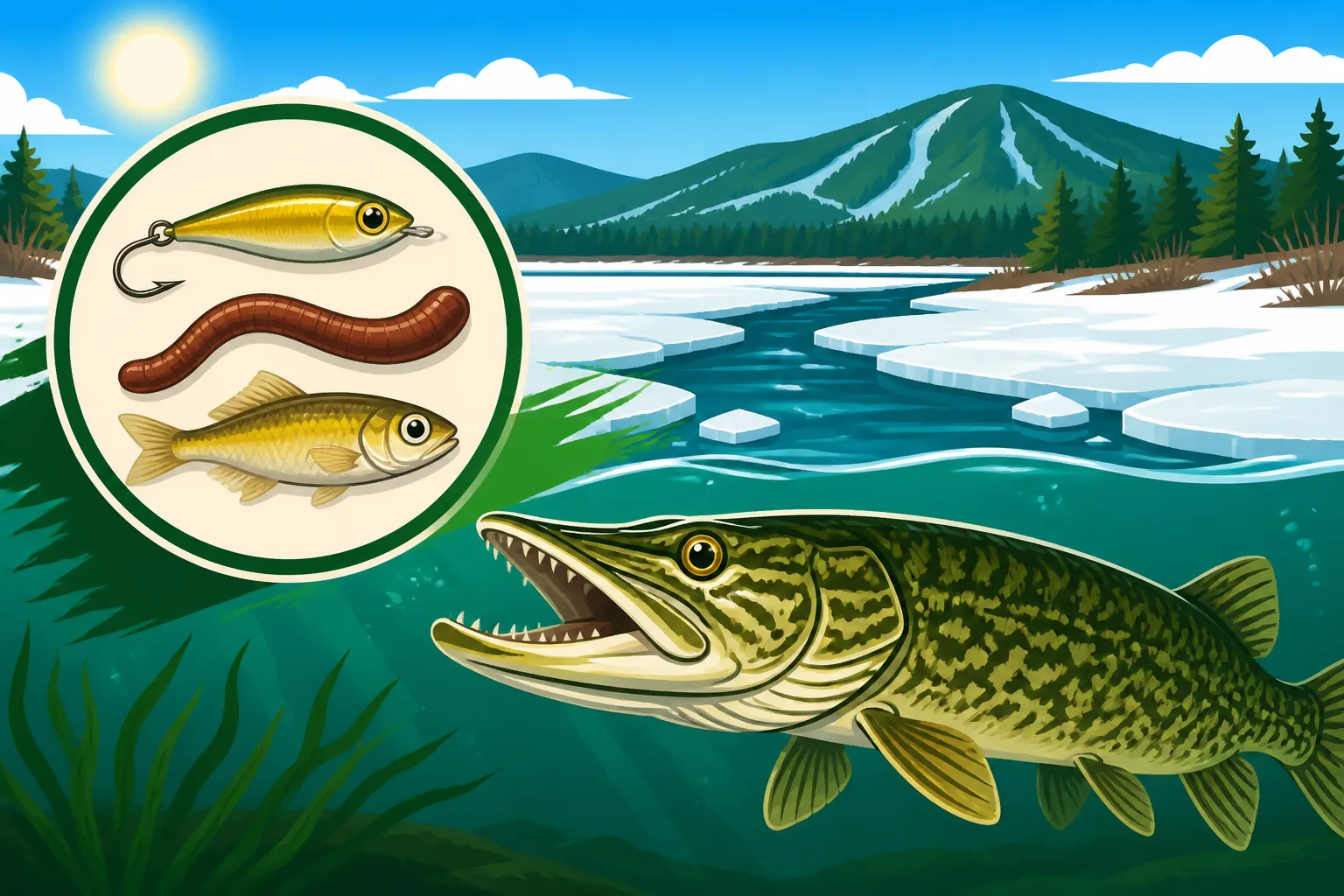
When the water is still cold, and fish are hesitant to chase, nothing, and I mean nothing, beats live bait for tempting a finicky chain pickerel. The natural movement, scent, and realistic profile of a live minnow or shiner are simply too hard to resist for a predator looking for an easy meal.
- Shiners and Minnows: These are your absolute best friends for ice-out pickerel. Golden shiners, fathead minnows, or even small suckers are all excellent choices. The key is to use bait that is lively and appealing. A sluggish baitfish isn't going to impress a sluggish pickerel. You can purchase live bait from most bait shops in Vermont, ensuring they are healthy and legal for use in your target waters. Rig them simply: a small hook (size 4 or 6 octopus hook works well) through the back, just behind the dorsal fin, or through the lips for a more natural swim.
- Presentation with Live Bait: For shallow areas, a simple bobber setup is incredibly effective. This keeps your bait suspended at a specific depth, allowing it to swim naturally and present itself directly in the pickerel's strike zone. Add a small split shot a foot or so above the hook to help your bait sink slowly and stay down. For deeper holes or when fishing from shore where casting distance is needed, a bottom rig with a small weight and a short leader can work. Just remember, a slower retrieve or letting it sit static is generally better. Many anglers use tip-ups, which are traditionally associated with ice fishing, but can be adapted for early open water by setting them up on shore or from a dock, letting the minnow do its work.
- The Appeal of Scent and Movement: Live bait broadcasts natural scent trails that pickerel, even when lethargic, can detect from a distance. The subtle, erratic movements of a live minnow mimic a distressed or injured fish, triggering an innate predatory response without requiring the pickerel to expend much energy in pursuit. This makes live bait particularly potent in cold, clear water where visual cues might be less effective due to the fish's slower reaction time.
Artificials: Flash, Vibration, and the Predatory Instinct
While live bait is often the top choice, don't discount artificial lures entirely. They can be incredibly effective, especially if you understand how to work them to appeal to an ice-out pickerel's mood. The trick is to mimic that "easy meal" presentation.
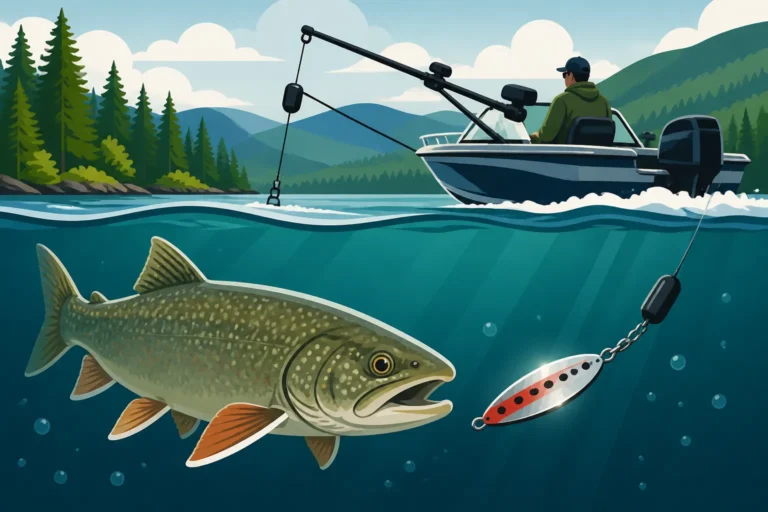
- Spoons: Classic spoons like the Kastmaster or Daredevl are fantastic for pickerel at any time of year, but especially at ice-out. Their wobbling, fluttering action on the fall is incredibly enticing, resembling an injured baitfish. The flash catches the light, drawing attention even in murky water.
- Retrieval: The key here is a slow, deliberate retrieve. Cast it out, let it sink for a few seconds (or to your desired depth), and then retrieve it with short twitches and pauses. The pause is critical – often, a pickerel will strike as the spoon flutters down. Don't be afraid to let it sit for a few seconds between movements. Gold, silver, or flashy orange and yellow combinations are often excellent choices. You can find a wide variety of these classic spoons on Amazon, perfect for stocking your tackle box for the spring season.
- Jerkbaits: Long, slender jerkbaits are excellent for imitating baitfish. Their darting, slashing action can provoke a reaction strike, even from a less-than-enthusiastic pickerel. Brands like Rapala's Original Floater or Husky Jerk are perennial favorites.
- Retrieval: This is where the "jerk" in jerkbait comes in, but for ice-out, you need to tone it down. Instead of aggressive jerks, think subtle twitches followed by long pauses. Cast, twitch-twitch, pause. Wait. Twitch, pause. Let it suspend or slowly rise or fall, depending on the lure's buoyancy. Many strikes will come during these pauses. Natural baitfish patterns or bright, contrasting colors can be effective.
- Inline Spinners: While perhaps not as flashy as spoons, inline spinners like the Mepps Aglia or Rooster Tail offer continuous vibration and flash with minimal effort. They're great for covering water quickly and detecting fish presence.
- Retrieval: Again, slow and steady is the name of the game. A slow, consistent retrieve that just barely keeps the blade spinning is all you need. If the water is really cold, even a stop-and-go retrieve can work, allowing the lure to helicopter down for a moment before you start reeling again. Bright colors or those with a bit of red are often very effective for pickerel.
Practical Tips for Maximizing Your Ice-Out Success
Beyond choosing the right bait, how you present it and the gear you use can significantly impact your success during this unique early spring window.
Slow and Steady: The Key to Enticing Cold Water Strikes
We've touched on it, but it bears repeating: your retrieve speed and presentation are paramount at ice-out. Pickerel are still transitioning, and their reaction times are slower. They won't chase a bait moving at summer speeds.
- Embrace the Pause: This is perhaps the single most important technique. Whether you're using a spoon, a jerkbait, or even live bait under a bobber, incorporating pauses allows the bait to sit, flutter, or struggle in the strike zone, giving the pickerel ample time to approach and commit. Think of it as inviting them to dinner, not making them run for it. Sometimes, the longer the pause, the better. Count to five, even ten, before initiating movement again.
- Subtle Twitches and Wiggles: Instead of aggressive rod movements, focus on subtle twitches of the rod tip to impart action to your lures. For live bait, this might mean gently lifting your rod to make the minnow dart, then letting it settle. For artificials, it's about making them "dance" in place or take short, erratic movements, rather than covering a lot of ground quickly. This mimics a struggling, easy-to-catch prey item perfectly. This meticulous approach is also often key for early season trout, as detailed in our article on Spring Trout Fishing Techniques for Vermont Streams.
- Depth Control is Crucial: Pay attention to the depth where you're getting bites. Pickerel at ice-out will often hug the bottom or suspend just above cover in the warmest available water. Using a fish finder can help immensely in identifying these depth zones, but if you're fishing from shore, fan casting and varying your retrieve depth until you find fish is a good strategy. If you're using a bobber, adjust the depth frequently.
Essential Gear for Your Early Season Pickerel Hunt
The right gear can make your ice-out adventure much more comfortable and productive. You're still dealing with cold conditions, after all.
- Rods and Reels: A medium-light to medium-action spinning rod, about 6 to 7 feet long, paired with a reliable spinning reel, is ideal. This setup offers enough backbone to handle a feisty pickerel while remaining sensitive enough to detect subtle cold-water bites. For line, a 6-10 lb monofilament or fluorocarbon is a good all-around choice. Fluorocarbon is especially good in clear water due to its low visibility and abrasion resistance.
- Leaders: Chain pickerel have notoriously sharp teeth that can easily cut through regular fishing line. Using a leader is non-negotiable. A steel, fluorocarbon, or heavy monofilament leader (around 20-30 lb test) will save you countless lost lures and fish. Keep your leaders relatively short, 6-12 inches, so they don't interfere too much with the lure's action.
- Warmth and Safety: Ice-out conditions can still be quite chilly, especially on the water with wind. Dress in layers, wear waterproof outer shell, and consider insulated gloves. A good pair of polarized sunglasses will help you spot subtle movements in the water and protect your eyes from glare. And, of course, always have a life jacket on board, especially when boating on cold waters. Our guide to Life Jacket Requirements for Vermont Boaters has all the details you'll need. Don't forget a sturdy pair of pliers for unhooking pickerel, as their mouths are full of sharp teeth. You can even find some excellent multi-tools and pliers for fishing on Amazon.
Comparing Ice-Out Pickerel Baits
Here's a quick comparison to help you decide which bait might be best for your next ice-out pickerel adventure:
| Bait Type | Pros | Cons | Best Conditions/Situations |
|---|---|---|---|
| Live Minnows/Shiners | Natural movement & scent, highly effective, easy meal | Requires bait storage, can be fragile, more setup | Coldest water, sluggish fish, static presentations |
| Spoons | Excellent flash, good casting distance, versatile | Can snag easily in heavy cover, requires technique | Targeting active fish, open water, varying depths |
| Jerkbaits | Mimics baitfish perfectly, good for reaction strikes | Requires specific retrieve, can be expensive | Clearer water, fish suspending, subtle twitching |
| Inline Spinners | Continuous vibration, easy to retrieve, covers water | Can twist line without swivel, less versatile | Searching for fish, moderately active fish |
Remember, variety is the spice of life, and often, the key to success. Don't be afraid to experiment with different baits until you find what the pickerel are biting on that particular day. Sometimes, a change in color, size, or action can make all the difference.
Beyond the Baits: Other Ice-Out Considerations
While bait selection is paramount, there are a few other critical aspects to consider when fishing for chain pickerel during the ice-out period that can swing the odds in your favor.
Timing Your Outings for Optimal Success
The "ice-out" period is a dynamic one, constantly changing as spring progresses. Timing your outings can dramatically improve your chances. Generally, the days immediately following the complete ice-off are fantastic for pickerel. The fish haven't seen a lure or a live minnow in months, and they're eager. However, this window can be short-lived, especially in smaller, shallower waters that warm up quickly.
- Warmer, Sunny Days: On sunny days, the shallow water will warm faster, making pickerel more active, even if only for a few hours. Focus your efforts during the warmest parts of the day, typically mid-morning to late afternoon. Early mornings can still be very cold, and the fish might not be as active until the sun has had a chance to penetrate the water. For a broader view of seasonal opportunities, check out Best Time of Year to Fish in Vermont.
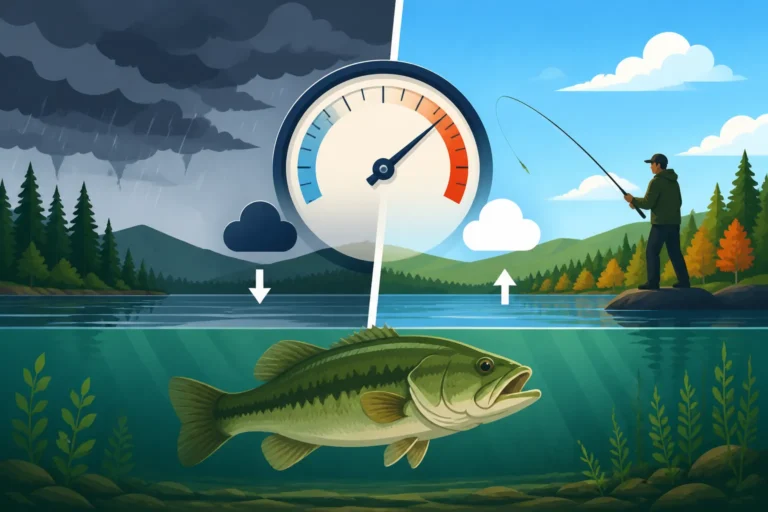
- Post-Front Conditions: Like many fish, pickerel can be affected by changes in barometric pressure. Fishing just before a cold front moves in can often be productive, as fish tend to feed aggressively. Immediately after a front, when conditions are clear and cold, they might be more lethargic. Adjust your bait choices and presentation accordingly – slower, more natural presentations will likely fare better after a cold front.
Fishing Specific Vermont Waters
Vermont offers a plethora of lakes and ponds that are home to thriving chain pickerel populations, and many of these are fantastic destinations for ice-out fishing.
- Shallow, Weedy Ponds: Many smaller, shallower ponds across the state warm up quickly and are classic pickerel haunts. These often have extensive weed beds, even if they're dormant from the previous year, providing ideal ambush points. Look for these types of waters in the Northeast Kingdom or other less-trafficked areas for potentially unpressured fish.
- Lake Champlain Bays and Inlets: While Lake Champlain is vast, its shallower bays and river inlets are prime locations for ice-out pickerel. Areas like Missisquoi Bay or other shallow, sheltered coves will shed their ice first and concentrate baitfish and, subsequently, pickerel. These areas can be incredibly productive for anglers looking for that first open-water action of the year. Our comprehensive Lake Champlain Fishing Guide offers more detailed insights.
- Connecting Waterways: Don't overlook the smaller rivers and streams that feed into larger lakes. These often warm up faster and can hold excellent numbers of pickerel that have moved up from the main lake to feed or stage for spawning. Access points on these smaller waterways might be less crowded than the main lake. You'll often find excellent opportunities in these transition zones where baitfish are concentrated, providing easy targets for hungry pickerel.
Fishing for chain pickerel at ice-out can be one of the most rewarding experiences of the early spring in Vermont. By understanding their unique behavior during this transitional period and choosing the right baits and presentations, you'll be well on your way to a successful and memorable day on the water.
Disclaimer
This article is for general informational purposes only and does not constitute professional advice. Laws, prices and regulations vary by location and change over time. Consult a qualified professional for guidance on your specific situation.