Where the biggest lake trout live in Vermont
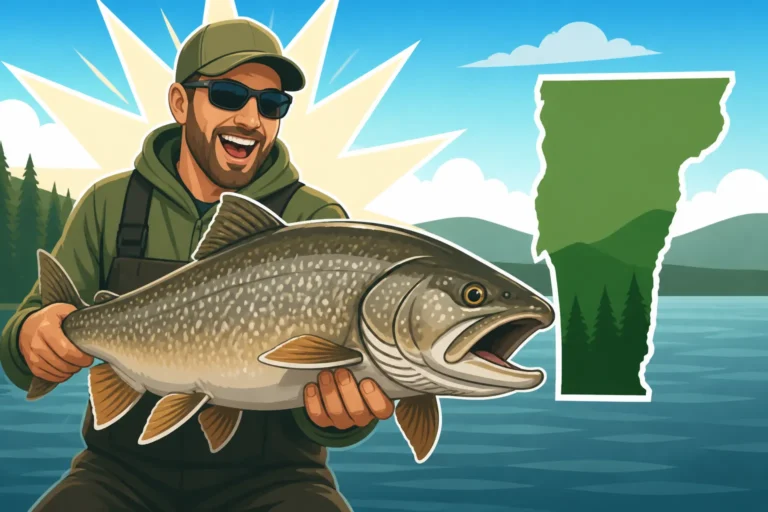
If you've ever dreamt of battling a true monster from the deep, then setting your sights on Vermont's biggest lake trout is a worthy ambition. Many anglers spend hours on the water, only to be met with smaller fish or empty nets, leading to understandable frustration when chasing these elusive giants. This guide will cut through the guesswork, showing you exactly where these impressive fish typically lurk in our beautiful Green Mountain State and the factors that contribute to their immense size.
The Quest for Vermont's Lake Trout Giants: Understanding Their World
Lake trout, or "lakers" as we affectionately call them, aren't just any fish. They are coldwater specialists, relics of the glacial past that thrive in specific, often challenging environments. To catch the biggest ones, you first need to understand their preferred real estate. These fish demand deep, clear, and most importantly, oxygen-rich cold water. This isn't just a preference; it's a physiological necessity.
During the warmer months, as the sun heats the surface, lakes stratify, forming distinct layers of water at different temperatures. Lake trout will migrate to the deepest, coolest zones where the oxygen levels remain high. This is typically below the thermocline – that invisible boundary where water temperature drops rapidly. If a lake doesn't have ample deep, cold water that also holds enough dissolved oxygen, it simply won't sustain large, healthy lake trout populations, let alone trophy specimens. Knowing this immediately narrows down the playing field to Vermont's deepest, most pristine bodies of water. How deep lake trout go in summer explores this further.
Furthermore, the availability of abundant forage is critical for lake trout to grow to truly massive sizes. These fish are apex predators in their ecosystems, and a rich diet of baitfish allows them to pack on the pounds. In Vermont, key forage species include rainbow smelt and sometimes ciscoes. Lakes with thriving populations of these schooling baitfish often correlate directly with a robust and trophy-sized lake trout fishery. Without a consistent, high-protein food source, even in ideal temperature conditions, a lake trout simply won't reach its maximum potential. It's a delicate balance that Mother Nature orchestrates, and understanding it is your first step to success.
Prime Real Estate: Vermont's Top Lakes for Trophy Lake Trout
When we talk about the biggest lake trout in Vermont, a few names immediately rise to the top, representing the best opportunities for anglers seeking that true trophy catch. These lakes offer the depth, cold water, and forage needed to grow lakers to impressive sizes.
Lake Champlain: A Freshwater Giant's Domain
Without a doubt, Lake Champlain stands as the undisputed champion for trophy lake trout in Vermont. This massive body of water, stretching over 120 miles long, offers an incredible diversity of depths, structures, and forage that lakers crave. While lake trout are found throughout the lake, the deepest basins, particularly in the northern and central sections, are where the true giants reside. Areas like those off Burlington, around the mid-lake humps and structures, and the deeper sections towards the Canadian border hold populations of large fish. Lake Champlain Fishing Guide offers a broader look at fishing this incredible lake.
The sheer volume of water in Lake Champlain, combined with its abundant smelt and cisco populations, provides an ideal environment for lake trout to grow old and huge. It's not uncommon for anglers to pull out fish in the double-digit range, with specimens pushing well over 20 pounds reported regularly. Fishing here often involves deep water trolling with specialized gear, often using downriggers to present lures at precise depths. For serious deep-water anglers, a reliable fish finder, often found on Amazon, is virtually indispensable for locating these deep structures and baitfish schools. The immense size of Champlain means anglers can spend days exploring new spots and still only scratch the surface of its potential.
Lake Willoughby: Deep, Cold, and Full of Promise
Tucked away in Vermont's Northeast Kingdom, Lake Willoughby is another legendary lake trout destination, particularly renowned for its exceptional water quality and staggering depths. Willoughby plunges to over 300 feet in spots, creating a pristine, icy habitat that is perfect for lakers, as well as landlocked salmon. While physically much smaller than Lake Champlain, its geological characteristics make it a prime big fish factory. Lake Willoughby Fishing Guide provides more detail on this stunning lake.
Lake Willoughby's clear, cold water means that even during the peak of summer, lake trout can find their preferred thermal refuge. The primary forage here is rainbow smelt, which sustains a healthy population of large, hard-fighting lake trout. Anglers often target these fish through deep trolling or, in winter, ice fishing with heavy jigs and bait. Catching a lake trout over 10 pounds here is a real possibility, and fish approaching or exceeding 20 pounds are certainly not unheard of, making it a bucket-list lake for many dedicated laker enthusiasts. Its steep, rocky shorelines often extend into dramatic underwater drop-offs and ledges, providing ample ambush points for cruising predators.
Seymour Lake: A Northern Gem with Big Fish Potential
Also located in the Northeast Kingdom, Seymour Lake is another deep, cold lake known for its lake trout fishery. While perhaps not as famous for its giants as Champlain or Willoughby, Seymour consistently produces respectable lake trout, with the potential for true trophy fish. It shares many characteristics with Willoughby, including significant depths and a healthy smelt population, though on a slightly smaller scale. Seymour Lake Fishing Guide offers deeper insights into fishing this particular body of water.
Seymour's depths reach over 170 feet, providing ample cold water habitat throughout the year. Anglers targeting lake trout here will employ similar deep-water tactics, focusing on the main basin and any prominent underwater structure. Success often comes from meticulously working these deeper zones, paying close attention to sonar readings for baitfish schools and individual fish marks. The relatively smaller size of Seymour compared to Champlain can sometimes make patterning the fish a bit more manageable, though the fish themselves remain challenging to hook. A sturdy, specialized trolling rod, easily ordered from Amazon, can make all the difference when a big laker decides to bite.
Here's a quick comparison of these prime lake trout waters:
| Lake | Max Depth (approx.) | Primary Forage | Key Features for Big Lakers | Best Seasons |
|---|---|---|---|---|
| Lake Champlain | 400+ feet | Smelt, Ciscoes | Immense size, diverse structure, vast forage base | Spring, Fall, Summer (deep) |
| Lake Willoughby | 300+ feet | Smelt | Extreme depth, pristine cold water, steep structure | Spring, Fall, Winter (ice) |
| Seymour Lake | 170+ feet | Smelt | Significant depth, good forage, less pressure than Champlain | Spring, Fall, Winter (ice) |
Decoding the Deep: Tactics to Pinpoint Big Lakers
Finding a big lake trout isn't just about being on the right lake; it's about understanding where within that lake they're likely to be holding, given the season and conditions. These fish are masters of their environment, and their movements are dictated by temperature, oxygen, and food.
Depth and Structure: The Lake Trout's Sanctuary
The most crucial factor in locating big lake trout is depth. As mentioned, they are coldwater fish, typically preferring water temperatures in the mid-40s to low 50s Fahrenheit. In spring and fall, when the entire water column is cool, they might be found relatively shallow, even near the surface. However, as summer progresses, they retreat to the deep, cool sanctuary below the thermocline. A good fish finder is invaluable for identifying this thermal layer and marking fish or bait schools at those specific depths. We're talking 60, 80, even 100+ feet down on Lake Champlain during peak summer. Best Techniques for Deep Water Summer Lake Trout delves into these strategies.
But it's not just about any deep water. Lake trout, especially the larger ones, are often associated with underwater structure. Think of submerged humps, deep rock piles, ledges, drastic drop-offs, and points that extend far out into the main basin. These features act as ambush points, provide cover, and often concentrate baitfish. When you see a sudden depth change on your sonar, or a cluster of baitfish hovering over a submerged ridge, you've likely found a prime laker hangout. Pay close attention to your electronics; they are your eyes in the deep, helping you interpret the underwater topography that holds these fish.
Forage: Following the Food Chain
Big lake trout don't get big by being lazy; they are efficient predators that follow their food source. If you can locate schools of rainbow smelt or ciscoes, you're halfway to finding lake trout. These baitfish also prefer cold water, often suspending in open water or along structural breaks. Identifying these bait balls on your sonar is a huge clue. Lake trout will often cruise the edges of these schools, making opportunistic strikes.
During different seasons, the baitfish might be in different locations. In early spring, smelt may run into shallow tributaries to spawn, attracting lakers closer to shore. In summer, both lakers and their forage will be deep. Rainbow Smelt as Forage Fish in Vermont Lakes further explains the importance of this species. When fishing, try to imitate the size, shape, and color of the dominant baitfish in the lake. Long, slender spoons or crankbaits in silver, blue, or green can be highly effective. Some anglers even prefer to use live or dead smelt as bait, though local regulations should always be checked.
Timing is Everything: Seasonal Strategies for Monster Lake Trout
Successfully landing a trophy lake trout often comes down to understanding their seasonal movements and adapting your techniques accordingly. Their behavior shifts dramatically throughout the year, offering different windows of opportunity.
Spring: The Post-Ice-Out Bonanza
As the ice melts and water temperatures are still uniformly cold, lake trout can be found in a wider range of depths, often shallower than any other time of year. This post-ice-out period, usually late April through May, can be fantastic for targeting big lakers. They're often hungry after a long winter and willing to chase baits closer to the surface or along shorelines where baitfish might be congregating. Trolling with stickbaits or spoons that imitate smelt is a popular and effective method. You might not need downriggers just yet, as fish could be in the top 30-40 feet of the water column.
This is a great time to cover water, searching for active fish. Focus on points, reefs, and rocky areas that warm up slightly faster or offer easy access to deeper water. If you're a boat angler, having a good spread of lines at different depths can help you quickly ascertain the feeding zone. For those who prefer shore fishing, some of the deeper access points on lakes like Champlain or Willoughby can even yield spring lakers, especially during overcast days.
Summer: The Deep Water Challenge
Summer fishing for lake trout is synonymous with deep water. As surface temperatures soar, lakers descend to their preferred coldwater refuge. This means employing techniques like deep trolling with downriggers or lead core lines, or vertical jigging over known structures. This is where specialized gear truly shines. Heavy trolling rods, robust reels spooled with appropriate line (like braid with a fluorocarbon leader, which you can find on Amazon), and a selection of heavy spoons, dodgers, and flies are essential. Trolling Techniques for Vermont Lake Trout offers a comprehensive guide.
Fishing in summer requires patience and precision. You're often targeting fish that might be suspended 80-150 feet down, and presenting a lure accurately at that depth is key. Watching your fish finder for arcs of fish or bait schools is critical. If you mark fish at a certain depth, adjust your downriggers or jigging presentation to hit that zone precisely. Focus on the transition zones of deep humps, along the deep edges of reefs, and in the main lake basins where forage is abundant. The biggest lake trout often patrol these deep, dark waters, waiting for an easy meal.
Fall: Spawning Runs and Aggregations
As autumn brings cooler temperatures and the water begins to cool and "turn over" (mix uniformly), lake trout movements change dramatically. Towards late fall, usually October and November, adult lake trout begin to stage for spawning. They move onto specific rocky shoals, reefs, and gravel bottoms in preparation for laying their eggs. This can present a unique opportunity to target larger, aggressive fish as they gather in these areas.
During this period, lake trout might be found shallower than their summer haunts, congregating in specific areas before or during the spawn. Anglers can target them with trolling techniques over these shoals or by casting heavy spoons or stickbaits if regulations allow. It's important to remember that these fish are vulnerable during spawning, so practice responsible catch and release, especially for the larger, breeding-stock fish. While they might be more concentrated, they can also be finicky. The excitement of potentially hooking into a massive laker ready to spawn is unparalleled.
Winter: Ice Fishing the Depths
For the hardy angler, winter ice fishing offers another fantastic opportunity to target big lake trout. Once the ice is safely thick enough, accessing deep lake trout haunts becomes possible on foot or with snowmobiles. While some lakers might cruise shallower, many of the largest fish remain in the deep basins, often suspending or relating to deep structure similar to summer. Best Techniques for Ice Fishing Lake Trout is a must-read for winter enthusiasts.
Ice fishing for lakers often involves jigging heavy spoons, tube jigs, or large swimbaits, sometimes tipped with a piece of bait like a smelt head. A good portable sonar or flasher is incredibly helpful for marking fish, determining depth, and seeing your lure's presentation. Drills like those available on Amazon for wide holes are essential, allowing you to deploy larger lures and land bigger fish. The cold, crisp air and quiet solitude of a Vermont winter make for a truly unique big lake trout experience. You might not cover as much water as in a boat, but the precise nature of ice fishing can be incredibly effective when you locate a hot spot.
Disclaimer
This article is for general informational purposes only and does not constitute professional advice. Laws, prices and regulations vary by location and change over time. Consult a qualified professional for guidance on your specific situation.