Vermont state record brown trout weight
There's a special thrill that comes from imagining yourself holding a truly monumental fish, the kind that becomes legend in local tackle shops and among fishing buddies. For many anglers drawn to the beautiful waters of Vermont, that dream often revolves around a magnificent brown trout. This guide is dedicated to exploring the elusive quest for trophy brown trout, specifically revealing the details of Vermont's state record, and arming you with the knowledge to pursue your own unforgettable catch.
The Allure of Trophy Brown Trout in Vermont
Brown trout, with their distinctive spotted flanks and often deep, rich coloration, are truly charismatic fish. They're celebrated not just for their stunning appearance, but for their cunning nature and powerful fights once hooked. It's no wonder that a significant portion of the angling community in Vermont, from seasoned fly fishers to bait and spin enthusiasts, hold a special admiration for these fish, constantly chasing that elusive "fish of a lifetime."
Why Brown Trout Capture Anglers' Hearts
What is it about brown trout that makes them so special? For starters, they are incredibly adaptable. You'll find them in cold, pristine mountain streams, sprawling rivers, and deep, clear lakes. This adaptability also means they can grow to impressive sizes, especially in environments with abundant forage and ample cover. Unlike some other trout species that might be more docile, brown trout are known for their aggressive strikes and powerful, acrobatic battles. They're smart, too, often requiring a subtle approach and careful presentation, which only adds to the challenge and the satisfaction of success. Many anglers feel a genuine connection to these fish, respecting their wild instincts and the sheer power they possess.
The pursuit of brown trout is often a year-round affair, with different seasons offering unique opportunities. From the chilly waters of early spring to the crisp air of late fall, there's always a chance to tangle with a big one. They're also incredibly beautiful, displaying a wide range of colors from golden-brown to olive green, adorned with red and black spots, sometimes with a distinctive halo around the red ones. Catching one, even a smaller one, is a delight, but landing a truly large specimen is an experience that can define an angling career.
Vermont's Prime Brown Trout Habitats
Vermont offers a diverse array of waters where brown trout not only survive but thrive and grow to trophy proportions. While you might associate trout primarily with small, rushing brooks, brown trout are often found in larger rivers and deeper lakes where they can forage on bigger prey. Think about rivers like the Battenkill, which is renowned for its trout population and offers incredible fly fishing opportunities, or segments of the White River and Winooski River that provide excellent habitat with a mix of riffles, runs, and deep pools. These larger systems provide the consistent cold water and complex structure that big browns need to hide and ambush prey.
Lakes, particularly those with good populations of baitfish like smelt, are also prime hunting grounds for trophy brown trout. These fish become apex predators in larger water bodies, feeding on smaller fish to pack on significant weight. Deep water, submerged structure, and cooler thermal layers are key ingredients. Anglers often target specific areas known for larger browns, focusing on drop-offs, rocky points, and areas where tributaries enter. Understanding Brown Trout Habits in Vermont Streams can give you a significant advantage, as knowing where these fish prefer to hold is half the battle.
Unpacking the Vermont State Record Brown Trout
Every state has its fishing legends, and in Vermont, the state record brown trout is certainly one of them. It represents the pinnacle of angling achievement for this species within the Green Mountain State. Knowing the details of this magnificent catch can serve as inspiration for your own fishing adventures, reminding us all what's possible with dedication and a bit of luck.
The Record-Breaking Catch Details
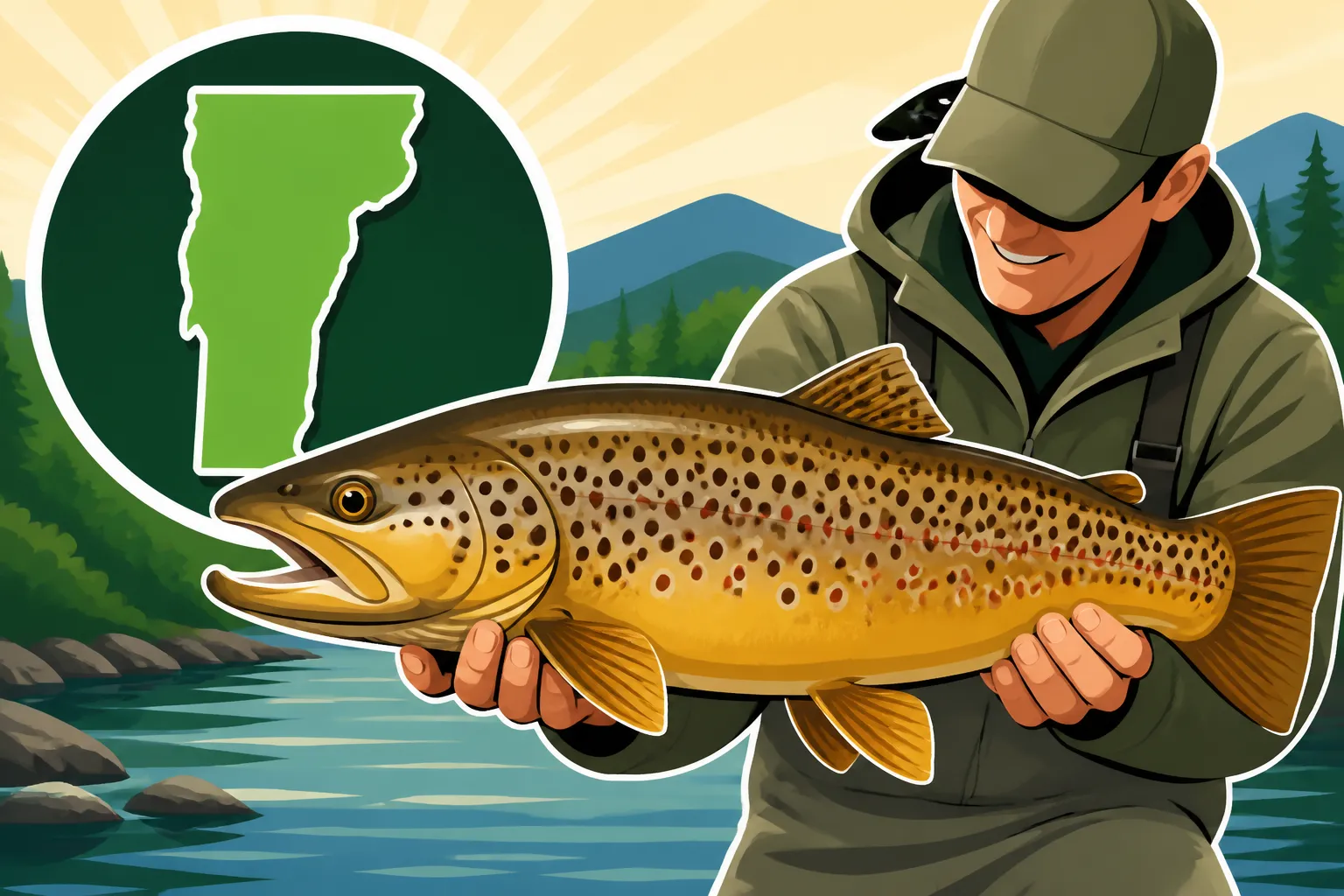
The current Vermont state record brown trout is a true behemoth, weighing an incredible 19 pounds, 8 ounces. This monumental fish was caught by Stephen F. Howe in the chilly waters of Lake Champlain back in 1982. Imagine the thrill of hooking into something of that size – a battle that would surely test any angler's skill and tackle. Lake Champlain, being Vermont's largest and deepest lake, is renowned for its ability to produce trophy-sized fish across many species, and this record stands as a testament to its incredible fishery. While 1982 might seem like a long time ago, it speaks to the rarity of a fish reaching such proportions and the challenge of besting that record. Anglers continue to target Lake Champlain's deep, cold waters, hoping to one day come close to this legendary catch. When you consider the average size of a brown trout, a fish nearing 20 pounds is truly exceptional.
Catching a fish of this magnitude isn't just about being in the right place at the right time; it often involves years of experience, understanding fish behavior, and having the right gear. Many record-setting fish are caught incidentally by anglers targeting other species, but others are the result of meticulous planning and dedication to hunting giants. It’s the kind of story that gets told and retold, inspiring generations of anglers to dream bigger.
How Official Records Are Verified
Setting a state record isn't as simple as just catching a huge fish and telling everyone about it. There's a stringent process in place to ensure accuracy, fairness, and the integrity of the record books. The Vermont Fish & Wildlife Department oversees this process, and they take it very seriously. First and foremost, the fish must be weighed on a certified scale. This isn't your average bathroom scale; these are scales inspected and approved for commercial use, ensuring precise measurements. Often, anglers will need to find a tackle shop, grocery store, or other business with such a scale.
Once weighed, the fish needs to be officially identified by a Fish & Wildlife expert to confirm its species. This step is crucial to prevent misidentification, especially between similar-looking trout species. Furthermore, witnesses are often required to verify the catch, ensuring that the fish was caught legally and fairly. Detailed photographs and measurements (length and girth) are also typically part of the submission package. This meticulous approach means that when you see a state record listed, you can be confident in its authenticity. It’s a rigorous but necessary process that upholds the honor of these incredible catches. For more on the rules, you might want to read Vermont Fishing Regulations Explained.
Strategies for Targeting Trophy Brown Trout in Vermont
Chasing trophy brown trout is a captivating endeavor, one that requires a blend of knowledge, patience, and the right approach. These fish aren't just bigger versions of their smaller counterparts; they're often more wary, more cunning, and certainly more powerful. If you're hoping to land a brown trout that pushes the scales, you'll need to think strategically about where, when, and how you fish.
Identifying Big Brown Trout Waters
When it comes to finding big brown trout, you're looking for waters that offer a combination of key factors: cold, oxygenated water, abundant food sources, and plenty of cover. In rivers, this often translates to deep pools, especially those with undercut banks, large submerged logs, or rock piles where a large fish can hide from predators and current, ambushing unsuspecting prey. Look for areas where feeder creeks enter, bringing in cooler water and potential food items. The confluence of rivers can also be a hotspot, as different currents create eddies and deeper pockets. The Best Fishing Rivers in Vermont or Best Fly Fishing Rivers in Vermont often feature these characteristics.
In lakes, trophy brown trout will gravitate towards structure that provides depth and access to baitfish. Think about drop-offs, humps, rocky ledges, and deep points. During warmer months, they will often retreat to the cooler, deeper parts of the lake, only coming shallower during low light conditions or when baitfish are more accessible. Lakes with healthy populations of rainbow smelt are particularly excellent, as smelt are a high-protein food source that allows brown trout to grow rapidly. Using a good fish finder to locate these underwater structures and baitfish schools can be invaluable, and you can find a good selection of models suitable for Vermont lakes on Amazon. Understanding the thermal layers of a lake is also key; big browns prefer specific temperature ranges.
Effective Techniques and Gear for Large Browns
Landing a brown trout capable of reaching double-digit weights demands specific techniques and robust gear. For river fishing, especially for truly large browns, streamer fishing is a highly effective method. Large, articulated streamers that imitate baitfish like sculpins, dace, or juvenile trout can trigger aggressive strikes. Fishing these patterns on heavy sink-tip lines allows you to get them down to where big fish are holding in deeper pools or undercuts. For those who prefer spin fishing, throwing large crankbaits, swimbaits, or even larger spoons that mimic baitfish can be incredibly productive. These lures create a lot of vibration and flash, appealing to the predatory instincts of a hungry brown.
Bait fishing can also be extremely effective, especially with large live shiners or suckers, fished on a slip-sinker rig near deep cover. The key is to use strong enough line and a rod with sufficient backbone to handle a powerful fish that might make long runs or try to bury itself in structure. A medium-heavy to heavy power spinning or baitcasting rod, paired with a reel spooled with 10-15 lb test fluorocarbon or braided line, is often appropriate. Fluorocarbon leaders are a good choice for their invisibility in clear water. For fly anglers, a 6-8 weight rod is usually a good choice when slinging big streamers. For more gear insights, check out Best Gear for Vermont Trout Fishing.
Understanding Brown Trout Behavior for Big Catches
To consistently catch trophy brown trout, you need to understand their behavior. These are largely nocturnal predators, especially the biggest ones. While you can certainly catch them during the day, particularly during overcast conditions or in turbulent water, dawn and dusk often offer the best opportunities. During these low-light periods, they are more confident moving out from cover to hunt. They are also highly opportunistic, meaning they won't pass up an easy meal. This is why imitating the primary forage in a particular waterbody is so important.
Big browns are also very territorial and will often hold in prime lies, defending them from other fish. Once you identify a spot that looks like it should hold a large trout (deep, current break, cover), approach it quietly and methodically. Cast upstream and allow your lure or fly to drift naturally into the strike zone. Patience is paramount; it might take many casts and several presentations to coax a strike. Additionally, brown trout can be incredibly spooky. Any sudden movements, shadows, or excessive noise can send them darting for cover, effectively shutting down the bite in that area for some time. A stealthy approach, especially when wading or approaching from the bank, is crucial for success. Consider their movements and feeding patterns, which can vary depending on Vermont Trout Season and Stocking Rules.
The Pursuit Beyond the Record: Enjoying Vermont's Brown Trout Fishery
While the state record is an impressive benchmark, the true joy of fishing in Vermont, especially for brown trout, often lies in the pursuit itself. It's about connecting with nature, enjoying the peaceful tranquility of the water, and the challenge of outsmarting a cunning fish. Vermont’s brown trout fishery is a precious resource that provides incredible experiences for anglers of all skill levels, and it’s up to all of us to ensure its health for generations to come.
Conservation and Responsible Angling
When you're chasing trophy fish, whether brown trout or any other species, conservation becomes incredibly important. Large, mature fish are the backbone of a healthy fishery, often being the most successful spawners. Therefore, practicing catch and release, especially for these big, record-potential fish, is highly encouraged. If you do catch a potential record, make sure you know how to handle it properly to maximize its chances of survival. This includes minimizing its time out of water, handling it with wet hands to protect its slime coat, and using a knotless rubber net. For more on ensuring fish health, you can look up details on Vermont Trout Limit and Possession Rules and other specific regulations.
Beyond individual fish handling, supporting broader conservation efforts is vital. This might include volunteering for stream cleanups, advocating for habitat protection, or purchasing fishing licenses and equipment from reputable sources. Organizations dedicated to coldwater conservation work tirelessly to protect the habitats that brown trout, and other species, depend on. Every angler has a role to play in ensuring that Vermont's beautiful rivers and lakes continue to provide incredible fishing opportunities.
Other Trophy Trout Opportunities in Vermont
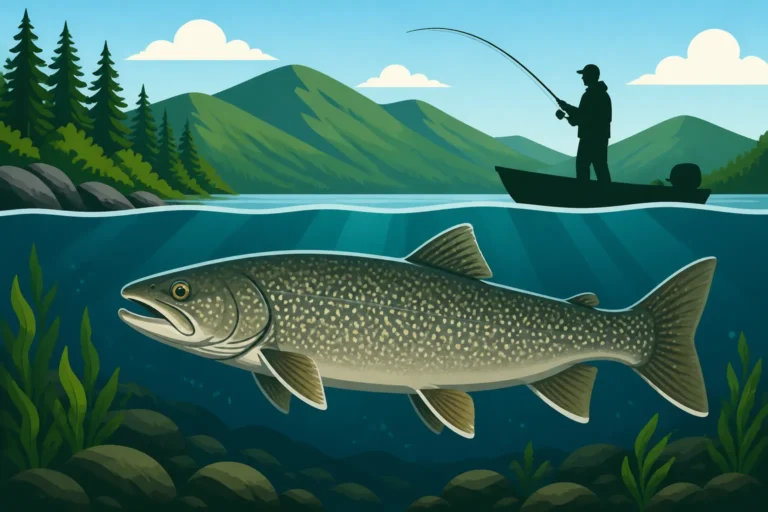
While the brown trout holds a special place, Vermont offers a wealth of opportunities for trophy trout across multiple species. Anglers keen on chasing big fish will find plenty to keep them busy throughout the year. Lake Champlain, as we've seen with the brown trout record, is also home to massive lake trout. These deep-water dwellers can grow to truly enormous sizes, offering a different kind of challenge for those who enjoy trolling or deep jigging. For those interested, exploring Vermont state record lake trout weight can provide further inspiration.
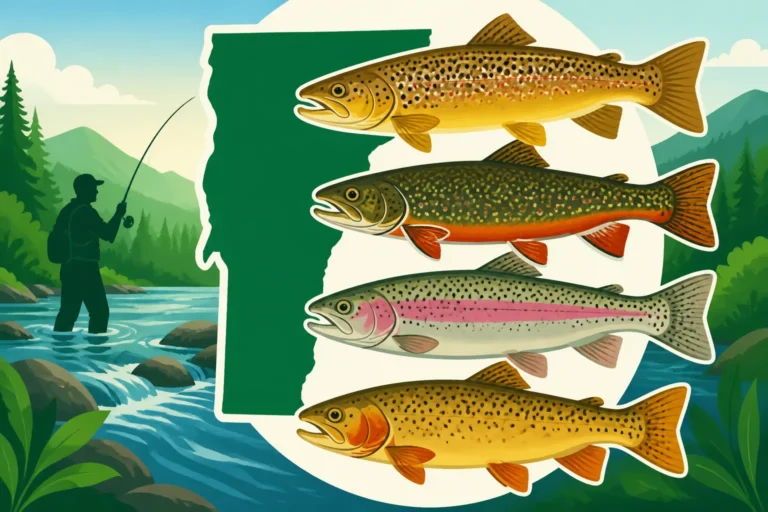
Then there are brook trout, Vermont's native state fish, which, especially in remote ponds and wilderness streams, can also reach impressive sizes, though typically not as large as browns or lake trout. Their vibrant colors and wild nature make them a highly sought-after catch, and discovering Vermont state record brook trout weight can reveal just how large these beautiful fish can become. Even rainbow trout, commonly stocked across the state, offer exciting battles and can surprise anglers with their size in nutrient-rich waters. Understanding Trout Species Identification Guide for Vermont can help you differentiate between these beautiful fish. Each species offers a unique angling experience, and all contribute to Vermont's rich fishing heritage.
| Trout Species | Vermont State Record (Weight) | Primary Habitat | Notable Characteristics |
|---|---|---|---|
| Brown Trout | 19 lbs, 8 oz | Large rivers, deep lakes | Adaptable, cunning, often nocturnal, strong fighters |
| Lake Trout | 35 lbs, 8 oz | Deep, cold lakes (e.g., Lake Champlain) | Slow-growing, deepwater dwelling, powerful, long-lived |
| Brook Trout | 6 lbs, 12 oz | Cold, pristine streams & ponds | Native, vibrant colors, often wilder, smaller average |
| Rainbow Trout | 13 lbs, 4 oz | Stocked rivers, some lakes | Acrobatic fighters, often migratory, distinctive band |
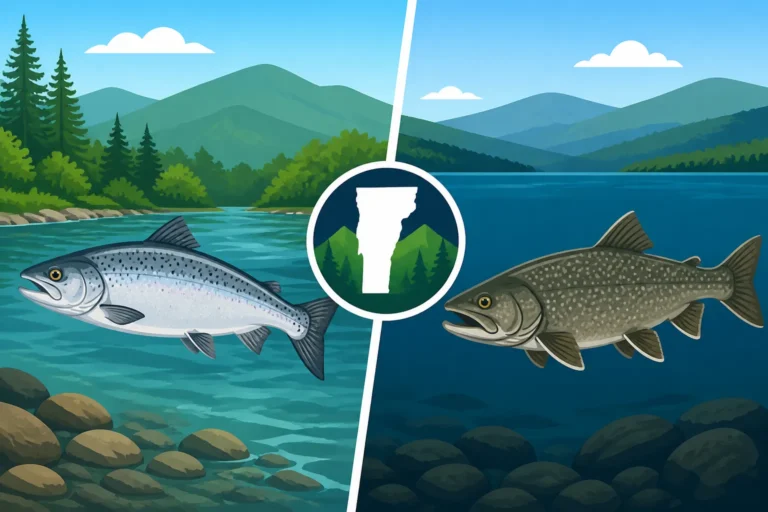
| Landlocked Salmon | 12 lbs, 12 oz | Large, clear lakes with smelt | Streamlined, silver, powerful runs, target smelt |
This table highlights just how diverse and exciting Vermont's trout and salmon fisheries are. Whether you're chasing the next record or simply enjoying a day on the water, Vermont truly offers something special for every angler.
Disclaimer
This article is for general informational purposes only and does not constitute professional advice. Laws, prices and regulations vary by location and change over time. Consult a qualified professional for guidance on your specific situation.