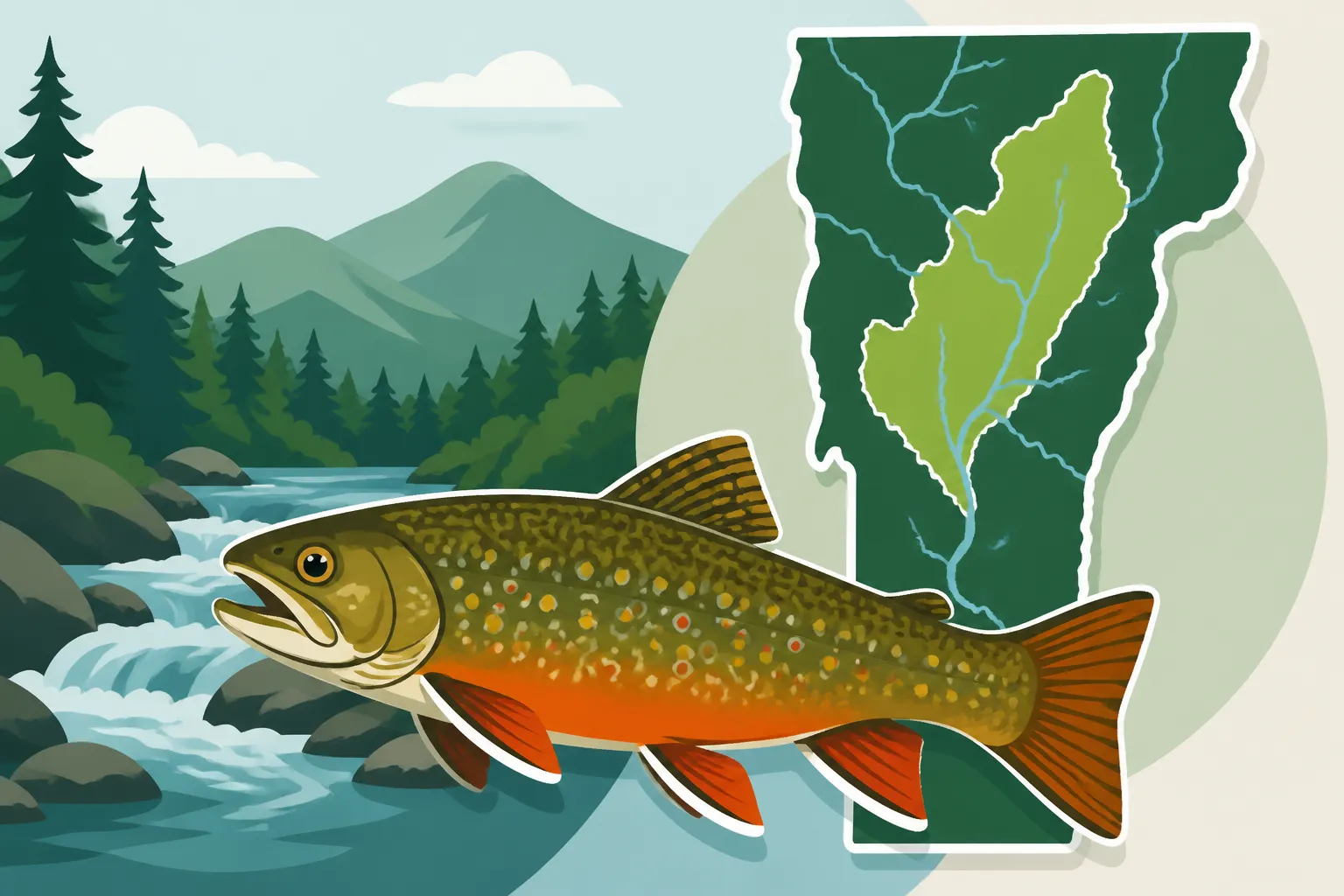
Brook Trout Native Range in Vermont
There's just something inherently magical about Vermont's brook trout, isn't there? For many of us, they represent the very soul of our wild waterways. But as much as we cherish these vibrant, jewel-toned fish, understanding their true native range – where they've always belonged and continue to thrive without human intervention – is crucial for both conservation and for experiencing the most authentic Vermont angling adventure. This guide will take you deep into the heart of brook trout country, helping you identify these special places and appreciate the unique heritage of Vermont's true native fish.
The Allure of Vermont's Native Brook Trout
There's a reason why the brook trout holds such a revered place in the hearts of Vermont anglers, and frankly, in the identity of the state itself. They're not just another fish; they're a living symbol of wilderness and pristine water. Their beauty is undeniable, a mosaic of olive green, vermillion, and sky-blue spots against a dark, mottled background, often with bright orange fins tipped in white. But it's more than just their striking appearance that draws us in.
Why Brook Trout Capture Our Hearts
Think about it: when you're hiking into a remote, babbling brook, far from the paved roads and the bustle of everyday life, and you gently cast a tiny fly or a worm into a clear pool, the fish that rises to meet your offering is often a brook trout. There's a primal satisfaction in that connection, a feeling that you've discovered something untouched and pure. These fish often inhabit the most inaccessible and unspoiled corners of our landscape, making the journey to find them as rewarding as the catch itself. Each rise, each flash of color, feels like a secret shared between you and the wild. They fight with a surprising vigor for their size, a burst of energy that makes landing even a small one feel like a triumph. It's an intimate experience, connecting us directly to the pristine environment they call home.
The True "Vermonter" of Fish
Unlike other trout species that have been introduced to Vermont waters over the years, the brook trout, or Salvelinus fontinalis, is indigenous. It truly is the "Vermonter" of the fish world here, an original inhabitant of our cold, clean streams and ponds. They've adapted over millennia to the specific conditions of our waterways, from the high mountain rivulets to the spring-fed lowland brooks. This native status means they play a unique and vital role in the ecological balance of their habitats, a role that introduced species simply can't replicate. Their presence often signals a healthy, intact ecosystem, acting as a natural indicator of water quality and overall environmental well-being. When you catch a native brook trout, you're not just holding a fish; you're holding a piece of Vermont's natural history.
Defining "Native Range" for Vermont's Brookies
When we talk about the "native range" of brook trout, we're not just discussing where they can be found, but where they've existed naturally for centuries, without human stocking efforts. This distinction is critical for anglers who truly value the wild experience and for conservationists striving to protect these precious genetic strains.
Historical Distribution Across the Green Mountain State
Historically, before extensive logging, agriculture, and industrial development reshaped our landscape, brook trout were incredibly widespread across Vermont. Imagine nearly every cold, clear stream, from the smallest trickles high on the mountainsides to the larger rivers flowing into Lake Champlain and the Connecticut River, teeming with these resilient fish. They were the dominant trout species, occupying a vast network of interconnected waterways. Their presence was a testament to the abundant springs, dense forest cover providing shade, and complex stream structures that created ideal habitat. While human impacts have certainly reduced their overall distribution and fragmented populations, understanding this historical baseline helps us appreciate the scale of their original domain and gives us a target for future conservation efforts.
What Differentiates Native from Stocked Trout Waters
The most crucial distinction for anglers is between waters holding truly wild, native brook trout and those that are primarily sustained by stocking programs. Stocked trout, while providing fantastic angling opportunities, are often hatchery-raised brook trout or other species like rainbow trout and brown trout, which aren't native to Vermont. These fish are bred for fast growth and survival in hatchery environments, and while they serve a valuable purpose in managing angler expectations and providing accessible fishing, they often lack the genetic diversity and adaptation of their wild counterparts.
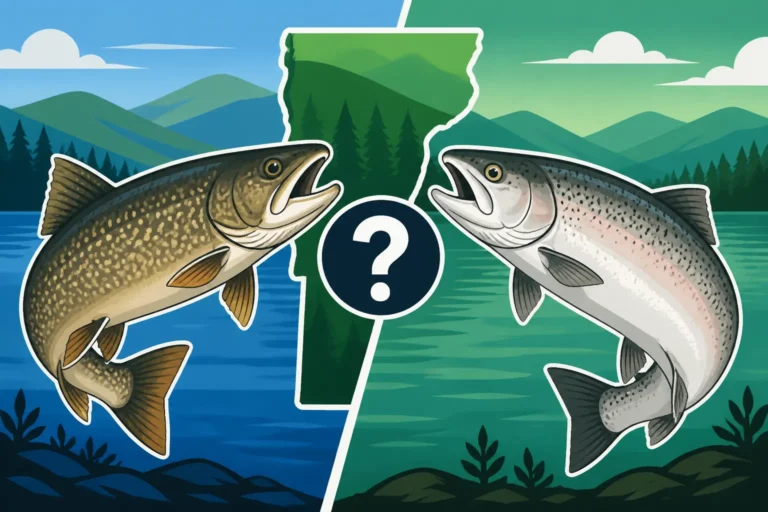
Native brook trout, on the other hand, are the result of countless generations of natural selection, evolving to thrive in specific stream conditions. They typically exhibit more vibrant coloration, are often smaller but incredibly feisty, and their populations are self-sustaining, reproducing naturally within the ecosystem. You'll find these fish in places where the water quality is impeccable, temperatures remain consistently cold, and the habitat offers abundant cover and spawning grounds. Fishing for native brook trout is about appreciating this natural heritage, often focusing on careful handling and catch-and-release practices to ensure their continued vitality. How to tell a brook trout from a rainbow trout can be a great resource for identifying your catch.
| Feature | Native Brook Trout | Stocked Brook Trout |
|---|---|---|
| Origin | Wild-born, naturally reproduced in the stream | Hatchery-raised, released by humans |
| Appearance | Often more vibrant colors, smaller size, perfect fins | Often duller, larger for age, worn or clipped fins |
| Fins | Typically pristine, fully formed | May show signs of wear, abrasions, or deformities |
| Fight | Lively, quick bursts of energy | Can be sluggish, but still a fun fight |
| Habitat | Pristine, cold, oxygenated streams/ponds, remote | Can be found in various waters, often accessible |
| Diet | Naturally occurring insects, larvae, small baitfish | Pellets in hatchery, then natural forage |
| Population | Self-sustaining, genetic diversity | Dependent on human intervention |
Key Habitats and Ecological Requirements
Understanding where native brook trout thrive means understanding their fundamental needs. These aren't adaptable fish like some other species; they are highly specialized creatures requiring very specific conditions to survive and reproduce. Any degradation of these critical habitat elements can quickly lead to their decline.
The Cold, Clean Water Imperative
This is arguably the most non-negotiable requirement for native brook trout: cold, clean, and highly oxygenated water. Brook trout are cold-water fish, through and through. They struggle in water temperatures above 68°F (20°C) for extended periods, and anything consistently over 70°F (21°C) can be lethal. This is why you'll find them primarily in headwater streams, mountain brooks, and spring-fed ponds where groundwater keeps temperatures stable and low, even during the dog days of summer.
Beyond temperature, the water must be clean, meaning free from pollution and excessive sediment. Siltation, often caused by erosion from development or poor land management, can smother the gravel beds where they lay their eggs, effectively destroying their spawning grounds. Pollutants, whether from agricultural runoff, road salt, or other sources, directly impact their health and the invertebrate life they feed upon. High oxygen levels are also crucial, which is naturally abundant in fast-flowing, turbulent mountain streams. This imperative for cold, clean water is why native brook trout are often considered a "canary in the coal mine" for environmental health. If their populations are struggling, it’s a strong signal that the water quality in that area is compromised.
The Importance of Forested Riparian Zones
A forested riparian zone—the area of trees and vegetation along the banks of a stream or river—is absolutely vital for native brook trout. These zones act as nature's air conditioning system, providing essential shade that keeps water temperatures low, especially during warmer months. Without this canopy, streams quickly heat up, becoming inhospitable for brook trout. But their role goes far beyond shade. The roots of these trees stabilize stream banks, preventing erosion and reducing the amount of sediment that enters the water. This, in turn, keeps spawning gravel clean and prevents fine particles from clogging the gills of fish and aquatic insects.
Furthermore, riparian forests are a rich source of food. Falling leaves, twigs, and insects that drop from the branches provide a steady supply of nutrients and sustenance for the entire aquatic food web, from the smallest invertebrates to the trout themselves. Think of a healthy brook trout stream, and you're likely picturing one completely canopied by trees, with fallen logs and branches creating natural cover and current breaks where fish can hide from predators and ambush prey. This complex structure is critical for their survival, offering protection and diverse foraging opportunities. If you're looking for Best Waders for Vermont Trout Streams, prioritize those that can handle a bit of bushwhacking through dense forest.
Unimpeded Passage and Spawning Grounds
For native brook trout populations to truly thrive, they need to be able to move freely throughout their habitat. This "unimpeded passage" is crucial for accessing different areas for feeding, seeking refuge from predators or warm water, and most importantly, reaching their spawning grounds. Dams, poorly designed culverts, and other man-made barriers can fragment their habitat, isolating populations and making them vulnerable to localized extinctions. A stream might have excellent water quality in one section, but if fish can't get to it, it might as well not exist for them.
When it comes to spawning, brook trout require specific conditions. They typically create "redds" – shallow depressions in gravel beds – in areas where cold, oxygenated groundwater upwells through the substrate. This constant flow of cold water protects their eggs from freezing in winter and ensures a steady supply of oxygen. The gravel must be clean and free of silt, allowing water to flow through and preventing the eggs from suffocating. These spawning grounds are often found in the upper reaches of streams or in spring-fed areas. Protecting these critical areas, ensuring fish can access them, and maintaining the integrity of the surrounding landscape are paramount for the long-term health of native brook trout populations.
Where to Find Native Brook Trout Today: Prime Vermont Regions
While historical ranges were extensive, finding truly native brook trout today often means seeking out the wildest, most pristine corners of Vermont. These are the places that have largely escaped significant human alteration, maintaining the cold, clean water and intact habitats that brookies demand.
The Northeast Kingdom's Wild Streams and Ponds
The Northeast Kingdom (NEK) of Vermont is often synonymous with wilderness, and for good reason. Its rugged terrain, extensive forest cover, and lower population density make it a stronghold for native brook trout. Here, you'll find countless small, unnamed streams, often tucked away in dense woods, that hold thriving populations. These aren't the broad, easily accessible rivers, but rather smaller, intimate waterways that require a bit of adventurous spirit to reach. Many of these streams feed into larger bodies of water, but it's in their upper reaches and tributaries where the native brookies truly flourish.
Beyond the streams, the NEK also boasts a number of remote, high-elevation ponds that are entirely spring-fed and home to native brook trout. These ponds, often accessible only by foot or sometimes by canoe via a portage, offer a unique angling experience where you might feel like you're the first person to cast a line. The sheer wildness of the NEK's landscape provides a natural buffer against many of the pressures that impact brook trout elsewhere, making it a prime destination for those seeking an authentic native brook trout encounter. When packing for such trips, having reliable gear is key. Many anglers find durable, lightweight packs available on Amazon invaluable for carrying essentials into these remote areas.
Green Mountain National Forest Backcountry
Stretching down the spine of Vermont, the Green Mountain National Forest (GMNF) offers another significant haven for native brook trout. The high elevations, extensive public lands, and protected status of the GMNF mean that many of its streams and headwaters retain the pristine conditions brookies need. These are often steeper, rockier streams, tumbling down mountainsides, creating perfect oxygenation and plenty of cover. Access can be challenging, often involving significant hikes along trails, but the reward is often worth the effort.
Within the GMNF, you'll find numerous small streams and even some designated wilderness areas where the focus is entirely on preserving the natural ecosystem. Anglers often refer to these as "blue-line streams" on maps, indicating their small, often unnamed nature. Fishing these waters requires stealth, patience, and often a very light touch, as the fish can be spooky and the casting tight. It's an immersive experience where you're truly disconnected from the modern world, surrounded by the sights and sounds of an untouched forest. Check out Green Mountain Trout Stream Access for more details on navigating these areas.
Smaller Tributaries and Headwaters Statewide
While the NEK and GMNF are major strongholds, don't overlook the smaller tributaries and headwaters scattered across the entire state. Even in more developed areas, pockets of native brook trout can persist in the uppermost reaches of stream systems, above culverts or dams that might block their passage from introduced species downstream. These are often very small, brushy brooks that might not look like much on a map but can hold surprising numbers of wild fish.
Think about those tiny rivulets that crisscross farmer's fields or flow down from forested hillsides, often barely wide enough to cast. If they're fed by cold springs, shaded by trees, and haven't been severely altered, they can be vibrant nurseries for native brook trout. These spots often require a bit of local knowledge, keen observation, and sometimes permission from landowners, but they represent the persistent, resilient spirit of Vermont's native fish. Exploring these overlooked waters can lead to some of the most satisfying discoveries. For navigating tight casting conditions in these smaller brooks, a shorter fly rod often found on Amazon can be a game-changer.
Threats to Native Brook Trout Populations
Despite their resilience and adaptability over millennia, Vermont's native brook trout populations face a growing array of threats, many of which are directly linked to human activities. Understanding these challenges is key to effective conservation.
Habitat Degradation and Climate Change
The biggest threats to native brook trout today are habitat degradation and the overarching impact of climate change. Habitat degradation comes in many forms: unsustainable logging practices that remove riparian buffers and increase erosion, agricultural runoff introducing pollutants and sediment, sprawling development that paves over permeable surfaces and increases stormwater runoff, and outdated infrastructure like culverts that impede fish passage. Each of these actions chips away at the essential qualities brook trout need: cold, clean, connected water.
Compounding this is climate change. As global temperatures rise, so do ambient air temperatures, which in turn warm our streams and ponds. For a fish that cannot tolerate warm water, even a few degrees of increase can push their habitats past a critical threshold. More frequent and intense storms, another effect of climate change, lead to increased flooding and erosion, further degrading stream beds and impacting water quality. These combined pressures are shrinking the amount of viable habitat for native brook trout, forcing them into smaller, more isolated refugia.
Competition with Non-Native Species
Another significant pressure on native brook trout comes from competition with non-native fish species, particularly other trout like rainbow trout and brown trout, but also warm-water species like smallmouth bass in certain systems. Rainbow and brown trout, while excellent sport fish, were introduced to many Vermont waters because of their greater tolerance for warmer temperatures and degraded habitats. However, in pristine brook trout waters, these species can outcompete native brookies for food and space, and brown trout, being predatory, can even prey on smaller brook trout.
The presence of non-native species can be particularly problematic in streams where brook trout are already under stress from other environmental factors. These introduced species can thrive in conditions that are marginal for brook trout, further pushing the native populations into more remote and less productive areas. This competitive edge, coupled with habitat loss, makes the battle for survival even tougher for our true Vermonter fish. This is why some areas are designated as Vermont Catch and Release Fly Fishing Only Waters or wild trout waters, to protect these unique populations.
Angler Pressure and Sustainable Practices
While anglers are often among the most passionate advocates for brook trout conservation, human fishing pressure can also be a threat, especially in small, accessible native brook trout streams. These fish, particularly in their wild, self-sustaining populations, grow slowly and are often smaller than their stocked counterparts. If too many are removed, it can take a long time for the population to recover. The thrill of catching these beautiful fish can sometimes lead to over-harvesting, even inadvertently.
This is why practicing sustainable angling is so vital. Catch and release, especially in waters known to hold native brook trout, is highly encouraged. Using appropriate gear, like barbless hooks, and minimizing the time a fish is out of water can significantly increase its survival rate. Understanding and adhering to specific regulations for certain wild trout waters, which often have stricter bag and length limits or are entirely catch-and-release, is paramount. Many ethical anglers also use lightweight, breathable waders found on Amazon to ensure comfort during long treks to remote areas, facilitating responsible fishing by reducing personal fatigue. Ultimately, the future of native brook trout relies heavily on the choices made by individual anglers to prioritize conservation over consumption.
How Anglers Can Support Native Brook Trout Conservation
As anglers, we have a unique connection to Vermont's waterways and a vital role to play in the conservation of our beloved native brook trout. Our actions, both on and off the water, can make a real difference in protecting these precious populations for generations to come.
Embrace Catch and Release in Wild Waters
One of the most immediate and impactful ways an angler can contribute to native brook trout conservation is by practicing diligent catch and release in wild, self-sustaining brook trout waters. These fish are generally smaller and slower-growing than hatchery-reared trout, and every one released successfully contributes to the spawning population.
To do this effectively, use single, barbless hooks or pinch down the barbs on your hooks. This makes it much easier to remove the hook with minimal damage to the fish. When you land a brook trout, try to keep it in the water as much as possible. If you must handle it, wet your hands thoroughly first to protect its delicate slime coat, which is its primary defense against disease. Support the fish gently, avoid squeezing, and release it only when it's actively swimming away. A small, soft-mesh landing net can make this process much smoother and safer for the fish. Consider bringing a small pair of forceps, easily bought on Amazon, for quick and gentle hook removal. Your patience and care in releasing these fish truly make a difference to the health of the stream.
Report Poaching and Habitat Concerns
Anglers are often the first eyes and ears on the water, seeing things that conservation officers or environmental agencies might miss. If you encounter suspicious activity, such as someone exceeding bag limits, fishing in closed waters, or using illegal methods, it's crucial to report it to the Vermont Fish and Wildlife Department. Poaching can have a devastating impact on small, vulnerable native brook trout populations.
Similarly, if you observe signs of habitat degradation – excessive erosion, pollution runoff, illegal dumping, or barriers to fish passage – document what you see and report it to the appropriate authorities. This could be the Vermont Department of Environmental Conservation or local conservation commissions. Your observations provide valuable data that can trigger investigations and remedial actions. Being an active steward of the resource means not just enjoying it, but also protecting it from harm.
Advocate for Stream Protection and Restoration
Beyond individual actions, supporting broader conservation efforts is incredibly important. Many local watershed groups, conservation organizations, and state agencies are working tirelessly to protect and restore brook trout habitat. This can involve advocating for stronger environmental regulations, supporting initiatives to remove obsolete dams or replace problematic culverts, or participating in tree-planting projects along stream banks.
By staying informed about local issues and lending your voice, you can help ensure that policies are enacted and projects undertaken that directly benefit native brook trout. Joining a local Trout Unlimited chapter, for instance, often puts you directly in touch with stream clean-up days, habitat restoration efforts, and advocacy campaigns. Remember, the health of our native brook trout populations is intrinsically linked to the health of our entire ecosystem. When we protect their waters, we are protecting a vital part of Vermont's natural heritage for everyone.
Disclaimer
This article is for general informational purposes only and does not constitute professional advice. Laws, prices and regulations vary by location and change over time. Consult a qualified professional for guidance on your specific situation.