Do Lake Trout Get Bigger Than Landlocked Salmon in Vermont?
It's a question that often sparks debate among Vermont anglers: when you're dreaming of that truly monumental catch, are you more likely to achieve it targeting a deep-dwelling lake trout or a hard-fighting landlocked salmon? Many of us have felt the thrill of a heavy fish on the line, wondering if it's that legendary laker or a magnificent salmon. This guide will dive deep into the growth potential and typical sizes of both of these magnificent cold-water species in Vermont, helping you understand which one holds the crown for sheer size.
Understanding Vermont's Lake Trout
Lake trout are true giants of the deep, a species that commands respect with its sheer size and power. When you think of the big, old fish lurking in Vermont's colder, deeper lakes, the lake trout is almost certainly what comes to mind. They are built for longevity and for dominating their underwater domain.
The King of the Deep
Lake trout, or "lakers" as they're affectionately known, are native to northern North America and thrive in the deep, cold, oxygen-rich waters of Vermont's larger lakes like Lake Champlain, Lake Willoughby, and Lake Memphremagog. They are opportunistic predators, often patrolling the depths, feeding on a variety of forage fish, including alewives, sculpins, and importantly, rainbow smelt. Their diet, coupled with their long lifespan, allows them to grow to impressive sizes. Imagine a creature that can live for decades, steadily gaining weight, and you start to understand the potential of a Vermont lake trout. They are often found near underwater structures, deep rocky points, and submerged humps, especially as the water warms, seeking out those cool thermal refuges. Catching one often requires specialized gear and techniques, as they rarely venture into the shallow, warmer waters that many other species prefer. For those truly dedicated to the chase, exploring Lake Champlain Lake Trout Fishing can yield incredible rewards.
Documented Sizes and Records
While specific numbers for state records are best checked with the Vermont Fish & Wildlife Department, it's widely known that lake trout consistently hold the record for the largest freshwater fish caught in Vermont. Anglers often land lakers in the double-digit pound range, and fish exceeding twenty pounds are certainly not unheard of, representing a true trophy. These aren't necessarily everyday catches, but the potential is always there for a truly massive fish. The average size of a lake trout you might hook in one of Vermont's prime waters will likely be a few pounds, but it's their ability to reach truly monumental proportions that sets them apart. You can learn more about specific records by looking into Vermont state record lake trout weight.
Factors Influencing Lake Trout Size
Several critical factors contribute to how large a lake trout can grow in Vermont. First and foremost is age. Lake trout are incredibly long-lived fish, with some individuals reaching ages well over twenty years. The longer they live, the more time they have to grow. Secondly, food availability is paramount. Lakes with abundant forage, particularly a healthy population of rainbow smelt, provide the fuel for these fish to pack on pounds. When smelt populations are strong, lake trout thrive. Conversely, declines in forage can stunt growth. Finally, water quality and habitat play a significant role. Deep, cold, clean water with plenty of oxygen is essential for lakers to reach their full potential. Fishing pressure can also influence the number of large, old fish in a system, making healthy management practices crucial for sustaining these trophy fisheries.
Diving into Landlocked Salmon in Vermont
The landlocked salmon is another prized cold-water species in Vermont, known for its acrobatic fights and stunning silver appearance. While they might not reach the sheer bulk of the largest lake trout, they offer an incredible angling experience with their speed and power.
The Silver Bullet of Vermont Lakes
Landlocked salmon are, as their name suggests, Atlantic salmon that have adapted to live their entire lives in freshwater lakes rather than migrating to the ocean. In Vermont, they are primarily found in deep, clear, oligotrophic (nutrient-poor) lakes such as Lake Champlain, Lake Willoughby, and Seymour Lake. They are aggressive, streamlined predators, renowned for their explosive strikes and spectacular aerial displays when hooked. Unlike the deep-dwelling lake trout, salmon often cruise the upper water column, especially during cooler periods, making them accessible to a wider range of trolling and casting techniques. They are often found chasing schools of their primary food source: rainbow smelt. The thrill of a screaming reel as a salmon peels line is an experience every Vermont angler cherishes. For more specific spots, check out guides like Lake Willoughby Landlocked Salmon Fishing.
Typical Salmon Dimensions
Landlocked salmon in Vermont are considered excellent fighters even at smaller sizes. A typical catch might range from 2 to 5 pounds, offering a fantastic battle. However, these fish can and do grow much larger. Trophy salmon in Vermont often weigh in the high single digits, and double-digit fish are certainly possible, though less common than similarly sized lake trout. They are sleek and powerful, putting all their weight into dynamic runs and jumps. While they don't generally achieve the same maximum weights as lake trout, catching a large landlocked salmon is still a momentous occasion. If you're curious about the absolute top end, you can research Vermont state record landlocked salmon weight.
The Smelt Connection to Salmon Growth
For landlocked salmon, the health of the rainbow smelt population is inextricably linked to their growth and overall success. Smelt are the primary forage fish for salmon in many Vermont lakes. These schooling baitfish provide the high-protein, high-fat diet necessary for salmon to grow quickly and sustain their energetic lifestyle. A strong smelt population means robust, healthy, and larger salmon. Conversely, if smelt numbers decline, salmon growth can be severely impacted, leading to smaller, less numerous fish. This delicate balance highlights the interconnectedness of a lake's ecosystem and why understanding Rainbow Smelt as Forage Fish in Vermont Lakes is so important for salmon anglers. The abundance of this critical food source directly impacts How fast landlocked salmon grow in Vermont lakes.
Head-to-Head: Lake Trout vs. Landlocked Salmon Size Potential
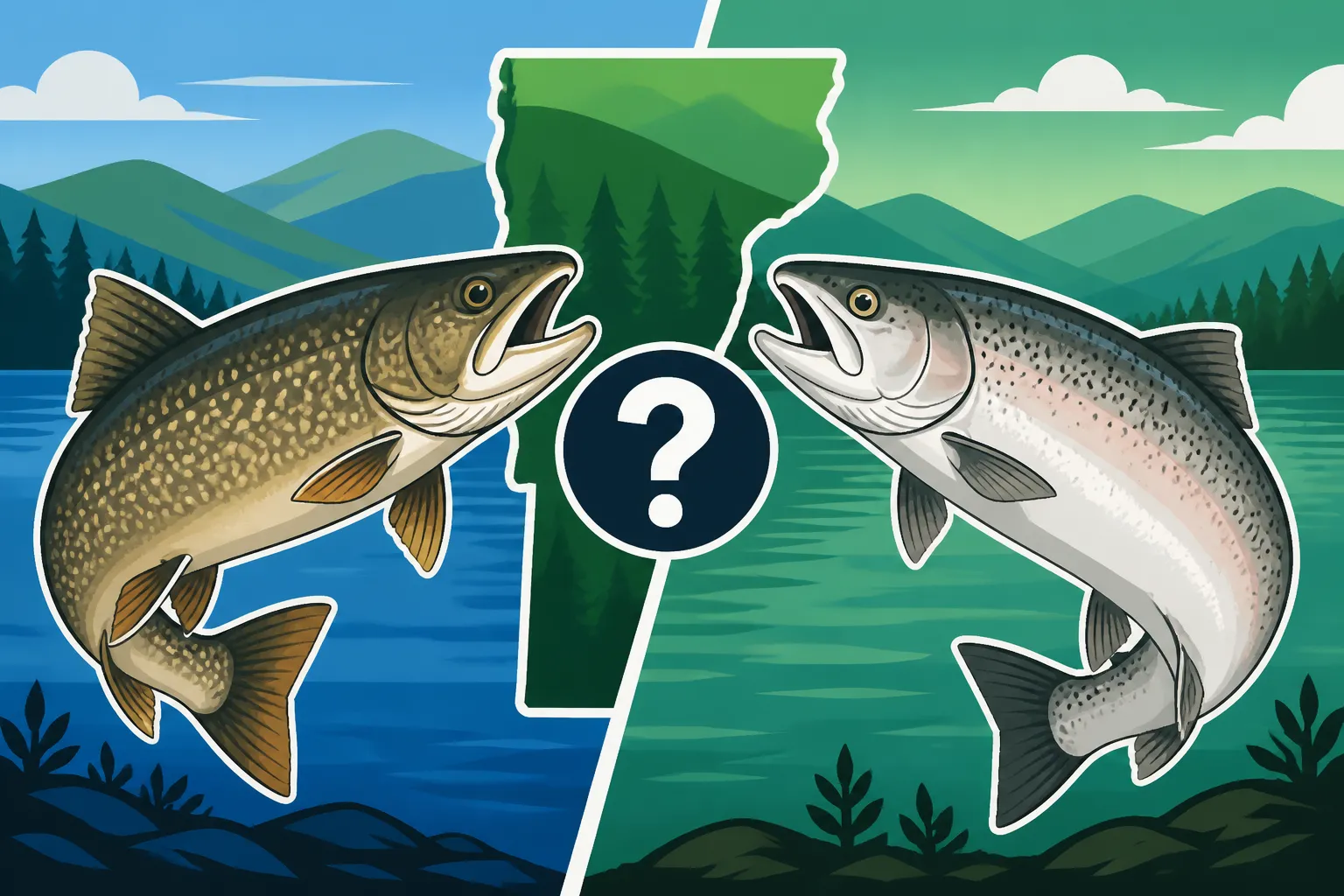
When it comes down to who gets bigger, the answer generally leans heavily towards the lake trout in Vermont waters. However, it's not quite that simple, and both offer distinct challenges and rewards.
Comparing Average and Trophy Sizes
On average, a mature lake trout from a well-established Vermont fishery will typically outweigh a mature landlocked salmon. Lake trout have a natural biological predisposition to grow larger and live longer, allowing them to pack on more mass over time.
For trophy sizes, the disparity becomes even more apparent. While a 10-pound landlocked salmon is an absolute monster and a rarity, a 10-pound lake trout, while still a fantastic catch, is a more achievable goal for dedicated anglers. Lake trout exceeding 20 pounds are caught in Vermont, whereas landlocked salmon very rarely approach that kind of weight. The maximum size potential for lake trout in Vermont is significantly greater than that of landlocked salmon.
Here's a simplified comparison:
| Feature | Lake Trout | Landlocked Salmon |
|---|---|---|
| Typical Mature Size | 5-15 pounds | 2-8 pounds |
| Trophy Size Potential | 15-30+ pounds (some records much higher) | 8-15 pounds (rarely exceeding 15) |
| Lifespan | Very long (20+ years) | Moderate (5-10 years, sometimes more) |
| Primary Forage | Smelt, alewives, sculpins, other baitfish | Primarily rainbow smelt |
| Preferred Habitat | Deep, cold, oxygenated water | Cooler surface waters, open water chasing smelt |
| Fight Style | Deep, powerful runs, relentless pull | Fast runs, acrobatic jumps, explosive strikes |
The Role of Longevity and Diet
The primary reasons for the lake trout's size advantage boil down to two key factors: longevity and dietary diversity. Lake trout can live considerably longer than landlocked salmon, sometimes twice as long. This extended lifespan provides many more years for them to grow larger and larger. Consider How long lake trout live in Vermont – it's a significant factor.
Furthermore, lake trout have a broader diet. While smelt are crucial for both, lake trout will also consume a wider range of bottom-dwelling baitfish, aquatic insects, and even smaller fish, especially as they get older and larger. This diverse menu allows them to capitalize on various food sources, maintaining growth even if one particular forage species experiences a downturn. Landlocked salmon, with their strong preference for schooling pelagic baitfish like smelt, are more susceptible to fluctuations in those populations.
Catching Giants: A Different Challenge
Targeting a trophy lake trout often involves deep-water trolling with heavy gear, downriggers, or lead core line to get lures down to depths of 60-100 feet or more. Techniques for Trolling Techniques for Vermont Lake Trout are specialized and require patience. It's a game of covering water and finding those thermoclines and deep structures where the biggest lakers hide. For this kind of specialized gear, many anglers find a wide selection of quality options on platforms like Amazon, offering everything from heavy trolling rods to sonar units.
Conversely, catching a large landlocked salmon, while also often involving trolling, might focus more on presenting lures at specific depths in the water column where smelt are schooling, often shallower than lake trout. Their explosive fight means you need gear that can handle powerful runs and jumps. Anglers seeking these silver bullets might consider different approaches, such as those detailed in Best Time of Day to Catch Landlocked Salmon. While a heavy-duty rod and reel combo might be on your list, a more agile setup is often preferred for salmon, perfect for browsing through fishing rod options on Amazon.
Practical Implications for Vermont Anglers
Knowing the size potential of these two species can help you set realistic expectations and refine your fishing strategies in Vermont. Whether you're chasing records or just a memorable day on the water, understanding these differences is key.
Setting Your Expectations
If your goal is to catch the biggest fish possible in terms of sheer weight, then focusing on lake trout in Vermont's deeper, colder lakes like Lake Champlain or Lake Willoughby will generally offer a higher probability of success for a true monster. These are the fish that can reach truly astonishing sizes, creating stories that last a lifetime.
However, if your ambition is to experience an electrifying fight with a powerful, acrobatic fish, then landlocked salmon absolutely deliver. While they may not tip the scales as heavily, their vibrant fight and stunning appearance make them incredibly rewarding catches. Both species require dedication and skill, but your target species might influence your approach to a fishing trip. Don't forget, even "average" sized lake trout and landlocked salmon in Vermont are incredible game fish.
Gear Considerations for Both Species
Given their differing habitats and fighting styles, the gear you choose will naturally reflect your target species. For truly large lake trout, particularly when deep trolling, heavier rods with substantial backbone are often preferred, paired with reels that hold a lot of line. Think stout trolling rods, heavy monofilament or braided line, and robust terminal tackle. You'll find a wide variety of these specialized items, from downriggers to heavy-duty spoons, available on Amazon. Best Gear for Vermont Trout Fishing often covers a range of setups, but lakers sometimes demand even more.
For landlocked salmon, while still requiring durable equipment, many anglers prefer slightly lighter, more sensitive setups that allow them to better feel the fight and enjoy the acrobatic displays. Medium-heavy spinning or casting rods, paired with smooth-drifting reels, are common. Fluorocarbon leaders are often favored for their stealth in clear water. Whether it's the perfect crankbait or a versatile spinning combo, Amazon is a convenient place to explore options for chasing these silver bullets.
Regulations and Conservation
Regardless of which species you pursue, always be mindful of Vermont's fishing regulations. Both lake trout and landlocked salmon have specific size limits, daily creel limits, and seasonal restrictions that vary by water body. These regulations are in place to ensure the sustainability of these incredible fisheries for future generations. Knowing the rules and practicing responsible catch-and-release, especially for large, old breeders, helps to conserve these magnificent fish. Always consult the latest Vermont Fishing Guide before heading out on the water to ensure you're compliant. By following the rules, we all contribute to the health of Vermont's rich cold-water fisheries.
Disclaimer
This article is for general informational purposes only and does not constitute professional advice. Laws, prices and regulations vary by location and change over time. Consult a qualified professional for guidance on your specific situation.