Waterbury Reservoir Fishing Guide
Oh, Waterbury Reservoir! It's one of those spots that looks so inviting on a map, but when you actually get there, its sheer size and diverse habitat can feel a little overwhelming. You've got all that water, all those coves, and varying depths, and trying to figure out where the fish are hiding, and what they're biting on, can feel like finding a needle in a very large, beautiful haystack. This guide is going to cut through that confusion, breaking down everything you need to know to confidently cast a line and find success on Waterbury Reservoir.
Understanding Waterbury Reservoir's Unique Fishery
Waterbury Reservoir isn't just another pretty lake in Vermont; it's a large, diverse, and incredibly productive body of water that offers something for nearly every type of angler. But to truly unlock its potential, you need to understand its origins, its unique characteristics, and the life it sustains beneath its surface.
A Brief History and Geography for Anglers
The Waterbury Reservoir wasn't always here in its current form. It's an artificial lake, created in 1938 by the Civilian Conservation Corps (CCC) as part of a flood control project after the devastating 1927 flood. The construction of the Little River Dam impounded the Little River, transforming a valley into the sprawling reservoir we know today. This history is important because it shaped the underwater landscape. You'll find remnants of old roads, foundations, and varied bottom contours that create fantastic fish habitat. The reservoir itself is quite large, covering roughly 850 acres, and it’s characterized by numerous coves, submerged islands, rocky points, and varying depths, reaching over 100 feet in some areas near the dam. This provides an incredible range of environments for different fish species, from the shallow, weedy bays to the cold, deep main channel. It's a place where you can feel lost in the wilderness, even though it's relatively close to populated areas, making it a favorite for both serious anglers and casual recreational users alike.
The surrounding landscape is equally stunning, with the Green Mountains providing a dramatic backdrop, especially as the seasons change. The reservoir is fed by several tributaries, including the Little River and Stowe Hollow Brook, which bring in fresh, oxygenated water and vital nutrients, especially during spring runoff. These inlets often become hotspots for certain fish species, particularly trout and salmon, as they migrate upstream. Its complex hydrology means that water temperatures and clarity can vary throughout the year, influencing fish behavior and where you'll find them. For instance, after heavy rains, the inflowing rivers can bring stained water and debris, which might push some fish to clearer areas or make them less active. Understanding these dynamics is key to planning a successful outing. It's not just about finding a spot on the map, but understanding the intricate ecosystem that thrives within this man-made marvel.
Dominant Fish Species and What to Expect
Waterbury Reservoir is renowned for its diverse fishery, boasting a healthy population of both cold-water and warm-water species. For many anglers, the main draw is the excellent bass fishing. You'll find robust populations of both Smallmouth Bass Fishing in Vermont and Largemouth Bass Fishing in Vermont thriving in different parts of the reservoir. Smallmouth tend to prefer the rockier points, submerged ledges, and deeper, clearer waters of the main body, often relating to current or structural changes. Largemouth, on the other hand, are typically found in the shallower, weedier bays, around lily pads, fallen timber, and other heavy cover, where they can ambush prey. The chance to target both species in one outing makes Waterbury incredibly appealing, offering varied fishing challenges and rewarding experiences.
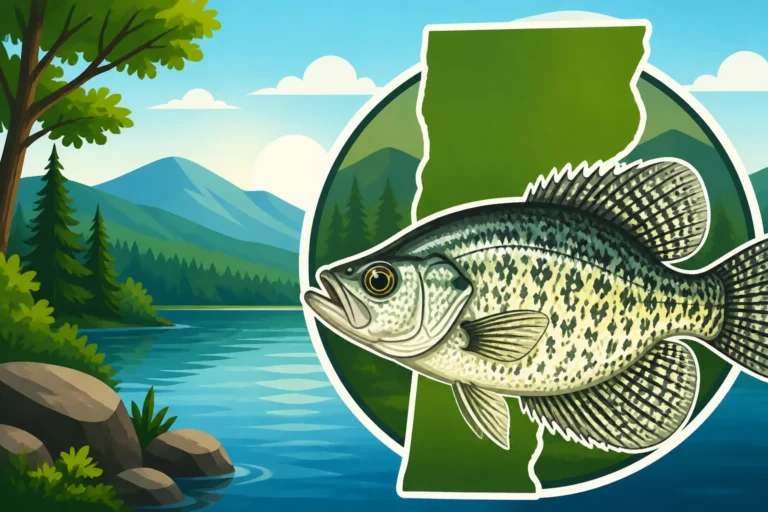
Beyond the bass, Waterbury Reservoir is also a fantastic destination for Trout Fishing in Vermont. Rainbow Trout and Brown Trout are regularly stocked by the Vermont Fish and Wildlife Department, providing ample opportunities for anglers, especially in the cooler months and deeper waters. You might even stumble upon native Brook Trout in the cooler, shallower tributaries or the main reservoir if conditions are right, though they are more elusive here compared to smaller mountain streams. These trout can grow to impressive sizes, offering thrilling battles on light tackle. In addition to these marquee species, the reservoir is teeming with a variety of Panfish Fishing in Vermont, including Yellow Perch and Black Crappie, which are excellent for family fishing trips and provide consistent action. Chain Pickerel are also present, often lurking in the same weedy bays as largemouth bass, and they can provide an unexpected, toothy fight. Understanding which species prefer which habitat and time of year will significantly increase your chances of a memorable day on the water.
When to Visit: Best Seasons for Different Catches
Knowing the best time to visit Waterbury Reservoir can make all the difference in your fishing success, as different species become active at various points throughout the year. For an in-depth understanding of how the seasons affect fishing, check out our guide on Vermont Fishing Seasons by Month.
Spring, especially from late April through June, is a prime time for many species. As the ice recedes and water temperatures begin to climb, trout become very active. This is when you'll find them cruising shallower waters, often near inlets, gorging on newly available forage. It's also an excellent time for early-season bass, particularly pre-spawn smallmouth that move onto rocky points and flats before they head to their spawning beds. The fish are often aggressive as they recover from winter and prepare for the spawn, making for some exciting action. The milder weather also makes for a pleasant day on the water before the summer heat truly sets in.
Summer (July and August) is all about the bass and panfish. As water temperatures rise, smallmouth bass will move to deeper structures, humps, and drop-offs, while largemouth will burrow into the thickest cover in the shallow bays. Early mornings and late evenings often offer the best topwater action for bass. Panfish like Yellow Perch are abundant and can be caught throughout the day, providing great fun for kids and those looking for consistent bites. Trout will retreat to the deepest, coolest parts of the reservoir during the warmest months, requiring different tactics like deep trolling or fishing near the dam face. This is also when the reservoir is most popular for general recreation, so expect more boat traffic during peak hours.
Fall, from September through November, offers some of the most spectacular fishing opportunities and scenic beauty. As water temperatures drop, fish become incredibly active again, feeding heavily in preparation for winter. This "fall bite" can be phenomenal for both bass and trout. Smallmouth will school up on main lake points and humps, while largemouth can be found transitioning from heavy cover to deeper weed lines. Stocked trout will also be very active, often found shallower and more dispersed. The vibrant foliage reflecting on the water creates a stunning backdrop for your angling adventures, making it a favorite season for many Vermont residents. The cooler air and fewer recreational boaters also contribute to a more peaceful fishing experience.
Finally, winter brings the unique challenge and reward of Ice Fishing in Vermont. Once the ice is safely thick enough, usually from late December through March, anglers brave the cold for Yellow Perch, Chain Pickerel, and even some of the deeper-dwelling trout. Jigging small lures or setting tip-ups with live bait are popular methods. The quiet solitude of a winter day on the ice, surrounded by snow-covered peaks, is an experience unlike any other. However, ice safety is paramount, and conditions can vary greatly across the reservoir, so always check local reports and exercise extreme caution. Waterbury Reservoir typically develops good ice, but it's a large body of water, and currents can create thin spots, especially near inlets or the dam. Always go with a buddy and inform someone of your plans.
Navigating Waterbury Reservoir's Regulations and Access
Before you even think about dropping a line into Waterbury Reservoir, it's crucial to understand the rules and how to properly access the water. Vermont's fishing and boating regulations are designed to protect the fisheries and ensure everyone has a safe and enjoyable experience. Ignoring these can lead to fines and a ruined day.
Essential Licenses and Vermont's General Rules
First things first: you absolutely need a valid Vermont fishing license to fish Waterbury Reservoir if you are 15 years or older. This isn't just a suggestion; it's a legal requirement. Whether you're a resident or visiting from out of state, an appropriate license is a must. You can purchase them easily online through the Vermont Fish and Wildlife Department website, or from numerous authorized vendors across the state, including bait shops and sporting goods stores. For a full breakdown of requirements and costs, our guide on the Vermont Fishing License Guide for 2026 is an invaluable resource. Make sure you have it on your person, either a physical copy or a digital one on your phone, as wardens do check.
Beyond the license, it’s vital to familiarize yourself with Vermont's general fishing regulations. These cover everything from daily bag and possession limits for various species to minimum length requirements and specific season dates. While Waterbury Reservoir largely falls under general statewide regulations, it's always wise to double-check for any specific nuances or special regulations that might apply to a particular water body. For example, understanding Vermont Bass Daily Bag Limit and length restrictions is critical for responsible angling. These rules are put in place to manage fish populations sustainably, ensuring that future generations can enjoy the same excellent fishing opportunities. Don't rely on hearsay; always refer to the official Vermont Fish and Wildlife Department regulations booklet, which is updated annually. Ignorance of the law is not an excuse, and penalties for violations can be steep, ranging from fines to license suspension.
Boating and Access Points: What You Need to Know
Accessing Waterbury Reservoir for fishing usually means launching a boat, kayak, or canoe. There are several public access points available, with the most prominent being located within Little River State Park and at Blush Hill. Little River State Park offers a paved boat ramp, ample parking, and other amenities like restrooms and picnic areas, making it a very convenient choice for larger powerboats and trailers. This is often the busiest access point, especially on weekends and during peak summer months, so arrive early if you want to avoid a wait.
For smaller watercraft, like kayaks and canoes, or for those seeking a slightly less crowded option, the Blush Hill access point provides a more rustic launch. It's often favored by kayakers and canoeists due to its easier maneuverability with smaller vessels. Regardless of where you launch, remember to follow all Vermont Boating Laws for Anglers. This includes proper registration for motorized vessels and, critically, having the correct Life Jacket Requirements for Vermont Boaters on board for all occupants. Children under 12, for instance, are required to wear a life jacket at all times when on a vessel.
Special Considerations and Local Advice
Fishing on a large reservoir like Waterbury comes with its own set of unique considerations. One important factor is that the water levels can fluctuate significantly throughout the year, especially given its primary role as a flood control reservoir. This can affect shoreline access, submerged structure visibility, and even boat launch usability at different times. Always check current conditions if you plan to fish from shore or use a less developed launch. Additionally, Waterbury Reservoir is a multi-use body of water. You'll share it with paddlers, swimmers, and recreational motorboats, particularly during the summer. Being courteous and mindful of other users ensures a pleasant experience for everyone. Give swimmers a wide berth, respect no-wake zones, and generally practice good etiquette on the water.
When you're out there, remember the "Leave No Trace" principles. Pack out everything you pack in, and dispose of fishing line, bait containers, and other trash properly. This not only preserves the beauty of the reservoir but also protects its wildlife. Consider using a guide from FishingBooker, especially if it's your first time on the reservoir. A local guide can offer invaluable insights into current fish patterns, hot spots, and effective techniques, turning a potentially frustrating day into a highly successful one. They know the contours, the hidden structure, and the subtle cues that tell you where the fish are holding, saving you hours of trial and error.
Lastly, pay attention to weather conditions. Vermont weather can change rapidly, and a calm morning can quickly turn into a windy, choppy afternoon on a large body of water like Waterbury Reservoir. Always check the forecast before heading out, and be prepared for sudden shifts. Strong winds can make paddling challenging and even dangerous for smaller boats, and lightning storms can develop quickly. Safety should always be your top priority.
Top Fishing Techniques for Waterbury Reservoir
Waterbury Reservoir offers such a diverse fishery that no single technique will catch every species. Becoming proficient in a few key strategies will significantly increase your success and allow you to adapt to changing conditions and target your preferred fish. From the aggressive strikes of bass to the subtle tug of a trout, there's an adventure waiting.
Targeting Smallmouth and Largemouth Bass
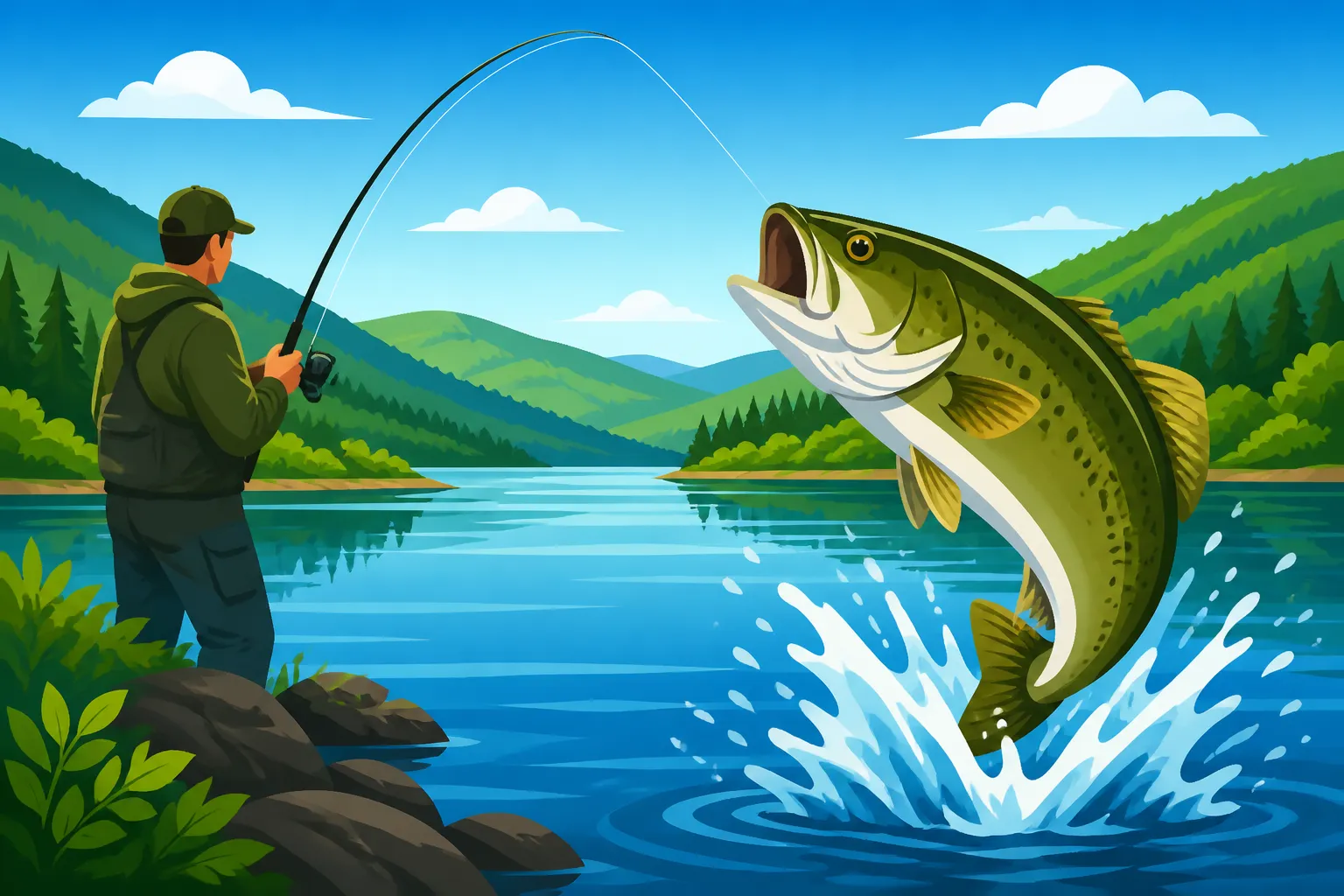
Waterbury Reservoir is a true bass factory, and whether you prefer the hard-fighting smallmouth or the cover-loving largemouth, you'll find plenty of action. For smallmouth bass, focus on rocky points, submerged humps, ledges, and deeper breaks in the main lake basin. These fish love structure and clear water. Excellent lures include tube jigs, drop shots, Ned rigs, and shaky heads fished slowly along the bottom. For a more aggressive approach, try casting crankbaits that mimic baitfish or jerkbaits over rocky areas. Topwater lures like poppers and walk-the-dog baits can be incredibly effective during low light conditions, especially in summer. Understanding their seasonal patterns is crucial; smallmouth will move shallower to spawn in spring, then transition to deeper, cooler water as summer progresses. You can delve deeper into specific tactics with our guide on How to Catch Smallmouth Bass in Vermont Lakes.
Largemouth bass, on the other hand, are creatures of cover. Look for them in the shallower, warmer coves, around lily pads, fallen trees, brush piles, and dense weed beds. Plastic worms (Texas-rigged or Carolina-rigged), creature baits, and jigs are go-to choices for pitching into heavy cover. Spinnerbaits and chatterbaits are excellent for covering water and eliciting reaction strikes along weed lines. During summer, don't shy away from throwing topwater frogs or hollow-bodied baits right over the pads – the explosive strikes are unforgettable. The key to largemouth is precision casting and patience, working your lure through the thick stuff where these fish hide. They often won't move far to feed, so bringing the bait directly to them is essential. Our guide on How to Catch Largemouth Bass in Vermont provides even more detailed strategies.
Many anglers find success by combining these approaches, starting with topwater or faster-moving baits to locate active fish, then slowing down with jigs or soft plastics once a school or individual fish is identified. Remember that bass in Waterbury can be particular about lure color and retrieve speed depending on water clarity and light conditions, so don't be afraid to experiment. A sunny day might call for more subtle presentations, while overcast skies could trigger a more aggressive bite.
Strategies for Trout and Salmon
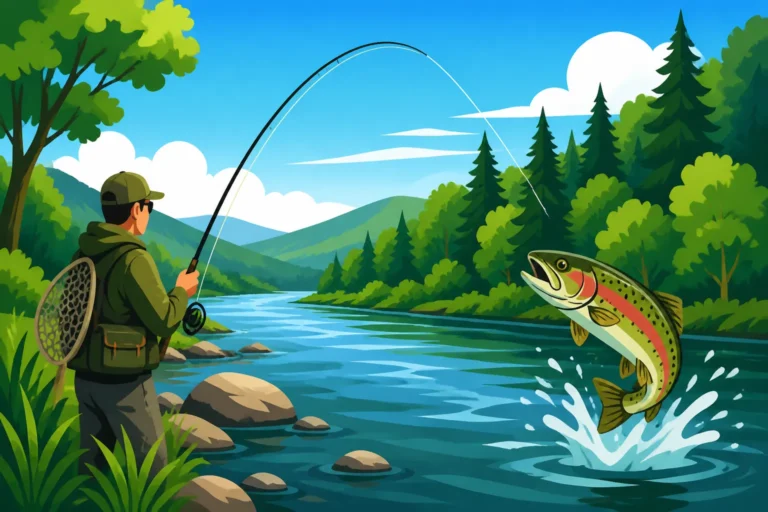
Waterbury Reservoir is a gem for trout anglers, especially for Rainbow and Brown Trout. These cold-water species thrive in the reservoir's deeper, cooler sections, particularly during the warmer months. Spring and fall are prime times for targeting trout when they are more active throughout the water column and often cruise closer to the surface or near inflowing streams. For those early season opportunities, our guide on Spring Trout Fishing Techniques for Vermont Streams can be incredibly helpful. Trolling is a highly effective method for covering large areas and finding trout. Small spoons (like Suttons or Mooselook Wobblers), flashy spinnerbaits, or even small stickbaits trolled at varying depths can entice strikes. Downriggers or leadcore line can be invaluable for reaching the deeper thermal layers where trout retreat during summer.
Shore anglers or those in kayaks can find success by casting spoons or spinners near the dam face, especially during cooler periods, or by fly fishing near the mouths of tributaries like the Little River, where trout often congregate. Traditional baits like PowerBait, corn, or worms fished on the bottom or under a bobber can also be effective, particularly for recently stocked fish. Remember that trout in reservoirs are often following baitfish, so keeping an eye on your fish finder for schools of smelt or other forage can pinpoint productive areas.
While landlocked salmon are not a primary target species for stocking in Waterbury, stray individuals from connected systems or occasional stockings may be present. If encountered, they typically respond to similar trolling and casting techniques used for larger trout, favoring baits that mimic smelt. Focus on the main basin, near the dam, and along deeper contours for the best chance at these elusive fish.
Ice Fishing: A Winter Wonderland Opportunity
When the reservoir freezes over, Waterbury transforms into an ice angler's paradise, offering a tranquil yet exciting winter fishing experience. Ice Fishing in Vermont draws many to its frozen surface, where the primary targets are Yellow Perch, Chain Pickerel, and occasionally trout. Perch are abundant and provide consistent action, making them a fantastic target for families or those new to ice fishing. They readily bite on small jigs tipped with a grub, wax worm, or a small piece of bait. Focus on finding underwater structure like humps or weed edges in 15-30 feet of water.
Chain Pickerel are often found in the shallower, weedier bays, lurking under the ice. They are aggressive predators and will readily strike live shiners set under a tip-up. The thrill of a flag flying up on a tip-up, signaling a pickerel on the line, is a classic ice fishing moment. While less common, some anglers successfully target trout through the ice, usually by jigging spoons in deeper water or setting tip-ups with larger baits near drop-offs. Always prioritize safety when ice fishing. Never venture onto ice less than 4 inches thick for foot travel, and always check conditions, especially near inlets, outlets, or areas with current where ice can be thinner. Our guide on Best Ice Fishing Gear for Vermont will ensure you're well-equipped for a safe and productive day.
Many experienced ice anglers use a portable ice shanty for comfort, especially on colder, windier days. Sonar or a fish finder adapted for ice fishing can be incredibly useful for locating fish and determining depth, making your efforts much more efficient. Don't forget an auger, ice scoop, and plenty of warm layers, along with a thermos of hot coffee or cocoa, to make your winter outing truly enjoyable.
Gear Recommendations for Waterbury Reservoir Anglers
Having the right gear can make or break your fishing trip to Waterbury Reservoir. Given the variety of species and fishing conditions, a versatile setup is often the most practical approach. You don't need to break the bank, but investing in reliable equipment will certainly pay off.
Rods, Reels, and Lines for Versatility
For most of the fishing you'll do on Waterbury Reservoir, a medium-light to medium-heavy spinning rod and reel combo is your workhorse. A 6'6" to 7' medium-action spinning rod paired with a 2500 or 3000 series reel spooled with 8-12 lb monofilament or braided line will handle everything from panfish to decent-sized bass and trout. This setup offers enough backbone for casting lures and fighting fish, yet retains enough sensitivity to feel subtle bites. For targeting panfish specifically, an ultralight setup with 2-4 lb test line can be incredibly fun and provide an even greater challenge. Check out our comprehensive advice on Best Fishing Rods for Vermont Lakes to find the perfect match for your style and budget.
When it comes to line, many anglers prefer braided line for its sensitivity, strength, and thin diameter, often using a 6-10 lb fluorocarbon leader of about 3-5 feet. The braid allows you to feel even the lightest taps, while the fluorocarbon leader is nearly invisible underwater, helping to fool wary fish. If you're primarily using live bait or fishing in very clear water, straight fluorocarbon or monofilament might be preferred. For those targeting larger bass in heavy cover, bumping up to 15-20 lb braided line with a stout fluorocarbon leader can prevent break-offs when fish bury themselves in weeds or wood.
Essential Lures and Baits to Stock Your Tackle Box
A well-stocked tackle box is crucial for Waterbury Reservoir, allowing you to adapt to whatever the fish are biting on. For bass, a selection of soft plastics is a must-have. Think 4-5 inch stick baits (like a Senko), creature baits, and tube jigs in natural colors like green pumpkin, watermelon, or black and blue. These are incredibly versatile and can be fished in various ways. Hard baits should include shallow to medium-diving crankbaits in shad or crayfish patterns, a few jerkbaits, and spinnerbaits (1/4 to 3/8 oz) with willow or Colorado blades. Don't forget topwater lures for those exciting morning and evening bites – a popper, walking bait, or hollow-bodied frog for the lily pads.
For trout, traditional inline spinners (like Mepps Aglias or Rooster Tails) in sizes #1 to #3 are highly effective, especially in silver, gold, or brass. Small spoons, such as Little Cleos or Kastmasters, ranging from 1/8 to 1/4 oz, are also excellent for casting or light trolling. For bait fishing, PowerBait (in various colors like rainbow, chartreuse, or even white) and live worms (nightcrawlers or garden worms) are consistent producers, especially for stocked trout. For panfish like yellow perch, tiny jigs tipped with a piece of worm, grub, or wax worm are irresistible. A small selection of these essentials will have you well-prepared for whatever Waterbury throws your way.
Specialized Equipment for Boaters and Kayakers
If you're heading out on Waterbury Reservoir in a boat or kayak, a few specialized items will greatly enhance your experience. For boaters, a reliable fish finder is almost indispensable. With the reservoir's varying depths and complex underwater structure, a good sonar unit will help you locate fish, identify bait schools, and navigate safely. Many modern units also offer GPS mapping, which is fantastic for marking hotspots and navigating back to them. An anchor system is also crucial, especially on windy days or when you want to hold position over a productive spot. A small traditional anchor with sufficient rope or a shallow water anchor like a Power-Pole or Talon can be a game-changer.
Kayakers, in particular, will benefit from specific gear tailored for paddle craft. A comfortable PFD (Personal Flotation Device) is non-negotiable for safety. A paddle leash will prevent your paddle from floating away if you drop it. A compact, portable fish finder (many are designed specifically for kayaks) can give you an edge, and a small anchor or anchor trolley system will allow you to hold your position in current or wind. Rod holders mounted to your kayak are also incredibly convenient for trolling or simply keeping your rods secure while paddling. For more on outfitting your paddle craft, check out our guide on Best Kayaks for Vermont Fishing. A dry bag or two for your phone, keys, and snacks is also a smart addition, protecting your valuables from splashes and unexpected capsizes.
| Species Targeted | Best Season(s) | Preferred Baits/Lures | Best Location/Habitat |
|---|---|---|---|
| Smallmouth Bass | Spring, Summer, Fall | Tube jigs, crankbaits, topwater, drop shot | Rocky points, submerged humps, main lake breaks |
| Largemouth Bass | Spring, Summer, Fall | Plastic worms, jigs, spinnerbaits, frogs | Weedy coves, lily pads, fallen timber |
| Rainbow/Brown Trout | Spring, Fall, Winter | Spoons, inline spinners, PowerBait, worms | Deep main lake basin, near dam, creek inlets |
| Yellow Perch | All Seasons | Small jigs, grub, wax worms | Weed edges, humps, schools in open water |
| Chain Pickerel | All Seasons | Live shiners, spinnerbaits | Shallow weedy bays, heavy cover |
Beyond the Catch: Enjoying Waterbury Reservoir
While catching fish is certainly a highlight, the overall experience of fishing on Waterbury Reservoir extends far beyond just what you reel in. It's about connecting with nature, respecting the environment, and enjoying the unique charm of the Vermont landscape.
Conservation and Responsible Angling Practices
As responsible anglers, we all have a role to play in preserving the health and vitality of Waterbury Reservoir's fishery. This means practicing conservation-minded angling at all times. Catch and release is a crucial practice, especially for larger bass and trout, which are vital for maintaining healthy breeding populations. If you choose to keep fish, always be mindful of Vermont Bass Daily Bag Limit and length regulations. Know your limits, and stick to them. Release fish gently, minimizing their time out of water, and use proper handling techniques like wet hands, barbless hooks, or a rubberized net to prevent injury. Our state's fisheries are a precious resource, and managing them sustainably is a shared responsibility.
Another critical aspect of conservation is preventing the spread of invasive species. Before and after every trip, thoroughly clean, drain, and dry your boat, trailer, and all fishing gear. This simple step can prevent the transfer of harmful aquatic invasives like zebra mussels or Eurasian watermilfoil from one body of water to another, which can devastate native ecosystems. Inspect your gear, especially livewells, anchor ropes, and waders, for any clinging vegetation or organisms. By taking these precautions, you're not just protecting Waterbury Reservoir, but all of Vermont's pristine waters.
Local Amenities and Nearby Attractions
Waterbury Reservoir isn't just a fishing destination; it's a hub for outdoor recreation, nestled in a region rich with attractions. Little River State Park, situated on the reservoir's eastern shore, offers fantastic camping opportunities, from tent sites to lean-tos. It's a perfect base camp for an extended fishing trip, providing easy access to the water, hiking trails, and beautiful scenery. The park also has swimming beaches and picnic areas, making it a great spot for family outings, even if not everyone in your group is an avid angler. The state park's facilities are well-maintained and provide a comfortable experience for visitors.
Just a short drive away is the charming town of Waterbury, known for its vibrant culinary scene and unique shops. You can grab a delicious meal, stock up on supplies, or even visit famous Vermont attractions like the Ben & Jerry's Factory or the Cold Hollow Cider Mill. For those interested in more hiking, kayaking, or mountain biking, the surrounding Green Mountains offer endless opportunities. The convenience of having these amenities nearby adds another layer of enjoyment to your fishing adventure, allowing you to easily combine your passion for angling with other forms of relaxation and exploration.
Finding Guides and Local Expertise
For many anglers, especially those visiting Waterbury Reservoir for the first time or looking to significantly improve their success, hiring a local fishing guide can be an invaluable investment. A professional guide possesses an intimate knowledge of the reservoir, including current fish patterns, productive hotspots, and the most effective techniques for the day. They have spent countless hours on the water, understanding its nuances, and can quickly adapt to changing conditions. They can often provide specialized equipment, offer casting tips, and teach you how to "read" the water, accelerating your learning curve dramatically. This kind of hands-on, localized expertise can turn a good trip into an unforgettable one, often putting you on fish you might have otherwise missed.
Services like FishingBooker make it incredibly easy to find and book experienced local fishing guides for Waterbury Reservoir. Their platform connects you with seasoned professionals who are passionate about sharing their knowledge and helping you have a successful day on the water. A good guide isn't just there to put you on fish; they're also excellent teachers, conservationists, and storytellers, enhancing your overall understanding and appreciation for the fishery. Whether you're targeting trophy bass, elusive trout, or just want a fun day catching panfish with the family, a guide can tailor the experience to your specific goals and skill level. It's often the best way to gain an immediate advantage and unlock the full potential of this incredible Vermont fishery.
Disclaimer
Please note that fishing regulations, conditions, and fish populations can change. Always consult the latest official Vermont Fish and Wildlife Department regulations before your trip. This guide is for informational purposes only and does not constitute legal advice. Adhere to all local laws and practice safe angling and boating.