Missisquoi River fishing access
Many anglers, especially those new to Vermont, often struggle to pinpoint reliable public access points on larger rivers, leading to frustration and wasted fishing time. The Missisquoi River, a truly special waterway in northern Vermont, offers incredible fishing opportunities for a diverse range of species, but knowing where and how to access it can make all the difference for a successful outing. This comprehensive guide will walk you through the prime public access locations, highlight the species you can expect to encounter, and provide essential tips to make your fishing trip on the Missisquoi a memorable one.
Understanding the Missisquoi River Fishery
The Missisquoi River is more than just a waterway; it's a vibrant ecosystem that changes character as it winds its way through Vermont, from its headwaters in the Green Mountains to its mouth on Lake Champlain. This river offers a unique blend of angling experiences, catering to different preferences and skill levels throughout the year.
A River of Diversity: What You Can Catch
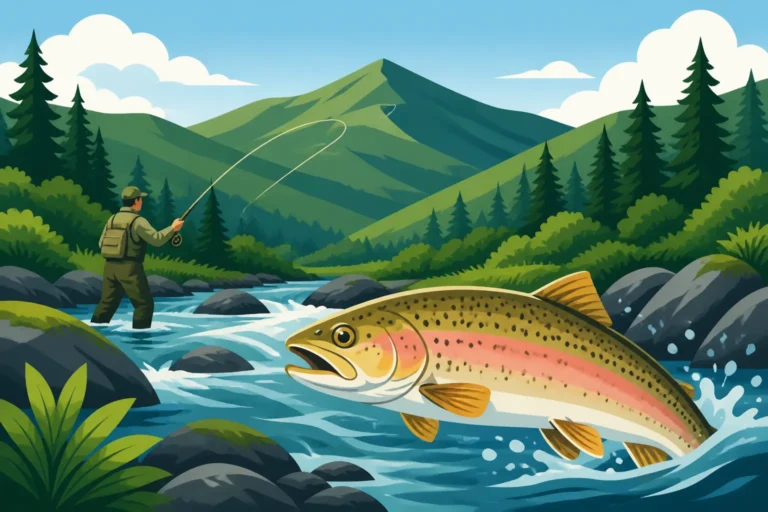
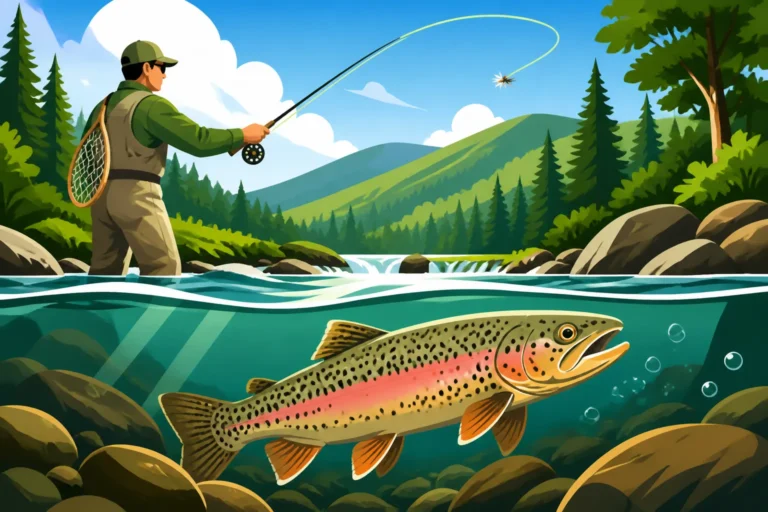
One of the Missisquoi River's greatest charms is its incredible species diversity. Depending on where you are on the river and the time of year, you can target everything from feisty trout to hard-fighting bass and predatory pike. In its upper stretches, particularly from the Canadian border down to Swanton, the river is known for its cool, oxygenated waters that support populations of Vermont trout season and stocking rules. Anglers often find rainbow trout, brown trout, and even native brook trout in these sections, especially in tributaries that feed into the main stem. These areas are characterized by riffles, runs, and deeper pools, perfect for fly fishing or light spin gear.
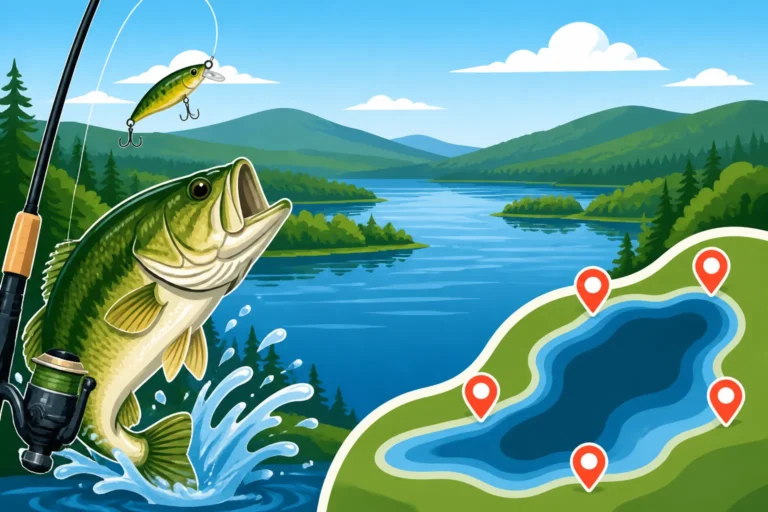
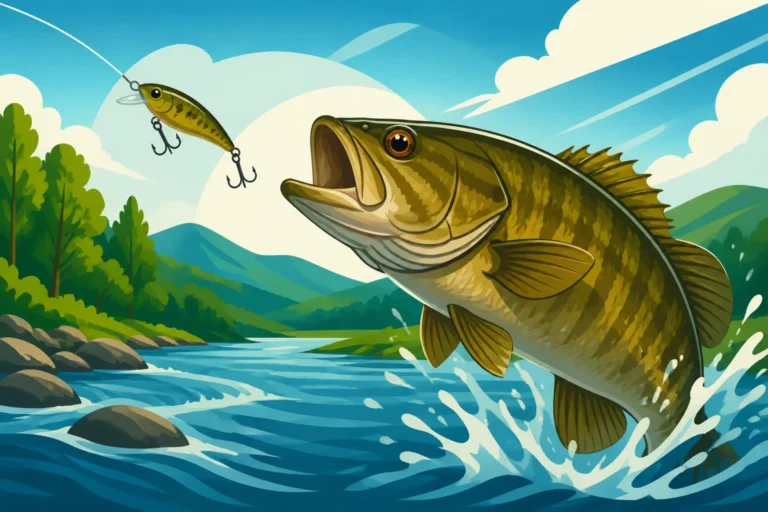
As the Missisquoi widens and slows down, particularly in its middle and lower sections closer to Lake Champlain, it transitions into a prime warmwater fishery. Here, smallmouth bass are abundant, offering incredible action, especially during the summer months. You'll find them holding around rocky structures, submerged timber, and current breaks. Largemouth bass also make an appearance in slower-moving oxbows and backwaters. Beyond the bass, the river is home to respectable populations of northern pike, chain pickerel, and various panfish like yellow perch and black crappie. For those interested in targeting toothy critters, the Missisquoi's rich forage base makes it an excellent choice for pike. Remember to check the specific Vermont fishing regulations explained for length and creel limits on all species.
Seasonal Considerations for Anglers
The Missisquoi River offers year-round angling opportunities, but understanding the seasonal shifts is crucial for success. Spring is often heralded as prime trout fishing time, especially after ice-out, when higher water levels and cooler temperatures make trout more active. As the water warms into summer, the focus shifts dramatically to smallmouth bass. This is when topwater action can be explosive, and you'll find bass aggressively feeding on crayfish and baitfish. Fall brings cooler temperatures again, which can reignite the trout bite, particularly for larger brown trout that might be moving upstream. It's also an excellent time for pike fishing, as they feed heavily before winter.
Winter transforms the Missisquoi, offering unique ice fishing opportunities in its wider, slower sections, particularly as it nears Lake Champlain. While the main river current generally prevents safe ice formation in many areas, specific backwaters and protected bays can freeze over. Here, anglers can target yellow perch, northern pike, and even walleye that may move into the lower river from the lake. Always prioritize safety and thoroughly check ice thickness before venturing out, as currents can create unpredictable ice conditions. The Vermont ice fishing season dates provide a general timeframe, but local conditions are paramount.
Public Access Points Along the Missisquoi River
Finding reliable access points is often the biggest hurdle for anglers exploring a new river. Fortunately, the Vermont Fish and Wildlife Department, along with various municipal and state entities, maintains several excellent public access sites along the Missisquoi River, from its eastern stretches near the Canadian border to its confluence with Lake Champlain.
Key Entry Points and Boat Launches
The Missisquoi River benefits from a number of designated access areas that make it easy for both shore anglers and boaters to get on the water. In the upper sections, near towns like Richford and Enosburg Falls, you'll find several smaller, informal pull-offs and designated fishing access areas. These are typically ideal for wading or launching a canoe or kayak, allowing you to target trout in the faster-moving waters. For example, the Richford Fishing Access provides convenient access for shore anglers and small craft. Further downstream, the Enosburg Falls Fishing Access offers similar opportunities, with good access to pools and riffles. These upstream spots often require a bit of walking to reach the best fishing, so be prepared for some light hiking.
As the river widens, particularly around Sheldon and Swanton, larger boat launches become available. The Highgate Falls Fishing Access in Highgate Springs offers a paved ramp suitable for trailered boats, providing access to wider sections of the river that are more conducive to targeting bass and pike with conventional gear. One of the most popular and well-maintained access points is the Swanton Dam Recreation Area, located just before the river empties into Lake Champlain. This site features multiple boat ramps, ample parking, and picnic facilities, making it an excellent hub for launching larger boats or kayaks. From here, you can easily access the lower Missisquoi and even venture into Lake Champlain for species like walleye. Remember to review Vermont boating laws for anglers before launching any motorized craft. If you don't have your own boat, remember that services like FishingBooker can help you find local charter captains who know these waters intimately.
Wading and Shoreline Opportunities
For anglers who prefer to stay on foot, the Missisquoi River offers plenty of wading and shoreline fishing potential, especially in its shallower, more accessible stretches. In the upper and middle river, many of the smaller state-owned fishing access areas are specifically designed for bank fishing or wading. You'll often find short trails leading to productive bends, riffles, and pools. These spots are particularly productive for trout fishing during spring and fall. Always be mindful of private property boundaries when walking along the river; look for designated public fishing access signs, and when in doubt, assume it's private.
Many bridges crossing the Missisquoi River, while not formal access points, often provide safe shoulders for parking and pathways down to the water, offering impromptu shoreline access. These can be great spots to cast a line for panfish or smallmouth bass, especially if you're exploring different stretches of the river. However, always exercise caution when parking near bridges and ensure you are not blocking traffic or access. Consider bringing a good pair of Best Waders for Vermont Trout Streams for comfortable and safe wading, especially in the rocky upper sections.
Here’s a quick overview of some key access points:
| Location (Town) | Type of Access | Primary Target Species | Notes |
|---|---|---|---|
| Richford | Shore, Wading, Kayak | Brook, Rainbow, Brown Trout | Good for fly fishing, smaller craft. Informal pull-offs. |
| Enosburg Falls | Shore, Wading, Kayak | Brook, Rainbow, Brown Trout | Similar to Richford, excellent trout water. |
| Sheldon | Shore, Kayak, Canoe | Smallmouth Bass, Pike, Panfish | Wider sections, slower current. |
| Highgate Falls | Paved Boat Ramp | Smallmouth Bass, Pike, Walleye | Trailer boat access, good for larger sections and near Lake Champlain. |
| Swanton Dam Recreation Area | Paved Boat Ramps, Shore | Smallmouth Bass, Pike, Walleye, Perch | Excellent facilities, prime access to lower river and Lake Champlain. |
Navigating the River: Practical Tips for Anglers
Fishing the Missisquoi River successfully requires not just knowing where to go, but also understanding the right gear and techniques for its diverse conditions and species. Whether you're a seasoned angler or just starting out, a few practical considerations can significantly enhance your experience.
Equipment and Techniques for Missisquoi Success
Given the variety of fish and river conditions, having a versatile tackle setup is a major plus on the Missisquoi. For the upper trout-dominated sections, a 5 or 6-weight fly rod is perfect for casting dries, nymphs, and small streamers. Spin anglers will do well with a 6-7 foot light to medium-light spinning rod, spooled with 6-8 pound test monofilament or fluorocarbon, using small inline spinners, spoons, or drifted worms and PowerBait. If you're focusing on Fly Fishing for Trout in Vermont, don't forget your favorite caddis, mayfly, and stonefly imitations.
Downstream, where bass and pike are the main targets, heavier gear is recommended. A 7-foot medium-heavy spinning or baitcasting rod with 10-20 pound test line will handle the larger fish and cover. For smallmouth bass, crankbaits, spinnerbaits, tube jigs, and soft plastics fished on a jig head are highly effective. For pike, larger spoons, inline spinners, or jerkbaits are good choices. Many anglers also find success using live or cut bait for pike in deeper pools. For those who enjoy kayaking, the Missisquoi offers fantastic opportunities, and having one of the Best Kayaks for Vermont Fishing can open up countless hidden spots.
Respecting Regulations and River Etiquette
Before casting a line, it is absolutely essential to familiarize yourself with the current Vermont fishing regulations. These regulations can change annually and often include specific rules for certain waters or species. You can find the most up-to-date guide on the Vermont Fish and Wildlife Department website or by picking up a copy from any license vendor. Pay close attention to season dates, daily limits, minimum length requirements, and any special regulations that might apply to specific stretches of the Missisquoi River, such as Vermont Bass Catch-and-Release Season, Explained. Failure to comply can result in fines and a revoked license. For detailed guidance, consult a comprehensive resource like Reading the Vermont Fishing Regulations Guide.
Beyond the written rules, practicing good river etiquette is crucial. Always pack out what you pack in, leaving no trash behind. Be respectful of other anglers and give them plenty of space, especially fly anglers who require more room for casting. When fishing near private property, ensure you have permission or stick strictly to public access areas. Catch and release practices, especially for larger breeding fish, help maintain healthy populations for future generations. If you're new to the area and want to quickly learn the ropes, booking a local guide through services like FishingBooker can provide invaluable insight into the Missisquoi's best spots and techniques, ensuring you're fishing responsibly and effectively.
Planning Your Missisquoi Fishing Trip
A successful fishing trip to the Missisquoi River isn't just about the fishing itself; it's also about planning your logistics, understanding the local environment, and staying safe. With a little preparation, you can ensure a smooth and enjoyable adventure on this beautiful Vermont river.
Local Amenities and Services
The Missisquoi River flows through several charming Vermont towns, each offering various amenities to support your fishing trip. Richford, Enosburg Falls, Sheldon, Highgate, and Swanton are all good base camps. In these towns, you'll find general stores, gas stations, and often local tackle shops where you can pick up forgotten essentials, local baits, or get up-to-the-minute fishing reports. For instance, Swanton, being closer to Lake Champlain, might have a wider selection of gear for warmwater species. Restaurants and diners are also available, offering a taste of local Vermont cuisine. For those planning an overnight stay, lodging options range from cozy bed and breakfasts to motels and vacation rentals.
If you're looking for an expert to show you around or want to try for a specific species like northern pike or smallmouth bass, considering a guided trip is a fantastic idea. Platforms like FishingBooker can connect you with experienced local guides who specialize in the Missisquoi River, offering everything from half-day wading trips for trout to full-day excursions on Lake Champlain and its tributaries. This can be especially beneficial if you're a nonresident and want to maximize your time, as they can provide gear, local knowledge, and ensure you're compliant with all Vermont Fishing License Guide for 2026 requirements.
Safety on the Water
River fishing, while incredibly rewarding, carries inherent risks. The Missisquoi River can have varying current speeds, especially after heavy rains or during spring runoff. Always check weather forecasts and current water levels before heading out. The Vermont Fish and Wildlife Department often provides river flow data that can be critical for planning a safe wading or boating trip. When wading, use a Best Wading Staff for Fast Current for stability, and be aware that river bottoms can be rocky and slippery. Wearing appropriate footwear with good traction is non-negotiable.
For any boaters, whether in a motorboat, canoe, or kayak, wearing a properly fitted life jacket is paramount. Even strong swimmers can be quickly overwhelmed by cold water or swift currents. Inform someone of your float plan, including where you're putting in, where you plan to take out, and when you expect to return. Carry a fully charged cell phone in a waterproof bag, along with a first-aid kit and adequate hydration. Be mindful of submerged hazards like rocks, logs, and strong currents, especially in less familiar sections of the river.
Disclaimer
The information provided in this guide is for general informational purposes only and is subject to change. Anglers are responsible for consulting the most current Vermont Fish and Wildlife Department regulations and local conditions before fishing. Fishing involves inherent risks, and safety should always be your top priority.