Winooski River smallmouth bass access
Finding reliable access to prime fishing spots can feel like half the battle, especially when you're targeting elusive smallmouth bass on a dynamic river like the Winooski in Vermont. It's frustrating to drive around, looking for a place to park and cast a line, only to find private property signs or overgrown banks. This guide is designed to cut through that confusion, offering clear, actionable information on how to find and access the best smallmouth bass fishing opportunities along the magnificent Winooski River.
The Undeniable Appeal of Winooski River Smallmouth Bass
The Winooski River, often called "Vermont's Working River," isn't just a picturesque waterway winding through the heart of the state; it's a vibrant ecosystem teeming with fish, and among them, the smallmouth bass stands out as a true prize. Many anglers are drawn to Vermont's iconic trout streams or the vast waters of Lake Champlain, but the Winooski offers a unique, often overlooked, smallmouth experience that can be incredibly rewarding.
Why the Winooski River Holds Special Promise for Smallmouth
Unlike the placid, deep waters of many lakes, a river system presents a constantly changing environment that smallmouth bass adore. The Winooski, with its diverse bottom structure of rocks, gravel, and ledges, provides the perfect habitat. These bronze warriors thrive in the current, using it to ambush baitfish and insects. Throughout its journey from the Green Mountains to Lake Champlain, the Winooski offers a variety of conditions – from faster riffles and rapids in its upper and middle sections to slower, deeper pools and wider stretches as it nears the lake. This diverse topography means that anglers can employ a wide array of techniques and find bass in different moods and locations, making every trip an adventure.
Imagine standing on a rocky point, watching the swift current funnel into a calmer eddy, knowing a hungry smallmouth might be lurking just out of sight, ready to strike. It’s this constant challenge and the wild, untamed feel of river fishing that makes the Winooski so special. You're not just casting a line; you're deciphering the river's language, reading the currents, and understanding how the bass relate to their ever-moving home. The fish here are strong, conditioned by the current, and often put up incredible fights, far more spirited than their lake-dwelling cousins.
Seasonal Shifts and Smallmouth Behavior
The Winooski's smallmouth bass population exhibits fascinating seasonal behaviors that directly impact where you'll find them and how they'll react to your presentations. In spring, after ice-out, these fish are often found in slower, deeper pools, seeking warmth and recovering from winter. As the water temperatures rise, they become more active, moving into faster currents and shallower rocky areas to feed. The post-spawn period sees them spread out, aggressively defending territories and feeding voraciously.
Summer often finds them holding in deeper pockets during the day, especially when the sun is high and bright, but they’ll move into shallower riffles and shaded areas during low light conditions or cloudy days. Fall is a prime time, as the fish feed heavily in preparation for winter, often congregating in deeper holes or staging areas before retreating to their winter haunts. Understanding these seasonal movements is key to successful fishing and knowing when and where to focus your efforts. For a broader understanding of fishing seasons in the state, you might want to check out our guide on Vermont Fishing Seasons by Month.
Prime Access Points Along the Winooski River
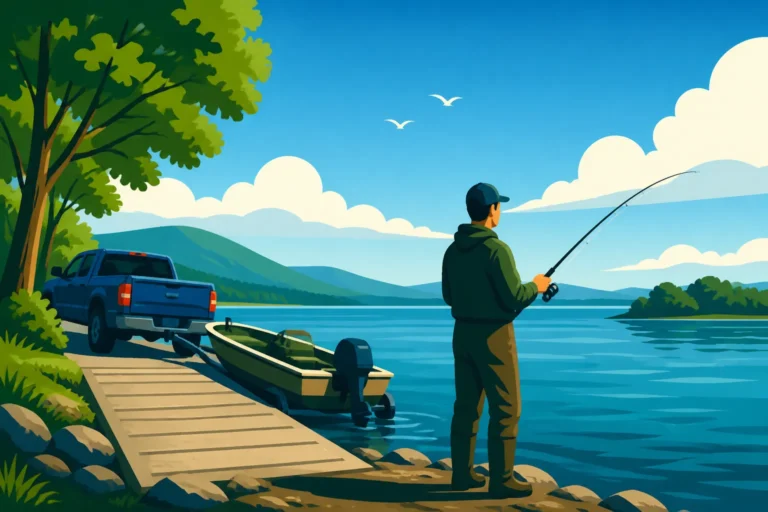
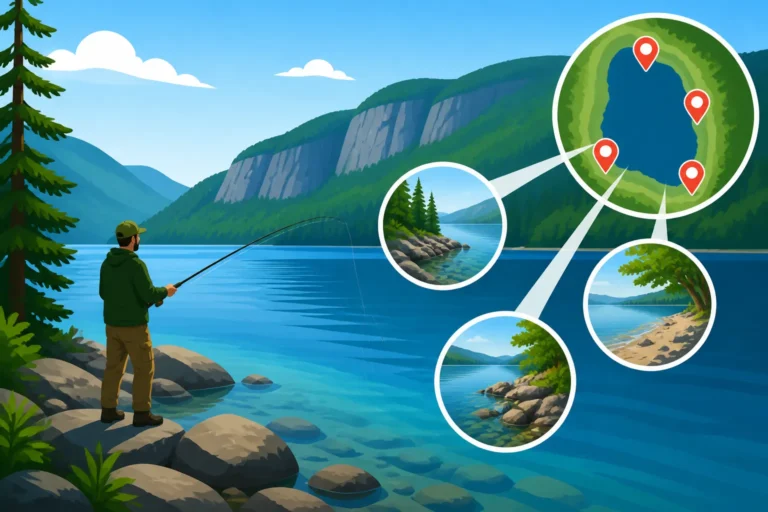
Gaining access to the Winooski River for smallmouth bass fishing can sometimes feel like a puzzle, but with the right information, you'll discover numerous public access points that open up fantastic opportunities. From designated boat launches to tucked-away shore fishing spots, the river offers a range of options for anglers with different preferences and gear.
Upstream and Mid-River Access Points
As the Winooski flows through central Vermont, particularly in areas like Montpelier, Middlesex, and Waterbury, it offers excellent opportunities for wading and kayak fishing. These sections are characterized by varied flows, rocky bottoms, and numerous rapids and pools that are ideal smallmouth habitat.
- Duxbury Road Access (Duxbury): One of the well-known Vermont Fish and Wildlife access points is located off Duxbury Road, providing a convenient put-in for kayaks or canoes. This section features a mix of faster water and deeper pools. Parking is typically available, making it a good spot for anglers looking to explore a stretch of river by floating downstream or wading carefully. The banks here offer some shore fishing, but the best way to cover water is from a small craft.
- Montpelier Area: Within the state capital, there are several informal access points. Public parks along the river, like those near the Montpelier Recreation Path, can offer decent shore access, especially for those willing to walk a bit. While often bustling with city life, the river here still holds plenty of smallmouth, particularly around bridge pilings and deeper bends. Look for areas where the path runs close to the water and observe any informal trails leading to the bank. Just be mindful of city regulations and private property.
- Waterbury Village Access: Further upstream, the Winooski flows through Waterbury. There are municipal access points within Waterbury Village that allow for shore fishing and even some kayak launching. These spots might be less about wilderness and more about convenience, but they can still produce good numbers of smallmouth, especially during the right seasons. The river in this area can be quite wide and offers good current breaks.
Downstream Access Points Nearing Lake Champlain
As the Winooski approaches its confluence with Lake Champlain, it widens, slows, and takes on more characteristics of a larger, navigable waterway. These sections are excellent for boaters, but still provide ample shore and kayak fishing opportunities.
- Winooski Falls Park (Winooski City): Right in the heart of Winooski, this park offers excellent shore fishing opportunities, particularly below the historic falls. The churning water and rocky structure create prime ambush points for smallmouth bass. While it might be an urban setting, the fishing here can be surprisingly good, especially when the water levels are cooperative. Parking is usually accessible, and it’s a great spot for a quick fishing trip without needing a boat.
- Delta Park (Colchester): Located where the Winooski River finally spills into Lake Champlain, Delta Park is a fantastic access point. It features a boat launch, ample parking, and extensive shore access along the river delta. This area is a transition zone, where river smallmouth mingle with their lake-dwelling counterparts. The shallow, weedy bays and rocky points are all productive. You can launch a full-sized bass boat, a kayak, or simply walk the shoreline. The diversity of habitat here means you can target bass in various ways, from casting shallow crankbaits to working deeper jigs. If you're considering a guided trip to explore this expansive area, especially where the river meets the lake, remember that services like FishingBooker can help you connect with local guides who specialize in these transitional waters.
- Causeway Park (Colchester/Burlington): While technically on Lake Champlain, the access around Causeway Park and the bike path offers opportunities to fish the broader mouth of the Winooski or the adjacent lake waters where smallmouth will congregate. It's more about fishing the influence of the river rather than the river itself, but it's crucial for understanding the complete picture of Winooski smallmouth.
Here's a quick overview of some key access points:
| Access Point | Location | Type of Access | Notes |
|---|---|---|---|
| Duxbury Road Access | Duxbury | Shore, Kayak/Canoe | Designated VFWD access, good for wading or floating. Parking available. |
| Montpelier Area | Montpelier | Shore | Public parks along recreation path, informal access. Be mindful of urban environment. |
| Waterbury Village Access | Waterbury | Shore, Kayak/Canoe | Municipal access within the village, convenient. |
| Winooski Falls Park | Winooski City | Shore | Excellent urban fishing below the falls. Parking available. |
| Delta Park | Colchester | Boat Launch, Shore | Prime access at the river's mouth on Lake Champlain. Large parking, good for all boat types and shore anglers. |
Respecting Boundaries: Public vs. Private Access
River fishing, especially on a waterway like the Winooski that flows through both public lands and private properties, requires a keen awareness of where you can legally cast your line. The frustration of setting up only to realize you’re trespassing is something every angler wants to avoid. Understanding Vermont’s regulations and landowner rights is paramount to ensuring a pleasant and legal fishing experience for everyone.
Identifying Public Access and Navigating Private Land
Vermont law generally grants public access to fish navigable waters, but accessing those waters often involves crossing private land. This is where the nuance lies. Public access points, managed by the Vermont Fish and Wildlife Department (VFWD), are clearly marked and provide designated parking and entry to the water. Always prioritize these official access points. When you're floating downriver in a canoe or kayak, you generally have the right to fish the water itself, even if the streambed or banks are privately owned. However, stepping onto private land without permission for purposes other than essential portaging around an obstruction (like a dam or waterfall) is trespassing.
It’s always a good practice to consult the VFWD's online fishing access area maps. These resources are invaluable for pinpointing legal access points, including boat launches and shore fishing areas. These maps often show parcel lines or clearly delineate public easements. When in doubt, err on the side of caution. Knock on a door and ask for permission, or simply move on to a clearly marked public access point. A friendly conversation can often open up opportunities, but disrespecting boundaries can jeopardize access for all anglers. For more details on specific regulations, our guide on Vermont Fishing Regulations Explained can be incredibly helpful.
The Role of Courtesy and Conservation
Beyond legalities, extending courtesy to private landowners is a moral imperative. Leaving no trace, packing out all trash, and respecting fences and property lines builds goodwill, which is vital for maintaining access to our beloved fishing spots. Imagine finding a pristine stretch of river littered with someone else’s garbage – it makes anyone, especially a landowner, less inclined to welcome anglers.
Conservation also plays a huge role. Practicing catch-and-release, especially for larger smallmouth bass, helps sustain healthy populations. The Winooski’s smallmouth fishery is robust, but responsible angling ensures it stays that way for future generations. Knowing and adhering to specific Vermont Bass Minimum Length Limits is also crucial for responsible fishing.
Techniques and Tactics for Winooski River Smallmouth
Successfully targeting smallmouth bass on the Winooski River requires a blend of adaptable techniques and an understanding of river dynamics. These aren't your typical pond bass; they're streamlined, powerful, and keenly attuned to current and structure.
Reading the River: Key to Success
The most important "technique" for river smallmouth is learning to read the water. Smallmouth bass orient themselves to current, using it to their advantage for feeding and conserving energy. Look for:
- Current Seams: The distinct line where fast water meets slow water. Bass often sit in the slower water, darting into the current to grab prey.
- Eddies: Swirling pockets of slower water behind obstructions like large rocks, logs, or bridge abutments. These are prime resting and feeding lies.
- Riffles and Rapids: While intimidating, the deeper pockets and submerged rocks within these fast-moving sections are excellent hiding spots. Cast upstream and let your lure drift naturally through these areas.
- Deep Pools: Found on the outside bends of the river or below rapids, these pools often hold larger fish, especially during bright days or colder water periods.
- Submerged Structure: Logs, boulders, rock piles, and even old tires can provide cover and ambush points.
Developing this "river sense" takes time on the water. Pay attention to where you get bites, and try to understand why the bass was there. This knowledge is transferable and will improve your success on any river. If you're new to this, a local guide found through a service like FishingBooker can teach you these nuances firsthand. They often have years of experience reading these specific currents and structures.
Top Baits and Lures for Winooski Smallmouth
River smallmouth are opportunistic feeders, and a variety of lures can be effective. Your tackle selection should focus on presentations that can handle current and imitate common river forage.
- Spinnerbaits and Buzzbaits: Excellent for covering water quickly, especially around current seams and submerged cover. Their flash and vibration are irresistible.
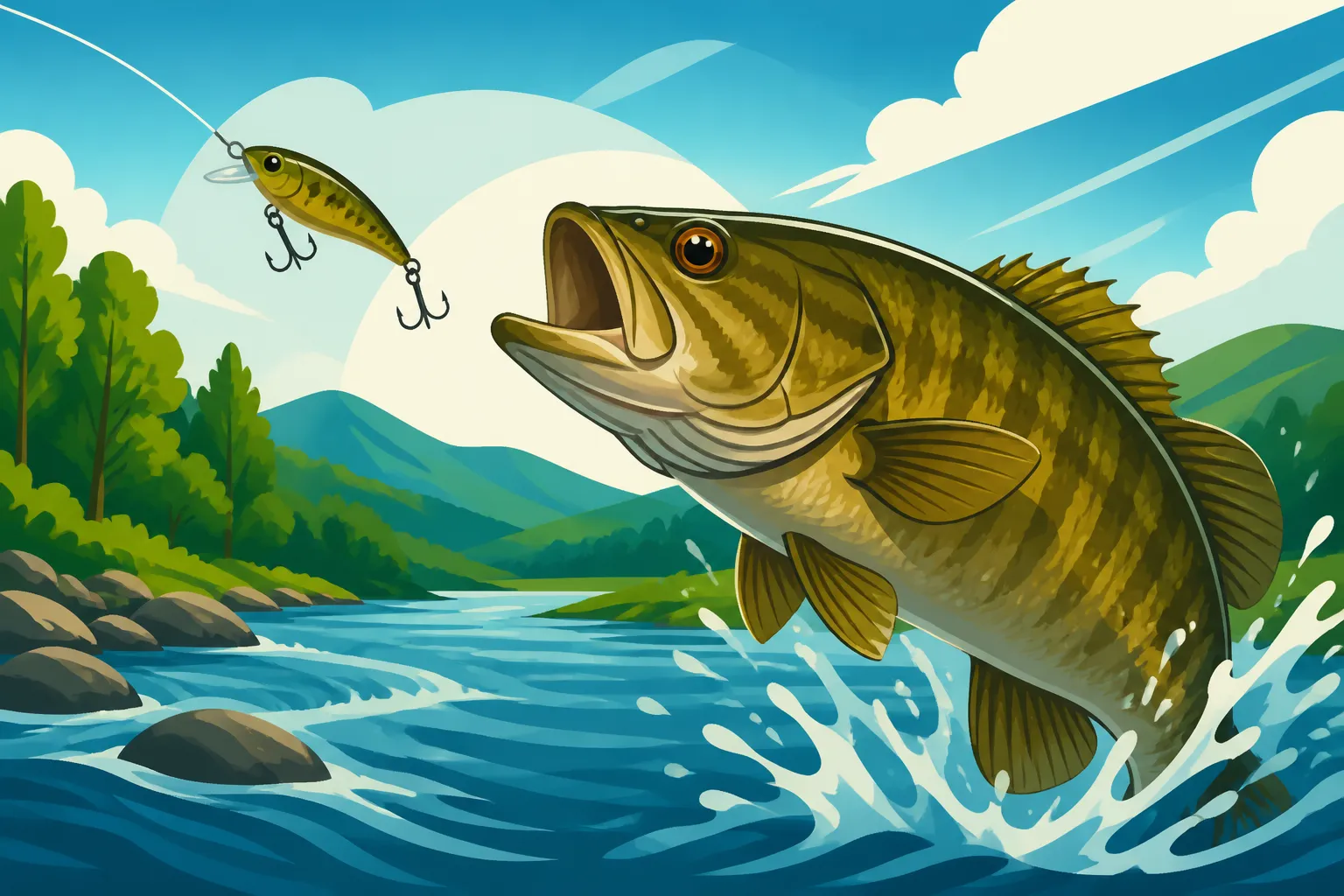
- Crankbaits: Choose models with a tight wobble that dive to the appropriate depth for the section you’re fishing. Natural crawfish or baitfish patterns are highly effective. For deeper pools or current, you might need a heavier lip or a deeper diving model.
- Soft Plastics: Tubes, grubs, and creature baits rigged on jig heads are deadly. Finesse presentations, like a tube jig hopped along the bottom, can entice even wary bass. Consider colors like green pumpkin, watermelon, or brown to imitate crawfish. If you want more specifics on lures, our guide on Best Baits for Smallmouth Bass on Lake Champlain has some great crossover ideas.
- Jigs: Bucktail jigs, hair jigs, or rubber-skirted jigs with a craw trailer are phenomenal. Cast them upstream and let them drift and bounce naturally with the current.
- Topwater Lures: Poppers, walk-the-dog baits, and prop baits can be incredibly exciting, especially during low-light conditions or on cloudy days in calmer sections. Nothing beats the thrill of a smallmouth blowing up on a topwater lure. Learn more about this exciting method in our article about Topwater Fishing for Smallmouth Bass in Vermont.
Essential Gear for River Fishing
Your gear choice should reflect the challenging nature of river fishing.
- Rod and Reel: A medium-light to medium power spinning rod (6'6" to 7'2") with a fast action is versatile for casting various lures and handling strong smallmouth. Pair it with a 2500-3000 size spinning reel spooled with 8-12 lb test fluorocarbon or braided line with a fluorocarbon leader. A baitcasting setup might be preferred for heavier lures or larger fish. For more specific recommendations, our article on Best Spinning Rods for Smallmouth Bass can guide you.
- Wading Gear: If you plan to wade, sturdy wading boots with felt or rubber soles (depending on the streambed type) and breathable waders are essential. A wading staff provides crucial stability in strong currents and over rocky bottoms.
- Kayak/Canoe: For covering more water and accessing less-fished stretches, a sturdy fishing kayak or canoe is ideal. Look for models designed for river use with good stability and maneuverability. Our guide on Best Kayak for River Fishing in Vermont offers specific advice.
- Safety Gear: Always wear a PFD (personal flotation device) when wading or boating, especially in rivers with strong currents. Carry a first-aid kit, whistle, and know your emergency procedures.
When to Go: Best Times for Winooski Smallmouth
While you can catch smallmouth throughout the open water season, certain times stand out.
- Late Spring/Early Summer: Post-spawn bass are hungry and aggressive. Water temperatures are ideal, and fish are actively feeding in shallower areas.
- Fall: As water temperatures drop, smallmouth feed heavily to build reserves for winter. They often group up in deeper pools or staging areas, making them easier to locate.
- Early Morning/Late Evening: These low-light periods are often the most productive, as bass move into shallower, more open water to hunt. Overcast days can extend these windows of activity.
Always check the current Vermont Fishing Season Dates and Closures before heading out to ensure you're fishing legally. Remember, a valid Vermont Fishing License Guide for 2026 is always required for anyone 15 years or older.
Embarking on Your Winooski Smallmouth Adventure
The Winooski River truly offers a quintessential Vermont river fishing experience for smallmouth bass. It’s a waterway that demands respect, rewards persistence, and continuously challenges anglers to hone their skills. From the faster, rockier sections upstream to the wider, slower delta that empties into Lake Champlain, the Winooski presents a dynamic fishery that will keep you coming back for more.
No matter if you're exploring the current breaks below Duxbury, working the urban eddies near Winooski Falls Park, or casting where the river meets the vastness of Lake Champlain at Delta Park, the potential for hard-fighting smallmouth is immense. Remember to prioritize safety, respect private property, and practice good conservation habits to ensure this incredible resource remains vibrant.
With the right access information, a good understanding of river dynamics, and a willingness to adapt your techniques, you're well on your way to experiencing some of the most exciting smallmouth bass fishing Vermont has to offer. Don't be afraid to experiment, explore new stretches, and most importantly, enjoy the journey on this beautiful Vermont river.
Disclaimer
Please note that fishing regulations, access points, and river conditions can change. Always consult the latest Vermont Fish and Wildlife Department regulations and local advisories before planning your fishing trip. Ensure you have the proper licenses and adhere to all safety guidelines.