Best fishing spots on the Deerfield River
Finding the perfect fishing spot on a river as dynamic and celebrated as the Deerfield can feel like trying to solve a complex puzzle, especially with its varied stretches, changing flows, and specific fish habitats. It's frustrating to drive all that way, only to find yourself at a spot that isn't producing, or worse, is inaccessible. This guide is designed to cut through that guesswork, giving you the insider knowledge on the best fishing spots along the Vermont sections of the Deerfield River, helping you plan a successful and enjoyable trip.
The Diverse Flow of the Deerfield River: What Makes It Special for Anglers
The Deerfield River, a jewel of both Vermont and Massachusetts, carves a remarkable path through stunning landscapes, offering anglers a truly diverse and challenging experience. It’s not just one river; it’s a series of distinct personalities, each shaped by geography and, significantly, by the network of hydropower dams that regulate its flow. Understanding this unique character is the first step to unlocking its fishing potential.
The River's Journey and Hydro-Power Influence
Originating in the mountains of southern Vermont, near the town of Readsboro, the Deerfield River begins as a collection of small, cold tributaries, eventually growing into a substantial waterway. It winds its way through Vermont, then dips into Massachusetts, before returning to Vermont for a short stretch before its confluence with the mighty Connecticut River. This journey creates a fascinating gradient of fishing opportunities. In its upper reaches, it’s a classic freestone trout stream, fast and cold. As it moves downstream, particularly after passing through dam systems in Massachusetts, its character changes, becoming wider, slower, and warmer in sections.
The dams are a crucial element that impacts fishing on the Deerfield. While many of the larger dams are located in Massachusetts, their generation schedules directly influence water levels and temperatures in the downstream Vermont sections. This means an angler needs to be aware of potential rapid rises in water levels, which can be both dangerous and can change fishing conditions dramatically. Before heading out, always check generation schedules, usually available online from utilities like TransCanada or Great River Hydro, to avoid being caught off guard or planning a trip during unfishable high water. These regulated flows, however, also create predictable wade fishing opportunities during non-generation periods, making some sections particularly productive for anglers willing to time their visits right.
What Makes Deerfield River Fishing Unique
What truly sets the Deerfield apart is its incredible variety within a relatively confined geographical area. You can find pristine, wild brook trout streams high in the Vermont headwaters, then drive a short distance downstream to find robust populations of brown and rainbow trout in wider, more accessible stretches. Further down, particularly as it nears the Connecticut River, the water warms sufficiently to support excellent smallmouth bass and various panfish. This means anglers can essentially tailor their trip to their preference, whether that’s technical fly fishing for wary trout or casting spin gear for aggressive bass.
The river's diverse bottom structure, ranging from rocky riffles and deep pools to sandy flats and undercut banks, provides ideal habitat for a multitude of species. This complexity also means that fishing techniques need to be adaptable. What works in a fast, oxygenated riffle for a hungry rainbow might not be effective in a slow, deep pool where a large brown trout lurks. For those interested in mastering the river's complexities, understanding Vermont Fishing Seasons by Month is invaluable, as different species and techniques become prominent throughout the year. Many anglers even hire guides, often found through services like FishingBooker, to navigate the more challenging sections and unlock the best bite for specific species.
Unlocking the Deerfield's Trout Secrets: Upper and Middle River Hotspots
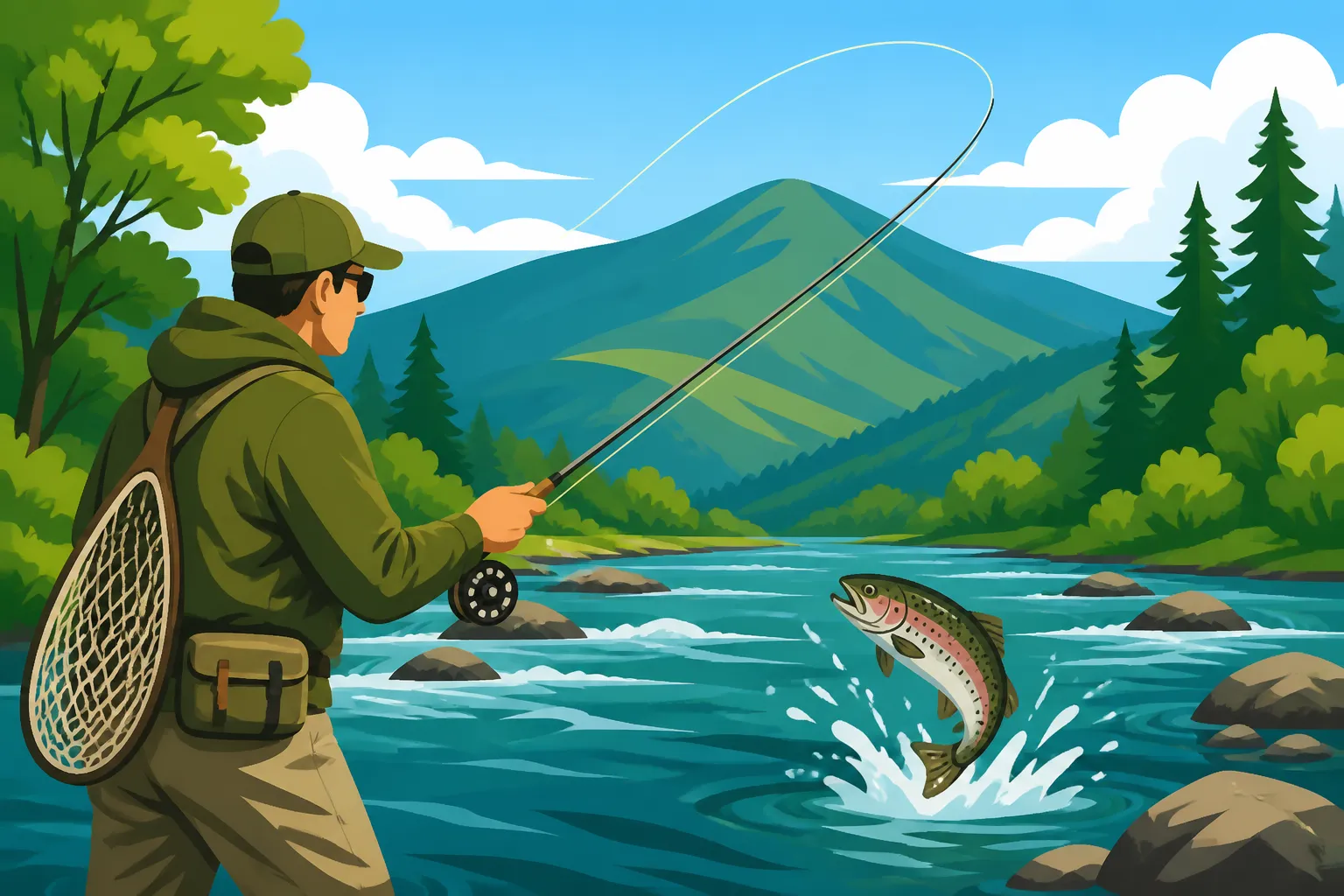
For many anglers, the Deerfield River is synonymous with trout fishing. Its cold, clear waters, especially in the upper and middle sections, provide ideal habitat for brown trout, rainbow trout, and even native brook trout. These stretches are where fly anglers often find their paradise, but spin fishers with the right approach can also find great success.
Upper Deerfield: Wild Trout and Seclusion
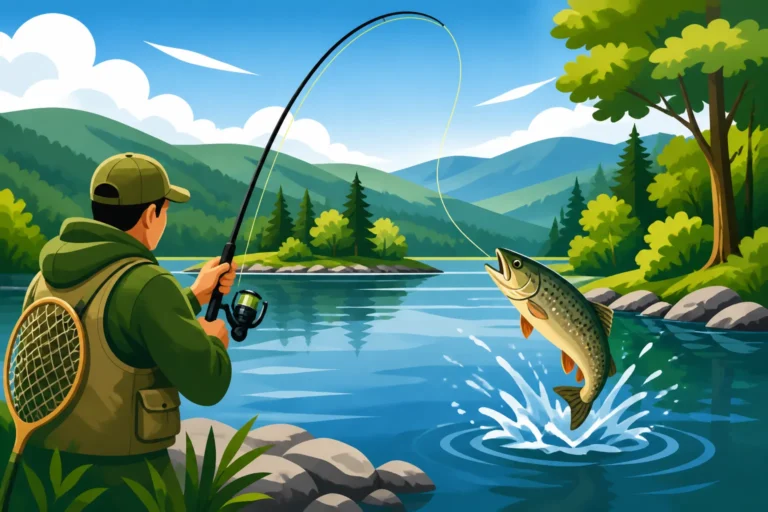
The headwaters of the Deerfield River in Vermont, particularly around the towns of Readsboro and Searsburg, offer a more secluded and wild trout fishing experience. Here, the river is smaller, faster, and truly freestone in nature. Access often involves hiking along state forest lands or finding roadside pull-offs. The fish in these sections are predominantly wild brook trout, often smaller but incredibly vibrant and a true testament to the health of the ecosystem. You might also find some wild brown trout. These areas are perfect for anglers seeking solitude and the challenge of fishing smaller water.
Fishing in these upper reaches typically calls for lighter tackle and a stealthy approach. Fly anglers will do well with small dry flies, emergers, and nymphs, matching the prevalent insect hatches. Spin anglers should opt for ultralight gear, small spinners, and tiny spoons. The reward isn't necessarily about trophy fish, but about the pristine environment and the satisfaction of catching beautiful, wild trout in their natural habitat. If you're planning a trip to these more remote areas, it's wise to review Vermont Fishing Regulations Explained beforehand, as some sections might have special rules regarding gear or catch limits. This pristine environment is a stark contrast to some of the more heavily fished sections downstream, offering a truly tranquil experience.
Middle River: Stocked Fish, Trophy Potential, and Catch-and-Release
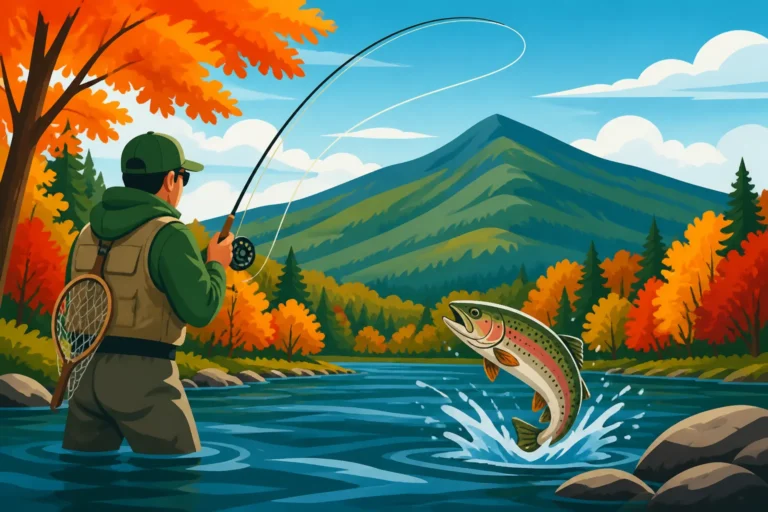
As the Deerfield River flows from Vermont into Massachusetts and then back, the "middle" sections become a powerhouse for trout fishing, particularly for stocked brown and rainbow trout, with some impressive holdovers and wild fish mixed in. In Vermont, areas around Wilmington and West Dover offer excellent access and consistent action. These sections are often wider and have a mix of riffles, runs, and deeper pools, providing varied holding water for trout. The Vermont Fish and Wildlife Department regularly stocks these areas, ensuring a healthy population for anglers.
One of the most popular and highly regarded stretches is the "Trophy Trout Section" below Harriman Reservoir (technically starting further downstream, but the influence is felt). While much of the famed trophy section is in Massachusetts, the character and excellent fishing extend into Vermont. In these sections, it's not uncommon to hook into browns and rainbows exceeding 15 inches, with genuine trophy fish (20+ inches) lurking in the deeper pools and undercuts. For serious trout anglers, exploring Fly Fishing for Trout in Vermont techniques here can be incredibly rewarding. Many stretches are designated as "catch and release" or "artificial lures only," which helps foster larger fish populations. Wading is a primary method of access, but always be aware of the water levels, as controlled releases from the upstream Harriman Dam (part of the larger Deerfield River Hydroelectric Project) can change conditions rapidly. For those looking for precise fishing data, the Vermont Fish Stocking Search Tool, Explained can help identify specific stocking dates and locations on the Deerfield.
Beyond Trout: Exploring the Lower Deerfield for Bass and Panfish
While the Deerfield River is rightfully celebrated for its trout, focusing solely on coldwater species means missing out on some fantastic warmwater fishing opportunities, especially as the river approaches its confluence with the Connecticut River. The lower stretches of the Deerfield offer excellent action for smallmouth bass, northern pike, and a variety of panfish.
Smallmouth Bass Action in the Warmer Waters
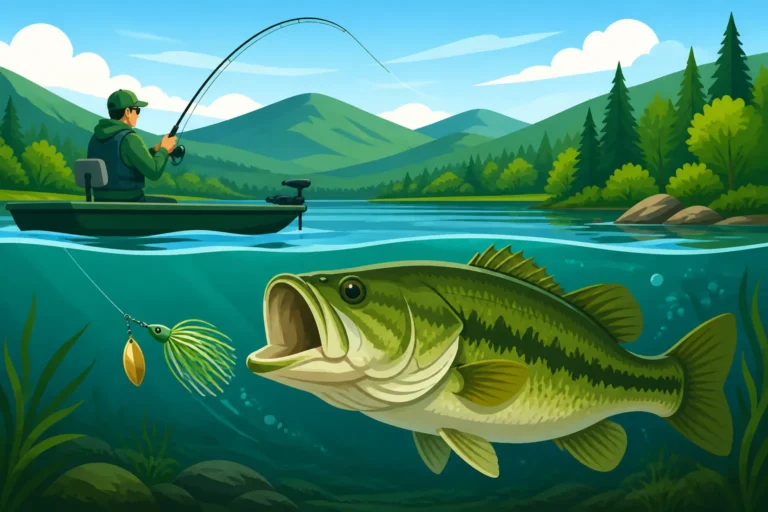
As the Deerfield River widens and its current slows in its lower reaches, particularly below major impoundments and as it draws closer to its merger with the Connecticut River, the water temperatures rise, creating prime habitat for smallmouth bass. These bronze beauties thrive in the rocky, current-swept sections, often congregating around submerged structure, current seams, and deeper pools. Towns like Rockingham and the areas just before the river meets the Connecticut are great places to target smallmouth.
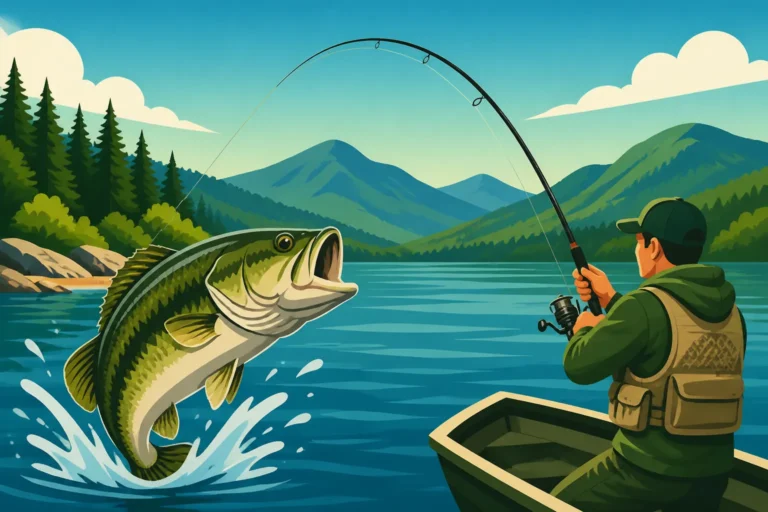
Fishing for smallmouth bass here can be exhilarating. They are aggressive fighters, often jumping and pulling hard, providing a thrilling battle on light to medium tackle. Spin fishing with crankbaits, spinnerbaits, tube jigs, and soft plastics (like senkos or creature baits) can be incredibly effective. Fly anglers can also target them with streamers and poppers, especially during low light conditions or when they are actively feeding on baitfish near the surface. These sections are also great for kayak or canoe fishing, allowing anglers to cover more water and access areas that might be difficult to reach from shore. For those new to chasing these feisty fish, understanding How to Catch Smallmouth Bass in Vermont Lakes can provide a great foundation, adaptable to river scenarios.
Northern Pike and Panfish Diversity
Beyond smallmouth, the lower Deerfield River also holds good populations of northern pike and various panfish. Pike, being ambush predators, will often be found in slower-moving sections, around weed beds, submerged timber, or where feeder creeks enter the main river. They are notorious for their aggressive strikes and sharp teeth, so a wire leader is essential to prevent bite-offs. Large spoons, spinnerbaits, and even live bait (where legal) can entice these toothy predators.
Panfish, including yellow perch, sunfish, and black crappie, are abundant in the calmer backwaters, eddies, and shallower bays of the lower Deerfield. These species offer fantastic action, especially for families or new anglers, and are excellent table fare. Simple setups like a bobber with a worm or small jig are usually all it takes to find success. The diversity of these warmwater species means that anglers can enjoy consistent action even when trout fishing might be slow or out of season in certain areas. It's a great opportunity to explore different techniques and experience the full spectrum of Vermont's fishing offerings. Many anglers also appreciate the opportunity to target Chain Pickerel Habits in Vermont Ponds (or river sections) which share similar habitats with pike and provide exciting, if sometimes frustrating, strikes.
Navigating the Deerfield: Access, Wading, and Safety Considerations
Fishing the Deerfield River is an incredible experience, but it requires careful planning regarding access, understanding wading conditions, and prioritizing safety. This isn't a simple "walk-up-and-cast" river in many places, and respect for its power and unique characteristics is paramount.
Public Access Points and Parking
Finding legal and safe access points along the Deerfield River, especially on the Vermont side, is crucial for a successful trip. While there are numerous pull-offs along roads like Route 100 or various state forest roads, always ensure you are on public land or have permission to access private property. The Vermont Fish & Wildlife Department maintains several designated fishing access areas, often with parking, along the river. These are typically well-marked and provide direct access to productive fishing stretches. Checking local maps or the Fish & Wildlife website before your trip can help pinpoint these locations.
For instance, near Wilmington, there are several bridges and roadside spots that offer good entry points to the middle sections known for trout. Further south, as the river approaches its confluence with the Connecticut, boat launches or hand-carry access points become more common, catering to those targeting bass and pike from kayaks or small boats. Always be mindful of private property signs and avoid blocking driveways or gates. Utilizing a resource like Best Shore Fishing Spots in Vermont can also provide valuable insights, even if specific to the Deerfield, by detailing how to identify similar accessible areas.
Wading Techniques and Safety
Wading is an integral part of fishing the Deerfield River, particularly for trout in the upper and middle sections. However, the river's varied bottom structure, strong currents, and fluctuating water levels mean that proper technique and safety gear are absolutely essential. The bottom can be a mix of slick, algae-covered rocks, loose gravel, and sudden drop-offs. A sturdy wading staff is not optional; it’s a non-negotiable piece of safety equipment that provides balance and helps gauge depth.
Always wear appropriate waders and wading boots with good traction – felt soles are often preferred for their grip on slick rocks, though rubber soles with studs are also popular. When wading, move slowly, testing each step before committing your weight. Avoid wading alone, especially in unfamiliar or fast-moving sections. As mentioned, the hydro-power generation schedule is critical to your safety. A sudden release of water can turn a calm wadeable stretch into a raging, dangerous torrent in minutes. Always keep an eye on upstream conditions and have an exit strategy planned. Even during low flow, there can be deceptively strong currents in certain channels. Detailed information on Wading Techniques for Vermont Trout Streams can help you prepare for the specific challenges presented by the Deerfield. If you're new to river wading, consider going with an experienced angler or hiring a guide through a platform like FishingBooker for your first outing.
Gear Recommendations and Environmental Responsibility
To truly enjoy the Deerfield, having the right gear can make all the difference. For trout, a 4-weight to 6-weight fly rod or an ultralight spinning rod will cover most situations. For bass, a medium-light to medium power spinning or casting rod is ideal. Don't forget a landing net (with rubberized mesh to protect fish), plenty of extra line, and a selection of appropriate lures or flies. For those just starting out or looking for an upgrade, checking out Best Gear for Vermont Trout Fishing can provide a solid list of essentials.
Beyond gear, practicing good environmental stewardship is vital. Pack out everything you pack in, including all trash and discarded fishing line. Be mindful of fragile streambed ecosystems, and practice responsible catch and release, especially for wild trout or trophy-sized fish. Handle fish gently, minimize their time out of water, and ensure they are revived before release. Understanding and adhering to all Vermont Fishing Regulations Explained is not just about avoiding penalties; it’s about preserving this incredible resource for future generations of anglers.
| River Section | Primary Target Species | Best Techniques | Key Access Points / Notes |
|---|---|---|---|
| Upper Deerfield | Brook Trout, Wild Brown Trout | Ultralight Spin, Small Dry Flies, Nymphs | Near Readsboro, Searsburg; often roadside pull-offs in state forests. Expect smaller, wilder fish and more secluded fishing. |
| Middle Deerfield | Brown Trout, Rainbow Trout | Fly Fishing (Nymphs, Streamers, Dry Flies), Spin (Crankbaits, Spinners) | Around Wilmington, West Dover. Known for stocked fish, holdovers, and potential trophy trout. Check hydro-generation schedules for safe wading. Some catch-and-release sections. |
| Lower Deerfield | Smallmouth Bass, Northern Pike, Panfish | Spin (Crankbaits, Jigs, Soft Plastics), Streamers | Closer to Rockingham and the Connecticut River confluence. Wider, slower, warmer water. Good for kayaks/canoes. Look for structure like submerged timber and rocky points. |
Disclaimer
Please remember that fishing conditions, regulations, and access points can change. Always consult the official Vermont Fish & Wildlife Department website for the most current information before heading out. Safety should always be your top priority on the water.