How to fish a smelt-imitating fly for salmon
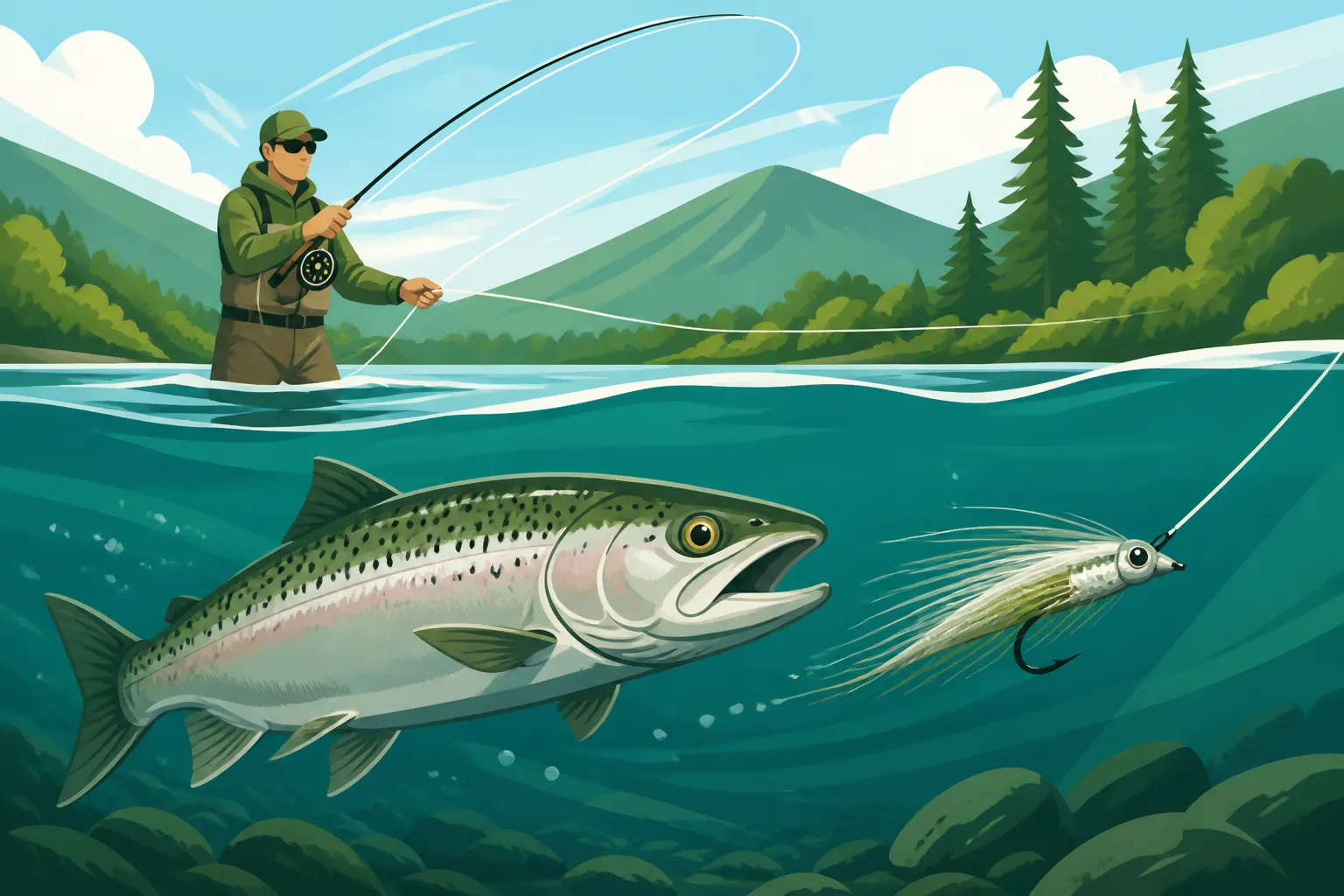
There's a unique thrill that comes with chasing landlocked salmon in Vermont's colder waters, but hitting a wall when they're keying in on specific baitfish can be incredibly frustrating. When these elusive fish are focused on a smelt forage base, presenting the right imitation with the right technique is absolutely critical. This guide is all about equipping you with the knowledge and tactics to effectively fish a smelt-imitating fly for salmon, turning those challenging days into rewarding ones.
Understanding the Salmon-Smelt Connection
Before you even think about tying on a fly, it's essential to grasp why landlocked salmon are so obsessed with smelt. It's not just a passing fancy; it's a fundamental part of their diet and behavior, especially in Vermont's larger, colder lakes. Ignoring this vital connection is like trying to guess what your picky eater child wants for dinner without ever asking them.
Why Smelt Are Crucial Forage
Smelt, particularly rainbow smelt, are the primary baitfish in many of Vermont's deeper, colder lakes, acting as a high-energy food source for predatory fish like landlocked salmon and lake trout. Think of smelt as the ultimate energy bar for these fish – they're abundant, relatively easy to catch for an apex predator, and packed with nutrients. Salmon, being opportunistic predators, will naturally gravitate towards areas where smelt are schooling. Their entire life cycle, from where they feed to how they move throughout the water column, is often dictated by the presence and movements of these small, silvery fish.
Understanding the smelt's lifecycle is key. They often move into shallower areas to spawn in early spring, which can draw salmon into more accessible waters. During the warmer months, smelt retreat to deeper, cooler sections of the lake, taking the salmon with them. This constant dance means that if you want to find salmon, you often need to find the smelt first. It’s a dynamic relationship, and learning to mimic smelt is your way into that world. If you're keen to learn more about these fascinating fish, check out our guide on Rainbow Smelt as Forage Fish in Vermont Lakes.
How Salmon Key In on Smelt
Salmon don't just eat smelt; they hunt them with incredible precision. They're visual predators, and the flash, silhouette, and movement of a smelt school are irresistible to them. When salmon are actively feeding on smelt, they often ignore other food sources. This means that if your fly doesn't look, act, and "feel" like a smelt, you're essentially offering them a vegetable when they're craving steak.
They'll often herd schools of smelt against structure or into open water, picking off stragglers. You might see them slashing on the surface, or your sonar might show bait balls being attacked in the mid-water column. Their keen eyesight allows them to discern subtle differences, so your imitation needs to be convincing. The silver flash, the slender profile, and even the subtle wiggle of a fleeing smelt are all cues that trigger a salmon's predatory instinct. This is why a generic streamer often won't cut it when they're specifically "keyed in" on smelt.
Selecting Your Smelt-Imitating Flies
Choosing the right smelt imitation isn't about having a thousand different patterns; it's about understanding the core characteristics of a smelt and finding flies that replicate them. Just like a chef has a few go-to ingredients for a signature dish, you'll develop a handful of reliable smelt patterns.
Essential Smelt Fly Characteristics
When picking a smelt-imitating fly, you're looking for a few key visual and behavioral cues that scream "smelt!" to a salmon. First and foremost, size and profile are paramount. Smelt are typically slender, elongated fish, ranging from 2 to 6 inches, sometimes larger. Your fly should reflect this. A bulky, short streamer just won't look right.
Next, coloration and flash. Smelt are silvery on their sides and belly, with darker backs, often olive or bluish-green. Materials that offer a subtle flash, like Krystal Flash or Flashabou, woven into the pattern can mimic the iridescent scales of a living smelt. Too much glitter, however, can look unnatural.
Finally, movement in the water. A good smelt fly should have a fluid, darting action when retrieved. This often comes from materials like bucktail, marabou, or various synthetic fibers that undulate and pulse, simulating a live baitfish. Avoid stiff, rigid materials that make the fly swim like a stick. When you're browsing for patterns or materials, perhaps on Amazon, keep these three characteristics at the forefront of your mind.
Top Smelt-Imitating Fly Patterns
There are a few classic smelt patterns that have stood the test of time and consistently trick landlocked salmon. These are your bread and butter, and every angler targeting salmon in Vermont should have a selection of them.
- The Grey Ghost: This classic streamer pattern, with its white and grey bucktail, red throat, and peacock herl body, perfectly mimics a stressed or dying smelt. It's particularly effective in clear water or during low light conditions. The way the wing flows in the water is incredibly lifelike.
- The Black Ghost: A darker counterpart to the Grey Ghost, featuring a black feather wing and body. This pattern shines on overcast days, in slightly stained water, or when salmon are looking for a darker silhouette against a bright sky.
- The Supervisor: Another popular New England pattern, often tied with white, green, and yellow bucktail, and a prominent red hackle. Its flashier nature can be great for attracting aggressive fish or in waters with a bit more chop.
- Lefty's Deceiver: While often associated with saltwater, smaller versions (3-5 inches) tied with a blend of white, grey, or olive bucktail and synthetic flash can be deadly effective. Its design ensures it "swims" upright and sheds water well, creating a natural baitfish profile.
- Conehead and Weighted Streamers: Sometimes, it's less about a specific pattern and more about getting the fly down fast. Patterns like Clouser Minnows or other generic baitfish patterns tied with coneheads or dumbbell eyes can be excellent for reaching salmon holding deeper in the water column or when you need a faster sink rate in current.
Having a range of sizes, from 2 to 5 inches, in these patterns will cover most scenarios.
Techniques for Fishing Smelt Imitations
Having the right fly is only half the battle; knowing how to present it is where the real artistry comes in. Landlocked salmon can be finicky, so varying your technique until you find what triggers them is crucial.
Stripping and Retrieving
This is probably the most common and versatile way to fish smelt imitations. You're trying to mimic a wounded or fleeing smelt, so your retrieve needs to have life.
- Varying Strip Length and Speed: Don't just cast and reel in at a steady pace. Experiment! Try long, slow strips that make the fly glide, followed by quick, short jerks to simulate a startled baitfish. Or, try a series of quick, erratic strips to imitate a panicked smelt trying to escape. A common and effective retrieve is a "strip-pause-strip" rhythm. The pause is often when a salmon will strike, as the fly appears to be falling or dying.
- Angle of Presentation: Pay attention to how the current or boat drift affects your fly. Casting across and slightly upstream, letting the fly swing, and then beginning your retrieve can be very effective, especially in moving water or when drifting from a boat.
- Line Management: Use a sinking line or a sink-tip line to get your fly down to the desired depth. After the cast, let the line sink for a count to reach the fish. Maintaining good line control is essential for feeling subtle takes. If you're on a larger body of water like Lake Champlain, you might need a heavier sink tip to get your fly down to where the salmon are holding.
Trolling with Flies
While fly fishing often conjures images of casting, trolling flies is an incredibly effective technique for covering vast expanses of water and finding actively feeding salmon, especially on large lakes.
- Equipment: You'll typically need a boat equipped for trolling. This often involves downriggers, lead core line, or heavy sinking lines to present your fly at specific depths. A dedicated trolling rod with a softer tip can also help absorb the shock of a salmon strike without ripping the hook out.
- Speed and Depth: This is where experimentation comes in. Smelt are fast, so a faster troll (often 2-4 mph) can be effective. However, sometimes a slower troll is needed to entice lethargic fish. Vary your depth using your downrigger or lead core to find where the smelt and salmon are holding. Start by looking for bait balls on your fish finder.
- Fly Selection for Trolling: When trolling, patterns with good action, even at slower speeds, are preferred. The Grey Ghost, Black Ghost, and even some smaller Lefty's Deceivers are excellent choices. How to rig smelt for landlocked salmon trolling provides excellent insights into natural bait, and much of that depth and speed strategy translates directly to fly imitations.
- Using a "Scent Trail": While you're using flies, sometimes a small piece of natural bait (like a piece of a real smelt) or a scent application on your fly can make a difference, especially when fish are hesitant. Just be mindful of local regulations regarding bait use.
Table: Smelt Fly Retrieval Techniques
| Technique | Description | Ideal Conditions | Strike Trigger |
|---|---|---|---|
| Short, Erratic Strips | Quick, short strips (6-12 inches) with minimal pauses, mimicking a panicked smelt. | Active fish, clear water, low light, when salmon are seen slashing. | Sudden bursts of speed, darting motion. |
| Long, Slow Glides | Long, smooth pulls (1-3 feet) with longer pauses, allowing fly to sink. | Less active fish, deeper water, post-frontal conditions, cautious salmon. | The "fall" of the fly during the pause, appearing like an injured baitfish. |
| Strip-Pause-Strip | A rhythmic sequence of 2-3 short strips followed by a distinct pause. | General all-around technique, great for searching, mimics injured or cruising. | The momentary stop and drop, often triggering an opportunistic strike. |
| Trolling (Boat) | Fly pulled behind a boat at steady speed using lead core or downriggers. | Large lakes, covering expansive water, targeting specific depths. | Consistent presentation, covering more water to find active fish. |
Remember, the goal is always to make your fly look like an easy meal. When you're fishing on Lake Champlain Fishing Guide or Lake Willoughby Fishing Guide, these techniques will be invaluable.
Timing and Location for Success
Even the best fly won't catch fish if it's not in the right place at the right time. Understanding salmon behavior throughout the seasons and day is as important as the fly itself. Vermont's diverse waters, from large lakes to river systems, offer different opportunities.
Best Times of Year
Landlocked salmon fishing with smelt imitations is often at its peak during specific seasons in Vermont.
- Early Spring (Ice-Out to June): This is prime time. As ice leaves the lakes, surface water temperatures are cold, and smelt often move shallower to spawn. This draws salmon close to shore, river mouths, and even into tributary streams. This is an excellent time for casting smelt streamers from shore or from a boat in shallower bays. The salmon are hungry after winter and actively feeding.
- Summer (July-August): As surface waters warm, smelt retreat to the cooler, deeper sections of the lake. Salmon follow them. This means you'll typically need to fish deeper, often by trolling with sinking lines or downriggers. Focus on deep water structure, thermoclines, and areas where bait balls are visible on your electronics. Early mornings and late evenings can still offer shallow water opportunities, especially if you're targeting Best time of day to catch landlocked salmon on Willoughby.
- Fall (September-November): As water temperatures cool again, salmon become more active and begin their pre-spawn migrations. They'll often move back into shallower areas and near river mouths, preparing to spawn. This can offer fantastic fishing opportunities for both casting and trolling smelt imitations, particularly for larger, more aggressive fish. This period can be one of the best for How to Catch Landlocked Salmon in Vermont.
Key Locations and Structures
Vermont's lakes and rivers offer various habitats for landlocked salmon and their forage. Knowing where to focus your efforts will drastically improve your chances.
- Lake Champlain: The sheer size of Lake Champlain means you'll need to focus your efforts. Look for areas where smelt congregate – often around drop-offs, underwater points, and the mouths of larger tributaries. Bay areas with colder springs can also hold fish longer into warmer periods. Trolling is very popular here due to the vastness of the water.
- Lake Willoughby: Known for its deep, clear, cold waters, Lake Willoughby is a prime landlocked salmon destination. The fish here are often found cruising deep ledges, along steep drop-offs, and over vast open water following smelt. Shore anglers can find success in early spring or late fall from specific access points.
- Other Large Lakes: Lakes like Memphremagog and Dunmore also hold landlocked salmon. General principles apply: focus on areas that provide cold, oxygenated water and access to smelt populations. This often means deeper sections during summer and shallower access points during spring and fall.
- River Mouths and Tributaries: In spring and fall, river mouths where tributaries flow into larger lakes are hotspots. Smelt may be moving in to spawn, and salmon will be staging there to feed. Even during summer, these areas can offer slightly cooler water and attract baitfish.
- Underwater Structure: Look for humps, reefs, and sudden depth changes. These act as ambush points for salmon and often concentrate baitfish. Your fish finder is your best friend for locating these underwater features.
Understanding the Landlocked Salmon Life Cycle in Vermont Lakes will give you even greater insight into their movements and where they might be found throughout the year. Remember, fishing is all about adapting and observing. If what you're doing isn't working, don't be afraid to change your retrieve, your fly, or even your location. Sometimes a subtle shift is all it takes to turn a slow day into an unforgettable one. You might even find yourself ordering a few new patterns or some fresh leader material from Amazon for your next outing!
Essential Gear for Smelt Fly Fishing
Having the right rod, reel, and line setup is as important as the flies themselves. You wouldn't bring a butter knife to a steak dinner, and the same applies to salmon fishing. A balanced setup enhances your ability to cast effectively, feel subtle takes, and, crucially, fight strong fish.
Rod, Reel, and Line Selection
For landlocked salmon with smelt imitations, you're generally looking for a setup that can handle larger flies, potentially heavier lines, and powerful fish.
- Fly Rod: A 6-weight or 7-weight fly rod, typically between 9 and 10 feet in length, is a versatile choice. This provides enough backbone to cast larger, wind-resistant streamers and handle the strong runs of a landlocked salmon. For trolling flies, a slightly heavier 8-weight might be preferred for durability. For general purpose Fly Fishing for Trout in Vermont, a 5-weight might suffice, but for salmon, go a bit heavier.
- Fly Reel: A reliable reel with a smooth, strong drag system is non-negotiable. Landlocked salmon make blistering runs, and your reel needs to be able to handle it without seizing up. Ensure it has enough backing capacity (at least 150-200 yards of 20 lb dacron) for those long runs.
- Fly Line: This is critical for controlling your depth.
- Full Sinking Lines: These lines sink at a uniform rate and are excellent for getting flies deep, especially when stripping from a boat or shore in deeper water. Different sink rates (Type III, IV, V, etc.) allow you to target various depths.
- Sink-Tip Lines: These lines have a floating running line with a sinking tip (usually 10-20 feet). They are highly versatile, allowing you to cast and retrieve in shallower water while still getting your fly down. They're also great for swinging flies in current.
- Intermediate Lines: These lines sink very slowly (around 1.5-2 inches per second) and are fantastic for fishing just below the surface in clear, shallow water, especially in early spring or late fall.
Choosing the correct line will depend heavily on the depth you're targeting and the specific conditions.
- Leader and Tippet: A fluorocarbon leader is often preferred for its invisibility and abrasion resistance. A 7 to 9-foot leader tapering to 8-10 lb test is a good starting point. For tippet, matching your leader material and strength is important. If you find salmon are line shy, you might need to drop down slightly in tippet size, but never at the expense of strength when targeting these powerful fish.
Other Important Accessories
Beyond the core fishing setup, a few other items can make your smelt-imitating salmon fishing experience much more enjoyable and successful.
- Wading Gear: If you plan on fishing from shore or wading into river mouths during cooler months, a good pair of chest waders and wading boots with felt or rubber soles (depending on the streambed) is essential. Check out reviews for comfortable and durable options on Amazon.
- Landing Net: A large, soft-mesh landing net is crucial for safely landing and releasing salmon. A net with a long handle is especially useful when fishing from a boat or high bank. Always prioritize the fish's safety.
- Polarized Sunglasses: These are not just for looking cool! Polarized lenses cut glare off the water, allowing you to see submerged structure, detect subtle takes, and even spot cruising fish. They are an indispensable tool for any serious angler.
- Boat and Electronics: If you're targeting salmon on larger lakes like Lake Champlain or Lake Willoughby, a boat equipped with a reliable fish finder and GPS is almost a necessity, especially during summer. These tools help you locate baitfish schools, underwater structure, and the salmon themselves, drastically increasing your efficiency.
- Tackle Bag or Vest: Keep your flies, spare leaders, tippet, and any other essentials organized and easily accessible. A well-organized bag means less fumbling and more fishing.
Putting together the right gear ensures you're prepared for the challenges and rewards of fishing for landlocked salmon with smelt imitations in Vermont. It’s an incredibly satisfying way to connect with these magnificent fish.
Disclaimer
This article is for general informational purposes only and does not constitute professional advice. Laws, prices and regulations vary by location and change over time. Consult a qualified professional for guidance on your specific situation.