Best lakes for trophy walleye in Vermont
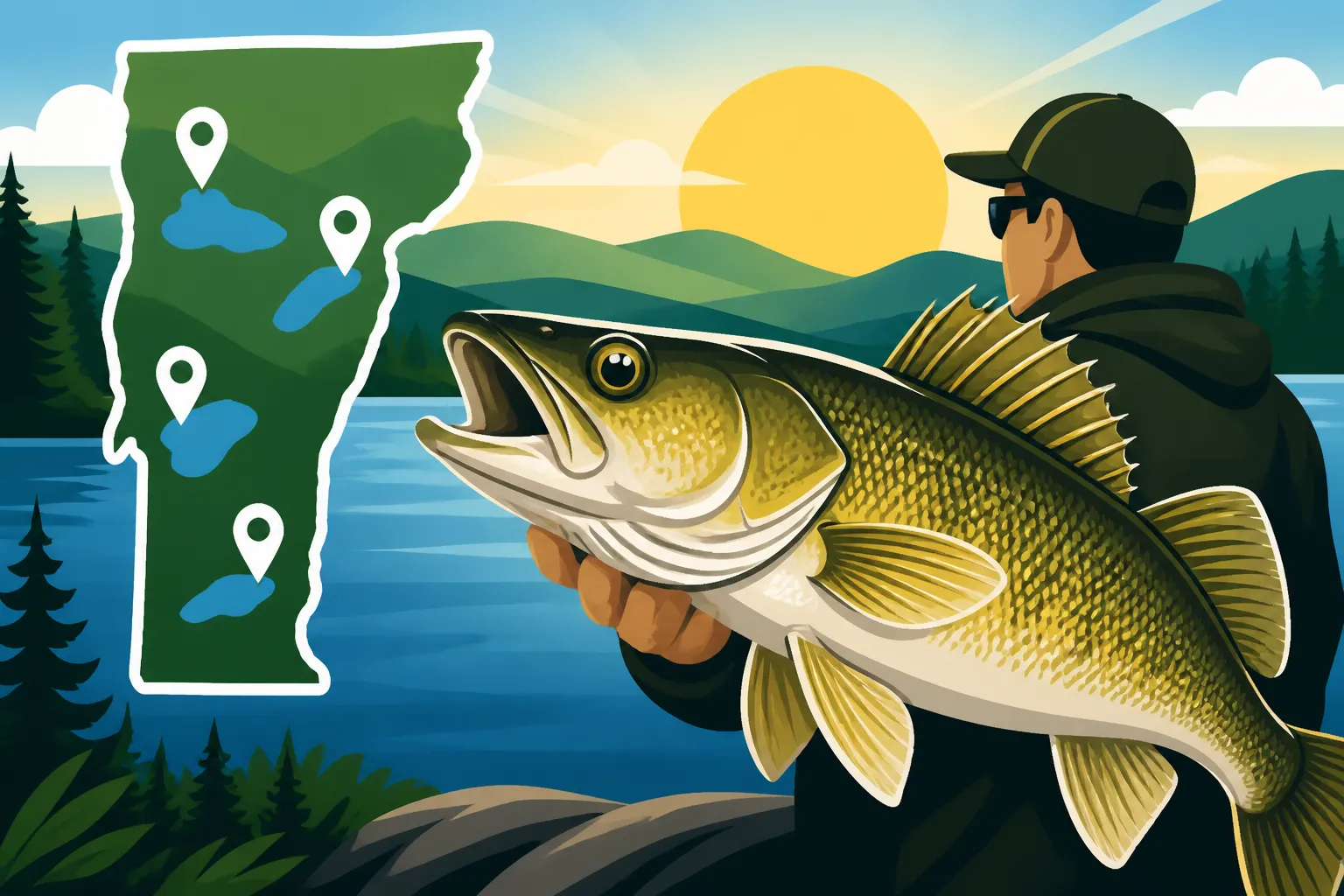
There's a special thrill that comes with chasing a true trophy walleye, that elusive fish of a lifetime. Many anglers dream of the day they hoist a big one, but finding those giants in Vermont takes more than just luck—it takes knowing where they live, what makes them tick, and how to tempt them. This guide is all about helping you zero in on the best lakes in Vermont where those monster walleye lurk, giving you the inside scoop on where to cast your line for that incredible catch.
Defining the Trophy: What Vermont Anglers Dream Of
Before we dive into specific lakes, it's important to set the stage for what "trophy walleye" truly means in Vermont. The Green Mountain State might not be famous for producing the sheer numbers of walleye that some midwestern states do, but when a walleye here grows to a substantial size, it's a testament to its resilience and the richness of its habitat. It's a hard-earned fish, and that makes the chase even more rewarding.
What Makes a Walleye "Trophy-Sized" in Vermont?
When someone talks about a "trophy" walleye in Vermont, they're typically thinking about fish that push the upper limits of the species' size in our local waters. While the state record is certainly a benchmark, most anglers consider a walleye reaching or exceeding 28-30 inches in length to be a true trophy. These are older, wiser fish that have survived countless fishing pressures and natural challenges. They often weigh in the high single digits, sometimes breaking into double-digit pounds, which is a magnificent feat in Vermont's colder, northern waters. Anything over 10 pounds is exceptionally rare and highly sought after, representing years of growth and cunning.
Many factors contribute to a walleye reaching this impressive size. It's not just about age, but also the abundance of forage, the quality of the water, and the overall health of the ecosystem they inhabit. An angler who consistently catches fish in this size range understands the nuances of the lake they are fishing, including seasonal movements and preferred ambush points.
Understanding the Life Cycle and Growth of Vermont Walleye
Walleye in Vermont have a fascinating life cycle that directly influences their potential to become trophy-sized. They typically spawn in early spring, often shortly after ice-out, in shallow, rocky areas of lakes or in tributary rivers. The fry and juvenile fish rely heavily on abundant zooplankton and insect larvae before transitioning to a diet of smaller fish. For a walleye to grow large, it needs a steady, plentiful supply of protein, usually in the form of baitfish like smelt, alewives, or yellow perch. What walleye eat on Lake Champlain is a great resource if you're curious about their diet in specific areas.
The growth rate of walleye can vary significantly between different bodies of water. Lakes with a high density of suitable forage and ideal water temperatures throughout the year tend to produce larger, healthier fish. It takes many years for a walleye to reach trophy status; a 30-inch fish might be 8-12 years old, sometimes even older, making each one a truly special catch. Understanding these growth patterns and where these fish spend their lives is crucial for targeting them effectively.
Lake Champlain: The Undisputed King of Vermont Walleye
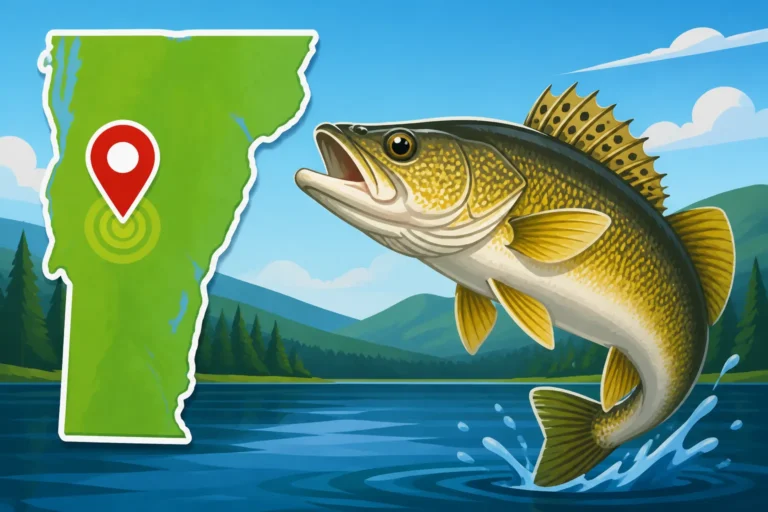
Without a doubt, if you're serious about catching a trophy walleye in Vermont, your primary focus should be Lake Champlain. This massive lake, shared with New York and Quebec, offers the vastness, depth, and forage base necessary to grow walleye to impressive sizes. It’s a diverse fishery, presenting both challenges and incredible opportunities for the dedicated angler.
Prime Walleye Territory on Lake Champlain
Lake Champlain is an immense body of water, and not all areas are created equal when it comes to trophy walleye. The most productive areas for large walleye often involve a combination of deep-water access, rocky structures, and proximity to baitfish schools. The southern end of the lake, particularly around the Ticonderoga and Whitehall sections, is known for its incredible walleye fishery, offering a mix of shallower bays, weed lines, and river channels where big fish can ambush prey. The Central and Northern lake sections also hold giants, especially around prominent points, reefs, and humps where structure provides excellent cover and feeding grounds. You’ll want to pay close attention to depth changes, rocky bottoms, and submerged islands. Best walleye spots on Lake Champlain offers more detailed insights into specific locations.
Another area to consider is Missisquoi Bay, a large, shallower bay in the northern part of the lake. While it can be shallower, its rich ecosystem provides abundant forage, and during certain times of the year, it can hold some truly large walleye, especially around weed edges and subtle depth contours. For those who love to troll, understanding the nuances of these different sections and the structure they offer is key.
Seasonal Strategies for Lake Champlain's Giants
Catching trophy walleye on Lake Champlain is a year-round pursuit, but your strategies will need to adapt significantly with the seasons.
- Spring (Post-Spawn): After the Walleye Spawning Season in Vermont, which often happens in tributary rivers and shallow rocky shores, big walleye are hungry and looking to recover. They'll often move to slightly deeper flats adjacent to spawning grounds, or to main lake points and reefs to feed heavily on baitfish. Trolling crankbaits or casting jigs can be highly effective during this period.
- Summer: As water temperatures rise, walleye generally move deeper, seeking cooler, oxygen-rich water. This is when trolling with planer boards and downriggers becomes crucial to present baits at specific depths. Look for them on deep structure—humps, ledges, and channels—especially during low light conditions or at night. How deep walleye go in summer on Lake Champlain is a topic many seasoned anglers ponder.
- Fall: This is arguably one of the best times to target trophy walleye. As waters cool, fish become very active, feeding aggressively in preparation for winter. They often move shallower again, congregating on main lake points, rocky reefs, and near river mouths. Trolling large crankbaits, jigging spoons, or even casting oversized swimbaits can entice a behemoth.
- Winter (Ice Fishing): Ice fishing for walleye on Lake Champlain is a serious affair. Big walleye can be found on deep flats adjacent to structure, or along deep-water breaklines. Jigging with aggressive spoons or soft plastics, often tipped with a piece of bait, is the standard. Don't be afraid to drill many holes and move frequently to find active fish. Vermont Ice Fishing Season Dates gives a good overview of the broader ice fishing season.
Targeting Big Walleye: Depths, Structure, and Forage
The secret to consistently finding large walleye on Lake Champlain lies in understanding their relationship with depth, structure, and their preferred forage. Big walleye are almost always associated with some form of structure, whether it's a rocky reef, a sharp drop-off, a submerged island, or even large weed beds. These features provide ambush points and cover from predators, as well as holding areas for baitfish.
Depth is equally critical. While walleye can be found shallow at night or during low light conditions, they typically prefer deeper, cooler water during the day, especially in summer. Using a good fish finder is paramount for identifying these features and marking baitfish schools. If you see clouds of baitfish near structure, chances are, walleye won't be far behind. Their primary diet largely consists of rainbow smelt and alewives in Lake Champlain, so matching your lures and presentations to these baitfish is often the most productive approach. For example, imitating a dying smelt with a suspending jerkbait can be deadly on an early spring or late fall evening. What baitfish Vermont walleye key on will help you choose your lures wisely.
Beyond Champlain: Other Vermont Waters with Trophy Potential
While Lake Champlain is undeniably the premier trophy walleye destination in Vermont, it's not the only place. The state has a few other, smaller lakes that, for the dedicated angler, can occasionally produce truly impressive walleye. These spots often require a bit more patience and local knowledge, but the reward of pulling a massive walleye from a less-pressured water can be even sweeter.
Exploring Lake Carmi and Missisquoi Bay
Lake Carmi, located in northern Vermont, is one such lake. While smaller than Champlain, it boasts a healthy walleye population and has a history of producing respectable fish. It's generally shallower and can be quite weedy in areas, which means different tactics than the deep-water trolling often employed on Champlain. Trophy walleye in Lake Carmi will relate heavily to the deeper holes, channels, and weed edges. Fishing during low light periods, either early morning or late evening, tends to be most productive, as these fish often venture out of deeper cover to feed. Jigging or casting shallow-running crankbaits and swimbaits along weed lines can be very effective.
We also mentioned Missisquoi Bay within the Lake Champlain context, but it's worth highlighting as a distinct area due to its unique characteristics. It's a vast, shallow bay, distinctly different from the main lake's deeper, clearer sections. While it might not hold the sheer number of deep-water giants, its incredible biomass of baitfish and rich aquatic vegetation can grow some incredibly fat, powerful walleye. Focus on the main channel running through the bay, deeper pockets, and the dense weed beds. Again, low light is crucial, and casting or slow-trolling can be effective, especially with weedless presentations.
Tactics for Success in Smaller Walleye Lakes
Fishing for trophy walleye in these smaller, often shallower lakes requires a slightly different approach than the vast expanses of Lake Champlain. Here are a few tactics to consider:
- Focus on Low Light and Weather Changes: Walleye in smaller, clearer lakes can be incredibly wary. Overcast days, early mornings, and late evenings are prime times. A change in weather, like an approaching storm front, can also trigger a feeding frenzy.
- Stealth is Key: In smaller waters, boat noise and excessive movement can easily spook fish. Use your trolling motor sparingly and approach spots quietly. For bank anglers, making long casts and minimizing disturbance is paramount.
- Adapt Your Presentation: Where Lake Champlain might demand large trolling spreads, smaller lakes often benefit from more precise casting or slower presentations. Vertical jigging over deep spots, pitching jigs into weed pockets, or slow-trolling smaller crankbaits are often more effective. Pay attention to how the fish are reacting to your retrieve speed and lure color.
- Map and Sonar Exploration: Even in smaller lakes, a good contour map and a fish finder are invaluable. Look for the deepest holes, subtle changes in bottom composition (from soft mud to gravel), and areas where baitfish are congregating. Knowing the structure below the surface gives you a significant advantage.
- Patience and Persistence: These waters can be less consistent for trophy fish, meaning you might have to put in more time between bites. But the reward of a truly massive walleye from these hidden gems is well worth the effort.
Arming Yourself: Essential Gear and Techniques for Trophy Walleye
Chasing trophy walleye isn't just about knowing where to go; it's also about having the right tools and a solid understanding of how to use them. Modern fishing technology and specialized gear can significantly increase your odds of success when targeting these often elusive giants.
Recommended Tackle and Electronics
For trophy walleye, you'll want gear that can handle powerful fish and the demands of consistent use.
- Rods and Reels: A medium-heavy spinning or casting rod, typically 6'6" to 7'6" in length, with a fast action tip and strong backbone, is ideal. This allows for sensitive bite detection while providing the power needed to set hooks and control a large fish. Match it with a quality spinning reel (size 3000-4000) or a baitcasting reel with a smooth drag system. The reels should hold enough line, often 10-15 lb braided mainline with a fluorocarbon leader. You can find excellent options for specific applications on Amazon.
- Line: Braided line is popular for its sensitivity and strength, especially when jigging or trolling deep. A 10-15 lb test braid is common. Always use a fluorocarbon leader (8-12 lb test) at the end of your mainline, as it's nearly invisible underwater and abrasion-resistant, which is crucial around rocky walleye habitat. Best fluorocarbon leader for clear lake bass principles also apply here for walleye.
- Lures and Baits: Your tackle box should be stocked with a variety of options.
- Crankbaits: Both diving and suspending models in natural baitfish patterns (perch, smelt, alewife) and brighter colors for stained water. Examples include Rapala, Berkley, or Storm brands.
- Jigs: From 1/4 oz to 1 oz, paired with soft plastic swimbaits, grubs, or live bait like minnows or leeches.
- Spoons: Casting and jigging spoons, especially for ice fishing or vertical jigging deep structure.
- Live Bait: Minnows (especially larger shiners or chubs), leeches, and nightcrawlers can be incredibly effective, often fished on a simple Lindy rig or under a slip bobber. Best bait for walleye in deep water will provide more insight.
- Electronics: A good fish finder (sonar) with GPS and mapping capabilities is non-negotiable for serious walleye anglers. Look for models with side-imaging or down-imaging to help you identify structure, baitfish schools, and even individual walleye tucked tight to the bottom. Best fish finder for deep lake fishing can make a huge difference in your success. A powerful trolling motor, ideally with GPS anchoring (like a Minn Kota or MotorGuide), allows for precise boat control, which is essential for holding over structure or following contour lines.
Here's a quick comparison of essential gear:
| Gear Type | Purpose | Key Features for Trophy Walleye | Where to Look (Example) |
|---|---|---|---|
| Rod | Hookset & control | Medium-Heavy, Fast Action, 6'6" – 7'6" | Specialized Tackle Shops |
| Reel | Line retrieve & drag | Size 3000-4000 spinning, smooth powerful drag | Online retailers (Amazon) |
| Main Line | Strength & sensitivity | 10-15 lb Braided Line | Fishing Supply Stores |
| Leader | Stealth & abrasion resistance | 8-12 lb Fluorocarbon | Fishing Supply Stores |
| Crankbaits | Trolling & casting | Deep divers, suspending, natural baitfish colors | Amazon |
| Jigs | Vertical jigging & casting plastics | 1/4 – 1 oz, various colors, strong hooks | Local Bait & Tackle |
| Fish Finder | Locate fish & structure | High-res sonar, GPS, mapping, Side/Down-Imaging | Marine Electronics Stores |
| Trolling Motor | Precise boat control | GPS anchoring, strong thrust | Marine Stores |
Advanced Techniques for Targeting Giants
Beyond the basic gear, mastering a few advanced techniques can elevate your walleye game, especially when pursuing those elusive trophy fish.
- Precision Trolling: This isn't just about dragging a lure behind your boat. It involves meticulously monitoring your speed, depth, and lure action to present your bait exactly where the fish are holding. Using planer boards allows you to spread out multiple lines, covering a wider swath and increasing your chances, especially in vast lakes like Champlain. Varying your speed, making slight turns, and paying attention to your depth finder for changes in structure or baitfish concentrations are all critical. Best trolling depth for walleye on Lake Champlain is a good starting point for learning.
- Vertical Jigging on Structure: When you locate walleye huddled on a specific piece of structure, vertical jigging can be incredibly effective. Use your fish finder to stay directly over the fish, dropping a heavy jig (often a blade bait, spoon, or weighted soft plastic) directly down to them. The key is to impart subtle action, mimicking a struggling baitfish, and to be ready for those often light bites. This technique is especially potent during the colder months or when fish are lethargic.
- Night Fishing: Walleye are notoriously light-sensitive and often become much more active after dark, moving shallower to feed. This is especially true for the bigger fish, which often become nocturnal hunters. Trolling shallow-running crankbaits or casting stickbaits along dark shorelines, rocky points, or shallow flats can be incredibly productive. Make sure you have good boat lights and a headlamp (you can pick up a reliable one on Amazon) for safety and handling fish. How to catch walleye at night on Lake Champlain is a fantastic resource if you're venturing out after sundown.
- Understanding Forage and Conditions: Ultimately, becoming a trophy walleye angler means becoming a student of the lake. Learn about the walleye's primary forage in each body of water you fish. What do they look like? How do they behave? How do walleye react to changes in weather, water temperature, or barometric pressure? Big walleye are survivors; they are acutely attuned to their environment. The more you understand these nuances, the better equipped you'll be to put your lure in front of that fish of a lifetime.
Catching a trophy walleye in Vermont is an achievement, a memory that will stick with you for years. While Lake Champlain offers the best odds, don't overlook the potential of other waters. With the right knowledge, gear, and a healthy dose of persistence, your dream of a massive Vermont walleye can absolutely become a reality.
Disclaimer
This article is for general informational purposes only and does not constitute professional advice. Laws, prices and regulations vary by location and change over time. Consult a qualified professional for guidance on your specific situation.