How many trout species live in Vermont
When you're out on a crisp Vermont morning, wading into a cold mountain stream or casting into a deep lake, the term "trout" gets thrown around a lot. But for many anglers, especially those new to the Green Mountain State's incredible fisheries, there's a real question of what exactly counts as a trout, how many different kinds there are, and what makes them unique. This guide is here to untangle the nuances of Vermont's beloved salmonid populations, helping you understand the diverse species you might encounter and why that distinction matters.
Understanding Vermont's Trout Landscape: More Than Just the Basics
It’s easy to think of all those spotted, finned beauties as simply "trout," but the reality is a bit more complex and fascinating. When we talk about trout in Vermont, we're actually referring to several distinct species, some native and some introduced, that contribute to the state's vibrant angling opportunities. Understanding these differences isn't just about trivia; it directly impacts how you fish, where you find them, and how you adhere to local regulations.
What Defines a "Trout" in Vermont?
Biologically speaking, the term "trout" usually refers to fish within the genera Salmo (like the brown trout) and Oncorhynchus (like the rainbow trout). However, in North America, and certainly here in Vermont, we also commonly include fish from the genus Salvelinus, which are technically "char," but are almost universally called trout by anglers. These include our cherished native brook trout and the formidable lake trout. So, when an angler asks "how many trout species live in Vermont?" the answer isn't a simple number, because it depends on whether you're talking strictly scientifically or through the lens of common fishing parlance. We tend to mean all the various members of the salmonid family that behave and are caught like what most folks consider a trout.
For instance, you might pick up a new fly rod and some flies from Amazon for "trout fishing," and those same flies could be effective for a brook trout, a brown trout, or a rainbow trout, even though two are technically "trout" and one is a "char." The practical application of the term often outweighs the precise scientific classification in daily angling conversations.
The Native vs. Stocked Trout Distinction
A crucial part of Vermont's trout story is the difference between native, wild fish and those that are stocked. Our native brook trout are truly wild, reproducing in cold, clean streams and ponds. They've been here for millennia. Other species, like brown and rainbow trout, were introduced to Vermont waters, often from Europe or the Pacific Northwest, respectively. While many of these introduced species now reproduce naturally in certain waters, countless others are raised in hatcheries by the Vermont Fish and Wildlife Department and released into lakes and rivers to enhance fishing opportunities. You can often find information about these efforts with the Vermont Fish Stocking Search Tool, Explained.
This distinction is important not just for conservation purposes, but also for fishing strategy. Wild fish tend to be warier, more attuned to their natural environment, and often require a more subtle approach. Stocked fish, while still beautiful and fun to catch, can sometimes be a bit more aggressive shortly after release, adapting to new surroundings.
The Big Three: Vermont's Primary Trout Species
When most Vermont anglers talk about "trout," they're usually referring to one of these three species. They are the backbone of many of our stream and lake fisheries and each offers a unique challenge and reward to the angler.
The Iconic Brook Trout: Vermont's State Fish
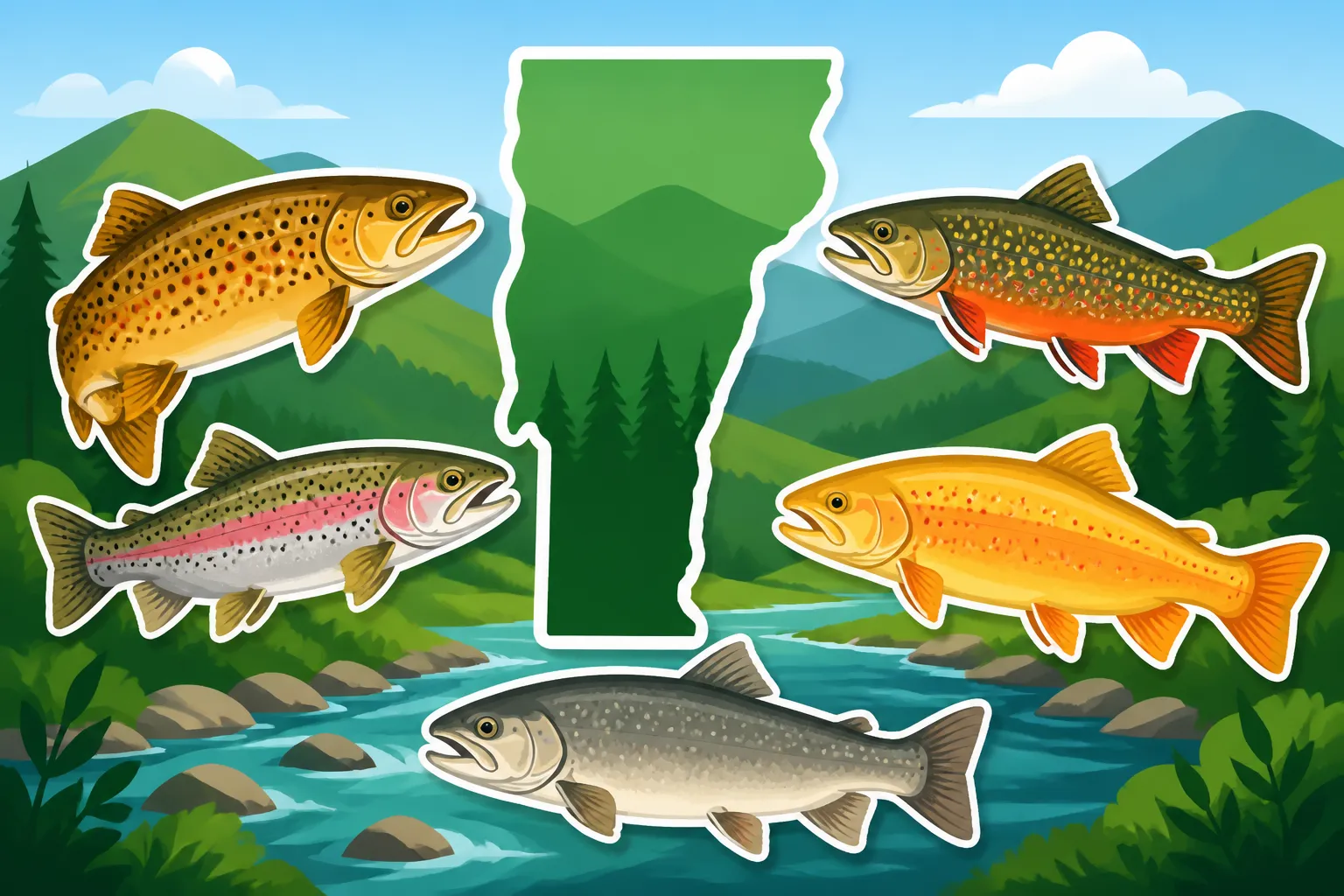
The brook trout, Salvelinus fontinalis, holds a special place in the hearts of Vermonters, and indeed, it's our official State Fish. What sets the brook trout apart, beyond its stunning array of vibrant colors – vermicular patterns on its back, red and yellow spots often ringed with blue halos, and striking white leading edges on its lower fins – is its native status. These are the indigenous fish of our cold, clear mountain streams and pristine ponds. They thrive in environments with good water quality, plenty of shade, and abundant insect life.
Fishing for brook trout is often synonymous with exploring the remote, untouched corners of Vermont. You might hike deep into a state forest, navigating dense woods to reach a secluded beaver pond or a bubbling headwater stream. The fish rarely grow to truly enormous sizes, especially in smaller streams, but a brightly colored ten-inch brook trout from a wild, remote setting is often considered a trophy among seasoned anglers. They are spirited fighters and absolutely gorgeous, a true gem of the Vermont wilderness. If you're looking for more details on these beauties, check out Brook Trout: Vermont's Native Trout.
The Elusive Brown Trout: A European Transplant Thriving in Vermont
The brown trout, Salmo trutta, originally hails from Europe and Western Asia, but it has found a very comfortable home in many of Vermont's rivers and lakes. These fish are known for their golden-brown flanks, often adorned with dark spots and some red spots with lighter halos, particularly on their sides. They are incredibly adaptable, capable of tolerating warmer water temperatures and more turbid conditions than brook trout, which allows them to thrive in larger river systems and lakes across the state.
Brown trout are famous for their cunning and their often-nocturnal feeding habits, especially as they grow larger. Landing a truly big brown trout often requires patience, skill, and a bit of luck. They are also known for their aggressive strikes and powerful fights. Many of Vermont's best-known rivers, like the Battenkill and the White River, are celebrated for their brown trout populations, offering fantastic fly fishing and spin fishing opportunities. You can learn more about where these fish thrive by looking at Brown Trout Habits in Vermont Streams. When shopping for specific lures for these wily fish, browsing Amazon for brown trout patterns can yield some excellent results.
The Energetic Rainbow Trout: A Favorite for Anglers
Rainbow trout, Oncorhynchus mykiss, are another introduced species, originally from the Pacific coast of North America. They are easily recognized by the iridescent pink or reddish stripe running along their lateral line, which gives them their name, and their generally silvery body flecked with small black spots. Rainbows are incredibly popular with anglers due to their acrobatic fights and willingness to strike a variety of baits and lures. They are often stocked heavily in many of Vermont’s rivers and lakes, providing immediate fishing opportunities, especially in accessible areas.
These fish are strong fighters, often leaping clear of the water when hooked, making for an exciting battle. While many rainbows you catch are stockers, wild populations do exist in some Vermont waters, particularly in larger rivers where they have found suitable spawning grounds. They prefer cooler, well-oxygenated water, similar to brook trout, but can adapt to a wider range of conditions than their native cousins. For those interested in the stocking efforts, Rainbow Trout Stocking in Vermont provides a wealth of information.
Beyond the Mainstream: Other Salmonid Species Often Grouped with Trout
While the brook, brown, and rainbow are the "true" trout in the common angler's mind, Vermont's waters are also home to other fascinating members of the salmonid family that are often caught using similar techniques and are frequently referred to as "trout" by many.
Lake Trout: The Deepwater Giants
Lake trout, Salvelinus namaycush, are large, cold-water char native to Vermont's deeper lakes, most notably Lake Champlain and Lake Willoughby. These fish are true predators of the deep, often found in the colder, oxygen-rich waters far below the surface, especially during the warmer months. They have a more elongated, torpedo-shaped body than brook trout, with light spots on a darker body, and a deeply forked tail. While they share the genus Salvelinus with brook trout, their behavior and habitat are vastly different.
Catching a lake trout typically involves specialized techniques like deepwater trolling with downriggers or vertical jigging over submerged structures. These fish can grow to impressive sizes, offering a powerful, sustained fight that tests both angler and tackle. They are a prized catch for their size and the challenge they present. Exploring more about these magnificent fish can be done by reading Lake Trout Fishing in Vermont. Finding the right heavy-duty tackle for lake trout on Amazon can make a huge difference in your success.
Landlocked Salmon: The Aerial Acrobats
Landlocked salmon, Salmo salar sebago, are another incredible salmonid found in some of Vermont's larger, deeper lakes, such as Lake Champlain, Lake Willoughby, and Seymour Lake. These fish are genetically identical to Atlantic salmon but have adapted to live their entire lives in freshwater, rather than migrating to the ocean. They are sleek, silvery, and renowned for their spectacular acrobatic leaps when hooked, often making multiple jumps and powerful runs.
Landlocked salmon are primarily pelagic, meaning they cruise open water, often preying on schools of baitfish like rainbow smelt. Trolling with lures that mimic these baitfish is a common and effective technique. They are a challenging and highly sought-after game fish, revered for their beauty and fighting spirit. If you're curious about where these fish call home and how they behave, Landlocked Salmon Fishing in Vermont offers excellent insights.
Splake: A Unique Hybrid
Splake, Salvelinus namaycush x Salvelinus fontinalis, are a fascinating hybrid created by crossing a male brook trout with a female lake trout. These fish are sterile, meaning they cannot reproduce, and are stocked in certain Vermont lakes and ponds to provide unique fishing opportunities. They tend to grow faster and larger than brook trout but don't typically reach the immense size of lake trout. Their appearance is a mix of both parents, often displaying some of the brook trout's vibrant colors and spots, but with a tail that is less forked than a pure lake trout and more rounded like a brook trout.
Splake combine some of the best attributes of their parent species – they are aggressive biters and strong fighters. They offer a good angling challenge and can be found in a variety of depths, depending on the water body and season. They are truly a unique addition to Vermont's diverse fishing scene.
Why Knowing Your Trout Matters: Conservation, Regulations, and Better Fishing
Understanding the different species, whether "true" trout or commonly called trout, is much more than just academic knowledge. It has practical implications for every time you step out with a rod and reel in Vermont.
Impact on Fishing Regulations and Bag Limits
Each species of trout and char in Vermont often has specific regulations regarding minimum length, daily bag limits, and even seasonal closures. For example, the daily limit for brook trout in a specific stream might be different from that for brown or rainbow trout. Lake trout and landlocked salmon in larger lakes often have their own unique sets of rules, reflecting their slower growth rates and specific management goals. Ignorance of these rules isn't an excuse, and knowing what you've caught is the first step in legal compliance. You can delve into the specifics in resources like Vermont Bag and Possession Limits by Species and Vermont Fishing Regulations Explained. Keeping a laminated copy of the current regulations, perhaps tucked into a tackle box ordered from Amazon, is always a smart move.
Conservation Efforts and Protecting Wild Strains
For native species like the brook trout, knowing where they thrive and how to handle them properly upon release is paramount for conservation. Vermont works hard to protect its wild, native populations by managing habitat, regulating fishing pressure, and sometimes implementing special "catch and release only" or "fly fishing only" sections on certain waters. Proper identification helps anglers appreciate the unique value of a wild brook trout versus a stocked rainbow, fostering a sense of stewardship. When practicing catch and release, using a soft, knotless landing net, which you can find on Amazon, helps protect the fish's slime coat and fins, ensuring its survival.
Improving Your Fishing Success
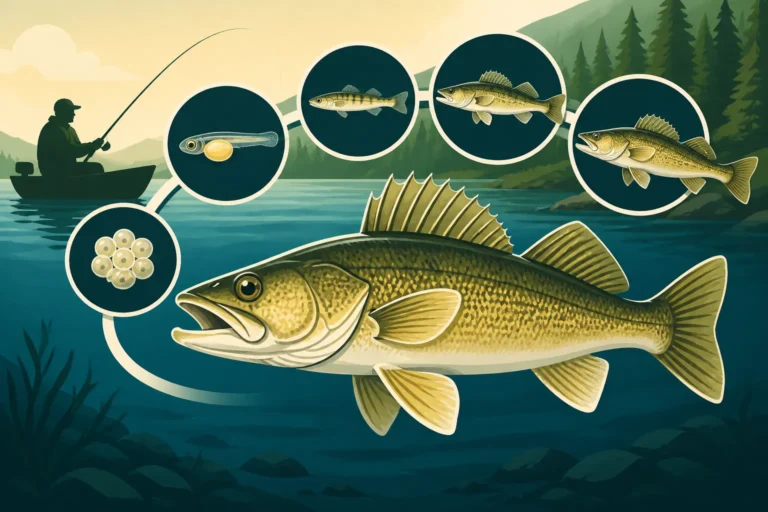
Knowing which species inhabit a particular water body, and understanding their typical habits, feeding preferences, and preferred habitats, will dramatically improve your fishing success. If you're heading to a high-elevation pond, you're likely targeting brook trout. If you're on Lake Champlain in summer, you're probably thinking about deepwater lake trout or pelagic landlocked salmon. Different species respond to different lures, baits, and techniques. For example, a delicate dry fly might be perfect for rising brook trout in a mountain stream, while a heavy spoon or minnow imitation is better for larger brown trout in a big river, or a specialized lure for walleye on Lake Champlain, as detailed in How to Catch Walleye on Lake Champlain. A deeper dive into species identification can be found in a Trout Species Identification Guide for Vermont.
Ultimately, while the precise scientific classification can be a bit of a mouthful, understanding that Vermont is home to a rich diversity of salmonids—including two true trout species (brown and rainbow) and two char species commonly called trout (brook and lake), plus the unique splake hybrid—will make you a more informed, responsible, and successful angler.
Here's a quick overview of the key trout and trout-like species you'll find in Vermont's waters:
| Species Name | Scientific Genus | Native/Introduced | Typical Habitat in Vermont | Key Identification Features | Average Angler Size (inches) |
|---|---|---|---|---|---|
| Brook Trout | Salvelinus (Char) | Native | Cold, clear mountain streams, beaver ponds, pristine small lakes | Worm-like patterns on back, red/yellow spots with blue halos, white fin edges | 6-12 (up to 18+ in ponds) |
| Brown Trout | Salmo (True Trout) | Introduced | Larger rivers, cooler lakes, adaptable to varied conditions | Golden-brown body, dark spots; some red spots with light halos, less vibrant than brook trout | 10-20 (trophies over 25) |
| Rainbow Trout | Oncorhynchus (True Trout) | Introduced | Stocked rivers and lakes, some wild populations in larger rivers | Silvery body, prominent pink/red stripe, small black spots covering body and fins | 10-18 (trophies over 20) |
| Lake Trout | Salvelinus (Char) | Native | Deep, cold, oxygenated lakes (e.g., Lake Champlain, Willoughby) | Grayish body with light spots, deeply forked tail, large mouth | 18-30 (trophies over 35) |
| Landlocked Salmon | Salmo (Salmon) | Native* | Large, deep lakes with smelt populations (e.g., Champlain, Willoughby) | Silvery, sleek body; often fewer spots; strong jumpers; slightly forked tail | 15-25 (trophies over 30) |
| Splake | Salvelinus (Hybrid Char) | Introduced (stocked) | Various lakes and ponds where stocked | Mix of brook and lake trout features; moderately forked tail, some spots/vermiculations | 12-20 |
*Note on Landlocked Salmon: Genetically native to North America (Atlantic salmon), but often stocked in lakes where they cannot access the ocean.
Disclaimer
This article is for general informational purposes only and does not constitute professional advice. Laws, prices and regulations vary by location and change over time. Consult a qualified professional for guidance on your specific situation.