Where tiger trout are stocked in Vermont
It can be incredibly frustrating when you hear whispers about a special, hard-fighting fish like the tiger trout being stocked in Vermont, but then you struggle to pin down exactly where these elusive beauties might be lurking. It feels like a secret club sometimes, right? This guide is here to pull back the curtain, explaining what makes tiger trout so special and, more importantly, how you can find the official information on where they've been stocked in the Green Mountain State.
Understanding the Allure of Tiger Trout in Vermont
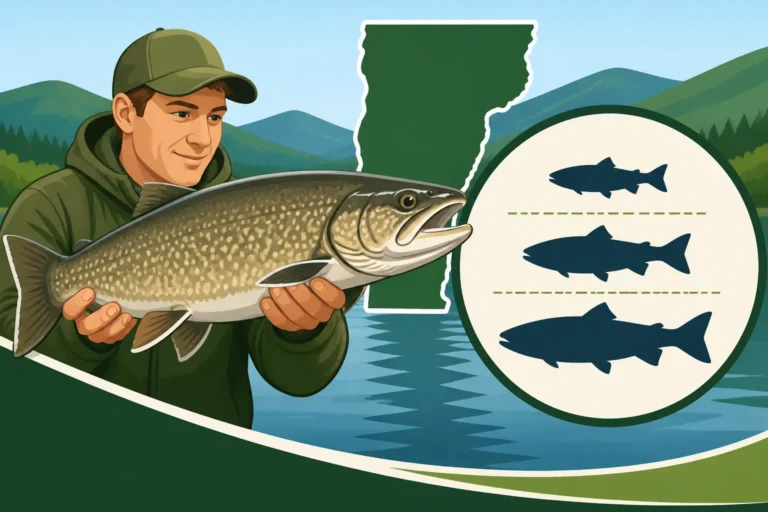
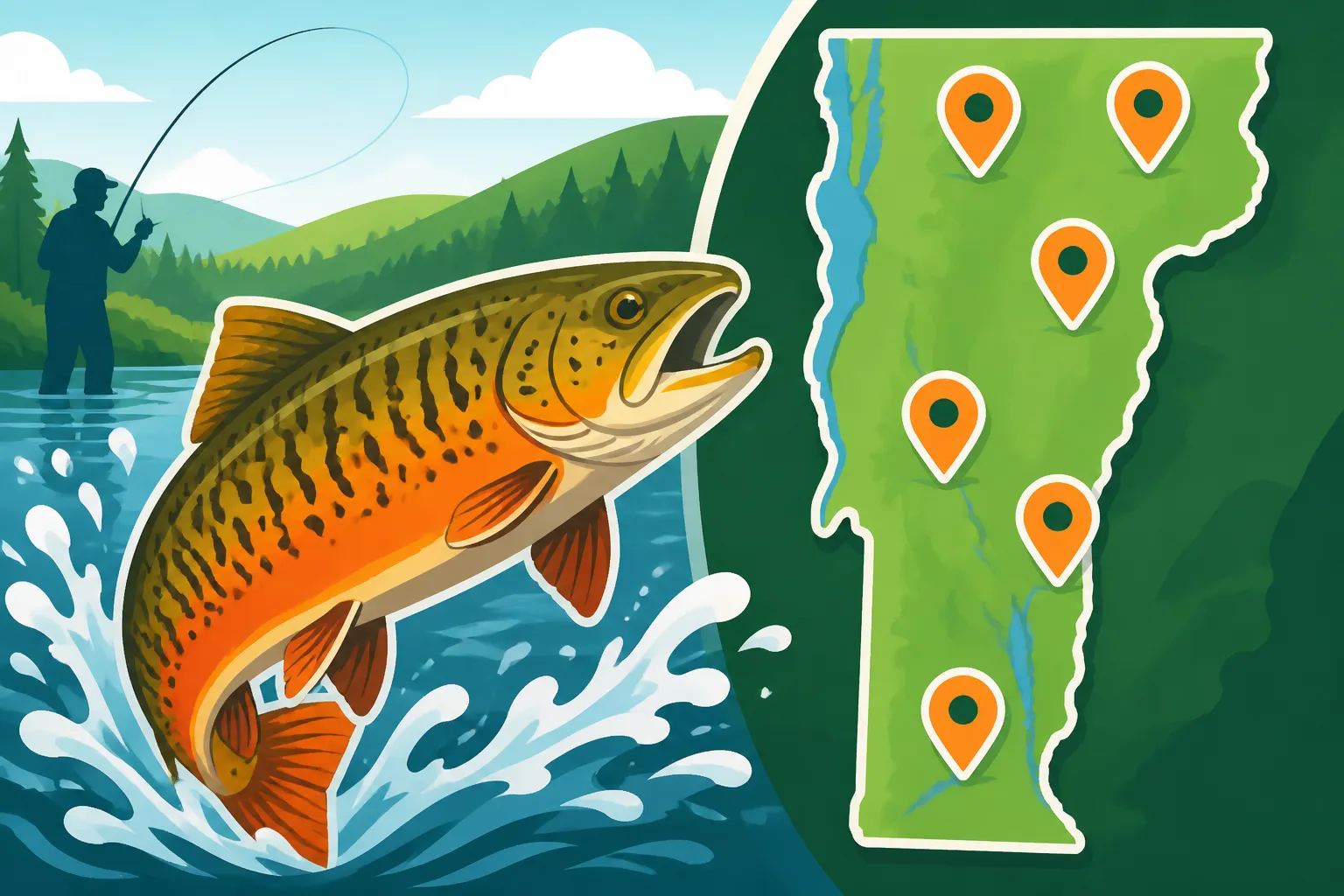
Tiger trout are one of those fish that just catch your eye – literally. Their distinct vermiculated patterns, a mix of stripes and spots resembling a tiger's markings, make them instantly recognizable and a prized catch for any angler. But they're more than just pretty faces; they're also known for their aggressive strikes and strong fights, offering a thrilling experience on the line.
What Makes a Tiger Trout So Unique?
A tiger trout isn't a naturally occurring species in most waters; it's a sterile hybrid, a cross between a male brook trout and a female brown trout. Because they are sterile, they put all their energy into growth rather than reproduction, often leading to them reaching impressive sizes. This unique lineage gives them the best traits of both parents: the beautiful coloration of the brook trout and the hardiness and aggressive nature of the brown trout. For Vermont anglers, catching one feels like winning the lottery because they're not nearly as common as their parent species. It's a special occasion every time one hits the net.
Their distinct look and fighting prowess mean that when word gets out about a stocking, anglers often make a special trip to try their luck. They thrive in similar cool, oxygenated waters where brook and brown trout flourish, making many of Vermont's lakes and larger streams suitable habitats once they're introduced. They are predatory and will readily chase a wide variety of lures and flies, adding to their appeal for anglers looking for an exciting challenge.
Why Vermont Stocks These Hybrid Wonders
You might wonder why Vermont would go to the trouble of stocking a hybrid when we have such fantastic native and established trout populations. The primary reason is often to provide a unique and exciting fishing opportunity that differs from the typical trout experience. Since tiger trout are sterile, they don't compete with native populations for spawning grounds, nor do they pose a risk of altering the genetic makeup of wild trout strains. This makes them an environmentally responsible choice for augmenting specific fisheries.
Furthermore, their aggressive feeding habits can be beneficial in certain situations, sometimes used to help control populations of undesirable fish species in a pond or lake. But mostly, it comes down to sport. Vermont's Fish and Wildlife Department understands that anglers love variety and a good challenge. Stocking tiger trout in select waters creates a special destination fishery, drawing anglers from all over to experience the thrill of catching these beautiful and feisty fish. It's a way to enhance fishing diversity and keep local anglers, and even visiting ones, excited about what Vermont's waters have to offer.
Navigating the Search for Stocked Tiger Trout Waters
Finding out exactly where these special fish are stocked can feel like a scavenger hunt. The key is knowing where to look for official, up-to-date information. Relying on rumors or old fishing forum posts can lead you astray and result in a wasted trip. The Vermont Fish and Wildlife Department is your best friend in this endeavor, as they meticulously track all their stocking efforts.
Official Vermont Fish & Wildlife Resources
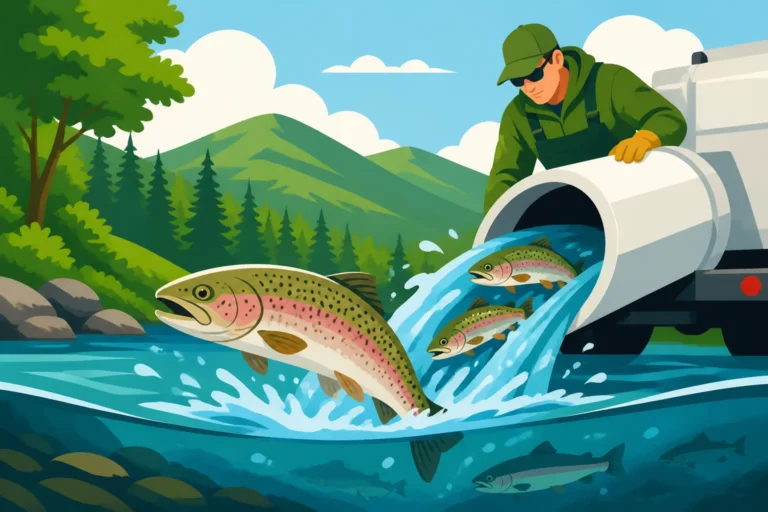
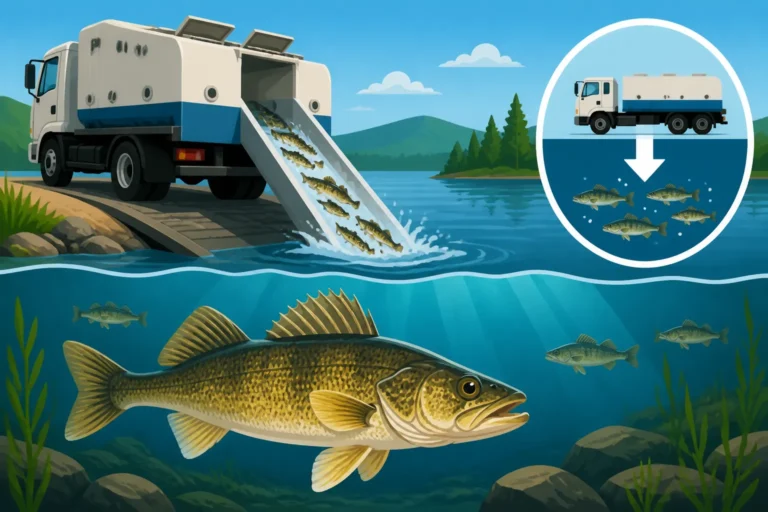
The absolute best and most reliable source for stocking information, including for tiger trout, is the Vermont Fish and Wildlife Department's official website. They usually have a dedicated section for fish stocking reports and schedules. It's not always advertised with flashing lights, so sometimes you have to dig a little, but the information is there. These reports are crucial because they detail not only what species were stocked but when and where. This transparency is incredibly helpful for anglers planning their trips.
Look for a "Fish Stocking Schedule" or "Stocking Reports" link. These databases are typically updated regularly, especially during the active stocking seasons in spring and fall. Keep an eye on these pages, as stocking plans can sometimes change due to weather, water conditions, or fish availability. You might find details on Vermont Fish Stocking Search Tool, Explained or How to use the Vermont fish stocking search tool helpful in navigating these resources efficiently. These tools are designed to empower anglers with the most current data, preventing those frustrating trips to waters where the fish simply aren't there yet, or were stocked months ago and have since dispersed.
Reading the Stocking Reports
Once you locate the stocking reports, understanding how to read them is vital. They're usually presented in a format that lists the water body, the town it's in, the date of stocking, the species (e.g., "Tiger Trout"), and often the number and size of fish released. It's not just about seeing "Tiger Trout" listed; paying attention to the date is crucial. A stocking from last fall might mean the fish have spread out, grown, or been caught, while a recent spring stocking means a fresh batch of eager biters.
Consider the implications of the stocking location too. Is it a small pond, a large lake, or a river section? This will inform your approach to fishing. Small ponds might offer more concentrated fishing, while large lakes mean you'll need to think about how fish might disperse across vast amounts of water. Sometimes, the reports might even specify if they are Vermont Trophy Trout Program Waters, which often receive larger, older fish designed to provide a more substantial challenge. Understanding the details within these reports will save you time and greatly increase your chances of finding those beautiful tiger trout.
Here's a simplified example of what you might find in a stocking report:
| Water Body | Town | Species | Date Stocked | Number Stocked | Average Size (inches) |
|---|---|---|---|---|---|
| Lake Fairlee | Fairlee | Tiger Trout | April 15 | 500 | 10-12 |
| Kettle Pond | Groton | Tiger Trout | May 1 | 250 | 8-10 |
| Silver Lake (Salisbury) | Salisbury | Tiger Trout | October 20 | 300 | 10-13 |
| Kent Pond | Killington | Tiger Trout | May 10 | 400 | 9-11 |
Note: This table provides a hypothetical example. Actual stocking locations and dates would need to be verified through the official Vermont Fish and Wildlife Department resources.
Key Considerations When Targeting Tiger Trout
So, you've done your homework, found a promising stocking report, and now you're ready to hit the water. But tiger trout, while aggressive, aren't always a guaranteed catch. Understanding their preferences and having the right gear can make all the difference between a successful outing and a day of frustration.
Prime Habitats and Forage Preferences
Tiger trout, being a hybrid of brook and brown trout, generally prefer cool, clear, and well-oxygenated waters. In ponds and lakes where they are often stocked, look for them around structure: submerged logs, rock piles, drop-offs, and weed lines, especially where there's access to deeper, cooler water during warmer months. They'll often cruise along these edges, ambushing unsuspecting baitfish or insects. In rivers and larger streams, they'll hold in pools, behind larger rocks, or along current seams, much like brown trout. They are opportunists and will readily consume anything from aquatic insects to small baitfish.
Understanding the forage base in the particular water you're fishing can give you a significant advantage. If a lake is known for having a good population of minnows or smelt, imitating those will be key. If it's a pond rich in insect life, then fly patterns mimicking nymphs, larvae, or even terrestrial insects near the surface can be deadly. They're not overly picky, but matching the hatch or the local baitfish will significantly improve your chances. Always consider the season and water temperature, as these factors heavily influence where fish will hold and what they will be feeding on.
Gear Up for Success
When it comes to tackle for tiger trout, versatility is your friend. Since they can be aggressive, a medium-light spinning rod paired with a good quality reel spooled with 6-8 pound test monofilament or fluorocarbon line is a solid all-around choice. This setup allows for casting a variety of lures and baits. For lures, think small spoons, spinners, and crankbaits that imitate baitfish. Colors that mimic natural forage, like silver, gold, and various greens or browns, are often effective. For a more stealthy approach, particularly in clear water, a fluorocarbon leader can be a real game-changer. You can find a great selection of these on Amazon, often in multi-packs, making it easy to keep your tackle box stocked.
Fly anglers will also find success. A 4-6 weight fly rod with a floating line for dries and nymphs, or a sinking tip for streamers, will cover most situations. Streamer patterns that imitate baitfish, like Woolly Buggers or Clouser Minnows, are excellent for aggressive tiger trout. Nymphs and wet flies can also be very effective, especially if you're fishing rivers or imitating bottom-dwelling insects. Don't forget a pair of quality polarized sunglasses, which you can also pick up from Amazon, to help you spot fish or subtle changes in water depth and structure. Having the right gear, from rods to specialized fly patterns, is detailed further in guides like Best Gear for Vermont Trout Fishing and Fly Fishing for Trout in Vermont. Packing a small tackle box with a variety of options ensures you're ready for whatever the tiger trout decide they're hungry for that day.
Beyond the Stocking: A Broader Look at Vermont's Trout Fisheries
While the pursuit of tiger trout offers a unique thrill, it's also important to remember that they are just one facet of Vermont's rich and diverse trout fishing landscape. The state offers incredible opportunities for anglers interested in other trout species, both wild and stocked, each providing its own distinct challenge and reward.
Exploring Other Stocked Trout Species
Beyond the intriguing tiger trout, Vermont's waters are regularly stocked with a variety of other popular trout species. Rainbow Trout Stocking in Vermont is a common practice, with these beautiful, often acrobatic fish being released into numerous ponds and streams to provide accessible fishing opportunities, especially for families and beginner anglers. They are known for their vibrant colors and willingness to hit a wide range of baits and lures. You'll find that many of the same techniques and general gear that work for tiger trout will also be effective for rainbows.
Brown trout are another heavily stocked species, known for their resilience and ability to grow to impressive sizes, particularly in larger rivers and lakes. They can be a bit more elusive than rainbows, often preferring to hide in structure, but when hooked, they put up a formidable fight. Learning about Brown Trout Habits in Vermont Streams can greatly enhance your success. The Vermont Fish and Wildlife Department is very active in its stocking programs to ensure a robust and enjoyable fishing experience across the state, and information on these efforts is readily available in their official reports. For a deeper dive into the broader picture, check out Trout Fishing in Vermont for a comprehensive overview of all the trout opportunities the state provides.
Wild Trout vs. Stocked Waters: A Balanced Approach
While stocked waters, including those with tiger trout, offer excellent fishing access and consistent action, Vermont is also home to incredible wild trout populations. The native Brook Trout: Vermont's Native Trout thrive in cold, pristine mountain streams and remote ponds, offering a true wilderness fishing experience. These feisty, brightly colored fish are often smaller than their stocked cousins, but catching a wild brook trout from a secluded stream is an experience unlike any other. Areas with Wild trout waters regulations are often managed to protect these delicate populations, sometimes with special rules like catch-and-release or artificial lures only.
Many anglers enjoy a balanced approach, hitting stocked ponds for consistent action one day and then venturing into the backcountry for wild trout the next. Understanding the difference in management and species can help you tailor your fishing trips to exactly the experience you're seeking. Whether you're chasing the exotic tiger trout in a recently stocked pond or seeking the solitude of a mountain stream for wild brookies, Vermont truly offers something for every trout enthusiast. And remember, no matter where you go, always check the Vermont Fishing Regulations Explained for the specific water body you plan to fish to ensure you're compliant with all local rules and limits.
Disclaimer
This article is for general informational purposes only and does not constitute professional advice. Laws, prices and regulations vary by location and change over time. Consult a qualified professional for guidance on your specific situation.