How walleye stocking works on Lake Champlain
Have you ever wondered how Lake Champlain consistently offers such fantastic walleye fishing, year after year? It's easy to assume nature handles everything, but the truth is, a lot of dedicated effort goes into maintaining these populations. This guide pulls back the curtain on the critical role of walleye stocking on Lake Champlain, explaining the strategies, science, and ongoing work that ensures this prized fish continues to thrive for anglers like us.
The Why Behind Walleye Stocking on Lake Champlain
It might seem counterintuitive for a massive lake like Champlain to need help with its fish populations. After all, isn't that what nature is for? However, the reality of managing a vibrant fishery in a dynamic ecosystem means understanding when and why human intervention becomes not just helpful, but absolutely essential. For walleye on Lake Champlain, stocking is a cornerstone of this management strategy.
Addressing Natural Spawning Limitations
Lake Champlain is vast, but it's not a uniform environment. Walleye are quite particular about their spawning habits, preferring rocky shoals, gravel beds, and specific tributary conditions where their eggs can safely settle and hatch. Over time, factors like siltation from runoff, shoreline development, and fluctuating water levels can degrade these critical spawning habitats. While some natural reproduction certainly occurs, it's often not robust enough, or consistent enough, to sustain a thriving population that can withstand fishing pressure and other environmental challenges. The natural system simply can't always keep up with demand or unforeseen stressors.
Another significant factor is the presence of other species and environmental dynamics that can impact walleye eggs and fry. Predation from other fish species, invertebrates, and even waterfowl can take a heavy toll on newly hatched walleye, which are incredibly vulnerable. Water temperature fluctuations and nutrient runoff can also negatively affect egg development and larval survival. So, even if walleye find suitable places to lay their eggs, the journey from egg to a juvenile fish capable of surviving is fraught with peril. This is where stocking offers a crucial boost, introducing fish that have already overcome the earliest, most delicate stages of life in a protected environment.
Enhancing Fishing Opportunities
Let's be honest: a big part of why we love fishing Lake Champlain for walleye is the promise of a good catch. Stocking directly contributes to this by augmenting the number of fish available to anglers. Without supplemental stocking, the walleye population might simply dwindle to a point where fishing for them isn't nearly as rewarding, or even sustainable. It ensures there are enough fish of various age classes to provide a consistent and exciting angling experience, year after year. Vermont walleye limit on Lake Champlain exists to help manage these populations once they're in the lake.
Consider the economic impact, too. A healthy walleye fishery draws anglers from all over Vermont and beyond, supporting local bait shops, tackle stores, guides, marinas, and lodging. These businesses rely on the continued appeal of Lake Champlain as a premier fishing destination. Stocking, therefore, isn't just about fish; it's about sustaining a recreational tradition and the local economies that depend on it. It transforms a potentially struggling natural population into a robust resource that benefits both the environment and the community.
Historical Context of Walleye Management
The story of walleye on Lake Champlain is a long one, marked by ups and downs that have informed current management strategies. Historically, walleye populations in the lake have seen periods of abundance followed by declines, often due to a combination of overfishing, habitat degradation, and environmental changes. These fluctuations taught biologists valuable lessons about the lake's capacity to support walleye and the challenges to their natural reproduction. Early attempts at management, sometimes less scientifically informed, paved the way for the more systematic and data-driven approaches we see today.
The decision to implement a comprehensive stocking program wasn't made lightly. It came from years of research, monitoring, and understanding the specific ecological dynamics of Lake Champlain. It's an adaptive process, meaning the strategies are continually reviewed and adjusted based on new scientific findings and the performance of the fishery. Understanding this history helps us appreciate that current stocking efforts are not a quick fix, but rather a carefully considered and continuously evolving component of a larger, long-term commitment to the health of the Lake Champlain walleye population. Walleye Spawning Season in Vermont is a critical time for natural reproduction, and understanding its limitations is key to effective stocking.
The Science and Logistics of Walleye Stocking
Stocking walleye isn't as simple as just dumping fish into the lake. It's a precise operation backed by scientific research, careful planning, and specialized facilities. The goal is to give these young fish the best possible chance of survival and integration into the lake's ecosystem, ultimately bolstering the adult population for future angling success.
Sourcing the Walleye
The walleye stocked into Lake Champlain don't just magically appear. They are typically raised in state-of-the-art fish hatcheries operated by the Vermont Fish & Wildlife Department, often in collaboration with other agencies or private facilities. These hatcheries maintain healthy "broodstock" – adult walleye specifically kept for their reproductive potential. When the time is right, these adult fish are carefully spawned, their eggs collected and fertilized in a controlled environment. This protected setting significantly increases the survival rate of eggs and very young fish, far beyond what they would experience in the wild.
The controlled environment of a hatchery allows biologists to manage water quality, temperature, and feeding regimes, optimizing growth and health. This meticulous process ensures that the fish released into the lake are robust, free from disease, and at a size where they have a better chance of avoiding predation and finding food. It's a labor-intensive but incredibly effective way to produce large numbers of healthy walleye for stocking purposes. This managed process is a cornerstone of Walleye Fishing on Lake Champlain.
The Stocking Process: Fry vs. Fingerlings
When it comes to stocking walleye, there are two primary stages at which fish are typically released: as fry or as fingerlings. Each approach has its own advantages and disadvantages, and the choice often depends on specific management goals, hatchery capacity, and the characteristics of the water body being stocked.
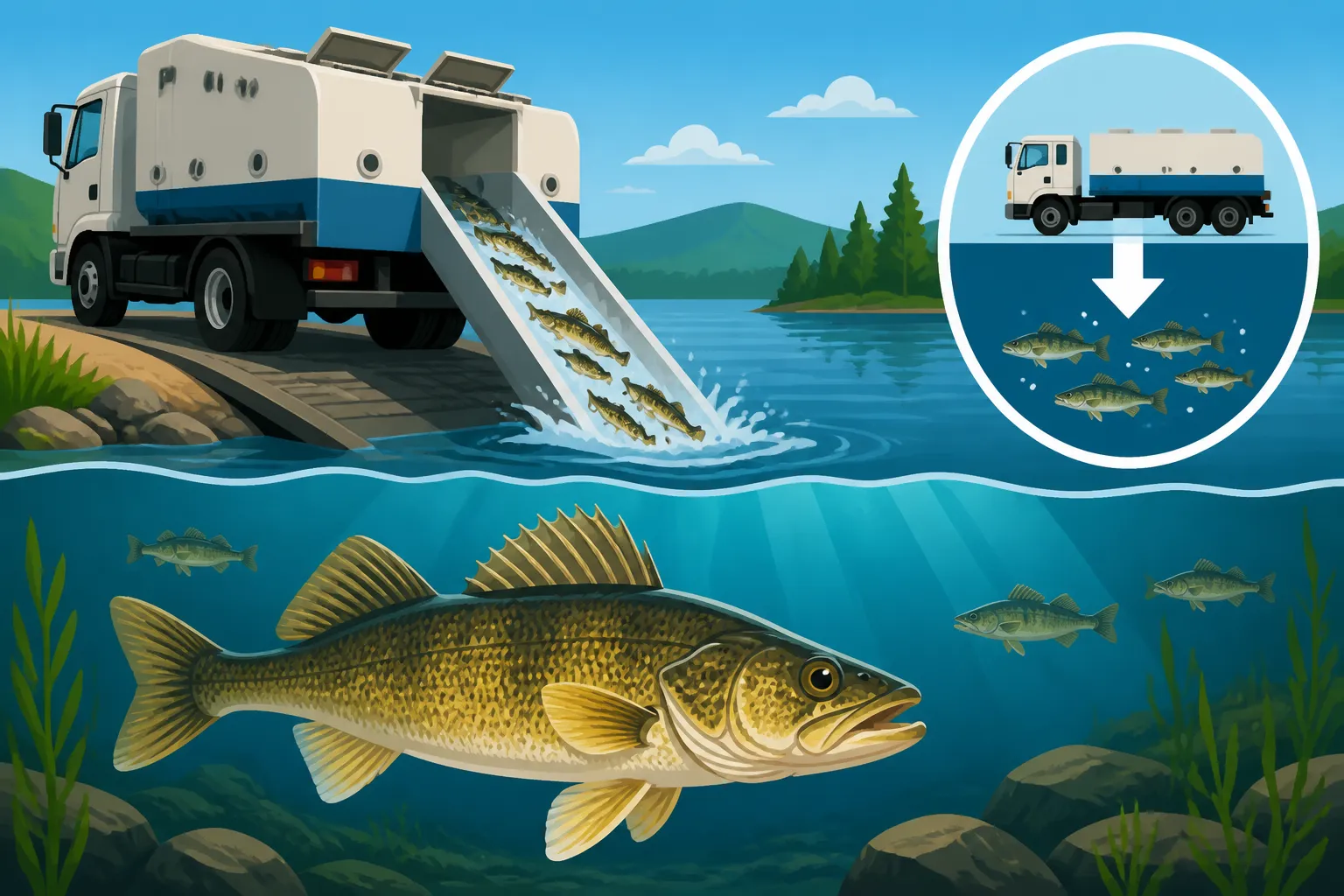
Walleye fry are essentially newly hatched fish, often only a few days old and just barely visible to the naked eye. They are stocked in immense numbers, sometimes millions at a time, into designated areas of the lake. The advantage of stocking fry is the sheer quantity that can be produced and released at a relatively low cost. The disadvantage, however, is their extreme vulnerability. They are tiny, lack developed predatory instincts, and are susceptible to a wide range of predators and environmental changes, leading to a very high mortality rate. The hope is that even with high mortality, enough will survive to contribute to the adult population.
Fingerlings, on the other hand, are young walleye that have grown to a larger size in the hatchery, typically several inches long. While fewer fingerlings can be produced and stocked compared to fry due to the increased time and resources required to raise them, their survival rate after release is significantly higher. Their larger size makes them less vulnerable to predation and better equipped to forage for themselves. The decision of whether to stock fry, fingerlings, or a combination of both for Lake Champlain is carefully made by fishery managers, weighing cost-effectiveness against desired survival rates and specific fishery objectives.
Here's a quick comparison of the two main stocking stages:
| Feature | Walleye Fry | Walleye Fingerlings |
|---|---|---|
| Size at Stocking | Newly hatched, barely visible (approx. 1/4 inch) | Several inches long (e.g., 2-6 inches) |
| Quantity | Millions | Thousands to tens of thousands |
| Cost per Fish | Very low | Moderate to high |
| Survival Rate | Very low (high predation/environmental risk) | Significantly higher (better equipped for survival) |
| Hatchery Time | Days to a few weeks | Several months (from spring hatch to fall stocking) |
| Purpose | Maximize numbers, hope for natural selection | Improve survival, supplement specific year classes |
When and Where Walleye are Stocked
The timing and location of walleye stocking are crucial factors in maximizing success. Fry are typically stocked in the spring, shortly after hatching, often in shallow, protected bays or tributary mouths that offer some initial refuge and abundant plankton for their first meals. The exact locations are chosen based on historical data, habitat assessments, and current environmental conditions to give the tiny fish the best start.
Fingerlings, being larger and more robust, are often released later in the year, typically in late summer or early fall. By this time, they've grown enough to better compete with natural forage fish and avoid many predators. Their release sites are often deeper, more open areas of the lake that mimic the habitats adult walleye frequent. The aim is to disperse them into areas where they can grow and mature without overstressing any single location. The Vermont Fish & Wildlife Department uses extensive data to select these precise windows and locations, ensuring that the investment in raising these fish yields the best possible returns for the fishery. Knowing When walleye spawn on Lake Champlain also helps guide the timing of these stocking efforts to avoid interference with natural cycles.
The Impact and Monitoring of Stocking Efforts
Stocking walleye is a significant investment of resources, and like any good investment, its effectiveness needs to be continually evaluated. Biologists don't just release fish and hope for the best; they employ a range of scientific methods to track the stocked fish, assess their contribution to the fishery, and make informed decisions about future management.
Evaluating Stocking Success
Determining the success of walleye stocking is a complex task that involves a multi-pronged approach. One common method is through extensive sampling, using techniques like electrofishing and netting, to capture walleye of various sizes. Biologists can often tell the difference between naturally reproduced fish and stocked fish through fin clipping (a small, harmless removal of a fin ray at the hatchery) or by analyzing otoliths (ear bones), which hold a growth history of the fish and can reveal hatchery origins. By comparing the numbers of stocked fish recovered to the numbers released, they can estimate survival rates and the contribution of stocking to the overall population.
Another vital tool is angler creel surveys. These involve talking directly with anglers on the water or at boat launches, asking about their catch, fishing effort, and satisfaction. This provides invaluable data on how many fish are being caught, their size, and whether anglers are encountering stocked fish. Over time, these data points help managers understand if stocking is indeed enhancing the fishing experience and achieving its goals of creating a robust, sustainable walleye fishery on Lake Champlain. This feedback is critical for understanding the overall Walleye Fishing on Lake Champlain experience.
Challenges and Future Considerations
While highly effective, walleye stocking isn't without its challenges. One ongoing concern is the cost associated with running hatcheries, raising fish, and conducting monitoring programs. These efforts require consistent funding and dedicated personnel. Environmental factors, such as unusually warm winters or periods of prolonged drought, can also affect hatchery operations or the survival of stocked fish after release. Additionally, the increasing presence of invasive species in Lake Champlain can alter the food web and habitat, creating new pressures on both stocked and wild walleye.
Looking to the future, management efforts will likely continue to adapt. This could involve exploring new genetic strains of walleye that might be more resilient to changing conditions, refining stocking protocols to further boost survival, or implementing habitat restoration projects to improve natural spawning grounds. There's also a constant need to balance the desires of anglers with the ecological health of the lake. It's a dynamic process, and the Vermont Fish & Wildlife Department, along with partners, continuously works to find the best strategies to ensure the long-term health and vitality of Lake Champlain's walleye population. Anglers can stay informed about these efforts and contribute to the understanding of Lake Champlain Walleye Fishing.
How Anglers Can Help
As anglers, we play a crucial role in the success of walleye stocking and the overall health of Lake Champlain's fishery. The most important thing we can do is adhere strictly to fishing regulations, including size limits, daily creel limits, and season dates. These rules are put in place based on scientific data to protect the walleye population and allow fish, including those that are stocked, to grow and reproduce. Ignoring these rules undermines all the efforts put into stocking and management. Always check the current Vermont Fishing Regulations Explained before you head out.
Beyond regulations, consider participating in voluntary angler surveys or reporting your catch data if programs are available. Providing accurate information about where, when, and what you catch helps biologists gather valuable data for evaluating stocking success and understanding walleye population trends. Practicing responsible catch and release, especially for larger breeding fish, also contributes to the health of the fishery. If you're passionate about How to Catch Walleye on Lake Champlain, being a good steward of the resource is paramount. Every bit of cooperation helps ensure that the stocking efforts continue to provide abundant walleye for generations to come.
Connecting Stocking to Your Fishing Success
Understanding how walleye stocking works on Lake Champlain can actually make you a more informed and successful angler. Knowing where and why fish are introduced can give you insights into where to focus your efforts, especially when targeting different age classes of walleye.
Where Stocking Influences Walleye Distribution
While stocked walleye eventually disperse throughout Lake Champlain, initial stocking locations can sometimes concentrate younger fish in certain areas. For example, if fry or fingerlings are released into a particular bay with good forage and cover, you might find a higher density of smaller, younger walleye in those areas a year or two later. As these fish grow, they'll expand their range, often moving to deeper structures, reefs, and points that provide richer feeding grounds. Knowing that stocking occurs can help you target these "nursery" areas for pan-sized walleye, or transition zones as they mature.
Moreover, the very fact of stocking means there's a strong, consistent baseline population. This means that while walleye can be found in many of the lake's prime spots, you don't necessarily have to chase elusive naturally spawned fish in remote corners. Stocking ensures that a significant portion of the population is distributed and accessible. This might influence where you launch your boat or what areas you explore, knowing that a healthy walleye presence is supported by these efforts. When planning your trip, consider focusing on Best Walleye Spots on Lake Champlain that align with where stocking efforts have been historically concentrated or where stocked fish would naturally migrate to as they grow.
Gear Considerations for Stocked Walleye
The gear you choose for walleye fishing on Lake Champlain doesn't necessarily change just because the fish might be stocked, but understanding the general health and size structure of the stocked population can help you fine-tune your approach. Since stocking aims for a robust population, you'll likely encounter walleye of various sizes, from smaller "eaters" to larger, mature fish. This means having a versatile tackle setup is a smart move. You might want to carry a range of lures, from smaller jigs and crankbaits suitable for younger walleye to larger trolling spoons and deep-diving plugs for the more substantial fish that have had a few seasons to grow.
When considering what to bring, think about common walleye baits and lures. These include jigging spoons, blade baits, soft plastic swimbaits, and various crankbaits designed for trolling or casting. Many anglers find great success with quality braided or fluorocarbon lines, ensuring sensitivity for subtle bites and strength for fighting a good fish. You can find a wide array of proven walleye tackle, including specialized rods, reels, and baits, from various outdoor retailers. If you're looking for new gear, many anglers discover great options and competitive pricing on online marketplaces like Amazon, which offers a vast selection of fishing equipment from popular brands to niche products. Be sure to check out our guide on Best Trolling Gear for Lake Champlain Walleye for specific recommendations. Having a diverse tackle box will allow you to adapt to the size and mood of the walleye you encounter, regardless of whether they originated from a hatchery or the wild.
Disclaimer
This article is for general informational purposes only and does not constitute professional advice. Laws, prices and regulations vary by location and change over time. Consult a qualified professional for guidance on your specific situation.