How rainbow smelt affect Vermont lake fisheries
It's incredibly fascinating how something as small as a rainbow smelt can hold such immense power over the entire food web in our beloved Vermont lakes. Many anglers might not fully realize just how profoundly these little forage fish dictate where, when, and even how we fish for some of the biggest and most prized catches. This guide is all about peeling back the layers to reveal the critical role rainbow smelt play in our lake fisheries, and what that means for your next fishing adventure.
The Unsung Heroes: Understanding Rainbow Smelt in Vermont's Ecosystems
Rainbow smelt (Osmerus mordax) are much more than just another fish swimming in our waters; they are a cornerstone species, especially in the larger, deeper Vermont lakes. Their very presence, or indeed their absence, can send ripples through the entire aquatic community, influencing everything from the health of predator populations to the success of your fishing trip.
What Makes Smelt So Important as a Forage Fish?
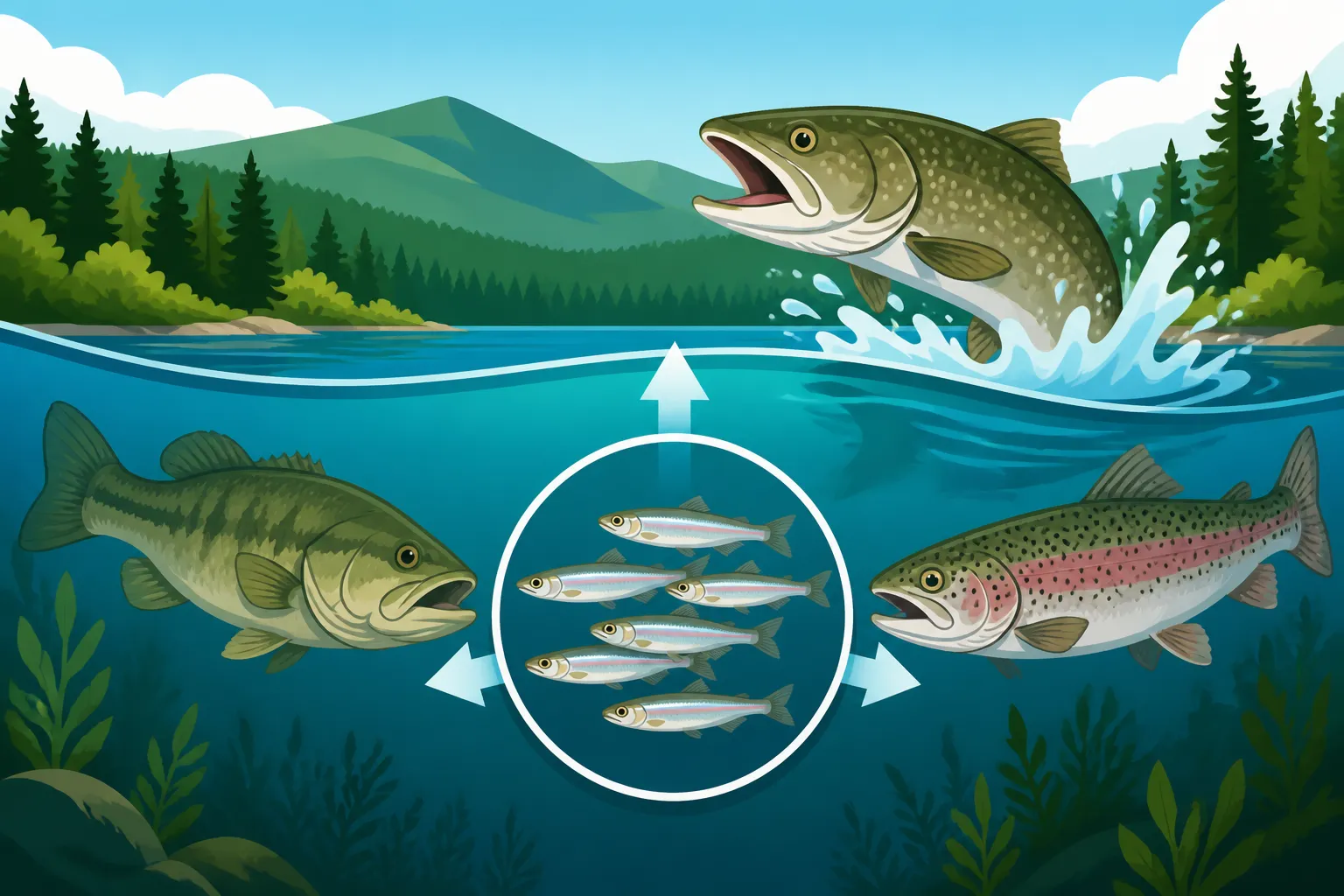
Think of rainbow smelt as the primary energy transfer agents in many of Vermont's coldwater lakes. They occupy a crucial position in the food chain, feeding on zooplankton and small invertebrates, and in turn, becoming a high-energy food source for larger, predatory fish. This isn't just about survival for these predators; it's about growth, reproduction, and overall population health. Without a robust smelt population, our trophy fish wouldn't grow to the impressive sizes we brag about. They're like the high-calorie snack that keeps the big guys thriving.
Consider the dynamic on Lake Champlain or Lake Willoughby. These deep, cold lakes provide the perfect habitat for smelt, allowing them to flourish. Their numbers directly correlate with the condition of species like lake trout and landlocked salmon. A good year for smelt often translates to a good year for these top predators, with healthier fish and often, more aggressive feeding patterns. Anglers often look for clues about smelt populations – maybe during their spring spawning runs – to predict how good the fishing might be later in the season. Rainbow Smelt as Forage Fish in Vermont Lakes delves deeper into their ecological role.
The Life Cycle of a Smelt and Its Impact on Fisheries
Rainbow smelt have a rather predictable life cycle that makes them a reliable food source throughout the year, though their accessibility to predators (and anglers) changes with the seasons. Typically, they spend most of their lives in the deeper, colder waters of our lakes. But when spring arrives, they undertake significant spawning migrations, often moving into shallower lake areas or even running up tributaries. This annual event is a huge deal, not just for the smelt, but for everything that eats them.
During these spawning runs, smelt become highly concentrated and vulnerable, turning into an all-you-can-eat buffet for bigger fish. It's a critical time for predators to pack on weight after the lean winter months. Anglers keen on targeting these feeding frenzies will often follow the smelt. Later in the year, as waters warm, smelt retreat to cooler depths, often forming large schools. This schooling behavior can make them hard to find but, when located, provides a dense caloric reward for the predators. Understanding these movements is key to successful fishing throughout the year.
The Good News: Positive Impacts on Vermont's Prized Game Fish
The healthy presence of rainbow smelt is overwhelmingly positive for Vermont's most sought-after game fish. Without them, the aquatic ecosystem would look dramatically different, and many of the fishing opportunities we cherish might simply not exist.
Fueling the Growth of Lake Trout and Landlocked Salmon
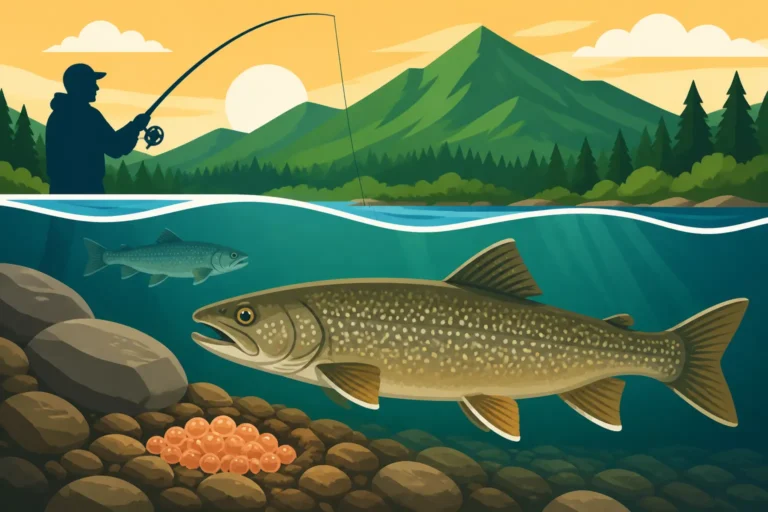
When you're reeling in a hefty lake trout or a leaping landlocked salmon from a deep Vermont lake, you can bet that rainbow smelt have played a huge role in its life story. These two species are highly piscivorous, meaning they primarily eat other fish, and smelt are often their number one dietary choice. The high fat content and easily digestible size of smelt make them an ideal food source for these coldwater predators, allowing them to reach impressive sizes and maintain their health.
Imagine a lake where smelt populations are booming; you'll likely see a direct correlation in the size and vigor of the lake trout and salmon. These fish expend significant energy in chasing down their prey, and smelt provide an efficient return on that investment. When fishing for these species, imitating a smelt is often the most effective strategy. Think long, slender spoons, soft plastic jerkbaits, or even flies that perfectly mimic the silvery flash of a smelt. Many anglers will browse options on Amazon for specific colors or profiles that match the local smelt population. Lake Trout Fishing in Vermont and Landlocked Salmon Fishing in Vermont both highlight the importance of forage.
Supporting Walleye and Other Predator Populations
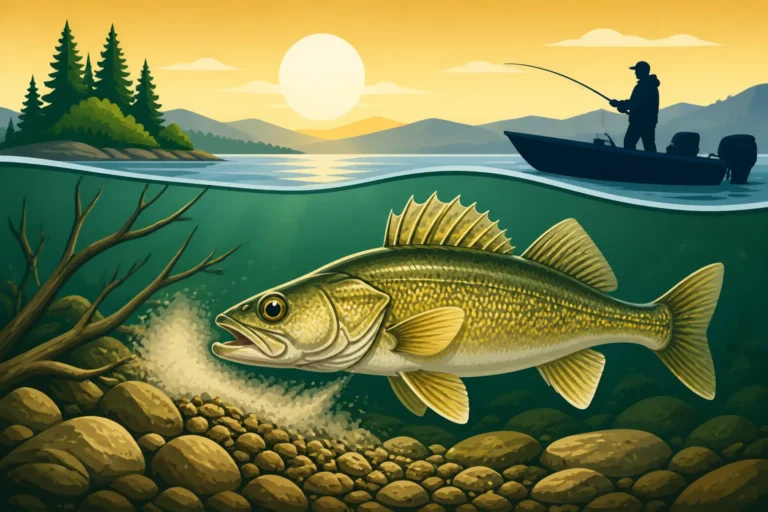
While lake trout and landlocked salmon might be the poster children for smelt-eaters, other popular game fish also benefit immensely from their presence. Walleye, particularly in Lake Champlain, are known to key in on smelt as a significant food source, especially during certain times of the year. When smelt are abundant, walleye are often fatter, more numerous, and more willing to strike lures that imitate their preferred meal.
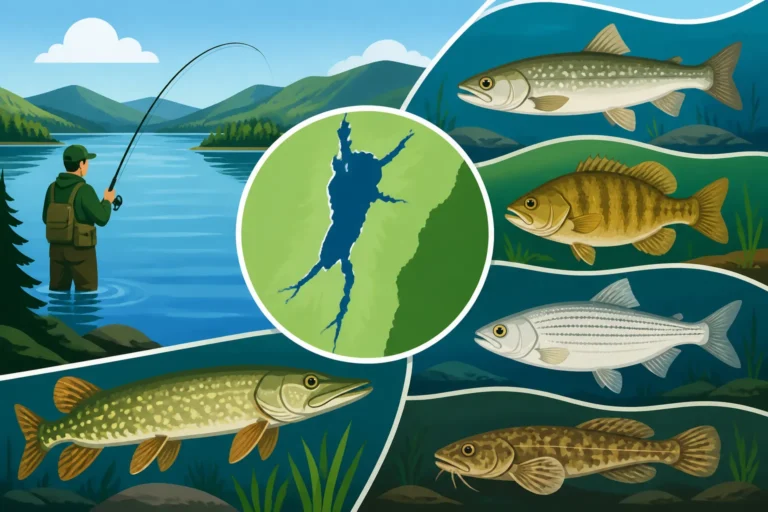
It's not just walleye either. Even species like northern pike and sometimes even larger smallmouth bass will opportunistically feed on smelt. This widespread reliance across multiple predator species demonstrates just how foundational smelt are to the overall health and productivity of our lake fisheries. When you're out on the water, observing the behavior of baitfish, including smelt, can give you huge clues about where the bigger fish might be hiding. The What walleye eat on Lake Champlain article expands on this diet.
Here's a quick look at how various Vermont game fish rely on rainbow smelt:
| Game Fish Species | Primary Smelt Reliance | Key Periods of Reliance | Common Angling Strategy |
|---|---|---|---|
| Lake Trout | High | Year-round, especially in cold water | Deep trolling, jigging with smelt imitations |
| Landlocked Salmon | High | Year-round, post-spawn, open water | Trolling with spoons/flies, ice fishing |
| Walleye (Lake Champlain) | Moderate to High | Spring, Fall, Summer (deep water) | Trolling, jigging, blade baits |
| Northern Pike | Opportunistic | Any time smelt are accessible | Large jerkbaits, spoons, deadbaiting |
| Large Smallmouth Bass | Opportunistic | Post-spawn, fall baitfish schools | Jerkbaits, swimbaits |
Navigating the Challenges and Adapting Your Angling Strategies
While rainbow smelt are overwhelmingly beneficial, their populations aren't always static, and their behavior can present challenges for anglers. Understanding these dynamics is crucial for success on the water.
The Double-Edged Sword: When Smelt Are Too Abundant or Scarce
The ideal scenario for a healthy fishery is a balanced population of forage fish. However, nature is rarely perfectly balanced. If smelt become too abundant, paradoxically, it can make fishing harder. When predators have an unlimited buffet of natural food, they become less likely to strike an artificial lure. This is what anglers sometimes call the "full belly syndrome." The fish are there, but they're simply not hungry enough to chase down your offering, especially if it doesn't look exactly like the real thing.
Conversely, if smelt populations decline due to environmental factors, overfishing (for bait), or competition from other species, the impacts can be devastating. Predator fish might grow slower, be less numerous, and exhibit more aggressive competition for remaining food sources. This scenario often forces predators to adapt their diets, perhaps focusing on different, less optimal forage fish or even invertebrates. Anglers would then need to significantly change their tactics, using lures that mimic whatever alternative food sources the fish are now targeting. The Best Time of Year to Fish in Vermont can often correlate with smelt abundance.
Mimicking Smelt: Lures and Techniques that Work
Knowing that smelt are often the primary food source is half the battle; the other half is presenting something that looks, moves, and even smells like them. This is where your tackle box becomes a strategic arsenal. For trout and salmon, especially, slender, silver, or blue-and-silver spoons are perennial favorites. Brands offer a wide array of spoons that shimmer and dart like a distressed smelt. Crankbaits that have a slender profile and a silvery finish can also be deadly, especially when trolling for walleye. You can find a huge selection of these on Amazon, often with reviews from other anglers talking about their effectiveness.
For fly anglers, streamers tied to imitate smelt are essential. Patterns with pearl flash, bucktail, and often a touch of blue or green can be incredibly effective, especially during or immediately after smelt runs. When jigging through the ice for lake trout or walleye, a minnow-profile jigging spoon or a tube jig in a light, shimmery color can often trick a hungry fish. Understanding the depth and location of smelt schools, often found using a good fish finder, then presenting your imitation at that level, is paramount. Check out Best Lures for Walleye Trolling on Lake Champlain for specific recommendations.
When Smelt Are Running: Seasonal Adjustments
The spring smelt runs are a phenomenal time for anglers. As smelt move into shallower water or up rivers to spawn, they become incredibly vulnerable. Predator fish like lake trout, salmon, walleye, and even large pike will follow these migrations, gorging themselves on the easily accessible feast. This means that instead of searching deep, open water, you might find concentrations of large predators in areas you wouldn't typically expect them, like river mouths or shallow lake coves.
During these times, traditional deep-water trolling might be less effective than casting from shore or boat into these shallower areas, or even focusing on river stretches just above where smelt are staging. As the smelt retreat post-spawn, they disperse, and the bite might slow down for a bit as predators digest their bounty. Then, as summer progresses, both smelt and their predators will often move back to the cooler, deeper parts of the lake. Learning about Vermont Trout Opening Day Traditions often involves paying attention to smelt activity. Anglers should consult the Vermont Fish Stocking Search Tool, Explained to see if stocked trout might also be interacting with smelt populations.
Disclaimer
This article is for general informational purposes only and does not constitute professional advice. Laws, prices and regulations vary by location and change over time. Consult a qualified professional for guidance on your specific situation.