Ottauquechee River fishing access
Many anglers dream of finding that perfect, accessible river stretch without feeling like they're trespassing or constantly battling crowds. The Ottauquechee River, winding through scenic Vermont, offers fantastic fishing, but knowing where to get on the water legally and effectively can be a puzzle. This comprehensive guide will illuminate the best public fishing access points, detailing what you can expect at each, along with crucial tips for a rewarding day on this beautiful waterway.
Understanding the Ottauquechee River's Diverse Character
The Ottauquechee River isn't just one type of water; it's a dynamic system that changes its personality as it flows from the Green Mountains towards the Connecticut River. This variety means that what works in one section might not work in another, and understanding these differences is key to successful angling.
Distinct River Sections and Their Resident Fish
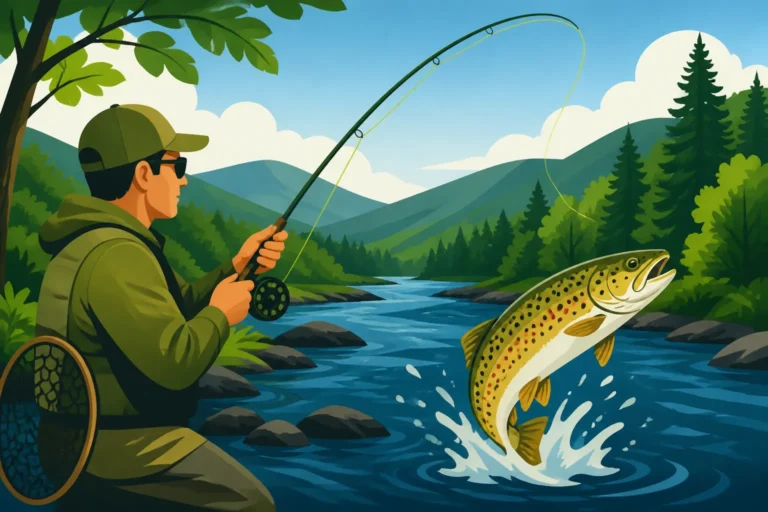
The Ottauquechee can broadly be divided into several sections, each with its unique charm and challenges for anglers. In its upper reaches, closer to its source in the Green Mountains near Sherburne and Bridgewater, you'll find a colder, faster-flowing environment. Here, the river is narrower, punctuated by cascades, riffles, and deep pockets. This is classic coldwater trout habitat, primarily supporting native brook trout and stocked rainbow and brown trout. Anglers often find this section appealing for its wild feel and the challenge of fishing smaller, technical water.
As you move downstream through towns like Woodstock and Quechee, the river widens, the gradient lessens, and it takes on a more moderate pace, though still featuring plenty of appealing riffles, runs, and pools. This middle section is heavily stocked and popular for all three trout species. The increased flow and deeper pools here can hold larger fish, making it a favorite for those seeking bigger catches.
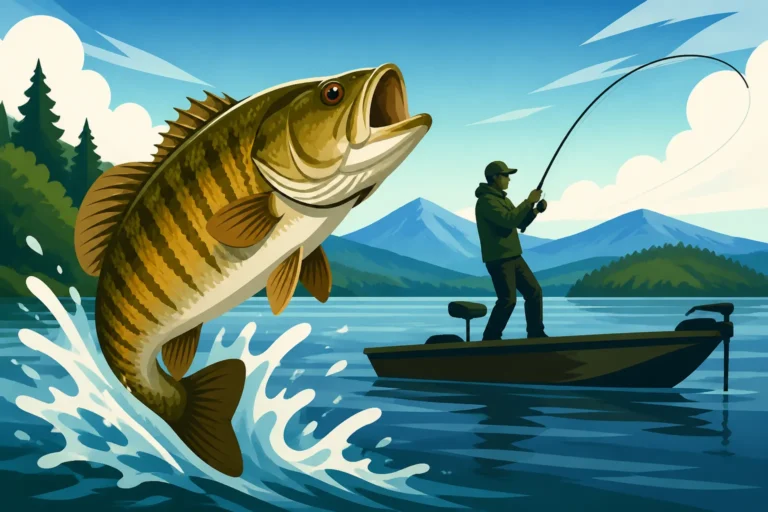
Further downstream, towards North Hartland and its confluence with the Connecticut River, the water tends to be warmer, broader, and slower, especially below the Quechee Gorge. While trout can still be found, particularly in cooler months or near feeder streams, this section also starts to introduce smallmouth bass, particularly in the warmer summer months. Knowing which section you're fishing helps you tailor your approach, from your lure selection to your target species.
Typical Water Conditions and Seasonal Flow Changes
The Ottauquechee, like most New England rivers, is heavily influenced by seasonal weather patterns. Spring brings snowmelt and often heavy rains, leading to high, cold, and sometimes turbid water. While challenging, this can also be a prime time for aggressive trout feeding on emerging insects or dislodged forage. Many anglers target these high-water periods with streamers or heavy nymph rigs, as fish are often hunkered down and less spooky.
As summer progresses, water levels typically drop, and the river becomes clearer and warmer. This can be fantastic for sight fishing and dry fly action in the mornings and evenings, but can also stress trout in warmer lower sections. During these low-flow periods, stealth becomes paramount, and lighter leaders or smaller flies often yield better results. Fall sees cooling temperatures and often stable flows, providing some of the best fishing conditions of the year as trout become more active and vibrant.
Winter brings cold, low flows and ice in some calmer sections, making ice fishing possible on adjacent ponds but river fishing tougher, though hardy anglers can still find success in deeper pools. Always check local flow rates and water temperatures before heading out, especially during extreme weather. Websites like the USGS often provide real-time data for river gauges, which can be invaluable for planning your trip.
Prime Public Access Points Along the Ottauquechee River
Finding legal and convenient access to a river can often be the biggest hurdle for anglers. Fortunately, the Ottauquechee has several well-known and lesser-known spots that provide excellent opportunities to get your line in the water.
Popular Bridge Crossings and Roadside Pull-offs
Many of the most straightforward access points on the Ottauquechee are located near bridges or designated roadside pull-offs. These spots are popular for a reason: they often provide easy parking and a relatively clear path to the water. In Bridgewater, for instance, several bridges along Route 4 offer shoulders where you can park and access the river, which is often smaller and more intimate here. These areas are excellent for wading, provided the current isn't too strong.
As you move downstream towards Woodstock, you'll find similar opportunities. The area just below the Woodstock Village Green, where the river winds through town, has some public land and easy bank access, though parking can be competitive, especially during peak tourist season. Be mindful of "No Trespassing" signs; just because you can see the river from the road doesn't mean it's public land. Always err on the side of caution and look for clear indicators of public access. Often, these bridge points are also near designated stocking locations, so you might find recently stocked trout eager to bite. For those looking for local guides to help navigate these spots, resources like FishingBooker can connect you with experienced anglers who know the river inside and out, ensuring you don't waste time looking for the perfect spot.
State Parks and Designated Fishing Access Areas
Vermont takes pride in its natural resources, and several state parks and designated access areas provide formal and reliable fishing access along the Ottauquechee.
One of the most prominent is Quechee State Park. While famous for the stunning Quechee Gorge, the river both above and below the gorge offers excellent fishing. Above the gorge, the river is generally calmer and more accessible for wading, providing a beautiful backdrop for your angling efforts. The currents are typically manageable, and the riverbed is relatively stable, making for a pleasant experience.
Below the gorge, the powerful water is not suitable for wading, but there are bank fishing opportunities from designated viewpoints. However, navigating the steep banks can be challenging, and safety should always be your priority. Further downstream, the North Hartland Dam Recreation Area provides extensive public access. This area, managed by the Army Corps of Engineers, has multiple parking lots, picnic areas, and well-maintained trails that lead directly to the riverbanks and the reservoir itself. The tailwaters below the dam can offer superb fishing, especially for larger trout, as the water remains consistently cold. Always check the dam release schedules, as sudden changes in flow can be dangerous and should be avoided. These formal access points often come with amenities like restrooms and marked trails, making them ideal for families or those seeking a more comfortable outing.
Lesser-Known or Unique Access Opportunities
Beyond the well-trodden paths, there are often more secluded opportunities for the adventurous angler willing to explore. Some sections of the Appalachian Trail/Long Trail, as they pass near the Ottauquechee, might offer access points, though these usually require a hike and can be quite steep. These areas tend to see less pressure and can offer a more solitary fishing experience.
Checking local town maps or conservation land trust websites can sometimes reveal smaller, less-advertised parcels of public land with river frontage. For instance, some sections of the river flow through state forests or wildlife management areas, where public access for fishing is generally permitted. These areas might not have formal parking lots but could offer pull-off spots and require a bit of bushwhacking through light woods to reach the water. It's crucial to always carry a map (physical or digital with downloaded offline maps) and be aware of your surroundings when exploring less-defined access points. Always remember to practice Leave No Trace principles, especially in these more pristine areas, to preserve them for future anglers. For planning an outing and checking potential spots, you could even consult a FishingBooker guide who specializes in lesser-known local gems and can ensure you're accessing the river legally and safely.
Here's a quick overview of access points and what to expect:
| Access Point/Section | General Location | Typical Fish Species | Accessibility/Notes | Wading Suitability |
|---|---|---|---|---|
| Upper River (Bridgewater) | Route 4 pull-offs | Brook, Rainbow, Brown | Smaller, more intimate sections; roadside parking, short walks to water. | High |
| Middle River (Woodstock) | Village Green area, bridges | Rainbow, Brown, Brook | More moderate flow, good for bank or wade fishing; can be busy, limited parking. | Medium |
| Quechee State Park | Above the Gorge | Rainbow, Brown, Brook | Easier wading above the gorge, picnic areas available. | Medium |
| Quechee Gorge | Below the Gorge | Rainbow, Brown, (Bass) | Very powerful water, not safe for wading; bank fishing from designated viewpoints only. | Low |
| North Hartland Dam | Below the Dam | Brown, Rainbow, (Bass) | Formal recreation area, trails, restrooms; excellent tailwater fishing. Check dam releases. | Medium to High |
| Lower River (North Hartland) | Roadside, less formal | Smallmouth Bass, Trout | Wider, slower sections, more warm-water species; requires more scouting for access. | Medium |
Navigating Regulations and Ethical Angling on the Ottauquechee
Fishing the Ottauquechee River isn't just about finding the perfect spot; it's also about understanding and respecting the rules and the environment. Vermont has specific regulations designed to protect its fisheries and ensure sustainable angling for everyone.
Understanding Vermont's General Fishing Regulations
Before you even cast a line, you need a valid Vermont fishing license. Whether you're a resident or a nonresident, knowing how to buy a fishing license online in Vermont is crucial. Licenses can be easily purchased through the Vermont Fish & Wildlife Department website, or from various local vendors like tackle shops and town clerks. Vermont fishing regulations are pretty standard in many ways, but they do have their nuances. For most general open waters, there are specific seasons, daily bag limits, and minimum length requirements for different species.
For instance, the general trout season has specific opening and closing dates, and there are distinct rules for Vermont trout season opening day for 2026 compared to other species. You'll need to familiarize yourself with the Vermont Fishing Regulations Explained guide, which is updated annually. Always check the current year's digest, available from the Vermont Fish & Wildlife Department website or local license vendors, as regulations can change. It’s your responsibility to know the rules, not just for trout but for any species you might target, like smallmouth bass or panfish, including their Vermont Bag and Possession Limits by Species.
Specific Ottauquechee River Rules and Special Zones
While many general regulations apply, some rivers and specific sections, like parts of the Ottauquechee, might have additional "special regulations." These could include "catch-and-release only" sections, "artificial lures only" rules, or different length and bag limits for certain species or times of the year. For example, some stretches might be designated as Vermont catch and release fly fishing only waters to protect wild trout populations and enhance their growth to trophy sizes. These special rules are often put in place to manage fishing pressure in popular or sensitive areas.
It's not uncommon for stretches near state parks or popular stocking areas to have unique rules to manage fishing pressure and enhance the angler experience. Always consult the "Special Regulation Waters in Vermont" section of the current Vermont Fishing Guide for any specific rules pertaining to the Ottauquechee River itself. Ignoring these can lead to fines and a ruined day on the water, so a quick check beforehand is always a good idea. Knowing the Vermont resident fishing license cost 2026 is the first step, but understanding these nuanced regulations is just as important for a legal and ethical outing.
Respecting Private Property and Angler Ethics
Vermont is a beautiful state, and much of its riverfront property is privately owned. It's absolutely paramount to respect private property boundaries. Just because you see a fishable hole doesn't mean you can walk across someone's lawn to get to it. Always look for clearly marked public access points, use designated parking areas, and if in doubt, choose another spot. "No Trespassing" signs mean exactly that, and ignoring them can lead to unpleasant encounters or legal trouble.
Beyond legality, good angler ethics involve practicing Leave No Trace principles: pack out everything you pack in, including discarded fishing line, bait containers, and any other trash. Be courteous to other anglers, giving them space and avoiding excessive noise. If you're catch-and-release fishing, handle fish gently with wet hands, minimize their time out of water, and release them quickly to maximize their survival chances. Also, be mindful of local wildlife and the river ecosystem. Being a responsible angler not only keeps you out of trouble but also ensures that the Ottauquechee remains a fantastic fishery for years to come.
Optimizing Your Ottauquechee River Fishing Experience
Now that you know where to go and what the rules are, let's talk about making your time on the Ottauquechee truly memorable. A little preparation and local insight can go a long way.
Best Times to Visit and Seasonal Considerations
The Ottauquechee offers great fishing throughout much of the year, but success often hinges on timing your visit correctly.
- Spring (April-May): This is prime time for stocked trout, especially right after the Vermont Trout Season and Stocking Rules open. Water levels can be high and cold, making baits like worms or PowerBait effective, or heavier nymphs and streamers for fly anglers. As things warm up, insect hatches will start. The fresh influx of water and newly stocked fish make for exciting, albeit sometimes challenging, conditions.
- Summer (June-August): The middle and lower sections can warm up, making early mornings and late evenings the best times for trout. Smallmouth bass become more active in the warmer sections. Dry fly fishing can be excellent during hatches, especially in the cooler, upper stretches. For lake-dwelling species on adjacent ponds connected to the river, late evening can be a great time for topwater action. Be mindful of warm water temperatures, which can stress trout.
- Fall (September-October): Many consider fall the best time to fish in Vermont. Cooling temperatures invigorate trout, and they become very active, feeding heavily before winter. This is also when Brown Trout Habits in Vermont Streams become more aggressive as their spawning season approaches. Flows are usually stable, and the fall foliage provides a stunning backdrop, making for an incredibly picturesque fishing experience.
- Winter (November-March): River fishing slows considerably, with very cold and low flows. Some calmer sections may freeze over. However, dedicated anglers can still find success nymphing deep pools or using small jigs. If you're targeting other species, ice fishing is popular on nearby impoundments if ice thickness allows. Remember to check How thick ice needs to be to fish safely in Vermont before venturing onto any ice.
Recommended Gear and Techniques for Different Sections
Your gear choice should match the section of the river you're fishing and the species you're targeting.
- Upper, faster sections: A lighter spinning rod (5'6" to 6'6" light action) with 4-6 lb test line is ideal for casting small spinners, spoons, or drifting bait. For fly anglers, a 3-5 weight fly rod is perfect for casting dries, nymphs, and small streamers in tighter quarters. Good wading boots and a sturdy pair of Best Waders for Vermont Trout Streams are essential here, especially for navigating slippery rocks.
- Middle, wider sections: You can go slightly heavier with your spinning gear (6'6" to 7' medium-light) to cover more water with larger lures or bait rigs. Fly anglers might appreciate a 5-6 weight rod for longer casts and handling larger fish or wind. This is a great area for Spring Trout Fishing Techniques for Vermont Streams using a variety of methods, including nymphing, streamer fishing, and dry fly presentations when hatches are active.
- Lower, warmer, wider sections: If targeting smallmouth bass, a medium-action spinning or baitcasting rod (6'6" to 7' medium-heavy) with 8-12 lb test line is appropriate for throwing crankbaits, jigs, or soft plastics. These sections can also hold some surprisingly large brown trout that have migrated downstream.
- General Gear: Always carry a small tackle box with a variety of lures, bait (where permitted), extra line, and pliers. A net is invaluable for landing fish safely, especially if you plan to release them quickly. Don't forget bug spray, sunscreen, and plenty of water! For more specific recommendations, you might find a lot of useful cross-over information from a guide on Best Fishing Rods for Vermont Lakes in terms of rod action and reel sizes, applying similar principles to river conditions.
Finding Guides and Local Expertise
Sometimes, the best way to unlock a new river's secrets is to tap into local knowledge. Hiring a local fishing guide can drastically shorten the learning curve, putting you on fish faster and teaching you specific techniques for the Ottauquechee. Guides know the current hot spots, which flies or lures are working, and where the best access points are, especially for understanding Brown Trout Habits in Vermont Streams or how to target freshly stocked Rainbow Trout Stocking in Vermont. They can also provide invaluable insights into river safety and etiquette, ensuring a smooth and enjoyable trip.
Websites like FishingBooker are excellent resources for finding experienced, licensed guides who specialize in the Ottauquechee River. You can read reviews, compare services, and book directly, ensuring you get a personalized experience that matches your skill level and fishing goals. Even if you're an experienced angler, a guided trip can reveal hidden gems and fine-tune your approach, making your day on the water more productive and enjoyable. They can often provide all the necessary gear, eliminating the need for you to invest in specialized equipment if you're just visiting.
Disclaimer
The information provided in this guide is for general informational purposes only. Fishing regulations, access points, and river conditions can change without notice. Always consult the latest Vermont Fish & Wildlife Department regulations and local advisories before planning your fishing trip. Exercise caution and respect private property at all times.