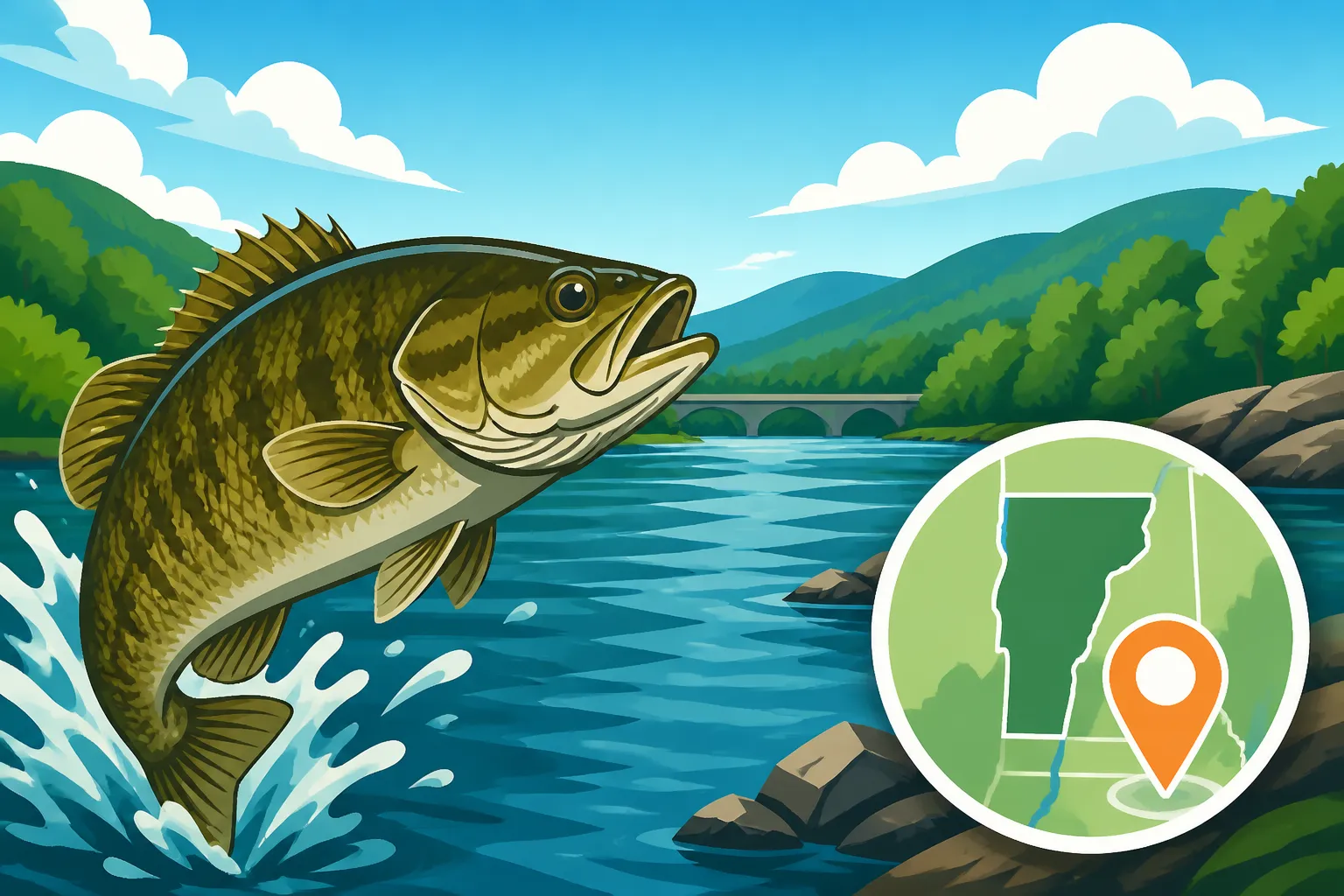
Connecticut River smallmouth bass access near Brattleboro
There’s nothing quite like the exhilarating fight of a smallmouth bass in current, and if you’ve been dreaming of that experience in Vermont, the mighty Connecticut River near Brattleboro offers some truly outstanding opportunities. Many anglers get caught up thinking about the big lakes, but overlook the fantastic river fishing right in their backyard. This guide is all about helping you unlock the prime access points and effective strategies to land those feisty brown fish in the Brattleboro stretch of the Connecticut River.
The Allure of Smallmouth Bass in the Brattleboro Stretch of the Connecticut River
When you think of fishing in Vermont, images of pristine mountain streams full of trout, or the vast expanse of Lake Champlain often come to mind. But for those in the know, the Connecticut River, particularly around Brattleboro, is a hidden gem for smallmouth bass. This isn't your typical stagnant pond fishing; it's a dynamic, ever-changing environment that truly tests your angling skills and rewards you with some of the hardest-fighting fish pound-for-pound.
The Connecticut River here is a fascinating blend of features. You have stretches with noticeable current, giving way to deeper pools, rocky riffles, and submerged structure that smallmouth absolutely adore. These fish are masters of their environment, using the current to their advantage, ambushing baitfish, and holding tight to cover. The challenge of deciphering their movements and presenting a lure just right in a moving water environment is what makes it so captivating. Plus, the scenic beauty of the river in southern Vermont, often flanked by rolling hills and lush forests, makes every outing a treat, even if the fish aren't always biting. It’s a different experience than the larger lakes, offering a more intimate connection with nature and the thrill of a riverine pursuit.
Why Brattleboro is a Smallmouth Hotspot
Brattleboro’s location on the Connecticut River isn't accidental when it comes to excellent smallmouth habitat. This particular section of the river is part of a larger, managed watershed that supports a healthy fishery. Downstream, the river flows through a series of dams and reservoirs, but in the Brattleboro area, it still retains much of its natural character with diverse bottom composition and plenty of current-breaks.
The riverbed here is a mosaic of gravel, rock, and occasional sand, providing ideal spawning grounds and foraging areas. Smallmouth bass thrive in these conditions, especially where there are significant rock piles, ledges, and submerged timber—all of which act as perfect ambush points. Furthermore, the presence of various forage species, from shiners and alewives to crayfish and aquatic insects, ensures that the smallmouth are well-fed and grow to impressive sizes. It's not uncommon to pull out smallmouth in the 3- to 4-pound range, with bigger fish certainly possible, especially during peak feeding times. If you're looking to target these tenacious fish, understanding the unique characteristics of the river around Brattleboro is your first step to success. Many local guides, some of whom can be found through platforms like FishingBooker, specifically focus on this incredible smallmouth fishery.
Prime Public Access Points for Smallmouth Bass Near Brattleboro
Finding a great fishing spot often starts with knowing how to get to the water. In the Brattleboro area, thankfully, there are several excellent public access points along the Connecticut River that cater to different types of anglers, whether you prefer fishing from a boat, kayak, or right from the shore. Each spot offers its own unique advantages and challenges, so it's worth exploring a few to find your preferred launching pad.
Brattleboro Public Boat Launch
Hands down, one of the most convenient and well-maintained access points is the Brattleboro Public Boat Launch, typically located off Island Street or similar nearby roads in the heart of town. This is your go-to spot if you're bringing a trailerable boat, offering ample parking for vehicles and trailers. The ramp itself is usually concrete, making for easy launching and retrieval for everything from bass boats to modest aluminum jon boats.
Once you launch here, you're immediately in a prime section of the Connecticut River. Upstream and downstream, you'll find diverse habitat. Heading upstream, you can explore areas with more significant current and rocky structure. Downstream often presents deeper pools and channel swings, which can hold larger smallmouth, especially during the hotter summer months when they seek cooler, deeper water. This launch is also popular for kayakers and canoeists, as it provides a safe and easy entry point into the river. Just be mindful of other boaters, especially during busy weekends, and remember to check the Vermont Boating Laws for Anglers before heading out. The convenience of this spot makes it a favorite for both locals and visitors alike.
Vernon Dam Area Access
A bit south of Brattleboro, the area around the Vernon Dam (also known as the Bellows Falls Dam system further north, but focusing on Vernon for Brattleboro proximity) offers a different type of fishing environment. While direct access immediately below the dam may be restricted for safety reasons, nearby public lands and access points can put you in productive water. This stretch is often characterized by stronger currents and deeper scour holes created by the dam's outflow, making it a prime location for current-loving smallmouth bass.
Anglers here might find shore access in designated areas, or launch kayaks and canoes from less formal, but still accessible, spots. Fishing in this area demands attention to safety due to the swift current, especially when wading or in smaller craft. The smallmouth here are notoriously strong fighters, beefed up by the constant flow and rich food sources. It’s a fantastic spot for throwing heavier jigs, crankbaits, or even larger swimbaits that mimic the baitfish pushed through the dam. Always respect posted signs, stay clear of restricted zones, and wear your life jacket. For those seeking a challenge and potentially larger fish, the Vernon Dam vicinity is worth exploring, but always with caution and respect for the powerful river.
| Access Point | Type of Access | Parking Availability | Notable Features | Recommended For |
|---|---|---|---|---|
| Brattleboro Public Launch | Boat, Kayak, Shore | Ample | Concrete ramp, central location, diverse up/downstream | Boaters, kayakers, general convenience |
| Vernon Dam Area Access (downstream) | Limited Shore, Kayak | Moderate (check local signs) | Strong currents, deep scour holes, large smallmouth potential | Experienced anglers, kayak fishing with caution |
| Fort Dummer State Park (river access) | Shore, Kayak | Moderate | Scenic, quieter, good wading opportunities | Wading, casual shore fishing, families |
Note: Always verify current access rules and conditions before heading out, as they can change seasonally or due to maintenance.
Fort Dummer State Park River Access
Just a stone's throw from Brattleboro, Fort Dummer State Park provides an excellent opportunity for shore and kayak anglers seeking a more tranquil fishing experience. While the park is famous for its camping and hiking, certain areas offer direct, often less crowded, access to the Connecticut River. This section of the river tends to have slightly less intense current than closer to a dam, making it ideal for wading or paddling a kayak leisurely.
From the park's riverfront areas, you can cast to submerged rocks, fallen trees, and subtle current seams where smallmouth like to lie in wait. The picturesque surroundings add to the appeal, making it a great option for a family outing or for those who prefer to fish away from heavy boat traffic. Remember that a day-use fee may apply to enter the state park. This access point is particularly good for those who enjoy Kayak Fishing Techniques for Vermont Lakes, as the principles often translate well to these calmer river sections. It’s a wonderful place to slow down, observe the river, and patiently work your lures for active bass.
Tactics and Tips for Connecticut River Smallmouth Bass
Catching smallmouth bass in a river system like the Connecticut is a different ballgame than still water. These fish are powerful, aggressive, and highly attuned to their environment. Understanding their behavior and employing the right techniques will drastically improve your success. It’s all about presentation, knowing where they hide, and being ready for a serious fight.
Reading the River: Where Smallmouth Hide
Smallmouth bass are structure-oriented fish, and in a river, "structure" takes on many forms, often dictated by current. Your first step to success is learning to "read the river." Look for:
- Current Seams and Eddies: These are goldmines. Smallmouth will sit just out of the main current, in the calmer water of an eddy, or along a current seam where fast water meets slow water. This allows them to conserve energy while waiting for baitfish to be swept by. Cast your lure into the faster water upstream and let it drift into the seam or eddy.
- Rocky Outcroppings and Ledges: The Connecticut River is full of rocks. Smallmouth love to hug these features, especially if they create a break in the current or offer deeper pockets. Work your lures right up against these rocks.
- Submerged Timber and Log Jams: Fallen trees provide excellent cover and ambush points. Pitch jigs or weedless presentations into and around these areas, but be prepared for snags.
- Bridge Pilings and Man-Made Structure: Any obstruction in the river that breaks the current will likely hold smallmouth. Bridge pilings, old dock remnants, or even subtle changes in the riverbed can be productive.
Understanding these features and how the current interacts with them is crucial. A good sonar unit on your boat or kayak can certainly help identify submerged structure, but keen observation from shore or your craft can reveal much as well.
Top Lures and Baits for River Smallmouth
Smallmouth bass are generally opportunistic feeders, but certain lures and baits consistently outperform others in river environments.
- Crankbaits: Medium-diving crankbaits are excellent for covering water and eliciting reaction strikes. Choose natural baitfish patterns (shad, crayfish) for clearer water and brighter colors (chartreuse, firetiger) for stained water. Work them across current seams and along rocky banks. Brands like Rapala and Strike King offer a wide range of effective river crankbaits.
- Jigs (Tube Jigs, Hair Jigs, Ned Rigs): These are incredibly versatile. Tube jigs, especially those imitating crayfish, are deadly when bounced along the bottom near rocky areas. Hair jigs, retrieved with a slow, sweeping motion, can be irresistible. Ned rigs are fantastic for finesse fishing when the bite is tough. For river fishing, a slightly heavier jig head (1/8 to 1/4 ounce) helps maintain bottom contact in current.
- Soft Plastics (Grubs, Swimbaits, Senkos): Small grub-style baits fished on a jig head are simple yet effective. Larger soft plastic swimbaits can entice bigger fish. Senko-style worms, fished weightless or lightly weighted, can be very effective when drifted into current breaks.
- Topwater Lures (Poppers, Walking Baits): There's nothing more exciting than a smallmouth exploding on a topwater lure. In low light conditions (dawn, dusk, overcast days) or during warmer summer months, poppers and walking baits fished over shallow, rocky areas can be incredibly productive.
- Live Bait: If artificials aren't working, don't shy away from live bait. Crayfish are a natural food source for river smallmouth and are incredibly effective. Shiners and small suckers, fished on a simple bottom rig or under a float, can also produce excellent results. Just be sure to check Vermont Fishing Regulations Explained for any restrictions on bait use.
Vary your retrieve speed and retrieve pattern until you figure out what the fish want on a given day. Sometimes a fast, erratic retrieve triggers strikes, while other times a slow, methodical approach is key.
Planning Your Smallmouth Bass Fishing Trip to Brattleboro
A successful fishing trip isn't just about what happens on the water; it's also about solid preparation. From understanding licenses to respecting the ecosystem, a little planning goes a long way to ensure a smooth and enjoyable experience on the Connecticut River.
Navigating Licenses and Regulations
Before you even think about casting a line, securing the proper fishing license is paramount. As the Connecticut River forms a border between Vermont and New Hampshire, understanding reciprocal agreements is crucial. Generally, if you possess a valid Vermont fishing license, you can fish the main stem of the Connecticut River from either the Vermont or New Hampshire shore, or from a boat on the river. However, it's always wise to double-check the latest regulations, as specifics can sometimes vary. You can easily purchase your license online, which is often the most convenient way; learn How to Buy a Fishing License Online in Vermont.
Beyond the license, familiarize yourself with species-specific regulations. For smallmouth bass, Vermont typically has specific seasons, minimum length limits, and daily bag and possession limits. For instance, there might be a catch-and-release only season for bass in the spring before the regular season opens, or specific Vermont Bass Minimum Length Limits to adhere to. These rules are in place to protect the fishery, ensuring healthy populations for years to come. Always carry your license and be aware of these regulations to avoid any unfortunate penalties, such as those for Fishing Without a License in Vermont: Penalties. Many of these details are covered in the comprehensive Vermont Fishing Regulations Explained guide.
Boat and Kayak Considerations
If you plan to explore the Connecticut River by boat or kayak, a few extra considerations come into play. The river, especially in sections, can have a strong current, and water levels can fluctuate.
- Safety First: Always wear a PFD (Personal Flotation Device), even if you're an experienced boater. The river environment is dynamic, and unexpected hazards can arise. Ensure you have all required safety equipment as per Vermont Boating Laws for Anglers.
- Boat Type: For motoring, a jon boat or a smaller bass boat with a reliable motor is often ideal for navigating the varying depths and occasional shallow spots. For paddle craft, a sturdy fishing kayak or canoe offers excellent maneuverability and stealth. The Best Kayaks for Vermont Fishing guide offers some great options.
- Anchor System: A good anchor system is essential, especially if you plan to hold position in current. A grapple anchor or a drag anchor with plenty of rope will serve you well.
- River Awareness: Always be aware of your surroundings – submerged rocks, navigation markers, and other boat traffic. It's often a good idea to scout an area at a slower speed before fishing it more intensely. If you're new to river boating, consider joining a guided trip through services like FishingBooker to learn the ropes from a local expert who knows the nuances of the Connecticut River.
Environmental Stewardship and Best Practices
As responsible anglers, it's our duty to protect the natural resources we enjoy. The Connecticut River is a precious ecosystem, and practicing good stewardship ensures its health for future generations of fish and anglers.
- Catch and Release: While keeping some fish for the table is fine within legal limits, practicing catch and release for larger smallmouth, especially during spawning seasons, helps maintain healthy populations. Handle fish gently, minimize their time out of water, and use appropriate landing nets (rubberized mesh is best) to reduce stress and injury.
- Leave No Trace: Pack out everything you pack in. Dispose of all trash, including fishing line, properly. Never leave behind bait containers, lure packaging, or other litter.
- Respect Private Property: Even on public waters, be mindful of adjacent private property. Respect landowners and avoid trespassing.
- Prevent Invasive Species: Clean, drain, and dry your boat, kayak, and gear after every outing to prevent the spread of invasive species. This includes washing off mud and debris, draining bilge water, and ensuring your tackle is dry before moving to a new body of water.
By following these best practices, you contribute to the overall health and enjoyment of the Connecticut River fishery, ensuring that the thrill of catching smallmouth bass near Brattleboro remains a fantastic experience for everyone. If you're looking to explore more diverse fishing spots across the state, don't forget to check out guides like Best Fishing Rivers in Vermont or even the broader Smallmouth Bass Fishing in Vermont resources.
Conclusion
The Connecticut River near Brattleboro truly offers a world-class smallmouth bass fishing experience, combining the thrill of hard-fighting fish with the serene beauty of Vermont's landscape. From the convenience of the Brattleboro Public Boat Launch to the challenging currents near Vernon Dam and the peaceful banks of Fort Dummer State Park, there's an access point for every angler and every style. By understanding the river's unique characteristics, choosing the right lures and techniques, and always adhering to regulations and ethical practices, you’ll set yourself up for many memorable days chasing those feisty bronzebacks. So, grab your gear, plan your trip, and get ready to discover the incredible smallmouth fishing that awaits you in the Brattleboro stretch of the Connecticut River.
Disclaimer
Please note that fishing regulations, access points, and river conditions can change. Always consult the latest Vermont Fish and Wildlife Department regulations and local advisories before planning your trip. Fishing inherently carries risks; exercise caution and prioritize safety on and near the water.