Best Techniques for Panfish in Vermont
It's easy to overlook panfish here in Vermont, isn't it? Many anglers, especially those new to the scene, often get caught up in the pursuit of trophy trout or the legendary bass of Lake Champlain. You might think panfish are just for kids with cane poles, or too small to bother with. But let me tell you, that's a huge misconception! Panfish like yellow perch, crappie, and sunfish offer some of the most consistent, accessible, and downright fun fishing opportunities the Green Mountain State has to offer, year-round. Plus, they make for some mighty fine table fare. This comprehensive guide will peel back the layers, sharing the best techniques, gear, and local insights to help you consistently fill your cooler (or just enjoy a fantastic day on the water) with Vermont's abundant panfish.
Understanding Vermont's Panfish The Local Favorites
Before we even cast a line, it's really helpful to get to know the stars of our show. Vermont is blessed with a fantastic array of panfish, each with its own quirks and preferences. Understanding these different species – where they live, what they eat, and how they behave – is the first big step toward becoming a successful panfish angler. Forget those generic fishing shows; we're talking about the specific conditions and opportunities right here in Vermont.
Species Spotlight: Perch, Crappie, and Bluegill
When most folks talk about panfish in Vermont, they're usually referring to a few key players. These are the species that are widely distributed, relatively easy to catch, and provide plenty of action for anglers of all skill levels. They also happen to be incredibly tasty, hence the "panfish" moniker – perfect for the frying pan!
Yellow Perch: The Ubiquitous Scrapper
Ah, the yellow perch! If there's one panfish that truly defines Vermont, it's arguably the humble yellow perch. You can find these striped beauties in practically every significant lake and pond across the state, from the sprawling depths of Lake Champlain down to smaller, picturesque waters like Lake Bomoseen or Lake Carmi. What makes them so appealing? Well, for starters, they're incredibly cooperative. They travel in schools, which means if you find one, you've likely found a whole pile of them. This schooling behavior makes them fantastic targets for consistent action, whether you're jigging through the ice or casting from shore.
They're also voracious eaters, not typically picky about what's presented to them. Their diet consists primarily of insect larvae, small crustaceans, and even tiny baitfish, especially as they grow larger. This translates into a wide range of effective baits and lures. Perch are known for their distinct olive-green to golden-yellow bodies with several dark vertical bars, and those vibrant orange fins are unmistakable. While not known for powerful fights, they offer a satisfying tug on ultralight tackle and are hands-down one of the best-eating freshwater fish you can catch in Vermont. Seriously, a fresh perch fry-up is a true local delicacy. If you're looking for more specific information on these striped beauties, check out our deep dive into Yellow Perch in Vermont Lakes.
Black Crappie: The Elusive Slab
Next up, we have the black crappie, a fish that gets its name from its delicate, papery mouth. Don't let that fool you, though; crappie are some of the most sought-after panfish, especially for their large size and flaky white meat. Unlike perch, crappie tend to be a bit more structure-oriented and can be a bit more elusive, but when you find a school, it's an absolute blast. In Vermont, you'll find them in lakes with good vegetation and submerged structure, such as Lake St. Catherine, Lake Dunmore, and sometimes even the larger bays of Lake Champlain.
Crappie are distinguishable by their silvery bodies with irregular black speckles and often have a slightly darker back. They have a deep, compressed body shape, giving them that "slab" appearance when they grow big. They primarily feed on zooplankton, insect larvae, and small minnows, making small jigs and minnows their go-to baits. They're also notorious for light bites, sometimes feeling like nothing more than extra weight on your line, so a sensitive rod is key. While not as widespread as perch, the reward of finding a school of "slab" crappie makes the search entirely worthwhile. You can learn more about these fantastic fish in our guide to Black Crappie in Vermont Waters.
Bluegill and Other Sunfish: The Backyard Brawlers
Finally, we come to the true workhorses of family fishing: bluegill and their sunfish cousins (like pumpkinseeds, rock bass, and redbreasts). These are the fish that often get kids hooked on fishing, and for good reason! They're incredibly aggressive, abundant, and thrive in warmer, shallower waters across countless Vermont ponds, small lakes, and slow-moving river sections. Think of any local swimming hole or quiet pond, and chances are you'll find a healthy population of bluegill.
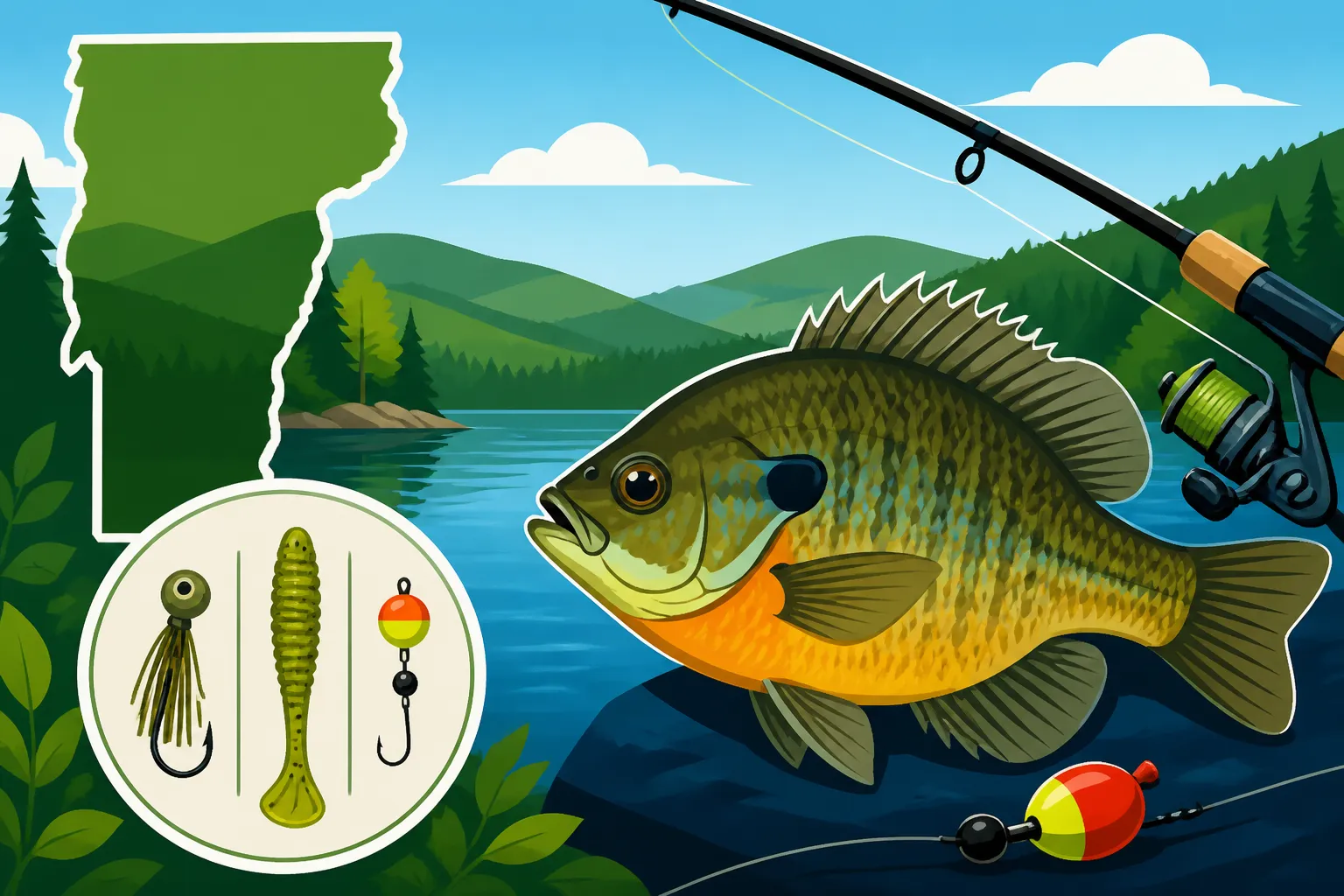
Bluegill are easily recognized by their deep, pan-shaped bodies, typically olive to dark blue on top, fading to a yellowish belly. They have a distinctive black spot on their gill flap and a small mouth. Pumpkinseeds are often even more colorful, with iridescent blue and orange markings on their gill plates. While they don't grow to the size of crappie or perch, what they lack in size, they make up for in sheer feistiness. They hit baits hard and pull surprisingly strong for their size, especially on ultralight gear. Their diet consists mainly of insects, insect larvae, and small crustaceans. For a comprehensive look at how to identify all the different panfish you might encounter, check out our Panfish Species Identification Guide for Vermont.
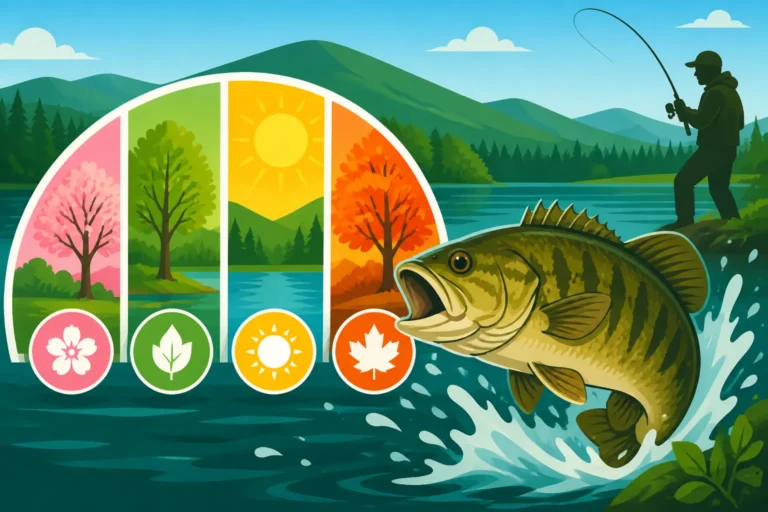
Seasonal Habits and Locations
Understanding the seasonal movements and preferred habitats of Vermont's panfish is crucial. They aren't just sitting in one spot all year; their behavior changes dramatically with water temperature, spawning cycles, and available food sources. Being able to predict where they'll be at different times of the year is a true angler's advantage.
Spring: The Shallow Warm-Up
As Vermont shakes off winter's chill, spring brings a resurgence of activity, and panfish are among the first to get moving. In early spring, shortly after ice-out, look for panfish in the warmest, shallowest areas of lakes and ponds. These spots, often north-facing banks or shallow bays, warm up fastest from the sun's rays, attracting baitfish and insects – and thus, the panfish. Black bottom areas are particularly good, as they absorb more solar radiation. Perch and crappie might be found staging in slightly deeper water nearby, waiting for the water to warm further before moving into the shallows for pre-spawn feeding.
As spring progresses into late May and early June, spawning season begins. Bluegill and other sunfish will move right into extremely shallow, often muddy or sandy bottomed areas to build their circular "nests." You can often spot these nests in clear water. Crappie will typically spawn in slightly deeper water, often around submerged brush, timber, or dense vegetation. During this time, they become very aggressive towards anything perceived as a threat to their nests or food source. Focus on water depths of 2-5 feet for sunfish, and 5-10 feet for crappie and perch around available cover.
Summer: Deeper Structure and Weed Lines
Vermont summers bring warmer water temperatures, and this causes many panfish to adjust their locations. While bluegill and smaller sunfish will still be abundant in shallow, weedy areas, especially in the mornings and evenings, the larger perch and crappie will often retreat to deeper, cooler waters during the heat of the day. Look for them around structural elements like submerged humps, rocky points, deep weed lines, or the edges of drop-offs. Docks and boat houses can also hold surprisingly large schools of crappie and perch, especially those that offer shade and cover.
In larger lakes like Lake Champlain, perch can be found schooled up over vast flats or around prominent rock piles in 15-30 feet of water. Crappie will often suspend over deeper water adjacent to structure or within dense submerged weed beds. Early morning, late evening, and overcast days are prime times to find them closer to the surface or in shallower cover. When the sun is high and bright, they'll seek refuge in the coolest, shadiest, and deepest cover they can find.
Fall: The Feeding Frenzy
Autumn in Vermont isn't just about the stunning foliage; it's also a fantastic time for panfish. As water temperatures begin to drop, panfish sense the approaching winter and enter a frantic feeding period to bulk up their fat reserves. This often means they become incredibly active and aggressive, making them easier to catch. They'll follow baitfish schools into shallower coves and bays, and often hold around prominent points or channels.
You'll find perch actively chasing minnows in open water or along the edges of weed beds that are starting to die back. Crappie will school up tightly, often near the deeper edges of the remaining vegetation or around large submerged timber. Bluegill, while still catchable in shallower areas, will also start to congregate in larger schools, sometimes moving into slightly deeper water than they occupied in summer. The fall bite can be some of the most rewarding fishing of the year, offering both quantity and quality.
Winter: Ice Fishing Hotspots
When the lakes and ponds of Vermont freeze over, the panfish action doesn't stop – it just changes form! Ice fishing for panfish is a beloved winter tradition, offering some of the most consistent and accessible fishing throughout the colder months. Panfish, particularly yellow perch and crappie, remain active under the ice. They tend to congregate in predictable areas, often over deeper flats, along the edges of drop-offs, or near the mouths of shallow bays. They'll typically hold near the bottom, but crappie can often be found suspended at various depths.
The key to ice fishing success is mobility and finding those schools. Small jigs tipped with bait (like spikes, waxworms, or a tiny minnow) or tiny spoons are deadly effective. Once you locate a school, the action can be non-stop. Just be sure to pay attention to Vermont Ice Fishing Season Dates and always prioritize ice safety! For dedicated tips on catching these cold-water favorites, our guide to Jigging for Perch Through the Ice is an absolute must-read.
Essential Gear for Vermont Panfish Anglers
One of the great things about panfishing is that you don't need a boatload of expensive gear to be successful. In fact, simpler and lighter is often better. The key is choosing tackle that is sensitive enough to detect the often subtle bites of panfish and light enough to make even a small bluegill feel like a heavyweight contender. Let's talk about what you'll want in your arsenal. If you're looking for a more generalized guide to stocking your tackle box, you might find our article on Best Tackle Box Setup for Vermont Anglers helpful.
Rods, Reels, and Line The Finesse Setup
When it comes to panfish, finesse is the name of the game. Heavy gear will just rip tiny hooks out of their mouths or make it impossible to feel those delicate nibbles. An ultralight setup is your best friend.
Ultralight Spinning Combos: Sensitivity is Key
For panfish, an ultralight spinning rod, typically 5 to 6 feet in length, with a fast or extra-fast action, is ideal. The fast action means the rod bends mostly in the tip, giving you incredible sensitivity to feel those subtle bumps and taps that signify a panfish bite. The light power allows even a small fish to provide a satisfying fight. Pair this with a small, lightweight spinning reel (sizes 500 to 1000) that balances well with the rod. You don't need fancy features, just smooth drag and reliable operation.
Many excellent ultralight combos are available that won't break the bank. Brands like Ugly Stik, Pflueger, and Shimano offer fantastic entry-level options. You can often find great deals on these types of combos on platforms like Amazon, making it easy to get started without a huge investment. The goal here is a setup that feels like an extension of your hand, allowing you to detect the slightest take.
Line Choices: Thin and Strong
When fishing for panfish, line choice is crucial. You want something thin for less visibility in the water and for easier casting of very light lures, but also strong enough to handle a feisty perch or crappie. Monofilament line in the 4- to 6-pound test range is a classic choice. It has a bit of stretch, which can be forgiving when a fish surges, and it's relatively inexpensive.
Fluorocarbon line in the same test range is another excellent option. It's nearly invisible underwater, has very little stretch for increased sensitivity, and is more abrasion-resistant, which can be a plus if you're fishing around docks or rocky bottoms. Some anglers even opt for a very light braided line (e.g., 6-pound test) with a 2-4 foot fluorocarbon leader for maximum sensitivity and casting distance. The key is to keep it light; anything heavier than 6-pound test usually starts to hinder your presentation and bite detection.
Baits and Lures Tiny Temptations
Panfish aren't typically looking for a big meal, so scaling down your baits and lures is essential. This is where the term "micro-fishing" really comes into play.
Live Bait: The Irresistible Classic
When in doubt, live bait is almost always a winner for panfish. It's natural, it smells appealing, and it moves enticingly.
- Worms: Nightcrawlers or smaller "garden worms" cut into small pieces are incredibly effective for bluegill, sunfish, and perch. Thread a small piece onto a tiny hook, just enough to cover the point, and let it wriggle.
- Minnows: Small fathead minnows or shiners, especially 1-2 inches long, are absolutely deadly for crappie and larger yellow perch. Hook them lightly through the lips or just behind the dorsal fin and suspend them under a bobber. Minnows are particularly effective for active, hungry fish.
- Maggots/Spikes and Waxworms: These tiny insect larvae are phenomenal for ice fishing or open-water fishing when fish are finicky. Their small size and constant wiggling motion are irresistible to all panfish species. They're often used to tip small jigs.
Artificials: Micro Jigs, Tiny Spoons, and Small Plastics
The world of artificial panfish lures is vast and exciting, offering endless options for different conditions and angler preferences.
- Micro Jigs: These are the bread and butter of artificial panfish fishing. Think jigs weighing 1/64th to 1/16th ounce. They come in various colors and styles, often with marabou, chenille, or synthetic hair bodies. The key is to match the hatch – or at least match the general color of the local baitfish or insects.
- Small Soft Plastics: Tiny plastic grubs, tubes, single-tail swimbaits, and even creature baits, usually 1 to 2 inches long, are incredibly effective when rigged on a tiny jig head. Colors like chartreuse, white, black, and natural browns often produce well. Experiment with different retrieves, from slow steady reeling to jigging and pausing. Many anglers find a huge selection of these small plastics on Amazon, offering variety that local shops might not have.
- Tiny Spoons: Small spoons, especially 1/16th to 1/8th ounce, are fantastic for jigging through the ice or casting in deeper open water. Their flash and flutter imitate struggling baitfish. Colors like silver, gold, and vibrant patterns work well.
- Small Spinners: Classic inline spinners with tiny blades are great for covering water and triggering aggressive bites, especially from perch and sunfish. Rooster Tails and Mepps spinners in micro sizes are perennial favorites.
Essential Accessories
Beyond the basic rod, reel, and tackle, a few accessories will make your panfishing experience much more enjoyable and efficient.
Bobbers: Visualizing the Bite
Bobbers are invaluable for panfishing, especially when fishing with live bait or small jigs. They suspend your bait at a desired depth and, crucially, provide a visual indicator of a bite.
- Clip-on Bobbers: The classic red and white plastic bobber is simple and effective for shallower water.
- Slip Bobbers: These are a game-changer for deeper water. A slip bobber slides freely on your line until it hits a small bobber stop (a piece of string or rubber) that you've set to your desired depth. This allows you to cast a long leader and still reel the bobber right down to your rod tip for easy casting. They provide much more versatility for fishing different depths.
Pliers, Forceps, and Hook Removers: Safety First
Panfish have small mouths, and those tiny hooks can be tricky to remove, especially if a fish swallows the bait. A good pair of long-nosed pliers or, even better, a set of fishing forceps, is essential for quick and safe hook removal. This minimizes stress on the fish if you're planning to release it and prevents you from getting pricked by a tiny hook.
Small Landing Net: For the Bigger Surprises
While most panfish can be easily swung into hand, occasionally you'll hook into a surprisingly large crappie or perch, or even an incidental trout. A small, fine-mesh landing net can save the day, preventing you from losing a trophy panfish at the boat or bank and ensuring a gentler release if you choose to.
Mastering Panfish Techniques Shore, Boat, and Ice
Now that we know the players and have our gear dialed in, it's time to talk tactics. Whether you're casting from a peaceful shoreline, navigating a kayak through quiet coves, or braving the winter ice, there are specific techniques that will put more panfish in your cooler. Remember, consistency comes from adapting your approach to the environment and the fish's mood.
Shoreline and Bank Fishing Strategies
Fishing from shore is arguably the most accessible way to target panfish, and Vermont offers countless ponds, lakes, and even river sections perfect for this. It's a fantastic way to enjoy a casual outing, especially with family, without the need for a boat.
Still Fishing with a Bobber: The Ultimate Simplicity
This is perhaps the quintessential panfish technique, and for good reason: it's incredibly effective and easy to learn. The setup is simple: a small hook (sizes 6-10 are typically good for panfish), a small split shot or two crimped a few inches above the hook, and a bobber. You'll want to adjust your bobber depth so your bait is suspended just above any submerged vegetation or structure where panfish might be hiding, or simply a foot or two off the bottom.
Cast your bait out to likely looking areas – near docks, submerged logs, weed edges, or drop-offs – and simply let it sit. Watch the bobber intently. Panfish bites can range from a gentle dip to a full-on disappearance. When the bobber goes down, count to one or two, then set the hook with a gentle sweep of the rod. This technique is particularly effective with live bait like worms or small minnows, as the natural movement of the bait does much of the work for you. It's also a wonderfully relaxing way to fish, allowing you to soak in the Vermont scenery.
Fan Casting Small Lures: Covering More Water
While still fishing is great for focused presentations, sometimes panfish are spread out, or you need to actively seek them. This is where fan casting small artificial lures shines. Using an ultralight rod and reel, cast your micro jigs, tiny spinners, or small soft plastics in a fan-like pattern, covering a wide arc of water in front of you. This allows you to systematically search an area for active fish.
Vary your retrieve speed and depth until you find what the fish are responding to. Sometimes a slow, steady retrieve works best; other times, a twitch-pause-twitch retrieve is the ticket. Pay close attention to where you get bites – that tells you where the fish are holding, whether it's near a specific piece of structure, a certain depth, or a particular type of cover. This active approach is exhilarating and can help you pinpoint those elusive schools.
Boat and Kayak Approaches
Having access to a boat or kayak significantly expands your panfishing opportunities, allowing you to reach deeper waters, isolated structures, and unpressured areas that are inaccessible from shore. Vermont's lakes and larger ponds are perfect for exploring via watercraft.
Drifting: Covering Weed Lines and Flats
Drifting is a highly effective boat-based technique for locating and catching panfish, especially when they are spread out over large areas like weed beds or expansive flats. Simply let the wind or a very slow trolling motor propel your boat across productive areas, dragging or suspending your baits. You can use multiple rods with different presentations to see what's working best. This could be a small jig tipped with a worm, a tiny spoon, or a suspended minnow under a slip bobber.
Drifting is particularly good for yellow perch, which often school up on these open-water features. As you drift, pay attention to your fish finder if you have one – it can help you spot schools of fish or changes in bottom contour that might hold panfish. Once you get a bite or catch a fish, mark the spot with a GPS waypoint or a buoy. Then, you can either drift that same path again or anchor up if you've found a concentrated school. If you're using a kayak, our guide to Best Kayak Fishing Techniques for Vermont Lakes offers even more tailored advice.
Anchoring Near Structure: Precise Presentations
When you've located a promising piece of structure – a submerged rock pile, a brush pile, a deep dock, or a prominent weed line – anchoring your boat or kayak can allow for incredibly precise and effective presentations. Position your craft slightly upwind or upstream from the structure, then use your anchor to hold your position. This allows you to cast repeatedly to the prime zone without drifting away.
This method is fantastic for targeting crappie, which are often tightly associated with vertical structure. Drop tiny jigs, small soft plastics, or minnows right into the heart of the cover. Vertical jigging directly over the structure, where your bait is suspended directly below your boat, can also be deadly. This allows for excellent sensitivity and direct control over your lure. Take your time, exhaust the spot, and then move on to the next promising piece of structure.
Using Electronics: Finding Schools
While not strictly necessary for panfishing, a basic fish finder can be a game-changer, especially in larger or deeper Vermont lakes. Even inexpensive, portable units can help you locate schools of fish, identify submerged structure, and even determine water depth and temperature – all critical information for finding panfish. Look for "arches" or "blobs" on your screen, which indicate fish. Pay attention to the depth at which they're holding.
On lakes like Lake Champlain, a good fish finder can help you quickly scan large areas for schools of perch or crappie, saving you valuable time. Without one, you're fishing blind in open water. For kayak anglers, small, portable fish finders that attach to the kayak are incredibly popular and effective, providing much of the functionality of larger units in a compact package. This piece of gear can truly elevate your panfishing success, turning unproductive casts into consistent action. You can find many great portable fish finder options on Amazon.
Ice Fishing for Panfish in Vermont
Ice fishing isn't just a way to pass the winter; it's often the best time to consistently catch large numbers of panfish in Vermont. When the lakes are frozen, panfish tend to school up more tightly and are often very accessible to anglers willing to brave the cold.
Jigging Techniques: Small Jigs, Active Presentation
Vertical jigging is the primary technique for ice fishing panfish. You'll use a short, sensitive ice rod (often 24-30 inches long) paired with a small spinning reel. Your lures will be tiny: 1/32nd to 1/16th ounce jigs, often tipped with a live bait like a waxworm, spike, or a piece of Berkley PowerBait. The key is to impart a subtle, lifelike action to your jig.
Drop your jig down to the desired depth (often just above where you're seeing fish on your flasher/fish finder, or a foot or two off the bottom). Then, gently lift and drop your rod tip, creating a small jigging motion. Pause frequently, as many bites occur on the fall or during the pause. Panfish bites can be incredibly subtle through the ice – sometimes just a slight "mushy" feeling, or your line going slack. Setting the hook with a quick wrist snap is usually all it takes. Experiment with different jigging cadences and depths until you find what the fish prefer. Our detailed guide on Jigging for Perch Through the Ice offers even more expert advice.
Tip-ups: For Larger Crappie or Perch
While jigging is active, tip-ups offer a more passive way to fish, allowing you to cover more area. A tip-up consists of a spool of line submerged in the water, and a flag that "tips up" when a fish takes the bait and pulls line. For panfish, use small hooks (size 8-10) and bait them with small minnows or worms. Set your bait at various depths until you find where the fish are holding.
Tip-ups are especially effective for larger crappie or yellow perch that might be more hesitant to chase a jig, preferring a more natural, stationary bait. You can set up multiple tip-ups (check local regulations for the maximum number of lines allowed per angler) around your jigging holes to maximize your chances. Just remember to have your jigging rod ready to sprint to a flagged tip-up when the action starts!
Advanced Tips and Tricks for More Panfish
Consistently catching panfish goes beyond just the basic techniques. It involves learning to read the water, understanding subtle cues, and honing your presentation. These advanced insights can significantly increase your catch rates and turn a good day into a fantastic one.
Reading the Water and Finding Structure
Panfish don't just swim aimlessly; they congregate around specific features in their environment that offer food, cover, or comfortable temperatures. Learning to "read the water" and identify these structures is perhaps the most important skill for any angler.
Weed Lines, Fallen Trees, Docks, Submerged Humps
These are panfish magnets.
- Weed Lines: The edges of submerged weed beds offer ambush points, shelter from predators, and a rich feeding ground for insects and small organisms. Focus your efforts where thick weeds transition to open water.
- Fallen Trees/Brush Piles: Submerged timber provides excellent cover and a habitat for invertebrates. Crappie, in particular, love to hide in these complex structures. Approach quietly and drop your bait right into the branches.
- Docks and Pilings: Especially those with associated weed growth or shade, can hold significant numbers of panfish. Fish around the pilings, under the dock, and along the edges where the dock meets the bottom.
- Submerged Humps and Rock Piles: These underwater elevated areas can concentrate baitfish and provide excellent structure for larger perch and crappie in deeper water. They're often best found with a fish finder.
Always be observant. Look for changes in water color, ripples indicating submerged structure, or even surface activity that might suggest baitfish – where there's bait, there are usually panfish.
Temperature Breaks and Current Seams
These less obvious features can be incredibly productive, particularly for active fish.
- Temperature Breaks: In spring and fall, slight differences in water temperature can draw panfish in. Look for areas where warmer, shallow water meets cooler, deeper water, or where a warm incoming current enters a cooler lake. Panfish will often stage right on these thermal seams.
- Current Seams: In rivers or areas of lakes with some flow (like inlets or outlets), current seams – the line where fast-moving water meets slower-moving water – are prime feeding zones. Baitfish and insects get swept along the faster current and collect in the slower water, making an easy meal for panfish waiting in ambush. Cast your bait so it drifts naturally along this seam.
Finesse Presentations and Hook Sets
Panfish mouths are small, and their bites can be incredibly subtle. Mastering a finesse presentation and light hook sets will dramatically improve your catch rate.
Slow Retrieves, Pausing, Small Twitches
Aggressive retrieves often overwhelm panfish. Instead, focus on subtle, enticing movements.
- Slow Retrieves: When casting lures, reel just fast enough to give your lure action. A slow, steady retrieve is often all it takes.
- Pausing: Many bites occur when a lure is momentarily suspended or falling. Incorporate pauses into your retrieve. Let a jig sink for a few seconds, then twitch it and let it fall again. This erratic, stop-and-go motion often triggers a strike from curious or cautious panfish.
- Small Twitches: Think "micro-movements." Gently twitch your rod tip, just enough to make a soft plastic grub's tail quiver or a marabou jig pulsate. This subtle action often mimics natural insect or baitfish movements more effectively than aggressive jerks. These presentations are especially effective when fishing clear waters or when fish are finicky.
Light Touch Hook Sets
Because panfish have relatively soft mouths and you're using small hooks, a heavy-handed hook set can rip the hook right out. Instead of a powerful "bass style" hook set, use a gentle, upward sweep of the rod.
- Feeling the Bite: With ultralight gear, you'll often feel a slight tap, a spongy resistance, or a sudden weight. Trust your instincts.
- The Sweep: When you feel a bite, don't jerk hard. Instead, quickly but smoothly lift your rod tip upward and backward, creating tension and driving the hook home. This gentle sweep is usually enough to embed the small hook securely in their mouth without tearing the soft tissue.
Remember that practice makes perfect. The more you fish for panfish with light tackle, the more sensitive you'll become to their subtle bites and the more natural your hook sets will become. This finesse approach is key to consistently putting these small but feisty fish in the boat or on the bank. If you're looking to refine your gear, consider exploring options for Best Tackle for Panfish.
Responsible Panfishing and Vermont Regulations
While panfish are abundant and often resilient, it's crucial for every angler to practice responsible fishing. This not only ensures healthy fish populations for the future but also respects the environment we all cherish here in Vermont. Plus, understanding the rules means you can fish with confidence and avoid any unnecessary headaches. For a general overview of all the rules, our Vermont Fishing Regulations Explained guide is a great resource.
Catch and Release vs. Keeping Your Catch
One of the great joys of panfishing is that it offers the best of both worlds: you can enjoy fantastic catch-and-release action, or you can keep a mess of fish for a delicious meal.
Harvesting Panfish: Great Eating, Managing Populations
Panfish, by nature, are prolific spawners, and in many Vermont waters, they can become overpopulated. When this happens, growth rates can stunt, leading to a lake full of small, unhealthy fish. Thoughtful harvesting of panfish can actually be beneficial for the fishery, thinning out the population and allowing the remaining fish to grow larger and healthier. Plus, as we've mentioned, yellow perch, crappie, and even bluegill are incredibly delicious when properly cleaned and cooked. A fresh meal of pan-fried Vermont perch is a culinary delight!
When deciding to keep fish, aim for a balanced approach. Don't keep every fish you catch, but don't be afraid to take home a good meal. Focus on removing smaller to medium-sized fish, leaving the larger "trophy" panfish to continue growing and reproducing. Always check the specific regulations for the water body you are fishing, as some areas may have length or slot limits for certain species to protect larger fish.
Best Practices for Releasing Fish
If you choose to release your catch, doing so properly is vital for the fish's survival.
- Minimize Handling: Try to handle the fish as little as possible. If you can, unhook it while it's still in the water.
- Wet Hands: If you must handle the fish, wet your hands first. Dry hands can remove the fish's protective slime coat, making it more susceptible to disease.
- Quick Hook Removal: Use those forceps or long-nosed pliers we talked about earlier to quickly and carefully remove the hook. If the fish is deeply hooked, it's sometimes better to cut the line as close to the hook as possible rather than tearing the fish's internal organs trying to retrieve it.
- Support the Fish: If taking a photo, support the fish horizontally with two hands. Avoid holding it vertically by the jaw, as this can damage its internal organs.
- Revive If Necessary: If the fish seems sluggish, gently hold it upright in the water and move it back and forth to force water over its gills until it swims away on its own.
Understanding Vermont's Panfish Regulations
Fishing in Vermont is a privilege, and with that comes the responsibility of adhering to the state's fishing regulations. These rules are in place to ensure sustainable fish populations and enjoyable angling for everyone. It's not always the most exciting reading, but knowing your limits and methods is critical. If you ever need to reference the full text, our guide to Reading the Vermont Fishing Regulations Guide is always there for you.
General Regulations vs. Special Waters
The Vermont Fish & Wildlife Department sets general regulations that apply to most waters in the state. However, it's crucial to be aware that many specific water bodies have "special regulations" that can supersede the general rules. These special regulations might include different daily limits, length limits, or even tackle restrictions for certain species. Always check the current Vermont Fishing Guide for the specific lake, pond, or river section you plan to fish. You can usually find this information on the Vermont Fish & Wildlife Department website.
For example, while there might be a general statewide limit for yellow perch, a particular lake might have a more restrictive limit or even a "no live bait" rule to protect certain species. It's always better to double-check before you head out. Don't forget, having your Vermont Fishing License Guide for 2026 handy is the first step to ensuring you're compliant.
Daily Limits for Common Panfish
Vermont has specific daily bag and possession limits for various panfish species. These limits dictate how many fish you can keep in a single day, and how many you can have in your possession (which includes fish at home). While panfish limits are often generous due to their abundance, they are still important to follow.
Here's a general overview of typical panfish daily limits in Vermont. Always consult the current Vermont Fishing Guide for the most up-to-date and specific regulations for your chosen body of water. These numbers can change, and special regulations can apply.
| Species | Daily Limit (General) | Notes |
|---|---|---|
| Yellow Perch | No Limit | While there's generally no daily limit on yellow perch, this doesn't mean you should keep every single one. Practice selective harvest to promote healthy populations. Some waters may have specific regulations. |
| Black Crappie | No Limit | Similar to yellow perch, black crappie usually don't have a daily limit in most Vermont waters. Again, responsible harvesting is encouraged. Local exceptions might apply, especially for larger crappie. |
| Bluegill/Sunfish | No Limit | Most common sunfish species, including bluegill, pumpkinseed, and rock bass, typically have no daily limit. These fish are excellent for teaching kids to fish and can provide a fantastic meal, but always be mindful of local conditions and specific pond rules. |
| Chain Pickerel | 10 fish | While often grouped with panfish due to their smaller size compared to pike, chain pickerel are predatory fish. They do have a daily limit, and often a minimum length limit. Be sure to differentiate them from other panfish. |
| White Perch | No Limit | Found in some Vermont waters, particularly Lake Champlain, white perch are also usually unregulated in terms of daily limits. |
Note: This table provides general guidance. Always refer to the official Vermont Fish & Wildlife Department regulations for the most current and specific rules for the water body you are fishing. Length limits may also apply to certain species in specific waters.
Understanding these limits and other pertinent rules is a critical part of being a responsible angler. You can find more details on specific species in our comprehensive guide to Vermont Bag and Possession Limits by Species. Remember, these regulations are designed to protect the very resource we all enjoy, ensuring that Vermont remains a fantastic place to fish for generations to come.
Disclaimer
Please remember that fishing regulations, conditions, and best practices can change. Always consult the most current Vermont Fish & Wildlife Department regulations before heading out on the water. This guide is for informational purposes only and should not be considered a substitute for official sources. Stay safe, respect the environment, and enjoy your time fishing in Vermont!