Best high-elevation trout streams in the Green Mountains
There’s a unique kind of magic that calls to anglers in Vermont, a pull towards those hidden pockets of wilderness where the air is crisper, the water is colder, and the fish are wilder. If you've ever found yourself yearning for an escape from the crowds, dreaming of native brook trout in their untouched homes, then you know the specific frustration of trying to pinpoint those elusive, high-elevation trout streams tucked away in the Green Mountains. This guide is here to unravel that mystery, showing you not just where to look, but how to approach these special places for a truly rewarding angling experience.
The Allure of Vermont's High-Elevation Trout Streams
There’s something inherently captivating about a stream cascading down a mountain slope, fed by pure snowmelt and hidden springs. These aren't your typical easy-access, heavily stocked roadside rivers. High-elevation trout streams in Vermont are sanctuaries, often characterized by their remote beauty, challenging terrain, and the prized native Brook Trout: Vermont's Native Trout. For many anglers, the journey to these waters is as much a part of the experience as the fishing itself, offering unparalleled solitude and a deep connection to nature.
Why These Streams Stand Apart
What really makes these high-elevation streams distinct from their lower-elevation counterparts? It's a combination of factors that create a unique ecosystem perfectly suited for wild trout. First and foremost is the water itself: it's incredibly cold, even in the dog days of summer, providing a vital thermal refuge for trout when other waters become too warm. This consistent cold temperature is crucial for the health and survival of brook trout, which are highly sensitive to rising water temperatures. The water also tends to be incredibly clear, demanding a stealthier approach from anglers but offering the reward of truly pristine surroundings.
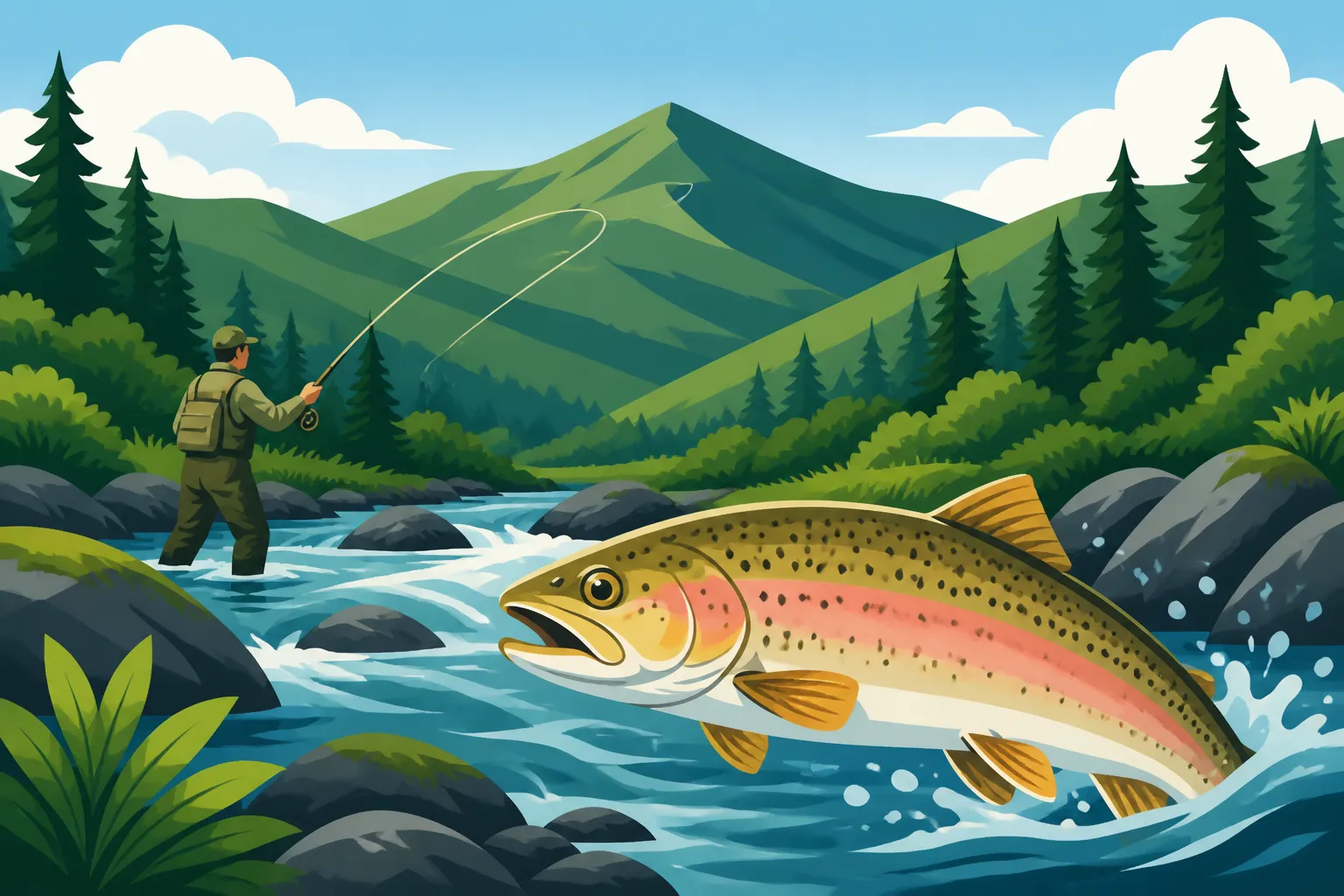
Beyond temperature, the physical characteristics are striking. These streams often feature steeper gradients, creating a dynamic environment of riffles, small waterfalls, deep plunge pools, and boulder-strewn runs. This varied structure provides ample cover and feeding lies for trout. The dense canopy overhead, typically composed of hemlock, spruce, and hardwoods, not only keeps the water cool but also contributes a steady supply of terrestrial insects – think ants, beetles, and inchworms – which become a significant food source for trout, especially in summer. It’s this wild, untamed nature that appeals to those looking for a different kind of angling challenge and a chance to truly disconnect.
The Challenge and Reward of Wild Trout
Fishing high-elevation streams isn't about catching dozens of fish; it's about the quality of the experience and the thrill of outsmarting truly wild adversaries. These brook trout, often adorned in vibrant spawning colors, are typically smaller than their stocked cousins found in more accessible waters. They are wary, quick, and demand precise presentations. Every fish caught feels like a victory, a testament to your skill and patience in their demanding environment. The reward isn't measured in inches or pounds, but in the sheer beauty of the fish, the pristine setting, and the profound sense of accomplishment.
It’s also important to remember that these are often fragile ecosystems. The wild trout populations in these headwater streams are self-sustaining, meaning they reproduce naturally without human intervention like stocking. This makes them incredibly valuable and deserving of our utmost respect and careful handling. Adhering to strict Vermont Bag and Possession Limits by Species and practicing catch-and-release, especially for brook trout, is paramount to ensuring these fisheries thrive for generations to come.
Where to Find These Elusive Mountain Gems
While Vermont's major rivers like the Battenkill, White, and Lamoille are renowned for their trout fishing, the true high-elevation treasures are usually found in the countless smaller, unnamed tributaries and headwaters that feed these larger systems. These are the creeks and brooks that crisscross the spine of the Green Mountains, often requiring a hike to access but promising solitude and stunning scenery.
Regions to Explore for Headwater Trout
The vast expanse of the Green Mountain National Forest is arguably the prime hunting ground for high-elevation wild trout. Covering over 400,000 acres across central and southern Vermont, it’s a mosaic of forested peaks, valleys, and countless small drainages. Here, you'll find numerous streams originating high on slopes like Mount Abraham, Camel's Hump, and Mount Mansfield, all flowing into major river systems.
For example, tributaries feeding into the White River system, especially its upper reaches and feeder streams in towns like Rochester and Hancock, offer excellent opportunities. Similarly, the headwaters of streams in the Lamoille River basin, particularly those flowing off the northern flanks of the Green Mountains near Stowe or Johnson, can hold robust populations of brook trout. In the southern part of the state, streams flowing into the Otter Creek or even the upper West River drainage within the National Forest boundaries are worth exploring.
When scouting for these spots, look at topographic maps for areas with steep contours and blue lines that appear to have continuous flow, especially those starting at higher elevations. Trailhead parking areas for hiking trails, particularly those leading to the Long Trail or other backcountry paths, often provide starting points for bushwhacking or following game trails along these small streams. Keep in mind that many of these streams don't have official "names" on standard maps, but local knowledge or a good GPS can help identify promising stretches. Sometimes, securing a local guide, perhaps through a service like FishingBooker, who specializes in these more remote areas can provide invaluable insight and lead you to waters you might never find otherwise.
Characteristics of Productive Mountain Streams
Once you're in the general vicinity, how do you know if a particular stream holds fish? Look for these key characteristics:
- Consistent Cold Water: This is non-negotiable. Even on a hot day, if the water feels icy cold, you're likely in good territory.
- Good Cover: Wild trout are masters of camouflage and seek refuge from predators. Look for undercut banks, large boulders, fallen logs (known as "blowdowns"), and dense riparian vegetation. These features provide both shelter and ambush points for feeding.
- Varied Structure: A healthy stream will have a mix of riffles (shallow, fast-moving water), runs (deeper, smoother flows), and pools (still, deeper sections). The pools, especially those at the base of small falls or large boulders, are prime holding spots for larger fish.
- Clear Water with a Healthy Substrate: Look for clean gravel, rocks, and minimal silt. This indicates good water quality and a healthy ecosystem for aquatic insects, which form the base of the trout's diet.
- Signs of Wildlife: While not direct evidence of fish, the presence of other healthy wildlife, like deer, moose, or various bird species, suggests a thriving natural environment.
A successful day on these streams often involves more hiking and exploring than actual casting. It's about finding that perfect, untouched stretch of water, presenting a fly in just the right way, and appreciating the wildness of it all. Before you head out, make sure you're familiar with Vermont Fishing Regulations Explained and specifically check any special regulations for the area you plan to visit, as some streams may have unique rules regarding tackle or catch limits.
Navigating the Challenges: Gear, Techniques, and What to Expect
Fishing high-elevation streams isn't like fishing a wide, open river. The terrain, the size of the water, and the wariness of the fish all dictate a specific approach. Being prepared with the right gear and techniques will greatly increase your chances of success and, more importantly, your enjoyment.
Essential Gear for Mountain Trout
Lightweight and functional is the name of the game when you're hiking into remote country. Here's a breakdown of what you'll want to bring:
| Item | Description | Why it's Essential |
|---|---|---|
| Light Fly Rod | 7 to 8.5 feet, 2 to 4-weight. | Shorter rods are easier to manage in tight quarters; lighter weight protects small fish. |
| Weight-Forward Floating Line | Matched to your rod. | Standard for most stream fly fishing, good for delicate presentations. |
| Tapered Leader & Tippet | 7.5-9 ft, 4x-6x leader, with spools of 5x-7x tippet. | Delicate presentations in clear water; fine tippet for small flies. |
| Assortment of Flies | Small dry flies (Parachute Adams, Elk Hair Caddis, Stimulator), small nymphs (Hare's Ear, Pheasant Tail), terrestrials (Ants, Beetles). | Mimic the natural insects found in these streams. Refer to Best flies for Green Mountain brook trout. |
| Waders & Boots | Breathable chest waders and sturdy Best Wading Boots for Rocky Streams. | Keeps you dry and comfortable, provides ankle support on uneven terrain. |
| Small Pack | Waterproof daypack for essentials. | Carries water, snacks, extra layers, first aid, and fishing gear. |
| Water Bottle/Filter | Essential for hydration, especially on long hikes. | Mountain streams, while pristine, may require filtering for safety. |
| Map & Compass/GPS | Crucial for navigation in unmarked wilderness. | Don't rely solely on phone GPS, signal can be spotty. |
| Sun Protection | Hat, sunglasses (Best Polarized Sunglasses for Sight Fishing), sunscreen. | Even under tree cover, sun exposure can be significant. |
| First Aid Kit | Basic supplies for cuts, blisters, insect bites. | Accidents happen in remote areas. |
| Small Landing Net | Best Landing Net for Trout with rubber mesh. | Minimizes harm to fish for quick release. |
| Wading Staff | Collapsible, for stability on slippery rocks and in current. | Provides crucial balance, especially helpful on steep, uneven stream beds. Best wading staff for fast current |
Regarding rods, while a longer rod might be good for casting, a slightly shorter Best Fly Rods for Vermont Trout Streams (7.5 to 8 feet) in a 3 or 4-weight is often more practical for navigating dense brush and making accurate short casts in tight pockets. For Best Waders for Vermont Trout Streams, breathable chest waders are ideal for mobility and comfort during hiking and wading.
Techniques for Tricky Mountain Trout
Success in these streams hinges on stealth, precision, and understanding trout behavior in small water.
- Stealth is Paramount: Wild brook trout are incredibly skittish. Approach the water slowly, keeping a low profile. Avoid heavy footsteps or casting a long shadow over the water. Often, the fish are right at your feet or just upstream in the next pocket.
- Short, Accurate Casts: You won't be making 50-foot casts here. Focus on precise 10-20 foot casts, often roll casts or bow-and-arrow casts, to drop your fly into tight pockets and seams.
- Upstream Presentations: Generally, it's best to fish upstream. This allows you to approach the fish from behind, presenting your fly naturally as it drifts down towards them, and preventing you from spooking fish in the water directly above you.
- Reading the Water: Look for the "sweet spots"—plunge pools below cascades, seams where faster water meets slower water, undercut banks, and the eddying water behind large boulders or log jams. These are prime feeding and holding lies.
- High-Sticking and Drifting: In tight, turbulent water, high-stick nymphing or short-line dry fly fishing allows for maximum drag-free drift in small windows of calm water. Keep as much line off the water as possible.
- Terrestrials are King in Summer: While nymphs and small caddis or mayfly patterns always have their place, don't underestimate the power of a well-placed ant, beetle, or hopper imitation, especially from late spring through fall when terrestrials are abundant. If you want to try some streamers, knowing How to fish a wooly bugger for trout can also be effective in deeper pools.
- Practice Catch and Release: For these wild, native fish, especially brook trout, catch and release is highly recommended. Handle fish minimally, keep them in the water as much as possible, and use a barbless hook for easier release.
While the fishing can be challenging, it's incredibly rewarding. You might not catch a trophy-sized fish, but you'll have an unforgettable experience in some of Vermont's most pristine natural settings. If you’re less experienced with fly fishing these specific conditions, consider looking for local guides on platforms like FishingBooker who specialize in the unique challenges and rewards of high-country trout fishing.
Embracing the Wild: Conservation and Responsible Angling
The privilege of fishing these remote, high-elevation streams comes with a significant responsibility: to protect and preserve them. These are fragile ecosystems, and our actions, even seemingly small ones, can have a lasting impact. Being a responsible angler means more than just following the rules; it means being a steward of these wild places.
Practicing Leave No Trace Principles
When you venture into the backcountry, remember the core tenets of Leave No Trace. This means planning ahead and preparing, traveling and camping on durable surfaces, disposing of waste properly, leaving what you find, minimizing campfire impacts (though often campfires are discouraged or prohibited in sensitive areas, and always check for fire bans), respecting wildlife, and being considerate of other visitors.
For anglers, this translates to packing out everything you pack in – even a tiny piece of monofilament line or a discarded fly can harm wildlife. Avoid disturbing stream banks or wading unnecessarily through sensitive spawning areas. If you bring a snack, ensure all wrappers return with you. Our goal should always be to leave the area looking as if we were never there, preserving its pristine nature for future generations and the wildlife that depend on it. This also means being mindful of your access points. Many high-elevation streams flow through private land before reaching public access, so always be respectful of "No Trespassing" signs and landowners' rights.
Understanding and Respecting Regulations
The Vermont Fish and Wildlife Department has specific regulations designed to protect trout populations, especially native brook trout. It's imperative to consult the current Reading the Vermont Fishing Regulations Guide before each trip. This guide will detail specific season dates, bag limits, and any tackle restrictions that might apply to particular waters. For instance, some wild trout waters might be designated "catch and release only" or "fly fishing only," especially for Vermont Catch and Release Fly Fishing Only Waters.
Pay close attention to Vermont Trout Season and Stocking Rules. While lower-elevation rivers might be regularly stocked, high-elevation streams are often managed for wild, self-sustaining populations, meaning different rules apply. Knowing the difference is key. Additionally, be aware of water temperature. During periods of extreme heat and low water, trout become highly stressed. Many ethical anglers choose to avoid fishing during these times, typically when water temperatures exceed 68-70°F, to minimize stress and mortality on the fish. You can often find stream temperature gauges online or carry a small thermometer yourself. If the water is too warm, it's best to simply enjoy the scenery and come back another day.
The Future of Vermont's Wild Trout
The continued health of Vermont’s high-elevation trout streams depends on a collective commitment to conservation. These headwater fisheries are vital not only as homes for native brook trout but also as indicators of overall environmental health. They are the arteries of larger river systems, providing cold, clean water downstream.
By practicing responsible angling, advocating for clean water initiatives, and respecting the delicate balance of these wild places, we ensure that the magic of fishing for wild trout in the Green Mountains endures. It’s an experience that transcends mere sport, becoming a journey into the heart of Vermont's natural heritage.
Disclaimer
Please remember that fishing conditions, regulations, and access points can change. Always check the latest Vermont Fish & Wildlife Department regulations before heading out. Safety in the backcountry is paramount, so be prepared for changing weather conditions, carry appropriate safety gear, and inform someone of your plans.