Harriman Reservoir best fishing coves
Oh, Harriman Reservoir. If you've ever tried to fish this sprawling, often intimidating body of water in southern Vermont, you know the struggle is real. It’s huge, it’s deep, and sometimes it feels like the fish are playing hide-and-seek in its countless nooks and crannies. But don't despair! Those same nooks and crannies, particularly the coves, are exactly where the magic happens. This guide is all about cutting through the confusion, helping you unlock the secrets of Harriman's best fishing coves, and putting you squarely on the fish.
Understanding Harriman Reservoir's Unique Fishery
Harriman Reservoir, also known locally as Lake Whitingham, isn't just another pretty face in Vermont's landscape. It's a massive, almost 11-mile long body of water, offering some incredible fishing opportunities if you know where to look. Its unique characteristics are what make certain coves so productive.
A Deep Dive into the Reservoir's Ecology
This reservoir is a beast, stretching through a significant portion of southern Vermont, primarily in the town of Wilmington, and even extends a bit into Massachusetts. It’s known for its varying depths, with some areas dropping off to over 180 feet, while others feature expansive shallow flats. This diversity in depth and structure creates a myriad of habitats for different fish species.
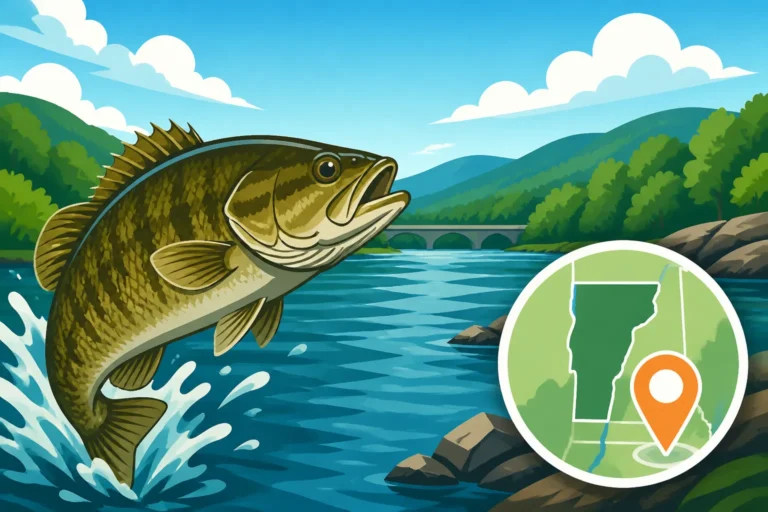
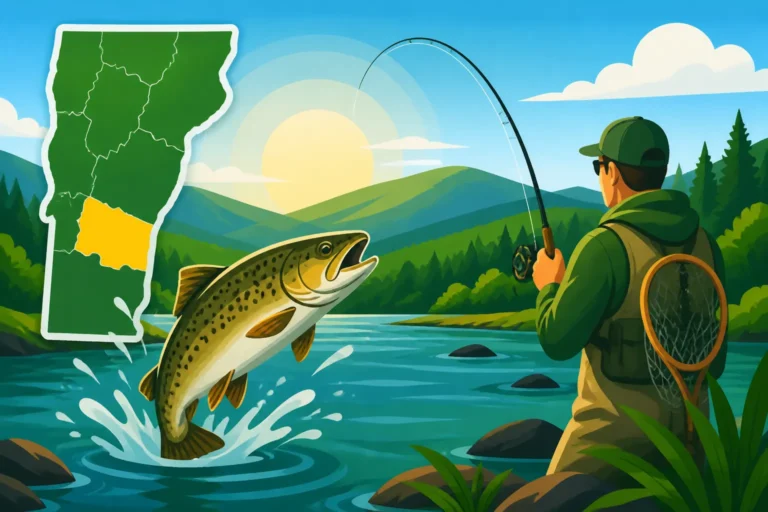
You'll find a healthy population of smallmouth bass here, thriving on the rocky points, ledges, and deep structure. These bronze beauties are a favorite for many anglers, known for their powerful fights. Largemouth bass also call Harriman home, typically preferring the shallower, weedier coves and warmer backwater areas. Beyond the bass, you'll encounter feisty chain pickerel, often lurking in the same weedy cover as largemouth. Yellow perch are abundant, providing fantastic panfish action, especially for those looking to jig through the ice or target them in deeper holes during warmer months. The reservoir is also regularly stocked with rainbow and brown trout, and occasionally, you might even find a native brook trout making its way down from one of the cooler, clean tributaries that feed into the system. The sheer amount of forage, from various baitfish to crawfish, sustains these robust populations.
Understanding the reservoir's underlying geology is crucial. Much of Harriman's structure consists of underwater rock formations, old roadbeds, and submerged timber from when the valley was flooded. These features, often hidden beneath the surface, are magnetic to fish seeking cover, ambush points, or temperature breaks.
Seasonal Changes and Fish Movement
Just like us, fish adjust their behavior with the changing seasons, and Harriman's large size means these movements can be quite pronounced. What works in a cove in May might be a ghost town by August.
In spring, as ice retreats (if it was an ice-over winter) and water temperatures begin to climb, fish move into the shallower coves. This is pre-spawn and spawning time for bass. You'll find both smallmouth and largemouth bass making their way to protected, sun-warmed bays and flats, often in less than 10 feet of water. Trout, on the other hand, might still be cruising the cooler, deeper main lake points or staging near tributary mouths as they seek out cooler water or incoming food. For anyone looking to catch early-season trout, understanding these movements is key. Check out the guide on Spring Trout Fishing Techniques for Vermont Streams for more detailed strategies.
Summer brings warmer surface temperatures, pushing many fish, especially smallmouth bass and lake trout (if present, though less common in Harriman compared to other lakes), into deeper, cooler waters. However, don't write off the coves entirely. Early mornings, late evenings, and overcast days can still produce excellent action in shaded coves, particularly for largemouth bass and pickerel hunkering down in weed beds or around submerged timber.
Fall is a fantastic time as water temperatures cool, and fish go on a feeding frenzy to bulk up for winter. They often push baitfish into coves, making them prime hunting grounds. Both bass species become more aggressive, and trout may move shallower, responding to the cooling waters. And of course, once the ice forms, the coves often become popular spots for ice fishing, offering protection from the wind and often having shallower, easier-to-access fish. For more on winter fishing, our guide on Ice Fishing in Vermont has you covered.
Top Fishing Coves on Harriman Reservoir and How to Fish Them
Now for the good stuff! Harriman's irregular shoreline is a maze of inlets and protected bays. While specific "named" coves aren't always officially designated, we can categorize them by their characteristics and general location to help you pinpoint the best spots.
The Southern Coves: Structure and Shelter
The southern end of Harriman Reservoir, particularly around the Wilmington area and extending toward the dam, is characterized by a mix of rocky points, steep drop-offs, and some more sheltered, gradual-sloping bays. These areas are fantastic for diverse fishing opportunities.
One prime example would be the series of small, unnamed coves and indentations directly west of the Route 9 bridge, stretching towards the dam. These coves often feature a mix of chunk rock, larger boulders, and submerged timber, providing excellent habitat. Here, the smallmouth bass absolutely thrive. Look for them holding tight to the rocky points that extend into the main lake, especially where there's a quick depth change. During the spring and fall, smallmouth will push into these coves to feed on crawfish and baitfish. Jigging tube baits or Ned rigs in natural colors (green pumpkin, watermelon) along these rocky bottoms can be incredibly effective. For an aggressive bite, try casting a crankbait or a lipless crankbait that deflects off the rocks, triggering reaction strikes.
Further into some of the more protected pockets in this southern section, you'll find areas with slightly softer bottoms and emergent weeds, particularly in late spring and summer. These are classic largemouth bass hideouts. A slow-rolled spinnerbait or a Texas-rigged soft plastic worm pitched into the weed lines can entice a bite. You might also encounter some good-sized chain pickerel here, so be sure to use a wire leader or a heavier fluorocarbon leader to prevent bite-offs. It's crucial to understand Vermont Bass Minimum Length Limits before you head out, as regulations can change.
Central & Eastern Shores: Points and Transitions
Moving north along the eastern shore, the reservoir opens up into larger bays with numerous points and gradual transitions from shallow to deep water. These are often high-traffic areas for baitfish, making them excellent ambush points for predatory species.
Consider the extended bay systems on the eastern side, roughly opposite the central part of the reservoir. While not a single "cove," these areas are broken up by several prominent points and smaller, protected inlets. These zones are fantastic for both smallmouth and largemouth bass, as well as cruising schools of yellow perch. The key here is to identify the transition zones: where a rocky point meets a sandy flat, or where a weed line begins to thin out as the depth increases. Smallmouth will often hold on the deeper side of these points, while largemouth will hug the shallower cover.
Trolling a crankbait that mimics baitfish, such as a Rapala Shad Rap or a Berkley Flicker Shad, along the edges of these points can be very effective, especially during summer when fish are deeper. For a more active approach, casting jig-and-trailer combinations or even a suspending jerkbait can provoke strikes from hesitant bass. When you're fishing these larger bays, consider using a fishing charter through a service like FishingBooker. Local guides often have years of experience navigating these waters and know precisely where the transition zones hold the most fish, saving you valuable time. They can point you to the Best Fishing Lakes in Vermont and provide invaluable insights.
For the yellow perch, look for schools suspended over deeper flats within these bays, often near submerged humps or rocky bottom features. Small Kastmaster spoons or blade baits, jigged vertically, can quickly fill a livewell.
Northern Reaches: Shallow Flats and Inflows
The northern end of Harriman Reservoir, particularly where the Deerfield River feeds in, presents a completely different fishing dynamic. This area is generally shallower, often with more current influence and extensive mudflats and submerged vegetation.
The coves and flats directly around the Deerfield River inflow are classic largemouth bass and chain pickerel territory. The river brings in nutrients and cooler, oxygenated water, which can attract baitfish and, consequently, predators. These coves tend to warm up faster in the spring, making them excellent early-season spots. You'll find extensive weed beds, lily pads, and fallen timber here, providing perfect cover for ambush predators.
Topwater action can be phenomenal in these northern coves, especially during low-light conditions in summer. Frogs, poppers, and walking baits thrown over lily pads or along weed edges can draw explosive strikes. During the day, punching through matted vegetation with heavy Texas rigs or flipping jigs into open pockets can be highly productive. These areas are also fantastic for fly fishing for largemouth and pickerel, using large poppers or deer hair flies. Remember to always double-check the Vermont Fishing Regulations Explained for any specific rules concerning river mouths or special areas.
Beyond the bass and pickerel, these shallower coves are often home to large schools of panfish, particularly bluegill and pumpkinseed, offering great fun for kids or light tackle enthusiasts. Small jigs tipped with a piece of worm or micro-spoons are all you need.
Essential Gear and Tactics for Harriman Reservoir Coves
Having the right equipment and knowing how to use it can make all the difference between a frustrating day and a fantastic one on Harriman Reservoir.
Recommended Tackle and Lures for Diverse Species
Given the variety of species and habitats in Harriman’s coves, a versatile tackle selection is key. You won't regret having a few different setups ready to go.
For smallmouth bass, especially when targeting those rocky points and deeper structures, a medium-heavy spinning rod (6'6" to 7'2") paired with a 2500 or 3000 series reel spooled with 10-15 lb braided line and a fluorocarbon leader (8-12 lb) is ideal. This setup gives you sensitivity for detecting subtle bites and power for fighting strong fish. Lures that excel here include tube jigs (3-4 inches), Ned rigs, drop shot rigs with finesse worms, and small crankbaits that dive 8-15 feet. For more on targeting these hard fighters, check out How to Catch Smallmouth Bass in Vermont Lakes.
For largemouth bass and chain pickerel in the weedier, shallower coves, a medium-heavy to heavy casting rod (6'10" to 7'6") with a baitcasting reel spooled with 15-20 lb fluorocarbon or 30-50 lb braid is your best bet. This provides the backbone needed to rip fish out of heavy cover. Topwater frogs, weedless jigs (1/4 to 1/2 oz), Texas-rigged soft plastics (worms, creature baits), and spinnerbaits are staples. Our guide on How to Catch Largemouth Bass in Vermont offers in-depth lure suggestions.
For yellow perch and other panfish, an ultralight spinning rod (5'6" to 6'6") with a 1000 series reel and 4-6 lb monofilament or braided line with a light fluorocarbon leader is perfect. Tiny jigs (1/32 to 1/16 oz) tipped with a Berkley Gulp! Alive! minnow or a small piece of worm, small Kastmaster spoons, and micro crankbaits work wonders.
For trout, if you're targeting them in the coves near tributary inflows, a medium-light spinning setup or a 5-6 weight fly rod is appropriate. Spinners (like Panther Martins or Mepps), small spoons, or drifting worms and PowerBait are effective. Fly anglers might use nymphs, wet flies, or small streamers. Don't forget, you'll need a Vermont Fishing License Guide for 2026 to legally fish for any species.
Mastering Boat Control and Electronics in Coves
Navigating and effectively fishing the coves of Harriman Reservoir often requires precise boat control and a good understanding of your electronics.
A reliable trolling motor, especially one with GPS anchoring capabilities (like a Minn Kota or MotorGuide), is an absolute game-changer. It allows you to silently creep along weed lines, hold position on a rocky point against the wind, or slowly work a shallow flat without spooking fish. This level of control means you can focus on your casting and presentation rather than constantly adjusting your main engine.
Fish finders have evolved dramatically and are indispensable for finding hidden structure and fish in coves. A unit with side imaging or down imaging (like those from Lowrance, Humminbird, or Garmin) can reveal submerged timber, rock piles, and transitions that are invisible from the surface. You can often see individual fish or schools of baitfish holding to these features. Learning to read your sonar for depth changes, hardness of the bottom, and identifying bait balls will dramatically increase your success. Our guide on Best Fish Finders for Vermont Lakes offers more insights.
When navigating coves, always be mindful of submerged hazards, especially in the shallower northern reaches or after periods of low water. Pay attention to your chartplotter (if equipped) and use your fish finder to scan ahead for rocks or stumps.
Here’s a quick guide to tackle and techniques for different cove types:
| Cove Type | Primary Species | Key Features | Recommended Tackle & Lures | Ideal Time of Year |
|---|---|---|---|---|
| Rocky, Deep Coves | Smallmouth Bass, Trout | Rock piles, ledges, drop-offs | Medium-heavy spinning, Tube Jigs, Ned Rigs, Crankbaits, Drop Shots | Spring, Summer, Fall |
| Weedy, Shallow Coves | Largemouth Bass, Pickerel, Panfish | Weed beds, lily pads, timber | Heavy casting, Topwater Frogs, Jigs, Texas-Rigged Plastics, Spinnerbaits | Spring, Summer, Fall |
| Inflow/River Mouth Coves | Largemouth Bass, Trout, Pickerel, Panfish | Current, sediment, varied depth, structure | Medium-heavy casting/spinning, Jigs, Spinners, Live Bait, Topwater | Spring, Summer, Fall |
Seasonal Strategies for Maximizing Your Catch
Each season on Harriman Reservoir brings its own set of challenges and opportunities when fishing the coves.
Spring: As the ice recedes and water warms, focus on the sun-warmed, shallow coves (3-10 feet deep) that offer protection from prevailing winds. Bass will move into these areas for pre-spawn feeding and eventually to spawn. Slow-moving baits like jerkbaits (suspending them for long pauses) and soft plastic stickbaits (like a wacky-rigged Senko) are excellent for enticing cold, lethargic fish. As the water warms further, crankbaits and spinnerbaits become more effective. Trout, if present in the coves, will be drawn to any fresh inflow and can be caught on small spinners or PowerBait.
Summer: With surface temperatures climbing, many fish retreat to deeper, cooler sections. However, the coves still produce, particularly during low-light hours. Early mornings and late evenings are prime for topwater action in the weedier coves for largemouth bass. Look for shaded areas provided by overhanging trees or deeper weed lines. During midday, target bass holding tight to thick cover, flipping jigs or Texas rigs into dense vegetation. Smallmouth will typically be deeper, often on rocky points leading into coves or on offshore humps within larger bays. Deep-diving crankbaits or drop-shotting can be effective here.
Fall: This is often an aggressive feeding period. Baitfish move into the coves, and predators follow. Look for schools of baitfish on your fish finder, and bass won't be far behind. Crankbaits, lipless crankbaits, and swimbaits are fantastic for covering water and mimicking fleeing bait. Jigging spoons can also be deadly when fish are schooling. Trout in the coves, especially if stocked, might also become more active, responding to the cooling waters.
Winter (Ice Fishing): Once Harriman freezes solid, the coves offer excellent ice fishing opportunities. Many anglers target yellow perch, often found in large schools over softer bottoms in 15-30 feet of water. Small tungsten jigs tipped with a grub or a wax worm are deadly. Chain pickerel will lurk in shallower, weedier sections of the coves, eagerly taking shiners on tip-ups. Some anglers even target deeper-holding smallmouth bass with jigging spoons. Always check ice thickness and prioritize safety. The Vermont Fish & Wildlife Department recommends at least 4 inches of clear, solid ice for safe foot travel.
Navigating Regulations and Access for Harriman Reservoir
A successful and legal fishing trip to Harriman Reservoir means understanding the local rules and how to access the water.
Understanding Vermont Fishing Regulations
Before you even think about casting a line, make sure you have your Vermont Fishing License Guide for 2026 in hand. Every angler over the age of 15 needs one, and rules differ for residents vs. non-residents. You can pick one up online, at the Vermont Fish & Wildlife Department offices, or from various local vendors.
Harriman Reservoir falls under general Vermont fishing regulations, but it's always wise to consult the latest Vermont Fishing Guide provided by the Fish & Wildlife Department. Pay close attention to species-specific regulations like daily bag limits and minimum length limits. For example, the Vermont Bass Daily Bag Limit and Vermont Bass Minimum Length Limits are important to know for smallmouth and largemouth. There can be specific seasons for certain species, like the Vermont Trout Season and Stocking Rules, which might affect tributaries leading into Harriman. Always practice catch-and-release responsibly, especially for larger breeding fish, if you don't plan to keep them for a meal.
Public Access Points and Boating Considerations
Harriman Reservoir has several public access points that make getting your boat or kayak onto the water relatively easy. The main boat launch is located off Route 9 in Wilmington, offering ample parking and a good ramp suitable for most trailered boats. There are also informal access points and shore fishing opportunities, particularly in calmer sections of the reservoir.
If you don't own a boat, don't let that stop you. There are options for boat rentals in the area, or you can consider hiring a local guide. Services like FishingBooker can help you connect with experienced fishing guides who operate on Harriman Reservoir. This is especially helpful if you're new to the area or want to quickly learn the ropes and the hottest spots. Guides often provide all the necessary gear and know the ins and outs of the regulations, ensuring a stress-free trip. If you're considering a more portable option, a Best Kayaks for Vermont Fishing guide might be useful, as kayaks are perfect for silently exploring the shallower coves.
When boating on Harriman, always be aware of the Vermont Boating Laws for Anglers. Personal flotation devices (PFDs) are required for everyone on board, and there are specific rules for children. The reservoir can get busy, especially on summer weekends, so practice safe boating, maintain appropriate speeds, and give other anglers and boaters plenty of space. Some areas might have speed restrictions, particularly in narrower coves or near shorelines. The deeper, open sections of Harriman can get quite choppy on windy days, so always check the weather forecast before heading out.
Happy fishing in the beautiful coves of Harriman Reservoir!
Disclaimer
The information provided in this guide is for general informational purposes only and is subject to change. Always consult the official Vermont Fish & Wildlife Department regulations and advisories before planning any fishing trip, as rules and conditions can vary seasonally and by specific water body. Fishing involves inherent risks; please prioritize safety on the water.