Best Techniques for Vermont Trout Opening Day
The thrill of Vermont's trout opening day is palpable, a genuine right of passage for many anglers after a long winter. Yet, the excitement can quickly turn to frustration if you're not prepared for the specific challenges this early season presents—think frigid waters, swift currents, and often, a lot of eager company. This comprehensive guide will equip you with the knowledge and tactics to not just survive, but truly thrive on Vermont's trout opening day, ensuring a memorable start to your fishing season.
Understanding Vermont Trout Opening Day
That first Saturday in April, when the clocks spring forward, also marks the unofficial start of fishing season for many in Vermont. It's more than just a date on the calendar; it's a deeply ingrained tradition, a social event, and a true test of preparedness against the elements and the fish. The conditions can be wildly different from one year to the next, ranging from crisp, sunny days to blustery, near-freezing rain, all of which impact trout behavior and your fishing strategy.
The Anticipation and Reality of Opening Day
The anticipation leading up to trout opening day is almost as much a part of the experience as the fishing itself. For weeks, anglers pore over maps, check stream flows, and prepare their gear, fueled by dreams of plump, freshly stocked trout. However, the reality on opening day often involves crowded riverbanks, icy rod guides, and the challenge of coaxing bites from trout that are still adjusting to their new surroundings and the often-frigid water temperatures. It's not uncommon to find yourself sharing a stretch of river with a dozen other hopefuls, all trying to outwit the same fish. Success often hinges on your willingness to explore less-pressured areas or to adapt your tactics when the tried-and-true methods aren't working. Don't be disheartened if the fish aren't jumping onto your hook immediately; patience and persistence are key, especially when dealing with cold-shocked or wary fish.
Key Regulations to Keep in Mind
Navigating the regulations is paramount to a successful and legal opening day. Vermont has specific rules regarding seasons, bag limits, and gear, and these can vary by water body. Before you even tie your first knot, make sure you've familiarized yourself with the current Vermont Fishing Regulations Explained. This includes understanding the general trout season dates, which species are open to harvest, and any special regulations that might apply to your chosen fishing spot. For instance, while many general regulations apply statewide, certain "trophy trout" waters or catch-and-release-only sections will have their own unique rules. It’s also crucial to remember your Vermont daily trout limit, as exceeding it can lead to hefty fines and a ruined day. Always carry your valid Vermont fishing license, whether it's a physical copy or a digital one on your phone, as wardens are actively checking, especially on popular opening day stretches.
Understanding Vermont Trout Season and Stocking Rules
A significant factor influencing opening day success is the Vermont Fish and Wildlife Department's stocking program. Many popular rivers and ponds are heavily stocked with brook, brown, and rainbow trout just prior to or right on opening day. Understanding the Vermont Trout Season and Stocking Rules is a major advantage. These stocked fish are often the primary targets for opening day anglers. They can be more aggressive and less wary than wild trout, especially in the days immediately following their release. However, they also quickly become accustomed to fishing pressure. The state often announces stocking schedules or provides a Vermont Fish Stocking Search Tool, Explained that allows you to pinpoint where and when trout have been stocked, giving you a considerable edge in choosing your location. Keep in mind that while stocked trout are abundant, they can also be concentrated in easily accessible areas, contributing to the aforementioned crowds.
Prime Locations for Early Season Trout
Choosing where to fish on opening day can be just as important as how you fish. With cold water and often high flows, trout tend to congregate in specific areas, and knowing these spots can dramatically increase your chances of success. Vermont offers a diverse range of trout waters, from large rivers to small brooks and serene ponds, each presenting unique opportunities and challenges.
Popular Stocked Rivers and Streams
For many, opening day means heading to the well-known stocked rivers and streams that receive a fresh infusion of trout. Rivers like the Winooski, Lamoille, and Otter Creek, along with smaller but equally popular streams such as the Black River and Ottauquechee River, are prime targets. These waterways are often easily accessible and have a history of producing good catches early in the season. The Fish and Wildlife Department often stocks these rivers in sections with easy public access, often near bridges, culverts, or designated fishing access areas. These spots can get incredibly busy, so an early start is key. When fishing these larger, faster-moving waters, focus on areas with slower currents, like eddies behind large rocks, inside bends, or deeper pools. These spots offer trout a break from the main current and a place to conserve energy in the cold water.
Exploring Smaller Tributaries and Ponds
While larger rivers draw the biggest crowds, don't overlook the potential of smaller tributaries and stocked ponds. Many smaller streams, though not as heavily stocked as their larger counterparts, still receive a good number of trout and offer a more intimate fishing experience. These can be excellent for those looking to avoid the opening day rush. Additionally, numerous ponds across Vermont are stocked annually with trout. These stillwater environments can be a fantastic option, especially for bait anglers or those preferring a more relaxed setting. Look for ponds that are easily accessible but might require a short walk away from the immediate parking area to find some solitude. The lack of current in ponds often means fish are spread out more, but they can still be found near drop-offs, weed lines (if present), or where spring-fed inlets provide slightly warmer water.
Navigating Crowds and Finding Solitude
Opening day crowds are an undeniable reality, especially in popular spots. However, finding solitude and less-pressured fish is entirely possible with a bit of strategy. First, consider arriving at your chosen spot well before dawn. This allows you to claim a prime location, often before others have even brewed their first cup of coffee. Second, be willing to walk. Many anglers stick to the most obvious access points. By hiking a quarter-mile or more upstream or downstream from a parking area, you can often find stretches of water that see significantly less pressure. Third, think outside the box. While everyone else is targeting the main river, perhaps a small, brushy tributary or an overlooked beaver pond nearby holds eager trout. A great resource for exploring potential fishing spots is the Green Mountain Trout Stream Access guide, which can point you towards less-traveled waters that still hold plenty of fish. Remember, often the best fishing is just a little further away from the road than most people are willing to go.
Gear Essentials for Cold Water Success
Cold water fishing on opening day demands the right gear. Not only does it keep you comfortable and safe, but it also directly impacts your ability to present baits and lures effectively to lethargic trout. Skimping on the essentials can lead to a miserable day, or worse, a dangerous situation.
Appropriate Rod and Reel Setups
For opening day trout, versatility is key. A medium-light action spinning rod, typically 6 to 7 feet long, paired with a small to medium-sized spinning reel (1000 to 2500 series) is a workhorse for a reason. This setup allows for accurate casting of various baits and lures, from small spinners to PowerBait rigs. Spool your reel with 4-6 pound test monofilament or fluorocarbon line. Monofilament offers good knot strength and shock absorption, while fluorocarbon is nearly invisible underwater, a huge advantage in clear, cold water. For those pursuing larger, wilder trout or fishing with bigger lures, a slightly heavier setup might be appropriate, but generally, finesse is favored in the cold water. If you're planning on Fly Fishing for Trout in Vermont, a 4- or 5-weight fly rod is a good choice for most small to medium trout streams, allowing you to cast nymphs and small streamers effectively. Remember to check your line for nicks and abrasions from the previous season; cold water can make line more brittle, increasing the risk of break-offs.
Importance of Waders and Layering
Staying warm and dry is non-negotiable on opening day. High-quality chest waders are essential for accessing prime fishing spots that bank anglers can't reach, and for navigating shallow stretches of rivers. Neoprene waders offer excellent insulation in frigid water, though breathable waders with heavy layering underneath can also work. Many anglers prefer Best chest waders for cold water trout fishing for their superior warmth. Paired with sturdy Best wading boots with felt vs rubber soles, you'll have the traction and protection needed for slippery rocks and uneven riverbeds. Felt soles generally offer superior grip on wet rocks but can be slick on mud or snow. Beyond waders, layering your clothing is crucial. Start with a moisture-wicking base layer, add insulating fleece or wool mid-layers, and top it off with a waterproof and windproof outer shell. A warm hat and waterproof gloves are also critical, as most heat loss occurs from your head and hands. Even if the sun is out, the water is likely still very cold, and any accidental dunking can quickly become dangerous.
Essential Terminal Tackle and Accessories
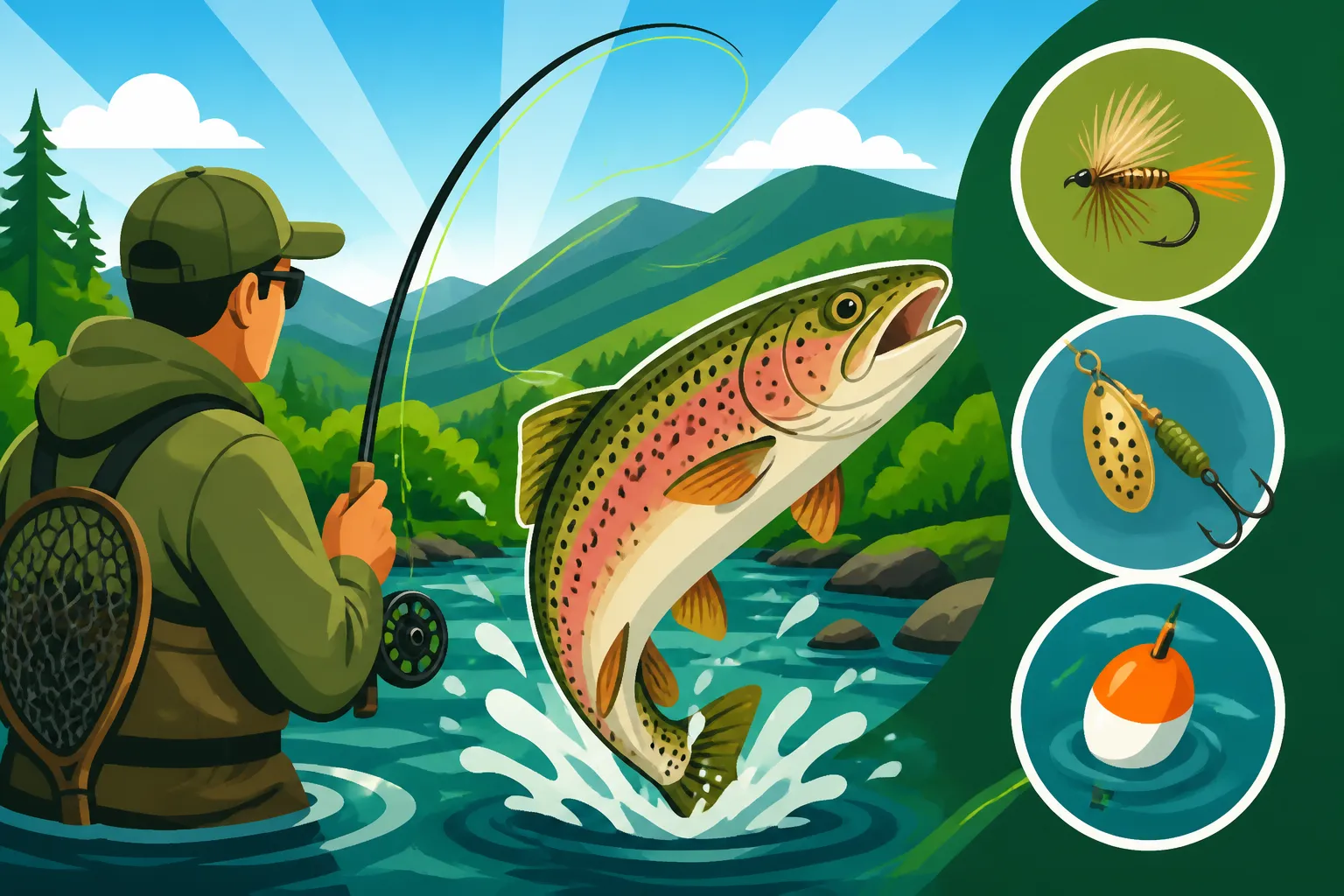
Your tackle box should be stocked with a variety of terminal tackle to adapt to different conditions and fish preferences. This includes an assortment of hooks (sizes 8-14 are good for bait), split shot weights for adjusting bait depth, and small swivels to prevent line twist. Don't forget small bobbers or strike indicators for suspending baits in slower currents. For lures, pack a selection of small spinners (like Panther Martin or Mepps), spoons (Kastmasters, Little Cleos), and maybe some small stickbaits or jerkbaits. For fly anglers, having a variety of nymphs (Prince Nymphs, Hare's Ears, Pheasant Tails) and small streamers is crucial for cold water. A good pair of fishing pliers, line clippers, and a small net (a Best landing net size for trout with rubberized mesh for catch and release is ideal) are also indispensable. A compact tackle box or bag that you can comfortably carry is ideal, especially if you plan on hiking to less accessible spots. Many find useful organization tools for their tackle on Amazon, ensuring everything is neatly arranged and easily accessible even with numb fingers.
Effective Baits and Lures for Opening Day
Trout behavior changes dramatically with water temperature. On opening day, with cold water still dominating, trout are often less active and slower to chase down food. Your choice of bait or lure needs to reflect this, offering an easy meal or an irresistible flash.
Natural Baits that Trigger Bites
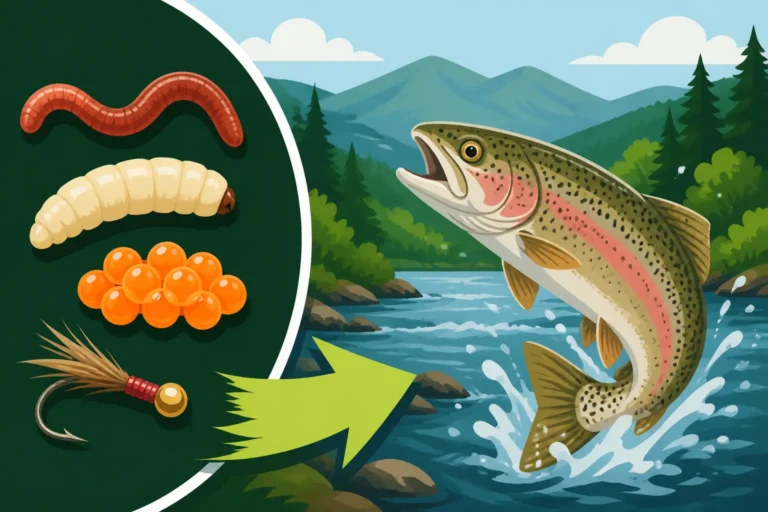
When the water is cold, natural baits often outperform artificial lures, as they offer a familiar scent and taste. Worms, particularly nightcrawlers, are a classic and highly effective choice. They are readily available, have a natural presentation, and their scent can draw in sluggish trout. Corn, often power-packed with a sweet scent, can also be surprisingly effective, especially for recently stocked trout that might have been fed similar pellets in hatcheries. You can rig corn singly or in small clusters on a small hook, perhaps suspended under a bobber in a slow pool. Another excellent option, and a perennial opening day favorite, is PowerBait. This dough bait, available in many colors and scents, is incredibly popular for a reason: it works. The bright colors and strong scent are irresistible to hatchery trout. For insights into presentation, check out specific guidance on Best Bait for Opening Day Trout in Vermont. Fishing these baits effectively usually involves a light leader, a small hook, and enough split shot to get your offering down to where the fish are holding, typically near the bottom in slower water.
Top Lures for Aggressive Trout
While natural baits are often king, certain artificial lures can trigger aggressive strikes from trout, especially those that have acclimated slightly or are feeling more active. Small inline spinners, such as those from Mepps or Panther Martin, in sizes #0 to #2, are excellent choices. Their flash and vibration can mimic baitfish and attract attention even in turbid water. Gold, silver, and fire tiger patterns are often highly effective. Spoons, like a Kastmaster or Little Cleo, in silver or gold, can also be deadly. Their erratic fluttering action on the retrieve or fall can entice a strike. Cast these lures upstream or across the current and retrieve them just fast enough to get the blade spinning or the spoon wobbling, trying to maintain depth close to the bottom. For a deeper dive into lure options, you might even consider methods discussed for other species, as some lure principles overlap, such as in Best Baits for Smallmouth Bass on Lake Champlain where jigging or slow retrieving can also be effective in cold conditions.
Fly Fishing Strategies for Early Season
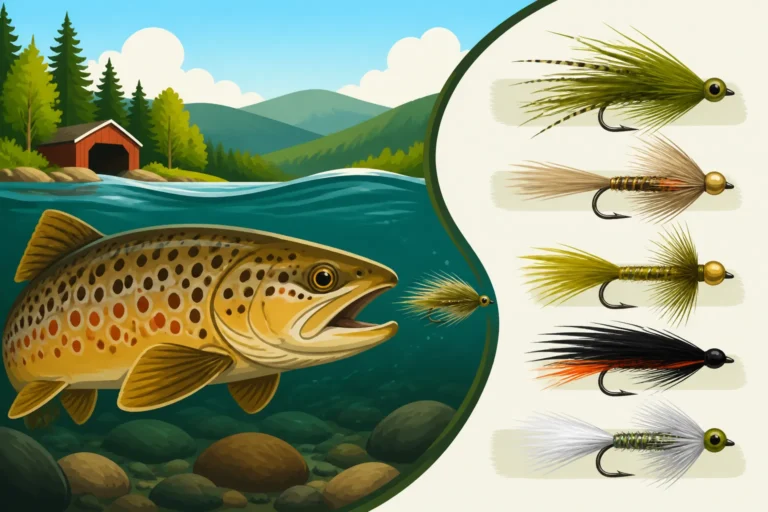
For fly anglers, opening day presents a unique challenge, as insect hatches are typically sparse in early April. This means dry fly fishing is usually out. Instead, focus on subsurface presentations. Nymphing is often the most productive method. Patterns like Prince Nymphs, Hare's Ears, Pheasant Tails, and Stonefly Nymphs, in sizes 12-18, are excellent choices. Rig them with an indicator and split shot to get them down to the strike zone, targeting deeper pools and current seams. Streamer fishing can also be highly effective. Patterns like Woolly Buggers (black, olive, or white) in sizes 6-10, fished with a slow, deliberate retrieve, can imitate baitfish or leeches, which are readily available food sources for trout in cold water. For more nuanced advice on fly patterns, consider researching Best fly size for Vermont trout streams in spring. On warmer, sunnier days, you might even see some small midge or blue-winged olive hatches, but these are often fleeting and localized. A solid general guide to these methods can be found in Spring Trout Fishing Techniques for Vermont Streams. Many fly anglers stock up on their essential patterns through retailers like Amazon before the season begins, ensuring they have a wide array of options for unpredictable early spring conditions.
Reading the Water and Weather
Understanding the environment is critical on opening day. Trout are highly sensitive to changes in water temperature, flow, and clarity. Being able to "read the water" and anticipate how weather will affect fish behavior will put you head and shoulders above other anglers.
Understanding Water Temperature and Flow
On opening day, water temperatures are typically in the 30s and 40s (Fahrenheit), which means trout are lethargic and slow. They will seek out areas where they can conserve energy and find slightly warmer water. Look for slower moving water, such as the inside bends of rivers, eddies behind large obstructions, or the tailouts of deep pools. These spots often have slightly warmer temperatures and reduced current, making them ideal holding areas. Higher water flows, common in spring due to snowmelt and rain, can also push fish into these calmer areas closer to the banks. Conversely, extremely low and clear water might make trout very spooky. Paying attention to stream gauges and current reports for your chosen river can give you a crucial edge. Don't be afraid to probe different depths; sometimes a slight variation in water temperature or current can make all the difference.
Impact of Weather on Trout Behavior
The weather on opening day can be notoriously unpredictable, and each condition can influence trout behavior. A sudden cold snap or persistent rain can drop water temperatures, making fish even more sluggish and hugging the bottom. In these conditions, slower presentations with natural bait are often more effective. On the other hand, a warming trend or a few hours of direct sunshine can raise the water temperature just enough to activate fish, making them more willing to chase lures or nymphs. Overcast days can sometimes be beneficial, as they reduce light penetration and make trout feel more secure, potentially leading to more active feeding throughout the day. High winds can make casting challenging, especially with light gear, and can also create surface chop that reduces visibility for both you and the fish. Be flexible with your approach and adapt to whatever Mother Nature throws at you.
Finding Holding Water in Cold Conditions
Finding where trout are holding in cold, early season conditions is paramount. Trout will naturally seek out areas that offer the best combination of shelter, reduced current, and potential food sources. In rivers, this often means the deep, slow pools, particularly those with overhead cover like fallen logs or undercut banks. The confluence of a smaller, slightly warmer tributary entering a larger, colder river can be a hotspot, as trout will be drawn to the warmer water. In ponds, focus on areas near inflows where warmer spring water might enter, or on deeper drop-offs where fish can retreat. Structured areas like submerged rocks, old bridge abutments, or dense weed beds (if they've started to grow) also provide excellent cover and current breaks. Remember, trout won't expend much energy fighting a strong current in cold water, so look for those subtle seams and eddies where the current is noticeably slower. A deliberate, slow retrieve or drift of your bait or lure through these key holding areas is essential. If you're struggling, it might be that you're just not putting your offering directly in front of their nose.
Safety and Etiquette on Opening Day
While the focus is often on catching fish, staying safe and being a respectful angler are equally important, especially on a day as busy and often challenging as Vermont's trout opening day. A successful outing is also a safe and enjoyable one for everyone.
Navigating Cold Water Dangers
Even though opening day typically marks the end of ice fishing season, the water itself is still extremely cold. Hypothermia is a very real danger if you fall in or get soaked. Always dress in layers, including a waterproof outer shell, and ensure your waders are free of leaks. If you do get wet, get out of the cold, change into dry clothes immediately, and seek warmth. It's always a good idea to bring a thermos of hot coffee or tea to help stay warm. Wading in swift, cold currents also poses a risk. Use a wading staff for stability, especially if you're exploring unfamiliar water. Knowing How thick ice needs to be to fish safely in Vermont might be important for ice fishing, but for early season river trout, the danger shifts from on the ice to in the water. Always wade with extreme caution, shuffle your feet, and be aware of slippery rocks. Let someone know where you're going and when you expect to return, especially if you plan to fish alone.
Respecting Fellow Anglers and Property
Opening day often means sharing the riverbank with many other enthusiasts. Basic courtesy goes a long way. Maintain a reasonable distance from other anglers – typically, you should be able to cast without interfering with anyone else. If a spot is occupied, move on or politely ask if you can fish a nearby section. Avoid "high-holing" someone by wading directly upstream and cutting off their fishing water, or "low-holing" by crowding in directly below them. Respect private property signs and always ask for permission if you're unsure about access. Public access points are a privilege, not a right, so treat them with care. Clean up any trash, including discarded line, bait containers, and food wrappers. Leaving the area cleaner than you found it helps ensure access for everyone in the future. Remember, we're all out there to enjoy the beautiful Vermont outdoors.
Practicing Responsible Catch and Release
While some anglers participate in opening day to harvest trout for the table, many also practice catch and release, especially for larger, wilder fish. If you plan to release fish, do so responsibly to maximize their survival chances. Handle fish as little as possible, and always with wet hands to protect their delicate slime coat. If possible, keep the fish in the water while unhooking it. Use barbless hooks, or pinch down the barbs on your regular hooks, as this makes removal much easier and less damaging. If a fish is deeply hooked, cut the line as close to the hook as possible rather than trying to rip it out. Allow the fish to recover in a calm section of water, facing upstream, until it can swim away under its own power. These practices ensure that those vibrant Vermont trout can continue to thrive and provide enjoyment for future angling seasons.
Disclaimer
The information provided in this guide is for general informational purposes only and is subject to change. Angling regulations, stocking schedules, and local conditions can vary. Always consult the most current Vermont Fish and Wildlife Department regulations before engaging in any fishing activities. Personal safety is paramount; always exercise caution when fishing near water, especially in cold or swift conditions.