What fish species thrive in warm pond water
Many anglers in Vermont dream of vast lakes or roaring rivers, picturing trophy trout or powerful salmon. But what about the often-overlooked charm of our smaller, warmer ponds? If you've ever found yourself wondering which fish actually thrive in those shallower, sun-baked waters, rather than just survive, you're not alone. This guide will dive deep into the specific fish species that call Vermont's warm ponds their ideal home and offer you the insights to make your next pond fishing adventure incredibly productive.
Understanding Vermont's Warm Pond Ecosystems
Vermont is known for its cold, clear mountain streams and deep, pristine lakes. However, our landscape is also dotted with countless smaller ponds and slow-moving river sections that behave very differently. These warm water ecosystems are distinct and attract a unique set of fish species perfectly adapted to their conditions.
Characteristics of Warm Pond Water
Warm pond water is exactly what it sounds like: water that heats up considerably during the spring and summer months. Unlike deep lakes where thermal stratification creates cool layers, or fast-flowing rivers that are constantly oxygenated, ponds can become quite uniform in temperature. This means:
- Higher Temperatures: Surface temperatures can easily reach into the 70s or even 80s Fahrenheit on a hot summer day. This is a crucial factor, as many fish species, especially cold-water loving trout, cannot tolerate such warmth for extended periods. The warmth speeds up metabolic rates for warm-water fish, making them more active and often more aggressive feeders.
- Lower Oxygen Levels: Warmer water holds less dissolved oxygen than colder water. Add in decaying vegetation and minimal current, and oxygen levels can dip, especially in deeper pockets of a pond or during prolonged heat waves. Fish that thrive here are often more tolerant of these fluctuations.
- Abundant Aquatic Vegetation: Warm, shallow ponds are often nutrient-rich and sunlight-penetrated, leading to lush growth of aquatic plants like lily pads, coontail, pondweed, and milfoil. While some anglers see this as a nuisance, it's a vital habitat for warm-water species, providing cover, shade, and a foraging ground for insects and baitfish.
Understanding these characteristics helps us appreciate why certain fish species flourish while others simply can't make it. It's a specialized niche, and the fish living there are true masters of their environment.
Common Warm Water Pond Habitats
Fish in warm ponds utilize their environment in specific ways. Knowing where to look for them is half the battle, and it's rarely in the middle of the open water, unless they're actively feeding.
- Weed Lines and Edges: This is arguably the most critical habitat. The transition zone where dense weeds meet open water, or where different types of weeds converge, is a prime ambush point. Largemouth bass will sit on the edge, waiting for prey, while panfish will dart in and out of the cover for safety and food. You'll also find the toothy chain pickerel lurking here, camouflaged perfectly.
- Submerged Timber and Brush Piles: Fallen trees, old stumps, and brush piles offer excellent overhead cover and ambush points. These structures provide shade in summer and break up current (if any), creating safe zones for fish. They are magnets for bass, crappie, and even larger panfish.
- Shallow Flats and Coves: Sun-drenched flats are crucial for spawning in the spring. As summer progresses, these areas continue to hold baitfish and insects, drawing in larger predators, especially during low-light conditions. Coves offer protection from wind and are often prime locations for weed growth.
- Docks and Man-Made Structures: If a pond has human activity, docks, swimming platforms, and even old tires can become fish magnets. They provide shade and structure in otherwise featureless areas. Don't overlook the pilings and undersides of these structures for hidden fish.
When you approach a warm pond, spend some time observing these features. The fish are there, you just need to understand their neighborhood.
The Stars of Warm Water: Thriving Fish Species
Now, let's talk about the specific species that genuinely love Vermont's warm ponds. These are the fish you'll consistently find and target successfully in these conditions.
Largemouth Bass: The Pond King
Without a doubt, the largemouth bass is the reigning monarch of warm, weedy Vermont ponds. They are perfectly built for these environments, and their presence often dictates the health and productivity of the entire ecosystem. If you're looking for an exciting fight in a pond, the largemouth is your prime target. For a deeper dive into this incredible fish, check out Largemouth Bass Fishing in Vermont.
- Why They Love Warm, Weedy Environments: Largemouth bass thrive in water temperatures ranging from the mid-60s to the mid-70s Fahrenheit, making them perfectly suited for warm ponds. The dense aquatic vegetation provides them with everything they need: endless ambush points to surprise prey, dense cover to hide from aerial predators, and shade from the intense summer sun. They can navigate through thick weeds with surprising agility, bursting out to strike at unsuspecting frogs, baitfish, or even ducklings.
- Their Diet and Behavior in Ponds: These opportunistic predators will eat almost anything that fits in their mouth. In a pond setting, their diet often includes sunfish, yellow perch, shiners, frogs, crayfish, and large insects. They are masters of camouflage, often sitting motionless within the weeds or near submerged logs, waiting for the perfect moment to strike. You'll find them most active around dawn, dusk, or on overcast days when they can roam the shallower flats more freely. During bright, sunny periods, they'll retreat to the densest cover or the deepest, shadiest spots. Mastering Best Techniques for Largemouth Bass in Vermont Ponds will drastically increase your success.
Panfish: Abundant and Accessible
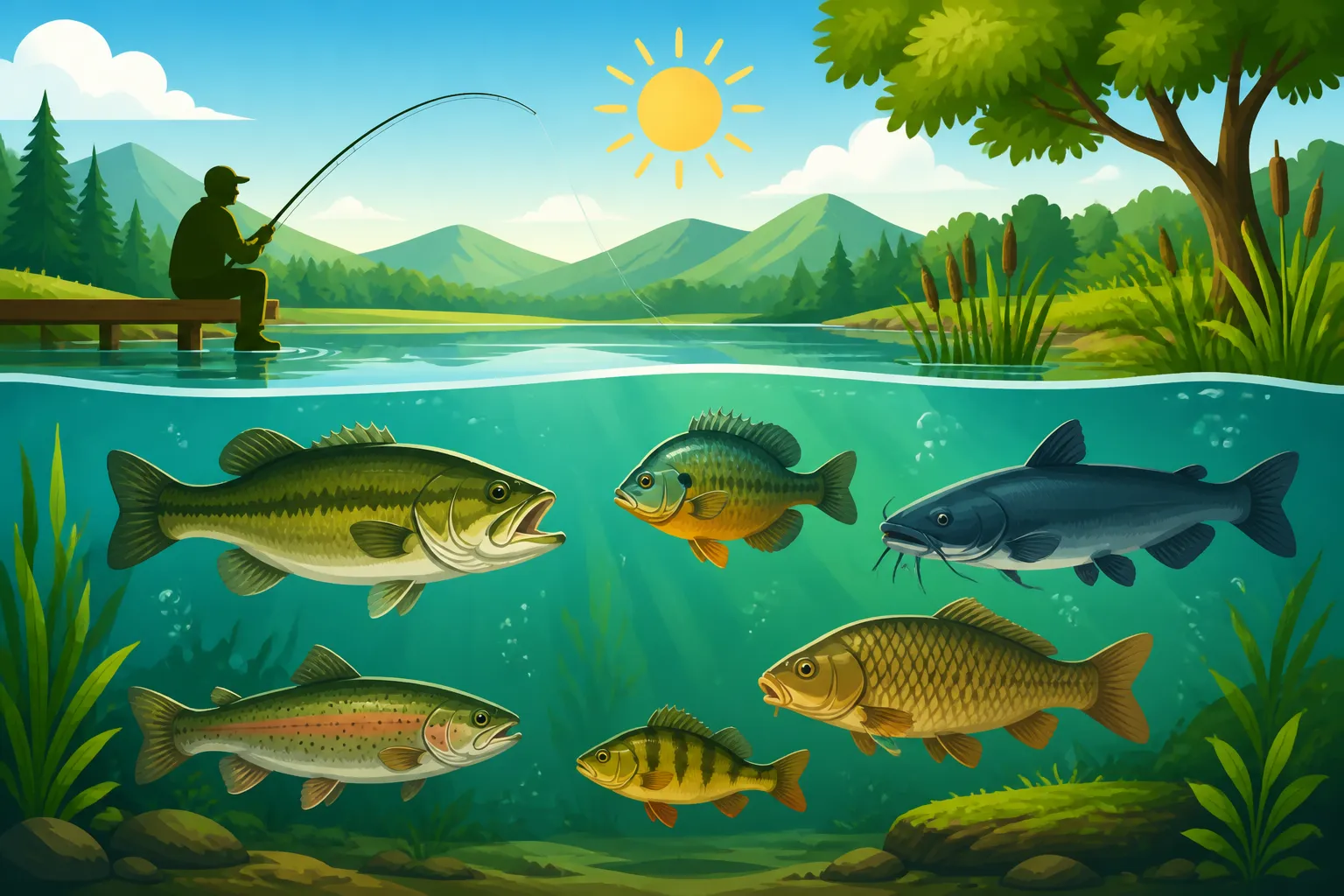
If largemouth bass are the kings, then panfish are the ever-present, bustling populace of warm ponds. This category includes several species that are incredibly popular with anglers of all ages and skill levels, offering consistent action and delicious table fare.
- Bluegill and Pumpkinseed: These colorful sunfish are practically synonymous with warm pond fishing. They are highly prolific, adapting well to a wide range of conditions, and often found in large schools. They'll readily strike small baits and lures, making them fantastic targets for kids or anyone looking for steady bites. They feed primarily on insects, small crustaceans, and even tiny baitfish. Ponds with good Bluegill Habits in Vermont Ponds are usually buzzing with activity.
- Yellow Perch: While often associated with larger lakes, yellow perch also thrive in many warm ponds across Vermont, especially those with some open water areas. They are schooling fish that can grow to a respectable size, making them a fun challenge on light tackle. Perch are voracious eaters, consuming insects, small baitfish, and larval invertebrates. For more general information on these delicious fish, see Yellow Perch in Vermont Lakes.
- Black Crappie: These beautiful panfish are a bit more structure-oriented than bluegill, often preferring submerged timber, brush piles, and docks. They are schooling fish, and if you find one, you're likely to find many. Crappie are known for their delicate bite and excellent flavor. They primarily feed on small baitfish and insects. Understanding Black Crappie in Vermont Waters can lead to some incredible days on the water.
All these panfish species are excellent for introducing new anglers to the sport. They're abundant, cooperative, and a joy to catch. You can learn more about targeting them in general by checking out Panfish Fishing in Vermont.
Chain Pickerel: The Aggressive Ambush Predator
Often underestimated and sometimes seen as a nuisance, the chain pickerel is a true survivor and an exciting, if toothy, resident of Vermont's warm ponds. These slender, torpedo-shaped fish are built for speed and ambush.
- Their Preference for Shallow, Vegetated Areas: Chain pickerel absolutely adore thick, shallow weeds. Their mottled, chain-link pattern camouflage blends perfectly with submerged vegetation, allowing them to lie in wait, perfectly still, before exploding on unsuspecting prey. They are incredibly hardy and tolerant of warm, low-oxygen water, making them ideal inhabitants of these pond environments. Many anglers have been surprised by a pickerel striking a lure meant for bass right in the thickest cover.
- Their Unique Fighting Style and Toothy Grin: Pickerel are known for their aggressive strikes and spirited, although sometimes short, fights. They'll often hit a lure with incredible force, and their sharp, needle-like teeth can make quick work of monofilament line. Always carry a pair of pliers for unhooking and be mindful of those teeth! Despite their aggressive nature, they're a blast to catch, especially when other species are finicky. Dive deeper into their world with Chain Pickerel Habits in Vermont Ponds and learn Best Techniques for Chain Pickerel for successful encounters.
Tactics and Gear for Warm Pond Success
Fishing warm ponds is a unique discipline that requires a slightly different approach than fishing large lakes or rivers. Your gear and techniques need to match the environment and the fish you're targeting.
Lures and Baits That Get Bites
Choosing the right presentation is key in often-weedy pond environments. You want lures that can navigate cover, imitate natural forage, and provoke a strike from often-hungry fish.
- For Largemouth Bass:
- Soft Plastics: Texas-rigged worms, creature baits, and senkos are phenomenal. They're weedless, can be fished slowly in dense cover, and perfectly imitate crayfish or worms. You can find a huge variety of these on Amazon, from brands like Zoom and Gary Yamamoto.
- Topwater Lures: Frogs, poppers, and walking baits are incredibly exciting in ponds, especially around lily pads and weed mats. The visual strike of a bass exploding on a topwater is unforgettable.
- Jigs and Spinnerbaits: Flipping jigs into heavy cover or retrieving spinnerbaits along weed lines can be deadly for active bass. Consider a spinnerbait with bright blades if the water is a bit stained, a common condition in many ponds.
- For Panfish:
- Small Jigs and Baits: Tiny tube jigs, Marmooska jigs, or even just a small hook with a piece of worm, corn, or PowerBait under a bobber are incredibly effective. You don't need fancy gear for panfish! These small lures are easily sourced from local tackle shops or online at Amazon.
- Tiny Spinners: Micro spinners like those from Mepps or Panther Martin can attract bluegill, perch, and crappie, especially if they're a bit more aggressive.
- For Chain Pickerel:
- Spoons and Spinnerbaits: Flashy spoons (like Daredevils) and spinnerbaits are excellent for pickerel. They're attracted to the flash and vibration and will often strike aggressively.
- Plugs and Jerkbaits: Small minnow-imitating plugs or jerkbaits can also elicit strong strikes, especially when retrieved erratically. Remember to use a wire leader or heavy fluorocarbon to protect your line from their teeth!
Don't be afraid to experiment. Sometimes, a subtle change in lure color or retrieve speed can make all the difference. Having a well-stocked Best Tackle for Panfish box will ensure you're ready for anything the pond throws at you.
Essential Gear for Pond Anglers
You don't need a huge boat or a ton of specialized equipment to enjoy pond fishing. Often, simplicity is key, though a few strategic items can make a big difference.
- Rod and Reel Setups:
- Medium-Light Spinning Combo: A 6-7 foot medium-light spinning rod paired with a 2000-2500 series reel spooled with 6-8 lb monofilament or braided line is a versatile choice. This setup handles panfish with ease and provides enough backbone for a decent largemouth or pickerel. For beginners, finding a good Best Rod and Reel Combo for Beginners makes getting started easy.
- Medium-Heavy Baitcasting Setup (for serious bass anglers): If you're specifically targeting bigger largemouth in thick cover, a medium-heavy baitcasting rod (7+ feet) with a stout reel and 30-50 lb braided line is ideal for flipping jigs and throwing frogs.
- Line Choices: Braided line (20-30lb) with a fluorocarbon leader (10-15lb) is excellent for bass, offering sensitivity, strength, and abrasion resistance in weeds. For panfish, 4-6lb monofilament is often sufficient.
- Tackle Box/Bag: A compact tackle box or a comfortable sling bag works well for bank fishing. You'll want pliers (for pickerel!), a hook remover, line clippers, and a few essentials. A Best tackle organizer for a small boat or even a kayak makes it easy to keep your gear accessible.
- Wading or Small Boat Access: Many ponds are shallow enough to wade, especially with a good pair of waders and wading boots. If wading isn't an option, a kayak, canoe, or small Jon boat can open up a lot more water. These smaller vessels allow you to get into tight coves and access areas that shore anglers can't reach.
- Polarized Sunglasses: These are a game-changer for pond fishing. They cut the glare off the water, allowing you to see submerged structure, weed lines, and sometimes even the fish themselves. This is invaluable for sight fishing in clear water. Look for reputable brands on Amazon like Costa Del Mar or Oakley.
Remember, a simple approach often yields the best results in warm ponds. You're not casting hundreds of yards; you're often targeting specific pieces of cover.
Seasonal Considerations and Conservation
Even in warm ponds, the seasons dictate fish behavior. Understanding these shifts, and practicing good conservation, ensures these precious fisheries remain vibrant for years to come.
Best Times to Fish Warm Ponds
While warm pond fish are generally more active in warmer weather, specific times within the seasons can be particularly productive.
- Spring (Post-Spawn): After the spawn (which varies by species but generally occurs late spring to early summer as water temperatures rise), fish are often hungry and aggressive. Largemouth bass will be recovering from spawning efforts and aggressively feeding. Panfish will be plentiful in the shallows. This is a fantastic time for action.
- Summer (Early Morning/Late Evening): During the peak heat of summer, fishing can be tough in the middle of the day. The best bites will almost always occur during low-light periods – dawn, dusk, or on heavily overcast days. Fish will move out of the deepest cover to feed in shallower areas. On bright, hot days, focus on dense shade, deep weed edges, or structure.
- Fall (Feeding Frenzy): As water temperatures begin to cool in the fall, warm-water species enter a pre-winter feeding frenzy. They're trying to pack on weight before the cold sets in, making them incredibly active and willing to chase lures. This can be one of the most productive times of the year for larger bass and aggressive pickerel.
Always pay attention to the water temperature. A sudden cold front can put fish into a funk, while a gradual warming trend often ignites their appetites.
Protecting Our Pond Fisheries
Vermont's ponds are valuable resources, and it's up to us to ensure they remain healthy and productive. Practicing responsible angling is crucial.
- Catch and Release Practices: While it's perfectly fine to keep a few panfish for a meal, consider practicing catch and release for larger bass and pickerel, especially if you're targeting trophy fish. Handle fish gently, minimize their time out of water, and use appropriate tools like de-hookers or pliers to remove hooks quickly. This is especially important for What a holdover trout is if by some rare chance you encounter one in a pond, as they are a testament to resilient fish.
- Managing Aquatic Vegetation: While weeds are vital habitat, excessive growth can sometimes lead to oxygen depletion. Respect property owners' efforts to manage vegetation, but also understand the critical role these plants play in the ecosystem. Avoid introducing non-native species, as they can quickly take over.
- Respecting Property and Regulations: Always know the local rules and regulations for the pond you're fishing. Some ponds may have special regulations, limits, or access restrictions. Obtain a valid Vermont Fishing License Guide for 2026 and respect private property lines. Being a good steward of the resource ensures access for everyone.
By understanding the unique dynamics of Vermont's warm ponds and practicing responsible angling, you can unlock some truly fantastic fishing opportunities for species perfectly suited to these inviting waters. So grab your gear, head to a local pond, and experience the joy of warm-water fishing!
Disclaimer
This article is for general informational purposes only and does not constitute professional advice. Laws, prices and regulations vary by location and change over time. Consult a qualified professional for guidance on your specific situation.