Vermont eastern sand darter protected status
It can be incredibly disheartening to realize that some of Vermont's smallest and most unique aquatic residents are struggling, often unseen and unappreciated by many. As anglers, we spend so much time on the water, and we develop a deep connection to these ecosystems. This guide will shine a light on the Vermont eastern sand darter, explaining its critical protected status in our beautiful state, why it matters, and how every angler can play a vital role in its ongoing survival and the health of our rivers.
Understanding the Eastern Sand Darter in Vermont
Vermont's waterways are home to a remarkable array of life, not just the trophy fish we often pursue, but also a fascinating world of smaller, less celebrated species that form the very foundation of our aquatic ecosystems. Among these hidden gems is the eastern sand darter, a tiny fish with a big story of survival and conservation.
What Exactly is an Eastern Sand Darter?
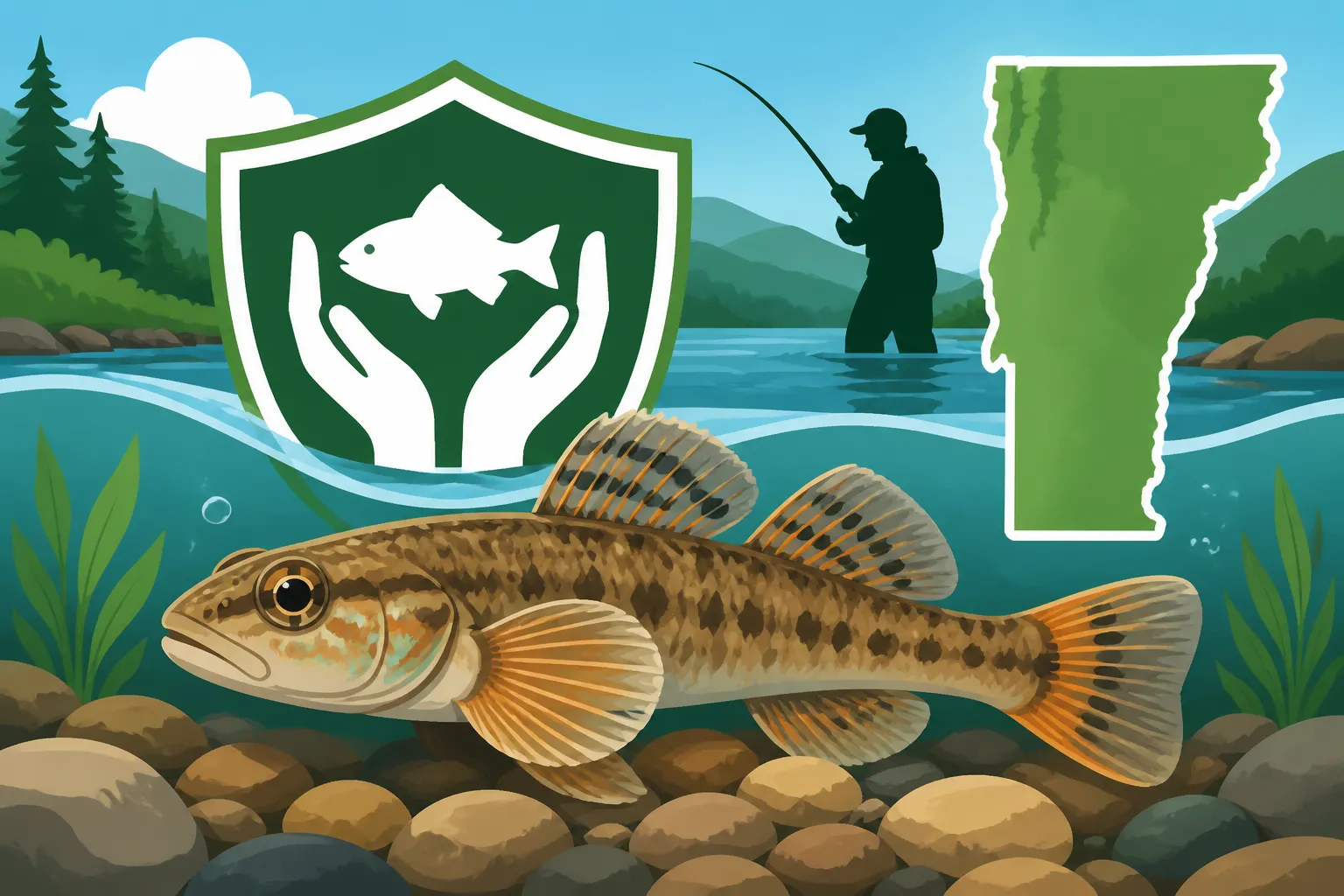
The eastern sand darter ( Ammocrypta pellucida ) is a truly unique little fish, often overlooked due to its small size and cryptic habits. When you picture a darter, imagine a slender, almost translucent fish, typically no more than a few inches long, perfectly camouflaged against the sandy bottoms where it thrives. They possess a long, cylindrical body, a pointed snout, and large eyes positioned high on their head, perfect for spotting food while buried. Their coloration is usually a pale, sandy yellow or light tan, often with a series of small, dark blotches or spots along their sides that help them blend seamlessly into their preferred habitat.
These fascinating creatures are masters of disguise and specialists of their environment. Unlike many fish that actively swim, eastern sand darters spend much of their lives partially or completely buried in loose sand, often with only their eyes protruding, waiting for tiny insect larvae, crustaceans, and other invertebrates to drift by. They're not powerful swimmers; instead, they use their pectoral fins to "darter" or dart quickly between spots on the streambed when disturbed or when seeking a new feeding location. This specialized behavior makes them incredibly sensitive to changes in their habitat, particularly the quality of the river or stream bottom.
Why is the Eastern Sand Darter Important to Vermont?
While you might not be actively targeting an eastern sand darter with your fly rod or baitcaster, its presence—or absence—is a vital indicator of the health of Vermont’s rivers and streams. Think of them as the canaries in the coal mine for our aquatic environments. Because they require very specific conditions—namely clean, clear water with extensive stretches of loose, fine sand without excessive siltation—their populations directly reflect the overall ecological integrity of a waterway. If sand darters are thriving, it's a good sign that the water quality is excellent, and the river system is functioning well.
Beyond their role as an indicator species, eastern sand darters contribute to the intricate food web of their ecosystem. Despite their small stature, they serve as a food source for larger fish, wading birds, and other aquatic predators. Their specialized diet of small benthic invertebrates also helps to regulate those populations, maintaining a delicate balance within the stream. Protecting these small, unassuming fish isn't just about saving one species; it's about safeguarding the entire web of life that makes Vermont's rivers so vibrant and productive. Their unique adaptations and specific habitat requirements make them a treasure of Vermont's biodiversity, a testament to the diverse life that thrives beneath the surface.
The Eastern Sand Darter's Protected Status
Learning about the eastern sand darter's unique biology often leads to the natural question: how are we protecting such a vulnerable species? The answer lies in targeted conservation efforts and specific legal designations designed to give this small fish a fighting chance in an ever-changing world.
Vermont's Classification and Conservation Efforts
In Vermont, the eastern sand darter holds a significant conservation designation: it is listed as endangered. This classification isn't given lightly; it means that the species is at high risk of disappearing from the state's waters entirely. An endangered listing triggers a series of conservation actions and legal protections aimed at preventing further population decline and, ideally, fostering recovery. For the eastern sand darter, this designation highlights its precarious position, largely due to habitat degradation and fragmentation.
The Vermont Fish & Wildlife Department, along with various environmental groups and academic institutions, is actively involved in monitoring known darter populations, searching for new ones, and studying their life history to better understand their needs. This includes detailed surveys of river bottoms, genetic analysis of existing populations, and habitat assessments to pinpoint areas where conservation efforts would be most effective. The goal is not just to prevent harm but to actively improve the conditions that allow the eastern sand darter to thrive. This comprehensive approach recognizes that the species' survival is deeply linked to the overall health of our rivers and streams. You can often find information on broader state efforts to protect aquatic habitats in resources like the Vermont Fish Stocking Search Tool, Explained, which details various management programs.
Federal vs. State Protections
It's important to understand that a species' protected status can vary between federal and state levels. While some species receive protection under the U.S. Endangered Species Act, the eastern sand darter's primary protection currently comes from its state-level endangered listing in Vermont. This means that while federal agencies may not have a direct mandate to protect it across its entire range, Vermont's state laws and regulations specifically prohibit the take (harm, harass, kill, capture), possession, or sale of eastern sand darters within its borders.
The distinction between federal and state protections is crucial because state laws often provide more localized and specific conservation strategies tailored to the unique challenges and habitats within a particular state. For the eastern sand darter in Vermont, this means that state resources are dedicated to its recovery, and any activities that could negatively impact its known habitats are subject to strict scrutiny. These protections are a critical tool in the ongoing battle to preserve Vermont's native fish diversity and ensure that species like the eastern sand darter don't vanish from our waters. For a broader overview of state protection efforts, you might also look into articles like Endangered and Protected Fish Species in Vermont.
How Anglers Can Help Protect the Eastern Sand Darter
As anglers, we're not just users of the environment; we're often its most passionate advocates and first line of defense. Our actions on and around the water have a direct impact, and for a sensitive species like the eastern sand darter, being mindful of our presence can make a huge difference.
Minimizing Impact on Aquatic Habitats
The eastern sand darter's survival hinges on pristine, undisturbed sandy river bottoms. This means that as anglers, minimizing our footprint in these delicate environments is paramount. When you're wading in a river or stream, try to be conscious of where you step. Avoid shuffling your feet unnecessarily or disturbing large swaths of the streambed, especially in areas with sandy substrates. Excessive kicking up of silt can bury darter eggs or dislodge the small invertebrates they feed on, making their lives much harder. Think about selecting your entry and exit points carefully, trying to choose areas with firmer banks or rockier bottoms where your impact is lessened.
Beyond physical disturbance, preventing pollution is another critical way to protect their habitat. Always pack out everything you pack in—including fishing line, bait containers, and any food wrappers. Even seemingly innocuous items can degrade water quality or become physical hazards. Furthermore, to prevent the introduction of harmful organisms, make sure your fishing gear, especially waders and boots, are clean and dry before moving between different waterways. Invasive Fish Species in Vermont Waters are a constant threat, and simply rinsing off your gear and letting it thoroughly dry can stop the spread of microscopic invaders that could indirectly harm the sand darter's ecosystem. Many dedicated brushes and drying racks for waders, easily found on Amazon, can make this task simpler and more effective.
Responsible Fishing Practices
Accidentally catching an eastern sand darter is unlikely given its small size and bottom-dwelling nature, but it's not impossible, especially if you're using very small hooks or targeting panfish in sandy areas. If you ever do find one on your line, the most important thing is to handle it with extreme care and release it as quickly and gently as possible. Wet your hands before touching any fish to protect its delicate slime coat, and try to keep it in the water as much as possible. A pair of forceps can be invaluable for quickly removing a hook without causing unnecessary stress to the fish.
Knowing your local regulations is also key. While the eastern sand darter itself isn't a targeted species for anglers, understanding general fishing rules, especially those pertaining to special regulation waters, contributes to a healthier environment for all aquatic life. For instance, some areas may be designated Vermont wild trout waters regulations, indicating a higher level of protection for the aquatic habitat as a whole, which benefits species like the darter. Similarly, familiarizing yourself with Vermont Catch and Release Fly Fishing Only Waters can instill a mindset of minimal impact that extends to all creatures in the water. Always consult the most current version of the Vermont Fishing Regulations Explained before heading out.
Reporting Sightings and Concerns
One of the most powerful ways anglers can contribute to conservation is by acting as extra eyes and ears on the water. If you believe you've spotted an eastern sand darter, particularly in a location where it hasn't been documented before, or if you notice any activities that could be detrimental to aquatic habitats (like excessive siltation, pollution, or unauthorized dredging), it's crucial to report your observations to the Vermont Fish & Wildlife Department. Accurate reporting helps biologists track populations, identify new habitats, and respond to potential threats.
When reporting, try to be as specific as possible: note the exact location (GPS coordinates are ideal), the date and time, and any relevant details about your sighting or concern. A clear photo, if possible, can also be extremely helpful for identification. Remember, every piece of information helps paint a clearer picture of the species' distribution and challenges. Your role as a citizen scientist can be invaluable in the ongoing efforts to protect this endangered fish. While not directly darter-related, understanding how the state collects data, as described in guides like Reading the Vermont Fishing Regulations Guide, can give you insight into the importance of comprehensive information.
Looking Ahead: The Future of the Eastern Sand Darter
The journey to recover an endangered species is a long and complex one, but with dedicated effort and public support, the future for the eastern sand darter in Vermont can be one of hope. Our collective understanding and actions are the bedrock of successful conservation.
Ongoing Research and Monitoring
Conservation isn't a one-and-done effort; it requires continuous dedication, and for the eastern sand darter, that means ongoing research and monitoring. Scientists with the Vermont Fish & Wildlife Department and their partners are continually out in the field, meticulously surveying rivers and streams, often using specialized techniques to find these elusive fish. They're not just counting individuals; they're studying population demographics, genetic diversity, reproductive success, and how environmental changes, even subtle ones, affect the darters. This includes analyzing water flow, sediment composition, and the presence of their preferred invertebrate food sources.
This long-term data collection is absolutely vital. It helps conservationists understand population trends, identify critical habitats that need extra protection, and evaluate the effectiveness of various management strategies. Without this foundational research, efforts to protect and recover the species would be like navigating blindfolded. Anglers who are passionate about species like the darter might find it interesting to see how different fish populations are managed in general, even in programs like the Vermont Fish Stocking Search Tool, Explained, which showcases the state's broader commitment to aquatic health.
Habitat Restoration and Management
Ultimately, the future of the eastern sand darter depends on the health of its home. A significant part of conservation efforts involves actively restoring and managing critical habitats. This can encompass a wide range of activities: stream bank stabilization projects to reduce erosion and subsequent siltation, which smothers sandy bottoms; reforestation along river corridors to provide shade and reduce water temperatures; and efforts to improve overall water quality by addressing runoff from agricultural and urban areas. These initiatives aim to create and maintain the clean, clear, sandy environments that the darters so critically need.
Moreover, effective land-use planning plays a crucial role. Decisions made far from the riverbanks, concerning development, agriculture, and forestry, can have profound impacts on water quality and habitat integrity downstream. By supporting responsible land management practices and advocating for policies that prioritize watershed health, we collectively contribute to a more stable future for the eastern sand darter and countless other aquatic species. Consider the broader impact of healthy river systems as you read about general river fishing, for example, in guides like Best Fishing Rivers in Vermont or even specialized sections like Best Fly Fishing Rivers in Vermont. A healthy river for trout is often a healthy river for darters, too.
Disclaimer
This article is for general informational purposes only and does not constitute professional advice. Laws, prices and regulations vary by location and change over time. Consult a qualified professional for guidance on your specific situation.