Vermont State Fish Records by Species
Every angler dreams of that one fish, the one that bends the rod double, peels line from the reel, and makes your heart pound like a drum. In Vermont, that dream often includes the elusive goal of catching a state record fish. It's more than just a big catch; it's a piece of history, a testament to skill, persistence, and a little bit of luck. This guide will walk you through the current state fish records, how those records are established, and what it takes to even begin dreaming of breaking one in the Green Mountain State.
The Allure of the Angler's Holy Grail: Why State Records Captivate Us
There's something deeply ingrained in the human spirit that yearns for accomplishment, for reaching the pinnacle. For those of us who spend our days on Vermont's sparkling lakes and winding rivers, that pinnacle often takes the form of a state record fish. It's not just about the weight or the length; it's about the story, the challenge, and the connection to the incredible aquatic life that thrives here.
Beyond Bragging Rights: The Deeper Meaning
Sure, catching a state record would give you bragging rights for a lifetime, and for good reason! But it's more than just showing off a big fish. These records serve a crucial purpose, often without us even realizing it. They act as benchmarks for species health and growth potential within specific Vermont waters. When a truly massive fish is caught, it provides valuable data to the Vermont Fish & Wildlife Department, indicating that certain habitats are supporting exceptional growth or that management strategies are working. It's a snapshot in time of a thriving ecosystem, showcasing what our waters are truly capable of producing. For many, it's a testament to the wildness that still exists, a reminder of the raw power and beauty lurking beneath the surface.
The Personal Quest: A Lifelong Pursuit
For dedicated anglers, the pursuit of a record isn't just a fleeting thought; it's often a lifelong quest. It shapes where we fish, how we rig our lines, and the techniques we hone. We pour over charts, study historical catches, and spend countless hours on the water, all with that faint hope that today might be the day. It's a mental game as much as a physical one, demanding incredible patience and a deep understanding of fish behavior. Many of us know the feeling of a missed strike, a pulled hook, or a line breaking on what felt like "the one." These near misses only fuel the fire, driving us back out onto the water with renewed determination, year after year.
Understanding Vermont's Official Record-Keeping System
Before you can even begin to dream of your name in the record books, you need to understand the rules of the game. Vermont, like every state, has a meticulously maintained system for verifying and recognizing exceptional catches. This isn't just a casual weigh-in at the local bait shop; there's a specific process to ensure fairness and accuracy.
The Custodians of the Records: Vermont Fish & Wildlife Department
The ultimate authority for all state fish records in Vermont rests with the Vermont Fish & Wildlife Department. They are the gatekeepers, the ones who set the standards and verify every claim. Their dedication ensures the integrity of the record book, which is essential for both historical accuracy and encouraging ethical angling practices. It’s their team that reviews applications, scrutinizes measurements, and ultimately confers the title of state record holder. They have a vested interest in promoting responsible fishing and celebrating the exceptional catches that highlight Vermont's rich fisheries. You can often find detailed information about their record program on their official website, along with all the necessary forms.
Fair Chase: The Unwritten Code for a Record
The concept of "fair chase" is paramount when it comes to any official record, and it's something the Vermont Fish & Wildlife Department takes very seriously. This means the fish must be caught legally, using methods that are generally accepted as sporting. Snagging, shocking, or any other unethical means of taking a fish will immediately disqualify a catch. The fish must be hooked and fought by a single angler from start to finish. This also means no assistance from others during the actual fight, though help with netting or gaffing once the fish is subdued is usually acceptable. The intention is to ensure that the record reflects the angler's skill and effort, not just the sheer size of the fish or a shortcut. Vermont Fishing Regulations Explained delves into more of these regulations.
For instance, if you're out on Lake Champlain specifically targeting a trophy walleye and accidentally snag one in the side, even if it's huge, it won't count. The fish must mouth the bait or lure and be hooked in the mouth or head area. Similarly, if you're using a handline or a spear, those methods are typically not considered fair chase for rod-and-reel records. Always check the official regulations, as these rules can have subtle nuances depending on the species and the specific body of water.
Vermont's Current State Fish Records by Species
Vermont's diverse aquatic environments, from the vast expanse of Lake Champlain to countless pristine trout streams, support an impressive array of fish species. Each species has its own story in the record books, a testament to the incredible potential of Vermont's waters. It's these numbers that fuel the dreams of many anglers, giving them a target to aim for. While the exact weights and dates can fluctuate as new records are set (which is exciting!), we can look at the general shape of these incredible achievements.
Coldwater Royalty: Trout and Salmon Records
Vermont is often synonymous with trout fishing, and our record books reflect the passion anglers have for these beautiful coldwater species.
Brook Trout: The Native Gem
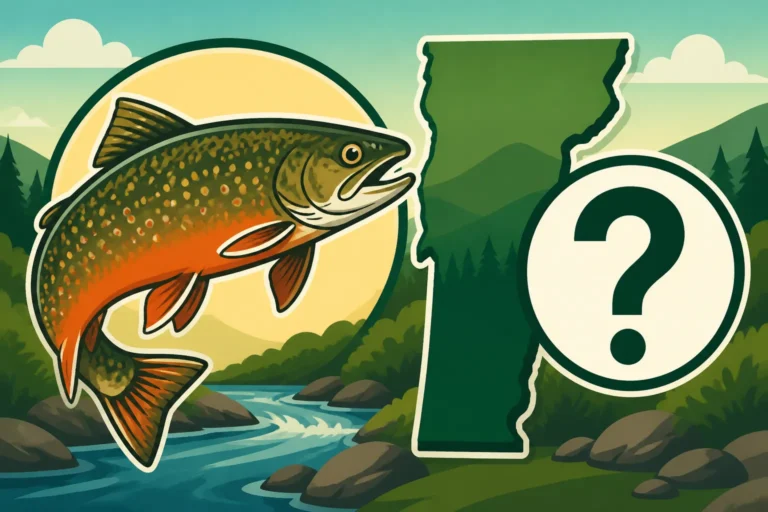
The brook trout, Vermont's official state fish, is a stunning creature revered for its vibrant colors and preference for pristine, cold water. While many brookies caught are modest in size, there are truly monstrous specimens out there. These record-breaking fish typically come from remote ponds or larger, nutrient-rich rivers where they have access to abundant food and less angling pressure. Catching a brook trout of record size often means venturing deep into the wilderness or finding a forgotten honey hole. Their elusive nature makes pursuing a trophy brook trout a real challenge.
Brown Trout: The Resilient Fighter
Brown trout are known for their resilience and ability to grow to impressive sizes, particularly in larger rivers and lakes. Their records often come from rivers like the White River or the Lamoille River, where they can forage on a variety of prey fish. Brown trout are cunning and notoriously difficult to fool, especially as they grow larger. A record brown trout is a testament to an angler's skill in matching wits with a truly seasoned fish.
Rainbow Trout: The High-Flying Acrobat
Rainbow trout, known for their powerful runs and acrobatic leaps, provide thrilling battles. While stocked rainbows are common, wild or holdover rainbows that reach record sizes are typically found in larger river systems with good food sources, or in lakes where they feed on smelt or other baitfish. These fish combine beauty with brute strength, making them highly prized among anglers seeking a state record. Vermont Trout Season and Stocking Rules provides insight into how these fish are managed across the state.
Lake Trout: The Deepwater Giant
Lake trout are the undisputed heavyweights of Vermont's coldwater lakes, with Lake Champlain being the prime location for truly massive specimens. These fish inhabit the deep, cold waters, often requiring specialized techniques like downrigging or deep jigging to reach them. A record lake trout from Lake Champlain represents an incredible feat of patience and technical angling, often requiring robust gear to haul these deepwater giants to the surface. Their sheer size and incredible fighting power make them one of the most sought-after records. For those interested in pursuing them, Lake Champlain Lake Trout Fishing offers excellent starting points.
Landlocked Salmon: The Leaping Silver Kings
Landlocked salmon, though not a true trout, are often grouped with them due to their similar habitat preferences and sporting qualities. Lake Willoughby is legendary for its landlocked salmon, producing some truly magnificent fish. These records are built on the back of healthy smelt populations and deep, clear water. Catching a record landlocked salmon often involves trolling with specific lures or bait at precise depths, or targeting them during their spawning runs up tributaries. Their breathtaking jumps and powerful runs make them a truly unforgettable catch. How to Catch Landlocked Salmon in Vermont offers more details on these remarkable fish.
Warmwater Warriors: Bass, Pike, and Panfish Records
Vermont's warmwater fisheries are equally impressive, offering record-breaking opportunities for a variety of species that thrive in the shallower, warmer waters of our lakes and larger rivers.
Largemouth Bass: The Ambush Predator
The largemouth bass, with its aggressive strikes and powerful dives into cover, is a favorite among warmwater anglers. Record largemouths are typically found in fertile, weedy lakes and ponds with abundant cover and forage. Targeting these giants often involves flipping jigs, throwing large swimbaits, or working topwater lures around heavy structure. A record largemouth is a testament to understanding these fish's ambush tactics and presenting a lure perfectly. Best Largemouth Bass Lakes in Vermont highlights some prime locations.
Smallmouth Bass: The Hard-Fighting Bruiser
Smallmouth bass are pound-for-pound one of the hardest fighting fish in Vermont. Lake Champlain is world-renowned for its smallmouth fishery, producing numerous trophy-sized fish annually. These records often come from anglers who master techniques like drop-shotting, jigging tubes, or throwing crankbaits over rocky points and ledges. A record smallmouth is a brute, known for its powerful runs and headshakes that can throw a hook in an instant. Smallmouth Bass Fishing in Vermont provides more in-depth information.
Northern Pike: The Freshwater Shark
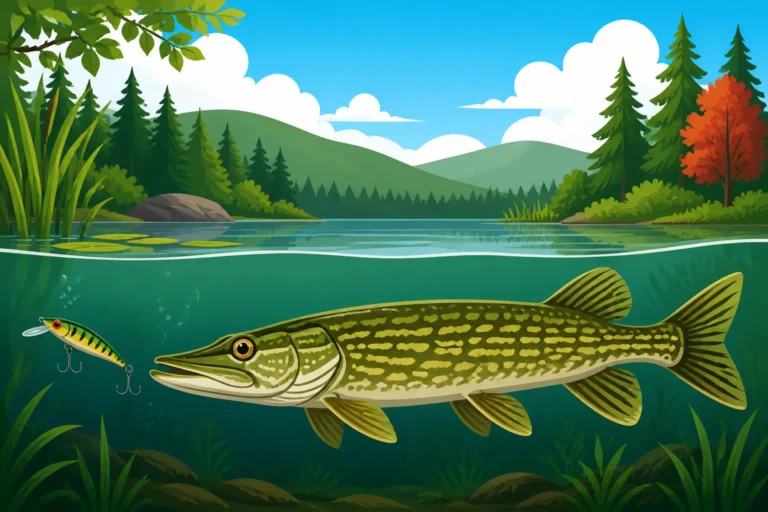
Northern pike, with their voracious appetites and sharp teeth, are an exhilarating catch. Lakes like Lake Champlain and Lake Memphremagog are known for producing pike of truly epic proportions. These records are often broken by anglers using large spoons, oversized spinnerbaits, or even live bait under a float in weedy bays and shallow flats. Landing a record northern pike requires a heavy leader, stout tackle, and a cautious hand to avoid their razor-sharp teeth.
Chain Pickerel: The Weedy Water Ambushers
Chain pickerel, while often overlooked for their larger pike cousins, can also grow to respectable, even record-breaking, sizes in Vermont's weedy ponds and slower river sections. These records are typically found in waters with dense vegetation where pickerel can ambush unsuspecting prey. They provide a spirited fight on lighter tackle and are a great target for anglers looking to break a lesser-known record.
Walleye: The Elusive Golden Eye
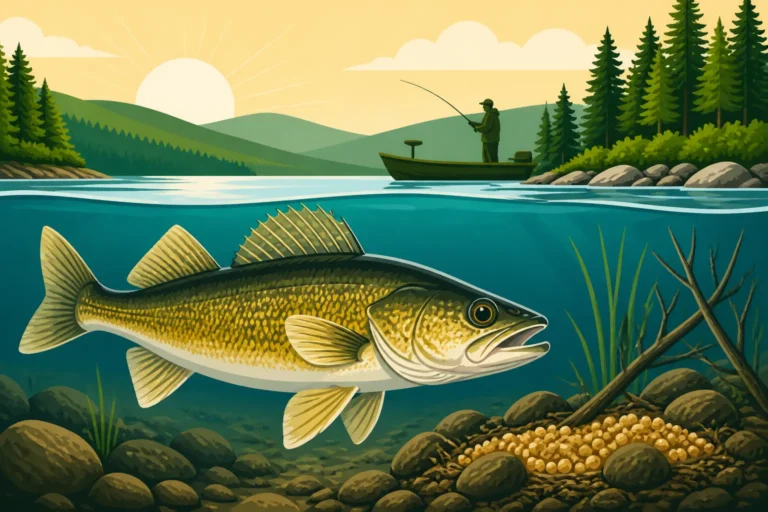
Walleye are a prized species in Vermont, primarily found in Lake Champlain. Known for their delicious fillets and nocturnal feeding habits, they can be elusive, making a record-breaking walleye a truly special catch. Successful record attempts often involve night fishing with jigs or trolling deep with crankbaits or worm harnesses. Their keen eyesight in low light gives them an advantage, and finding the winning pattern for a trophy walleye is a skill in itself. Walleye Fishing on Lake Champlain is a great resource for targeting these fish.
Panfish (Perch, Crappie, Bluegill): The Accessible Records
While often smaller, panfish like yellow perch, black crappie, and bluegill also have their own state records. These can be particularly satisfying records to pursue because they are accessible to anglers of all ages and skill levels. A record panfish is usually a testament to finding a honey hole with an abundance of food and limited predation, allowing a fish to grow to an exceptional size. These records highlight that every species, no matter how common, holds the potential for something truly extraordinary.
Unique Trophy Fish: Muskellunge Records
Lake Memphremagog holds a very special place in Vermont's record books for one legendary species: the muskellunge.
Muskellunge: The Fish of 10,000 Casts
The muskellunge, or "musky," is often called the "fish of 10,000 casts" for a reason. These apex predators are incredibly rare, elusive, and grow to absolutely massive sizes, making them one of the most challenging and rewarding fish to pursue. Lake Memphremagog, which Vermont shares with Quebec, Canada, is the primary trophy musky water. Catching a record musky involves immense dedication, specialized heavy-duty gear, and often, days or even weeks of relentless casting or trolling. When one finally hits, it's an explosion of power that tests every piece of your tackle and every ounce of your skill. The musky record is perhaps the most celebrated and difficult to break in Vermont. Muskellunge Fishing on Lake Memphremagog provides more information on this incredible fishery.
Here's a simplified look at the types of records you might find, though actual weights are subject to change:
| Species | Typical Record-Breaking Range (Weight) | Primary Habitat | Common Angling Method |
|---|---|---|---|
| Brook Trout | Several pounds | Remote ponds, cold, clear streams | Fly fishing, light spinning with small lures |
| Brown Trout | Many pounds | Larger rivers, cold lakes | Spin fishing with minnow imitations, fly fishing |
| Rainbow Trout | Many pounds | Rivers, stocked ponds, large lakes | Spoon casting, fly fishing, bait fishing |
| Lake Trout | 20-30+ pounds | Deep, cold lakes (e.g., Lake Champlain) | Trolling with downriggers, deep jigging |
| Landlocked Salmon | 15-20+ pounds | Deep, clear lakes (e.g., Lake Willoughby) | Trolling with spoons, flies, or bait |
| Largemouth Bass | 7-10+ pounds | Weedy lakes, ponds, slow rivers | Jig flipping, crankbaits, topwater |
| Smallmouth Bass | 6-8+ pounds | Rocky lakes (e.g., Lake Champlain), rivers | Drop-shotting, tubes, crankbaits |
| Northern Pike | 20-30+ pounds | Weedy bays of large lakes | Large spoons, spinnerbaits, live bait |
| Chain Pickerel | 4-6+ pounds | Weedy ponds, slow-moving streams | Spinners, spoons, shiners |
| Walleye | 10-15+ pounds | Lake Champlain (especially deep structure) | Night jigging, deep trolling with worm harnesses |
| Yellow Perch | 1-2+ pounds | Lakes, ponds, slow rivers | Small jigs, worms, ice fishing |
| Black Crappie | 2-3+ pounds | Brush piles, docks in lakes and ponds | Small jigs, minnows |
| Muskellunge | 40-50+ pounds | Lake Memphremagog | Heavy casting with large baits, trolling oversized lures |
Note: These ranges are illustrative. Actual record weights can be found on the Vermont Fish & Wildlife Department's official website.
How to Officially Certify Your Record-Breaking Catch
You've done it! You've battled a true leviathan and brought it to the net. Now what? The moments immediately after landing a potential state record are critical. There's a specific, time-sensitive process you need to follow to ensure your catch qualifies for the record books. Missing a step here could mean your incredible achievement goes unrecognized.
Immediate Steps at the Water's Edge
The very first thing you need to do, if you suspect you have a record on your hands, is to handle the fish with extreme care. If it's a potential record, you'll need to keep it alive and healthy if at all possible, particularly if you plan to release it after documentation. This means getting it into a livewell or a large cooler with fresh water immediately. Avoid dragging it on the ground or keeping it out of water for extended periods.
Next, you need to call the Vermont Fish & Wildlife Department as soon as humanly possible. They will provide immediate guidance on finding a certified weigh station and explain any other initial requirements. Don't try to guess or assume; get direct instructions from the source. Taking clear, high-quality photographs of the fish from multiple angles, ideally with a ruler or common object for scale (without stressing the fish further), can also be very helpful for documentation later.
Finding a Certified Weigh Station
This isn't your average grocery store scale. For a state record, the fish must be weighed on a scale that has been certified by the state's Weights and Measures division. The Vermont Fish & Wildlife Department will have a list of these certified stations, which often include specific bait shops, marinas, or even some larger general stores with the right equipment. Call ahead to ensure they are open and prepared to handle a record fish.
When you arrive at the weigh station, ensure the scale is zeroed out before placing your fish. The weighmaster will likely take multiple readings to ensure accuracy. They will also need to witness the weighing. It's not just about the weight; often, the length and girth will also be measured. Make sure these measurements are taken carefully and accurately, as they are crucial for verification. Getting a photo of the fish on the scale with the clear weight reading visible is also a good idea.
The Application Process: Documentation is Key
Once the fish has been weighed and measured, the real paperwork begins. You'll need to fill out an official state record application form, provided by the Vermont Fish & Wildlife Department. This form will ask for detailed information, including:
- Your personal contact information.
- The species of fish.
- The exact weight, length, and girth.
- The date and time of the catch.
- The specific body of water and general location where the fish was caught.
- The method of capture (rod and reel, fly fishing, etc.).
- The type of bait or lure used.
- The names and contact information of any witnesses.
- The name of the certified weigh station and the weighmaster.
You'll also need to submit any photographs taken of the fish. These photos should clearly show the fish, the measurements, and ideally, you with the fish. The more documentation you provide, the smoother the verification process will be. Remember, the department's goal is to ensure the integrity of the record book, so they will scrutinize every detail. Don't be surprised if they ask follow-up questions or even request to inspect your tackle. Patience is a virtue during this verification period.
Strategies for Targeting Record-Class Fish in Vermont
Catching a record fish isn't usually a fluke; it's often the result of deliberate strategy, extensive preparation, and a healthy dose of persistence. While luck certainly plays a role, you can significantly increase your odds by understanding where, when, and how to target these extraordinary specimens.
Researching Prime Waters and Seasons
The first step in targeting a record is knowing where the big ones live. This requires thorough research. Pour over historical data, read fishing reports (with a grain of salt, of course!), and study maps. For instance, if you're chasing a record lake trout, you're probably focusing on Lake Champlain or Lake Willoughby Fishing Guide, not a small farm pond. Similarly, for muskellunge, Lake Memphremagog is your primary target.
Understanding seasonal patterns is equally vital. For many species, there are specific times of the year when they are most active, feeding heavily, or congregating in certain areas. Spring and fall often offer opportunities for larger fish as they feed aggressively before or after spawning, or in preparation for winter. Vermont Fishing Seasons by Month can provide a general overview. Knowing these patterns allows you to maximize your time on the water when the odds are highest for encountering a truly giant fish. Talk to local experts, bait shop owners, and other seasoned anglers; their wisdom can be invaluable.
Gearing Up: What You Need for the Big One
When you're chasing a state record, "good enough" tackle just won't cut it. You need reliable, robust gear that can handle the unexpected strain of a truly massive fish. This means investing in quality rods, reels, and line appropriate for the species and conditions. For example, if you're targeting a monster lake trout in the depths of Lake Champlain, you'll need heavy-duty trolling rods, reels with significant line capacity, and strong, low-stretch line. For musky, think even heavier – specialized rods, powerful baitcasting reels, and heavy braid with a substantial leader are essential.
Don't skimp on terminal tackle either. Hooks should be sharp and strong, swivels reliable, and leaders abrasion-resistant. Imagine hooking the fish of a lifetime only to have a cheap snap swivel fail. Many anglers find great deals on quality gear from retailers like Amazon, where you can read reviews and compare specs for different brands to ensure you're getting robust equipment suitable for trophy hunting. A reliable landing net, ideally rubberized to protect the fish's slime coat, is also crucial, especially for proper handling during the certification process. If you’re planning on Fly Fishing for Trout in Vermont, you’ll need a completely different setup than for, say, How to Catch Muskellunge on Lake Memphremagog, highlighting the need for specific gear tailored to your target.
Patience and Persistence: The Angler's Mindset
Perhaps the most important tools in a record angler's arsenal are patience and persistence. Record fish aren't caught every day, or even every year. There will be days, weeks, and even seasons where you put in countless hours with nothing to show for it but sore arms and an empty livewell. This is where dedication comes in. You have to be willing to brave the elements, learn from every outing, and keep going even when it feels hopeless.
It's about having the mindset that every cast could be "the one." It's about meticulously checking your knots, sharpening your hooks, and staying focused even after hours of no action. Successful record hunters often keep detailed logs of their outings, noting conditions, locations, and tactics, allowing them to learn from both successes and failures. This methodical approach, combined with an unwavering belief that the next cast might just be the one, is what truly separates those who dream of a record from those who eventually achieve it.
Beyond the State Record: Other Noteworthy Catches
While the state record is undoubtedly the pinnacle, Vermont's fishing community recognizes and celebrates other outstanding achievements on the water. Not every trophy fish will be a state record, but many are still incredibly significant and worthy of recognition. These programs encourage participation and celebrate the diverse angling experiences Vermont has to offer.
Youth and Junior Angler Records
It's so important to foster a love for fishing in the next generation, and Vermont does a wonderful job of recognizing the accomplishments of its younger anglers. Many states, including Vermont, have special categories for youth or junior anglers. These aren't necessarily about breaking the all-tackle state record, but rather about recognizing exceptional catches made by kids within their age brackets. Imagine the excitement for a young angler catching their personal best, only to find out it's a junior state record! These programs inspire kids to stay engaged with the sport, learn about conservation, and develop their skills. They also often feature simpler application processes, making it easier for families to submit noteworthy catches. Encouraging young anglers is key to the future of our fisheries, and giving them these tangible forms of recognition is a fantastic way to do it.
Catch-and-Release Awards and Recognition
In today's conservation-minded angling world, many truly exceptional fish are caught and then released to fight another day. Recognizing this, some states and organizations offer catch-and-release awards or "trophy club" programs. These programs celebrate large fish based on length rather than weight, acknowledging the skill involved in landing a truly huge specimen while also promoting the conservation ethic of releasing these valuable breeding fish back into the water. This is particularly relevant for species like muskellunge, where conservation of large, mature fish is paramount. Even without a certified scale, an accurate length measurement and good photographs can qualify an angler for these types of awards. These programs remind us that the value of a big fish isn't always measured in pounds on a scale, but in the thrill of the catch and the commitment to preserving the resource.
Preserving the Legacy: Catch and Release for Future Records
The pursuit of state records naturally brings us to a crucial conversation: conservation. While some records may require harvesting a fish for a certified weight, many anglers are increasingly choosing to release their trophy catches. This is especially true for very large, mature fish that are vital to the health and genetic diversity of a fishery.
Handling Big Fish with Care
If you catch a truly massive fish and are considering releasing it, the way you handle it is paramount to its survival. Large fish are more susceptible to stress and injury. Here are some key considerations:
- Minimize Fight Time: Use appropriate tackle to bring the fish in quickly, reducing exhaustion.
- Keep it Wet: Try to keep the fish in the water as much as possible. If you must remove it for a photo or quick measurement, do so for only a few seconds.
- Support its Body: Never hold a large fish by just its jaw or tail. Support its belly to protect its internal organs and spine.
- Use a Wet Hand or Glove: Dry hands can remove the fish's protective slime coat, making it vulnerable to disease.
- Remove Hooks Gently: Use pliers or a dehooking tool to remove hooks quickly and cleanly. If a hook is deeply embedded, cut the line as close to the hook as possible.
- Revive Carefully: If the fish seems sluggish, gently hold it upright in the water, facing into the current, until it regains its strength and can swim away on its own.
Taking these steps ensures that future generations of anglers, like those who might be out chasing a Vermont youth fishing license age cutoff record, will have the chance to experience the thrill of catching a truly magnificent fish. You can find specialized tools for gentle handling, like large, knotless landing nets on Amazon, which are much safer for a fish's delicate fins and scales than traditional knotted nets.
The Importance of a Healthy Fishery
Every time a record-class fish is released, it contributes to the genetic health and overall stability of the fishery. These large, mature individuals are often the most successful breeders, passing on their genes for fast growth and longevity. By releasing them, we ensure that there are plenty of future generations of trophy fish to pursue.
This commitment to conservation is a shared responsibility among all anglers. It's about recognizing that we are stewards of this incredible natural resource. The records we chase today are a reflection of the health of our waters, and the decisions we make on the water directly impact the potential for future records. It's a continuous cycle: healthy fish lead to big fish, which in turn inspire us to protect the waters they call home. When you’re thinking about Vermont Catch and Release Fly Fishing Only Waters, remember that these regulations are designed with the long-term health of our fish populations in mind. So, whether you're dreaming of your name in the record books or simply enjoying a peaceful day on the water, remember the vital role you play in preserving Vermont's exceptional fishing heritage.
Disclaimer
This article is for general informational purposes only and does not constitute professional advice. Laws, prices and regulations vary by location and change over time. Consult a qualified professional for guidance on your specific situation.