Vermont fishing license for state park ponds
It's a common question, and one that trips up many anglers, whether you're a seasoned local or just visiting our beautiful state: do you really need a separate or special fishing license to drop a line in the picturesque ponds found within Vermont's State Parks? The short answer is yes, almost always, but the nuances are important. This guide will clarify exactly what's required, how to get your license, and what other regulations you should be aware of to ensure your state park fishing adventure is both legal and enjoyable.
Understanding Vermont's General Fishing License Requirements
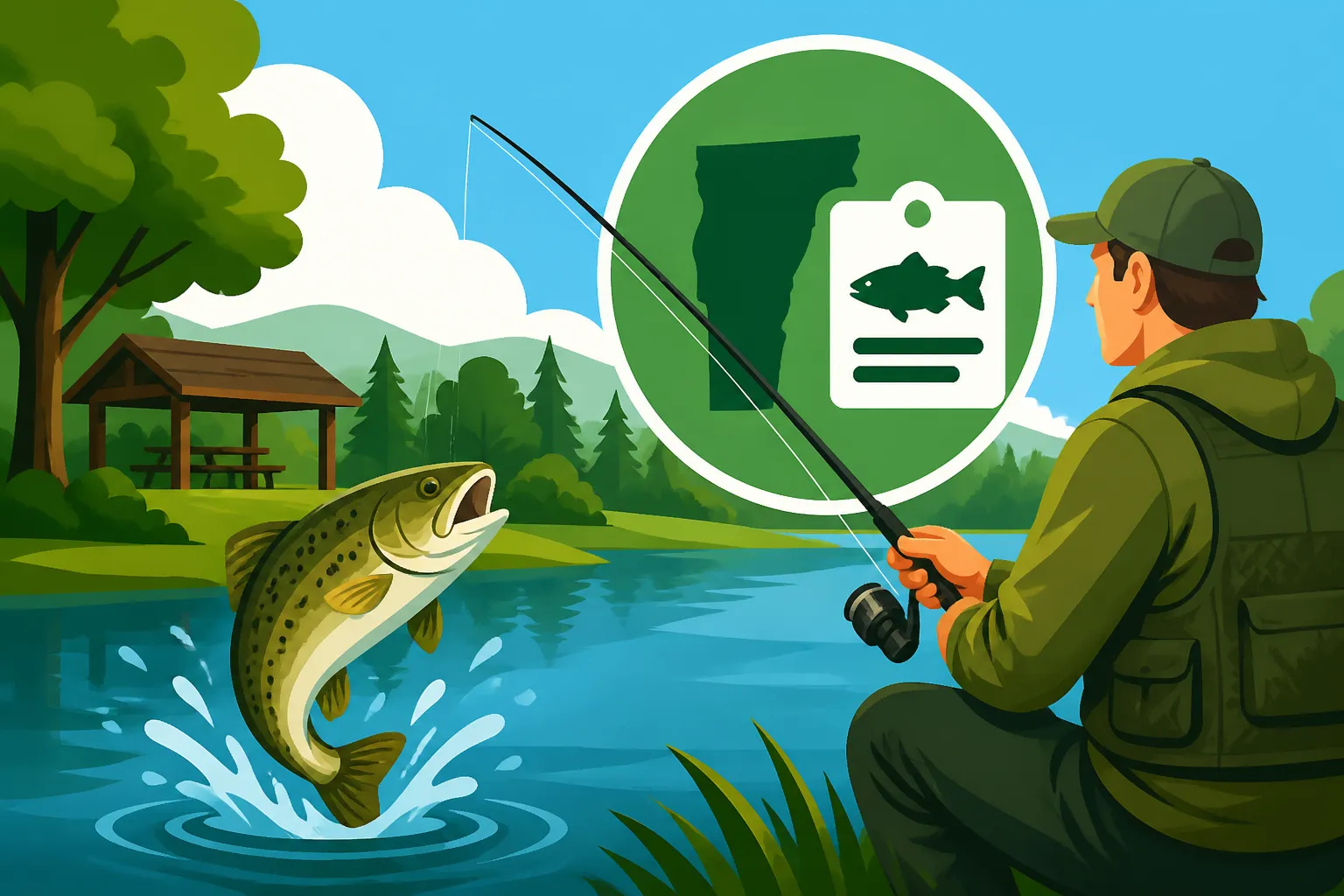
Let's cut right to the chase: fishing in Vermont, whether in a sprawling lake, a rushing river, or a tranquil state park pond, generally requires a valid fishing license. There's a widespread misconception that because a body of water is within a state park, it might fall under different rules, perhaps being more lenient or even license-exempt. This is rarely the case. Vermont's fishing regulations are designed to cover all public waters across the state, and state park ponds are very much a part of that public access network.
Who Needs a License and Who Doesn't
The Vermont Fish & Wildlife Department sets clear guidelines on who needs a fishing license. It's not about where you fish, but who is fishing. For residents of Vermont, anyone aged 18 or older needs a license. If you're a non-resident, the age threshold is lower: anyone 15 years or older must have a license.
This means if you're planning a family trip to, say, Emerald Lake State Park and your 16-year-old from out of state wants to try their hand at catching some panfish, they'll need a non-resident license. If they were a Vermont resident, they'd still be exempt until they hit 18. This age difference between residents and non-residents often catches people off guard. For a deeper dive into these age-specific rules, you might want to check out our detailed guide on Vermont Youth Fishing License Rules by Age.
There are a few precious exceptions to the general license requirement:
- Children: Vermont residents under 18 and non-residents under 15 can fish without a license. This is a fantastic way for families to introduce younger members to the sport without the added cost and paperwork.
- Free Fishing Days: The state usually designates specific days, typically in June and late summer, where anyone, resident or non-resident, can fish without a license. These are often tied to events like Vermont Free Fishing Weekend Dates and the Vermont's Labor Day Mentored Fishing Weekend. These are great opportunities to try fishing in a state park pond without committing to a full license.
- Mentored Fishing Weekends: During certain designated weekends, an unlicensed person can fish under the direct supervision of a licensed adult. This isn't specifically for state parks, but it certainly applies.
- Certain Private Ponds: If a pond is entirely privately owned, stocked by the owner, and has no public access, a state license might not be required. However, state park ponds are public waters.
So, if you're an adult angler, resident or non-resident, planning to fish in a state park pond, consider your license a non-negotiable part of your packing list, just like your tackle box.
Types of Licenses Available for Anglers
Vermont offers a variety of fishing licenses designed to fit different needs, whether you're a year-round enthusiast or just visiting for a weekend getaway to a beautiful spot like Silver Lake State Park. Knowing your options can help you pick the most cost-effective and convenient license for your state park pond adventure. For a general overview of all options, our Vermont Fishing License Guide for 2026 is a great resource.
Here's a breakdown of the most common types:
- Annual Licenses: These are the most comprehensive, covering you for the entire calendar year (January 1st to December 31st). If you plan on fishing more than a few times a year, even just hitting different state parks, an annual license is usually the best value. Residents and non-residents both have annual options, with different price points, of course. For instance, a Nonresident Annual Fishing License Cost in Vermont is significantly higher than a resident one, but it grants you full access all year.
- Short-Term Non-Resident Licenses: Vermont recognizes that many visitors come for shorter trips. That's why they offer 1-day, 3-day, and 7-day non-resident fishing licenses. These are perfect if you're spending a long weekend at a state park like Bomoseen, and only plan to fish during your stay. For example, you can easily find information on the Vermont 1-Day Nonresident Fishing License Cost, or explore the Vermont 3-Day and 7-Day Nonresident Fishing Permits if your trip extends a bit longer. These short-term options are extremely popular for those enjoying Vermont's natural beauty without committing to a full year of fishing.
- Combination Licenses: If you're a multi-sport enthusiast, Vermont also offers combination hunting and fishing licenses. This is a great deal if you plan to enjoy both activities within the same year. These can often be found under Vermont Combination Hunting and Fishing License Options.
- Discounted and Special Licenses: Vermont also provides specific discounts and free options for certain groups. Seniors, disabled residents, and active military personnel may qualify for reduced rates or free licenses. For example, you can learn more about the Vermont Senior Fishing License Discount or Vermont Fishing License for Disabled Residents. Always check the most current regulations for eligibility.
Regardless of which license you choose, the critical takeaway is that nearly every adult, especially visitors, will need one to enjoy the fishing opportunities in Vermont's state park ponds.
Fishing in Vermont State Park Ponds: What You Need to Know Beyond the License
Once you have your fishing license sorted, you might think you're all set. But while the license is your ticket to fish, it's just the first step. State park ponds, like all other public waters, are subject to a range of additional regulations that govern what, when, and how you can fish. Ignoring these can lead to fines, even if your license is perfectly valid.
General Regulations Apply
It's crucial to understand that fishing in a state park pond does not mean you're exempt from the statewide fishing regulations. These rules cover everything from species-specific length and bag limits to bait restrictions and season dates. The Vermont Fish & Wildlife Department publishes an annual regulation guide that outlines all of these details, and it's your responsibility as an angler to be familiar with it. Our article, Vermont Fishing Regulations Explained, provides a comprehensive look at these rules.
For example, if you're fishing for rainbow trout in a pond at a state park like Waterbury Reservoir, you'll need to adhere to the statewide daily limit and minimum length requirements for trout. You can't just keep every fish you catch. Similarly, if you're targeting smallmouth or largemouth bass in a park like Lake Bomoseen, the Vermont Bass Minimum Length Limits and daily bag limits will apply.
Common species you might encounter in state park ponds include:
- Trout (Rainbow, Brown, Brook): Many state park ponds are regularly stocked by the Vermont Fish & Wildlife Department, making them prime spots for trout fishing, especially in the spring and fall. These often follow the general Vermont Trout Limit and Possession Rules.
- Bass (Largemouth, Smallmouth): A good number of state park ponds and adjacent lakes offer excellent bass fishing. Be mindful of the catch-and-release seasons and minimum lengths.
- Panfish (Perch, Bluegill, Crappie): These are often abundant and provide fantastic action, especially for younger anglers. While panfish generally have generous limits, it's still good practice to know them.
Always consult the latest Vermont Fish & Wildlife Department fishing regulations digest, available online and at license vendors, to ensure you're compliant with all rules specific to the species you're targeting. Don't assume that because it's a "park pond," the rules are relaxed or different.
Unique Rules or Considerations for State Parks
While general statewide regulations apply, some state parks or specific bodies of water within them might have additional, localized rules. These are less common but important to be aware of.
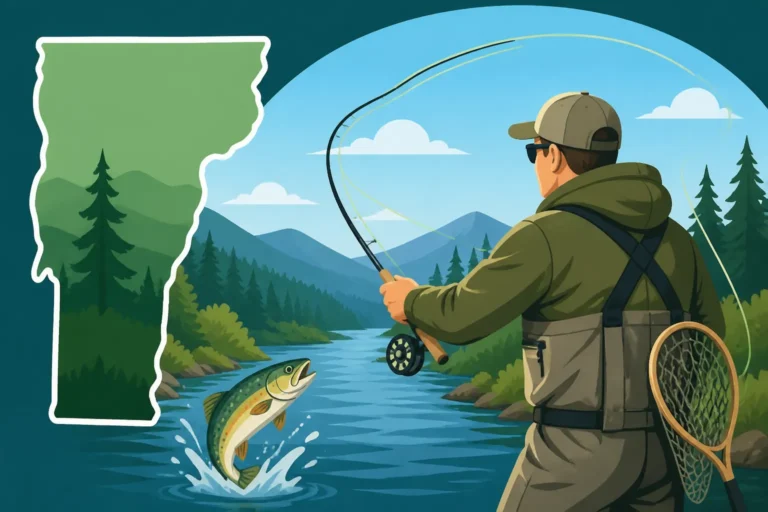
For example, certain smaller ponds might be designated "fly fishing only" or "artificial lures only" to protect wild trout populations or enhance the fishing experience. You'll usually find signs posted at the access points of such waters, and these details would also be listed in the official fishing regulations guide under "Special Regulation Waters."
Beyond fishing-specific rules, consider the general etiquette and regulations of the state park itself:
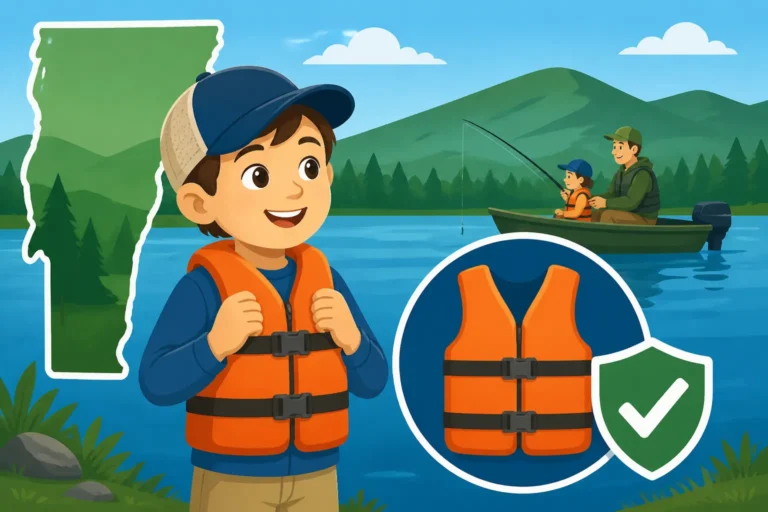
- Boating: Many state parks allow personal boats, including kayaks and canoes, on their ponds, while others might offer rentals. If you bring your own watercraft, remember that all Vermont Boating Laws for Anglers apply, including proper registration and life jacket requirements. Even for small, non-motorized boats, knowing Life Jacket Requirements for Vermont Boaters is crucial. Always check with the specific park about launch access and any motor restrictions (e.g., electric motors only, no gas motors).
- Bait Restrictions: While less common in general-use state park ponds, some specific areas, particularly those managed for sensitive species or certain fishing experiences, might restrict bait types (e.g., no live bait).
- Park Hours and Access: State parks have operating hours, and while fishing might be allowed during certain times, it's not always 24/7. Access points might be locked after dark. Always check the individual park's website or signage for their specific rules.
- Respecting Other Users: State parks are multi-use areas. Anglers share these spaces with hikers, swimmers, picnickers, and campers. Always be mindful of noise, litter, and casting lines near swimming areas or popular trails. Leave no trace.
- Firewood and Invasive Species: If you're bringing a boat from another water body, be diligent about cleaning it to prevent the spread of invasive species. Also, be aware of firewood restrictions if you're camping.
A good habit is to briefly check the Vermont State Parks website for the specific park you plan to visit before heading out. They often have dedicated pages outlining visitor rules and facilities, which might include specific fishing advisories. For general information on state park fishing, you can find a lot of useful pointers in our Vermont State Park Fishing Guide.
Acquiring Your Vermont Fishing License and Preparing for Your Trip
Getting your fishing license in Vermont is a straightforward process, but it's something you definitely want to take care of before you head out to your chosen state park pond. Imagine arriving at a beautiful, fish-filled pond only to realize you can't cast a line because you forgot your license – that's a frustration no one needs!
How and Where to Purchase Your License
The Vermont Fish & Wildlife Department has made purchasing a license incredibly convenient, offering several options to suit everyone.
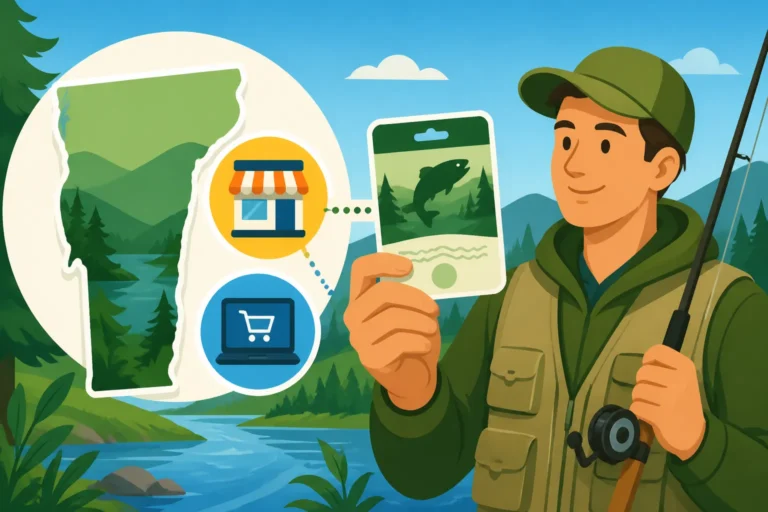
- Online: This is by far the easiest and most recommended method, especially if you're planning your trip in advance. You can purchase your license from the comfort of your home, anytime, day or night. The Vermont Fish & Wildlife website has a secure portal for this. Once purchased, you can either print a physical copy or carry a digital version on your smartphone. We have a detailed guide on How to Buy a Fishing License Online in Vermont that walks you through the steps. This means you can be driving to Gifford Woods State Park, pull over, buy your license, and be ready to fish as soon as you arrive.
- Authorized License Vendors: Across Vermont, many sporting goods stores, bait shops, general stores, and even some town clerks are authorized to sell fishing licenses. This is a great option if you prefer an in-person transaction or realize you need a license at the last minute while picking up some bait. Larger retailers like Dick's Sporting Goods or smaller local shops throughout towns like Brandon or Northfield are often reliable places to get one. Just look for the "Vermont Fishing Licenses Sold Here" sign.
- Vermont Fish & Wildlife Offices: You can also purchase licenses directly from one of the Vermont Fish & Wildlife Department's district offices during business hours. While convenient for some, the online option is usually quicker and more accessible.
When purchasing your license, make sure you have the necessary information ready, including your full name, date of birth, address, and residency status. Non-residents may need proof of their state of residence. Remember, once you have your license, it's essential to have it with you while fishing. Whether it's a printout or a digital copy on your phone, you must be able to present it if requested by a game warden. Our guide on Printing or Carrying a Digital Fishing License in Vermont can help you understand the requirements. Fishing without a license carries penalties, and it's simply not worth the risk.
Essential Gear and Etiquette for State Park Anglers
With your license secured, it's time to think about what to bring and how to act to make your state park fishing trip successful and respectful.
Essential Gear:
- Rod and Reel: For most state park ponds, a light to medium-light spinning rod and reel combo will be perfect. This setup is versatile enough for panfish, bass, and stocked trout.
- Tackle Box: A small, well-organized tackle box or bag is ideal. Include a variety of hooks (sizes 6-10 for panfish/trout, larger for bass), sinkers (split shot or small bullet weights), bobbers, and a few lures like small spinners, spoons, or soft plastics. You can find a vast array of affordable and effective tackle on sites like Amazon, making it easy to stock up before your trip. For more ideas, check out our Best Tackle Box Setup for Vermont Anglers.
- Bait: Worms are always a reliable choice for panfish and trout. PowerBait or corn can also be very effective for stocked trout. For bass, consider some plastic worms, jigs, or small crankbaits.
- Pliers/Forceps: Essential for safely removing hooks from fish, especially if you plan on catch and release.
- Small Net: A small, soft-mesh landing net can make landing fish easier and reduce stress on the fish.
- Sun Protection: Sunscreen, a hat, and polarized sunglasses are highly recommended. Polarized sunglasses will also help you spot fish beneath the surface.
- Water and Snacks: Stay hydrated and energized, especially if you're spending several hours by the water.
- Trash Bag: Always pack out what you pack in. Leaving trash behind spoils the experience for others and harms wildlife.
State Park Etiquette:
- Leave No Trace: This is paramount. Pack out all trash, including discarded fishing line and bait containers. Don't leave any litter behind.
- Respect Wildlife: Observe wildlife from a distance. Do not disturb nests or natural habitats.
- Share the Space: State park ponds are often popular for swimming, kayaking, and picnicking. Be mindful of other park users. Avoid casting near swimmers or areas where children are playing.
- Handle Fish Responsibly: If you're practicing catch and release, handle fish gently with wet hands, minimize their time out of water, and release them carefully.
- No Trespassing: Stick to designated public access areas. Even within a state park, some areas might be off-limits for ecological reasons or safety.
- Noise Levels: Keep noise to a minimum, particularly in quiet park settings, to avoid disturbing other visitors and wildlife.
By adhering to these simple guidelines, you ensure that everyone can enjoy Vermont's beautiful state parks and their fishing opportunities.
Exploring Popular Vermont State Parks for Fishing
Vermont is blessed with an abundance of beautiful state parks, many of which offer fantastic fishing opportunities, from serene ponds perfect for beginners to larger lakes within park boundaries that hold trophy-sized fish. Knowing where to go can make all the difference in planning your next outing.
Family-Friendly Options and Stocked Waters
Many of Vermont's state park ponds are deliberately managed to provide accessible and enjoyable fishing, often being regularly stocked with trout by the Vermont Fish & Wildlife Department. These are ideal spots for families or those just starting out, as they often have easy shore access, picnic areas, and other amenities. You can always use the Vermont Fish Stocking Search Tool, Explained to see which specific ponds are stocked and when.
Here are a few prime examples of state parks known for great fishing:
- Bomoseen State Park (Lake Bomoseen): While Lake Bomoseen is quite large, the park itself offers excellent access. This lake is known for healthy populations of smallmouth and largemouth bass, yellow perch, and northern pike. It's a fantastic spot if you're bringing a kayak, and our Lake Bomoseen Fishing Guide has more detailed information. The shores are often accessible for bank fishing, and there's usually boat rental available.
- Branbury State Park (Lake Dunmore): Located on the eastern shore of scenic Lake Dunmore, Branbury State Park is a popular spot for families. Lake Dunmore itself is a beautiful lake with good fishing for trout, bass, and panfish. The park provides easy access to the lake, which is often stocked.
- Emerald Lake State Park: Nestled in a valley, Emerald Lake is a pristine, smaller lake that offers a peaceful fishing experience. It's especially good for panfish and stocked trout, making it a great place for kids to catch their first fish. The clear, calm waters are also perfect for Best Kayak Fishing Spots in Vermont if you prefer a paddle.
- Gifford Woods State Park: While not directly on a large lake, this park is near Silver Lake, which is a fantastic spot for trout and panfish. The park offers a more rustic experience but provides access to excellent fishing nearby.
- Lake Carmi State Park: In the northern part of the state, Lake Carmi offers a very family-friendly environment with a large shallow lake known for bass, northern pike, and panfish. It's a great destination for a multi-day camping and fishing trip.
- Waterbury Reservoir State Park: This expansive reservoir, formed by a dam on the Little River, is known for its excellent bass fishing, as well as landlocked salmon and trout. While very large, the park has numerous access points and offers stunning mountain views while you fish.
These parks often have designated fishing areas, boat launches, and facilities like restrooms and picnic tables, making them very comfortable for a full day of angling. The emphasis on stocked fish often means a higher likelihood of success, which is always a bonus, especially for newer anglers. For more general ideas on where to cast your line, you can also browse our Best Fishing Lakes in Vermont.
Tips for a Successful State Park Pond Fishing Trip
Planning is key to turning a good fishing trip into a great one, especially when you're visiting a state park.
- Check Park-Specific Info: Before you leave, do a quick online search for the specific state park you're heading to. Check their website for current conditions, operating hours, any temporary closures, or special advisories (like high water levels or swimming advisories that might impact fishing spots).
- Timing Matters: For trout, early morning and late afternoon/evening are often the most productive times, especially in spring and fall. Bass can be active throughout the day, but often prefer low-light conditions at dawn and dusk, or cloudy days. Panfish are generally more forgiving and bite well throughout the day.
- Observe the Water: When you arrive, take a few minutes to observe the pond. Look for any signs of fish activity – rising fish, baitfish schools, or structure like submerged logs or weed beds where fish might hide.
- Pack Smart: Beyond your fishing gear, bring a small cooler with ice, plenty of water, and snacks. A first-aid kit, insect repellent, and a hat are always good ideas. If you plan to keep fish, bring a stringer or a cooler with ice to keep them fresh.
- Layer Your Clothing: Vermont weather can change quickly, even in summer. Dressing in layers allows you to adapt to temperature fluctuations.
- Respect the Environment: State parks are natural treasures. Always stick to marked trails, avoid disturbing plants and animals, and practice responsible waste disposal. Remember, leaving the area cleaner than you found it is always the best policy.
By keeping these tips in mind, you'll be well-prepared for a rewarding and enjoyable fishing experience in Vermont's beautiful state park ponds.
| Fish Species Common in VT State Park Ponds | Typical Regulation Example (Subject to Change) | Recommended State Parks for This Species | Best Time to Target |
|---|---|---|---|
| Rainbow Trout | Daily Limit: 5, Min. Length: 6 inches | Emerald Lake, Lake Dunmore, Silver Lake | Spring, Fall |
| Largemouth Bass | Daily Limit: 5, Min. Length: 10 inches | Lake Bomoseen, Lake Carmi, Waterbury Reservoir | Summer, Early Fall |
| Smallmouth Bass | Daily Limit: 5, Min. Length: 10 inches | Lake Bomoseen, Waterbury Reservoir | Summer, Early Fall |
| Yellow Perch | No minimum length, Daily Limit: 50 | Emerald Lake, Lake Carmi, Lake Bomoseen | All year |
| Bluegill/Sunfish | No minimum length, Daily Limit: 50 | Emerald Lake, Lake Carmi | All year |
| Northern Pike | Daily Limit: 2, Min. Length: 20 inches | Lake Bomoseen, Lake Carmi | Spring, Fall |
Disclaimer: Always refer to the most current Vermont Fish & Wildlife Department regulations for precise and up-to-date information, as rules can change annually.
Disclaimer
The information provided in this guide is for general informational purposes only and does not constitute legal advice. Fishing regulations in Vermont are subject to change by the Vermont Fish & Wildlife Department. While we strive to provide accurate and up-to-date information, it is the sole responsibility of the angler to consult the official Vermont Fishing Guide and any specific state park regulations before fishing. Failure to comply with all applicable laws and regulations may result in penalties.