Vermont fly fishing only special regulation waters
It can be a little overwhelming when you're out exploring Vermont's incredible waterways and stumble upon a sign declaring "Fly Fishing Only." You might wonder, "What exactly does that mean for my day on the water?" and "Are there special rules I need to know about?" This guide is here to unravel the complexities of Vermont's special regulation fly fishing waters, ensuring you're well-prepared and compliant for a fantastic day of angling.
Understanding Vermont's "Fly Fishing Only" Designations
Vermont's Fish & Wildlife Department carefully manages its diverse fisheries, and part of that management includes establishing special regulation waters. "Fly Fishing Only" is one such designation, implemented to protect specific fisheries, enhance the angling experience, and often to promote catch-and-release practices that support wild trout populations. It's not just a suggestion; it's a strict set of rules designed to preserve the delicate balance of these unique ecosystems. Ignoring these regulations can lead to hefty fines and a ruined day on the water, so it's always best to be informed.
What "Fly Fishing Only" Truly Means
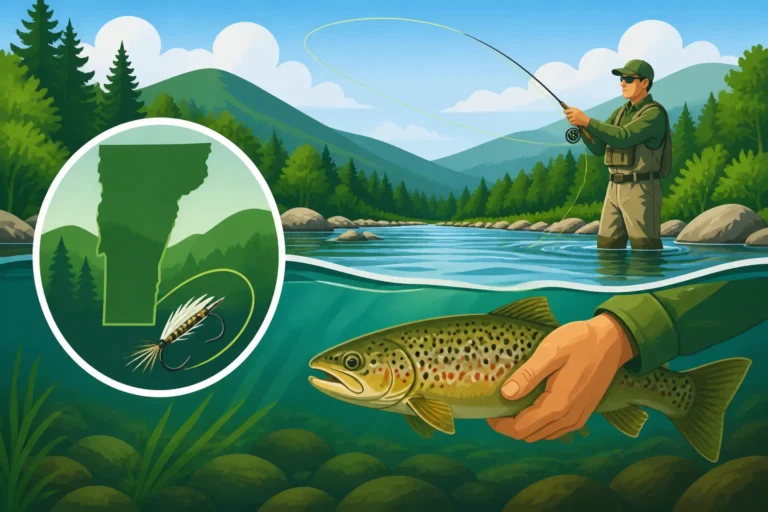
When you encounter a "Fly Fishing Only" designation in Vermont, it means a few very specific things about the gear and methods you can use. Primarily, you are restricted to using a fly rod, fly reel, fly line, and an artificial fly. This immediately rules out spinning gear, baitcasters, and any form of live bait, dead bait, or even artificial lures that aren't specifically categorized as flies. The intent is to provide a more challenging, traditional, and often less impactful method of fishing, which is why these areas are cherished by dedicated fly anglers.
Beyond the basic gear, these regulations often specify the use of single-pointed, barbless hooks. The barbless requirement is crucial for the health of the fish. It allows for quick and easy release, minimizing stress and injury to the fish, which is particularly important in catch-and-release heavy sections. Some regulations might even detail the types of flies permitted, though generally, any artificial fly tied in the traditional manner is acceptable. Before heading out, it's always a good idea to consult the latest Vermont Fishing Regulations Explained to be absolutely certain about the rules for your chosen spot. This document is the ultimate authority and will prevent any unwelcome surprises.
The Conservation Philosophy Behind Fly-Only Waters
The reason Vermont has these special "Fly Fishing Only" areas often stems from a deep commitment to conservation and maintaining high-quality fisheries. Many of these sections are home to robust wild trout populations – brook trout, brown trout, and rainbow trout – that reproduce naturally and are a precious resource. By limiting tackle to flies and often enforcing catch-and-release, the state aims to reduce mortality rates and ensure these fish can continue to thrive and grow, providing excellent sport for generations of anglers.
These designations also create a unique angling environment. Fly fishing requires a particular skill set and patience, and concentrating this method in specific areas fosters a community of anglers who share a similar passion and respect for the resource. It's about more than just catching fish; it's about the experience, the challenge, and the connection to nature. For many, these "fly fishing only" sections represent the pinnacle of trout fishing in Vermont, offering a purist's challenge and the reward of interacting with truly wild fish. Understanding this philosophy helps anglers appreciate why these rules are in place and encourages compliance.
Key "Fly Fishing Only" Special Regulation Waters in Vermont
Vermont is blessed with numerous rivers and streams, and while not all are designated "fly fishing only," certain stretches have earned this distinction due to their ecological significance and the quality of their fisheries. These special regulation areas are often some of the most sought-after spots for dedicated fly anglers, offering a chance to test skills against wary wild fish in pristine surroundings. Being aware of these particular locations is the first step toward planning an unforgettable fly fishing adventure in the Green Mountain State.
Battenkill River's Famous Fly-Only Stretch
Without a doubt, the most renowned "fly fishing only" water in Vermont is a significant section of the Battenkill River. This legendary river, flowing through southwestern Vermont, has earned an almost mythical status among fly anglers, particularly for its challenging wild brown trout. The "fly fishing only" section of the Battenkill extends from the confluence of the West Branch downstream to the New York state line. Within this stretch, you are limited to artificial flies with single, barbless hooks, and all trout must be immediately released. This is a classic catch-and-release fishery, and its health relies entirely on anglers adhering to these regulations.
The Battenkill's character can be demanding. Its clear, often slow-moving waters mean fish have ample time to inspect your presentation, and spooky wild trout require delicate casts and precise fly selection. Public access points are available, but many anglers seek out the numerous easements and designated access spots. For an in-depth look, exploring resources like the "Battenkill River Trout Fishing" guide can provide invaluable local knowledge. The experience of landing a wild Battenkill brown on a dry fly during a hatch is a quintessential Vermont fly fishing moment, but it demands respect for the river and its rules.
Other Notable Fly-Only Trout Streams
While the Battenkill might be the most famous, Vermont has other streams and sections that are also designated for fly fishing only, or at least have specific catch-and-release provisions often favored by fly anglers. These might not be as widely publicized but offer equally rewarding experiences. The Vermont Fish & Wildlife Department's "Vermont Catch and Release Fly Fishing Only Waters" section in their official regulations outlines all these specific locations. Always check the current regulations, as these can change annually. Some examples might include smaller stretches of the Black River or certain designated sections on the Winooski River, particularly those managed for wild trout.
These smaller, often less pressured waters can provide excellent opportunities, especially for those looking to escape the crowds. They often require a bit more exploration and local intel to find the best access, but the reward is often a truly intimate experience with nature and wild fish. The conditions in these streams can vary wildly, from tight, brushy pockets to wider, more open runs, each presenting its own unique challenge for the fly angler. It's always a good idea to chat with local tackle shops or guide services near towns like Manchester, Stowe, or Waterbury, as they often have the most current information on these lesser-known gems.
Navigating the Regulations and Finding These Spots
The best way to ensure you're compliant and find these special regulation waters is to carry a copy of the current Vermont fishing regulations. You can often pick up a printed copy wherever you purchase your fishing license, or you can find a comprehensive digital version on the Vermont Fish & Wildlife Department's website. The "Reading the Vermont Fishing Regulations Guide" can help you decipher the legal jargon and understand the maps or written descriptions that pinpoint these specific areas.
Always look for posted signs at public access points. These signs will clearly state the regulations for that particular section of water. If you're unsure, it's always better to err on the side of caution or move to a different spot. Many digital mapping apps also integrate these special regulations, which can be incredibly helpful when exploring new territory. Remember, ignorance of the law is no excuse, and wardens regularly patrol these special regulation waters to ensure compliance, particularly during peak seasons.
Essential Gear and Techniques for Fly-Only Waters
Embarking on a fly fishing adventure in Vermont's special regulation waters requires more than just a fishing license and a desire to cast. Having the right gear and understanding the specific techniques that make these waters shine can drastically improve your success and enjoyment. These areas often demand a more refined approach than general fishing, emphasizing stealth, presentation, and appropriate tackle.
Recommended Fly Rod and Line Setups
For the diverse trout waters of Vermont, a versatile fly rod setup is your best friend. For most "fly fishing only" trout streams, a rod in the 7.5 to 9-foot range, with a 3-weight to 5-weight designation, will cover nearly all situations. A 3-weight is fantastic for delicate presentations on smaller, clear streams where brook trout are the primary target, allowing for soft landings of tiny dry flies. A 4-weight is arguably the most versatile for medium-sized streams and general trout fishing, handling everything from nymphs to modest streamers. A 5-weight offers a bit more backbone, useful for larger rivers like the Battenkill, where you might encounter bigger fish or need to cast heavier nymph rigs or small streamers more effectively.
Pair your rod with a matching weight-forward floating fly line. This combination is ideal for dry fly fishing and most nymphing techniques. For leaders, a 7.5-foot to 9-foot tapered leader ending in 4x-6x tippet is a good starting point. You can always add finer tippet, like 7x, for particularly spooky fish or tiny flies. Many anglers will purchase their fly lines, leaders, and tippet from online retailers like Amazon, as it offers a wide selection and competitive pricing. Don't forget an extra spool of tippet in various sizes; you'll be retying frequently! For those looking for specific recommendations, a guide on "Best Fly Rods for Vermont Trout Streams" can offer more targeted advice.
Must-Have Fly Patterns
The beauty of fly fishing lies in imitating the insects and forage fish that trout naturally feed on. For Vermont's "fly fishing only" waters, a well-rounded fly box is essential. Your arsenal should include a variety of dry flies, nymphs, and a few streamers.
- Dry Flies: These imitate adult insects on the water's surface. Classic patterns like the Elk Hair Caddis (sizes 12-16), Adams (sizes 12-18), Blue-Winged Olive (BWO, sizes 16-20), and stimulators (sizes 10-14) are highly effective throughout the season. Having a selection of parachute patterns can also be key for selective trout.
- Nymphs: Subsurface patterns are often the most consistent producers, as trout do most of their feeding underwater. Favorites include the Pheasant Tail Nymph (sizes 14-20), Hare's Ear Nymph (sizes 12-18), and various Perdigon or Frenchie patterns for euro nymphing. Don't forget a few Scud patterns (sizes 14-18) for stiller waters.
- Streamers: These imitate baitfish and larger aquatic prey. Woolly Buggers (black, olive, brown, sizes 6-10) are universally effective. Sculpin patterns and small articulated streamers can also entice larger, more aggressive trout.
Carrying a variety of patterns and sizes allows you to "match the hatch" or adapt to different feeding behaviors. A good starting point for building your collection is to refer to a guide like "Fly Patterns for Vermont Trout Streams" which often highlights local favorites. A waterproof "Best Fly Boxes for Trout Streams" is a wise investment to keep your precious imitations organized and dry.
Mindful Angling Practices
Fishing "fly fishing only" waters often implies a strong commitment to catch and release, even if the regulations don't explicitly state it (though many do, like the Battenkill). This means handling fish with the utmost care. Always wet your hands before touching a fish, minimize its time out of the water, and use a net that has knotless, rubberized mesh to protect their slime coat and fins. A good "Best Landing Net for Trout" is a crucial piece of gear.
Beyond fish handling, practice responsible wading. "Wading Techniques for Vermont Trout Streams" emphasizes moving slowly and deliberately to avoid spooking fish or disturbing the stream bed unnecessarily. Some areas may have sensitive aquatic vegetation or spawning beds that should be avoided. Always respect private property and leave no trace of your visit. This mindful approach ensures that these special regulation waters remain vibrant fisheries for years to come.
Navigating Vermont's Fly Fishing Only Waters: A Quick Reference
To help you get ready for your next adventure, here's a quick overview of what to keep in mind for Vermont's fly fishing only waters.
| Aspect | Key Consideration | Specifics for Fly-Only Waters |
|---|---|---|
| License | Mandatory for all anglers 15 and older. | Purchase a Vermont Fishing License Guide for 2026 beforehand. |
| Gear | Restricted to fly rod, reel, line, and artificial flies. | No spinning gear, bait, or non-fly lures permitted. |
| Hooks | Often single-pointed and barbless. | Check regulations carefully; barbless usually mandatory for catch-and-release areas. |
| Fish Handling | Prioritize catch and release to protect fish. | Wet hands, minimal air exposure, use a rubberized net. |
| Regulations | Varies by waterbody and section. | Always consult the official Vermont Fishing Regulations Explained for specific areas. |
| Notable Waters | Battenkill River, certain stretches of other wild trout streams. | Look for signage at access points and in the regulations guide. |
| Fly Patterns | Dry flies, nymphs, and streamers. | Carry a diverse selection to match various hatches and conditions. Consider purchasing a variety of flies from Amazon. |
| Wading | Move slowly and cautiously to avoid spooking fish. | Protect streambeds; use proper Wading Techniques for Vermont Trout Streams. |
| Line & Leader | Weight-forward floating line, tapered leader with appropriate tippet. | Match line weight to rod; finer tippet (4x-7x) for delicate presentations. Consider a good quality "Best Fly Line for Small Mountain Streams". |
Final Considerations for a Great Vermont Fly Fishing Experience
Beyond the specific gear and techniques, having a comprehensive understanding of Vermont's angling environment will make your trip even more enjoyable. This includes knowing where to find help, how to stay safe, and the best ways to contribute to the preservation of these cherished resources. Even seasoned anglers can benefit from a refresher on these often-overlooked details.
Staying Informed and Prepared
The Vermont Fish & Wildlife Department is your primary resource for all things fishing in the state. Their website is a treasure trove of information, from "Vermont Fishing Season Dates and Closures" to fish stocking schedules and special advisories. Before any trip, it's always a good idea to check for any temporary closures, water level reports, or unexpected changes in regulations that might affect your chosen fishing spot. Local tackle shops are also invaluable resources; the folks behind the counter often have real-time intel on hatches, water conditions, and recent fish activity. Don't be shy about asking for advice – they love to share their passion.
Weather in Vermont can be unpredictable, especially in the mountains. Always pack appropriate clothing, including rain gear and extra layers, even on what appears to be a clear day. A reliable pair of "Best Waders for Vermont Trout Streams" is essential for comfort and safety in cold water. Staying hydrated is also crucial, so bring plenty of water. Having a small first-aid kit, a map, and a fully charged phone are also wise precautions, especially if you plan to venture into more remote areas.
Contributing to Conservation and Community
Anglers who frequent Vermont's "fly fishing only" waters are often deeply committed to conservation, and there are many ways to contribute. Adhering strictly to catch-and-release principles in these sensitive areas is paramount. Consider joining local conservation groups or chapters of organizations like Trout Unlimited, which actively work to protect and restore cold-water fisheries in Vermont. Your membership or volunteer efforts can make a tangible difference in habitat improvement projects, educational initiatives, and advocacy for sustainable fishing practices.
Supporting local businesses, whether it's a small tackle shop or a general store where you grab your lunch, also helps sustain the communities that are stewards of these natural resources. Many of these shops, in addition to carrying local fly patterns, also stock gear from larger brands found on Amazon, making it convenient to gear up. By being a responsible and engaged angler, you not only enjoy the incredible fishing opportunities Vermont offers but also play a vital role in preserving them for future generations to experience the magic of a wild trout rising to a perfectly presented fly.
Disclaimer
The information provided in this guide is for general informational purposes only and does not constitute legal advice. Fishing regulations in Vermont are subject to change, and it is the angler's sole responsibility to consult the most current official Vermont Fish & Wildlife Department regulations before engaging in any fishing activity. Always prioritize safety and environmental stewardship while on the water.