Best sling bag for bank fishing
Oh, the age-old dilemma of the bank angler! You want to be nimble, cover ground, and reach those secret spots, but you also need your gear. There's nothing more frustrating than lugging a bulky tackle box that bangs against your legs, or having to set down your backpack every time you want to switch a lure. If you've ever felt like you need an extra set of hands just to manage your fishing essentials while keeping your focus on the water, then this guide is for you. We're diving deep into the world of fishing sling bags, exploring how they can revolutionize your bank fishing experience in Vermont by offering comfort, quick access, and smart organization.
Why a Sling Bag is a Game-Changer for Bank Anglers
For years, many of us just made do. We'd cram everything into a backpack, or worse, carry a traditional hard-sided tackle box down to the water's edge. But for the angler who prefers to explore shorelines, wade streams, or hike into remote ponds, those options often create more problems than they solve. A sling bag, however, is designed with exactly this kind of dynamic fishing in mind.
The Frustration of Traditional Tackle Boxes
Let's be honest, those classic multi-tray tackle boxes have their place – usually in a boat or on a dock where you're set up for a while. But imagine trying to navigate a rocky stretch of the Battenkill River, scramble down a steep bank to the Lamoille, or walk a mile through tall grass to get to a hidden coves on Lake Champlain with one of those things clanging by your side. It's awkward, unbalanced, and downright cumbersome. Your hands are occupied, making it hard to hold your rod, climb, or even just keep your balance. And when you finally get to your spot, you have to set it down, often on damp or uneven ground, where it can tip over, get muddy, or be a tripping hazard. It’s a constant battle between carrying enough gear and maintaining your mobility, and traditional tackle boxes usually make you lose that fight.
The Freedom and Efficiency of a Sling Design
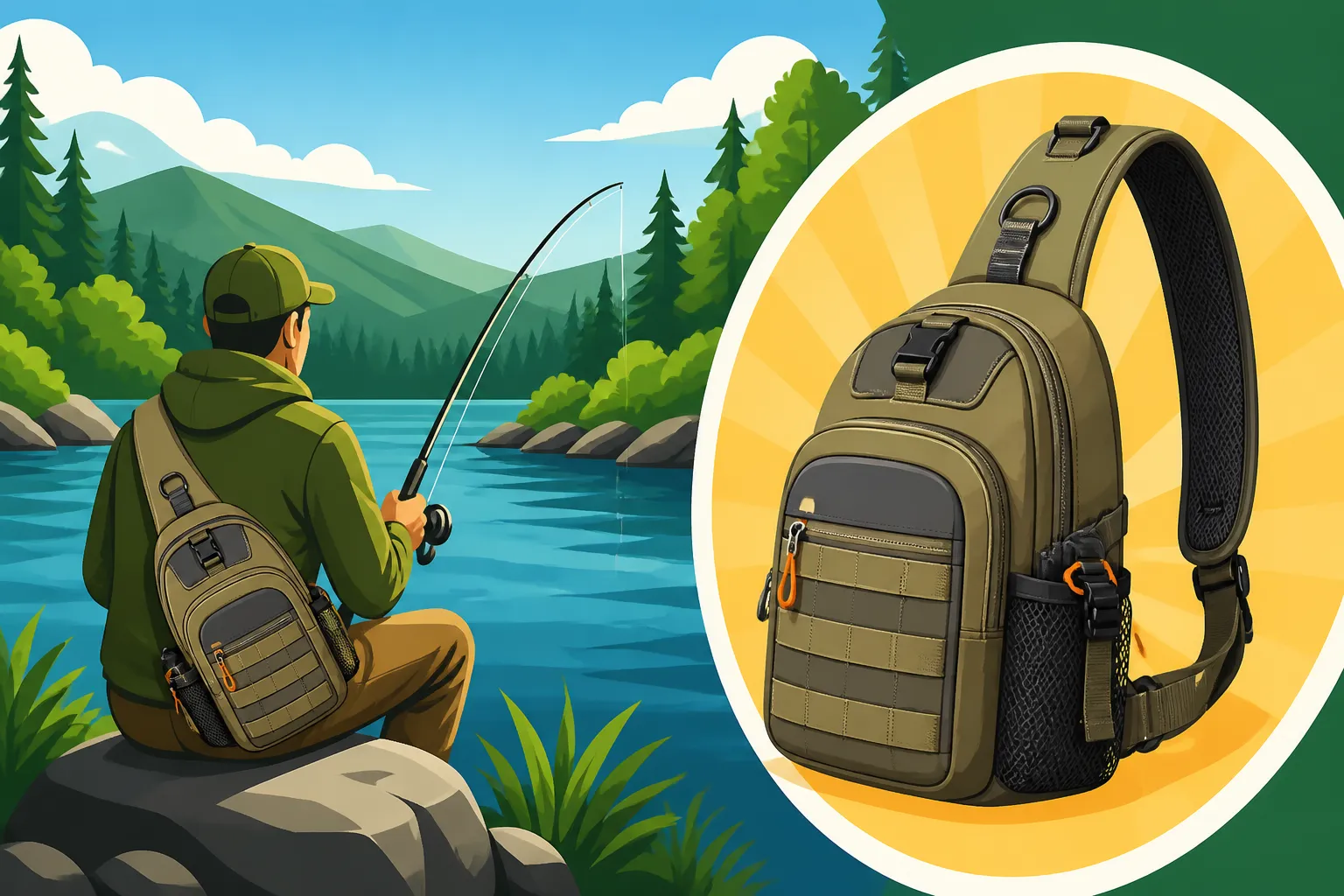
This is where the sling bag truly shines. Its fundamental design solves so many of those bank fishing frustrations. Instead of being a cumbersome box, it's a specialized bag worn over one shoulder, designed to hug your body. This hands-free approach means you can hold your rod, use a Wading Staff for Fast Current, or simply keep your hands free for balance and navigation. The magic happens when you need to access your gear: with a quick, fluid motion, you can swing the bag from your back to your front. No need to take it off, no need to set it down. Everything is right there, at your fingertips. You can grab a new lure, re-tie a knot, or pull out your Best Multi-tool for Fishing Trips without ever breaking your stride or losing sight of the water. This efficiency is paramount when you're covering ground, spotting fish, and making quick decisions on the fly. It feels like an extension of your body, rather than a separate piece of equipment.
Key Features to Look for in a Vermont Bank Fishing Sling Bag
Choosing the right sling bag isn't just about picking one off the shelf; it's about finding one that truly complements your fishing style and the unique challenges of Vermont's diverse landscapes. From rocky riverbeds to dense shoreline brush, your bag needs to be up to the task.
Comfort and Fit
Comfort is king, especially if you plan on spending hours on the water. A poorly designed sling bag will quickly become a nuisance, digging into your shoulder or swinging awkwardly as you move. Look for a bag with a wide, padded shoulder strap. Some higher-end models even feature breathable mesh on the back panel to prevent sweat buildup, which is a blessing during those warm Vermont summer days.
Adjustability is also crucial. The strap should be easily adjustable to fit your body type and how many layers of clothing you're wearing. A good sling bag will also have a stabilizer strap – a smaller strap that clips around your waist or across your chest – to keep the bag from shifting or flopping around when you're bending, casting vigorously, or scrambling over obstacles. This is especially important when navigating uneven terrain common along Vermont's rivers like the White or the Otter Creek, where you might be climbing over downed trees or navigating slippery rocks. Try it on, simulate casting motions, and make sure it feels secure and doesn't impede your movement. A perfect fit means you'll almost forget you're wearing it, letting you focus entirely on fishing.
Storage and Organization
A sling bag is only as good as its ability to organize your gear efficiently. It’s not about carrying everything, but about carrying the right things and knowing exactly where they are. Look for a main compartment that's large enough for a couple of small tackle trays (often called utility boxes), which are perfect for your Best Baits for Smallmouth Bass on Lake Champlain or various trout flies.
Beyond the main compartment, a good sling bag will feature a variety of smaller pockets, both internal and external. These are ideal for storing essentials like your phone, wallet, keys, a small first-aid kit, a headlamp for those early morning or late evening bites, and perhaps a spool of extra leader material. Many bags also include external attachment points, like D-rings or loops, where you can clip items you need instant access to, such as line clippers, forceps, or even your Best Landing Net for Trout. Some designs even incorporate a dedicated water bottle holder, which is absolutely essential for staying hydrated on those long, sunny days. Consider what you typically bring on a bank fishing trip and ensure the bag has dedicated spots for those items.
Durability and Weather Resistance
Vermont weather can be wonderfully unpredictable. One minute it's sunny, the next you're caught in a sudden downpour. Your sling bag needs to be built to withstand the elements and the rigors of outdoor use. Look for bags made from robust, water-resistant materials like heavy-duty nylon or ripstop polyester. While few bags are completely waterproof without an additional rain cover, good water resistance will protect your gear from splashes, light rain, and damp ground.
Pay close attention to the zippers. High-quality zippers, often branded like YKK, with large pulls are critical for easy operation, especially with cold or wet hands. They should also be corrosion-resistant, which is a major plus around water. Reinforced stitching at stress points – where straps attach to the bag, for instance – indicates a well-made product that will stand up to years of abuse. You'll be setting this bag down on abrasive rocks, dragging it through brush, and generally putting it through its paces, so robust construction isn't a luxury; it's a necessity for any serious Vermont angler.
Top Considerations for Your Vermont Bank Fishing Adventures
Your perfect sling bag isn't just about its features; it's about how those features align with the specific kind of fishing you do in Vermont. Whether you're chasing brook trout in a mountain stream or casting for bass along Lake Champlain, your bag needs to be a seamless part of your outdoor experience.
Size and Capacity
This is perhaps the biggest decision point. Are you planning quick, hour-long trips after work, or full-day excursions hiking into remote ponds? For short trips, a smaller, more minimalist sling bag might be perfect, carrying just a couple of fly boxes, a leader, and a water bottle. It keeps you super light and agile. However, for those longer adventures where you might be exploring different Best Fishing Lakes in Vermont or trying out multiple techniques, a larger capacity bag is probably warranted.
A larger bag will allow you to carry more tackle trays, extra spools of line, a heavier Best Rain Gear for Vermont Anglers, and more snacks. The key is to find a balance. Too small, and you'll feel deprived of essential gear; too large, and it becomes bulky and defeats the purpose of a sling bag's mobility. Think about your typical outing and what you truly need versus what you might need. Remember, every ounce adds up when you're covering significant distances on foot.
Ease of Access
The whole point of a sling bag is quick access without removal. When that fish hits, you don't want to be fumbling for a different lure or your pliers. Test out how easily the bag swings from your back to your chest. Are the zippers easy to reach and operate with one hand? Are the pockets thoughtfully placed so you don't have to dig? Some bags feature external tool holders specifically designed for quick retrieval of pliers or line snips, which can be a real time-saver.
Consider also the internal layout. Are the tackle trays easily accessible, or do you have to wrestle them out of a deep pocket? If you're a fly angler, can you get to your Best Fly Boxes for Trout Streams and tippet quickly? Every second counts when the fish are biting, or when you're trying to quickly adjust your setup to match changing conditions. A bag that requires contortionist moves to get at your gear will quickly lose its appeal.
Brand Spotlights and Where to Find Them
When it comes to finding a quality sling bag, you've got a lot of options. Many reputable fishing brands offer excellent choices. If you like to get a hands-on feel for gear, a place like Bass Pro Shops can be invaluable. You can try on different models, test the zippers, and see how various tackle trays fit inside. This can give you a much better sense of the bag's real-world usability than just looking at pictures online.
For sheer variety and competitive pricing, online retailers like Amazon are hard to beat. You can find everything from entry-level options to high-end, purpose-built bags. Reading customer reviews on Amazon can also provide great insights into how a bag holds up over time, its true capacity, and any quirks users have discovered. When browsing, keep an eye out for brands known for their tackle storage, as they often apply their expertise to sling bag designs, understanding the specific needs of anglers.
Setting Up Your Sling Bag for Success
Having the best sling bag is only half the battle; knowing how to pack and utilize it effectively is where the real magic happens. A well-organized bag can be the difference between a frustrating tangle and a smooth, enjoyable fishing trip.
Organizing Your Essential Tackle
Think about the types of fishing you'll be doing. If you're targeting smallmouth bass on Lake Champlain, you'll need different tackle than if you're fly fishing for brook trout in a mountain stream. Dedicate specific utility boxes to different lure types or sizes. For example, one box for jigs and soft plastics, another for crankbaits and topwaters. If you're primarily a Fly Fishing for Trout in Vermont enthusiast, separate your dry flies, nymphs, and streamers into different compartments or dedicated fly boxes.
Use the smaller pockets for leader material, extra hooks, sinkers, and terminal tackle. Keep tools like your Best Pliers for Unhooking Pickerel or line snips clipped to an external D-ring for instant access. Your phone, keys, and wallet should go into a secure, preferably zippered, internal pocket to protect them from the elements and prevent them from accidentally falling out. The goal is to create a system where you can reach for any item without having to dig or empty the bag.
Balancing Weight and Comfort
It's tempting to bring every lure you own "just in case," but with a sling bag, every ounce you add directly impacts your comfort and mobility. Be strategic. Before each trip, consider the species you're targeting, the water conditions, and the time of year. Do you really need five different colors of crankbaits, or will two or three suffice?
Pack your heaviest items closer to your back, allowing them to rest against your body for better weight distribution. Lighter, bulkier items can fill out the rest of the space. Utilize those external attachment points for things that are frequently used but not heavy, like a small landing net or a water bottle. A well-balanced bag will feel lighter and less intrusive, making those long hikes to a productive Best Shore Fishing Spots in Vermont much more enjoyable. Regularly cleaning out your bag and removing unused items will also keep it efficient and light.
Important Extras
Beyond tackle, there are a few non-fishing essentials that every bank angler in Vermont should consider keeping in their sling bag. Hydration is paramount, especially during warmer months. Many sling bags have specific pockets for water bottles, or you can opt for a small hydration bladder if your bag is compatible.
Sun protection is another must-have: a small tube of sunscreen, lip balm with SPF, and a good pair of polarized sunglasses will protect you from Vermont's strong summer sun. And speaking of Vermont, don't forget bug spray, especially during black fly and mosquito season, which can be intense near water. A small first-aid kit with bandages, antiseptic wipes, and pain relievers is also a wise addition for any minor scrapes or pokes you might encounter while navigating brush or handling fish. Lastly, consider a compact camera or your phone for those trophy shots!
| Feature | Benefits for Bank Anglers | Key Considerations |
|---|---|---|
| Padded Shoulder Strap | Enhanced comfort during long walks; reduces fatigue | Wide, breathable material; adjustable length |
| Stabilizer Strap | Prevents bag from swinging; keeps it secure during movement | Adjustable; quick-release buckle; good for scrambling terrain |
| Multiple Compartments | Organized storage for different tackle; quick access to essentials | Main compartment for trays; smaller pockets for tools/personal items |
| External Attachment Points | Hands-free carrying of frequently used tools (pliers, net) | D-rings, loops, elastic cords; secure placement for tools |
| Water Bottle Pocket | Essential for hydration; keeps water easily accessible | Secure fit for common bottle sizes; insulated options |
| Water-Resistant Material | Protects gear from splashes, light rain, and damp ground | Durable nylon or polyester; good quality zippers |
| Reinforced Stitching | Increased longevity and durability; withstands heavy use | Check stress points where straps attach |
| Quick-Swing Design | Instant access to tackle without removing the bag | Smooth rotation from back to front; no snagging |
The right sling bag won't just hold your gear; it'll become an extension of your fishing prowess, allowing you to move freely, adapt quickly, and truly immerse yourself in the beauty of Vermont's fishing opportunities.
Disclaimer
This article is for general informational purposes only and does not constitute professional advice. Laws, prices and regulations vary by location and change over time. Consult a qualified professional for guidance on your specific situation.