The largest lake trout ever caught in Vermont
The quest for a true behemoth of the deep, a fish that challenges the imagination and pushes the limits of what seems possible, is a dream shared by many anglers. In Vermont, when we talk about such mythical creatures, the conversation inevitably turns to the lake trout, especially the legendary giants that patrol the cold, dark depths of our largest waters. It's a journey fraught with anticipation, skill, and sometimes, a little bit of pure luck. This guide isn't just about a number on a scale; it's about the story, the habitat, and the relentless pursuit of the largest lake trout ever recorded in the Green Mountain State, offering insights for those hoping to etch their own names into the annals of Vermont fishing history.
The Legendary Vermont State Record Lake Trout
Vermont's fishing heritage is rich with tales of impressive catches, but few inspire as much awe as the state record lake trout. This isn't just a big fish; it's a monumental achievement that stands as a testament to the angler's skill and patience, and the incredible fishery Vermont boasts. The story behind such a catch is often as captivating as the fish itself, weaving together elements of strategy, persistence, and that unforgettable moment when you realize you've hooked something truly special.
The Angler and the Monumental Catch
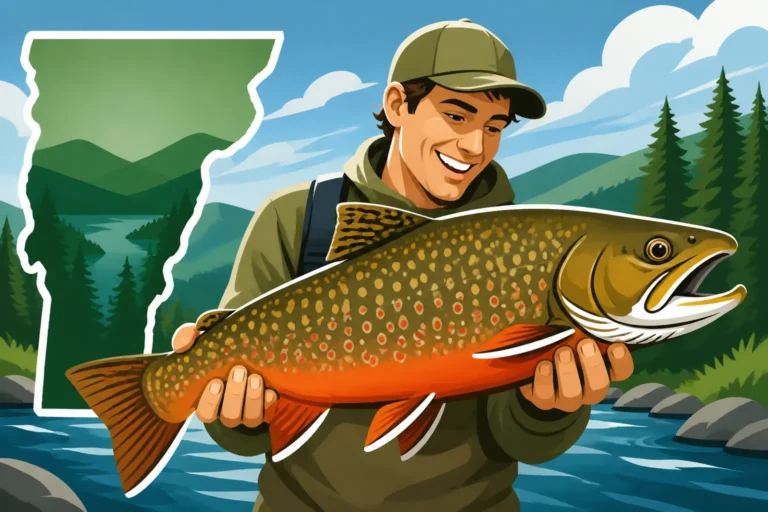
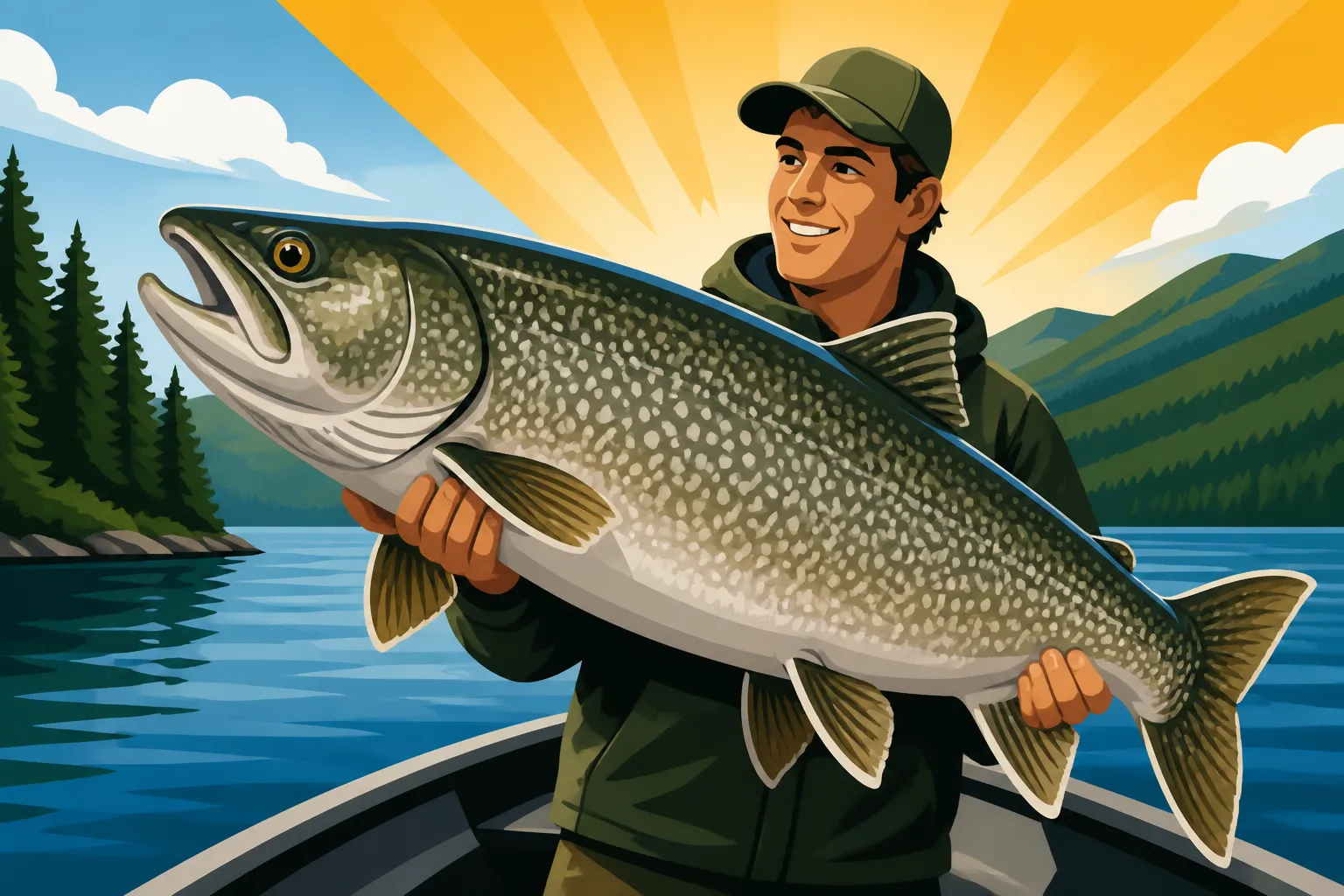
The widely recognized Vermont state record lake trout was a colossal fish, weighing in at an astounding 32 pounds. This leviathan was caught by Edward D. “Pete” Johnson on July 29, 1970, in Lake Memphremagog. Imagine the scene: a serene summer day on the vast, deep waters of Lake Memphremagog, a lake known for its cold, clear depths and impressive fish. Johnson, a seasoned angler, was likely employing techniques honed over years of experience, perhaps trolling a spoon or deep-jigging. The sheer power of a fish of that size, fighting in its natural element, would have tested every fiber of his rod, reel, and resolve. Landing a 32-pound lake trout is no small feat; it requires not just strength, but an understanding of how to play such a powerful fish, conserving energy on both sides until the moment of truth at the boat. This fish wasn't just big; it was a testament to the potential of Vermont's waters to grow truly legendary lake trout.
The Weigh-in and Verification Process
Catching a fish of record proportions is only half the battle; the other half is getting it officially recognized. For a fish to be considered a state record, it must meet stringent criteria set by the Vermont Fish and Wildlife Department. This typically involves weighing the fish on a certified scale, usually at an official weigh station, marina, or a store equipped with such equipment, often witnessed by multiple individuals. The measurement of the fish's length and girth is also critical. Photos are usually taken, and often, an official from the Fish and Wildlife Department must verify the species and the conditions of the catch.
For Johnson's record-breaking lake trout, it would have been a meticulous process to ensure every detail was accurate. This rigorous verification is vital to maintain the integrity of state records, ensuring that future generations of anglers have a true benchmark to aspire to. It solidifies the catch as more than just a personal triumph; it becomes a piece of Vermont's angling history, inspiring others to spend countless hours on the water, dreaming of their own record-breaker. This careful process is why we can confidently talk about The largest lake trout ever caught in Vermont.
What Makes a Lake Trout a True Giant in Vermont?
When we talk about a "giant" lake trout, we're really talking about a confluence of factors that allow these fish to thrive and grow to exceptional sizes. It's not just about age, though that's a huge component; it's also about their environment and the food sources available to them. Vermont has a few select waters that provide these ideal conditions, leading to truly impressive fish that are far beyond the average size you might encounter.
Factors Contributing to Trophy Size
Lake trout are slow-growing, long-lived fish that require specific conditions to reach their trophy potential. Here are some key factors:
- Cold, Deep, Oxygenated Water: This is paramount. Lake trout are cold-water species, preferring water temperatures generally below 55°F (13°C). Large, deep lakes like Lake Champlain and Lake Memphremagog offer vast expanses of these frigid, oxygen-rich depths where they can comfortably reside year-round. These deep pockets serve as critical thermal refuges, especially during warmer months.
- Abundant Forage Base: To grow big, fish need to eat big. Lake trout are apex predators in their ecosystems, and their diet heavily influences their growth rate. In Vermont's trophy waters, they feast on a variety of baitfish. In Lake Champlain, for example, their diet often includes rainbow smelt, alewives, and even smaller salmonids. A consistent and ample supply of these high-fat, protein-rich prey allows lake trout to pack on the pounds and grow robust. Without a healthy food web, even the oldest lake trout would struggle to reach record dimensions.
- Genetics and Longevity: Some lake trout strains simply have the genetic predisposition to grow larger and live longer than others. Combine this with a protected environment where they can reach a ripe old age, and you have the recipe for a monster. Lake trout can live for decades, with some individuals in northern waters reaching well over 50 years old. In Vermont, while 50 is rare, a 15-20 year old lake trout is certainly possible and would be a very large fish. Lake Trout Average Size in Vermont Lakes can give you a better idea of what constitutes an average catch versus a true trophy.
- Low Fishing Pressure or Selective Harvest: In areas where fishing pressure is managed, or where anglers practice catch-and-release, older, larger fish have a better chance of surviving and continuing to grow. While records are typically kept for harvested fish, a healthy population with strong conservation practices helps ensure a consistent presence of mature fish.
Typical Size vs. Record-Breaker
Most anglers in Vermont consider a lake trout over 5-10 pounds to be a good catch, a respectable fish that offers a great fight. Many caught lake trout fall within this range, providing excellent sport and often a delicious meal. However, a "trophy" lake trout usually starts around the 15-pound mark, exhibiting significant length and girth, a true testament to its survival and growth in the harsh underwater environment. These are the fish that make your arms ache and your reel scream.
But a state record? That's a different league entirely. A 32-pound lake trout is a fish of truly exceptional proportions. To put it in perspective, that's roughly equivalent to a small child, or a mature golden retriever, a truly immense specimen for any freshwater species. It possesses a girth that makes it look like a football, and a length that requires two hands to hold, if you're even capable of lifting it solo. These are the fish that break fishing lines, bend nets, and provide stories that last a lifetime. They represent the absolute pinnacle of what Lake Trout Fishing in Vermont can offer.
| Lake Trout Size Category | Typical Weight Range (lbs) | Key Characteristics |
|---|---|---|
| Small/Young | 1-4 | Lean, agile, often caught in shallower depths, good fighters but not yet powerful. |
| Average Catch | 5-10 | Common size for recreational anglers, strong fight, good table fare, indicates healthy population. |
| Large/Trophy | 15-25 | Significant length and girth, powerful runs, requires heavier tackle, impressive photo opportunity. |
| State Record | 30+ | Extremely rare, immense size, legendary status, pinnacle of the species in the region. |
Where the Biggest Lake Trout Live in Vermont
You can't catch a trophy lake trout if they aren't there in the first place. Fortunately, Vermont is blessed with some incredible deep-water environments that are perfect for these cold-water giants. Understanding these prime locations is key to increasing your odds of encountering a truly enormous fish.
Vermont's Prime Lake Trout Waters
When it comes to big lake trout, two names immediately come to mind in Vermont:
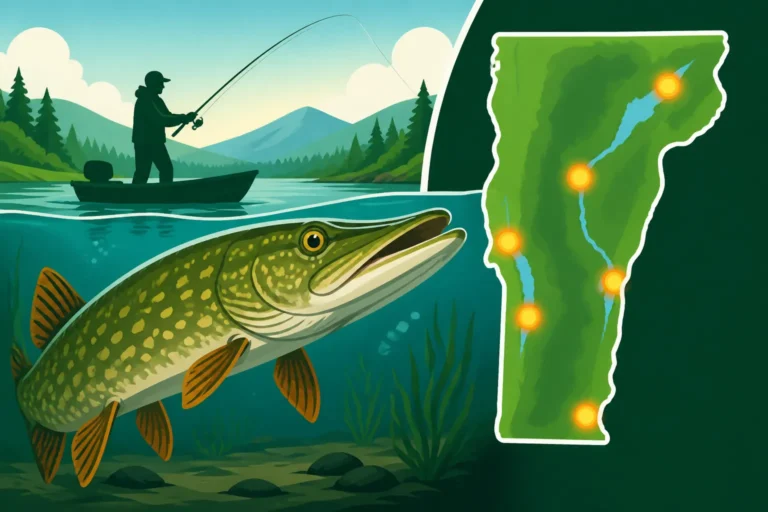
- Lake Memphremagog: This is the lake of legend, where the current state record was caught. Spanning the US-Canadian border, Lake Memphremagog is incredibly deep, with areas plummeting to over 300 feet. These vast, cold depths, combined with an excellent forage base (including smelt), create the perfect nursery for trophy lake trout. It's a challenging lake to fish due to its size and depth, but the rewards can be immense. Anglers often target specific humps, drop-offs, and deep points, using sonar to locate concentrations of baitfish and the lakers lurking beneath.
- Lake Champlain: While perhaps more famous for its bass and walleye, Lake Champlain is also home to a thriving population of lake trout, including some true monsters. As one of the largest freshwater lakes in the United States, Champlain offers immense deep-water habitat, particularly in its central and northern sections, which can exceed 400 feet in depth. The lake's extensive forage base ensures that lake trout here have plenty to eat, allowing them to grow large and robust. Lake Champlain Lake Trout Fishing is a pursuit that often involves specialized gear and techniques to reach these deep-dwelling giants. While the state record wasn't caught here, many impressive lake trout come out of Champlain every year, often pushing the 20-pound mark.
Other, smaller, but still significant lakes, might hold impressive lake trout populations, especially those with good depth and cold water. Always check specific regulations for any lake you plan to fish, as rules can vary.
Deep Water Secrets and Structure
Lake trout are creatures of habit and structure, even in vast, open water. They relate heavily to changes in depth, underwater topography, and the presence of their food. To find the biggest lake trout, you need to think deep.
- Thermocline and Oxygen Levels: During the warmer months, lake trout will orient themselves to the thermocline – the layer of water where temperature changes rapidly. Below this, the water is cold, and they will seek out the deepest parts that still maintain sufficient oxygen. Understanding How deep lake trout go in summer is crucial. Your fish finder will be your best friend here, showing you not only the thermocline but also bait balls and individual large fish.
- Underwater Structure: Look for submarine islands, humps, ridges, and steep drop-offs that fall into very deep water. These features concentrate baitfish, which in turn attract hungry lake trout. A good topographic map of the lake, combined with a high-quality fish finder, is indispensable. Lake trout will often cruise the edges of these structures, ambushing unsuspecting prey.
- Forage Fish Concentrations: The ultimate secret weapon is finding the bait. If you locate schools of smelt or alewives, you can bet that lake trout won't be far behind. Often, anglers will mark baitfish schools on their sonar and then target the edges or directly beneath them for larger predators. Knowing What water temperature lake trout prefer will help you narrow down the depth where both predator and prey are likely to be found.
Chasing Your Own Vermont Lake Trout Trophy
Landing a truly enormous lake trout isn't just about luck; it's about preparation, persistence, and employing the right strategies. While you might not break a state record every time you hit the water, you can certainly improve your chances of catching a personal best or a trophy-sized fish.
Essential Gear for Big Lake Trout
When you're targeting a fish that could weigh upwards of 20 or even 30 pounds, your gear needs to be up to the task. Skimping on tackle is a surefire way to end up with a broken line and a heartbreaking story.
- Rods and Reels: You'll need a stout rod, typically a medium-heavy to heavy power, with a fast action to handle heavy weights and provide backbone for fighting big fish. Paired with this should be a large capacity spinning or baitcasting reel, capable of holding several hundred yards of strong line. A high-quality drag system is non-negotiable; it's what protects your line from snapping during powerful runs. Many anglers find great deals on robust trolling and jigging setups on platforms like Amazon, offering a wide selection to choose from. Consider a rod from the Best Fishing Rods for Vermont Lakes category that is specifically designed for deep-water trolling or heavy jigging.
- Line: Don't go light! Braided line in the 20-50 pound test range is common for its strength and lack of stretch, which aids in detecting subtle bites in deep water. You'll want a fluorocarbon leader of 10-20 pound test for its abrasion resistance and invisibility underwater. For trolling, especially very deep, specialized lines like leadcore or copper line are often used to reach extreme depths, often with a monofilament or fluorocarbon backing. If you're really going deep, consider the Best line for lake trout deep trolling.
- Baits and Lures: Lake trout respond well to a variety of presentations. Large spoons (like Daredevils or Mooselooks), stickbaits (such as Rapalas or Thundersticks), and soft plastic swimbaits rigged on heavy jig heads are all effective. Live or dead bait, particularly smelt or suckers, can also be deadly, especially when fished on a quick-strike rig or under a slip bobber in deeper water. Trolling Techniques for Vermont Lake Trout often involve specific types and colors of lures.
- Electronics: A good fish finder is your most important piece of equipment. Look for a unit with strong sonar capabilities to mark fish, bait, and most importantly, structure and depth. GPS mapping is also crucial for navigating large lakes and marking productive spots. Many modern units, readily available from retailers like Amazon, offer side imaging and down imaging, which can give you an incredibly detailed view of the underwater world. A solid Best Fish Finders for Vermont Lakes will make a huge difference in your success.
- Other Essentials: Downriggers are often necessary for precision trolling at deep depths. A large, sturdy landing net is absolutely critical for safely landing a big laker. Don't forget heavy gloves, pliers, and a camera to capture the moment. For ice fishing, you'll need a powerful auger, a sturdy ice shanty, and a flasher or sonar unit to locate fish under the ice.
Techniques for Landing a Giant
Landing a 30-pound lake trout is a physical challenge that requires a combination of skill, endurance, and knowing how to play the fish.
- Trolling: This is one of the most effective methods for covering large areas and intercepting cruising lake trout. Using downriggers or weighted lines, you can present lures or bait at specific depths where you've marked fish or found desirable water temperatures. Vary your speed, lure, and depth until you find what's working. For deep water, understanding the nuances of presentation is critical.
- Jigging: Vertical jigging with heavy spoons, tube jigs, or large soft plastic baits can be incredibly effective, especially when you've located a school of fish or a large individual on your electronics. The technique involves dropping your lure to the desired depth and then rhythmically lifting and dropping the rod tip to impart action. This can be particularly deadly during the ice fishing season. Learn about Best Techniques for Vertical Jigging Lake Trout for optimal results.
- Bait Fishing: Still fishing with live or dead bait, suspended at depth, can entice hesitant fish. This is often done from a boat with heavy weights or during ice fishing season. Ensure your bait is fresh and lively (if live) or properly presented (if dead).
- The Fight: When a giant lake trout hits, hold on! These fish make powerful, sustained runs, often peeling line off your reel with incredible speed. Let the drag do its job. Keep the rod tip up, maintain constant pressure, and pump the fish steadily towards the boat. Avoid horsing the fish, which can lead to pulled hooks or broken lines. Patience is key. When the fish gets close, have your net ready, and ideally, have a partner to assist with the landing. Releasing a large lake trout after a strenuous fight is a rewarding experience; ensure you revive it properly, especially if it came from very deep water. The experience of Best Techniques for Ice Fishing Lake Trout might even lead you to a winter behemoth.
The lure of catching the largest lake trout ever caught in Vermont is a powerful one, drawing anglers to our magnificent, deep lakes. It's a testament to the incredible natural resources we have here and the enduring spirit of the chase. Good luck on your next adventure, and may your lines be tight!
Disclaimer
This article is for general informational purposes only and does not constitute professional advice. Laws, prices and regulations vary by location and change over time. Consult a qualified professional for guidance on your specific situation.