What is the state fish of Vermont
Have you ever found yourself gazing at a vibrant, spotted fish pulled from a pristine Vermont stream, wondering if that was the iconic species representing the Green Mountain State? It’s a common moment of curiosity for both seasoned anglers and newcomers alike, especially with so many beautiful trout species swimming our waters. This guide is here to clear up any confusion and celebrate the official state fish of Vermont, delving into its unique characteristics, why it holds such a special place in our hearts, and how you can help protect it for future generations.
Unveiling Vermont's Aquatic Emblem: The Brook Trout
When we talk about the true spirit of Vermont's waters, one fish stands out above the rest. It's not the powerful landlocked salmon, nor the adaptable rainbow trout, but the utterly captivating brook trout. This isn't just a fish; it's a living symbol, deeply intertwined with the state's natural heritage and the very essence of its cold, clean mountain streams. Its official designation as the state fish isn't just a political formality; it's a recognition of its intrinsic value and historical significance.
For generations, Vermonters have chased the elusive "brookie" through dense forests and over slippery rocks, each catch a moment of connection to the wild. Its vibrant colors and preference for untouched wilderness make it a perfect ambassador for Vermont's commitment to conservation and its rugged beauty. It truly is a crown jewel of our aquatic ecosystems, and understanding it means understanding a fundamental part of what makes Vermont, well, Vermont.
A Native Treasure with Deep Roots
The brook trout, or Salvelinus fontinalis, isn't just a trout in Vermont; it is the native trout. This is a crucial distinction. Unlike brown trout and rainbow trout, which were introduced to North American waters from Europe and the Pacific Northwest, respectively, the brook trout has called these streams home for millennia. It's an indigenous species, evolving alongside Vermont's landscape since the last glaciers receded. This deep historical presence is a major reason why it was chosen as the state fish, representing an unbroken link to the wildness of our past.
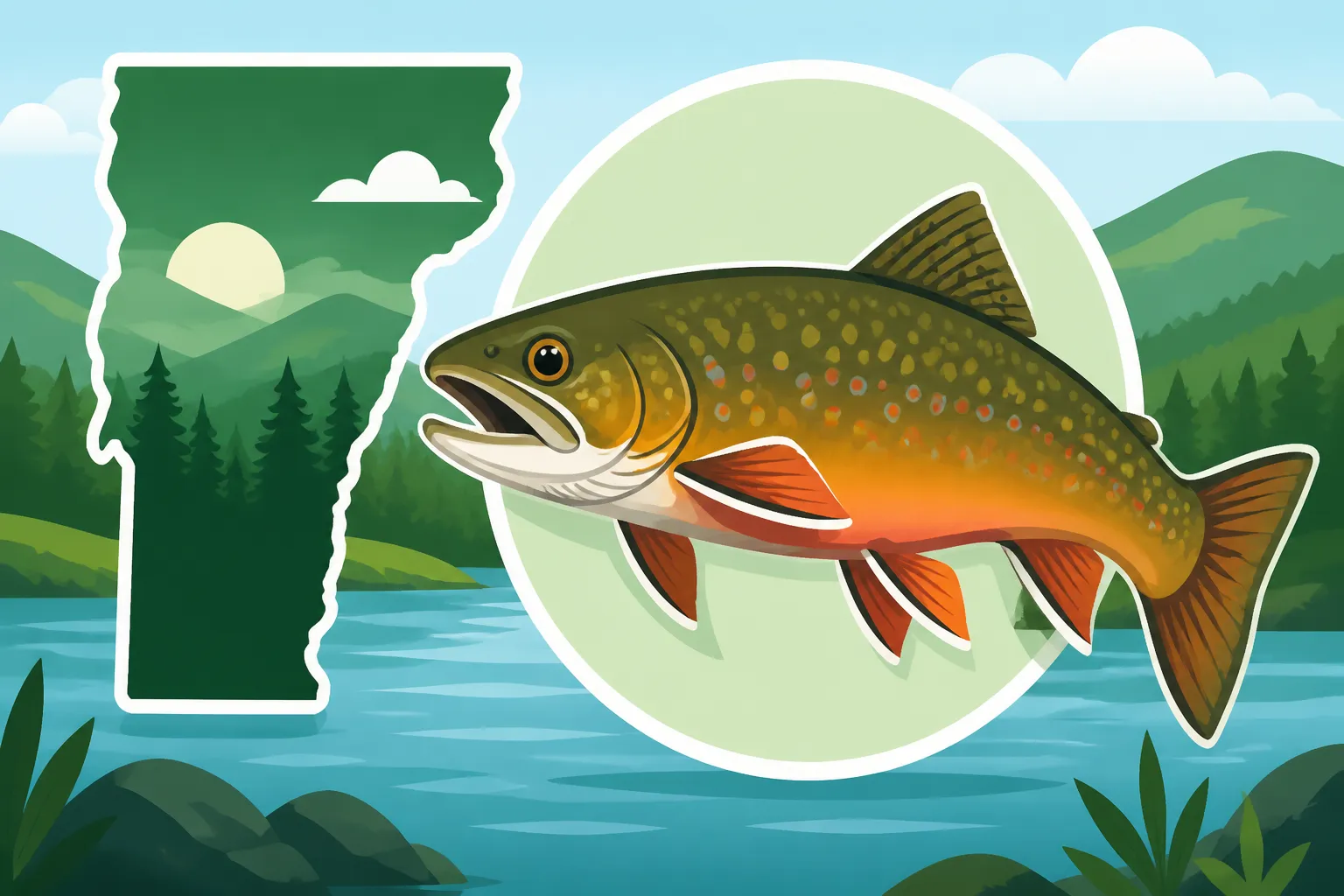
Visually, the brook trout is a stunner, often sporting a mosaic of greens, blues, and reds, adorned with distinctive yellow spots and small red spots encircled by blue halos. Its back is covered in intricate, worm-like patterns known as vermiculations, ranging from olive to black. These markings are its natural camouflage, allowing it to blend seamlessly into the dappled light and shadows of its stream habitat. The lower fins often have striking white leading edges, followed by black and then brilliant orange-red, creating a vibrant flag in the clear, cold water. If you’ve ever spotted one of these beauties in a crystal-clear mountain brook, you know it’s a sight you won’t soon forget.
Beyond the Badge: Why the Brook Trout Matters
The brook trout's significance extends far beyond its ceremonial title. Ecologically, it serves as a critical indicator species. Because brook trout demand exceptionally cold, clean, and well-oxygenated water, their presence or absence in a stream can tell us a great deal about the overall health of that aquatic ecosystem. A thriving brook trout population is a strong sign that the water quality is excellent, the habitat is intact, and the surrounding environment is relatively pristine. Conversely, a decline in brook trout numbers can signal environmental issues like pollution, rising water temperatures, or habitat fragmentation.
Culturally, the brook trout is woven into the very fabric of Vermont's angling heritage. For many, catching a wild brook trout from a small, secluded stream is the quintessential Vermont fishing experience. It evokes images of pristine wilderness, quiet solitude, and the challenge of outwitting a truly wild fish. Efforts to conserve the brook trout therefore aren't just about preserving a species; they're about preserving a way of life, a connection to nature that defines much of Vermont's outdoor identity. These efforts are often highlighted in resources like the Vermont Fishing Regulations Explained and dedicated conservation programs throughout the state.
Distinguishing Vermont's Trout Species
With several species of trout calling Vermont home, it's easy for anglers to get them mixed up, especially in the heat of the moment or when comparing photos later. While they all share the general trout shape, paying close attention to specific markings can help you confidently identify your catch. Knowing what you've landed isn't just about bragging rights; it's crucial for understanding the fish's habits, recognizing a native species, and ensuring you're following specific regulations for each type of trout.
Many anglers seek out different trout experiences, from battling large rainbows in bigger rivers to delicately presenting flies to brookies in tiny creeks. Each species offers a unique challenge, and a proper identification is the first step toward appreciating the diversity of Vermont's aquatic life. Checking out a Trout Species Identification Guide for Vermont can be incredibly helpful for any serious angler.
Brook Trout vs. Rainbow Trout vs. Brown Trout
Let's break down the key differences between Vermont's three most common trout species, highlighting what makes each one unique.
-
Brook Trout (Salvelinus fontinalis): As mentioned, these are our native superstars. They are characterized by their dark, often olive-green background color, covered with light, worm-like markings (vermiculations) on their backs and dorsal fin. Along their sides, you'll see small, vibrant red spots, usually surrounded by distinctive blue halos. Their lower fins (pectoral, pelvic, anal) have prominent white leading edges, often followed by a black strip and then brilliant orange-red. The tail fin is typically square or slightly forked. They prefer cold, clear, high-gradient streams and remote ponds. You’ll often find them in beaver ponds or small mountain brooks, thriving in places where water quality is paramount.
-
Rainbow Trout (Oncorhynchus mykiss): Rainbows are easily identified by the prominent, iridescent pink or red band running horizontally along their sides, from gill plate to tail. Their bodies are typically silvery or olive green, and they are covered in small, distinct black spots on their backs, sides, and tail fin. Unlike brook trout, they lack the worm-like markings. Their tail fin is usually broader and less forked than a brook trout's. Rainbows are a popular game fish, stocked widely and known for their strong fighting spirit, often found in larger rivers and lakes. When you're browsing for new gear, you might even see Amazon listings for lures specifically designed for rainbow trout in open water.
-
Brown Trout (Salmo trutta): Hailing from Europe, brown trout are recognized by their yellowish-brown or golden-brown bodies, which are covered with dark spots, some of which may have pale halos. Many of these spots are surrounded by a lighter ring, especially on their sides. Some brown trout will also have orange or red spots mixed in, particularly along their lateral line. A key differentiator is the lack of worm-like patterns on their backs and the absence of blue halos around their red spots (if present), which are characteristic of brook trout. Their tail fin is typically square or slightly forked, often without the heavy spotting seen on rainbow trout tails. Brown trout are incredibly adaptable and can tolerate warmer water temperatures than brook trout, making them common in a wider range of rivers and lakes, including some Best Fishing Rivers in Vermont.
This table provides a quick visual reference for the primary distinctions:
| Feature | Brook Trout | Rainbow Trout | Brown Trout |
|---|---|---|---|
| Native Status | Native to Vermont | Introduced (Pacific Northwest) | Introduced (Europe) |
| Back/Head | Dark, olive-green with worm-like markings | Silvery/olive with black spots | Yellowish-brown with dark spots, some with halos |
| Sides | Yellow spots, red spots with blue halos | Iridescent pink/red stripe, black spots | Dark spots (some red/orange), often with halos |
| Fins | Lower fins white-edged, black, then red | Fins typically clear with black spots | Fins usually clear, spots match body |
| Tail | Square or slightly forked, often unspotted | Spotted, slightly forked or square | Square or slightly forked, usually unspotted |
| Preferred Habitat | Cold, clean, clear mountain streams & ponds | Cooler rivers, larger lakes, stocked ponds | Varied: rivers, lakes, more tolerant of warmer water |
How to Identify a True Vermont Brookie
To confidently identify a true Vermont brook trout, focus on a combination of features. The most definitive signs are those unique worm-like patterns (vermiculations) on the back and dorsal fin, coupled with the red spots surrounded by those distinctive blue halos on its sides. If you see these two things together, you’re almost certainly holding a brook trout. The vibrant white leading edges on its pectoral, pelvic, and anal fins are also a dead giveaway. These white margins are particularly striking against the darker colors of the fin behind them.
Imagine you're wading a small, clear stream in the Green Mountains, and you hook into a spirited fish. As you gently bring it in, notice its overall body color – is it dark, almost mottled, with those squiggly lines? Are there small, bright red dots with a blue halo around each one? And do the fins, especially those lower ones, have that crisp white outline? If so, you've just met Vermont's state fish! If you're a fly angler, the delicate presentation often required for brookies makes catching them even more rewarding; consider exploring Fly Fishing for Trout in Vermont to refine your technique. Finding the right gear, perhaps a specialized rod and reel combo available on Amazon, can also make a huge difference in these smaller waters.
Protecting Vermont's State Fish and Its Habitat
The brook trout, while resilient in its preferred environment, faces ongoing challenges from habitat degradation, climate change, and competition from non-native species. As Vermont’s state fish and a key indicator of environmental health, its protection is paramount. This isn't just a task for state agencies; it's a shared responsibility that falls upon every angler, every landowner, and every resident who values Vermont's natural beauty. Understanding the threats and actively participating in conservation efforts ensures that future generations will also have the opportunity to experience the thrill of catching a wild brook trout.
The challenges are real. As our climate warms, the cold, oxygen-rich waters that brook trout depend on become scarcer, pushing them into ever-smaller, more isolated refuges. Land development, forestry practices, and agricultural runoff can impact water quality and create barriers to migration. Knowing these issues helps us appreciate why specific fishing regulations and conservation projects are so vital.
Conservation Efforts for Wild Brook Trout
Vermont is proactive in its efforts to conserve wild brook trout populations. The Vermont Fish and Wildlife Department, along with numerous local conservation groups, works tirelessly on habitat restoration projects. These projects often involve stabilizing stream banks to reduce erosion, planting native vegetation to provide shade and cool water temperatures, and removing old dams or culverts that prevent fish passage. These improvements create more hospitable environments, allowing brook trout to thrive and reproduce naturally. Resources like the Vermont Fish Stocking Search Tool, Explained show where other species are stocked, often to take pressure off wild brook trout populations in sensitive areas.
Anglers play a crucial role in these conservation efforts. Practicing responsible catch and release, especially in wild brook trout waters, minimizes stress on the fish and allows them to continue their life cycle. Supporting organizations dedicated to river and stream health, and advocating for policies that protect water quality and riparian zones, are all ways to contribute. Even simple actions, like being careful not to introduce invasive species by cleaning your gear between waterways, make a difference. The more we learn about their needs and habitat, the better equipped we are to be good stewards of these precious resources.
Fishing for Brook Trout in Vermont: Best Practices
Fishing for brook trout in Vermont is an experience that demands respect for the fish and its delicate habitat. Because these fish are often found in small, intimate streams, responsible angling practices are essential. Always check the current Vermont Trout Season and Stocking Rules and Vermont Trout Limit and Possession Rules before heading out, as regulations can vary significantly by waterbody, with some streams designated as Vermont Catch and Release Fly Fishing Only Waters. These rules are in place to protect sensitive populations and ensure sustainable fishing opportunities.
When you do hook into a brook trout, proper handling is key. Use barbless hooks to minimize injury, and if you plan to release the fish, handle it as little as possible with wet hands. Keep the fish in the water as much as you can, and support its body until it swims away under its own power. Consider using lighter gear, like a Best Gear for Vermont Trout Fishing setup, that provides a good fight without overly stressing the fish. A small, soft-mesh landing net can also be a valuable tool for quick, safe releases. Many anglers find lightweight, packable gear, which you can often find on Amazon, ideal for accessing remote brook trout streams, enhancing the experience while minimizing impact.
Disclaimer
This article is for general informational purposes only and does not constitute professional advice. Laws, prices and regulations vary by location and change over time. Consult a qualified professional for guidance on your specific situation.