Splake Stocking in Vermont Lakes
For many anglers in Vermont, the idea of hooking into a truly unique fish, one that combines the best fighting qualities of two beloved species, is incredibly appealing. You've probably heard whispers of "Splake" and wondered what they are, where they come from, and most importantly, how to catch one. It can be confusing trying to understand which lakes have them and why Vermont even bothers stocking a hybrid fish when we have so many natural beauties. This guide is here to unravel the mystery of Splake stocking in Vermont lakes, giving you all the details on this fascinating fish and how you can add one to your fishing stories.
Understanding the Splake: A Unique Hybrid Fish
Imagine a fish that gets the best attributes from two different worlds – that's essentially what a Splake is. It’s not a naturally occurring species, but rather a carefully crafted hybrid that offers a distinct experience for anglers and plays a specific role in Vermont's diverse fisheries management. When you first hear the name, it might sound a little whimsical, but there’s a serious biological reason for their existence and their presence in our beautiful Green Mountain State waters.
What Exactly is a Splake? The Tale of Two Trout
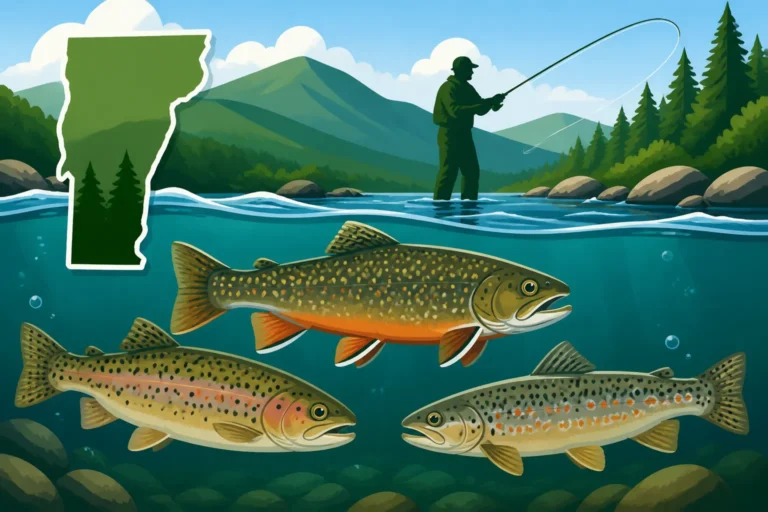
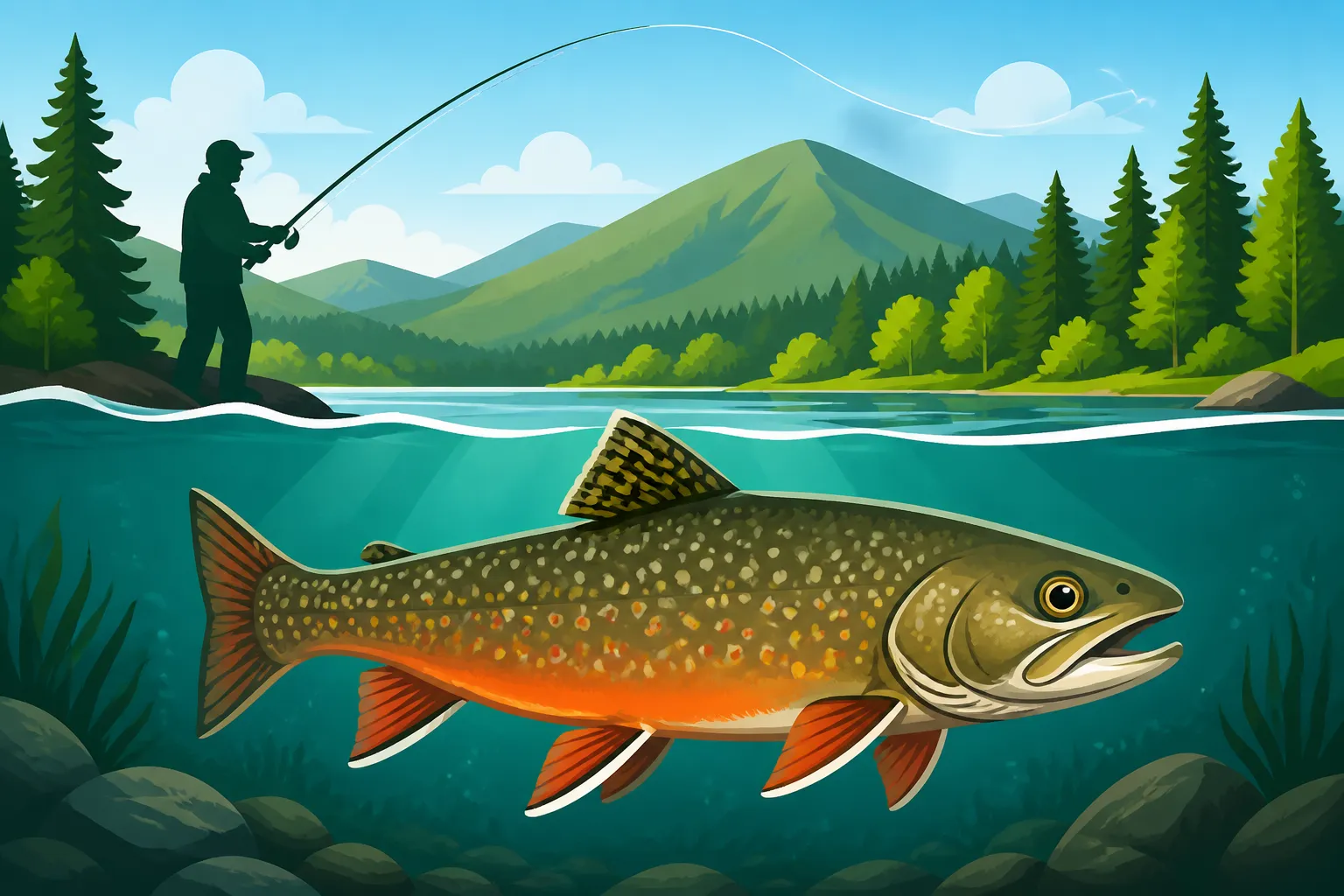
A Splake is a fascinating cross between two distinct species: the male Brook Trout (Salvelinus fontinalis) and the female Lake Trout (Salvelinus namaycush). Think of it like a mule in the animal kingdom – it's sterile, meaning it can't reproduce on its own, but it combines desirable traits from both parents. From the Brook Trout, the Splake inherits that vibrant, aggressive fighting spirit and often a beautiful reddish hue, though sometimes more muted than a pure brook trout. From the Lake Trout, it gains a larger potential size, a preference for deeper, colder waters, and a longer lifespan than its brook trout parent. The result is a fish that grows faster and larger than a brook trout, but often doesn't live as long or get as big as a pure lake trout.
Identifying a Splake can be a fun challenge, even for experienced anglers. They typically have a more streamlined body shape than the chunkier brook trout, but not quite as torpedo-like as a lake trout. Their tail fin, or caudal fin, is usually less forked than a pure lake trout's, leaning more towards the square tail of a brook trout, but with a slight indentation. You'll often see light spots on a darker body, reminiscent of both parents. The real tell-tale sign, for those who know what to look for, can be in the head shape and mouth, which often presents as a blend. It’s a testament to the wonders of aquaculture that we get to experience such a unique fish in our waters!
Why Vermont Chooses to Stock Splake
So, why go through the effort of creating and stocking a hybrid fish? Vermont's fisheries biologists aren't just doing it for kicks; there are very specific ecological and recreational reasons behind the Splake program. One of the primary drivers is their ability to thrive in certain lake environments where native trout populations might struggle or where a traditional Lake Trout fishery isn't viable. Splake often fill an ecological niche, preying on abundant forage fish in lakes that are too deep or warm for brook trout but might not have the optimal conditions for self-sustaining lake trout populations. They grow relatively quickly and offer a substantial fight, making them highly desirable targets for anglers looking for a robust challenge.
Furthermore, Splake stocking diversifies the fishing opportunities available to both residents and visitors. They provide a unique angling experience that's different from targeting wild brook trout in a remote stream or trolling for lake trout in the deep abyss of Lake Champlain. Their aggressive nature and willingness to strike a variety of lures make them accessible to a wide range of fishing techniques, from casting from shore to trolling from a boat. It's all about providing quality fishing opportunities while maintaining a healthy, balanced aquatic ecosystem. The introduction of Splake can take pressure off native wild trout populations in other areas, allowing those precious resources to thrive while still offering excellent sportfishing. For those interested in the broader picture, understanding Vermont Trout Season and Stocking Rules can provide more context on how different trout species are managed.
Where Vermont Stocks Splake: Prime Lake Destinations
You won't find Splake in every pond or river in Vermont; their stocking is a very deliberate and strategic process. Vermont's Fish & Wildlife Department carefully selects specific lakes that possess the right environmental conditions to support a healthy Splake population, ensuring these hybrid trout have the best chance to grow and thrive. This selective stocking helps maximize the recreational benefits while minimizing any potential ecological impacts on other species.
Identifying Key Splake Waters Across the State
When it comes to Splake, Vermont focuses on a handful of lakes that offer the necessary deep, cold water environments, combined with ample forage. While specific stocking lists can vary year to year, typically you'll find Splake in larger, deeper lakes where they can escape warmer surface temperatures during the summer months. These aren't usually the shallow, weedy bass ponds you might frequent in July. Think about lakes that also support other cold-water species like lake trout or salmon. For instance, some of the larger, deeper bodies of water in the Northeast Kingdom or even central Vermont might be prime candidates. These are the places where the Splake can find the deep, oxygen-rich water they need and the food sources that allow them to grow to a respectable size.
It's always a good practice to check the latest stocking reports from the Vermont Fish & Wildlife Department, as these are subject to change. However, generally, if a lake is known for its other cold-water fish, it's a good bet it might be considered for Splake. While not all Best Fishing Lakes in Vermont will contain Splake, many that are known for their trout or salmon fisheries might. These designated waters provide a fantastic opportunity to target a fish that behaves a bit differently than your typical rainbow or brown trout.
The Ideal Habitat: What Makes a Lake Splake-Friendly
The key to successful Splake stocking lies in matching the fish with the right habitat. Splake, like their lake trout parents, prefer colder water, generally below 60 degrees Fahrenheit. This means they'll seek out the deeper sections of lakes, especially as the summer progresses and surface waters warm up. Lakes with a strong thermocline – that distinct layer where warm surface water meets cold deep water – provide ideal conditions, offering a cool refuge while still allowing access to food.
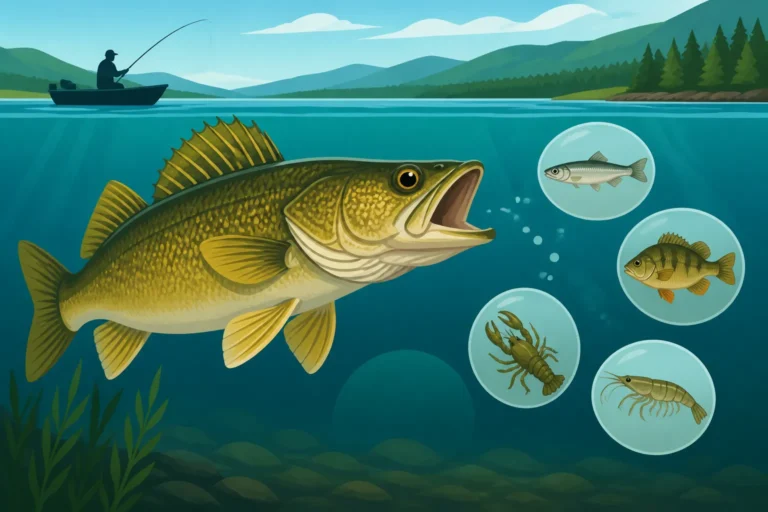
Beyond temperature, Splake need a good food source. They are opportunistic predators, and in Vermont, they'll readily feed on a variety of baitfish. Lakes with healthy populations of rainbow smelt, juvenile perch, or other small schooling fish are perfect. The presence of underwater structure, such as humps, drop-offs, submerged timber, or rocky reefs, also makes a lake particularly Splake-friendly. These structures provide ambush points for hunting and offer cover from predators. Essentially, think of a lake that could also sustain a population of Lake Trout Fishing in Vermont, and you're likely thinking of a good Splake lake. These environments mimic the deep, clear waters where their lake trout ancestry would naturally thrive, giving them the best chance for survival and growth in Vermont's diverse aquatic landscape.
The Lifecycle and Habits of Vermont Splake
Understanding the lifecycle and habits of Splake is crucial for any angler hoping to connect with one of these unique hybrids. Because they are a cross between two different species, their behavior often represents a fascinating blend, making them both predictable in some ways and surprisingly unique in others. Knowing what makes them tick will significantly increase your chances of success on the water.
Growth Rate and Size Expectations for Anglers
One of the big appeals of Splake is their growth rate. They tend to grow faster than brook trout and often reach a larger average size, which is a definite plus for anglers seeking a more substantial fight. While they don't typically attain the massive sizes that some truly ancient lake trout can reach, Splake in Vermont can certainly grow to impressive dimensions. A common catch might be in the 12-to-18-inch range, but fish exceeding 20 inches are definitely possible, offering a strong pull on your line. Some anglers have even reported catching Splake in the 4-to-6-pound range, a truly respectable fish that will test your tackle and your patience.
This rapid growth is one of the reasons they are stocked; they provide a quicker return on investment, so to speak, for the stocking program, delivering good-sized fish to anglers within a few years. Compared to Lake Trout Average Size in Vermont Lakes, which can take many years to reach trophy proportions, Splake offer a faster path to a memorable catch. However, remember that because they are sterile, their populations are entirely dependent on continued stocking efforts. This means every Splake you catch is a direct result of the thoughtful management by the Vermont Fish & Wildlife Department.
Feeding Behavior and Preferred Forage
Splake are active predators, and their feeding behavior is largely influenced by their environment and the availability of food. They are often found cruising the depths where cold water meets structure, actively hunting for baitfish. Their diet in Vermont lakes typically consists of whatever small fish are abundant. Rainbow smelt are a huge favorite, mimicking the diet of their lake trout parent. They will also readily consume yellow perch fry, shiners, and other small schooling baitfish. This preference for baitfish means that lures and baits that imitate these forage species are often the most effective.
Beyond baitfish, Splake aren't above chasing down larger aquatic insects, especially in cooler waters or during specific hatches, though this is less common than their pursuit of smaller fish. Their aggressive nature means they're often willing to hit a variety of presentations, from fast-moving spoons to slower-jigged plastics. Understanding the typical forage in the particular lake you're fishing can give you a significant advantage. If a lake has a strong smelt population, for example, using a lure that mimics a smelt will often produce excellent results. It's a classic case of "match the hatch," or in this case, "match the baitfish," for consistent success.
Fishing for Splake in Vermont: Techniques and Tips
Now for the fun part – how do you actually go about catching these magnificent hybrid trout in Vermont? Fishing for Splake can be incredibly rewarding, offering a blend of techniques used for both their brook trout and lake trout ancestors. It requires a bit of understanding about their habits and where they prefer to hang out, but with the right approach, you can have a truly memorable day on the water.
Best Season and Time of Day for Splake Success
The best time to target Splake in Vermont largely depends on the season and the water temperatures.
- Spring (Ice-Out to Early June): This is often prime time for Splake, especially shortly after ice-out. The water temperatures are uniformly cold throughout the lake, meaning Splake can be found shallower than they will be later in the year. They're often hungry and aggressively feeding after a long winter. Look for them in areas close to shore, rocky points, and submerged humps. Early mornings and late evenings are generally most productive, but in cold spring conditions, they can be active all day.
- Summer (June through August): As lake temperatures rise, Splake will retreat to deeper, cooler waters, typically congregating around the thermocline or near deep structure. This is when boat fishing, particularly trolling or deep jigging, becomes more effective. Focus on those dawn and dusk hours when they might move a bit shallower to feed, but be prepared to fish deep during the brighter parts of the day.
- Fall (September to Ice-On): Fall is another fantastic season, as water temperatures begin to cool again, and Splake become more active. They'll often move back into shallower areas, especially rocky shoals and points, to feed heavily before winter. This is a great time for casting from shore or a boat with spoons and crankbaits.
- Winter (Ice Fishing Season): Splake are excellent ice fishing targets! They remain active under the ice, and their presence in deeper, clearer lakes makes them a popular choice for hardwater anglers. Look for them over deep humps, along steep breaks, and near schools of baitfish. Jigging spoons and small tube jigs are very effective. You can learn more about Ice Fishing in Vermont for general tips, but remember Splake prefer deeper water than perch or crappie might.
Always keep an eye on weather patterns; stable weather conditions generally lead to more consistent fishing.
Recommended Gear and Lures for Splake Anglers
Having the right gear makes all the difference when targeting Splake. Since they can range from a decent pan-fryer to a respectable trophy, you'll want a versatile setup.
- Rods and Reels: A medium-light to medium power spinning rod, around 6'6" to 7 feet long, with a fast action tip is a great all-around choice. Pair this with a reliable spinning reel spooled with 6-10 lb test monofilament or fluorocarbon, or even braided line with a fluorocarbon leader. For trolling, a medium power casting rod with a line counter reel can be invaluable. You can find excellent options for Best Gear for Vermont Trout Fishing that will double perfectly for Splake.
- Line: Fluorocarbon leader is highly recommended, especially in Vermont's clear lake waters, due to its low visibility and abrasion resistance. A 6-8 lb test fluorocarbon leader, two to three feet long, tied to your main line (braid is great for sensitivity and casting distance) will give you an edge.
- Lures:
- Spoons: Classic trolling and casting spoons are deadly for Splake. Silver, gold, copper, or iridescent finishes that mimic smelt or shiners are excellent. Brands like Little Cleos, Daredevils, and Mooselook Wobblers are perennial favorites. You can find a huge selection of spoons on platforms like Amazon, making it easy to stock up before your next trip.
- Crankbaits: Deep-diving crankbaits that imitate baitfish can be very effective when trolled, especially during summer. Choose natural baitfish patterns.
- Jigs: For ice fishing or deep vertical jigging, small lead-head jigs tipped with a grub, small plastic, or even a piece of bait are excellent. Jigging spoons can also be highly effective.
- Live Bait: If regulations allow, live shiners or smelt can be irresistible to Splake, particularly when fished under a float or on a slow troll. Always check local regulations regarding live bait use.
It's wise to have a selection of tackle, as Splake can be particular on any given day. If you're looking to upgrade your trolling game, some of the advice for Best Trolling Gear for Lake Champlain Walleye might offer valuable insights, as some of the techniques and gear crossover.
Here’s a quick overview of Splake fishing techniques:
| Technique | Best Season | Gear/Lures | Depth | Notes |
|---|---|---|---|---|
| Casting/Spinning | Spring, Fall, Ice-out | Spoons, small crankbaits, jigs | Shallow to Mid | Effective from shore or boat. Focus on structure. |
| Trolling | Summer, Fall | Deep-diving crankbaits, spoons, stickbaits | Mid to Deep | Use downriggers or leadcore in summer. |
| Jigging | Winter (Ice), Summer | Jigging spoons, tube jigs, small plastics | Mid to Deep | Vertical presentation over structure. |
| Bait Fishing | All Seasons | Live shiners/smelt, powerbait (where allowed) | Varies | Still-fishing or drifting. Check bait regulations. |
Conservation and Management of Vermont's Splake Program
Vermont's commitment to maintaining a robust and diverse fishing landscape means that every species, including the unique Splake, is part of a carefully considered conservation and management strategy. The goal is always to balance recreational opportunities with the long-term health of the aquatic ecosystems. This involves not only thoughtful stocking practices but also clear regulations and a call for responsible angling from everyone who enjoys our waters.
The Role of Stocking in Sustaining the Fishery
Because Splake are sterile and cannot reproduce naturally, their continued presence in Vermont's lakes is entirely dependent on sustained stocking efforts by the Vermont Fish & Wildlife Department. This isn't just a one-time event; it's an ongoing program designed to replenish populations and ensure there are always fish available for anglers to target. The department raises Splake in state fish hatcheries, carefully nurturing them from eggs to fingerlings and beyond, before releasing them into designated lakes. This ensures a healthy, consistent supply of fish that are genetically robust and adapted to the local environment.
The stocking program is a vital tool for fisheries managers. It allows them to introduce a species that can thrive in specific conditions, provide diverse angling opportunities, and even help manage forage fish populations in certain lakes. Without this dedicated effort, the unique Splake fishery would simply cease to exist. It's a prime example of how active management plays a crucial role in enhancing recreational fishing while supporting the broader health of Vermont's waterways. For those curious about other stocking initiatives, information on Rainbow Trout Stocking in Vermont provides a broader perspective on how different species are managed.
Regulations and Responsible Angling for Splake
Like all fish species in Vermont, Splake are subject to specific fishing regulations designed to ensure sustainable harvests and protect the fishery for future generations. These regulations can include daily creel limits (how many fish you can keep in a day), minimum length limits, and season dates. It is absolutely crucial for every angler to familiarize themselves with the current Vermont fishing regulations before heading out on the water. These rules can change from year to year, and sometimes even differ from one body of water to another, especially for "Special Regulation Waters in Vermont."
Responsible angling goes beyond simply following the rules. It also includes practicing good catch-and-release techniques for fish you don't intend to keep, minimizing stress on the fish, and avoiding unnecessary harm. Using appropriate gear, such as nets with rubberized mesh, and handling fish gently can significantly increase their survival rate. Being mindful of your impact on the environment, properly disposing of trash, and respecting private property when accessing fishing spots are also key components of being a responsible angler. By doing our part, we help ensure that the Splake fishery, and all of Vermont's incredible fishing opportunities, remain vibrant for many years to come. Remember, information is power, and knowing Vermont Fishing Regulations Explained thoroughly is your best defense against inadvertently breaking rules or harming the fishery.
Disclaimer
This article is for general informational purposes only and does not constitute professional advice. Laws, prices and regulations vary by location and change over time. Consult a qualified professional for guidance on your specific situation.