Best Tackle Bag for Bank Fishing
There's nothing quite like the freedom of bank fishing in Vermont, is there? You’re unburdened by a boat, able to explore new stretches of river or hidden coves on a lake, connecting directly with the land and water. But let's be honest, trying to juggle all your essential gear – tackle boxes, extra spools, snacks, water, maybe even a camera – can quickly turn that peaceful outing into a frustrating struggle, especially when you're hiking a trail or scrambling down to a remote bend. This guide is all about helping you find and organize the best tackle bag for your bank fishing adventures, so you can focus on the catch, not the clutter.
Why a Specialized Tackle Bag is Crucial for Bank Anglers
When you're out on the bank, whether it's the winding Otter Creek or a picturesque pond in a state park, you don't have the luxury of a boat's storage compartments or a truck bed full of gear. Every item you bring needs to be intentional, organized, and easily accessible. A dedicated tackle bag isn't just a nice-to-have; it's a game-changer for enhancing your efficiency, comfort, and overall enjoyment of the sport.
The Limitations of Standard Gear for Bank Fishing
Think about trying to lug a traditional hard-sided tackle box down a narrow, uneven trail. It bangs against your leg, it's awkward to carry with a rod in one hand, and if you stumble, everything inside could spill. Or maybe you've tried using a regular backpack, only to have all your lures, weights, and soft plastics end up in a jumbled mess at the bottom. It's an exasperating experience, isn't it? You spend precious fishing time digging for that one spinner you know is in there somewhere, only to realize it's tangled in a sandwich wrapper. Standard bags just aren't designed to secure fishing tackle or to provide the specific compartments needed to keep hooks from snagging everything. They lack the specialized pockets for things like pliers, stringers, or even a water bottle.
The Unique Challenges of Shoreline Angling in Vermont
Vermont’s diverse landscape presents its own set of challenges for bank anglers. You might be navigating slippery rocks along the Winooski River Fishing Spots, pushing through dense riverside brush, or traversing muddy paths to reach a secluded trout stream. The weather can change in an instant, from bright sunshine to a sudden downpour, demanding gear that protects against the elements. You need your hands free to climb, cast, and manage your line, and you certainly don't want your gear weighing you down or getting soaked. Carrying multiple rods, a net, and a cooler, all while trying to access your bait, can feel like you need four arms. A specialized tackle bag addresses these issues by offering hands-free carrying options, durable materials, and intuitive organization that lets you focus on the fish, not the struggle.
How a Dedicated Bag Enhances Your Experience
Imagine this: you've hiked to a perfect bend on the Battenkill River Trout Fishing, your rod is rigged, and you're ready to cast. With a specialized tackle bag, your bait or lure is just a quick zip or clasp away, neatly organized in a modular tray. Your pliers are in an easily accessible sheath, and your measuring tape is right there when you need it. No fumbling, no digging. This level of efficiency not only saves time but reduces frustration, allowing you to stay in the zone and react quickly to changing conditions or biting fish. It means more casts, more enjoyment, and ultimately, more success on the water. A good bag becomes an extension of your fishing prowess, making every bank outing smoother and more productive.
Key Features to Look for in a Bank Fishing Tackle Bag
Choosing the right tackle bag for bank fishing isn't just about picking one that looks cool. It's about finding a functional partner that can withstand the elements, keep your gear organized, and remain comfortable even after miles of walking. Let’s dive into the core features that will make all the difference.
Durability and Weather Resistance: Protecting Your Investment
You're out in the wilds of Vermont, not in a perfectly controlled environment. Your tackle bag needs to be tough enough to handle scrapes against rocks, thorns, and wet ground. Look for bags made from heavy-duty, abrasion-resistant materials like denier nylon or reinforced polyester. These fabrics are not only tough but often come with a water-resistant coating or a completely waterproof bottom.
- Rugged Materials: The main body of the bag should feel substantial. Double-stitched seams are a huge plus, especially at stress points like shoulder strap attachments. Zippers are another critical component; cheap zippers will fail quickly when exposed to dirt and moisture. Opt for self-healing zippers, heavy-duty coil zippers, or even corrosion-resistant marine-grade zippers, especially if you fish near saltwater estuaries or large bodies like Lake Champlain where some salt can be present from road treatments in runoff.
- Waterproof Features: A completely waterproof bottom, often made of molded EVA or a thick, rubberized material, is essential. It prevents water from soaking up into your bag when you set it down on damp ground or in a shallow puddle. Many bags also feature water-resistant coatings on the main fabric, and some high-end options include integrated rain covers that can be pulled over the entire bag during a downpour, keeping everything inside bone dry. You don't want to hike all the way to a spot, only to find your Best Tackle for Vermont Smallmouth Bass is now swimming in its own little pond inside your bag.
Storage and Organization: Keeping Everything Accessible
This is where a dedicated tackle bag truly shines over a generic backpack. Effective organization means quick access and no wasted time on the water.
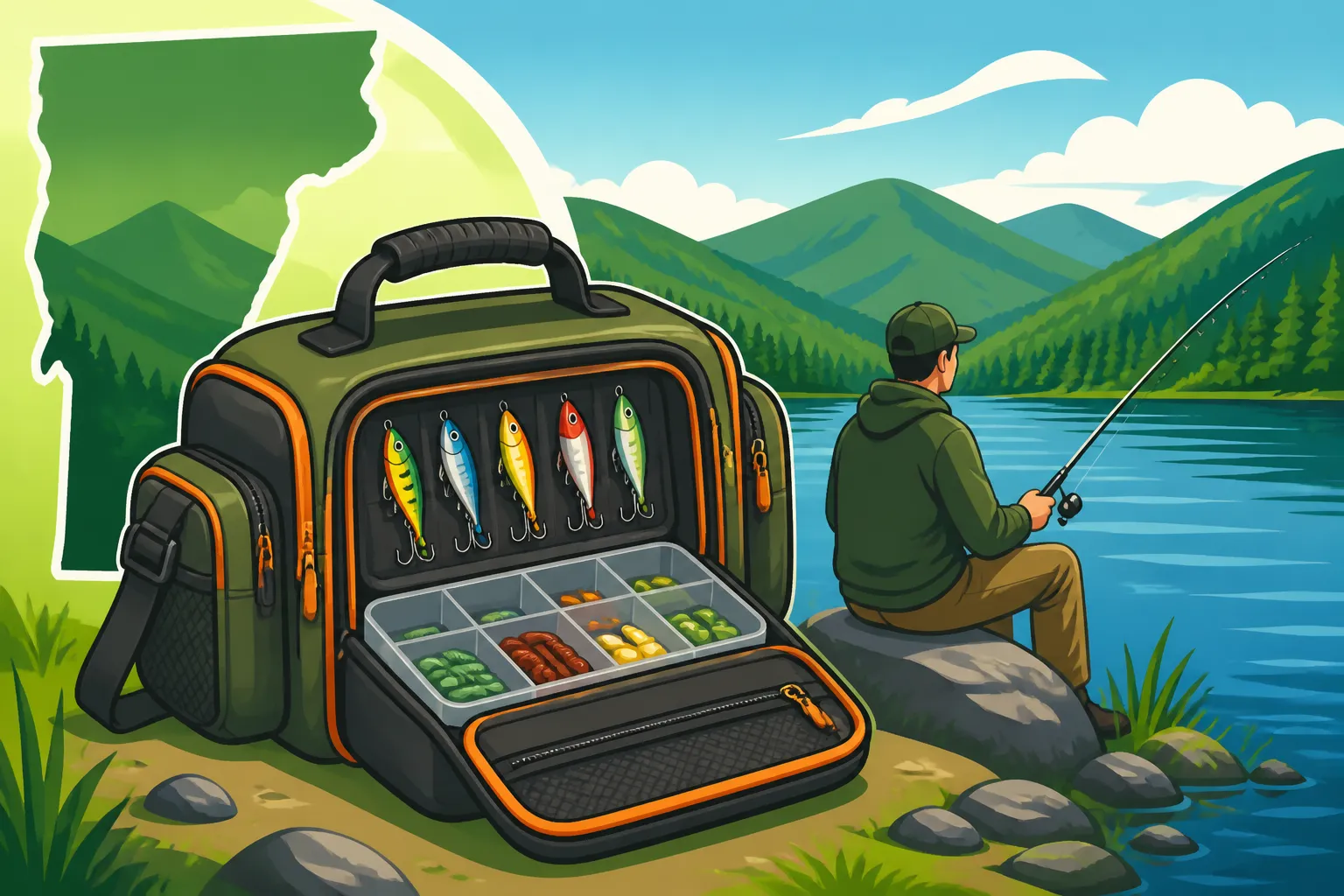
- Modular Storage Systems: The heart of a good tackle bag is its ability to hold multiple tackle trays (often called Plano-style utility boxes). These clear plastic boxes allow you to organize lures, hooks, weights, and other small items by type, size, or species. A good bag will have dedicated compartments or sleeves for these trays, making them easy to slide in and out. Some bags come with trays included, which is a great bonus. Brands like Bass Pro Shops often have a variety of bags specifically designed around standard tackle tray sizes.
- External Pockets and Tool Holders: Think about the items you need to grab quickly: pliers, line cutters, a small first-aid kit, a headlamp for dusk fishing, or a water bottle. Look for bags with multiple external pockets – zippered, mesh, or open-top – that are strategically placed. Sheath pockets for pliers or multitools are invaluable. D-rings or other attachment points are great for clipping on a small Best Landing Net for Trout or other accessories.
- Specialized Compartments: Some bags include specific pockets for sunglasses (often fleece-lined), a dedicated compartment for a fishing license and small wallet, or even a soft-lined pocket for a phone. If you carry a larger water bottle, make sure there’s a robust holder that won't let it bounce out as you walk. Consider bags with a dedicated area for soft plastics, preventing them from melting or sticking together in warmer weather.
Comfort and Portability: Easing the Burden of the Haul
Bank fishing often involves a fair bit of walking, sometimes over rough terrain. Your bag needs to be comfortable to carry for extended periods.
- Padded Straps and Back Panels: Whether you choose a backpack, sling pack, or shoulder bag, ample padding on the straps is non-negotiable. Look for adjustable, breathable straps that distribute weight evenly. A padded back panel, especially on backpacks, improves airflow and prevents items from poking you in the back. If you plan on fishing in warm weather, a ventilated back system can be a lifesaver.
- Carry Options:
- Backpack: Offers the best weight distribution and hands-free carrying, ideal for longer hikes or carrying more gear. Look for sternum straps and hip belts for added stability.
- Sling Pack/Shoulder Bag: These offer quicker access to your gear without taking the bag off entirely. They're great for medium loads and frequently changing lures. A wide, padded shoulder strap is essential to prevent digging into your shoulder.
- Waist Pack/Hip Bag: For minimalists or those covering short distances, a waist pack keeps essentials close at hand and doesn't interfere with casting. They’re excellent for fly fishing when all you need are a few fly boxes and tippet. When considering your ideal Best Gear for Vermont Trout Fishing, the bag type will play a major role.
- Ergonomic Design: The overall shape and design of the bag should conform to your body and not hinder your movement. Avoid overly bulky or rigid designs that might catch on branches or restrict your casting motion. Test out different carry positions if possible, especially if you tend to hunch or have any shoulder or back issues.
Different Types of Tackle Bags for Bank Fishing
The world of bank fishing tackle bags offers a fantastic array of choices, each designed with specific angling styles and amounts of gear in mind. Your best bet will depend on how much you plan to carry, how far you're walking, and your preferred access method.
Backpacks: The Hands-Free Champion
If you're an angler who loves to explore remote spots, hike deep into the woods along the Lamoille River Fishing Guide, or simply carries a lot of gear, a tackle backpack is probably your best friend. These bags distribute weight efficiently across both shoulders, making long treks much more manageable. They free up your hands entirely, which is invaluable for navigating tricky terrain, carrying a second rod, or holding a Best Tackle Box Setup for Vermont Anglers or even a small cooler for your lunch.
Most tackle backpacks feature a large main compartment designed to hold multiple tackle trays, often accessible from the front or side without needing to open the entire top. They typically have numerous external pockets for water bottles, rain gear, and tools. Some even come with built-in rod holders or straps, allowing you to secure your rod while moving. The downside? Accessing your tackle usually requires taking the backpack off, which can be a minor inconvenience if you're frequently changing lures. However, for sheer carrying capacity and comfort on the move, nothing beats a well-designed tackle backpack. Many reputable outdoor brands offer excellent fishing-specific backpacks that blend rugged durability with smart organization.
Shoulder Bags and Sling Packs: Quick Access and Mobility
For anglers who prefer to stay mobile and need quick, easy access to their gear without fully dismounting their bag, shoulder bags and sling packs are fantastic options.
- Shoulder Bags: These classic bags are carried over one shoulder, resting at your hip or behind your back. They offer a good balance of storage and accessibility. Many feature a main compartment for a few tackle trays and several external pockets. They're great for lighter loads and shorter walks. The key here is a wide, padded, adjustable strap to prevent fatigue. These are often a popular choice for urban anglers or those fishing easily accessible spots on the Connecticut River Fishing Access in Vermont.
- Sling Packs: The sling pack is a personal favorite for many active bank anglers. Worn diagonally across your back, the pack can be easily swung around to your front, allowing you to access all your tackle trays and pockets without taking the bag off. This "swing-around" feature is incredibly convenient for quick lure changes, re-tying lines, or grabbing a pair of pliers. Sling packs are typically more compact than backpacks, making them ideal for carrying essential gear for a day trip. They keep you nimble and unencumbered, perfect for casting in tight quarters or wading into shallow waters. Many come with built-in tool holders and water bottle pockets. You can often find great sling packs on Amazon from various fishing-specific brands.
Waist Packs and Hip Bags: Light and Lean for Minimalists
Sometimes, less is more. For those quick trips, ultra-light outings, or specialized techniques like fly fishing where you only need a handful of items, waist packs (or hip bags) are the ultimate minimalist solution.
These small, compact bags strap around your waist, keeping your essential gear right at your fingertips. They are fantastic for wading, as they often sit above the waterline, keeping your gear dry. Fly anglers often use specialized waist packs or chest packs to hold Best Fly Boxes for Trout Streams, tippet, and tools while keeping their casting arm completely free. For spin fishing, a small waist pack might hold a couple of utility boxes with your favorite lures, a bag of soft plastics, and a few terminal tackle items. They offer unparalleled freedom of movement and are incredibly comfortable for short excursions. The obvious trade-off is limited carrying capacity, so you'll need to be very selective about what you bring. If you're targeting brook trout in a small mountain stream and only need a few dry flies and nymphs, a waist pack is ideal.
| Bag Type | Capacity | Comfort (Long Haul) | Access Speed | Best Use Case |
|---|---|---|---|---|
| Backpack | High | Excellent | Slow (requires removal) | Long hikes, heavy gear loads, multi-species fishing |
| Shoulder Bag | Medium | Moderate | Medium | Moderate walks, specific species, easy access points |
| Sling Pack | Medium-Low | Good | Fast (swing-around) | Mobile angling, frequent lure changes, wading |
| Waist Pack | Low (Essentials only) | Excellent (unobtrusive) | Very Fast | Minimalist fishing, fly fishing, short trips, wading |
Organizing Your Bank Fishing Tackle Bag for Efficiency
Having the right tackle bag is only half the battle; how you organize it makes all the difference. A well-organized bag means you spend more time fishing and less time fumbling, especially when a hot bite is on. It’s about creating a system that works for you and the way you fish.
Strategic Placement of Essential Gear
Think about your fishing sequence. What do you need first, and what can wait? Your most frequently used items should be the easiest to access.
- Primary Lures/Baits: Dedicate your most accessible tackle tray, usually the top one or the one that slides out easiest, to your "go-to" lures or baits for the day's target species. If you're chasing Best Tackle for Panfish, this might be small jigs and spinners. For trout, maybe it's your favorite inline spinners and some PowerBait. This way, you can grab and go without rummaging.
- Tools on the Exterior: Pliers, line cutters, and a measuring tape should live in exterior pockets or tool holders. These are items you'll reach for constantly, so they shouldn't be buried deep inside. Many bags have dedicated plier sheaths that keep them secure but within arm's reach. Consider a small carabiner to clip on a fish gripper or stringer.
- Terminal Tackle Together: Hooks, weights, swivels, and leader material should be in a separate, smaller utility box or a dedicated compartment. Keeping them organized prevents tangles and makes it easy to find the right size sinker or hook. Labeling these small boxes can save even more time.
- Soft Plastics in Dedicated Storage: Soft plastics can be messy and sometimes react with other tackle. Keep them in their original bags or in a dedicated soft plastic binder/pouch to prevent them from melting or fusing together in the heat, which happens frequently in Vermont summers. This also helps keep their individual scents contained.
Utilizing Plano Boxes and Accessory Pouches
Plano boxes, or similar utility trays, are the backbone of tackle organization. They come in various sizes and compartment configurations, allowing you to customize your storage precisely.
- Categorize by Species or Lure Type: Instead of one big mess, dedicate individual boxes. One for smallmouth bass cranks and jerkbaits, another for jigs and plastics, perhaps a third for Best Lures for Walleye Trolling on Lake Champlain (even if bank fishing, a small selection for opportunistic walleye might be handy). If you're after Best Gear for Vermont Trout Fishing, you might have one box for spinners and another for spoons. This keeps your mind clear and your hands efficient.
- Accessory Pouches: Small, clear, zippered pouches are fantastic for miscellaneous items that don't fit neatly into trays, like spools of extra line, leader material, or a small first-aid kit. They prevent these items from disappearing into the bottom of your bag and make them visible at a glance. You can find these at many sporting goods stores or even general retailers like Amazon.
- Dedicated "Emergency" Kit: Consider a small, waterproof pouch for essentials like a small first-aid kit, a headlamp, some extra batteries, and a small fire starter. You hope you never need them, but it’s always better to be prepared when exploring remote areas.
Creating a "Go-To" Setup for Quick Changes
Sometimes, the bite is hot, or conditions change rapidly, and you need to switch tactics now. Having a "go-to" setup within your bag allows for lightning-fast adjustments.
- Pre-Rigged Leaders: If you frequently use fluorocarbon or mono leaders, pre-tie a few with different strength lines and store them coiled in a small pouch. This saves precious minutes on the water.
- Common Lure Combos: Keep a small selection of versatile lures or baits that work in a variety of conditions together. Maybe it's a trusty spinnerbait, a few soft plastic worms, and a jig. When you arrive at a new spot and aren't sure what the fish are keying on, this "starter kit" lets you quickly test the waters without deep diving into your tackle collection.
- Consolidate and Simplify: Don't overload your bag. Before each trip, think about where you're going and what you're targeting. Do you really need every single lure you own for a half-day trip to a local pond? Probably not. Consolidating your primary needs into a focused selection will make your bag lighter, more organized, and easier to use. This principle applies whether you're targeting Vermont Bass Minimum Length Limits or just chasing panfish.
Top Considerations for Choosing the Right Bag
Picking out the perfect bank fishing tackle bag isn't a one-size-fits-all situation. What works for one angler might be completely impractical for another. It really boils down to your personal fishing style, the environment you'll be in, and your budget.
Trip Duration and Target Species: Matching Your Needs
The length of your outing and the type of fish you're pursuing are huge factors in determining your bag choice.
- Short Trips/Minimalist Angling: If you're just heading out for an hour or two to a nearby spot, or you're specifically targeting species like panfish with minimal gear, a small sling pack or even a robust waist pack might be perfect. You won't need to carry a lot of tackle, and light mobility will be your priority. Think about a quick run to a pond with a Best Rod and Reel Combo for Beginners and a small box of worms.
- Day Trips/Varied Species: For a full day of exploring different spots or targeting multiple species (say, smallmouth bass in one area and then trout in another), a mid-sized backpack or a larger sling pack would be more appropriate. These bags offer enough space for several tackle trays, extra layers, snacks, and water, while still being manageable on the move. You'll likely want to carry various lures, maybe a selection for Best Tackle for Vermont Smallmouth Bass and another for Best Gear for Vermont Trout Fishing.
- Long Hikes/Remote Locations: If your bank fishing adventures often involve long hikes into remote wilderness areas, a full-sized tackle backpack is almost a necessity. You'll need capacity for more water, food, possibly a first-aid kit, and enough tackle to adapt to various conditions. Comfort and weight distribution become paramount here.
Personal Preference and Body Mechanics
How the bag feels on your body is incredibly important. What's comfortable for one person might be awkward for another.
- Fit and Ergonomics: Pay attention to how the straps sit on your shoulders, back, or waist. Is there any rubbing? Does it feel unbalanced? If possible, try on the bag with some weight in it. A well-designed bag should move with you, not against you. Adjustable straps and padding are key to achieving a good fit. Some people prefer the balance of a backpack, while others find the quick access of a sling pack more appealing, even if it puts more weight on one shoulder.
- Accessibility Style: Do you like to have everything accessible without taking your bag off? A sling pack or a waist pack allows for this. Do you prefer the weight distribution of a backpack and don't mind taking it off to access your gear? Consider your fishing habits. If you're constantly changing lures, a quick-access bag will save you a lot of frustration.
- Features that Matter to You: Make a list of your non-negotiables. Do you absolutely need a dedicated water bottle holder? Is a waterproof bottom a must? Do you carry a lot of soft plastics that need special storage? Prioritizing these features will help narrow down your choices. Maybe you also need a spot for your Best Rain Gear for Vermont Anglers because Vermont weather can be unpredictable.
Budget and Brand Reputation
Tackle bags come in a wide range of prices, from budget-friendly options to high-end, feature-rich models.
- Setting Your Budget: Determine how much you're willing to spend. Remember, an investment in a good quality bag can save you money in the long run by protecting your gear and lasting for many seasons. You can find perfectly functional bags at reasonable prices, especially from well-known fishing brands.
- Reputable Brands: Sticking with established brands often gives you better assurance of quality and durability. Companies that specialize in fishing gear, like Bass Pro Shops' in-house brands or dedicated tackle bag manufacturers, tend to understand the specific needs of anglers. You can also find good value and a vast selection from online retailers like Amazon, often with plenty of user reviews to guide your choice.
- Read Reviews: Before making a purchase, especially online, take the time to read reviews from other anglers. They can provide valuable insights into real-world performance, durability issues, or unexpected perks. Pay attention to comments regarding zippers, stitching, and overall comfort after extended use. This due diligence can save you from buyer's remorse.
Maintenance and Care for Your Tackle Bag
Just like your favorite fishing rod or reel, your tackle bag needs a little love and care to ensure it lasts for years of Vermont fishing adventures. Neglecting it can lead to premature wear, mold, and even damage to the expensive gear stored inside.
Post-Trip Cleaning and Drying Rituals
It’s easy to come home tired from a long day of fishing and just toss your bag in the corner. But taking a few minutes to properly clean and dry it will pay huge dividends.
- Empty Everything Out: First things first, completely empty your bag. This is a great time to remove any stray line scraps, empty bait wrappers, or forgotten snacks (which can attract unwanted critters if left in there!). It also allows you to reassess what tackle you actually used and reorganize for your next trip. Take out all tackle trays and pouches.
- Wipe Down and Rinse: If your bag is dirty with mud, fish slime, or spilled bait, give it a good wipe-down. For mud or dirt on the exterior, a damp cloth or a soft brush is usually sufficient. If you’ve been fishing in saltwater (even if it’s just brackish conditions on the Connecticut River, or if you had a very messy catch), a light rinse with fresh water can prevent corrosion on zippers and hardware, but be mindful not to saturate non-waterproof areas. Always use mild soap if necessary, avoiding harsh chemicals that can degrade the fabric.
- Thorough Drying is Key: This is perhaps the most crucial step. Never store a damp tackle bag! Moisture leads to mildew, unpleasant odors, and can cause rust on hooks and lures. Hang your bag in a well-ventilated area, preferably out of direct sunlight (which can fade and degrade fabrics over time). Open all zippers and compartments to allow for maximum airflow. If you have removable liners or internal components, take them out to dry separately. Ensure every nook and cranny is completely dry before repacking your gear.
Repairing Minor Wear and Tear
Even the most durable tackle bags will eventually show signs of wear. Catching minor issues early can prevent them from becoming major problems.
- Zipper Care: Zippers are often the first component to fail. Keep them clean and free of dirt and sand. A silicone-based lubricant or a zipper wax can help them glide smoothly and prevent corrosion, especially after being exposed to moisture. If a zipper pull breaks, they are often easily replaceable with a new paracord loop or a specialized pull tab.
- Patching Small Tears: Small rips or punctures in the fabric can be repaired with durable fabric patches designed for outdoor gear. Many come with adhesive backings, making them easy to apply. For more significant tears, a heavy-duty needle and thread (like upholstery thread) can be used to reinforce the patch or stitch up the tear. Addressing these quickly prevents the tear from expanding.
- Strap and Buckle Inspection: Regularly check your shoulder straps, buckles, and D-rings for signs of fraying or cracking. If a buckle is cracked, replacements are usually inexpensive and fairly easy to swap out. Don't wait until a strap completely gives out, sending your gear tumbling down a rocky embankment!
Storing Your Bag Between Adventures
Proper storage ensures your bag is ready to go when you are and prolongs its lifespan.
- Clean and Dry Storage: Always store your tackle bag clean and completely dry in a cool, dark place. Basements or garages can be prone to dampness, so consider a breathable storage bin or simply hang it where air circulates. Avoid leaving it exposed to prolonged direct sunlight, which can degrade materials.
- Avoid Crushing: Don't stack heavy items on top of your tackle bag, especially if it contains delicate gear like soft plastics or electronics. Crushing can damage internal components, deform tackle trays, or create creases in waterproof linings.
- Ready for the Next Trip: Once your bag is clean and dry, consider restocking it with fresh leader material, a restocked Best Tackle Box Setup for Vermont Anglers, and a few essential lures. This way, when the urge to hit the water strikes, you're not scrambling to get your gear together; you're just grabbing your bag and going. Taking care of your gear, including your tackle bag, is part of the angling lifestyle, and it ensures that your tools are always ready to help you make the most of your time on Vermont's beautiful waters.
Disclaimer
This article is for general informational purposes only and does not constitute professional advice. Laws, prices and regulations vary by location and change over time. Consult a qualified professional for guidance on your specific situation.