Best remote backcountry trout ponds in Vermont
There's nothing quite like the feeling of seeking out a hidden gem, especially when it comes to fishing. For many anglers, the bustling boat launches and well-known casting spots start to lose their charm, leaving them yearning for a truly quiet and wild experience. If you're tired of elbow-to-elbow fishing and dream of casting your line in pristine, undiscovered waters, this guide is crafted specifically for you. We're going to dive deep into how to find and fish Vermont's best remote backcountry trout ponds, offering you the solitude and unique challenge you've been craving.
The Unique Appeal of Vermont's Backcountry Trout Ponds
Vermont's fishing landscape is incredibly diverse, from the vast expanse of Lake Champlain to the winding currents of the Battenkill River. But for a certain kind of angler, the true magic lies hidden away, tucked into the folds of the Green Mountains and the sprawling forests of the Northeast Kingdom. These remote ponds offer an escape, a challenge, and a connection to nature that few other fishing experiences can provide.
Escaping the Crowds and Finding Solitude
Let's be honest, it can be frustrating to drive hours to a "secret" fishing spot only to find a half-dozen other cars already parked there. The modern world, with its instant information and ease of access, has made true solitude a rare commodity, especially in popular outdoor recreation areas. You crave that quiet moment when it's just you, your rod, and the gentle lapping of water against the shore, without the drone of conversation or the splash of another angler's line interrupting your peace.
Remote backcountry ponds are often the answer to this longing. They require effort to reach, which naturally filters out most of the casual day-trippers. This self-selection creates an environment where you can truly immerse yourself in the natural world, listening to the birds, feeling the breeze, and perhaps even catching a glimpse of local wildlife like deer or moose. It's not just about the fishing; it's about the mental reset that comes with unplugging and being truly alone in nature.
The experience of finding and fishing these secluded waters offers a profound sense of accomplishment. Unlike a stocked pond near a road, where success is almost guaranteed, landing a fish from a remote pond feels earned. It's a testament to your effort and determination, making the reward that much sweeter. The peace and quiet found here are restorative, washing away the stresses of everyday life and allowing for a deeper appreciation of Vermont's natural beauty.
Encountering Wild, Native Brook Trout
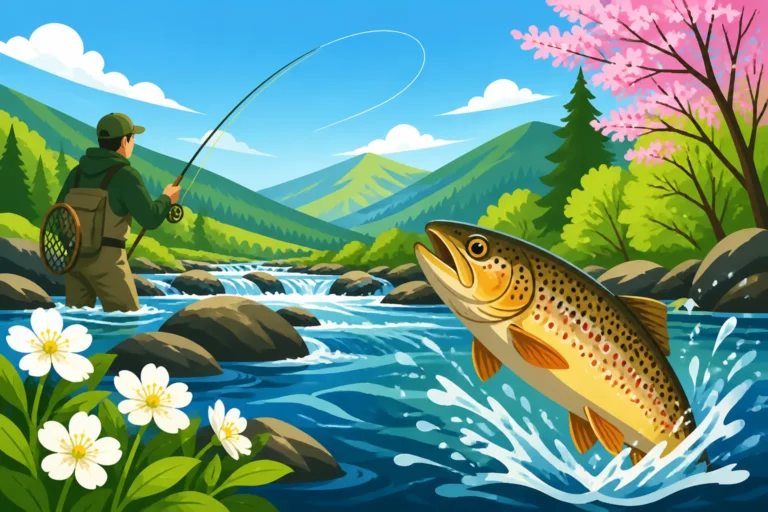
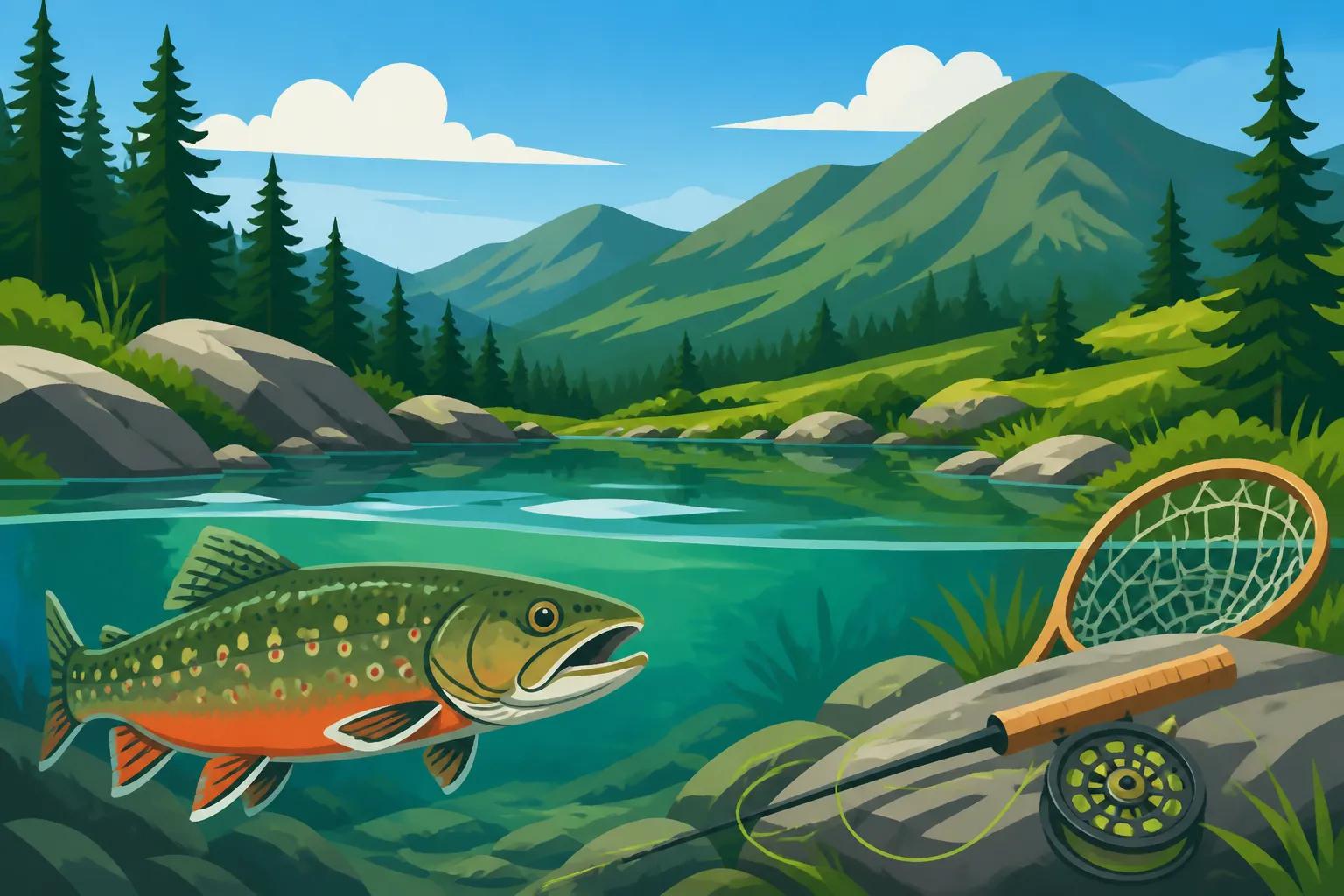
While Vermont is blessed with many fantastic trout fisheries, including those stocked with rainbow and brown trout, the true jewels of the backcountry ponds are often the wild, native brook trout. These fish are a testament to the pristine quality of their environment, thriving in waters untouched by heavy human interference. Their vibrant colors—speckled sides, vermiculated backs, and often brilliant orange fins—are absolutely stunning, making them a prize for any angler.
Unlike their hatchery-raised counterparts, wild brook trout are typically smaller but incredibly feisty, offering a spirited fight on light tackle. They are also notoriously wily, demanding stealth and careful presentation. Catching one feels like tapping into an ancient lineage, a direct link to the fishing traditions that have shaped Vermont for centuries. If you're interested in learning more about these incredible fish, our guide on Brook Trout: Vermont's Native Trout dives deeper into their biology and preferred habitats.
It's important to differentiate between wild and stocked fish, even in remote areas. While the Vermont Fish & Wildlife Department does an excellent job with its stocking programs, these remote ponds are often home to self-sustaining populations that have never seen a hatchery. This makes them particularly special and underscores the need for responsible angling practices to ensure their continued health. Respecting these wild populations means practicing catch and release, especially for larger breeding fish, to protect the genetic integrity of the fishery.
The Adventure of the Journey
Let's face it, getting to these ponds is half the fun. It's not a drive-up-and-cast kind of deal. Reaching these hidden gems often involves a hike, sometimes a substantial one, through varying terrain. You might be following faint deer trails, navigating dense woods, or scrambling over rocky outcrops. This journey adds an element of adventure and exploration that is often missing from more accessible fishing spots.
The anticipation builds with every step. You’re consulting your map, checking your bearings, and listening for the subtle signs of water nearby. This kind of trip demands preparation and self-reliance, transforming a simple fishing outing into a true wilderness experience. The reward isn't just the fish; it's the entire process, from the initial planning stages to the moment you break through the tree line and catch your first glimpse of the sparkling water.
Each journey is a story waiting to be told. Whether it's navigating through a particularly tricky section of woods, spotting an unexpected wildlife creature, or just enjoying the quiet beauty of the forest, these trips create lasting memories. They challenge you physically and mentally, and the sense of accomplishment when you finally reach your destination and begin to fish is unparalleled.
Essential Preparation for Backcountry Pond Fishing
Embarking on a remote backcountry fishing trip in Vermont requires more than just a rod and a handful of lures. Proper preparation is paramount for both safety and success. Ignoring these crucial steps can turn an exciting adventure into a miserable, or even dangerous, experience.
Mapping and Navigation Tools
Finding these elusive ponds is the first major hurdle, and it requires solid navigational skills. Forget relying solely on your phone's GPS; cellular service can be nonexistent in remote Vermont areas. Your primary tools should be topographic maps. USGS quad maps or more detailed maps from sources like CalTopo are invaluable for identifying unmaintained trails, elevation changes, and, most importantly, the presence of ponds that aren't marked on standard road maps. Look for contour lines that indicate bowl-like depressions, often indicative of a pond.
Supplement your paper maps with a reliable GPS device or a mapping app on your smartphone that allows for offline map downloads, such as Gaia GPS, AllTrails, or onX Hunt. These apps can be pre-loaded with detailed topographic data and satellite imagery, helping you pinpoint your location and navigate even without cell service. Always carry a compass and know how to use it in conjunction with your map – batteries can die, and electronics can fail. Being able to read the terrain and orient yourself will prevent you from getting truly lost.
Before you even leave home, spend time studying the maps. Identify potential access points, whether it's an old logging road, a marked hiking trail that veers off into the wilderness, or simply an area where the terrain looks passable for bushwhacking. Estimate distances and elevation gains to gauge the difficulty and time required for the hike. Always let someone know your exact plans, including your route, destination, and expected return time. This is a critical safety measure when venturing into remote areas. For detailed insights on understanding local regulations, our guide on Reading the Vermont Fishing Regulations Guide can help you interpret the nuances of fishing in specific areas.
Gear Considerations for Remote Treks
When you're hiking several miles into the wilderness, every ounce in your pack counts. The goal is to be self-sufficient and prepared for unexpected conditions without being overburdened. Your fishing gear should be streamlined: a lightweight, packable rod (a 4-piece or even 6-piece rod is perfect), a small reel, and a minimal selection of lures or flies. For fly anglers, a small fly box with a variety of dry flies, nymphs, and perhaps a few small streamers is usually sufficient. Spin anglers should pack a few small spinners, spoons, and perhaps some artificial worms or soft plastics.
Beyond fishing gear, a sturdy backpack capable of comfortably carrying your essentials is critical. You'll need plenty of water (or a reliable water filter/purifier), high-energy snacks, a first-aid kit (including blister treatment and any personal medications), a headlamp, a multi-tool, a knife, and a small emergency shelter or space blanket. Weather can change quickly in the mountains, so pack appropriate layers, including rain gear, even if the forecast looks clear. Sturdy hiking boots are a must, providing ankle support and traction on uneven terrain. For a more comprehensive look at what to bring, check out our article on Best Gear for Vermont Trout Fishing.
Remember, you'll need to pack out everything you pack in, including all trash and food waste. A small bag for collecting your refuse is a simple but important addition to your gear. If you anticipate wet wading or crossing streams, consider quick-drying pants or even a pair of lightweight wading boots for comfort and grip. Some remote ponds might also benefit from a small, inflatable packraft if you plan to cover more water, but this adds significant weight and bulk to your trek.
Understanding Vermont's Regulations and Ethics
Just because a pond is remote doesn't mean it's exempt from state fishing regulations. Before heading out, always consult the Vermont Fish & Wildlife Department's current regulations. Pay close attention to season dates, legal methods, and specific rules for trout, especially brook trout. Some remote ponds might fall under special regulations, such as catch-and-release only or fly-fishing-only waters, designed to protect sensitive wild populations. Ensure you have your valid Vermont fishing license, which is required for anyone aged 15 and older. Understanding the full scope of requirements is vital, so be sure to read our detailed guide on Vermont Fishing Regulations Explained.
Beyond the written rules, practicing Leave No Trace principles is paramount in these pristine environments. This means packing out everything you pack in, including all garbage, leftover food, and even biodegradable items like orange peels, which take a long time to decompose and can attract wildlife. Bury human waste properly away from water sources, and always leave the area cleaner than you found it. Avoid building campfires unless absolutely necessary for survival and permitted by local regulations; often, a small camp stove is a safer and more environmentally friendly option for cooking.
When fishing, handle all fish with care, especially if you plan to release them. Wet your hands before touching fish, minimize their time out of the water, and use barbless hooks to reduce harm. For wild brook trout, particularly, quick release is crucial for their survival. If you plan to keep fish, know your Vermont Trout Limit and Possession Rules to stay within legal harvest limits, but consider practicing selective harvest to ensure the long-term health of the pond's population. These ethical considerations ensure that these special places remain wild and productive for generations to come.
Identifying Promising Backcountry Pond Locations
The thrill of discovering a new, remote trout pond is unparalleled. But how do you go about finding these hidden gems in a state as wild and mountainous as Vermont? It requires a blend of research, local knowledge, and an understanding of what makes a good trout habitat.
Key Characteristics of Trout Ponds
Not all remote ponds are created equal when it comes to holding trout, particularly native brook trout. The best ponds share several key characteristics. First and foremost, they are typically found at higher elevations, often above 1,500 to 2,000 feet. This elevation contributes to naturally cooler water temperatures, which are essential for trout survival, especially during the warmer summer months. Look for ponds that are fed by cold springs or snowmelt, indicating a consistent supply of oxygenated, cold water.
The size and depth of the pond also play a role. While some small, shallow ponds might hold fish, those with deeper sections offer thermal refuge for trout when surface waters warm up. A healthy amount of submerged aquatic vegetation can provide cover and support a robust insect population, which forms the base of the trout's diet. Conversely, ponds with too much dense vegetation might indicate shallower, warmer water less suitable for trout, or harbor warm-water species like bass or pickerel, which can outcompete brook trout.
Finally, the absence of developed access is a strong indicator of a wild trout pond. If a pond has a well-maintained road leading right to its shore, it's likely heavily fished or even stocked with more tolerant species. The ponds you're looking for are often surrounded by dense forest, require a significant hike to reach, and may show minimal signs of human impact, preserving their pristine character.
Leveraging Public Lands and Forest Data
Vermont is fortunate to have vast tracts of public land, including the Green Mountain National Forest and numerous state forests and wildlife management areas (WMAs). These areas are often prime territory for finding remote ponds. The Vermont Fish & Wildlife Department and the Department of Forests, Parks, and Recreation provide online mapping tools and resources that can be incredibly helpful. These resources sometimes indicate water bodies, trails, and even habitat types, giving you clues about potential trout-holding waters.
When researching, look for maps that show remote drainages and headwater areas. These are the lifeblood of brook trout populations. The Green Mountain National Forest, particularly in its more rugged southern and central sections, holds many such waters. Similarly, the extensive state forests in the Northeast Kingdom (like Victory State Forest or Groton State Forest) are renowned for their wild character and potential for secluded ponds. Remember, while these maps are great starting points, they won't always explicitly state "trout pond" for every body of water, leaving some of the discovery up to your keen eye and adventurous spirit.
You can also use the Vermont Fish & Wildlife Department's fish stocking search tool. While your goal is typically wild trout, knowing which waters are stocked can help you eliminate them from your search for truly remote, wild experiences. Conversely, if a pond used to be stocked but hasn't been in decades, it might now hold a naturalized population that has reverted to wild characteristics. It's all about detective work! For more on this tool, consult Vermont Fish Stocking Search Tool, Explained.
Regional Hotbeds and Exploration Tips
While pinpointing exact secret spots goes against the spirit of discovery, some regions of Vermont are generally more promising for remote backcountry trout ponds. The Northeast Kingdom, particularly Essex County, is often lauded for its ruggedness and extensive wild areas. Ponds nestled deep within this region's forests are likely candidates. Areas within the Green Mountain National Forest, such as those around Woodford, Glastenbury, or the higher elevations near Lincoln and Ripton, also offer excellent opportunities for remote exploration.
Don't be afraid to connect with local knowledge, but do so respectfully. Sporting goods stores in smaller towns are often hubs of local wisdom. Engaging in polite conversation, without directly asking for "secret spots," can sometimes yield valuable insights or confirmation of areas worth exploring. Older anglers who have fished the region for decades often have a wealth of historical knowledge about once-accessible ponds that have since become overgrown and remote.
Finally, dedicate time to explore. Many of these ponds are not on marked trails. You might need to bushwhack, following old deer paths or simply navigating by compass and GPS towards a promising water body seen on a topographic map. It’s this spirit of exploration and the willingness to put in the effort that truly defines the pursuit of Vermont's remote backcountry trout ponds. While this guide focuses on self-discovery, if you ever consider exploring more accessible, yet challenging, waters or species like walleye on Lake Champlain, platforms like FishingBooker can connect you with experienced local guides who can teach you specific techniques and help you refine your angling skills for various Vermont fisheries. This can be a great way to build your fishing acumen for different scenarios.
Strategies for Successfully Fishing Remote Trout Ponds
You've put in the miles, navigated the wilderness, and finally found that pristine, remote pond. Now comes the exciting part: actually catching some of those elusive wild trout. Success in these waters often comes down to a combination of stealth, proper presentation, and understanding the fish's behavior in an undisturbed environment.
Approaching and Presenting Your Lure
Unlike heavily fished, stocked waters where trout might be accustomed to human presence, wild brook trout in remote ponds are often incredibly wary. Their survival depends on it. Your approach is critical. Move slowly and quietly along the shoreline, staying low and out of sight as much as possible. Avoid silhouetting yourself against the sky. Cast from a distance, minimizing disturbance to the water and the surrounding banks. Often, the first cast into an untouched pocket of water is your best chance.
For fly anglers, dry flies imitating local insects (like caddis, mayflies, or terrestrials) can be incredibly effective, especially during a hatch or on warmer days when trout are looking up. Present your fly delicately, allowing it to drift naturally. If surface activity is minimal, switch to nymphs or small streamers fished deeper. A precise cast that lands softly near submerged structure, a log, or an undercut bank can often trigger a strike. To further hone your technique, our article on Fly Fishing for Trout in Vermont offers comprehensive insights that apply to both streams and ponds.
Spin fishermen should opt for small, lightweight lures that mimic natural prey. Tiny inline spinners (like Panther Martin or Mepps), small spoons, or even micro-jigs tipped with a bit of scented plastic can work wonders. Cast beyond your target and retrieve through the strike zone, varying your retrieve speed until you find what works. The key is to make your presentation as natural and unobtrusive as possible, minimizing splashes and unnatural movements that might spook these sensitive fish.
Understanding Seasonal Behavior
Trout behavior in remote ponds is heavily influenced by the seasons and water temperature, much like in streams. In spring, immediately after ice-out, brook trout are often found in shallower water, actively feeding as the water warms and insect life begins to emerge. This is a prime time for aggressive strikes, and fish might be less spooky. However, depending on ice-out dates, access can still be challenging due to lingering snow and muddy trails. Our guide on Spring Trout Fishing Techniques for Vermont Streams can offer valuable tips that also translate well to pond fishing during this period.
As summer progresses and water temperatures rise, trout will often seek the cooler, deeper sections of the pond or concentrate around spring inlets. Early mornings and late evenings are typically the most productive times, as fish move into shallower feeding areas during lower light conditions. Midday fishing might require fishing deeper with weighted nymphs or small streamers. In fall, as water temperatures cool again, trout become more active and begin their pre-spawn feeding. This can be an excellent time for larger fish, which are actively bulking up for winter. The cooler air and brilliant foliage also make for an incredibly scenic fishing experience, though you'll need to be prepared for colder weather.
Regardless of the season, pay attention to the environment. Look for rising fish, insect activity on the surface, or changes in wind direction. These subtle cues can tell you where the fish are holding and what they might be feeding on. A little bit of observation before you even make your first cast can significantly increase your chances of success.
Practicing Leave No Trace Ethics
When fishing these remote ponds, adhering to Leave No Trace principles isn't just a suggestion; it's a moral imperative. These ecosystems are fragile, and their very remoteness is what preserves their character and supports wild trout populations. Every piece of trash, every unnecessary impact, detracts from the wildness that makes these places so special.
This means packing out absolutely everything you bring in. This includes all food wrappers, discarded fishing line, and even fruit peels or core, which take much longer to decompose in cool, high-altitude environments than many realize. Minimize your physical impact by staying on existing trails or moving carefully through the forest to avoid trampling delicate vegetation. If you're building a fire (and only if permitted and safe), ensure it's small, in a designated pit if available, and completely extinguished before you leave.
Most importantly, practice responsible catch and release, especially for the prized wild brook trout. Use barbless hooks, handle fish with wet hands, and release them quickly and gently. Consider a camera shot or a quick measurement, but prioritize the fish's health above all else. By being a conscientious steward of these wild places, you ensure that future generations of anglers can experience the same solitude and thrill of catching wild Vermont trout. If you're looking for different angling experiences or want to sharpen your skills on other types of water, remember that services like FishingBooker offer access to local guides for various Vermont fisheries, like casting for smallmouth bass on Lake Champlain or targeting walleye. These guided trips can provide invaluable learning experiences that you can then apply to your own explorations, even if the backcountry remains a self-sufficient endeavor. It’s all part of the journey of becoming a well-rounded angler.
Table: Key Attributes of a Prime Backcountry Trout Pond
| Characteristic | Description | Why it matters for backcountry trout ponds |
|---|---|---|
| High Elevation | Typically 1,500+ feet above sea level | Ensures naturally cooler water temperatures, crucial for trout survival and oxygen levels. |
| Spring/Snowmelt Fed | Primary water source comes from cold springs or melting snow | Provides a consistent supply of clean, cold, oxygen-rich water that trout thrive in. |
| Limited Access | Requires a significant hike (often 1+ mile), no paved roads nearby | Deters casual anglers, reducing fishing pressure and preserving the wild character. |
| Good Depth Variation | Contains deeper sections (15+ feet) in addition to shallows | Offers thermal refuge for trout during warmer months and diverse habitat. |
| Minimal Development | Surrounded by dense forest, few or no human structures | Indicates a pristine ecosystem, less pollution, and undisturbed wildlife habitat. |
| Primarily Brook Trout | Main or only fish species is brook trout | Confirms a cold, clean water environment ideal for native species, often with self-sustaining populations. |
| Healthy Insect Life | Evidence of aquatic insects (caddis, mayflies) and terrestrials | Indicates a robust food web, essential for healthy trout growth and activity. |
Disclaimer
The information provided in this guide is for general informational purposes only and is subject to change. Always consult the official Vermont Fish & Wildlife Department regulations for the most current and accurate information regarding fishing licenses, seasons, limits, and specific water body rules before planning any fishing trip. Fishing in remote backcountry areas carries inherent risks; proper preparation, navigation skills, and safety precautions are essential. The author and publisher are not responsible for any accidents, injuries, or legal infractions incurred while using this information.