Yellow Perch in Vermont Lakes
There's nothing quite like the excitement of finding a school of yellow perch in a Vermont lake. These striped beauties are often overlooked in favor of their larger cousins, but any experienced angler knows the thrill of a fast bite and the satisfaction of reeling in a stringer full of these delicious panfish. However, locating these elusive schools, understanding their seasonal movements, and knowing which baits they prefer can sometimes feel like solving a complex puzzle. This comprehensive guide is here to demystify yellow perch fishing in the Green Mountain State, helping you master the art of finding and catching these feisty fish.
Understanding Yellow Perch in Vermont's Ecosystem
Yellow perch are a cornerstone of many aquatic ecosystems in Vermont. They're not just a fun catch; they play a vital role in the food chain, impacting everything from the health of predatory fish populations to the overall balance of the lake or pond. Getting to know their biology and behavior is the first step toward consistent success on the water.
The Role of Perch as a Forage Fish
Imagine a bustling underwater city, and yellow perch are definitely part of the busy working class, always on the move. They are one of the most important forage fish in Vermont's lakes and larger ponds. What does that mean? It means they are a primary food source for almost every predatory fish out there, from powerful northern pike and stealthy chain pickerel to trophy smallmouth bass and even elusive walleye. If you've ever seen a walleye cleaned from Lake Champlain, chances are its stomach was full of these slender, striped fish.
This critical role means that a healthy perch population is often indicative of a robust fishery overall. When perch numbers are strong, it provides a stable food base, allowing larger game fish to grow to impressive sizes. Conversely, a decline in perch can send ripples through the entire ecosystem, affecting the health and growth rates of the very fish we often target. Walleye Fishing on Lake Champlain offers more insights into how species like perch support larger predators.
Identifying Yellow Perch: Key Characteristics
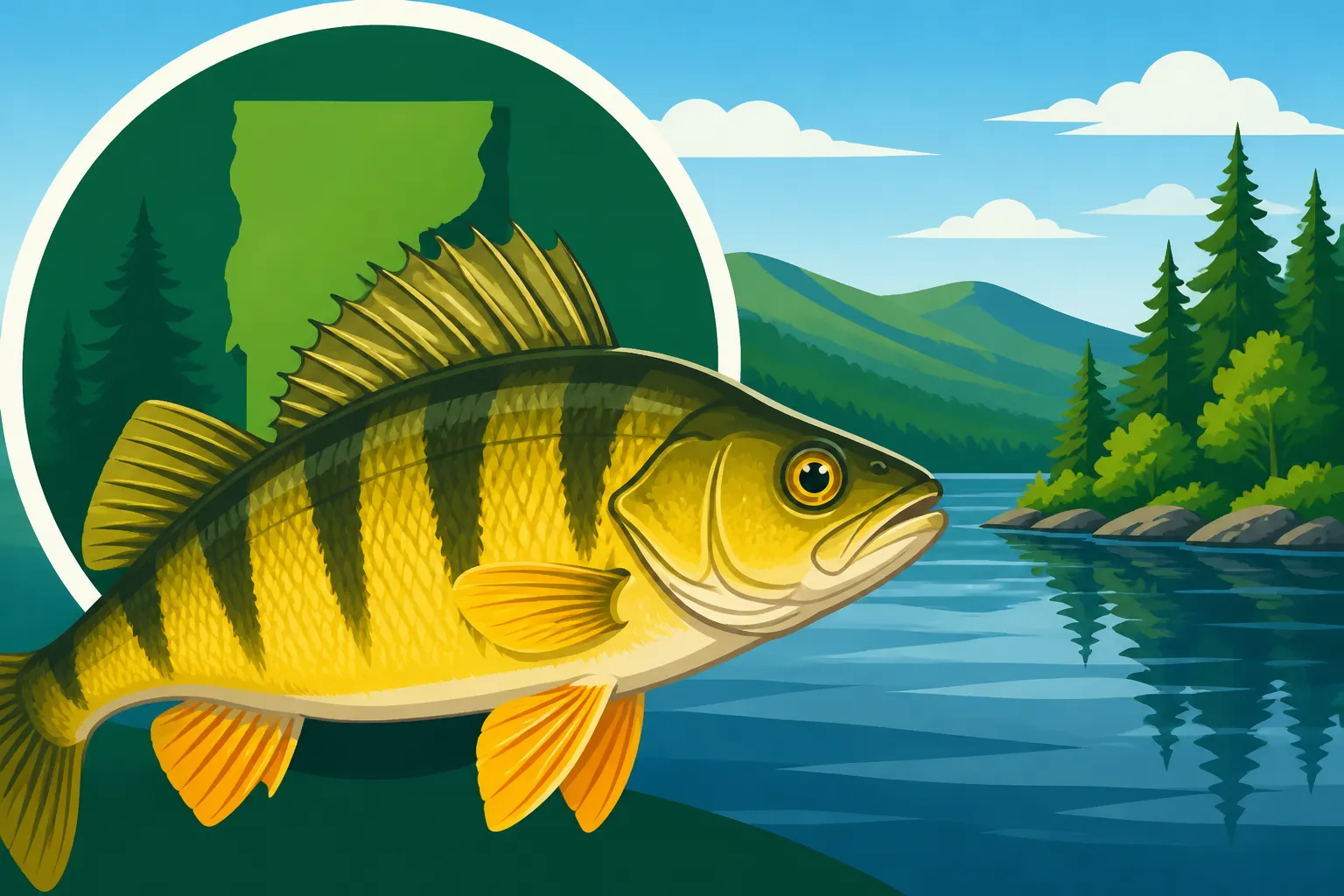
Yellow perch are pretty distinctive, making them easy to identify once you know what to look for. Their most striking feature is their coloring: a greenish-yellow to golden body adorned with 6 to 8 dark vertical bars, almost like tiger stripes, running down their sides. These bars usually narrow towards the belly. Their fins often have a reddish-orange hue, especially the lower pectoral, pelvic, and anal fins, which can become quite vibrant during spawning season.
They typically have a somewhat compressed, oval-shaped body, with two dorsal fins – the first one spiny and prominent, the second softer-rayed. Unlike some other panfish, their mouth is relatively small, which is an important consideration when choosing hook sizes. Size-wise, in Vermont, they can range from small bait-stealers, just a few inches long, up to dinner-plate sized individuals of 10-14 inches, with anything over 12 inches being a really solid catch in many waters. They are truly beautiful fish, and catching a particularly colorful one is always a treat.
Preferred Habitats and Behavior
Yellow perch are adaptable, but they definitely have their preferences when it comes to where they like to hang out. Generally, they are cool-water fish, meaning they prefer water temperatures ranging from the mid-60s to low 70s Fahrenheit, but they can tolerate colder and warmer conditions. You'll primarily find them in lakes, large ponds, and slow-moving rivers with moderate depths. They absolutely love structure, so think about areas with submerged vegetation, fallen trees (also known as laydowns), rock piles, docks, and even subtle changes in bottom contour.
Their behavior is largely driven by their need for food and shelter. Perch are schooling fish, often found in large aggregations, sometimes numbering in the hundreds. This schooling behavior is both a defense mechanism against predators and an efficient way to hunt for their own food, which primarily consists of insect larvae, aquatic invertebrates, small crustaceans, and even the fry of other fish species. They tend to be most active during the day, especially around dawn and dusk, though they can bite throughout the day if conditions are right. They'll cruise along the bottom, scour weed lines, and suspend in open water when chasing baitfish.
Where to Find Yellow Perch in Vermont Lakes
Now that we understand a bit more about what makes perch tick, let's talk about where you can actually find them. Vermont is blessed with an abundance of lakes and ponds, many of which hold fantastic populations of yellow perch. But simply knowing which lake to go to isn't enough; you need to understand where in that lake they're likely to be hiding.
Top Lakes and Ponds for Perch Fishing
Vermont offers a smorgasbord of fantastic perch fisheries. While Lake Champlain is undoubtedly a powerhouse, offering vast opportunities for both size and numbers, don't overlook the smaller, often more accessible waters. Other notable lakes that frequently produce great perch catches include Lake Memphremagog, Lake Bomoseen, Lake Dunmore, Lake St Catherine, and Waterbury Reservoir. These lakes not only have healthy perch populations but also offer diverse structures and depths that cater to perch throughout the seasons.
Even smaller local ponds, often found within state parks or tucked away in rural areas, can hold surprisingly large perch. It's always worth checking out your local waters; sometimes the best spots are right in your backyard. Remember, the key is often finding waters that provide a good balance of forage, structure, and adequate depth. Don't be afraid to explore new areas, and don't assume a lake known for bass or trout won't also hold a fantastic population of perch. Best Fishing Lakes in Vermont provides a broader overview of other great fishing destinations in the state.
Locating Perch in Different Seasons
Perch, like most fish, are highly influenced by the changing seasons and water temperatures. This means where you find them in April might be completely different from where you find them in August or January.
- Spring: As the ice melts and water temperatures rise into the 40s and 50s, perch will move into shallower areas, typically 5-15 feet deep, to spawn. They'll often be found around submerged brush, weed beds, and fallen timber. After spawning, they might linger in these areas for a bit, recovering and feeding aggressively.
- Summer: When the water warms up, perch will generally retreat to deeper, cooler waters, often congregating in depths of 15-30 feet or more. Look for them along the edges of weed lines, over submerged humps, or suspended over open water chasing baitfish. They'll still relate to structure, but it will be deeper structure.
- Fall: This is often a fantastic time for perch fishing. As water temperatures drop, perch become incredibly active, feeding heavily in preparation for winter. They'll often move back into shallower to mid-depth ranges (10-25 feet), still relating to structure, but frequently more aggressive.
- Winter: During ice fishing season, perch can be found in a variety of depths. Early ice often finds them shallower, similar to fall patterns. As winter progresses, they'll often move to deeper basins, congregating in large schools over mud flats or along deep weed edges. They're still schooling fish, so when you find one, you'll often find many. Ice Fishing in Vermont offers detailed strategies for targeting these fish through the hard water.
Perch Hotspots: Structure and Cover
Understanding the general seasonal movements is crucial, but knowing what kind of structure perch prefer within those depths is what really puts fish in the bucket. Perch are not open-water cruisers for long; they love to be near something.
- Weed Lines and Edges: This is arguably their favorite haunt. Whether it's the inside edge of a thick weed bed or the outer edge dropping into deeper water, weeds provide cover, ambush points, and a buffet of invertebrates. Look for areas where different types of weeds meet or where weeds transition to open bottom.
- Submerged Timber and Brush Piles: Fallen trees, old dock pilings, and brush piles offer excellent cover from predators and create current breaks where food can accumulate. If you can locate a submerged brush pile, you're almost guaranteed to find perch nearby.
- Rock Piles and Rubble Bottoms: Rocky areas, especially those with larger boulders or transition zones from rock to sand or mud, are prime feeding grounds for perch looking for crawfish and other bottom-dwelling morsels.
- Drop-offs and Humps: Any sudden change in bottom depth, like a sharp drop-off or a submerged hump rising from the lakebed, acts as a highway for fish and a congregating point for bait. Perch will often suspend along these contours or feed right on top of the humps. A good fish finder, readily available on platforms like Amazon, can be invaluable for identifying these subtle depth changes and submerged structures. Best Fish Finders for Vermont Lakes can help you choose the right one.
- Docks and Man-made Structures: Especially in summer, residential docks and public piers offer shade and structure that attract baitfish, and therefore, perch. They're easy targets for shore anglers too!
The Best Techniques for Catching Vermont Yellow Perch
Once you've zeroed in on likely perch hideouts, it's time to talk tackle. You don't need highly specialized gear for perch, but having the right setup can make a huge difference in your success and enjoyment.
Essential Gear and Tackle for Perch
Yellow perch have relatively soft mouths and aren't massive fighters, so light tackle is key. This allows you to feel their often subtle bites and provides a more sporting fight.
- Rods and Reels: A light to ultralight spinning rod, typically 5 to 6 feet long, paired with a small spinning reel (like a 1000 or 2000 series) is perfect. This setup is sensitive enough to detect the faintest tap and forgiving enough to prevent hooks from tearing out. A good quality combo from brands like Ugly Stik or Shakespeare can be found on Amazon.
- Line: Spool your reel with 4 to 6-pound test monofilament or fluorocarbon line. Monofilament offers a bit of stretch, which can be helpful with a perch's soft mouth, while fluorocarbon offers excellent sensitivity and is nearly invisible underwater. Some anglers opt for a braid main line with a fluorocarbon leader for ultimate sensitivity, especially in deeper water. Best Spinning Rods for Smallmouth Bass might be overkill for perch, but the principles of light tackle sensitivity apply.
- Hooks: Small hooks are paramount. Sizes 6, 8, or even 10 are ideal. Choose thin-wire Aberdeen hooks, which are designed to straighten out if snagged, saving your rig. Small jig heads, ranging from 1/32 to 1/8 ounce, are also crucial for presenting small baits.
- Sinkers/Weights: A few split-shot weights or small bell sinkers (1/8 to 1/4 ounce) are usually all you need to get your bait down.
- Bobbers: While not always necessary, a small slip bobber or fixed bobber can be incredibly effective when fishing around structure or at specific depths. It allows you to present your bait vertically and detects even the slightest nibble.
Popular Baits and Lures That Work
Perch aren't overly picky, but some baits and lures consistently outperform others. Remember, they have relatively small mouths, so keep your presentations compact.
- Live Bait: This is often the gold standard for perch.
- Worms: Small pieces of nightcrawler, red worms, or wax worms are universally effective. Thread a small piece onto your hook, leaving a lively tail.
- Minnows/Shiners: Small live minnows (1-2 inches) are irresistible to larger perch. Hook them lightly through the lip or just behind the dorsal fin. Check local regulations for baitfish restrictions.
- Grubs/Maggots: These small baits are particularly deadly for ice fishing or when perch are finicky.
- Artificial Lures:
- Small Jigs: Tiny lead-head jigs tipped with a small plastic grub, tube, or a piece of worm are incredibly versatile. Colors like white, chartreuse, pink, and motor oil are often very productive. The "Best Jigs for Ice Fishing Perch" are often just as effective during open water season.
- Blade Baits: Small vibrating blade baits can be excellent for attracting perch from a distance, especially when vertical jigging.
- Spoons: Tiny jigging spoons or small Kastmasters are fantastic for imitating injured baitfish. Tip them with a piece of a minnow head or a wax worm for added appeal.
- Inline Spinners: Micro-sized inline spinners can work well, especially when cast and retrieved along weed edges or over shallow flats. Mepps and Panther Martin make excellent small spinners.
Effective Strategies for Different Conditions
Being versatile in your approach is key to consistently catching perch. What works one day might not work the next, so be prepared to adapt.
- Vertical Jigging: When you've located a school of perch, vertical jigging is often the most effective method. Drop a small jig or spoon directly into the school. Use a subtle lift-and-drop motion, pausing briefly after each lift. Pay close attention to your line for any twitch or hesitation, as perch bites can be very light. This is especially productive when ice fishing.
- Bottom Bouncing: If perch are tight to the bottom, a simple slip-sinker rig or a split-shot rig with a small hook and live bait can be deadly. Cast it out, let it sink, and slowly retrieve, dragging the bait along the bottom. This is effective around rock piles and weed edges.
- Under a Bobber: When fishing around docks, submerged timber, or distinct weed lines, a bobber rig allows you to suspend your bait at a precise depth. Set your bobber so your bait is just above the top of the weeds or structure. Watch the bobber for any movement; even a slight dip can signal a perch mouthing the bait.
- Drifting: If you're on a larger lake and can't pinpoint a school, drifting slowly with the wind or a trolling motor while dragging small jigs or live bait rigs can help you cover water and locate fish. Once you get a bite, hit your GPS mark and focus on that area.
- Fan Casting: From shore or a boat, fan casting small jigs or spinners can help you explore different depths and structures. Cast in a fan pattern, slowly retrieving your lure and varying the retrieve speed until you find what the perch prefer.
Yellow Perch Fishing Throughout the Seasons
Yellow perch are available year-round in Vermont, making them a fantastic target for anglers in any season. Each season, however, requires slightly different tactics to find and tempt them.
Spring and Summer Perch Tactics
Spring offers exciting opportunities as perch shake off the winter doldrums and become active. Once ice-out occurs, and especially after spawning, they'll be hungry. Look for them in bays and shallower sections of lakes and ponds where the water warms first. Fishing around new weed growth or areas with submerged brush where they spawn can be very productive. Small jigs tipped with a grub or a piece of worm, fished slowly, are often the ticket.
As summer progresses and water temperatures climb, perch move deeper to find cooler, more oxygenated water. This means focusing your efforts on deeper weed lines, offshore humps, and drop-offs, typically 15-30 feet down. Using a fish finder becomes invaluable here to locate schools suspended or tight to deep structure. Vertical jigging small spoons or drop-shot rigs with tiny plastic worms can be very effective. Early morning and late evening bites are often the best during the warmer months, but if you find a deep school, they can bite all day. Best Time of Day to Catch Landlocked Salmon also touches on optimal bite times, which can sometimes overlap with active perch periods.
Fall Perch Aggression and Patterns
Fall is arguably one of the best times to target yellow perch in Vermont. As lake temperatures begin to drop from their summer highs, perch go on a feeding frenzy, bulking up for the lean winter months. This is when you can often catch some of the largest, most vibrant perch of the year. They'll often move back shallower than their summer haunts, congregating in large schools along transition areas – think where a flat drops into a channel, or where a shallow weed bed meets deeper water.
The key to fall fishing is often covering water and being ready for aggressive bites. While live bait is still effective, this is a great time to experiment with small crankbaits or larger jigs that mimic baitfish. Trolling small spoons or blade baits slowly along contours can also be very productive for locating schools. When you find one, anchor up or use your Spot-Lock and thoroughly work the area. Fall perch are often less finicky and will hit a wider variety of presentations.
Mastering Winter Ice Fishing for Perch
When Vermont's lakes freeze over, yellow perch become a prime target for ice anglers. Ice fishing for perch is incredibly popular, and for good reason – they're cooperative, plentiful, and delicious! Early ice can be fantastic, as perch are still relatively shallow and active. As winter progresses, you might need to seek them out in deeper basin areas, often over mud flats or along deep weed edges. Best Ice Fishing Lakes in Vermont is a great resource for identifying prime winter spots.
The most common and effective technique for ice fishing perch is vertical jigging. A small jigging spoon, a Swedish Pimple, or a tiny lead head jig tipped with a wax worm or a piece of minnow are all deadly. Use a light ice fishing rod with a sensitive tip. Pay close attention to your flasher or fish finder; perch will often mark as a distinct "cloud" or multiple arcs hovering near the bottom. When you see them, subtle jigging often triggers a strike. Don't be afraid to try different depths within a school; sometimes the largest fish are higher or lower in the water column. Drilling multiple holes and "hole hopping" is a fantastic way to locate active schools.
| Season | Typical Depth Range | Preferred Habitat | Effective Baits/Lures | Key Tactics |
|---|---|---|---|---|
| Spring | 5-15 feet (spawning) | Shallow bays, new weeds, brush, timber | Worms, small minnows, tiny jigs | Slow retrieve, bobber fishing |
| Summer | 15-30+ feet (cooler water) | Deep weed lines, offshore humps, drop-offs | Small spoons, drop-shot, vertical jigs, live minnows | Use fish finder, vertical jigging, dawn/dusk |
| Fall | 10-25 feet (feeding frenzy) | Transition areas, channel edges, deep weeds | Jigs, crankbaits, spoons, larger minnows | Cover water, aggressive retrieves, trolling |
| Winter | 10-40+ feet (ice fishing) | Deep basins, mud flats, deep weed edges | Jigging spoons, small jigs, wax worms, minnow heads | Vertical jigging, hole hopping, flasher use |
Regulations and Conservation for Yellow Perch
While yellow perch are generally abundant, understanding and adhering to Vermont's fishing regulations is crucial for ensuring their populations remain healthy for future generations. Responsible angling also involves practicing conservation.
Vermont's Perch Limits and Rules
The Vermont Fish and Wildlife Department sets specific regulations to manage fish populations, including yellow perch. While perch are a common species, it's always important to check the current regulations before you head out. Generally, for yellow perch in most Vermont lakes and ponds, there's no minimum length limit, and the daily creel (possession) limit is quite generous. However, special regulations might apply to certain waters, or specific dates.
For instance, there might be particular rules for baitfish use or limits on ice shanties that indirectly affect perch fishing. It's your responsibility to review the latest Vermont Fishing Guide, which is typically updated annually. You can usually find this guide online through the Vermont Fish and Wildlife website, or pick up a physical copy wherever you buy your Vermont Fishing License Guide for 2026. Always double-check before heading out to avoid any unexpected issues.
Sustainable Practices for Healthy Perch Populations
Even with generous limits, practicing sustainable angling is always a good idea. Here are a few tips to help ensure healthy perch populations:
- Take What You Need: While you might be legally allowed to keep a large number of perch, consider taking only what you and your family will realistically eat. Catch and release the rest, especially if you're catching very small or exceptionally large fish. The bigger perch are often the breeders.
- Handle Fish Carefully: If you plan to release fish, handle them as little as possible. Use a de-hooking tool to quickly remove hooks. Wet your hands before touching fish to protect their slime coat, which is vital for their health.
- Don't Waste Bait: Be mindful of how much live bait you purchase and use. Never release unused live bait into a different water body, as this can introduce invasive species or diseases. Dispose of unused bait properly.
- Respect the Environment: Pack out everything you pack in. Leave no trash, fishing line, or broken tackle behind. Maintaining clean waterways benefits all aquatic life.
The Importance of Protecting Forage Species
Protecting yellow perch isn't just about ensuring good fishing for perch themselves; it's about protecting the entire food web. As discussed earlier, perch are a primary forage species. A healthy population provides a vital food source for game fish like bass, walleye, pike, and even lake trout. Without a strong forage base, these larger predators would struggle to grow, reproduce, and thrive.
By fishing responsibly and understanding the perch's role in the ecosystem, we contribute to the overall health and vibrancy of Vermont's diverse fisheries. Think of it as a domino effect: robust perch populations lead to robust game fish populations, which ultimately lead to better fishing experiences for everyone. So next time you're out chasing those striped beauties, remember you're not just enjoying a great day on the water, you're also playing a part in a larger ecological story.
Disclaimer
This article is for general informational purposes only and does not constitute professional advice. Laws, prices and regulations vary by location and change over time. Consult a qualified professional for guidance on your specific situation.