Trout Fishing in Vermont
It's incredibly frustrating when you're itching to get out on the water, rod in hand, but feel utterly overwhelmed by the sheer number of rivers, streams, and lakes in Vermont. You want to chase those beautiful, feisty trout, but where do you even begin? This comprehensive guide is designed to cut through that confusion, giving you the insider knowledge on Vermont's trout species, where to find them, and how to successfully bring them to the net, all while staying within the local regulations and embracing responsible angling.
Understanding Vermont's Trout Species
Vermont's cold, clear waters are a haven for several species of trout, each offering a unique challenge and experience for anglers. Knowing the differences between them, where they prefer to live, and what they eat is fundamental to successful trout fishing in the Green Mountain State. It’s not just about what you cast, but what you’re casting for.
Native Brook Trout: Vermont's Prized Gem
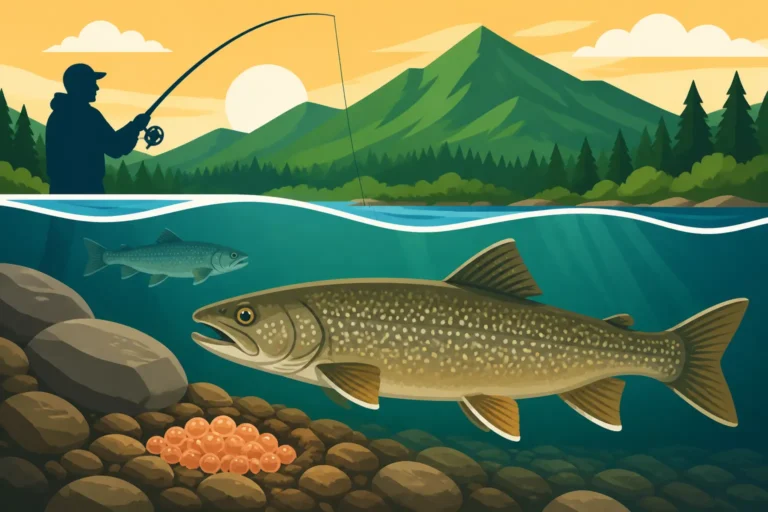
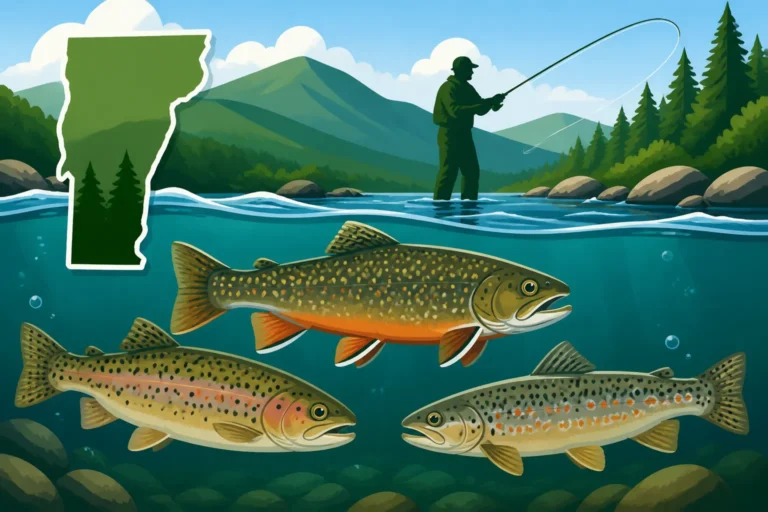
Ah, the brook trout. For many, this is the quintessential Vermont trout. With their vibrant colors – worm-like markings on their back (vermiculations), a pale halo around red spots, and crisp white leading edges on their fins – they are truly a sight to behold. They are also Vermont's only native stream trout, found primarily in the state's colder, oxygen-rich mountain streams and remote ponds. These aren't typically monster fish, but what they lack in size, they make up for in beauty and a feisty fight.
Brook trout are incredibly sensitive to water quality and temperature. You'll find them in the pristine headwaters, smaller tributaries, and secluded ponds that are often tucked away in the wilderness. They thrive in areas with plenty of cover, like undercut banks, fallen logs, and deep pools formed by natural obstructions. If you're hiking into a remote stream and the water is icy cold and crystal clear, chances are you're in brook trout territory. They're not usually found in the larger, warmer rivers where brown trout or rainbow trout might dominate, making them a true wild pursuit.
Fishing for brook trout is often an intimate experience, requiring stealth and precision. Light tackle is key, whether you're fly fishing with small dry flies or nymphs, or spin fishing with tiny spinners or worms. They are generally less wary than their larger cousins, especially in remote areas that see less pressure, but they still demand a careful approach. Catching a native brook trout, knowing it's a direct descendant of fish that have lived in these waters for millennia, is a deeply rewarding experience that connects you to the wild heart of Vermont. This is why many anglers practice catch-and-release with these precious fish. For more on these beauties, check out Brook Trout: Vermont's Native Trout.
Robust Brown Trout: The Elusive Challenge
Brown trout are the ultimate challenge for many Vermont anglers, especially those seeking a trophy. These fish are not native to North America, but they have thrived in Vermont's waters since their introduction. They are identifiable by their often-darker coloration, sporting large dark spots and sometimes reddish-orange spots, often with pale halos, on their sides. Their tails are usually unforked or only slightly forked, and they typically lack the distinct white fin edges of brook trout. What really sets them apart is their size potential and their cunning nature.
Unlike brook trout, browns tolerate slightly warmer water and can be found in a wider variety of habitats, including medium to large rivers, streams, and many of Vermont's lakes. They are highly predatory and opportunistic, preying on insects, crustaceans, and often, smaller fish. This adaptability means they can grow quite large, making them a favorite target for anglers dreaming of a wall-hanger. However, they are notoriously wary, especially the larger specimens, requiring skill, patience, and often a good bit of stealth to fool.
Targeting brown trout often involves adapting your techniques to their environment and feeding habits. In rivers, they'll hold in deep pools, undercuts, and around structure. Fly anglers might use streamers that imitate baitfish, large nymphs, or carefully presented dry flies during hatches. Spin fishermen often have success with minnow-imitating crankbaits, spoons, or heavier spinners. Larger brown trout are often nocturnal feeders, making night fishing a popular tactic in some areas, though always check specific regulations for that. Landing a large brown trout in Vermont feels like a true accomplishment, a testament to outwitting a truly intelligent fish.
Spirited Rainbow Trout: Stocked for Action
Rainbow trout, another introduced species, are often distinguished by the iridescent pink or red stripe running along their lateral line, especially prominent in males. Their bodies are typically covered in small black spots, and their tails are often deeply forked. While some wild rainbow populations exist in Vermont, particularly in larger rivers, a significant portion of the rainbow trout fishing opportunities comes from the state's robust stocking program. These fish are celebrated for their acrobatic fights and willingness to strike, making them a fantastic target for anglers of all skill levels.
Rainbow trout are a bit more tolerant of varying water conditions than brook trout and often inhabit the same waters as brown trout, from medium to large rivers and streams to lakes and ponds. Stocked rainbows, in particular, are commonly found in easily accessible waters, making them a popular choice for families and those looking for more consistent action. The Vermont Fish & Wildlife Department works hard to ensure these waters are well-stocked, providing ample opportunities for anglers throughout the season. You can learn more about how the state manages these populations in Rainbow Trout Stocking in Vermont.
These spirited fighters will hit a wide array of offerings. For fly anglers, anything from nymphs and wet flies to dry flies and streamers can be effective, depending on the conditions. Spin fishermen often find success with power bait, worms, corn, small spinners, and spoons. Because they are often recently stocked, they can be less selective initially, making them an excellent species for introducing new anglers to the sport. They provide a reliable and exciting fishing experience, particularly during the spring and early summer when fresh stockings are prevalent.
Prime Trout Fishing Locations Across Vermont
Vermont is truly a paradise for trout anglers, boasting an incredible diversity of waters, from tiny, trickling mountain brooks to expansive lakes. Knowing where to focus your efforts can make all the difference, whether you're seeking solitude and wild fish or looking for more accessible, stocked opportunities. Each type of water body offers its own charm and challenges.
Iconic Rivers and Streams for Wild Trout
When most people think of trout fishing in Vermont, their minds immediately go to the classic, winding rivers and streams that dissect the landscape. These waterways are the lifeblood of our trout populations, especially for native brook trout and robust wild brown and rainbow trout. Vermont's rivers often feature a mix of riffles, runs, and deep pools, providing varied habitats for trout and testing an angler's versatility. Places like the Battenkill River, known for its challenging wild brown and brook trout, offer a quintessential fly-fishing experience. The Lamoille River and the Winooski River also hold excellent wild populations, particularly in their upper reaches and tributaries, where water temperatures stay colder.
These waters are where you'll find trout that have survived and thrived on their own, making them incredibly wary and rewarding to catch. Success often depends on reading the water, understanding where trout will hold, and presenting your offering naturally. Look for structure – fallen trees, large rocks, undercut banks, and current seams – as these are prime ambush points and refuges for trout. The experience is about more than just catching fish; it's about immersing yourself in the natural beauty of Vermont's waterways. For an in-depth look at specific spots, delve into Best Trout Streams in Vermont.
Many of these rivers also have specific sections designated for fly fishing only or catch and release, designed to protect the wild populations. Always consult the Vermont Fishing Regulations Guide before heading out to ensure you understand the local rules for your chosen stretch of water. These sections often provide some of the most rewarding and challenging fishing, fostering a culture of conservation among dedicated anglers.
Stocked Waters for Reliable Action
For anglers seeking more consistent action or those just starting out, Vermont's numerous stocked ponds and streams are an absolute blessing. The Vermont Fish & Wildlife Department runs an impressive stocking program, regularly releasing rainbow, brown, and brook trout into accessible waters across the state. These programs are vital for providing recreational opportunities, especially in areas where wild populations might not be able to sustain heavy fishing pressure. Stocked waters often include popular local ponds, state park lakes, and easily accessible sections of larger rivers.
The beauty of fishing stocked waters is their accessibility and the increased likelihood of catching fish, which is perfect for families or beginners. Lakes like Lake Bomoseen or Lake Dunmore, while having some wild fish, receive regular trout stockings, creating fantastic opportunities. The key to success in stocked waters, especially right after a fresh stocking, is often presentation and bait choice. These fish are usually eager to bite. You can find detailed information on the specific stocking schedules and locations by checking the Vermont Fish & Wildlife Department's website or their annual fishing guide.
While often easier, fishing stocked waters still requires skill. Trout that have been in the water for a few weeks, sometimes called "holdovers," can become much warier and more challenging to catch. They learn quickly! This means you might start with power bait or worms, but later need to switch to more subtle presentations like small spinners, flies, or even delicate nymphing to tempt them. Always remember to check Vermont Trout Season and Stocking Rules to know when and where the next stocking might occur, giving you the freshest opportunities.
Lake Trout and Landlocked Salmon Opportunities
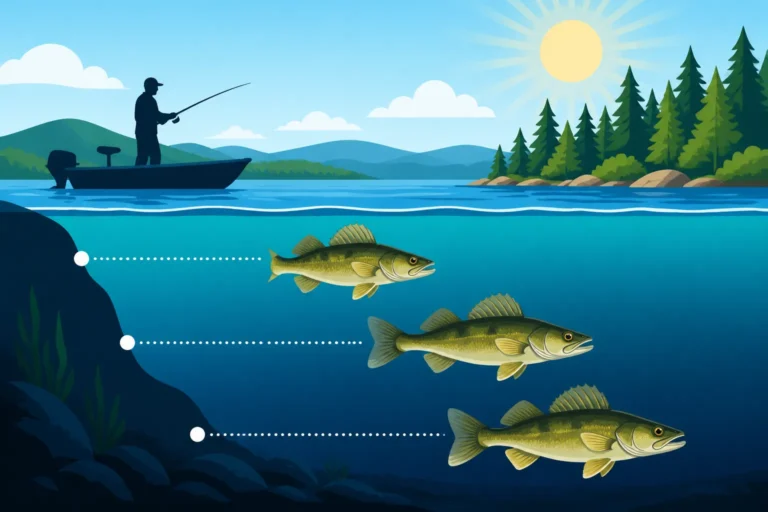
While brook, brown, and rainbow trout are often associated with rivers and streams, Vermont also offers fantastic opportunities for larger, cold-water species like lake trout and landlocked salmon in its deeper, colder lakes. These fish represent a different kind of trout fishing, often involving boats, downriggers, and specialized trolling techniques. Lake Champlain, naturally, is a prime destination for impressive lake trout. These fish can grow to substantial sizes and inhabit the deep, cold thermoclines during warmer months.
Landlocked salmon, though technically a salmon, are often pursued with similar trout fishing techniques and are a highly prized game fish in Vermont. Lake Willoughby, with its crystal-clear, deep waters, is renowned for its landlocked salmon fishery, offering a truly unique experience. Other lakes like Seymour Lake and Caspian Lake also hold good populations. These are powerful, acrobatic fighters, providing an exhilarating battle for any angler lucky enough to hook into one.
Fishing for lake trout and landlocked salmon typically requires more specialized gear, including heavier trolling rods, lead core line or downriggers, and larger spoons or stickbaits that imitate baitfish like smelt. The challenge lies in locating the fish in vast expanses of water and presenting your lure at the correct depth. While it can be more gear-intensive, the reward of landing one of these magnificent cold-water predators is well worth the effort. For specific methods, consult How to Catch Landlocked Salmon in Vermont.
Essential Trout Fishing Techniques and Strategies
Trout are smart, and successful angling often comes down to adapting your technique to the specific species, water conditions, and time of year. There isn't a one-size-fits-all approach, and part of the joy of trout fishing in Vermont is experimenting and learning what works best on any given day. Whether you prefer the elegance of fly fishing or the versatility of spin fishing, mastering these approaches will dramatically increase your success.
Mastering the Art of Fly Fishing
Fly fishing is deeply ingrained in Vermont's trout culture, especially on its pristine rivers and streams. It's an art form that involves presenting artificial flies, designed to imitate aquatic insects, baitfish, or other food sources, to trout using a specialized rod, reel, and weighted line. The technique requires a graceful cast and a delicate presentation, making it a highly rewarding pursuit. It's not just about catching fish; it's about connecting with the rhythm of the water and the life within it.
There are several core fly fishing techniques suitable for Vermont's diverse waters. Dry fly fishing, where a floating fly imitates an insect on the surface, is exhilarating when trout are rising to feed. Nymphing, which uses weighted flies to imitate subsurface insects, is often the most productive method, as trout feed underwater the vast majority of the time. Streamer fishing, with larger flies that mimic baitfish, is excellent for targeting larger, predatory brown trout. Euro nymphing, a specialized high-stick nymphing technique, has also gained popularity for its effectiveness in turbulent river sections. You can find more specific advice in Fly Fishing for Trout in Vermont.
To get started, you'll need a good quality fly rod and reel, appropriate fly line, leaders, tippet, and a selection of flies. Many local fly shops around Vermont, such as those near the Battenkill or White River, offer beginner lessons and invaluable advice on local hatches and fly patterns. Don't be intimidated; while there's a learning curve, the meditative nature and profound connection to nature that fly fishing offers are truly unparalleled. Investing in a good local guide for a day can also accelerate your learning curve significantly.
Effective Spin Fishing Tactics
Spin fishing is a highly versatile and accessible method for catching trout in Vermont, suitable for anglers of all skill levels. It involves using a spinning rod and reel with a variety of lures or natural baits. The ease of casting and the wide array of tackle options make it incredibly effective in streams, rivers, ponds, and lakes alike. You can cover more water and fish different depths relatively easily, which is a huge advantage when trying to locate scattered trout.
For streams and rivers, small spinners (like Mepps, Rooster Tail, or Panther Martin), tiny spoons, or micro crankbaits are often highly effective. The key is to cast upstream and retrieve just fast enough to get the lure spinning or wobbling naturally downstream, mimicking a small baitfish or insect. For stocked ponds and slower moving waters, small jigs tipped with a grub, power bait, or even a worm under a bobber can be deadly. When targeting larger lake trout or brown trout in lakes, slightly larger spoons, stickbaits, or even vertical jigging spoons can produce results.
One of the great advantages of spin fishing is the ability to easily switch up your presentation. If one lure isn't working, you can quickly tie on another to try a different color, size, or action. Keep your line fresh and your hooks sharp. Stealth is still important, even with spin fishing; approaching the water quietly and making accurate casts without spooking the fish will always lead to more success. Many basic and effective spin fishing lures are readily available on platforms like Amazon, making it easy to build a starter tackle box.
Bait Fishing for Consistent Success
Bait fishing is arguably the most straightforward and often the most consistently productive method for catching trout, particularly for stocked fish or during colder water periods. The appeal of natural bait is undeniable to a hungry trout, making it an excellent choice for beginners, children, or anyone looking for reliable action. This method involves presenting live or prepared bait in a way that looks natural and irresistible to the fish.
Worms are the classic and often most effective natural bait. Nightcrawlers or smaller garden worms, fished either on the bottom with a small weight or suspended under a bobber, are irresistible to all species of trout. Minnows, either live or dead (where legal), are fantastic for targeting larger, predatory brown or lake trout. For stocked rainbow and brown trout, prepared baits like PowerBait (in various colors and forms like dough or nuggets) or corn are incredibly popular and effective, especially in ponds and slower-moving sections of rivers. Just be sure to check regulations on what types of bait are allowed in specific waters.
The presentation of your bait is crucial. Keep your hooks small, sharp, and buried in the bait. Avoid using too much weight, as you want the bait to drift or settle naturally. In streams, a "drift rig" with just enough weight to bounce along the bottom can be incredibly effective. In still water, suspending bait under a bobber allows you to control the depth and easily detect bites. While perhaps not as "sporting" in the eyes of some purists, bait fishing is an undeniably effective way to put trout in the creel and enjoy a day on the water, especially for those new to the sport.
Key Seasons and Timing for Vermont Trout
Trout fishing in Vermont isn't a year-round affair in all waters, and success often hinges on understanding the nuances of each season. From the bustling excitement of opening day to the quiet solitude of late fall, the fishing experience—and the tactics needed—will change dramatically with the calendar. Knowing when to target specific species and how trout behave during different times of the year is crucial.
The Excitement of Spring Opening Day
Spring marks the official start of trout season in many Vermont waters, and it's a date circled on calendars across the state. Vermont Trout Opening Day Traditions are a strong part of the local fishing culture, bringing anglers out in droves, often regardless of the weather. The cold, high waters of early spring are usually brimming with freshly stocked rainbow and brown trout, eager to bite after a long winter. Native brook trout in higher elevation streams also become more active as water temperatures begin to rise slightly.
During early spring, trout are often less selective. They've been through a long winter and are looking for easy meals. This makes it an excellent time for bait fishing with worms or power bait, and spin fishing with bright, flashy spinners or spoons. Water levels can be high and cold from snowmelt, so target slower pools, eddies, and seams where fish can hold out of the main current. The days might be chilly, but the anticipation and the promise of a bend in the rod are enough to warm any angler. Layering clothing is essential, and good wading boots with felt or rubber soles are a must for navigating slippery stream beds.
As spring progresses and water temperatures slowly climb, natural insect hatches will begin, opening up opportunities for fly anglers to use nymphs and even early dry flies. The window between early ice-out and before waters get too warm is prime time for active trout. Always check the specific opening dates for the waters you plan to fish, as some waters have different regulations or delayed openings.
Summer Strategies for Warmer Waters
Summer in Vermont brings beautiful warm weather, but it also brings challenges for trout anglers. As air and water temperatures rise, many trout species, especially native brook trout and wild browns, become stressed in warmer, lower-elevation waters. They seek refuge in colder water, which often means moving to higher elevations, spring-fed streams, or the deep, cold pockets of larger rivers and lakes. This is when ethical angling, including catch-and-release practices, becomes even more important.
During the warmer months, focusing on early mornings or late evenings is often most productive, as trout are more active during cooler parts of the day. For river anglers, seeking out cold water inputs from tributaries or springs, or fishing in the shady sections of higher-elevation streams, is key. Fly anglers will often switch to terrestrials (grasshoppers, ants, beetles) or focus on nymphing deep pools. Spin fishermen might use small, subtle lures or weighted worms to get down into the colder depths.
For those targeting lake trout or landlocked salmon, summer means going deep. These fish will follow the cold water and their baitfish prey into the thermocline, often requiring downriggers or lead core line to reach them. While warm weather fishing can be tough, understanding trout behavior and adapting your tactics can still yield great results. Always be mindful of water temperature – if it's too warm (generally above 68-70°F for trout), consider giving the fish a break and targeting other species.
Fall: The Season for Trophy Browns
Autumn is often considered by many experienced anglers to be the "trophy season" for brown trout in Vermont. As temperatures cool and the leaves turn vibrant shades, brown trout, in particular, become highly active and aggressive in preparation for their fall spawning season. This is when they put on their most spectacular colors and often feed voraciously, offering a fantastic opportunity to catch a truly large specimen.
Fall fishing often involves targeting large rivers and lakes where brown trout gather. Streamer fishing with large, baitfish-imitating flies is incredibly effective for fly anglers, as are larger spoons and crankbaits for spin fishermen. Trout will often be found in the same pools and runs they inhabit throughout the year, but their feeding windows can be more pronounced and aggressive. The cooler water temperatures also mean less stress on the fish, making catch-and-release more viable for those giants you might encounter.
Beyond brown trout, fall can also offer excellent fishing for brook and rainbow trout as they recover from summer heat and feed heavily before winter. Many rivers that were too warm in summer become prime again. The vibrant scenery adds another layer of enjoyment to the experience, making fall trout fishing in Vermont an unforgettable adventure. Whether you're casting a big streamer into a tannin-stained river or delicately drifting a nymph in a crisp mountain brook, fall provides some of the most rewarding trout fishing of the year.
Navigating Vermont's Trout Regulations
Understanding and adhering to Vermont's fishing regulations is not just about avoiding penalties; it's about protecting the state's valuable fishery resources for everyone, now and in the future. Regulations vary by species, location, and time of year, so a little homework before you hit the water is always a good idea. The Vermont Fish & Wildlife Department is the authoritative source for all current rules.
Understanding Licenses and Permits
The first step for any angler over the age of 15 (with a few exceptions) is to purchase a valid Vermont fishing license. This is a non-negotiable requirement for fishing in the state's public waters. Licenses can typically be purchased online through the Vermont Fish & Wildlife Department's website, at various sporting goods stores, or from town clerks across the state. Options range from annual resident and nonresident licenses to shorter-term permits like 1-day, 3-day, or 7-day nonresident licenses, perfect for visitors. You can delve into the specifics with Vermont Fishing License Guide for 2026 or for short trips Vermont 3-Day and 7-Day Nonresident Fishing Permits.
There are also specific age requirements and exemptions. Children under a certain age may not need a license, and some senior residents or individuals with disabilities may qualify for discounted or free licenses. Always carry your license with you when fishing, either a physical copy or a digital version on your phone, as wardens can and will check. Fishing without a license can result in fines and other penalties, so it's simply not worth the risk. A valid license is your key to enjoying all the incredible fishing opportunities Vermont has to offer.
In addition to a general fishing license, some specific activities or locations might have additional permits or stamps required. For instance, if you're planning on fishing certain boundary waters, such as portions of Lake Champlain that border New York or parts of the Connecticut River bordering New Hampshire, there might be reciprocity agreements or specific rules that apply. It's always best to be informed.
Daily Limits and Possession Rules
Once you have your license, the next critical set of rules to understand revolves around daily limits and possession limits. These regulations are designed to manage fish populations and ensure sustainable fishing. For trout, these limits will specify how many fish of each species you can keep per day (the daily limit) and how many you can have in your possession, including those at your home (the possession limit), which is often the same as the daily limit. These numbers can vary significantly depending on the species and the specific water body.
For example, a common daily limit for trout might be a certain number, say 6 fish, but there might be a specific limit for brook trout (e.g., 2), or a specific minimum length for brown or rainbow trout. Many waters will have a "combined species" limit, meaning the total number of all trout you keep cannot exceed a certain number. The Vermont Fish & Wildlife Department's annual fishing guide, available online and at license vendors, will clearly outline these limits for all regulated species. You can explore Vermont Bag and Possession Limits by Species for a comprehensive overview.
Minimum length limits are also common for certain trout species in specific waters. These rules ensure that fish have a chance to grow and spawn at least once before being harvested. If you catch a fish that is under the minimum length, it must be immediately released unharmed. Using a tape measure or a fishing ruler is highly recommended to ensure compliance, especially if you plan to keep fish. "Know before you go" is a golden rule here.
Special Regulation Waters and Catch & Release
Beyond general statewide regulations, Vermont has numerous "special regulation waters" that have unique rules regarding seasons, gear, length limits, and harvest. These waters are often managed to protect wild trout populations, enhance trophy fishing opportunities, or provide specific angling experiences, such as fly fishing only or catch-and-release only sections. Ignoring these specific rules can lead to serious fines.
Common special regulations include:
- Fly Fishing Only: Only artificial flies may be used. No lures or bait are allowed.
- Catch & Release Only: All fish caught must be immediately released unharmed. No harvest is permitted. This is very common for sensitive wild brook trout streams or trophy brown trout sections. For more on this, see Vermont Catch and Release Fly Fishing Only Waters.
- Specific Length Slots: Instead of a minimum length, some waters may have a "slot limit" where you can only keep fish within a certain size range, designed to protect both juvenile and large, breeding fish.
- Reduced Daily Limits: The number of fish you can keep might be lower than the statewide general limit.
These special regulations are always clearly marked in the Vermont Fishing Regulations Guide and sometimes posted at public access points for the specific water body. It is your responsibility as an angler to check these rules before fishing. A quick scan of the guide can save you a lot of trouble and ensures you're fishing responsibly. Respecting these rules helps maintain the quality of Vermont's diverse trout fisheries for everyone who loves to cast a line.
Gear and Tackle for Vermont Trout Anglers
Having the right gear and tackle can significantly enhance your trout fishing experience in Vermont. It's not about having the most expensive equipment, but rather choosing tools that are appropriate for the type of water you'll be fishing, the species you're targeting, and your preferred angling method. A well-prepared angler is a successful angler.
Rods, Reels, and Line Choices
The foundation of your trout fishing setup is your rod and reel. For fly fishing, a 3-weight to 5-weight rod is typically ideal for Vermont's trout streams. A 3-weight is perfect for small brook trout streams and delicate presentations, while a 5-weight offers more versatility for larger streams and windy conditions, capable of handling larger brown or rainbow trout. Pair this with a matching fly reel (which primarily holds line and balances the rod) and a good quality weight-forward floating fly line. Your leader and tippet choices will depend on fly size and water clarity, but generally, 4x to 6x tippet is common. You can learn more about specific setups in Best Gear for Vermont Trout Fishing.
For spin fishing, a light to ultralight spinning rod, typically between 5 to 6.5 feet in length, is excellent for trout. This provides the sensitivity needed for light lures and the fight of a trout, while still allowing for good casting distance. Pair it with a small spinning reel spooled with 4-8 pound test monofilament or fluorocarbon line. Monofilament is forgiving and easy to cast, while fluorocarbon offers less stretch and better abrasion resistance, making it great for clear water. Some anglers also use braided line with a fluorocarbon leader for added strength and sensitivity. You can find a wide selection of these essential items on Amazon.
When choosing your setup, consider the size of the water you'll be fishing. A longer rod might be better for larger rivers to aid in mending line, while a shorter rod is more maneuverable in brushy, tight streams. The goal is balance and comfort, allowing you to cast effectively all day long.
Essential Lures, Flies, and Baits
What you tie onto the end of your line is critical. For fly fishing, a well-stocked fly box for Vermont trout should include:
- Dry Flies: Adams, Caddis, Elk Hair Caddis, stimulators, and various parachute patterns to match local hatches. Terrestrial patterns like hoppers and ants are crucial for summer.
- Nymphs: Pheasant Tail, Hare's Ear, Prince Nymph, Squirmy Wormy, and stonefly patterns in various sizes.
- Streamers: Woolly Buggers (black, olive, brown), Zonkers, and other baitfish imitations, especially for bigger browns.
For spin fishing, a versatile tackle box would include:
- Spinners: Mepps Aglia, Rooster Tail, Panther Martin in sizes #0 to #3, in silver, gold, and various color combinations.
- Spoons: Little Cleo, Dardevle, or Kastmaster spoons in smaller sizes.
- Crankbaits: Small Rapala (floating minnow or countdown) or similar brands that imitate minnows.
- Jigs: Small marabou or curly-tail jigs, especially for panfish or holdover trout.
For bait fishing, a supply of worms (nightcrawlers, red wigglers) is always a good idea. PowerBait, in various colors (chartreuse, rainbow, pink), is highly effective for stocked trout. Corn is also a surprisingly effective bait in some stocked waters. It's often smart to bring a variety of options, as trout can be picky, and what worked yesterday might not work today. Many anglers stock up on these items from local tackle shops or online retailers.
Wading Gear and Accessories
Trout fishing in Vermont often means getting in the water, so proper wading gear is essential for comfort, safety, and access.
- Waders: Chest waders are highly recommended, especially for colder spring and fall fishing. Breathable waders are great for warmer weather, while neoprene waders offer more insulation for truly cold conditions. Make sure they fit well and don't restrict your movement.
- Wading Boots: Paired with your waders, dedicated wading boots provide traction on slippery riverbeds. Opt for felt soles for superior grip on slimy rocks, or rubber soles with studs for versatility on various terrain (note: felt soles may be prohibited in some areas to prevent the spread of invasive species, so always check).
- Wading Staff: A collapsible wading staff provides crucial stability and safety, especially when navigating swift currents or uneven streambeds. It acts as a third point of contact and can help you gauge depth.
- Vest or Pack: A fishing vest, chest pack, or sling pack allows you to carry all your essential small items—fly boxes, leader, tippet, nippers, forceps, and a camera—within easy reach. This keeps you organized and focused on fishing.
- Polarized Sunglasses: These are not just for sun protection; they dramatically reduce glare on the water, allowing you to see submerged rocks, structure, and even fish, giving you a huge advantage.
- Net: A good quality landing net with a rubberized mesh is critical for safely landing and releasing trout, especially larger specimens. Rubber mesh is gentler on fish and prevents hooks from tangling.
- Pliers/Forceps: Essential for removing hooks quickly and safely, minimizing harm to the fish.
Investing in quality wading gear and accessories will make your time on Vermont's trout waters much more enjoyable and productive. You can often find durable and affordable options for these accessories, like polarized sunglasses or wading staffs, on platforms like Amazon.
Conservation and Ethical Angling Practices
As anglers, we are stewards of Vermont's precious natural resources. Practicing conservation and ethical angling is not just a suggestion; it's a responsibility that ensures healthy fish populations and enjoyable fishing experiences for generations to come. This means respecting the fish, the habitat, and fellow anglers.
Practicing Catch and Release Effectively
Catch and release is a cornerstone of ethical trout fishing, especially in wild trout waters or for trophy-sized fish. It allows anglers to enjoy the thrill of the catch while ensuring the fish can reproduce and contribute to the fishery. However, proper catch and release techniques are vital for a fish's survival. A poorly handled release can be just as detrimental as harvesting the fish.
Here are key principles for effective catch and release:
- Land Fish Quickly: Fight the fish efficiently to minimize exhaustion. Prolonged battles can lead to lactic acid buildup, reducing survival rates.
- Keep Fish in Water: Minimize air exposure as much as possible. A fish's gills cannot function properly out of water, and even a few seconds can be harmful. Use a net to secure the fish while still submerged.
- Wet Hands: Always wet your hands before touching a fish. Dry hands can remove the fish's protective slime coat, making it vulnerable to disease.
- Use Barbless Hooks: Crushing the barb on your hooks or using specific barbless hooks makes removal much easier and less damaging.
- Use Appropriate Tackle: Don't use ultralight gear for large fish if you intend to release them, as it prolongs the fight excessively.
- Remove Hook Gently: Use forceps or pliers to quickly and gently remove the hook. If the fish is deeply hooked, cut the line as close to the hook as possible rather than tearing tissue.
- Revive Fish: Hold the fish gently upright in the current (facing upstream) until it regains its strength and can swim away on its own. Do not squeeze or roughly push the fish.
By following these practices, you give the fish the best possible chance of survival, contributing to the health and vitality of Vermont's trout populations.
Stream Etiquette and Respecting Private Land
Trout fishing in Vermont often takes place on a mix of public and private lands, and respecting both is paramount. Good stream etiquette ensures a pleasant experience for everyone and maintains access to these valuable resources.
- Know Your Access: Not all land along a river or stream is public. Be aware of property boundaries and never trespass on private land without permission. Many landowners graciously allow access, and respecting their property (no littering, closing gates, staying on designated paths) is crucial to maintaining those relationships.
- Give Space to Other Anglers: Trout fishing, especially fly fishing, often requires space. If you encounter another angler, give them plenty of room (at least 50-100 yards, more if possible). Don't crowd them or jump into a hole they are clearly working. A friendly nod or wave is fine, but avoid loud conversations that might disturb wildlife or other anglers.
- Leave No Trace: Pack out everything you pack in, and perhaps even pick up any litter you find. This includes fishing line, bait containers, and food wrappers. The goal is to leave the stream bank cleaner than you found it.
- Wade Carefully: When wading, try to avoid disturbing the streambed more than necessary. Stepping on redds (spawning beds, often visible as clean gravel depressions) can damage eggs. Be mindful of aquatic vegetation and insect habitats.
- Respect Wildlife: You're in their home. Observe wildlife from a distance and avoid disturbing them. This includes not harassing waterfowl or other animals.
Following these simple rules helps foster a positive fishing community and ensures that Vermont's beautiful streams and rivers remain pristine and accessible for all.
Protecting Vermont's Trout Habitats
The quality of trout fishing in Vermont is directly linked to the health of its aquatic habitats. As anglers, we have a vested interest in protecting these environments. Many factors threaten trout habitats, including pollution, erosion, climate change, and habitat fragmentation. Understanding these threats and supporting conservation efforts is part of being a responsible angler.
- Support Conservation Organizations: Groups like Trout Unlimited, the Vermont Fish & Wildlife Department, and local watershed associations work tirelessly to conserve and restore trout habitats. Supporting them through membership, donations, or volunteering can make a significant difference.
- Report Pollution: If you see signs of pollution (e.g., unusual discoloration, chemical smells, fish kills) in a stream or river, report it immediately to the Vermont Department of Environmental Conservation or the Fish & Wildlife Department. Early reporting can prevent widespread damage.
- Prevent Invasive Species: Invasive aquatic species (like Eurasian watermilfoil or zebra mussels) can devastate native trout habitats and food sources. Always clean, drain, and dry your boat, waders, and gear between fishing trips to prevent their spread.
- Advocate for Healthy Waterways: Speak up for policies that protect water quality, maintain riparian buffers (vegetation along stream banks that provides shade and prevents erosion), and ensure responsible land use practices.
Every trout caught is a testament to the health of its habitat. By being mindful of our impact and actively participating in conservation, we can help ensure that Vermont's trout waters remain vibrant and productive for generations of anglers to come. The future of Vermont Trout Season and Stocking Rules truly depends on it.
Vermont Trout Species Comparison
Here's a quick look at the main trout species you'll encounter in Vermont's diverse waters, highlighting their key characteristics.
| Feature | Brook Trout (Native) | Brown Trout (Introduced) | Rainbow Trout (Introduced) |
|---|---|---|---|
| Typical Size | 6-12 inches (up to 20+ in ponds) | 10-20 inches (trophy over 24) | 10-18 inches (up to 20+ in lakes) |
| Coloration | Dark back with worm-like markings, red spots with blue halos, white leading edges on fins. | Tan to olive back, dark spots, often red/orange spots with pale halos. Less distinct fin edges. | Silvery to olive, prominent pink/red stripe along lateral line, small black spots. |
| Preferred Habitat | Cold, clear, oxygen-rich mountain streams, remote ponds. Very sensitive to warm water. | Rivers, streams, lakes. More tolerant of slightly warmer water than brook trout. | Rivers, streams, lakes, ponds. Often found in similar habitats to browns, especially stocked. |
| Diet | Aquatic insects, small crustaceans, terrestrial insects. | Aquatic and terrestrial insects, crustaceans, small fish, minnows. Highly predatory. | Aquatic and terrestrial insects, crustaceans, small minnows. Opportunistic feeders. |
| Distinguishing Mark | Vermiculations on back, white fin edges, vibrant spots. | Large spots, often a yellowish or brownish hue overall, can be elusive and wary. | Red/pink lateral stripe, deeply forked tail, often jump when hooked. |
Disclaimer
This article is for general informational purposes only and does not constitute professional advice. Laws, prices and regulations vary by location and change over time. Consult a qualified professional for guidance on your specific situation.