Best time to fish for perch in winter
Winter fishing in Vermont, especially when you're after those feisty yellow perch, can be a truly magical experience—or a frustrating test of patience if you don't know when and where to drop your line. It's a common struggle for anglers to stare down an ice hole for hours, wondering if the fish are even there, let alone willing to bite. This comprehensive guide is here to shed light on exactly when to fish for perch in Vermont during the winter months, helping you maximize your time on the hardwater and fill your bucket with tasty panfish.
Understanding Winter Perch Behavior in Vermont
Perch are a staple of the winter diet for many Vermonters, and for good reason—they're abundant, cooperative (when you find them!), and absolutely delicious. But what makes them tick under a sheet of ice? Their behavior shifts dramatically once the water chills, and understanding these changes is the first step to consistent success.
How Perch Change in Winter
When the lakes and ponds of Vermont start to freeze over, yellow perch undergo a significant physiological change. Their metabolism slows down considerably, which means they don't need to feed as aggressively or as often as they do in the warmer months. This is why you'll rarely find them darting after a fast-moving bait in the dead of winter. Instead, they become more lethargic, conserving energy and often schooling up in larger, denser aggregations. This schooling behavior is a double-edged sword: harder to find, but once you do, you're often in for a treat, as you can pull one after another from the same hole. They also tend to stick to deeper, more stable water where temperatures are slightly more constant, making those shallow weed beds of summer a distant memory.
Key Factors Influencing Winter Perch Activity
Several environmental cues dictate when and where perch will be most active during winter. Temperature, of course, is paramount. While the water under the ice remains relatively stable at around 39 degrees Fahrenheit (4 degrees Celsius), minor fluctuations can still make a difference. Beyond that, light penetration through the ice and snow cover plays a huge role. Heavy snow cover can block sunlight, making the underwater world quite dark and often dampening perch activity. On the flip side, clear ice with bright sunlight can sometimes push perch deeper or make them more wary.
Barometric pressure is another critical, often overlooked factor. Just like humans, fish feel changes in atmospheric pressure. A stable, high-pressure system generally means a good bite, whereas rapidly falling pressure, often preceding a storm, can shut them down. They're also heavily influenced by the presence of forage. Perch are opportunistic feeders, and while their metabolism is slow, they're always on the lookout for small baitfish, insect larvae, or zooplankton. Understanding their food sources and where those might be concentrated is key to unlocking their winter patterns.
The Absolute Best Times to Target Winter Perch
Alright, let's get down to brass tacks: when should you actually be out there? While every day on the ice is a good day, some periods are undeniably better than others for catching yellow perch. There are specific windows of opportunity that serious ice anglers swear by, and they're worth paying attention to.
Optimal Time of Day
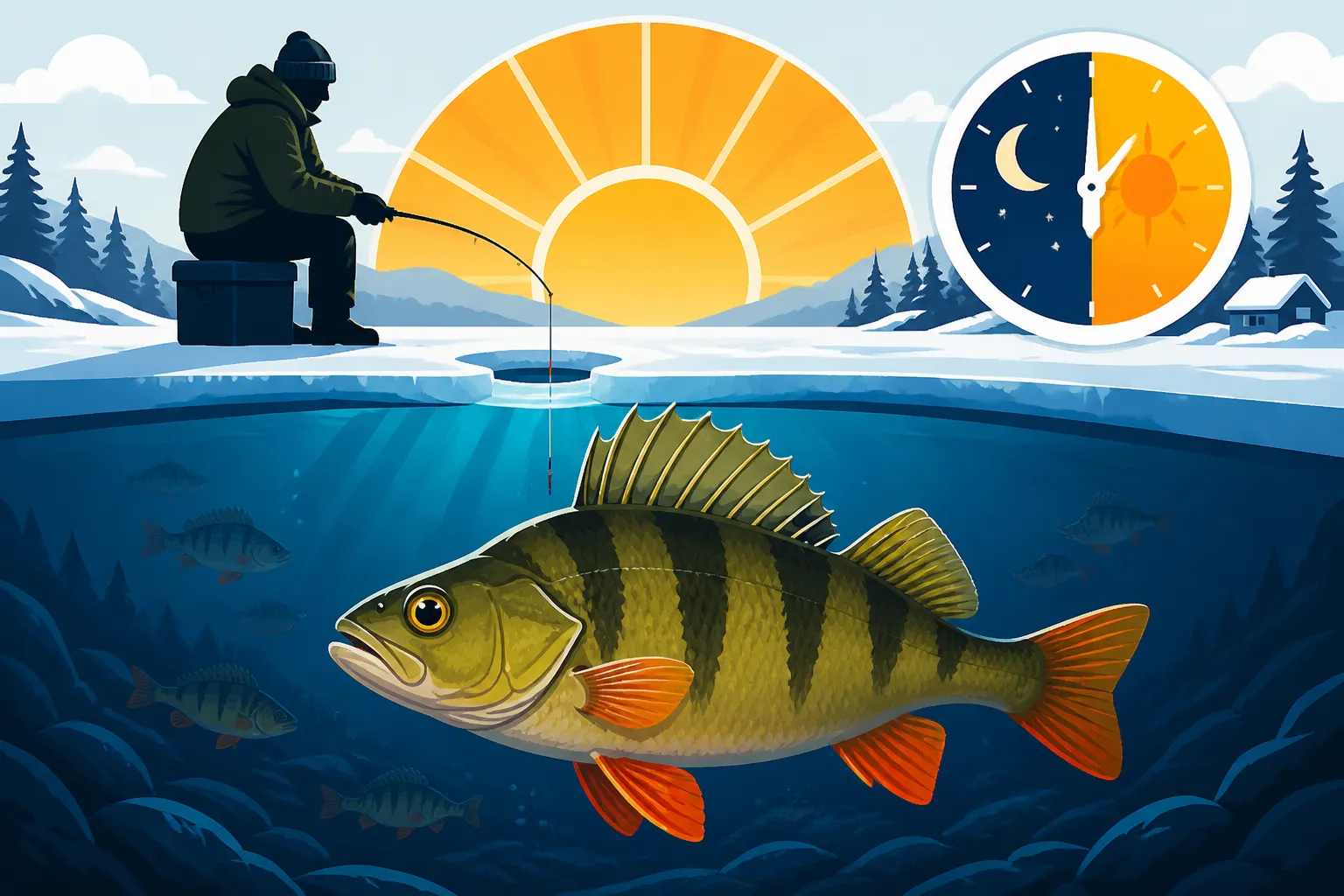
Unlike summer fishing where dawn and dusk are often king, winter perch don't always follow the same playbook. Generally, the best action for perch often occurs from mid-morning through early afternoon. Think of it this way: as the sun climbs highest in the sky, it penetrates the ice more effectively, even on cloudy days, stimulating activity. This is usually between 9:00 AM and 2:00 PM. Before that, especially if it's a cold night, the fish might still be sluggish. After 2:00 PM, as the light fades and temperatures begin to drop again, the bite can taper off.
However, there's also a strong argument for the "golden hour" right before sunset, or even the first hour after sunrise. Many anglers find success in these periods too, especially on particularly clear, still days. It really boils down to finding the balance between light penetration and stable conditions. On overcast days, the bite can extend throughout the day, as the diffuse light is less intense and more consistent.
Prime Weather Conditions and Barometric Pressure
When it comes to weather, stability is your friend for winter perch. Look for stable, high-pressure systems that have settled in for a day or two. A few days after a big storm, once the winds have died down and the skies have cleared, can be absolutely fantastic. The fish seem to reset after the pressure fluctuations and become more willing to feed.
Cloudy, overcast days are often preferred over bright, sunny ones, especially if the ice is clear of snow. The diffuse light on cloudy days can make perch feel more comfortable and less skittish in shallower depths. Avoid fishing during periods of drastic weather changes, like a sudden cold front moving in or when a major snowstorm is just starting. The plummeting barometric pressure tends to shut down the bite almost completely. Wind is also a significant factor; a strong wind can make drilling holes and setting up an ice shanty incredibly uncomfortable, but it also means less stable ice, so always prioritize safety when venturing out.
Ice Thickness and Safety Considerations
Before you even think about the best time to fish, you absolutely must consider ice safety. This isn't just about catching fish; it's about getting home safely. In Vermont, the recommended minimum ice thickness for walking is generally 4 inches of clear, solid ice. For groups, or for snowmobiles and ATVs, that thickness needs to increase significantly. You can learn more about How thick ice needs to be for Vermont anglers to walk on it.
Early and late ice periods can be particularly productive for perch, but they are also the most dangerous. Early ice often means fish haven't been pressured much, and late ice, as the sun gets higher and stronger, can spur a feeding frenzy as perch prepare for spring. However, these times also coincide with the most unstable ice conditions. Always check local ice reports, drill test holes as you go, and never fish alone. A good rule of thumb is to assume no ice is safe ice until you've personally verified its thickness and quality. The Vermont Fish & Wildlife Department often provides updates and guidelines, which are invaluable for planning your trips during the Vermont Ice Fishing Season Dates.
Locating Winter Perch in Vermont Lakes
Finding the fish is half the battle, and in winter, that means understanding the underwater topography from above the ice. Perch aren't just everywhere; they hold to specific structures and depths that provide food and shelter.
Reading Lake Structure Under the Ice
Underneath that frozen surface, Vermont's lakes are teeming with structure, and perch are masters at using it to their advantage. During winter, focus on areas that feature significant depth changes. That means looking for:
- Breaks and Drop-offs: Where a shallow flat suddenly plunges into deeper water. Perch will often stage along these breaks, moving up to feed on the flats during active periods and retreating to deeper water when less active.
- Humps and Submerged Islands: Underwater high spots are magnets for forage and, consequently, perch. Fish all sides of these humps, especially where they meet the basin.
- Points and Bays: Shoreline points that extend into the lake can act as highways for fish movement. Deep bays with softer bottoms can also hold large schools of perch, particularly if there's remnant vegetation.
A good topographical map, often found on fishing apps or even free online resources, is your best friend. Mark potential spots before you even leave the house. Once on the ice, use your electronics. A quality fish finder, like those from Garmin or Humminbird, can literally show you where the fish are hiding, which is especially useful when figuring out How to locate perch in Vermont lakes.
The Role of Forage and Depths
Perch are often found where their food sources are abundant. In winter, this usually means small baitfish like minnows or shiners, as well as insect larvae. These smaller creatures often congregate near certain structures or in specific depths. Typically, winter perch in Vermont will be found in depths ranging from 15 to 40 feet. However, this can vary wildly based on the lake, the amount of light penetration, and the available forage. On a heavily overcast day with snow-covered ice, they might be shallower, say 10-15 feet. On a bright, clear day, they might sink to 30-50 feet.
If you're not getting bites at one depth, don't be afraid to move shallower or deeper by a few feet. Perch often suspend at certain depths, so covering the entire water column from top to bottom is crucial. Many anglers will set up multiple holes at varying depths to determine the active zone. Remember, a single hole might not tell the whole story!
Popular Vermont Perch Destinations
Vermont is blessed with numerous lakes and ponds that offer fantastic winter perch fishing. While many smaller, lesser-known waters can hold hidden gems, some larger lakes are consistently productive and offer great access.
Lake Champlain: Without a doubt, the king of Vermont's fishing waters. Lake Champlain is absolutely loaded with yellow perch, and many anglers specifically target them through the ice. Productive areas can be found all along the lake, from the shallower bays of the northern end (like Missisquoi Bay or Mallets Bay) down to the more structured main lake. Access points like those found near Burlington, Colchester, or Port Henry (on the New York side, but relevant for reciprocal agreements) are popular. Check out our guide on Best ice fishing access on Lake Champlain for specific launch points and tips.
Lake Memphremagog: Up in the Northeast Kingdom, this large, deep lake shared with Quebec offers excellent perch opportunities, particularly in its shallower bays. Good access can be found around Newport. It's a fantastic fishery for not only perch but also other species. You can find more specific access details in our article on Best ice fishing access on Lake Memphremagog.
Other Notable Lakes:
- Lake Bomoseen: A consistent producer for perch and other panfish, with good public access.
- Lake Dunmore: Known for its diverse fishery, including healthy populations of perch.
- Lake St. Catherine: Another reliable spot for perch, often with earlier ice-on and later ice-off than some other lakes.
- Waterbury Reservoir: Offers good perch fishing in its various coves and deeper sections.
For a broader overview of places to try, our Best Ice Fishing Lakes in Vermont guide covers many top spots across the state.
Essential Gear and Techniques for Winter Perch Success
Once you know when and where to go, having the right tools and knowing how to use them makes all the difference. You don't need a boatload of expensive gear, but a few key items will significantly boost your catch rate and comfort.
Recommended Rods, Reels, and Line
For yellow perch, finesse is often the name of the game.
- Rods: You'll want a lightweight, sensitive ice fishing rod. A 24- to 30-inch ultra-light or light action rod is perfect. The sensitive tip will detect those subtle perch bites, which can be incredibly light in cold water. Look for rods with a good backbone to handle larger perch but a flexible tip for sensitivity. Many popular brands offer excellent rods in this range, easily found on Amazon.
- Reels: A small, lightweight spinning reel (size 500 or 1000) is ideal. It should have a smooth drag system, as even small perch can make short runs.
- Line: Stick to light lines. 2 to 4-pound test monofilament or fluorocarbon is sufficient. Fluorocarbon is excellent because it's nearly invisible underwater and has less stretch, which helps with bite detection. Some anglers prefer braided line with a fluorocarbon leader for even greater sensitivity.
Best Baits and Lures for Perch
Perch aren't overly picky, but certain presentations consistently outperform others in winter.
- Jigging Spoons: Small jigging spoons (1/16 to 1/8 ounce) in silver, gold, chartreuse, or even fire tiger patterns are deadly. Tip them with a small piece of live bait (see below) or a plastic grub. The flash and vibration attract fish.
- Small Jigs: Tiny tungsten jigs or lead jigs (1/32 to 1/16 ounce) are absolute perch magnets. Paint them in bright colors like pink, orange, or chartreuse. These are especially effective when tipped with spikes, wax worms, or a small minnow head. To dive deeper into specific options, check out our guide on Best Panfish Jig Colors for Winter and Best Jig weight for perch through the ice.
- Live Bait: This is often the ultimate persuader. Wax worms, spikes (maggots), and small fathead minnows are perch candy. A single wax worm or a few spikes threaded onto a small jig is often irresistible. Minnows can be used dead or alive, hooked through the lips or dorsal fin.
- Soft Plastics: Tiny soft plastic grubs or micro-plastics designed for ice fishing can also be effective, especially when tipped with a scent.
The key technique is subtle jigging. Small lifts and drops, with plenty of pauses, will often coax a bite. Remember to vary your cadence and depth until you find what the fish want. You can learn more specific presentations in our article on Jigging for Perch Through the Ice.
Essential Safety Gear
Beyond the rod and reel, several items are non-negotiables for safe and enjoyable ice fishing:
- Ice Augers: A hand auger is fine for perch in most conditions, but a power auger (gas or electric) is a lifesaver if you're drilling many holes or dealing with thick ice.
- Ice Picks/Claws: These are life-saving devices worn around your neck. If you break through, they give you purchase to pull yourself out.
- Spud Bar: Especially useful in early ice, this heavy bar helps you test ice thickness as you walk.
- Flotation Suit/Life Jacket: An ice fishing suit with built-in flotation is the ultimate safety gear, providing warmth and buoyancy. Alternatively, wear a Coast Guard-approved life jacket over your winter layers.
- Warm Clothing & Footwear: Layers are crucial. Insulated boots, waterproof outer layers, and warm hats and gloves are essential for comfort in Vermont's winter.
- First-Aid Kit & Whistle: Always be prepared for minor emergencies and have a way to signal for help.
- Ice Shanty or Shelter: While not strictly safety gear, a shelter, like those from Clam or Eskimo (available on Amazon), makes long days on the ice infinitely more comfortable and extends your fishing time. Our guide on Best Ice Shanty for Vermont Lakes can help you pick the right one.
Seasonal Perch Activity Breakdown in Winter
The term "winter" is broad, and perch activity isn't uniform throughout the entire season. Knowing the nuances of early, mid, and late winter can make a significant difference in your success.
Early Ice (December – Early January)
This is often a golden period for perch fishing in Vermont. The fish are typically still shallow, holding to similar structures they frequented in late fall, and haven't been heavily pressured by anglers yet.
- Activity: Perch are generally more aggressive and willing to chase baits. Their metabolism hasn't completely slowed down.
- Location: Look for them in depths of 10-25 feet, often near the edges of weed beds (if any remain) or subtle drop-offs. They're still exploring, so covering more ground can be beneficial.
- Techniques: Slightly more aggressive jigging with spoons or larger jigs can work well. Don't be afraid to try small minnows under a tip-up.
- Key Consideration: Ice safety is paramount during this time. Ice can be highly variable and dangerous. Always exercise extreme caution.
Mid-Winter (Mid-January – Mid-February)
This is often the coldest and most challenging part of the ice fishing season. Heavy snow cover can accumulate, reducing light penetration and often slowing down the bite.
- Activity: Perch become more lethargic and consolidate into large, tight schools. Bites are often very subtle.
- Location: They tend to move to deeper basin areas, often suspending over depths of 25-50 feet, but still relating to some form of structure like humps or deep points. They're seeking the most stable water temperatures.
- Techniques: Finesse is key. Downsize your jigs and baits. Focus on tiny tungsten jigs tipped with a single spike or wax worm. Slow, subtle jigging with long pauses is crucial. A sensitive rod and a fish finder become almost mandatory to detect these light bites and locate the schools.
- Key Consideration: Comfort is a big factor here. A good ice shanty and proper layering will make the experience much more enjoyable during the coldest days. If you're serious, check out our recommendations for Best Ice Fishing Gear for Vermont.
Late Ice (Late February – March)
As the days lengthen and the sun gets higher, late ice can be another fantastic period for perch, sometimes even rivaling early ice in terms of activity. The fish sense the approaching spring and begin to feed more actively.
- Activity: Perch become more active and start to disperse somewhat from their tight winter schools. They'll often move shallower in search of food.
- Location: Start looking for them moving up onto flats or shallower points, often in 15-30 feet of water. They'll still relate to structure but might be more spread out.
- Techniques: You can often be more aggressive with your presentations again. Slightly larger spoons, quick jigging motions, and sometimes even small lipless crankbaits can entice bites. Minnows under tip-ups can also be very effective.
- Key Consideration: This is arguably the most dangerous time for ice fishing. The ice can deteriorate rapidly, especially around shorelines, inlets, and outlets. Always check ice conditions meticulously, and be prepared for rapidly changing conditions.
Here’s a quick overview of optimal conditions for winter perch in Vermont:
| Factor | Early Ice (Dec-Jan) | Mid-Winter (Jan-Feb) | Late Ice (Feb-Mar) |
|---|---|---|---|
| Perch Activity | Aggressive, moderate schools | Lethargic, tight schools | Active, dispersing |
| Optimal Time | Mid-morning to Mid-afternoon | Mid-day | Mid-morning to late afternoon |
| Preferred Depth | 10-25 feet | 25-50+ feet | 15-30 feet |
| Key Lures | Spoons, larger jigs, minnows | Small tungsten jigs, live bait | Spoons, jigs, minnows, small cranks |
| Ice Safety | Crucial, variable | Generally stable, check for drifts | Highly variable, dangerous |
| Weather Preference | Stable pressure, any day | Stable high pressure, overcast | Warming trends, clear days |
No matter when you go, a day out on a frozen Vermont lake chasing yellow perch is an experience unlike any other. With this knowledge in your tackle box, you're well on your way to more productive and enjoyable days on the ice.
Disclaimer
Always prioritize safety when ice fishing. Ice conditions can change rapidly and vary greatly from one location to another, even on the same body of water. Consult local authorities and exercise extreme caution. The information provided in this guide is for informational purposes only and should not replace local regulations or professional advice.