Dry Fly Fishing Vermont Mountain Streams
There's a special kind of magic, and a whole lot of challenge, that comes with dry fly fishing Vermont's pristine mountain streams. The fickle nature of wild trout, the unpredictable mountain weather, and the sheer technicality of presenting a tiny imitation fly perfectly can sometimes feel overwhelming. This guide is here to unravel the mysteries of dry fly angling in the Green Mountains, helping you understand the unique environment, master the techniques, and ultimately find more success and joy on these stunning waters.
Understanding Vermont's Mountain Stream Ecosystems for Dry Fly Fishing
Vermont's mountain streams are truly unique, a world away from the wider, more predictable rivers you might find elsewhere. They carve their way through ancient rock and dense forest, creating a mosaic of pocket water, riffles, and small pools that demand a different approach from the dry fly angler. Understanding these ecosystems is your first step to unlocking their secrets and consistently finding rising trout.
The Dynamics of Freestone vs. Spring-Fed Streams
Vermont boasts a mix of stream types, but the mountain streams we're talking about for dry fly fishing are predominantly freestone. This means their water levels and temperatures are highly dependent on rainfall and snowmelt. A sudden downpour can turn a crystal-clear trickle into a raging torrent, while a prolonged dry spell can reduce it to a mere whisper. Spring-fed streams, on the other hand, tend to have more stable temperatures and flows, often offering a more consistent environment for both insects and trout. Knowing the difference is crucial. A freestone stream might fish best a day or two after a rain, as the water clears and bugs wash down, whereas a spring-fed stream might be a reliable producer even during drought conditions because of its steady flow. This variability is a defining characteristic of our mountain waters.
The fish in these streams, primarily brook trout, but also wild brown and rainbow trout in some areas, have adapted to these fluctuating conditions. They become opportunistic feeders, ready to rise to a well-presented dry fly when the conditions are right. They'll hug structure during high water and become incredibly spooky in low, clear flows. Recognizing the type of stream you're on, and how it's currently behaving, allows you to anticipate where fish might be holding and how aggressively they might feed. It's a constant puzzle, but that's part of the charm of fishing these wild places.
Common Insect Hatches and Their Importance
Dry fly fishing is, at its heart, about imitating insects on the surface of the water, and knowing what's hatching (or about to hatch) is paramount. Vermont's mountain streams, despite their smaller size, host a surprisingly diverse array of aquatic insects, from various species of mayflies and caddisflies to stoneflies and midges. Your success often hinges on matching the hatch, or at least presenting a general imitation that the trout will accept.
Early season (late April to early June) often sees the emergence of larger insects like Quill Gordons, Hendricksons, and various dark caddis patterns. These can trigger aggressive rises from trout that are hungry after a long winter. As summer progresses, you'll encounter smaller mayflies like Sulphurs and Light Cahills, along with abundant caddisflies. Terrestrials, such as ants, beetles, and grasshoppers, become increasingly important in late summer and fall, especially on brushy banks where they might accidentally fall into the water. Keeping a keen eye on the water's surface for shucks, spent wings, and actual insect activity will give you vital clues. A good Fly Patterns for Vermont Trout Streams article can help you stock your fly box.
Beyond the specific insect, understanding the lifecycle of the hatch is key. Trout will often key in on emerging insects struggling to break the surface, or on egg-laying adults returning to the water. This means your presentation, and sometimes even a slightly drowned dry fly or an emerger pattern just under the surface, can be more effective than a perfectly floating adult imitation. It's a subtle art, and paying attention to exactly how the trout are feeding will dramatically increase your hook-ups.
Essential Gear for Successful Dry Fly Fishing in Vermont
Tackling Vermont's mountain streams with dry flies requires a thoughtful selection of gear. You're not casting huge streamers on wide rivers; you're often making delicate presentations in tight quarters, wading across slippery rocks, and navigating dense foliage. The right equipment won't just make you more effective, it'll make your whole experience more enjoyable and safer.
Rods, Reels, and Lines for Mountain Streams
When it comes to your fly rod for these smaller waters, think light and short. A 7'6" to 8'6" rod in a 3- or 4-weight is often ideal. This lighter weight allows for delicate presentations, protecting finer tippets, and making the fight with even a modest trout feel exciting. A shorter rod is invaluable when you're casting under low-hanging branches or maneuvering through tight spots along the bank, which is a constant reality in the Green Mountains. A good medium-fast action rod offers the versatility to throw tight loops for accuracy but still protects light tippets during a fish's run. You can find some excellent options for Best Fly Rods for Vermont Trout Streams that fit this description.
Your reel doesn't need to be a high-tech drag monster; a simple click-and-pawl or a basic disc-drag reel that balances your rod is perfectly sufficient. Its primary job is to hold your line. For fly line, a weight-forward floating line matched to your rod's weight is standard. However, consider a line with a slightly more aggressive front taper for turning over larger dry flies, or a delicate taper for presenting tiny midges. A good quality fly line will float high, making mends easier and improving your drift. Don't skimp here; a cheap line can truly hinder your presentation.
Waders, Boots, and Essential Accessories
Waders are non-negotiable for Vermont mountain stream fishing, unless you're specifically wet-wading in the height of summer. The water is often cold, even on warm days, and you'll be crossing and wading through significant stretches. Breathable chest waders are the most comfortable choice, allowing you to move freely and stay dry without overheating. Pair them with sturdy wading boots that have excellent grip. Felt soles used to be the gold standard for traction on slippery rocks, but many anglers now opt for rubber soles with studs for better grip on mud and moss, and to prevent the spread of invasive species. A detailed guide on Best Waders for Vermont Trout Streams can help you navigate the choices.
Beyond the basics, a few accessories are crucial. A quality pair of polarized sunglasses will cut glare, allowing you to spot fish and read the water effectively. A wide-brimmed hat offers sun protection. Don't forget a landing net, preferably one with a rubber mesh to protect the fish's slime coat, especially if you plan on catch-and-release. A good Best Landing Net for Trout is a must. A small sling pack or vest is perfect for carrying your fly boxes, tippet, nippers, and floatant. Speaking of floatant, a reliable gel or powder floatant is essential to keep your dry flies riding high on the water. You can find many of these essential accessories, from quality waders to specialized fly boxes, on Amazon, making it easy to gear up for your next outing.
Key Dry Fly Patterns for Vermont's Seasons and Hatches
Successfully dry fly fishing Vermont's mountain streams often boils down to presenting the right fly at the right time. While trout can sometimes be opportunistic, matching the current hatch or offering a general attractor pattern can make all the difference. Building a well-stocked fly box with these patterns will prepare you for most situations you'll encounter throughout the fishing season.
Spring and Early Summer Hatches
As the ice melts and water temperatures begin to rise in spring, trout become more active and start looking for substantial meals. This is when some of the larger, more visible mayfly and caddisfly hatches occur. The classic "Spring Hatches" are a highly anticipated time for dry fly enthusiasts.
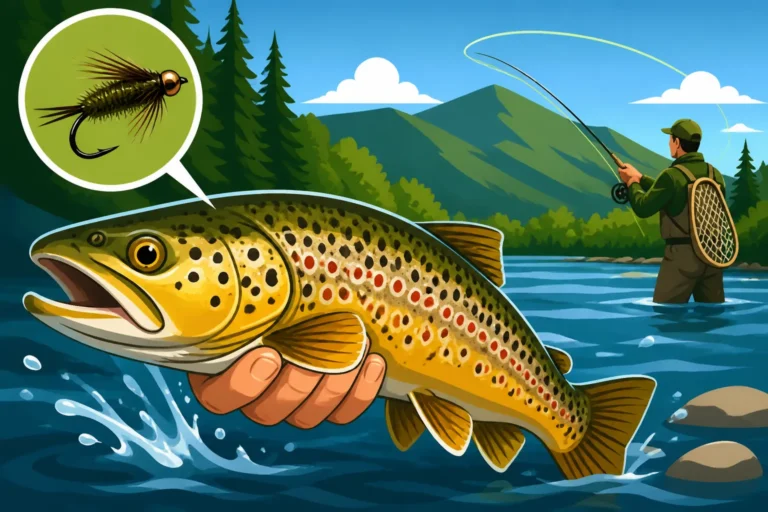
- Hendrickson (Ephemerella subvaria): Typically emerging from late April through May, these medium-sized mayflies (size #12-14) are a staple. A well-tied Hendrickson dry fly in a dun or spinner pattern can be incredibly effective when these bugs are on the water. Trout will often key into them voraciously.
- Blue-Winged Olive (Baetis species): These smaller, olive-bodied mayflies can hatch throughout the spring, especially on overcast or rainy days, sometimes into a size #18-20. Having a few different sizes of BWO dry flies is a smart move, as they are a consistent food source.
- Early Black/Brown Caddis (various species): Caddisflies are ubiquitous in Vermont streams. Early season caddis hatches are often dark-bodied, and a Goddard Caddis or Elk Hair Caddis in sizes #12-16 can imitate these prolific insects perfectly. Their skittering action on the water can often elicit aggressive strikes.
During this period, trout are eager to feed on the surface after a long winter, and a good presentation of these larger patterns can be incredibly rewarding. Remember that high water can also bring down terrestrials, so don't be afraid to try a larger Stimulator or even a small beetle if the conventional hatch isn't working.
Mid-Summer and Fall Terrestrials and Hatches
As summer settles in, water levels often drop and warm, and insect activity can shift. While mayfly and caddisfly hatches continue, terrestrials become increasingly vital, especially on smaller, brushy streams where they frequently fall into the water. Fall brings another burst of activity as trout prepare for winter.
- Sulphurs (Ephemerella dorothea/invaria): These yellow-bodied mayflies are a summer classic, typically appearing from late June through July in sizes #14-18. A well-presented Sulphur dry fly can bring up even the most selective trout during a good hatch.
- Light Cahills (Stenonema ithaca): Another common summer mayfly, similar in size and color to Sulphurs, often hatching in the evenings. These elegant insects are best imitated with a comparadun or traditional dry fly pattern.
- Ants, Beetles, and Grasshoppers: From July through October, terrestrials are crucial. Black or Cinnamon Ants (sizes #16-20), small foam Beetles (sizes #14-16), and various Grasshopper patterns (sizes #8-12) are all must-haves. Trout will often move significant distances to intercept a large grasshopper pattern on a warm, sunny afternoon. These flies are particularly effective in grassy sections or along undercut banks.
- October Caddis (Dicosmoecus species): As autumn approaches, these large, orange-bodied caddisflies (sizes #8-10) offer one last hurrah for dry fly action. A robust Elk Hair Caddis tied with orange body materials can be deadly during this late-season hatch, often bringing up some of the biggest trout of the year.
Having a good selection of these patterns, perhaps sourced from a specialty fly shop or even a reliable online retailer like Amazon, will keep your fly box ready for any season. Don't forget a few general attractor patterns like a Parachute Adams (sizes #12-20) or a Royal Wulff (sizes #10-16), which can imitate a wide range of insects and often fool trout even when no specific hatch is occurring. These are excellent "searching patterns" when you're not seeing specific insect activity.
| Season | Common Hatches/Terrestrials | Recommended Dry Fly Patterns (Size) | Notes |
|---|---|---|---|
| Spring | Hendrickson, Quill Gordon, BWO, Early Caddis | Hendrickson Dun/Spinner (#12-14), BWO (#18-20), Elk Hair Caddis (dark) (#12-16), Adams (#14-16) | Larger flies, often aggressive takes. Watch for post-rain clarity. |
| Early Summer | Sulphur, Light Cahill, March Brown, Green Drake | Sulphur Dun/Spinner (#14-18), Light Cahill (#14-18), Stimulator (#10-14), Elk Hair Caddis (tan) (#12-16) | Mayflies dominate. Evenings can be prime for hatches. |
| Mid-Summer | Caddis, Midges, Ants, Beetles, Grasshoppers | Elk Hair Caddis (tan/green) (#14-18), Griffith's Gnat (#20-22), Black Ant/Cinnamon Ant (#16-20), Foam Beetle (#14-16), Madam X (#10-14) | Terrestrials become critical, especially on sunny days. Low, clear water demands delicate casts. |
| Fall | October Caddis, BWO, Flying Ants, Hoppers | October Caddis (#8-10), BWO (#18-20), Parachute Ant (#16-18), Hopper patterns (#8-12) | Last big hatches of the year, trout fattening up. May also see some larger streamer activity. |
Mastering Casting and Presentation on Tricky Mountain Waters
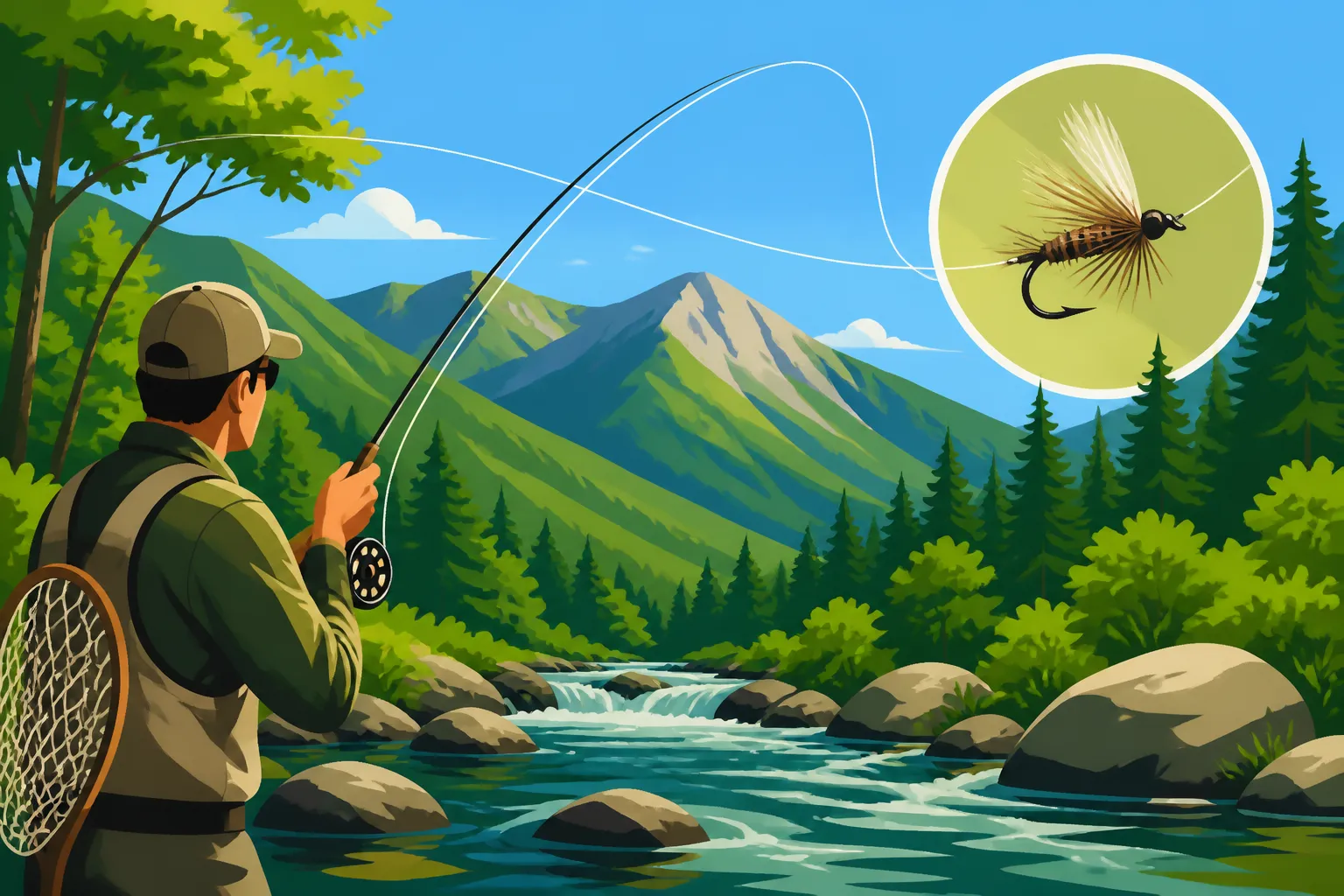
Dry fly fishing in Vermont's mountain streams isn't about distance; it's about accuracy, stealth, and delicacy. The tight quarters, fast currents, and spooky fish demand a refined approach to casting and presentation. Forget the long, graceful casts you might use on a big Western river; here, precision is king.
Stealth and Approach in Tight Quarters
One of the biggest mistakes anglers make in mountain streams is rushing in. Wild trout, especially the native brook trout, are incredibly wary. Their survival depends on it. A heavy footfall on the bank, a quick movement of your rod, or even your shadow cast over the water can send them scattering. You need to become part of the environment, moving slowly and deliberately. Think of yourself as a predator, stalking your prey.
Always approach the stream from downstream, moving upstream. This puts you behind the fish, as their primary feeding lane and line of sight are generally upstream. Keep a low profile, kneeling or even crawling when approaching a promising pool or pocket. Use the natural contours of the bank, rocks, and vegetation as cover. Before you even think about casting, observe the water, look for rising fish, and identify potential holding lies. This patient, methodical approach is often the difference between a successful day and one where you only see fish darting away. The article on Wading Techniques for Vermont Trout Streams delves deeper into this crucial aspect of streamcraft.
Casting Accuracy and Delicate Drifts
Once you've spotted a rising fish or identified a prime piece of water, your cast needs to be accurate and your presentation delicate. Overhanging branches and tight pockets often mean you can't make a traditional overhead cast. This is where mastering alternative casts becomes invaluable.
- Roll Cast: An absolute essential for mountain streams. It allows you to cast with minimal backcast space, getting your fly out cleanly in tight spots. Practice rolling the line out smoothly, focusing on a compact stroke.
- Slack Line Casts (Reach Cast, Curve Cast): These casts are designed to introduce slack into your line upon landing, which helps to counter drag from conflicting currents. A reach cast, where you extend your rod arm upstream or downstream as the line unfurls, is particularly useful for achieving a longer, drag-free drift.
- Bow and Arrow Cast: For those truly impossible spots where there's no room for any backcast, this cast (holding the fly and bending the rod like a bow) can get your fly into tiny windows. It's a last resort but incredibly effective when needed.
The goal is to land your fly gently, without splashing, just upstream of your target, allowing it to drift naturally with the current as if it were a real insect. This "drag-free drift" is paramount. Any unnatural drag, where your fly speeds up, slows down, or changes direction unnaturally, will instantly put off a wary trout. Mending your line—picking up a loop of line and repositioning it on the water without moving your fly—is a continuous process to achieve that perfect drift. It’s an art form that comes with practice and patience.
Reading the Water and Locating Trout in Freestone Streams
Finding trout in the seemingly chaotic environment of a mountain freestone stream can feel like searching for a needle in a haystack. But these fish aren't randomly distributed. They hold in specific places, often where they can expend minimal energy while having easy access to food. Learning to "read the water" is perhaps the most critical skill for consistent success.
Identifying Productive Holding Lies
Trout, especially in smaller streams, are always looking for three things: food, cover, and favorable currents. Your job is to find where these elements converge.
- Riffles and Runs: These faster, shallower sections are food factories. As water tumbles over rocks, it dislodges insects, which then drift downstream. Trout will often position themselves at the very tail-out of a riffle, or just behind a larger rock in the middle of a run, where the current is slightly broken but food is readily available. Don't overlook the choppy water; it can hold some aggressive feeders.
- Pools: While seemingly obvious, not all parts of a pool are equally productive. Trout will often hold at the head of a pool, where the current enters and delivers food. The deepest part of the pool offers cover, as do undercut banks and submerged logs. The tail-out of a pool, where the water begins to speed up again, can also be a prime feeding lane, particularly during a hatch.
- Pocket Water: This is the quintessential mountain stream habitat. These are small, calmer pockets of water behind or in front of rocks, logs, or other obstructions. Trout love these spots because they offer a break from the main current and a conveyor belt of food. Every pocket, no matter how small, is worth a delicate cast. Sometimes the biggest fish are hiding in the smallest pockets.
Beyond these common spots, always look for convergence points where two currents meet, or any structure that creates a current seam. These seams act like natural food delivery lines. Overhanging branches or root wads along the bank provide both cover and a source of terrestrials. Learning to identify these productive holding lies quickly will allow you to efficiently work your way upstream, focusing your efforts where they're most likely to pay off.
Interpreting Surface Activity and Subsurface Clues
The most obvious clue that trout are feeding on the surface is a rise. But not all rises are created equal, and understanding what a rise form tells you can help you select the right fly and presentation.
- Gentle Sip or "Smash" Rise: A slow, deliberate sip where the fish barely breaks the surface often indicates a trout feeding on tiny, emerging midges or small, spent mayflies. This requires a very small, subtle dry fly. A more aggressive, splashy rise, often called a "smash," might mean a trout is hitting a larger caddisfly or a terrestrial, indicating you can use a more visible, higher-floating pattern.
- Swirl: A subsurface swirl without the fish's nose breaking the water usually means the fish is feeding on emergers just below the surface, or on nymphs being washed downstream. While this guide focuses on dry flies, sometimes a trout won't commit to the surface, and a small emerger pattern swung just below a dry fly can tempt them.
Beyond rises, look for other clues. Are there insects flying above the water? Are there shucks or spent bugs floating on the surface? Are there any small baitfish darting around, which might suggest larger trout are around? Even without seeing fish, understanding the prevailing insect activity helps you choose your fly. For example, if you see many small, olive-bodied mayflies flying around, even if trout aren't rising, putting on a BWO dry fly is a good bet for when they do decide to feed. This type of observation and deduction is what makes dry fly fishing such a rewarding challenge, like a detective solving a natural mystery.
Ethical Angling and Conservation for Vermont's Wild Trout
Dry fly fishing Vermont's mountain streams offers a profound connection to nature. These are often wild, fragile ecosystems, and it's our responsibility as anglers to practice ethical angling and conservation. Protecting these pristine waters and their inhabitants ensures that future generations can experience the same joy and challenge we do today.
Practicing Catch and Release Effectively
Many of Vermont's mountain streams, especially those with native brook trout populations, are managed as wild trout waters or even catch-and-release only. Even where harvesting is permitted, practicing catch and release for these sensitive wild fish helps sustain their populations and ensures larger, healthier fish for everyone to enjoy. If you're fishing in designated Vermont Catch and Release Fly Fishing Only Waters, it's a legal requirement, but it's a good practice everywhere.
To effectively practice catch and release:
- Use Barbless Hooks: Pinching down the barb on your dry flies makes hook removal much easier, minimizing damage to the fish's mouth. Many anglers do this as a standard practice.
- Minimize Handling: Try to keep the fish in the water as much as possible. If you must handle it, wet your hands first. Dry hands can remove the fish's protective slime coat, making it vulnerable to disease.
- Use a Rubber Net: A knotless, rubber-mesh net is far gentler on a fish's fins and scales than traditional nylon nets.
- Quick Release: Remove the hook quickly and gently. If the fish is deeply hooked (which is rare with dry flies), cut the line as close to the hook as possible. Don't try to rip it out.
- Revive the Fish: Hold the fish gently facing upstream in the current until it's strong enough to swim away on its own. Don't pump it back and forth; this can actually push water the wrong way over its gills. When it wiggles and tries to swim, let it go.
Adhering to these practices shows respect for the resource and increases the survival rate of the fish we all cherish. It's a fundamental part of the dry fly ethos, ensuring the health of the stream.
Respecting the Environment and Regulations
Beyond fish handling, responsible angling encompasses respecting the entire stream environment. Littering, damaging stream banks, or disregarding regulations can have long-lasting negative impacts. Always "Leave No Trace" – pack out everything you pack in, and perhaps even pick up any litter you find.
- Stay on Trails and Established Paths: Avoid trampling fragile stream bank vegetation. When wading, try to minimize disturbing the streambed more than necessary.
- Be Aware of Private Land: Many Vermont streams flow through private property. Always be mindful of landowners' rights and respect their property. If unsure, assume it's private and seek permission or find public access points. Information on Reading the Vermont Fishing Regulations Guide and Vermont Fishing Regulations Explained can provide clarity on where you can fish.
- Understand and Follow Regulations: Always check the latest Vermont Fish & Wildlife Department regulations before you go. This includes season dates, bag limits (even if you're releasing, you should know them), and specific rules for special regulation waters. For example, some streams might have unique gear restrictions or catch-and-release mandates. Knowing the Vermont Trout Season and Stocking Rules will prevent accidental violations.
By taking these steps, you're not just a successful angler; you're a responsible steward of Vermont's precious natural resources. The beauty of these mountain streams is a privilege to experience, and it's up to all of us to protect them.
Disclaimer
Please note that fishing regulations, conditions, and best practices can change. Always consult the official Vermont Fish & Wildlife Department website for the most current information regarding licenses, regulations, and advisories before heading out on the water. This guide is for informational purposes only and should not replace official sources.