Ninevah Lake best fishing spots
It's a common dilemma for anglers heading to a new body of water: where do you even start? You might spend precious hours casting into empty water, wondering if you're missing something obvious. Ninevah Lake, nestled in the scenic Plymouth, Vermont, is a truly charming spot, but like any lake, knowing its secrets can dramatically improve your fishing success. This guide is designed to cut through that initial frustration, giving you the insider knowledge on Ninevah Lake's best fishing spots and how to tackle them, ensuring your next Vermont fishing adventure is productive and memorable.
Understanding Ninevah Lake's Unique Fisheries
Ninevah Lake is one of those quintessential Vermont lakes that just feels right. It's not a massive body of water like Lake Champlain, nor is it a tiny, remote pond you need to hike into. Instead, it strikes a perfect balance, offering a diverse fishery within a manageable and incredibly beautiful setting. Before we dive into the specific hotspots, let's get a feel for what makes Ninevah Lake tick and what species you're likely to encounter.
A Diverse Angler's Paradise
Ninevah Lake truly is a gem for anglers who appreciate variety and a peaceful atmosphere. Its clear waters and scenic surroundings make for a truly enjoyable day out, whether you're chasing trophy fish or just looking to relax with a line in the water. This lake doesn't just cater to one type of angler; it’s genuinely a place where many different fishing styles can thrive. You'll find yourself surrounded by rolling hills and lush forests, adding to the allure of every cast.
The primary target species here are diverse, making every trip an exciting mystery. Rainbow trout and brown trout are regularly stocked by the Vermont Fish & Wildlife Department, providing excellent opportunities for both bait and lure anglers. Beyond the stocked trout, Ninevah Lake boasts healthy populations of both smallmouth bass and largemouth bass, offering exciting topwater action in the warmer months or deepwater battles later in the season. Don't overlook the panfish either; yellow perch, bluegill, and sunfish are abundant, providing fantastic light-tackle fun, especially for younger anglers or those simply looking for consistent action. You'll also encounter chain pickerel, known for their aggressive strikes and sharp teeth, often lurking in the weedier sections.
The lake's ecosystem plays a significant role in supporting this variety. With a maximum depth of around 65 feet, Ninevah Lake offers distinct thermal layers that cater to both warm-water and cold-water species. The northern end tends to be shallower and weedier, perfect habitat for largemouth bass and pickerel, while the southern end plunges to greater depths, favored by trout and smallmouth bass. Its relatively clear water means fish can be spooky, often requiring a bit more finesse, especially when you're targeting the highly sought-after trout. The natural forage base, including various minnows and aquatic insects, ensures that all these species have plenty to eat, leading to healthy, robust fish.
What really sets Ninevah Lake apart is its character. It's large enough to explore by boat but small enough to feel intimate. You won't typically find the heavy boat traffic or intense angling pressure of larger, more famous Vermont lakes, which means a more serene and often more productive fishing experience. It’s the kind of place where you can truly connect with nature and enjoy the sport without constant distraction. If you're looking for a peaceful day on the water with a good chance of catching a variety of fish, Ninevah Lake certainly delivers. For a broader perspective on similar waters, you might want to check out our guide on the Best Fishing Lakes in Vermont.
Seasonal Shifts and Fish Behavior
Just like any fishery in Vermont, Ninevah Lake's productivity and the best spots to hit are heavily influenced by the changing seasons. What works wonders in spring might yield nothing but frustration in mid-summer, and vice versa. Understanding these seasonal shifts in fish behavior is absolutely crucial for planning a successful trip. It’s all about being adaptable and knowing where the fish are likely to be hiding and what they're willing to bite on during different times of the year.
As the ice retreats in early spring, usually around April, the lake comes alive. This "ice-out" period is fantastic for trout, which become highly active near the surface and along the shorelines as the water begins to warm. Rainbow and brown trout, invigorated by the melt and recent stockings, will cruise the shallows looking for an easy meal. This is also a prime time for smallmouth and largemouth bass to move into shallower coves and sun-warmed flats, preparing for their spawn. Focus your efforts on these shallower areas, especially near any small inlets or warmer pockets of water where baitfish might congregate.
Summer brings warmer water temperatures, pushing many fish into deeper, cooler zones during the heat of the day. For trout, this means trolling at deeper depths, often using downriggers or weighted lines to reach their preferred thermocline. Bass, while still active, will often feed most aggressively during the cooler hours of early morning and late evening, making topwater action particularly exciting during these times, especially over submerged weed beds or around rocky points. During the day, targeting smallmouth on deep humps or largemouth tucked away in thick cover can still be productive, but it requires more precise presentations.
As autumn arrives and the water begins to cool again, Ninevah Lake offers some of the most spectacular fishing of the year. Fish, sensing the coming winter, enter a pre-spawning feeding frenzy, trying to pack on as much weight as possible. Trout move back into shallower areas, especially around inlets and outflows, becoming more aggressive. Bass, both smallmouth and largemouth, will actively chase baitfish in open water and along rocky shorelines. This is often the time for larger, more aggressive lures and faster retrieves, as fish are less wary and more focused on feeding.
Even winter offers fantastic opportunities on Ninevah Lake, transforming into a popular spot for ice fishing. Once the ice is safely thick enough (always check local conditions and follow safety guidelines!), anglers flock to target yellow perch, chain pickerel, and even some hard-fighting trout. Perch often school up over mid-lake flats or near drop-offs, while pickerel lurk around the edges of remaining weed growth. Trout, if present, can be found suspended in the deeper sections. Jigging with small spoons or baiting tip-ups with live minnows are common and effective methods. Our guide on Ice Fishing in Vermont offers more specific tips for winter angling.
Prime Fishing Locations on Ninevah Lake
Now that we understand the seasonal rhythms and the variety of fish Ninevah Lake holds, let's pinpoint some of the best fishing spots. Whether you're casting from shore or exploring by boat, knowing where to direct your efforts is half the battle won. Ninevah Lake isn't huge, which means even subtle changes in depth, structure, or cover can concentrate fish in specific areas.
Shoreline Access and Public Areas
For many anglers, especially those without a boat, finding good public shoreline access can be a real challenge on Vermont lakes. Private property often rings much of our beautiful waters, making it tough to find a spot to wet a line without trespassing. Ninevah Lake is no exception, and it's important to be mindful of private land while still seeking out those publicly accessible gems. Always respect landowners and their property; a friendly wave and adherence to posted signs go a long way in maintaining good angler-resident relations.
The primary public access point on Ninevah Lake is the Vermont Fish & Wildlife boat access area located on the western side of the lake. While primarily designed for launching boats, this area often provides limited but viable shore fishing opportunities, particularly near the launch ramp itself or along any short stretches of accessible shoreline. Here, you might be able to cast into deeper water relatively quickly, targeting trout that could be cruising near the public dock or the edges of the channel. It’s a convenient spot for a quick fishing session, especially if you're staying nearby.
When fishing from these limited shore access points, simplicity is often key. A basic bobber rig with a worm or PowerBait can be incredibly effective for stocked trout and panfish. For bass or pickerel that might be lurking closer to shore, casting small spoons, spinners, or soft plastic worms can yield results. Experiment with different depths and retrieves. Early mornings and late evenings are typically the most productive times, as fish feel more comfortable moving into the shallows under low light conditions. Remember, these areas can see some traffic, so be considerate of other users, whether they're launching boats or simply enjoying the lakeside.
Always remember that public access points are gifts, and treating them with care ensures they remain open for everyone. Pack out everything you pack in, and perhaps even a little extra litter you find. While dedicated public fishing piers are rare on smaller Vermont lakes like Ninevah, this public boat launch offers the most reliable shore-based option. If you're looking for other accessible spots, sometimes local town offices or general stores might have knowledge of lesser-known spots, or you can check resources like FishingBooker to find a local guide who can show you all the best spots while staying within legal boundaries.
Productive Structure for Boat Anglers
If you have access to a boat – whether it’s a full-sized fishing rig, a canoe, or one of the Best Kayaks for Vermont Fishing – Ninevah Lake truly opens up. The key to successful boat fishing here, as with most lakes, lies in understanding and targeting structure. Fish are creatures of habit and will almost always relate to some form of underwater feature that offers cover, food, or a comfortable resting spot. Using a good fish finder can be invaluable here to spot those subtle depth changes, submerged humps, and weed lines that hold fish.
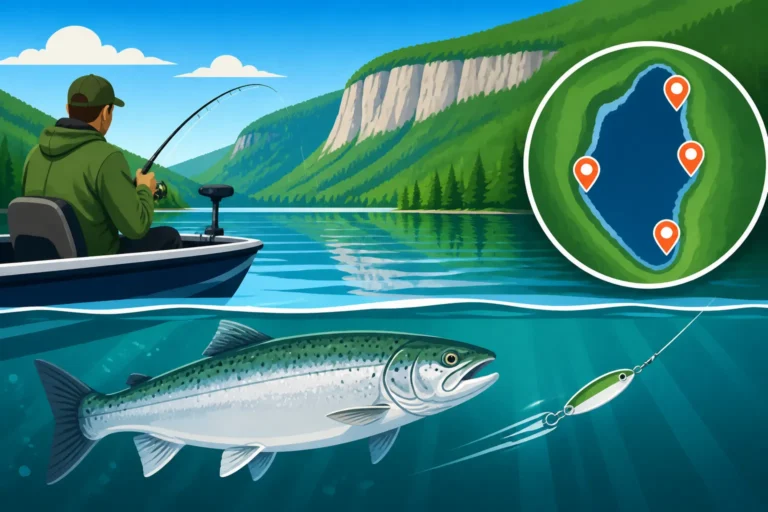
The deeper southern end of Ninevah Lake is often the most productive for cold-water species, especially trout. Look for the deepest holes and significant drop-offs. Trout will suspend at specific depths, particularly during the warmer months, so trolling with weighted lines, planer boards, or even small downriggers can be highly effective. Focus your efforts around the central basin in the southern half of the lake, where depths consistently exceed 40 feet. This is also where you might find larger smallmouth bass relating to deeper rocks or gravel edges.
For smallmouth bass, rocky points and submerged humps are magnets. The western shoreline, particularly near the public boat launch, features several rocky outcrops that extend into the lake, creating ideal ambush points. Smallmouth love to cruise these areas, feeding on baitfish and crawfish. Cast tubes, drop-shots, or small crankbaits parallel to these structures, letting them bounce along the bottom. You can also find them congregating around structural elements on the main lake basin in 15-30 feet of water, especially during summer.
Largemouth bass and the aggressive chain pickerel prefer the shallower, weedier sections, primarily found towards the northern end of the lake and in the various coves. Look for thick patches of lily pads, submerged grass, and cattails. These areas offer excellent cover and plenty of ambush points. Topwater frogs, weedless jigs, spinnerbaits, and soft plastic worms are excellent choices for working these dense areas. Fan cast thoroughly, paying close attention to gaps in the weeds, isolated clumps, and any fallen timber or docks.
Coves around the lake, regardless of depth, can be universally productive, often holding a mix of species depending on their characteristics. Shallower coves with vegetation are bass and pickerel havens, while deeper coves with rocky bottoms can hold smallmouth and even cruising trout. When navigating by boat, always be aware of no-wake zones and respect private docks and swimming areas. A quiet approach often yields better results, as excessive noise can spook fish. Remember, understanding Vermont Fishing Regulations Explained is crucial for all anglers, especially when boating.
Ice Fishing Hotspots
When Ninevah Lake freezes over, typically from late December through March, a whole new world of angling opens up. Ice fishing is a cherished winter tradition in Vermont, and Ninevah Lake provides excellent opportunities for those brave enough to brave the cold. Safety is paramount when ice fishing; always ensure the ice is at least 4 inches thick for individual foot travel and thicker for groups or snowmobiles. Check with local bait shops or the Vermont Fish & Wildlife Department for current ice conditions before heading out. Our guide on Ice Fishing in Vermont has more safety information.
For yellow perch, which are often the most common target through the ice, look for areas with moderate depths of 15 to 30 feet, particularly over soft bottom flats or near subtle drop-offs. The mid-lake basin in both the northern and southern halves often holds large schools of perch. Small jigs tipped with a grub, a piece of worm, or a tiny minnow are incredibly effective. You can also use tip-ups rigged with small minnows to cover more water. When you find a school, be prepared for fast and furious action!
Chain pickerel are almost always found near vegetation, even under the ice. Focus your efforts on the shallower, weedier northern end of the lake or any coves where submergent vegetation is still present. Tip-ups with live minnows are the go-to presentation for pickerel, as they allow these ambush predators to grab the bait and run. Don't be surprised to catch some largemouth bass in these same areas. Remember their sharp teeth and bring appropriate tools for unhooking them safely.
While less common than perch or pickerel, trout can also be caught through the ice on Ninevah Lake. They will typically be found in the deeper sections, particularly the southern basin. Target areas where the depth drops rapidly, or try suspending your bait in the water column over the deepest holes. Small spoons, jigs, or even dead minnows suspended under a tip-up can entice a trout. Knowing the specific depths where trout were caught during the open water season can give you a significant advantage when targeting them through the ice.
No matter what you're targeting, dress in layers, bring a reliable ice auger, and set up a comfortable ice shanty or portable shelter, especially on windy days. A portable fish finder or flasher is an invaluable tool for locating fish and understanding depth contours under the ice. And always remember to pack out all your trash, including discarded fishing line and bait containers, to keep Ninevah Lake beautiful for everyone.
Essential Gear and Techniques for Ninevah Lake
Having identified the best spots on Ninevah Lake, the next step is arming yourself with the right gear and knowing how to use it. The beauty of Ninevah's diverse fishery is that it allows for a wide array of techniques, but having a foundational understanding of what works best for each species will significantly boost your chances of success.
Rods, Reels, and Line Choices
Selecting the right rod and reel combo is crucial for feeling those subtle bites and having the power to land a good fish. For a multi-species lake like Ninevah, versatility is often key, but having specialized setups for your target species can make a big difference.
A great starting point for Ninevah Lake is a medium-light to medium action spinning combo. A 6'6" to 7' spinning rod paired with a 2000 or 2500 series spinning reel spooled with 6-8 pound monofilament or fluorocarbon line will handle most of what Ninevah has to offer. This setup is versatile enough for casting small spoons and spinners for trout, working plastic worms for bass, or jigging for panfish. It's the ultimate all-rounder for a relaxing day on the water. Check out our guide on the Best Fishing Rods for Vermont Lakes for more in-depth advice.
If you're primarily targeting trout, especially those finicky stocked rainbows and browns, a lighter touch is often required. A 6' to 6'6" ultra-light or light action spinning rod with a sensitive tip is perfect. Pair this with a 1000 or 1500 series reel spooled with 4-6 pound monofilament or a light braid with a fluorocarbon leader. The lighter line allows for longer casts with small lures and baits, and the sensitive rod helps detect the often subtle bites of trout. For fly anglers, Ninevah Lake can be productive for trout, especially during spring and fall, using a 4 or 5-weight fly rod. Our guide on Fly Fishing for Trout in Vermont offers more specific recommendations.
For bass anglers, particularly if you're targeting largemouth in heavy cover, you might want to step up your gear. A medium-heavy action casting rod, 6'8" to 7'3", paired with a baitcasting reel spooled with 12-17 pound fluorocarbon or 30-50 pound braided line (with a fluorocarbon leader) will give you the power to pull bass out of weeds and heavy structure. Smallmouth bass, however, can often be caught on the lighter spinning gear mentioned earlier, though a slightly heavier medium action spinning rod with 8-10 pound fluorocarbon can provide more control and sensitivity for working jigs and tubes in deeper water.
Line choice is also critical. Monofilament is a great all-around option due to its stretch and ease of handling. However, for clearer water and increased sensitivity, fluorocarbon main line or leaders are excellent, as fluorocarbon is nearly invisible underwater. Braided line offers incredible sensitivity and strength-to-diameter ratio, making it great for feeling subtle bites and cutting through vegetation, but it usually requires a fluorocarbon or monofilament leader because it's highly visible. For panfish or smaller trout, 2-4 pound test line can be incredibly fun and challenging, making every fish feel like a giant!
Baits and Lures for Success
Knowing what fish eat on Ninevah Lake is key to selecting the right baits and lures. While conditions and fish preferences can change daily, certain staples consistently produce results across the seasons. Don’t be afraid to experiment, but having a solid starting lineup will put you in a strong position.
Live bait is almost always a surefire winner, especially for stocked trout and panfish. Garden worms or nightcrawlers fished under a bobber or on a simple bottom rig are incredibly effective for nearly every species in the lake. For perch, small minnows can be deadly, either suspended under a float or fished on a small jig. Just make sure to check Vermont Fishing Regulations Explained regarding the use of live bait, as some waters have restrictions.
For trout, especially the stocked rainbow and brown trout, specific baits and lures tend to shine. PowerBait, in various colors (chartreuse, rainbow, or neon green are popular), molded onto a small treble hook with an egg sinker rig, is a classic trout catcher. Small inline spinners (like Mepps Aglia or Panther Martin) and spoons (like Kastmaster or Little Cleo) in silver, gold, or brass finishes are also highly effective, especially when cast and retrieved near drop-offs or along shorelines in spring and fall. These lures imitate small baitfish or flashy insects, triggering aggressive strikes. You can find more specific advice in our Best Gear for Vermont Trout Fishing guide.
Bass anglers will want a diversified tackle box. For largemouth bass hiding in the weed beds, weedless soft plastic frogs or soft plastic worms rigged Texas-style are excellent choices. Spinnerbaits and chatterbaits are great for covering water and eliciting reaction strikes. For smallmouth bass, especially those on rocky points and drop-offs, tubes, grubs, and swimbaits in natural colors (green pumpkin, watermelon) rigged on a jig head are consistent producers. Jerkbaits and crankbaits that mimic baitfish are also highly effective, especially when retrieved erratically. In low light, topwater lures like poppers and walk-the-dog baits can create explosive surface strikes from both largemouth and smallmouth.
Panfish, like yellow perch, bluegill, and sunfish, are rarely picky. Small jigs (1/32 to 1/16 ounce) tipped with a small plastic grub, a piece of worm, or even just a kernel of corn, fished under a tiny bobber, will get their attention. Small spoons or ice fishing jigs are also great for perch, especially through the ice. Chain pickerel are opportunistic predators and will hit most bass lures, but they are particularly fond of larger spoons, inline spinners, and live minnows. Just remember to use a wire leader when targeting pickerel to prevent their sharp teeth from cutting your line.
Navigation and Trip Planning Resources
Even on a smaller lake like Ninevah, good planning and access to the right resources can make your trip much smoother and more enjoyable. It’s not just about what you catch, but the entire experience, and minimizing headaches off the water helps you focus on the fishing itself.
First and foremost, always ensure you have a valid Vermont fishing license. Whether you're a resident or a non-resident, virtually everyone over a certain age needs one. You can get yours online, at bait shops, or through the Vermont Fish & Wildlife Department. Our Vermont Fishing License Guide for 2026 provides all the details you need to get properly licensed. Beyond the license, make sure you understand the specific fishing regulations for Ninevah Lake, which can include special rules for certain species, length limits, or bait restrictions. The Reading the Vermont Fishing Regulations Guide is an essential tool for every angler.
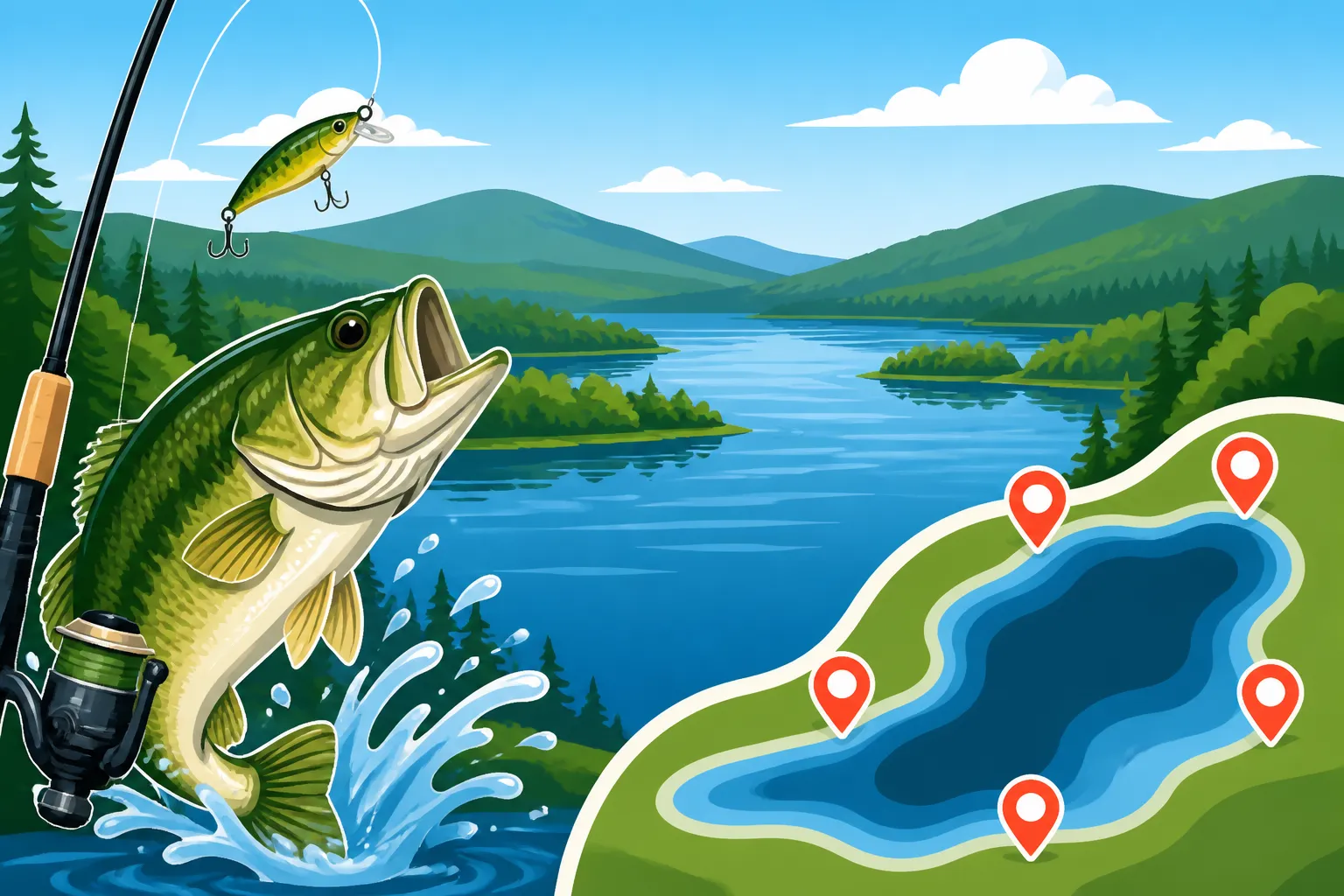
Utilizing resources like depth maps is incredibly helpful for boat anglers. These maps, often available online or at local tackle shops, illustrate underwater contours, drop-offs, humps, and weed lines – all the crucial structure that holds fish. By studying a depth map before you even launch your boat, you can pre-plan your attack and identify potential hotspots. Local bait shops are also goldmines of information; staff often have up-to-the-minute reports on what's biting, where, and on what. Don't be shy about asking for advice!
For those who prefer a guided experience or are new to the area, connecting with a local fishing guide can be a game-changer. Guides possess intimate knowledge of the lake, its fish, and the most productive techniques for the current conditions. Services like FishingBooker can help you find experienced, licensed fishing guides in the Vermont area who can take you out on Ninevah Lake and teach you the ropes, ensuring a productive and safe trip. This can be especially valuable if you're short on time or want to learn specific techniques for a particular species.
Safety should always be a top priority. On open water, always wear a life jacket, especially if you're in a canoe or kayak. Tell someone your float plan, check the weather forecast, and carry essential safety gear like a whistle, knife, and first-aid kit. For ice fishing, never go alone, carry ice picks, and know how to self-rescue. A safe day on the water is always a good day, regardless of the catch.
Respecting Ninevah Lake and Its Ecosystem
As anglers, we are stewards of the natural world. Our enjoyment of Ninevah Lake comes with a responsibility to protect its beauty and ensure its fisheries remain healthy for future generations. Practicing ethical angling and environmental stewardship is just as important as knowing where to cast your line.
Catch and Release Best Practices
While it's certainly rewarding to bring home a meal of fresh fish, practicing catch and release, particularly for certain species or larger specimens, is vital for maintaining a robust fishery in Ninevah Lake. This is especially true for the native smallmouth and largemouth bass, and for larger, older trout that contribute significantly to the breeding population. Releasing these fish ensures they can continue to grow and reproduce, strengthening the lake's ecosystem.
Proper fish handling is key to a successful release. Always try to land fish quickly to minimize stress. Use wet hands when handling fish, as dry hands can remove the protective slime coat, leaving them vulnerable to infection. Avoid touching their gills or eyes. If a fish is deeply hooked, it’s often best to cut the line as close to the hook as possible rather than attempting to rip the hook out, which can cause internal damage. Barbless hooks can also make removal much easier and less traumatic for the fish.
Tools like long-nosed pliers or a de-hooker are essential for quickly and safely removing hooks, especially from toothy fish like pickerel or bass. If you're going to photograph your catch, do so quickly and keep the fish in the water as much as possible. Support the fish horizontally, never vertically by the jaw, as this can damage its internal organs. Gently revive the fish by holding it upright in the water, allowing water to flow over its gills, until it swims away under its own power. Sometimes a gentle forward-and-back motion can aid in this process.
It's also important to know your limits and when it's appropriate to keep fish versus releasing them. Always refer to the Vermont Bag and Possession Limits by Species to ensure you are compliant with regulations. For panfish, which reproduce quickly, keeping a mess for dinner is often encouraged as it helps thin out the population and allows remaining fish to grow larger. However, for a trophy bass or a beautiful trout, the value of releasing it often outweighs the desire for a meal, allowing it to potentially be caught again by another angler.
Environmental Stewardship and Local Regulations
Beyond handling fish properly, our overall impact on the lake environment is a critical part of being a responsible angler. The "Leave No Trace" principles are simple yet powerful guidelines: pack out everything you pack in, and if you see any trash left by others, consider taking it with you. This simple act helps keep Ninevah Lake pristine and enjoyable for everyone. Even small things like discarded fishing line can pose a serious threat to wildlife.
A significant concern for all Vermont waterways is the spread of invasive species. Before launching your boat or even wading into Ninevah Lake, always remember to Clean, Drain, and Dry your boat, trailer, and fishing gear. This means removing all visible mud, plants, and animals, draining all water from your boat and livewells, and thoroughly drying everything before moving to a new body of water. Invasive species like zebra mussels or Eurasian watermilfoil can devastate aquatic ecosystems, and preventing their spread is a collective responsibility.
Strictly adhering to all Vermont fishing regulations is not just about avoiding penalties; it's about respecting the scientific management of the fishery. These regulations, whether they concern open seasons, length limits, bait restrictions, or tackle types, are in place to ensure the long-term health and sustainability of the fish populations. Ignorance of the rules is never an excuse, so always carry your copy of the regulations or consult the official Vermont Fish & Wildlife website. Our comprehensive guide to Vermont Fishing Regulations Explained is a great resource.
Finally, remember that the Vermont Fish & Wildlife Department works tirelessly to manage and conserve our state's fish and wildlife resources. A significant portion of their funding comes from the sale of fishing licenses and related fees. By purchasing your license, you are directly contributing to stocking programs, habitat restoration projects, invasive species control, and enforcement efforts that keep Ninevah Lake and other Vermont waters healthy and vibrant. It’s an investment in the future of our sport and our natural heritage. So, cast your line with care, respect the environment, and enjoy the tranquil beauty and rewarding fishing that Ninevah Lake offers.
Disclaimer
Fishing involves inherent risks, including but not limited to drowning, injury from hooks or sharp objects, and exposure to the elements. Always prioritize safety, wear appropriate personal flotation devices, check weather conditions, and be aware of your surroundings. Adhere strictly to all local and state fishing regulations. This guide provides informational content only and should not be considered a substitute for professional safety instruction or official regulatory documents.