Lake Fairlee best fishing spots
There's nothing quite like the excitement of exploring a new fishing spot, but let's be honest, showing up to an unfamiliar lake without a clue where to cast can feel pretty daunting. You spend more time idling around, wondering if you're missing the hot bite, than actually catching fish. If you're planning a trip to Lake Fairlee in Vermont, you're in for a treat, but knowing the prime locations can make all the difference. This guide is dedicated to helping you unlock the secrets of Lake Fairlee, pointing you directly to its best fishing spots so you can spend less time guessing and more time reeling in your next big catch.
Getting to Know Lake Fairlee's Waters and What Lives Beneath
Before we dive into specific hotspots, it’s always a good idea to get a feel for the lake itself. Lake Fairlee isn't just a pretty name; it's a vibrant ecosystem tucked away in the beautiful Vermont landscape, offering a unique fishing experience. Understanding its general characteristics and the species that call it home will dramatically improve your strategy and success.
A Lay of the Land (and Water)
Lake Fairlee is a relatively mid-sized lake, covering about 462 acres. It's situated in the town of Fairlee, Vermont, and is known for its clear, clean water, which is a major draw for both anglers and swimmers. While it might not be one of Vermont's biggest lakes, it boasts a respectable maximum depth of around 60 feet, with a good portion of the main basin being in the 30-40 foot range. This varied depth profile creates a diverse range of habitats, from shallow, weedy coves to deep, cool pockets, making it attractive to a variety of fish species.
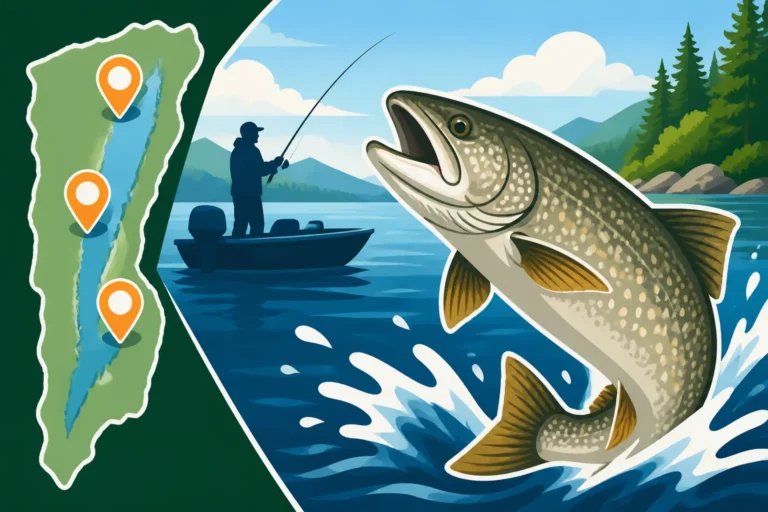
The lake's shape is somewhat elongated, running generally north to south, with several distinct coves and points. The northern end tends to be shallower and features an inlet stream, which is often a significant draw for fish, especially during certain times of the year. As you move south, the lake deepens, particularly along the eastern shore, where steeper drop-offs can be found. The western shore generally features a more gradual slope, with residential properties and docks providing ample structure. Understanding this topography is like having a secret map; it tells you where different fish might congregate based on their preferred depths and cover. Knowing these nuances is key to figuring out the best fishing spots on Lake Fairlee.
The Diverse Fishery: Who You'll Meet Here
Lake Fairlee is truly a multi-species angler's dream, hosting a healthy population of both warm-water and cold-water species. This diversity means you can tailor your fishing trip to target whatever you're in the mood for, or simply enjoy a mixed bag throughout the day.
For those who love a good fight, both largemouth bass and smallmouth bass thrive in Lake Fairlee. The largemouth tend to prefer the shallower, weedier bays and around docks, while the smallmouth often patrol the deeper, rockier points and main lake humps. You'll find plenty of panfish too, including robust populations of yellow perch and various sunfish (like bluegill and pumpkinseed), making it an excellent spot for family fishing or for simply enjoying consistent action. These panfish are often overlooked, but they provide fantastic entertainment and are great table fare.
The Vermont Fish & Wildlife Department also regularly stocks Lake Fairlee with rainbow trout and brown trout, ensuring a put-and-take fishery for cold-water enthusiasts. These stocked trout tend to cruise the cooler, deeper parts of the lake, especially during the warmer months, but can be found closer to the surface and along the edges after stocking and during cooler seasons. Beyond these, you might also encounter chain pickerel, particularly in the weedier sections, adding another toothy challenge to your day. This rich variety is one of the reasons Lake Fairlee is considered one of the Best Fishing Lakes in Vermont.
Decoding Lake Fairlee's Prime Fishing Real Estate
Now that you've got the lay of the land, let's get down to the nitty-gritty: the actual spots where you're most likely to find success. Every lake has its sweet spots, and Lake Fairlee is no exception. Knowing where to focus your efforts can transform a slow day into an unforgettable one.
The Productive Northern Flats and Inlet Areas
The northernmost end of Lake Fairlee is characterized by shallower water and often denser weed beds, especially as you get closer to the inlet stream. This area is a haven for warm-water species, particularly largemouth bass and chain pickerel. The weeds provide excellent cover and ambush points for these predatory fish, and the shallower water warms up faster in the spring, drawing baitfish and hungry game fish.
Anglers targeting largemouth here should focus on pitching jigs, Texas-rigged worms, or topwater frogs over and around lily pads and emergent vegetation. Spinnerbaits and chatterbaits retrieved along the weed lines can also be incredibly effective. For pickerel, a simple spoon or an inline spinner retrieved quickly can often provoke a strike. Don't overlook the edges where the shallow flats drop off into slightly deeper water; this is a classic transition zone where bass often stage. Panfish like sunfish and smaller perch also congregate in these shallows, especially around any submerged timber or brush piles, making it a great spot for beginners with a simple worm and bobber setup.
Eastern Shore's Deep Drops and Rocky Structures
As you move along the eastern shore of Lake Fairlee, particularly from the area of Lake Fairlee State Park southwards, you'll encounter more pronounced drop-offs and rocky bottom structures. This is prime territory for smallmouth bass, yellow perch, and the deeper-dwelling stocked trout. The cooler, oxygen-rich water found along these deeper breaks is exactly what these fish are looking for, especially during the summer months when the shallower parts of the lake can get a bit too warm for comfort.
For smallmouth bass, look for distinct points that extend into the lake, submerged humps, or any noticeable changes in bottom contour. Drop-shot rigs, Ned rigs, or classic tube jigs worked slowly along the bottom can be incredibly effective. Small crankbaits or jerkbaits that mimic baitfish can also entice aggressive strikes when retrieved over these rocky areas. Perch will often school up in these deeper zones as well, and you can catch them by jigging small spoons or soft plastics, or by using live bait like shiners or worms.
Trout, especially the recently stocked ones, will often cruise these deeper water columns. Trolling with spoons, stickbaits, or even flies at varying depths can be productive. If you're fishing from an anchored boat, suspending bait (like PowerBait or a nightcrawler) off the bottom at different depths can help you locate where the trout are holding. Knowing how to target these fish will definitely boost your success when trying to Catch Smallmouth Bass in Vermont Lakes.
Southern End: Docks, Weeds, and Sandy Bottoms
The southern end of Lake Fairlee features a mix of residential docks, some remaining weed patches, and areas with sandy bottoms. This diverse habitat makes it another fantastic area, especially for largemouth bass and a variety of panfish. The docks themselves are incredible fish attractors, offering shade, cover, and a substrate for baitfish and invertebrates.
When fishing the southern end, pay close attention to the docks. Flipping or pitching jigs, soft plastic worms, or creature baits into the shadows and under the dock structures can yield impressive largemouth. Remember to be respectful of private property, always cast from public waters, and avoid directly casting onto someone's dock or boat. The transitions from sandy bottoms to scattered weed clumps are also key areas. Spinnerbaits, swim jigs, or even a weightless Senko can be deadly along these edges. For panfish, simply dropping a small jig tipped with a piece of worm or a micro-soft plastic near dock pilings or submerged weed edges will often result in quick bites. This area can be particularly productive for a fun, relaxed day of fishing.
Unlocking the Mid-Lake Hidden Gems
While the shorelines and ends of the lake get a lot of attention, don't overlook the mid-lake area of Lake Fairlee. This section often holds submerged humps, slight depth changes, and sometimes invisible weed lines that act as highways and feeding grounds for various species. These spots might not be obvious without a good fish finder or local knowledge, but they can be incredibly productive because they receive less pressure.
Smallmouth bass and larger yellow perch often school up on these mid-lake structures. Look for contours that rise from the main basin, or for areas where scattered rocks create a change in habitat. Drop-shot rigs, vertical jigging spoons, or even slow-trolling deep-diving crankbaits can help you locate these hidden gems. Once you find a school of fish on one of these humps, you can often stay on them for a good while, enjoying consistent action. For those seeking a deeper dive into scouting techniques, consider looking into a service like FishingBooker to connect with local guides who specialize in finding these exact kinds of spots; they often have years of accumulated sonar data and experience.
Here’s a quick overview of some prime spots and what you can expect:
| Fishing Spot | Target Species | Recommended Techniques | Key Features |
|---|---|---|---|
| Northern Flats & Inlet | Largemouth Bass, Pickerel, Panfish | Topwater, Jigs, Texas-rigs, Spinnerbaits, Worm & Bobber | Shallow, dense weeds, lily pads, inlet stream |
| Eastern Shore Drop-offs | Smallmouth Bass, Perch, Stocked Trout | Drop-shot, Ned Rig, Tube Jig, Trolling Spoons, Live Bait | Steep banks, rocky bottom, deeper water |
| Southern End Docks & Weeds | Largemouth Bass, Panfish | Flipping Jigs, Soft Plastics, Senkos, Worm & Bobber | Docks, scattered weeds, sandy pockets |
| Mid-Lake Humps & Structures | Smallmouth Bass, Large Perch | Drop-shot, Vertical Jigging, Deep Cranks | Submerged humps, subtle depth changes, less pressure |
| Lake Fairlee State Park Shoreline | Panfish, Stocked Trout, Smallmouth Bass | Worm & Bobber, Small Spinners, Kastmasters | Public access, easy bank fishing, boat launch |
Essential Techniques and Seasonal Wisdom for Fairlee Success
Fishing Lake Fairlee isn't just about where you go; it's also very much about how you fish and when. Understanding the best techniques for each species and adapting to the seasonal changes will drastically increase your catch rate and overall enjoyment.
Gear Up: Lures, Baits, and Tackle That Get Bites
Choosing the right gear can feel overwhelming, but for Lake Fairlee, you can cover most bases with a fairly straightforward setup.
- For Bass (Largemouth & Smallmouth): A medium-heavy spinning rod or baitcasting setup is ideal. For largemouth in the weeds, focus on weedless presentations like Texas-rigged worms (plastic worms in green pumpkin or black/blue are always reliable), creature baits, and topwater frogs or poppers. When fishing docks, jigs (like a 3/8 oz jig with a craw trailer) are hard to beat. For smallmouth on the deeper, rocky structures, finesse techniques shine. Think drop-shot rigs with small plastics (like a 3-inch minnow imitation or worm), Ned rigs, tube jigs, and small crankbaits in crawfish or baitfish patterns. Remember that both species can be caught on a variety of lures, so don't be afraid to experiment, but these are solid starting points. You might find some useful tips in our guide on Best Fishing Rods for Vermont Lakes.
- For Panfish (Perch & Sunfish): Light tackle is key for maximum fun. An ultralight spinning rod with 4-6 pound test line is perfect. Small jigs (1/32 to 1/16 oz) tipped with a grub, a piece of worm, or a small minnow under a bobber are exceptionally effective. Micro-spoons or even tiny flies can also work wonders. Live bait, especially worms or small minnows, is often irresistible to these eager biters.
- For Stocked Trout: A light to medium-light spinning setup works well. For bait fishing, PowerBait (in bright colors like chartreuse or rainbow) fished off the bottom with an egg sinker, or a simple nightcrawler suspended under a bobber, are classic choices. For artificials, small casting spoons (like a Kastmaster or Little Cleo) in silver, gold, or flashy colors, and small inline spinners (like Mepps or Panther Martin) are great for covering water and triggering strikes. Trolling with similar spoons or small stickbaits (like a Rapala Countdown) at varying depths is also a very popular and effective method.
It's always a good idea to have a small tackle box with a variety of these options. You never know what the fish will be biting on, and having choices means you can adapt to conditions.
Timing is Everything: Fishing Lake Fairlee Through the Seasons
The bite on Lake Fairlee changes dramatically with the seasons, just like any other Vermont fishery. Understanding these patterns will give you a significant advantage. For detailed information on specific dates, consult the official Vermont Fishing Seasons by Month guide.
- Spring (Ice-out to Late May): This is a fantastic time to fish Lake Fairlee. As the ice melts, the water starts to warm, and fish become very active.
- Trout: After the Vermont Trout Season and Stocking Rules are in effect, stocked trout are often near shore and relatively shallow as they disperse and feed actively. Target them with PowerBait or small spinners near access points and along the eastern shore.
- Bass: Both largemouth and smallmouth move into shallower waters to feed aggressively before their spawn. Look for them in the northern flats and warmer coves. Jerkbaits, spinnerbaits, and even some early topwater can be very effective.
- Panfish: Perch and sunfish are also active in the shallows, preparing to spawn. Use small jigs or worms under a bobber for consistent action.
- Summer (June to August): The lake is bustling with activity, but fishing can require more strategic effort as fish move deeper to find cooler water.
- Trout: Trout will be in the deeper, cooler parts of the main lake basin. Trolling with downriggers or leadcore line is often the most effective way to reach them.
- Bass: Largemouth will retreat to dense cover, docks, and shaded areas during the heat of the day. Early morning and late evening topwater bites can be phenomenal. Smallmouth will typically move to deeper rock piles, humps, and points, where drop-shots and tubes become go-to presentations. Night fishing for bass can also be highly productive.
- Panfish: Perch often school up in deeper transition areas, while sunfish will still be found in shallower weeds and around docks.
- Fall (September to November): This is another prime time for trophy hunting as fish fatten up before winter.
- Trout: As the water cools, trout become more active and will move back into shallower areas, often aggressively feeding on baitfish. Trolling or casting spoons and stickbaits can be very effective.
- Bass: Both largemouth and smallmouth have an intense feeding frenzy. They'll be found migrating between shallow and deep, often chasing schools of baitfish. Crankbaits, jerkbaits, and swimbaits are excellent choices for covering water.
- Panfish: Perch and sunfish will feed heavily in preparation for winter. Look for them to school up in large numbers along breaks and deeper weed lines.
- Winter (Ice-on to Ice-out): Ice fishing on Lake Fairlee can be a very rewarding experience for those brave enough to bundle up.
- Trout: Through the ice, tip-ups set with live bait (like shiners) or vertical jigging with Swedish Pimples or other spoons can entice trout.
- Perch: Fairlee is known for its excellent ice fishing for yellow perch. Small jigging spoons, tungsten jigs tipped with wax worms or spikes, or a small minnow on a tip-up are incredibly effective.
- Other Species: You can also catch pickerel and even bass through the ice, especially near weed edges or drop-offs. Always prioritize safety and check ice thickness before venturing out. More details can be found on Vermont Ice Fishing Season Dates.
Practical Tips for Your Lake Fairlee Fishing Adventure
Planning your fishing trip involves more than just knowing where the fish are; it's also about how you'll get there, what rules you need to follow, and how you can tap into local wisdom to maximize your experience.
Easy Access: Launching Your Boat or Fishing from Shore
Lake Fairlee offers decent access for anglers, whether you prefer to launch a boat or cast from the bank.
- Boat Launches: The most prominent public access point is Lake Fairlee State Park, located on the eastern shore. This park provides a public boat launch, making it easy to get your boat, kayak, or canoe into the water. There's usually ample parking, but it can get busy during peak summer weekends. For those who enjoy human-powered craft, Lake Fairlee is also an excellent spot for Best Kayak Fishing Spots in Vermont. The state park also offers some shoreline access for fishing, particularly around the launch area and designated swimming beach (when not in use by swimmers).
- Shoreline Fishing: While much of the shoreline is privately owned, you can still find good spots to cast from the public access points mentioned above. The area around the state park, including its boat launch and picnic areas, can offer opportunities for bank fishing, especially for panfish and recently stocked trout. Always be mindful of private property lines and respect landowners' rights.
- Regulations: Before you even think about wetting a line, make sure you're up to date on all the state fishing regulations. You'll need a valid Vermont fishing license if you're 15 years or older. Be sure to check the Vermont Fishing Regulations Explained for specific bag limits, length limits, and any special rules that might apply to Lake Fairlee itself. These rules are in place to protect the fishery and ensure good fishing for everyone.
Tapping into Local Expertise and Resources
Even with a detailed guide, nothing beats current, on-the-ground knowledge. Here are a few ways to get the most up-to-date information for your Lake Fairlee trip:
- Local Bait and Tackle Shops: If there's a local bait shop in Fairlee or a nearby town like Bradford or Thetford, stop in! These folks are usually a goldmine of information, offering insights into recent catches, hot baits, and current water conditions. They'll know exactly what the fish are biting on that week.
- Vermont Fish & Wildlife Department: The VFWD website is an invaluable resource. They often publish fishing reports, stocking schedules (which are crucial for targeting trout), and detailed maps. Their staff are dedicated to managing the state's fisheries and can provide excellent advice. You can also often use their Vermont Fish Stocking Search Tool, Explained to see exactly when and where trout were last planted in Lake Fairlee.
- Online Forums and Social Media Groups: Search for Vermont fishing groups on Facebook or dedicated fishing forums. Anglers are often eager to share their experiences and tips, giving you real-time insights into the current bite. Just remember to take some reports with a grain of salt and verify information where possible.
- Consider a Local Guide: If you're serious about maximizing your time and learning the nuances of Lake Fairlee quickly, hiring a local fishing guide is an excellent investment. A guide can provide the boat, tackle, and expertise, teaching you the best techniques for current conditions and showing you secret spots that might take years to discover on your own. Services like FishingBooker can help you find and book experienced local guides for Lake Fairlee or other nearby waters, ensuring you get personalized advice and hands-on instruction. Even if you're not planning to book a guide through FishingBooker, just browsing the profiles can give you an idea of what species local experts target and what techniques they emphasize. They'll know the ins and outs of everything from specific lures to the nuances of How to Catch Landlocked Salmon in Vermont if you expand your trip to other lakes.
By combining the detailed information in this guide with current local knowledge and the right approach for the season, your next fishing trip to Lake Fairlee is bound to be a memorable one. Good luck and tight lines!
Disclaimer
Fishing regulations and conditions can change rapidly. Always consult the latest Vermont Fish & Wildlife Department regulations before fishing. This guide is for informational purposes only and should not replace official sources. Practice responsible angling, including catch-and-release practices when appropriate, and always respect private property.