Lamoille River trout fishing access
Let's be honest, discovering those truly rewarding trout fishing spots, the kind that aren't plastered all over social media, often feels like a secret mission. You hear whispers about a great river, you see a picture, and suddenly you're scouring maps, trying to figure out where you can actually get to the water without trespassing or getting tangled in dense brush. The Lamoille River in Vermont is one such gem, a winding waterway known for its fantastic trout fishing, but finding accessible points can be a puzzle. This comprehensive guide is designed to unlock those access secrets, detailing the best places to wet a line, what kind of trout you'll find, and the techniques that will help you make the most of your Lamoille River adventure.
The Lamoille River's Trout Fishery Overview
The Lamoille River is more than just a pretty stretch of water cutting through Vermont's landscape; it’s a vibrant ecosystem that supports a healthy population of trout, offering diverse fishing opportunities from its headwaters near Greensboro to its confluence with Lake Champlain. Understanding what makes the Lamoille tick as a trout fishery is the first step to a successful day on the water.
Species You'll Encounter
When you talk about trout in the Lamoille, you're primarily looking at three magnificent species: Rainbow Trout, Brown Trout, and our native Brook Trout. Each has its own preferences and challenge, making every cast an exciting possibility.
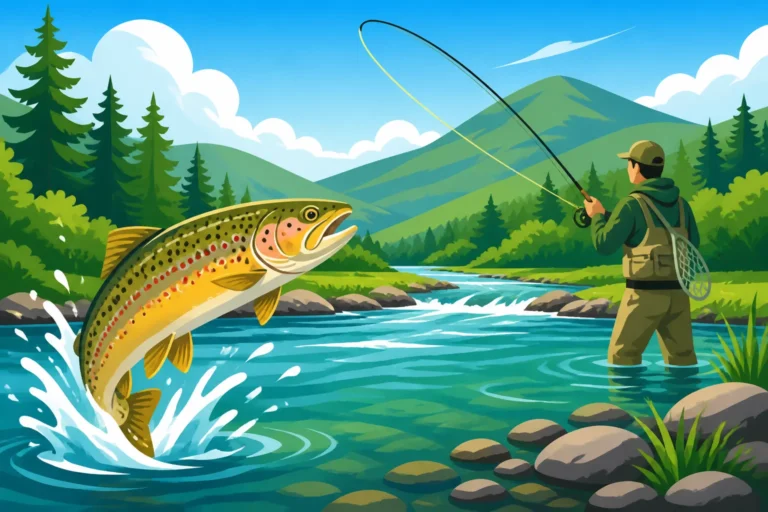
- Rainbow Trout: These acrobatic fighters are often stocked throughout the Lamoille, particularly in sections that are easily accessible to the public. They're known for their powerful runs and aerial displays, making them a favorite target for many anglers. While many rainbows you catch might be recently stocked, given enough time and forage, they can grow to respectable sizes in the Lamoille's cooler waters. You'll often find them congregating in faster-moving runs and riffles, especially where there's good oxygenation and insect activity.
- Brown Trout: Often the most wary and challenging to catch, brown trout are also the most likely to reach true trophy sizes in the Lamoille. They're resilient and can adapt to a wider range of water temperatures than brook trout, making them prominent throughout the river. Brown trout tend to be more nocturnal feeders and will often hold in deeper pools, under cut banks, or near submerged structure, offering excellent cover. They're cunning, and tempting a large brown often requires a stealthy approach and precise presentation.
- Brook Trout: Vermont's native trout, brook trout, prefer the colder, cleaner waters of the Lamoille's headwaters and smaller, feeder tributaries. While you might encounter them in the main stem, especially further upstream or during cooler periods, the best chances for a true wild brook trout often lie in exploring the river's smaller veins. These vibrant fish are less common in the wider, warmer sections of the lower Lamoille but are a prized catch for their stunning coloration and wild spirit. They’re usually smaller than browns or rainbows but make up for it in beauty.
Understanding the River's Character
The Lamoille River isn't a monolithic waterway; it changes significantly as it flows from the Green Mountains to Lake Champlain. Understanding these distinct characteristics will help you pinpoint the most productive areas and adapt your fishing strategies.
The upper reaches, closer to the source, are typically narrower, faster-flowing, and rockier, with more pronounced riffles and runs. Here, the water is often cooler and clearer, creating ideal habitat for both wild trout and recently stocked fish. As the river progresses through towns like Morrisville and Johnson, it begins to widen, with more pronounced pools, gravel beds, and some slower, deeper stretches. This middle section often benefits from seasonal stocking by the Vermont Fish & Wildlife Department, ensuring good numbers of trout for anglers. If you're looking for information on specific stocking events, the How to use the Vermont fish stocking search tool can be an invaluable resource.
Further downstream, particularly from Fairfax towards Lake Champlain, the river becomes even wider and slower, often taking on more characteristics of a warm-water fishery. While trout can still be found here, especially during cooler months or near cold-water inputs, species like smallmouth bass, northern pike, and even walleye become more prevalent. The lower Lamoille near the lake can offer some surprising multi-species opportunities, but for dedicated trout angling, focusing on the upper and middle sections is usually more productive. The river's flow can also be influenced by dams, so being aware of recent rainfall and dam releases is crucial for safety and successful fishing, as water levels can fluctuate dramatically.
Prime Public Access Points Along the Lamoille
One of the biggest hurdles for any angler is knowing where to actually get to the river. The Lamoille, thankfully, offers several excellent public access points, from roadside pull-offs to designated fishing access areas. These spots provide diverse experiences, from easy bank fishing to prime wading opportunities.
Upper Reaches: Morrisville and Hyde Park
The areas around Morrisville and Hyde Park are fantastic starting points for Lamoille River trout fishing, offering a mix of stocked and wild fish in a picturesque setting. The river here maintains a good gradient, providing plenty of oxygenated water and varied structure.
- Morrisville: Right within the town of Morrisville, you'll find several spots that provide easy access. One popular area is near the Copley Hospital, where there's often public parking and trails leading down to the river. This section features a mix of riffles, runs, and some deeper pools, perfect for both fly and spin anglers. The river here is wide enough to cast comfortably but often shallow enough for wading, especially during lower flows. Another excellent spot is just outside town, heading towards Hyde Park, where various roadside pull-offs allow for quick entry. These stretches are frequently stocked, making them a great option if you’re looking for consistent action, particularly early in the season. Consider these spots if you're looking to introduce someone to fishing, as the accessibility and potential for success are higher.
- Hyde Park: As the Lamoille flows through Hyde Park, it continues to offer excellent trout habitat. The Lamoille Valley Rail Trail, which runs alongside much of the river, often provides incidental access points. While the trail itself is for recreational use, many spots along its length offer easy paths down to the water. Look for bridges or culverts, as these often create deeper holding water for trout. Downstream from the village center, there are public lands and undeveloped sections where you can find more solitude. These areas might require a bit more walking to get to the prime spots, but the reward can be finding less pressured fish. When planning your trip, you might even consider booking a local guide through platforms like FishingBooker who can show you some of these lesser-known, productive stretches and provide insights into current conditions and effective tactics.
Middle Section: Johnson and Jeffersonville
Moving downstream, the Lamoille continues its journey through the heart of northern Vermont, offering excellent trout fishing in and around the towns of Johnson and Jeffersonville. This section is characterized by a slightly broader river, often with more distinct pools and bends, providing fantastic cover for larger trout.
- Johnson: The area around Johnson, home to Northern Vermont University's Johnson campus, has long been a favored spot for local anglers. There's often good public access directly within the village, especially near the university grounds and public parks. These spots are easily reachable and often provide good bank fishing opportunities, which is perfect if you're not equipped for extensive wading. The river here tends to have a good mix of gravel and rocky bottom, creating varied currents and prime feeding lanes. You’ll find plenty of riffles and runs that transition into deeper pools, ideal for drift fishing nymphs or tossing small spinners. This section also holds a good population of brown trout, which are known to hide under the numerous undercut banks and fallen trees.
- Jeffersonville: Further downstream, near Jeffersonville and the confluence of the Brewster River, the Lamoille presents a slightly different character. The river becomes wider here, and while there are still plenty of riffles, you'll also find some impressive deep runs and slower sections. Access can be found off various state and local roads, often with small pull-offs or designated parking areas. The stretch downstream from the Route 108 bridge, for instance, offers diverse water with good opportunities for both wading and fishing from the bank. This area is known for supporting larger trout, especially brown trout that have grown accustomed to the river's rich forage. For those who enjoy the challenge of targeting bigger fish, the Jeffersonville area is definitely worth exploring. It's in these more extensive sections that having a boat, even a small raft or kayak, can open up a lot of otherwise inaccessible water.
Lower Lamoille: Fairfax to Lake Champlain
While the lower Lamoille River, from Fairfax down to Lake Champlain, transitions more into a warm-water fishery, it still holds significant appeal for trout anglers, especially during cooler seasons or periods of high water.
- Fairfax: Around Fairfax, the Lamoille starts to widen considerably and slow down, but don't count it out for trout. In spring and fall, as water temperatures drop, trout will move into these sections, often following baitfish or seeking out cooler tributary inflows. Public access points can be found near bridges and occasionally through designated fishing access areas. These areas are often great for those who prefer to fish from the bank or use smaller boats like canoes and kayaks. The deeper pools and slower currents here make it ideal for drifting bait or working larger streamers. While the numbers of trout might not be as high as upstream, the potential for a larger, holdover brown trout can be quite enticing. Remember to check Vermont Fishing Regulations Explained for specific rules regarding bait use and species limits in these broader sections.
- Near Lake Champlain: As the Lamoille approaches Lake Champlain, it becomes a much larger, slower river, more akin to a wide creek or bay. While warm-water species dominate, the mouth of the Lamoille can be a fantastic spot for migratory trout and salmon in the spring and fall. Lake-run brown trout and rainbow trout (steelhead) will push upriver from Lake Champlain, especially after heavy rains, to spawn or feed. Access to these sections is often found near boat launches and parks close to the lake. This is a very different kind of trout fishing, often involving heavier tackle and targeting fish that are actively moving. If you're interested in pursuing these unique opportunities, connecting with a local charter service on FishingBooker that specializes in Lake Champlain tributaries might give you an edge, as they often have the specialized knowledge and equipment for these conditions. This is where you might also encounter other exciting species like northern pike and walleye, making for a truly diverse fishing experience.
Below is a table summarizing some prominent Lamoille River access points and what you can expect:
| Location (General Area) | Key Features & Access | Primary Trout Species | Notes |
|---|---|---|---|
| Morrisville | Town parks, roadside pull-offs near Copley Hospital. Easy wading, bank access. | Rainbow, Brown, some Brook | Frequently stocked, good for beginners. |
| Hyde Park | Lamoille Valley Rail Trail access points, some public land. Wading and bank. | Rainbow, Brown, some Brook | Good mix of riffles and pools, varied structure. |
| Johnson | Village parks, university grounds, roadside pull-offs. Bank fishing, moderate wading. | Brown, Rainbow | Deeper pools, good for holdover browns, accessible. |
| Jeffersonville | Near Rt. 108 bridge, various pull-offs. Wider river, good wading. | Brown, Rainbow | Potential for larger trout, diverse water types. |
| Fairfax | Bridge access, limited public access. Wider, slower river. | Brown (especially holdovers), Rainbow | Best during cooler months, small boat/kayak friendly. |
| Near Lake Champlain | Boat launches, river mouth access. Very wide, slow. | Lake-run Brown, Rainbow | Spring/Fall migratory runs, mixed species. |
Techniques and Gear for Lamoille River Trout
Having the right approach and equipment can significantly impact your success on the Lamoille River. Whether you're a seasoned fly angler or prefer the simplicity of spin fishing, tailoring your methods to the river's conditions and the trout's behavior is key.
Fly Fishing Strategies
Fly fishing on the Lamoille River offers a truly immersive and rewarding experience. The diverse insect life and varied water types provide ample opportunities for different fly fishing techniques.
- Dry Fly Fishing: During periods of insect hatches, dry fly fishing can be incredibly exciting. Look for rising trout in slower pools, eddies, and tailouts of riffles. Common hatches include caddis, mayflies (like Blue-Winged Olives and Hendrickson's), and stoneflies. Matching the hatch is crucial, so carrying a variety of patterns in different sizes is always a good idea. Present your dry fly with a delicate touch, aiming for a drag-free drift over suspected holding lies. Early mornings and late evenings are often prime times for surface feeding. If you're venturing out in the spring, make sure to check out Spring Trout Fishing Techniques for Vermont Streams for specialized advice.
- Nymphing: When trout aren't actively feeding on the surface, nymphing is often the most productive method. Trout spend a significant portion of their lives feeding subsurface on aquatic insects. Techniques like dead-drifting nymphs under an indicator or even Euro nymphing can be incredibly effective in the Lamoille's runs and riffles. Focus on getting your nymphs deep, near the bottom, where trout are holding and feeding. Popular patterns include Pheasant Tails, Hare's Ears, Prince Nymphs, and various stonefly imitations. Using a longer leader and proper weight distribution will help you achieve that critical depth and natural drift.
- Streamer Fishing: For targeting larger brown trout, especially in deeper pools, under cut banks, or during lower light conditions, streamer fishing can be deadly. Streamers imitate baitfish, which are a primary food source for bigger trout. Casting streamers across and downstream, then stripping them back with an erratic retrieve, can provoke aggressive strikes. Patterns like Woolly Buggers, Clouser Minnows, and various sculpin imitations are excellent choices. This method is often most effective in the slightly wider, deeper sections of the river, particularly around Johnson and Jeffersonville. If you're passionate about this approach, read up on Best Fly Fishing Rivers in Vermont for more specific insights.
Spin Fishing Tactics
Spin fishing is a highly effective and accessible way to catch trout on the Lamoille River, offering versatility and the ability to cover a lot of water quickly.
- Spinners and Spoons: Classic inline spinners like Mepps Aglias or Panther Martins, and small casting spoons such as Phoebe or Kastmaster, are perennial favorites for Lamoille River trout. Their flashing blades and vibrating actions mimic small baitfish or insects, triggering aggressive strikes. Cast upstream or across the current and retrieve just fast enough to get the blade spinning, allowing the lure to drift naturally through runs and pools. Experiment with different colors and sizes until you find what the trout are keying in on. These are particularly effective in faster-moving water where trout have less time to inspect the lure.
- Small Crankbaits and Jerkbaits: For targeting larger brown trout in deeper water or around structure, small crankbaits and jerkbaits can be highly effective. These lures dive to various depths and have an erratic action that can entice wary fish. Focus on working them near submerged logs, rock piles, or undercut banks where big trout often lie in wait. Brands like Rapala or Berkley offer excellent options in trout-imitating colors. A slow, steady retrieve with occasional pauses can often be the trigger.
- Natural Bait: Don't overlook the power of natural bait. Worms, minnows, and even corn or PowerBait can be incredibly effective, especially for recently stocked trout or in slower, deeper holes. When using bait, a light line, a small hook, and minimal weight are usually best for a natural presentation. Drift worms through riffles or suspend PowerBait off the bottom in a deep pool. Always check the Vermont Trout Limit and Possession Rules and local regulations before using natural bait, as some areas or seasons might have restrictions. Many anglers find using a small bobber or float can help present bait naturally in current.
Essential Gear for a Successful Trip
Having the right gear makes a huge difference in comfort, safety, and success on the Lamoille River. Don't let subpar equipment ruin a potentially great day.
- Rods and Reels: For fly fishing, a 9-foot, 4- to 6-weight rod is a versatile choice, capable of handling various fly sizes and trout up to several pounds. Pair it with a matching reel and a weight-forward floating line. For spin fishing, a light to medium-light spinning rod (6 to 7 feet long) with a fast action is ideal, paired with a small spinning reel spooled with 4-8 lb monofilament or fluorocarbon line. Having the right rod makes casting effortless and fighting fish enjoyable. If you're looking for recommendations, check out Best Fishing Rods for Vermont Lakes, as many of those principles apply to rivers too.
- Waders and Boots: The Lamoille River offers fantastic wading opportunities, but good waders and wading boots are essential. Breathable chest waders are ideal for comfort in warmer weather and protection in cooler temperatures. Felt-soled wading boots offer superior grip on slick rocks, though rubber soles with studs are also popular, especially where felt is restricted. A sturdy wading staff is highly recommended for navigating swift currents and uneven bottoms, providing crucial stability. Knowing the Wading Techniques for Vermont Trout Streams can truly enhance your safety and effectiveness. Also, invest in a quality pair of Best Waders for Vermont Trout Streams for optimal comfort and durability.
- Tackle and Accessories: Beyond the main gear, a few accessories are crucial. A well-stocked fly box or tackle box with a variety of lures, flies, and terminal tackle is a must. Pliers or hemostats for hook removal, a small landing net (preferably rubberized to protect fish), polarized sunglasses to spot fish and structure, and a comfortable fishing vest or sling pack to carry essentials are invaluable. Always carry a valid Vermont Fishing License Guide for 2026 and familiarize yourself with the Reading the Vermont Fishing Regulations Guide before heading out.
Navigating Regulations and Practicing Conservation
Fishing the Lamoille River is a privilege, and respecting the regulations and practicing responsible angling are paramount to ensuring healthy fish populations and enjoyable experiences for everyone. Vermont has clear guidelines designed to protect its natural resources.
Key Regulations to Know
Before you even step foot in the river, it's vital to be aware of the specific rules governing fishing on the Lamoille and across Vermont. Ignorance of the law is never an excuse, and penalties for violations can be significant.
- Fishing License: Every angler aged 15 and over needs a valid Vermont fishing license. This applies to both residents and non-residents. You can purchase these online, at various vendors, or through the Vermont Fish & Wildlife Department. Having your license easily accessible, whether a printed copy or on your phone (check the rules on Printing or Carrying a Digital Fishing License in Vermont), is crucial.
- Season Dates and Species Limits: Trout season in Vermont generally opens on the second Saturday in April and extends through October 31st, but specific waters, like some tributaries or sections of rivers, might have different open seasons or special regulations. It's imperative to check the most current Vermont Fish & Wildlife fishing guide for the exact Vermont Trout Season and Stocking Rules and the daily bag and possession limits for each species. For instance, there are often different length limits and daily take allowances for brook, brown, and rainbow trout. Know what you can keep and when.
- Special Regulation Waters: While the Lamoille River generally falls under statewide regulations, always be aware that some specific sections or tributaries could be designated as "Special Regulation Waters." These might have unique rules regarding tackle type (e.g., artificial lures only, fly fishing only), catch-and-release requirements, or altered length limits. Always consult the official regulations thoroughly to avoid any misunderstandings.
Embracing Catch-and-Release and River Etiquette
Beyond the letter of the law, practicing ethical angling and good river etiquette contributes significantly to a positive experience for all and the long-term health of the Lamoille fishery.
- Handle Fish with Care: If you plan to release fish, proper handling is crucial for their survival. Minimize their time out of water, keep your hands wet, and avoid squeezing them. Use a rubberized net to reduce scale and slime removal. If a fish is deeply hooked, cut the line as close to the hook as possible rather than trying to rip it out. Releasing fish gently into the current, supporting them until they swim away strongly, gives them the best chance. This practice is especially important for native brook trout and larger, spawning fish.
- Leave No Trace: Pack out everything you pack in. This includes all trash, broken line, and discarded bait containers. Leaving the riverbank cleaner than you found it helps preserve its natural beauty and keeps it enjoyable for others. Avoid disturbing vegetation unnecessarily and stay on established paths where possible to minimize erosion.
- Respect Other Anglers and Property Owners: Public access is a privilege. Be mindful of other anglers on the water, giving them ample space to fish without crowding. If you encounter private property, respect "No Trespassing" signs. A friendly nod and a polite greeting go a long way in fostering a positive angling community. Remember, we share this precious resource, and responsible behavior ensures it remains vibrant for generations of anglers to come.
Disclaimer
The information provided in this guide is for general informational purposes only and is subject to change. Fishing regulations, access points, and conditions can vary. Always consult the official Vermont Fish & Wildlife Department regulations and local advisories before planning your fishing trip to the Lamoille River. Fishing involves inherent risks; always prioritize safety on and near the water.