Lake Champlain Ice Fishing Village Guide
The biting cold, the seemingly endless expanse of ice, and the sheer challenge of finding fish on a massive body of water like Lake Champlain can feel incredibly daunting to a first-time ice angler. It's easy to get overwhelmed trying to figure out where to even begin, let alone how to stay safe and comfortable. This comprehensive guide is here to demystify the incredible world of Lake Champlain's ice fishing villages, helping you understand their unique appeal and equip you with the knowledge to enjoy a successful and memorable winter fishing adventure.
What Exactly is an Ice Fishing Village on Lake Champlain?
When you hear "ice fishing village," you might picture something out of a movie – a cluster of rustic shacks with smoke curling from tiny chimneys. While some areas certainly capture that old-world charm, a Lake Champlain ice fishing village is often a much more dynamic and fluid concept, evolving with the ice conditions and the whims of the fish. It's less about permanent structures and more about a temporary community that forms on the ice, drawn together by the shared passion of winter angling.
The Community Aspect: More Than Just Holes in the Ice
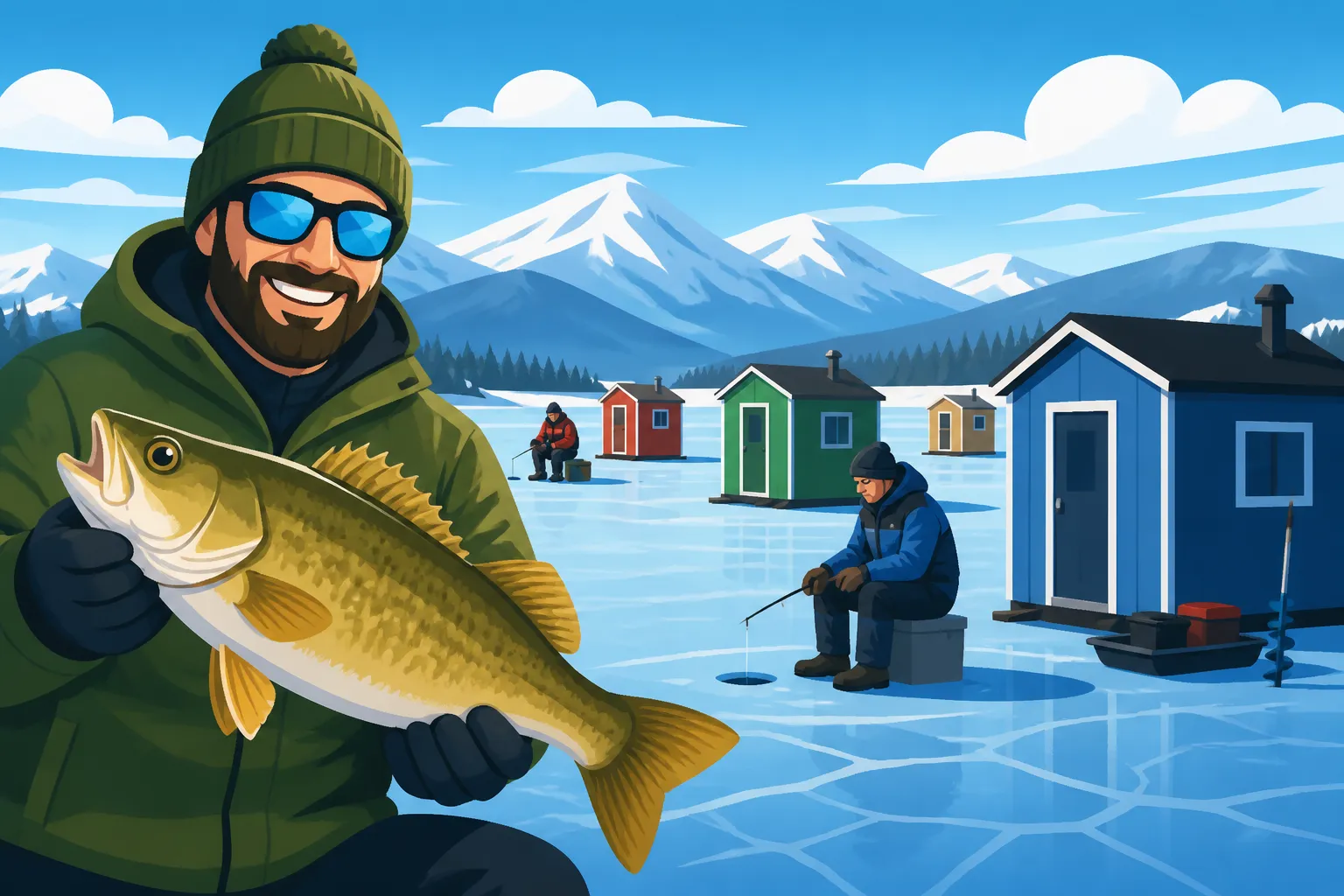
An ice fishing village on Lake Champlain isn't just a physical collection of shelters; it's a vibrant, temporary community that brings anglers together during the coldest months. Imagine driving out onto a frozen bay, seeing dozens, sometimes hundreds, of ice shanties dotted across the white landscape. Each shack might belong to a different individual or group, but there's an undeniable camaraderie that forms. People share tips on where the fish are biting, offer a helping hand if someone gets stuck in the snow, or even share a cup of hot coffee. It’s a unique social experience, a kind of winter frontier town where everyone is united by the pursuit of fish beneath their feet. You'll see everything from elaborate, insulated shanties with heaters and even televisions, to simple pop-up tents that protect anglers from the wind. It’s a testament to the dedication and ingenuity of Vermont's ice fishing enthusiasts.
Essential Amenities and Services in a Village Setting
While many ice fishing villages aren't formal "towns" with shops and restaurants on the ice itself, they typically form in areas that offer convenient access to essential amenities on shore. Think about it: you're out on a frozen lake, perhaps miles from the nearest road. You'll need access to bait, tackle, propane, and sometimes even a warm meal or a place to sleep. Many of the most popular ice fishing spots on Lake Champlain are strategically located near towns like Burlington, Colchester, or Port Henry (on the New York side). These nearby communities provide bait and tackle shops, gas stations, grocery stores, and restaurants. Some spots, especially during popular events like the Vermont Free Fishing Weekend Dates, might even see temporary vendors or services set up near major access points to cater directly to the influx of anglers, offering everything from hot cocoa to quick shanty repairs. Knowing what's available nearby is crucial for a comfortable and prepared trip.
Prime Locations for Setting Up Your Ice Fishing Base Camp
Lake Champlain is enormous, stretching over 120 miles long and boasting impressive depths. Naturally, not every square foot of its frozen surface is suitable for an ice fishing village. Certain bays and shallower areas consistently draw the crowds, offering safer ice, easier access, and a higher probability of catching fish. Understanding these prime locations is key to planning your winter adventure.
Northern Lake Champlain Hotspots: Malletts Bay, Colchester
The northern reaches of Lake Champlain, particularly around Malletts Bay and Colchester, are incredibly popular for ice fishing, and for good reason. Malletts Bay, just north of Burlington, offers a vast, relatively shallow basin that freezes reliably and provides excellent opportunities for a variety of species. The sheer size of the bay means you can find everything from sprawling informal villages of shanties to quieter, more secluded spots if you’re willing to venture further. Access points are numerous, and the proximity to Colchester provides easy access to supplies.
You'll often find a diverse community here, from seasoned local ice anglers to families trying it out for the first time. The bay's protected nature means it often freezes earlier and maintains safer ice conditions longer than more exposed parts of the main lake. However, never take ice for granted; always check local conditions and follow safety guidelines. This area is well-known for producing good numbers of yellow perch, northern pike, and even some respectable walleye, especially during low-light hours. The convenience of nearby towns also makes it easy to replenish bait or grab a hot meal after a long day on the ice.
Central Lake Champlain Hubs: Burlington, Shelburne Bay
While the immediate waterfront of downtown Burlington itself isn't typically where the ice fishing villages form due to deeper water and ferry traffic, the areas just south, like Shelburne Bay, are very active. Shelburne Bay offers similar advantages to Malletts Bay: relatively protected waters, good access, and a history of reliable ice formation. It’s another excellent spot for families and those looking for a diverse catch.
The convenience of being close to Burlington's amenities can't be overstated. If you're traveling from out of town, setting up camp near Shelburne Bay means you're just a short drive from hotels, restaurants, and larger sporting goods stores where you can pick up any last-minute gear you might need. You'll find plenty of perch and pike here, and depending on the season and specific locations, even some decent lake trout in the deeper sections of the bay that connect to the main lake. For those looking to hire a guide, many excellent Lake Champlain outfitters operate out of this central region, offering services that can be easily booked through platforms like FishingBooker, providing all the necessary gear and local expertise to maximize your chances of success.
Southern Lake Champlain Retreats: South Bay, Port Henry Side
As you head further south on Lake Champlain, the landscape and fishing opportunities shift slightly. While Vermont's southern end of the lake offers fantastic fishing, many of the more established "ice fishing villages" with significant shanty concentrations are actually found on the New York side, particularly around Port Henry and Crown Point. However, Vermont's South Bay area near the town of Whitehall offers excellent, often quieter, ice fishing experiences, especially for panfish and pike.
The southern lake tends to be shallower and can freeze up earlier in the season, making it an attractive option for early-season ice anglers. While perhaps not as densely populated with shanties as Malletts Bay, these southern retreats offer a more serene experience. The fishing can be phenomenal, particularly for yellow perch and pike, which thrive in these shallower, weedy environments. Anglers willing to make the drive will often find less competition for prime spots. Remember that if you cross into New York waters, you'll need the appropriate Vermont Fishing License Guide for 2026 or New York fishing license, or understand the reciprocity rules for boundary waters. Always verify regulations based on your exact location on the lake.
Navigating the Logistics: Shacks, Rentals, and Regulations
Once you’ve picked your spot, the practicalities of ice fishing come into play. From setting up your shelter to understanding what you can and can't do on the ice, a bit of foresight can prevent headaches and ensure a smooth, enjoyable trip.
Ice Shanty Rules and Registration Requirements
Before you even think about drilling your first hole, you need to understand the rules surrounding ice shanties on Lake Champlain. Vermont has specific regulations governing these temporary structures, and ignoring them can lead to fines. Generally, all ice fishing shanties must be clearly marked with the owner's name and address. This isn't just a formality; it helps authorities identify abandoned shanties, which can become navigational hazards or environmental concerns as the ice melts. You can find detailed information on these requirements in resources like Vermont ice shanty registration rules.
Furthermore, there are strict deadlines for when shanties must be removed from the ice, typically by late March, depending on the ice conditions and specific body of water. Leaving a shanty out past the deadline is a serious offense. It’s crucial to check the Vermont Fish and Wildlife Department's current regulations each season, as dates can vary. These rules are in place not to make your life difficult, but to ensure safety for all lake users and to protect the environment. Responsible shanty use is a hallmark of a good ice angler.
Renting Gear and Shacks: Local Outfitters and Guides
For those new to ice fishing, or visitors who don’t want to haul all their gear, renting equipment or even an entire shanty can be a game-changer. Lake Champlain boasts a number of excellent local outfitters and guides who specialize in ice fishing. These services typically provide everything you need: a pre-heated shanty, pre-drilled holes, bait, tackle, and even instruction on how to fish for specific species. This is an ideal option for families, beginners, or anyone looking for a hassle-free experience.
Many outfitters are concentrated around the major ice fishing hubs like Malletts Bay or Shelburne Bay. A quick search for "Lake Champlain ice fishing rentals" will bring up several reputable businesses. You might even find guided trips available through services like FishingBooker, where experienced local guides offer half-day or full-day excursions, often taking you to their secret hot spots and ensuring you have the right gear for species like walleye or lake trout. This takes all the guesswork out of it, allowing you to focus purely on the fishing experience. It's a fantastic way to learn the ropes and safely enjoy the unique thrill of ice fishing without the initial investment in equipment.
Understanding Vermont's Ice Fishing Regulations and Safety
Beyond shanty regulations, Vermont has a comprehensive set of rules that apply to all fishing activities, including ice fishing. It's not just about what you catch, but how you catch it, how many you can keep, and even the size of your holes. A thorough understanding of Vermont fishing regulations explained is non-negotiable for a responsible angler. This includes daily bag limits, minimum length limits for certain species like bass or walleye, and special regulations for specific waters. For instance, the regulations around Vermont Lake Champlain Fishing Rules might differ slightly from smaller inland lakes.
Safety on the ice is paramount. The first rule of ice fishing is never trust the ice. While ice fishing villages typically form on stable, thicker ice, conditions can change rapidly. Always check ice thickness regularly, especially if venturing away from well-used areas. General safety guidelines suggest a minimum of four inches of clear, solid ice for walking, and even more for ATVs or vehicles. You can get more details on How thick ice needs to be for Vermont anglers to walk on it. Always go with a buddy, tell someone your plans, and carry essential safety gear like ice picks, a rope, and a whistle. A throwable flotation device is also a smart addition, particularly if you're out on a larger shanty. For more specific guidance on boater safety, even in winter, consider checking Life Jacket Requirements for Vermont Boaters.
Target Species and Techniques for Lake Champlain Ice Anglers
Lake Champlain is a diverse fishery, offering a plethora of species for ice anglers. Knowing what you're targeting and the best methods to catch them can significantly increase your success rate and make your time on the ice much more rewarding.
Walleye and Perch: The Winter Staples
When it comes to ice fishing on Lake Champlain, walleye and yellow perch are often the star attractions. These species remain active throughout the winter months and are highly sought after by anglers. Yellow perch, in particular, are schooling fish, meaning if you find one, you've likely found a whole school. They are abundant, relatively easy to catch, and make for excellent table fare. Small jigs tipped with a grub, a wax worm, or a small minnow are typically deadly for perch. Many anglers employ active jigging techniques, using sensitive rods to detect their subtle bites. For detailed tips on this, refer to Jigging for Perch Through the Ice.
Walleye, on the other hand, are a more elusive and prized catch. They are known for their keen eyesight and tend to feed most actively during low-light conditions, such as dawn, dusk, or even after dark. Jigging spoons, blade baits, or swimming lures tipped with a piece of minnow are popular choices for walleye. You'll often find walleye in slightly deeper waters, near structure like drop-offs, humps, or submerged points. Understanding their habits and preferred depths, which can be found in a Walleye Fishing on Lake Champlain guide, is critical. Successful walleye anglers often move around, using fish finders to locate schools before settling in.
Lake Trout and Salmon: Deep Water Challenges
For the dedicated ice angler seeking a true challenge and a potential trophy, Lake Champlain offers exceptional opportunities for lake trout and landlocked salmon. These cold-water giants typically inhabit deeper sections of the lake, making them a target for anglers willing to venture further out and fish in depths ranging from 50 to over 100 feet. The fight of a large lake trout through a small ice hole is an experience you won't soon forget.
Trolling during the open water season is a common technique, but ice anglers adapt by using heavy jigging spoons, tube jigs, or large minnows fished on a deadstick (a rod left mostly still in a holder). Locating these fish often requires a good fish finder to identify schooling baitfish or individual trout suspended in the water column. Areas of significant depth changes, underwater points, and offshore reefs are prime hunting grounds. For specific techniques and locations, guides like Lake Trout Fishing in Vermont and How to Catch Landlocked Salmon in Vermont provide invaluable insights. Remember, patience is key when targeting these formidable species; they won't always bite readily, but the reward is often well worth the wait.
Northern Pike and Bass: Exciting Opportunities
While walleye, perch, lake trout, and salmon get a lot of attention, Lake Champlain's ice offers fantastic fishing for northern pike and even smallmouth bass. Northern pike are aggressive predators, and they provide exhilarating fights, often hitting tip-ups with brutal force. They are typically found in shallower, weedier bays, ambushing unsuspecting baitfish. Large dead or live baitfish (where legal), fished under a tip-up, are the classic setup for pike. Using heavy leaders is essential to prevent their razor-sharp teeth from cutting your line.
Smallmouth bass, surprisingly, can also be caught through the ice, especially during the early and late ice seasons when water temperatures are slightly warmer. They tend to congregate in deeper rock piles, humps, and points where they can ambush baitfish. Jigging spoons, drop shots, and small tube jigs can be effective. While perhaps not as common a target as pike or perch, catching a feisty smallmouth through the ice is a unique thrill. For more on catching these strong fighters, check out a guide on How to Catch Smallmouth Bass in Vermont Lakes. Always be mindful of local regulations, as bass can have a specific catch-and-release season or special minimum length limits during winter months.
Preparing for Your Winter Expedition: Gear and Safety
Ice fishing, especially on a large lake like Champlain, requires more than just a rod and reel. Proper gear ensures your comfort, safety, and ultimately, your success. Cutting corners here can lead to a miserable, or even dangerous, experience.
Essential Safety Gear Beyond the Shanty
When you're out on the ice, especially if you're venturing beyond the immediate "village" area, your personal safety should always be the top priority. Beyond the structural integrity of your shanty, you need to carry personal safety equipment. This includes a set of ice picks worn around your neck, ready to help you pull yourself out should you break through. A throw rope, at least 50 feet long, is essential for rescuing a friend or being rescued. Consider a personal flotation device (PFD) if you're particularly nervous or on thinner ice, though bulky winter clothing can make traditional PFDs less practical.
Another crucial item is a spud bar or ice chisel. This tool allows you to test ice thickness as you walk, giving you a real-time assessment of conditions. Don't rely solely on visual cues or the word of others. A portable air horn or whistle can alert others if you run into trouble. Always carry a fully charged cell phone (in a waterproof bag) and a portable charger. Remember, conditions can change rapidly, and being prepared for the worst can save lives. For more on general ice fishing equipment, consult Best Ice Fishing Gear for Vermont.
What to Pack for Comfort and Success
Being cold and wet is a surefire way to cut your ice fishing trip short. Dressing in layers is paramount. Start with a moisture-wicking base layer, add insulating layers like fleece or wool, and top it off with a waterproof and windproof outer shell. Insulated boots are non-negotiable; your feet will be the first to get cold. Hand warmers, insulated gloves or mittens, and a warm hat are also essential. Remember that heat escapes quickly from your head and extremities.
Beyond clothing, think about your fishing setup. A good ice auger (either manual, power, or propane) is crucial for drilling holes efficiently. A portable fish finder (flasher or LCD unit) can drastically improve your success by showing you fish and bottom structure. Don't forget a comfortable chair or bucket to sit on, a skimmer to clear ice from your holes, and a sled to transport all your gear. Having a thermos of hot coffee, tea, or soup can be a real morale booster on a frigid day.
| Item Type | Essential Gear for Comfort | Essential Gear for Safety | Essential Gear for Fishing Success |
|---|---|---|---|
| Apparel | Layered clothing (base, fleece, outer shell) | Warm hat, insulated gloves/mittens | |
| Insulated, waterproof boots | |||
| Personal | Hand/foot warmers | Ice picks (worn around neck) | Small tackle box with jigs, lures, hooks |
| Thermos with hot beverage | Throw rope (50+ ft) | Bait bucket with live bait (minnows, worms) | |
| Whistle/air horn | Rods & reels (2-3 setups for different species) | ||
| Equipment | Portable propane heater (if in shanty) | Spud bar / Ice chisel (to test ice) | Ice auger (manual, power, or propane) |
| Comfortable folding chair or bucket | Fully charged cell phone (waterproof case) | Portable fish finder (flasher/LCD) | |
| Sled for transport | Portable charger for electronics | Skimmer (for clearing holes) | |
| First-aid kit | Landing net (for larger fish) | ||
| Optional but Recommended | Portable radio/speaker | GPS device or map of area | Tip-ups (for pike/walleye) |
| Small shovel | Extra batteries for electronics | Cooler for fish (or a bucket for live release) |
Dealing with Changing Ice Conditions and Weather
Lake Champlain's winter weather can be notoriously fickle. A beautiful, calm morning can quickly turn into a howling blizzard with whiteout conditions. Always check the forecast before heading out, and be prepared for sudden changes. This means having proper navigation tools, whether it's a GPS unit or a detailed map and compass, especially if snow cover obscures landmarks. Getting disoriented on a large, featureless expanse of ice is a real danger.
Beyond weather, ice conditions themselves are dynamic. Daily temperature fluctuations, snow cover, and underwater currents can all affect ice thickness and stability. Areas that were safe one day might be compromised the next. Pay attention to cracks, open water, and slushy areas. Slush can indicate underlying weak ice. Always be prepared to pack up and leave if conditions deteriorate. No fish is worth risking your life over. Knowing when to call it a day, even if the fish are biting, is a crucial part of being a responsible ice angler on Lake Champlain.
Local Resources and Making the Most of Your Trip
To truly immerse yourself in the Lake Champlain ice fishing experience, tapping into local knowledge and resources is invaluable. From where to buy your bait to finding a cozy spot to recount your day's adventures, the local community is there to support your trip.
Finding Local Bait Shops and Supplies
One of the first stops for any serious ice angler is the local bait shop. These aren't just places to buy worms and minnows; they are often hubs of local fishing information. The staff usually have their fingers on the pulse of current conditions, recent catches, and hot spots. In towns surrounding Lake Champlain, like Colchester, South Burlington, or even across the lake in Plattsburgh, New York, you'll find independent bait and tackle shops ready to equip you.
For example, Vermont Field Sports in Colchester is a well-regarded local spot that provides not only a wide array of bait and tackle but also expert advice on fishing Lake Champlain. Don't be shy about asking questions about preferred depths, successful lure colors, or even the general temperament of the fish on a given day. These shops also carry essential supplies like propane for heaters, ice auger fuel, and replacement tackle, making them crucial support points for your expedition. Remember, fresh bait can make all the difference, so plan your bait stops accordingly.
Connecting with Guides and Local Expertise
If you're looking to fast-track your success or simply want to learn from the best, connecting with a local ice fishing guide is an excellent investment. Guides possess an intimate knowledge of Lake Champlain's vast waters, knowing precisely where fish are likely to be found under various conditions. They also provide all the necessary gear, often including insulated shanties and fish finders, making it an ideal option for beginners or those seeking a premium experience.
Many seasoned Lake Champlain ice fishing guides offer their services, often specializing in particular species like walleye or lake trout. Platforms like FishingBooker make it incredibly easy to browse available charters and guides, compare prices, read reviews, and book directly. This is not only a fantastic way to learn advanced techniques and uncover prime fishing spots but also to ensure you're fishing safely and within regulations. A good guide can turn a potentially frustrating day into a memorable success, especially on a large and complex fishery like Lake Champlain.
Where to Stay and Dine Around Lake Champlain
After a long day battling the elements and the fish on the ice, nothing beats a warm meal and a comfortable bed. The towns surrounding Lake Champlain offer a wide range of accommodation and dining options to suit every budget and preference. In the Burlington area, you'll find everything from boutique hotels to more budget-friendly motels, along with a vibrant culinary scene. Consider establishments like The Daily Planet in Burlington for a hearty, eclectic meal or Folino's Wood Fired Pizza for a casual, delicious option.
If you're fishing further north, towns like St. Albans offer cozier, smaller-town lodging and dining experiences. For those exploring the southern reaches, destinations like Brandon or Vergennes provide charming inns and local eateries. Even across the lake in New York, places like Port Henry or Plattsburgh offer convenient options for anglers utilizing those access points. Many local restaurants are keen to cater to hungry anglers, sometimes even offering early breakfast options during peak ice fishing season. Planning your overnight stays and dining ahead of time ensures a comfortable and relaxing end to your adventurous days on the ice.
Disclaimer
Please remember that fishing regulations, ice conditions, and local access information can change. Always consult the latest Vermont Fish and Wildlife Department regulations and local advisories before heading out on the ice. Safety should be your absolute priority.